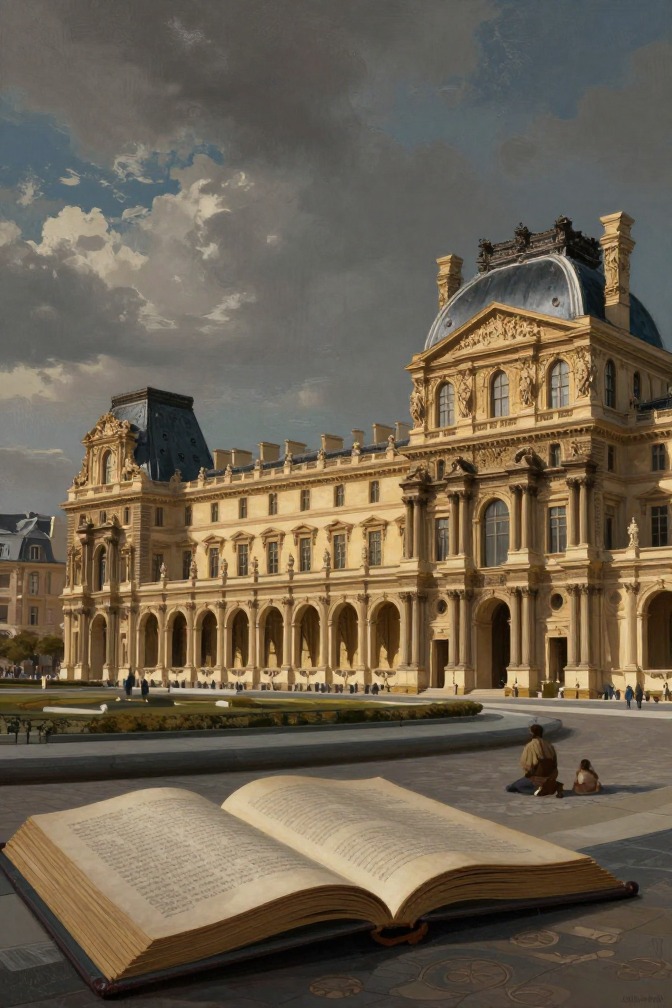
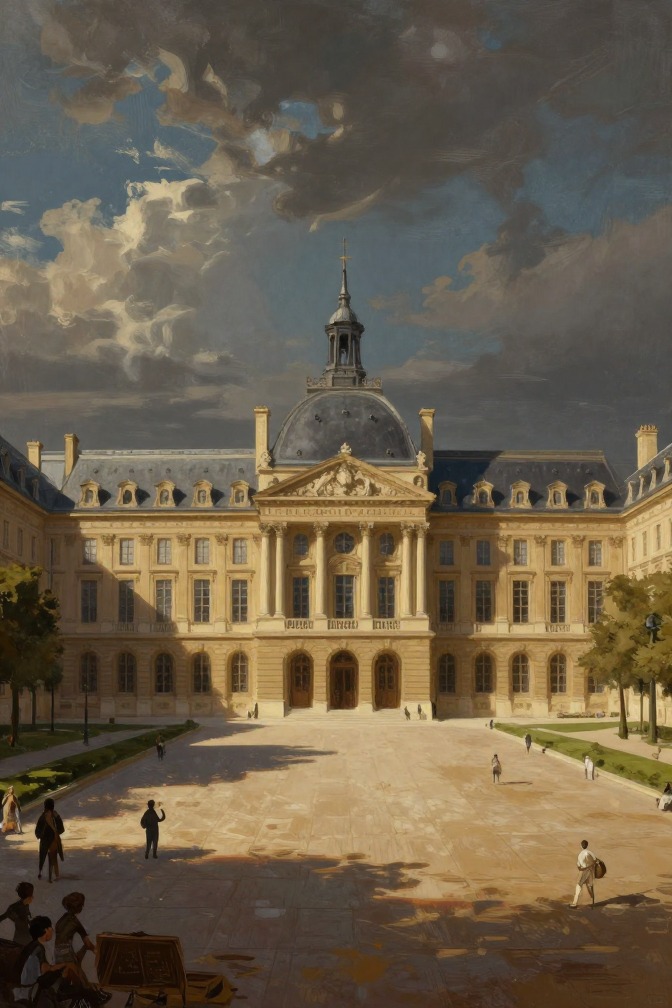
The Louvre Museum is the central setting of The Da Vinci Code, serving as the site of Jacques Saunière's murder, the initial crime scene investigation, and the ultimate resting place of the Holy Grail beneath its inverted pyramid.
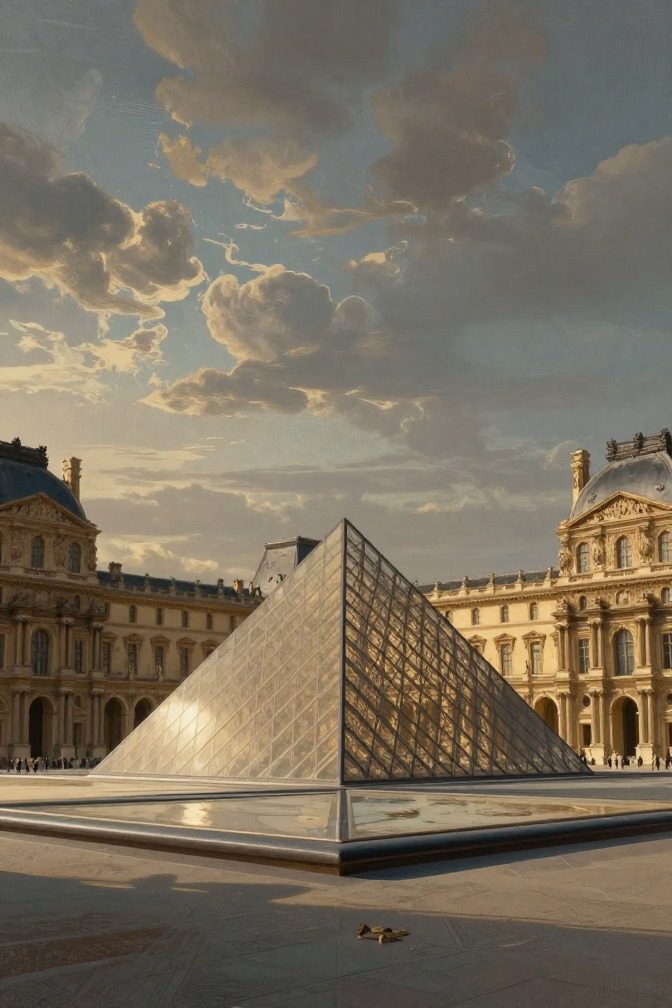
The Louvre Pyramid is the glass-and-metal pyramid that serves as the main entrance to the Louvre Museum in Paris. Commissioned by French President François Mitterrand and designed by architect I. M. Pei, the seventy-one-foot-tall structure has been a source of controversy since its construction, with traditionalists decrying its modernist intrusion into the Renaissance courtyard and progressives hailing it as a dazzling synergy of ancient and modern. In the novel, the pyramid becomes the site of the final revelation: the Holy Grail lies beneath the inverted pyramid in the Carrousel du Louvre, guarded by the blade and chalice symbols.
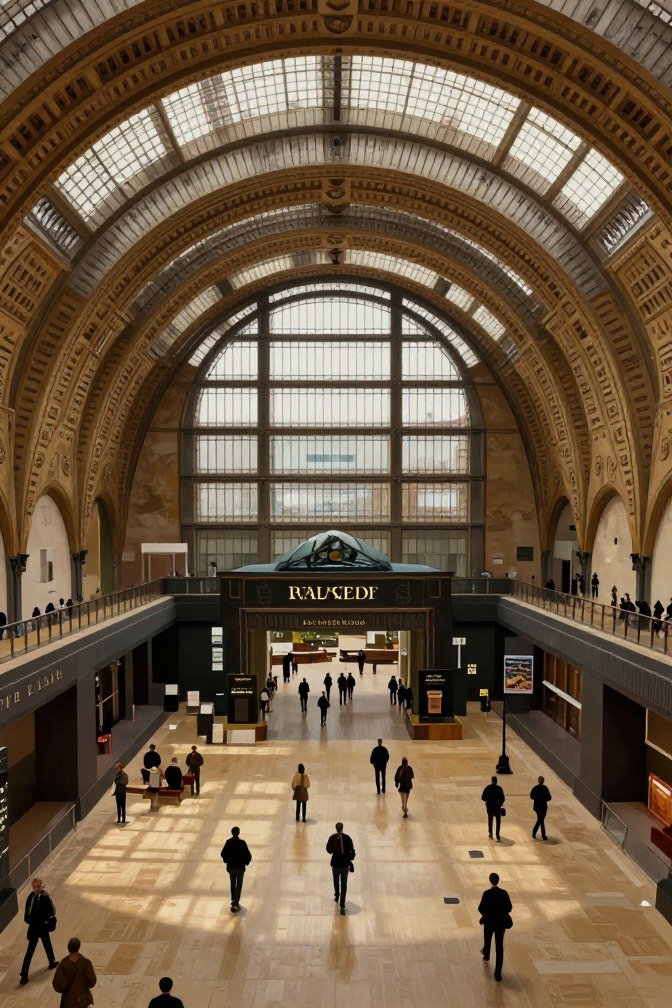
The Musée d'Orsay, a renowned art museum housed in a former railway station on the Left Bank of the Seine, appears in the novel as a landmark visible from the esplanade of the Tuileries Gardens, anchoring the geography of Paris's art world and serving as a silent witness to the night's unfolding events.
The Opus Dei Centre in London is a modest brick building at 5 Orme Court, overlooking the North Walk at Kensington Gardens, serving as a residence and place of prayer for members of the Catholic prelature Opus Dei. It becomes a key location in the novel when Silas, the albino monk, seeks refuge there after his mission to recover the keystone goes awry, only to be discovered by the London police following a tip-off, leading to a violent confrontation that results in the accidental shooting of Bishop Manuel Aringarosa.
Place Vendôme is a prestigious square in Paris, serving as the location of the Hotel Ritz Paris, where Robert Langdon is staying at the novel's opening. It is a site of luxury and historical significance, and its mention anchors the narrative's initial setting and Langdon's temporary residence in the city.
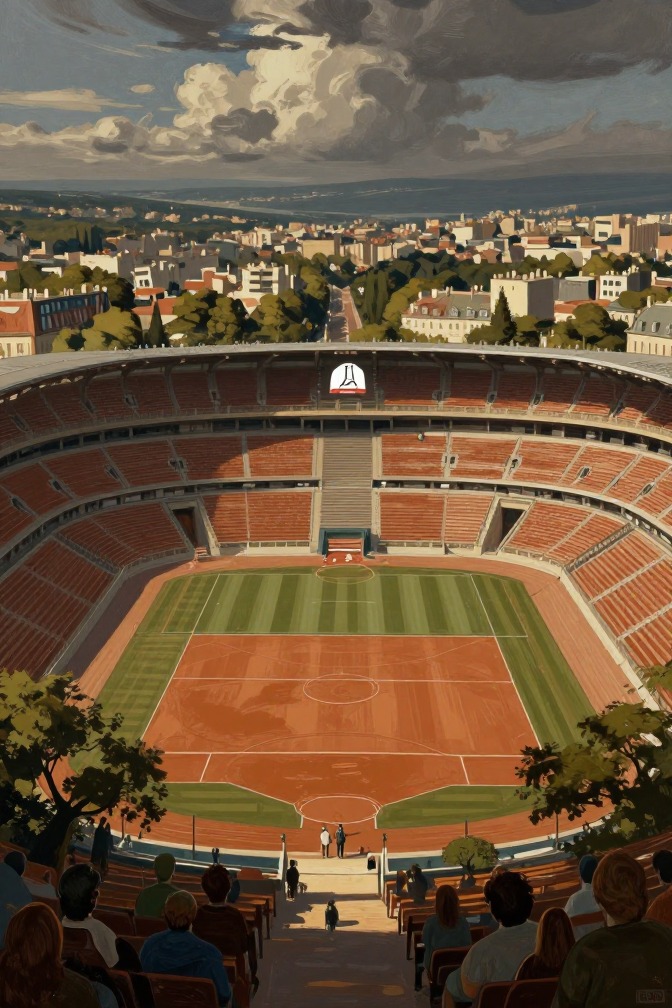
Roland Garros is the tennis stadium complex in Paris that serves as a key geographical reference point for the location of 24 Rue Haxo, the address of the Depository Bank of Zurich, where Sophie Neveu and Robert Langdon retrieve the keystone from Jacques Saunière's safe-deposit box.
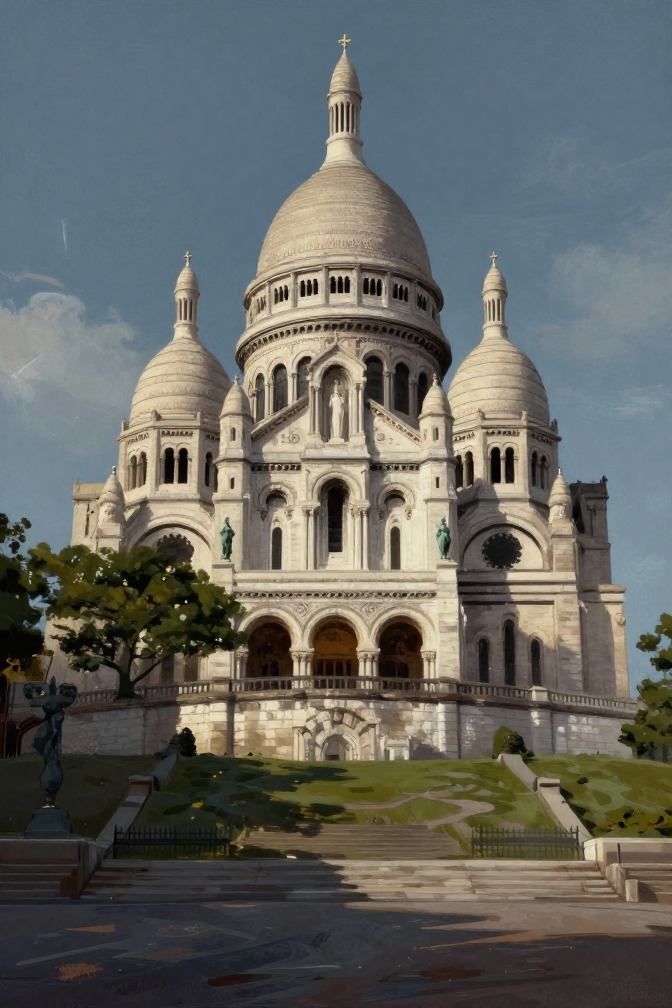
Sacré-Coeur is a prominent Parisian basilica atop Montmartre, serving in the novel as a visual landmark that marks the city's northern skyline and as a symbol of the sacred feminine's enduring presence, contrasting with the patriarchal institutions the protagonists flee.
The Salle des Etats is the room within the Louvre's Denon Wing that houses Leonardo da Vinci's Mona Lisa. It becomes a crucial site in the novel when Sophie Neveu, following the clues left by her murdered grandfather Jacques Saunière, visits the painting and discovers a hidden message and a gold key behind another Da Vinci masterpiece, Madonna of the Rocks, which sets the next stage of her and Robert Langdon's quest.
The Seine is the river that flows through Paris, serving as a central geographic and symbolic axis in the novel. It is the site of the armored truck chase, the escape from the Louvre, and the final revelation of the Holy Grail's resting place beneath the Louvre's inverted pyramid.
St. James's Park is a public park in central London, adjacent to the palaces of Westminster, Buckingham, and St. James's, that serves as the setting for the Teacher's final, lethal meeting with Rémy Legaludec and the subsequent revelation of the Holy Grail's true location.
St. Mary's Hospital is the London medical facility where Bishop Manuel Aringarosa is taken after being accidentally shot by Silas during a police raid on the Opus Dei Centre. It serves as the setting for the bishop's physical and spiritual collapse, his final reconciliation with Silas, and his encounter with Captain Bezu Fache, where the full scope of the Teacher's deception is laid bare.
Toulon is the coastal city in southern France where Silas, the albino monk of Opus Dei, lived as a young man after fleeing Marseilles, a period that deepened his isolation and hardened his violent instincts before his imprisonment in Andorra.
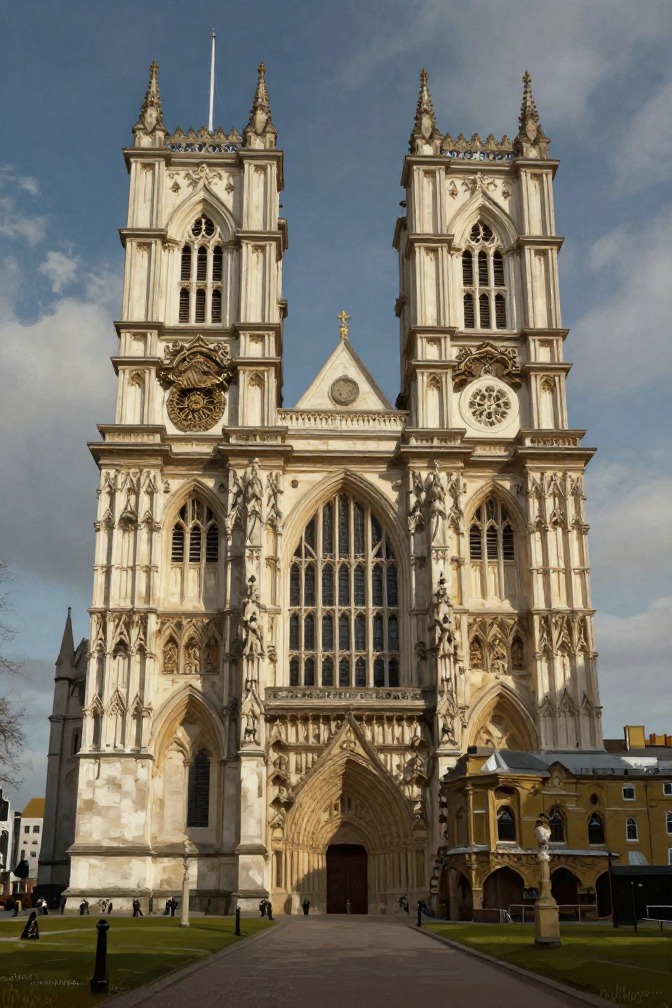
Westminster Abbey is the London church where Sir Isaac Newton is buried, and it becomes the final destination of the keystone quest in The Da Vinci Code. The abbey's Newton tomb, with its prominent orb and astronomical carvings, provides the setting for the climactic deciphering of the cryptex password and the revelation of Leigh Teabing as the Teacher.
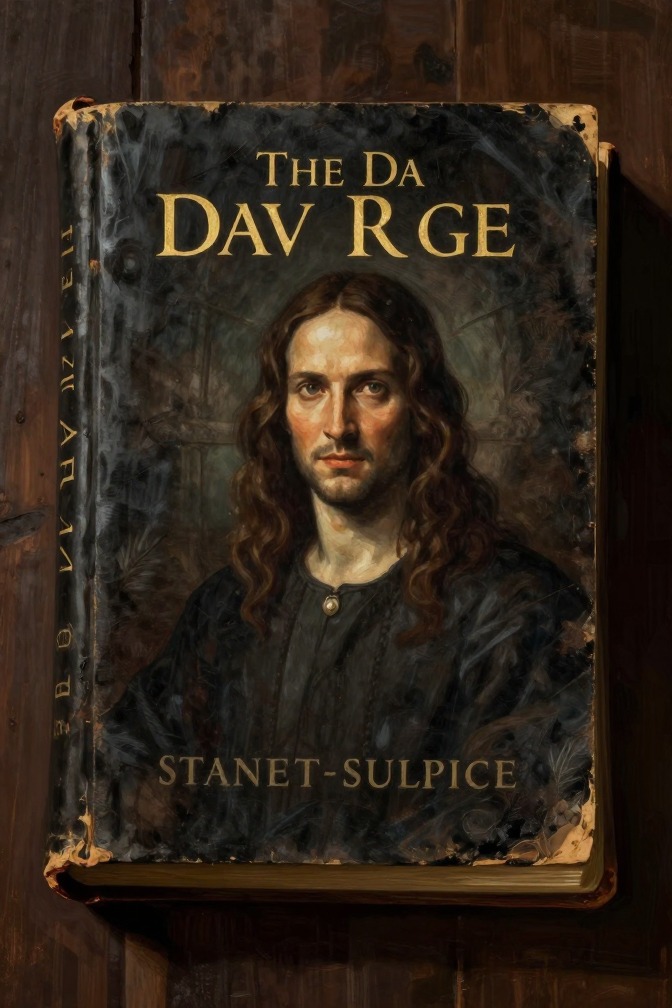
The Bible at Saint-Sulpice is the large leather-bound Bible placed on the main altar of the Church of Saint-Sulpice, which Silas consults after recovering a stone tablet bearing the inscription "Job 38:11" from beneath the Rose Line. The verse he reads—"Hitherto shalt thou come, but no further"—reveals that the keystone's clue was a deliberate dead end, a lie told by the murdered Priory members to mislead their attackers.
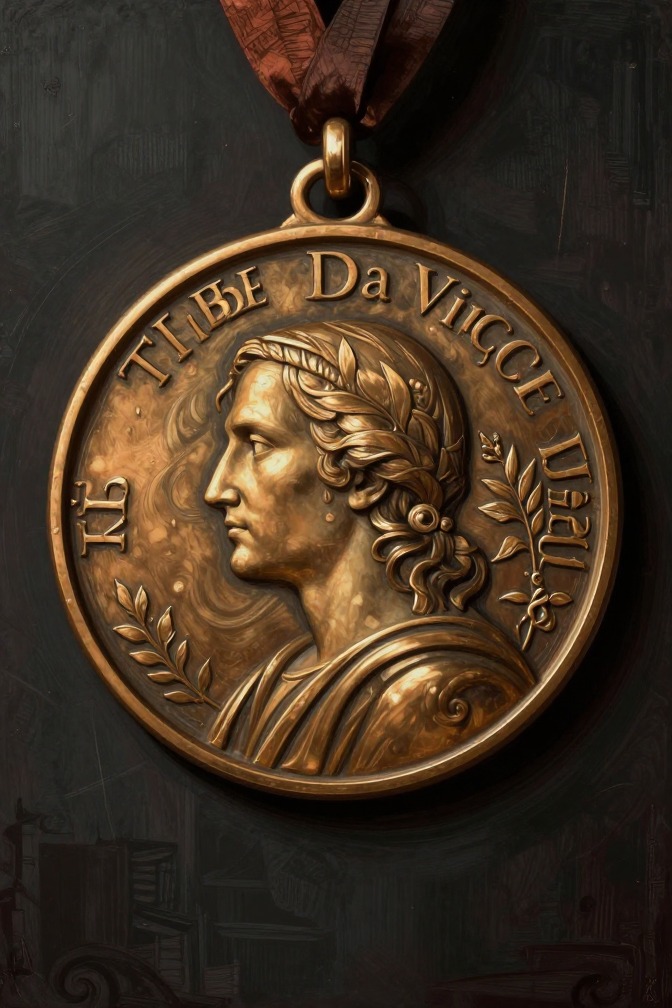
The Bronze Medallions are 135 markers embedded in Paris streets, sidewalks, and courtyards along a north-south axis, tracing the city's ancient Rose Line—the world's first prime meridian. They serve as a navigational and symbolic guide for Robert Langdon in the novel's epilogue, leading him from the Palais Royal to the Louvre Pyramid and ultimately to the revelation of the Holy Grail's resting place beneath the inverted pyramid.
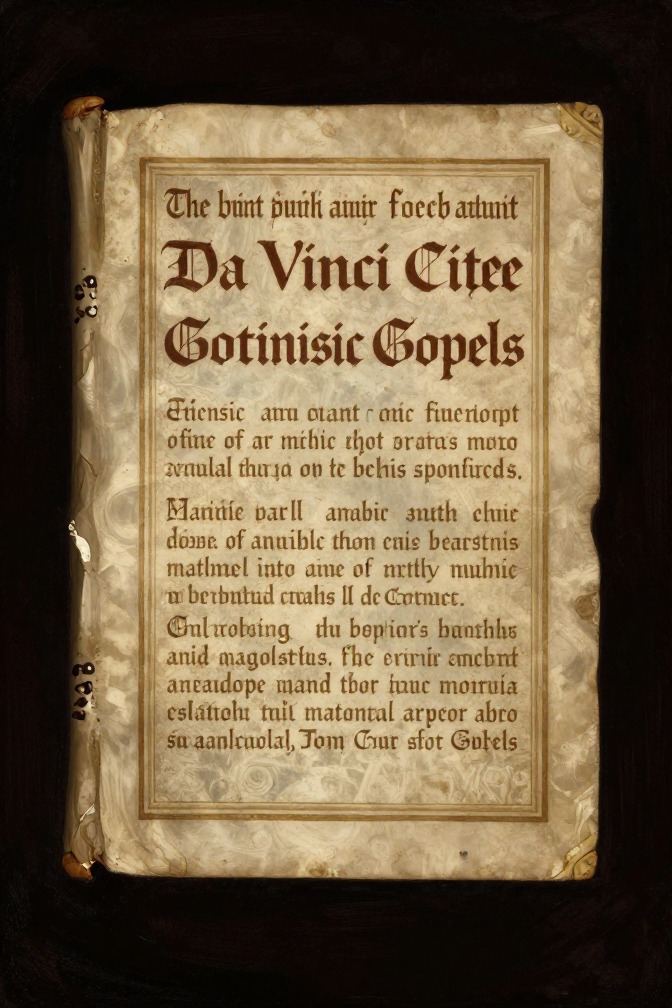
The Gnostic Gospels are a collection of early Christian texts discovered in 1945 at Nag Hammadi, Egypt, that present an alternative, humanized portrait of Jesus Christ and emphasize the role of Mary Magdalene. In The Da Vinci Code, these documents are presented as suppressed historical evidence that contradicts the canonical New Testament, supporting the novel's central claim that Jesus was married to Mary Magdalene and that the Church deliberately concealed this truth.
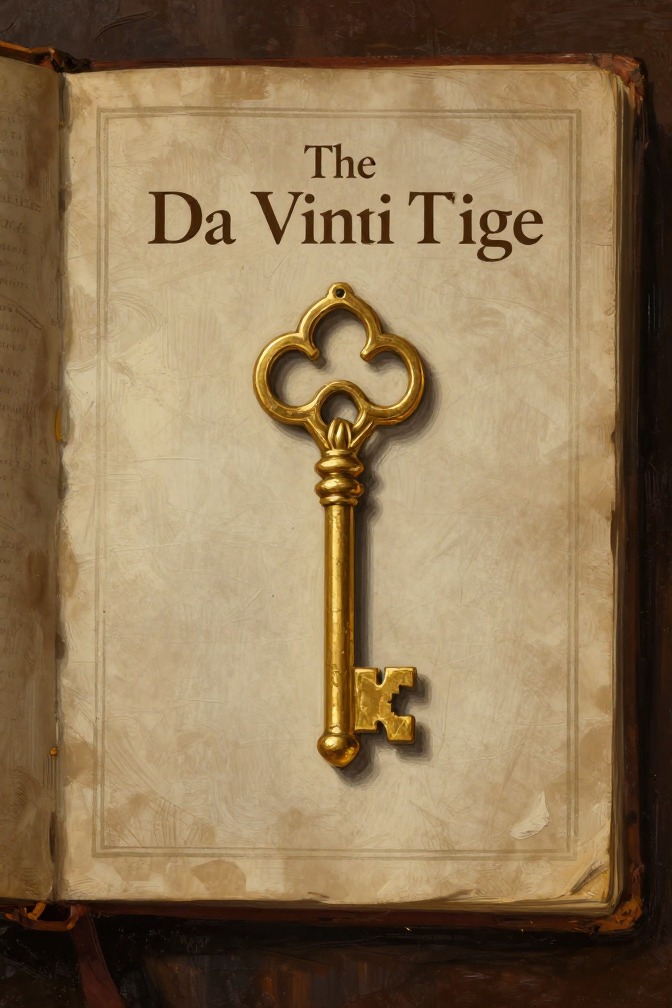
The Gold Key is a laser-cut cruciform key that Jacques Saunière hid behind Leonardo da Vinci's Madonna of the Rocks painting in the Louvre, intended for his granddaughter Sophie Neveu. It bears the Priory of Sion's official seal—a fleur-de-lis with the initials P.S.—and provides access to a safe-deposit box at the Depository Bank of Zurich, which contains the Priory's keystone, a marble cryptex designed by Leonardo da Vinci that holds a map to the Holy Grail.
Les Dossiers Secrets is a collection of parchments discovered in 1975 at Paris's Bibliothèque Nationale that purportedly identify the Grand Masters of the Priory of Sion, including Sir Isaac Newton, Botticelli, Victor Hugo, and Leonardo da Vinci. Within the novel, these documents serve as a key piece of evidence for the Priory's historical existence and its lineage of illustrious leaders, and they are referenced by characters as a source of authority on the brotherhood's secret history.
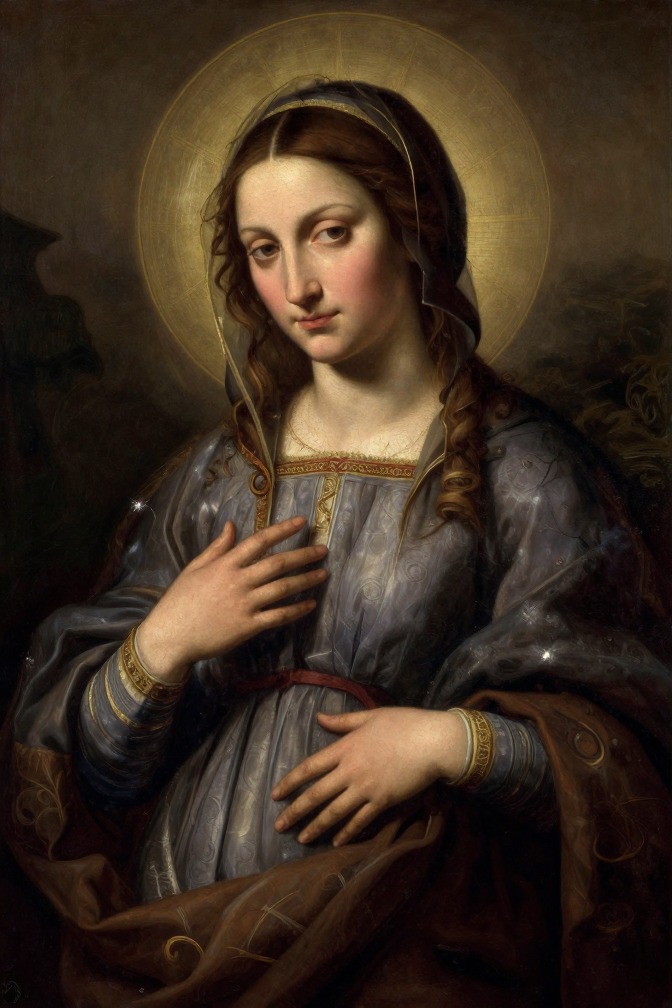
Madonna of the Rocks is a painting by Leonardo da Vinci that serves as a crucial hiding place in the novel, where Jacques Saunière conceals a gold key for his granddaughter Sophie Neveu, linking the Priory of Sion's secrets to the quest for the Holy Grail.
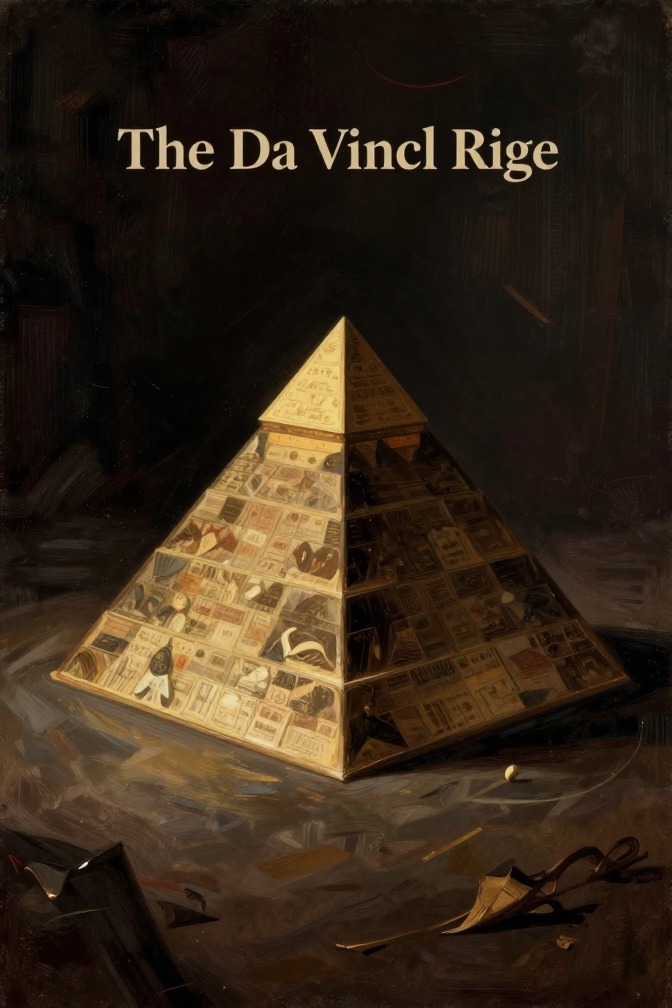
The Miniature Pyramid is a small, three-foot-tall glass structure located directly beneath the inverted pyramid skylight in the Louvre's subterranean entresol. It serves as the final, hidden marker of the Holy Grail's resting place, revealed by Jacques Saunière's poem and Robert Langdon's epiphany at the novel's conclusion.
The Poem on the Box is a four-line riddle in iambic pentameter, inscribed in reverse text beneath the inlaid rose on the lid of the rosewood box that contained the Priory keystone. It provides the instructions for opening the first cryptex: the password is an ancient word of wisdom, the key is a headstone praised by Templars, and the Atbash cipher must be applied to reveal the truth.
The Surveillance Listening Post is a sophisticated electronic eavesdropping system hidden in the hayloft of Château Villette's barn, operated by Rémy Legaludec on behalf of the Teacher. It was used to monitor the private conversations of several high-profile Parisian figures, including Jacques Saunière, for over a year, providing the intelligence that enabled the Teacher to orchestrate the decapitation of the Priory of Sion.
The Vatican Bearer Bonds are a set of large-denomination, negotiable bonds drawn on the Vatican Bank, which Bishop Manuel Aringarosa obtains from the Vatican Secretariat in exchange for signing a document that severs Opus Dei's status as a personal prelature. The bonds, totaling twenty million euro, are intended as payment to the Teacher for delivering the Holy Grail, but they ultimately become a symbol of Aringarosa's failed scheme and are later repurposed as restitution for the families of Silas's victims.
Sir Leigh Teabing is a British Royal Historian, a knighted scholar whose lifelong passion for the Holy Grail and the Priory of Sion makes him a central figure in the quest for the Sangreal. His expertise and estate provide a crucial refuge for Robert Langdon and Sophie Neveu, but his role ultimately shifts from ally to antagonist when his fanatical desire to expose the Grail's secret leads him to orchestrate the murders of the Priory's top members.
The cryptex, a stone cylinder with lettered dials designed by Leonardo da Vinci, serves as the Priory of Sion's keystone—an encrypted container whose password unlocks a map to the Holy Grail. Jacques Saunière, the Priory's Grand Master, crafted this device himself and, in his dying moments, left it for his granddaughter Sophie Neveu, initiating the novel's central quest.
The three sénéchaux, the senior officers of the Priory of Sion, were murdered by the albino monk Silas on the night of Jacques Saunière's death. Acting on orders from the Teacher, Silas interrogated and killed each of the three sénéchaux before turning to the Grand Master himself. The murders were part of a coordinated decapitation strike intended to force the Priory's top leaders to reveal the location of the keystone, the encrypted map to the Holy Grail.
The Way is the core doctrine and spiritual discipline of Opus Dei, a conservative Catholic prelature. It demands rigorous adherence to traditional Catholic values, including vows of chastity, tithing, and corporal mortification—practices such as wearing the cilice (a spiked belt) and self-flagellation with a knotted rope called the Discipline. For members like Silas, The Way provides a framework for redemption and a life of service, but its severe demands also create a vulnerability to manipulation by figures like the Teacher, who exploit its promise of spiritual power.
The 13th century is the historical period in which the Fibonacci sequence was introduced to Europe by the mathematician Leonardo Fibonacci, a sequence that becomes a crucial clue in the novel's central mystery.
1945 is the year of two major discoveries of ancient Gnostic texts—the Nag Hammadi library in Egypt and the Dead Sea Scrolls in the Judean desert—which, according to the novel, contain gospels that contradict the canonical New Testament and preserve the suppressed story of Mary Magdalene and the true nature of the Holy Grail.
1982 is the year Pope John Paul II elevated Opus Dei to a personal prelature of the Vatican, a decision that Bishop Aringarosa later believed had been bought by the sect's billion-dollar bailout of the Vatican Bank, and which became the foundation of the power that the Teacher exploited to manipulate Aringarosa into funding the Grail theft.