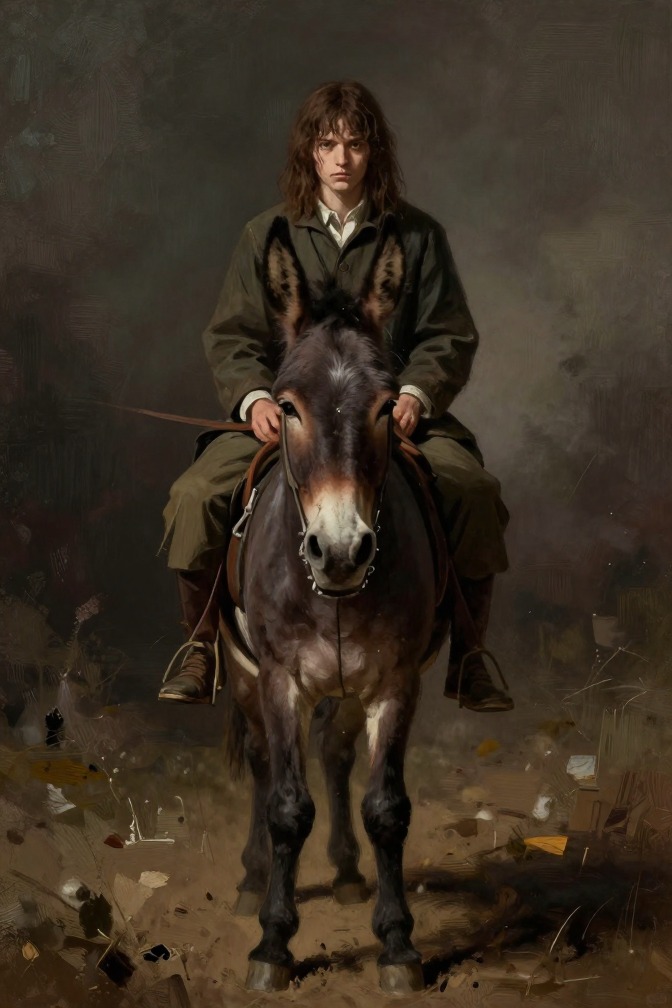
The mule appears in The Kite Runner as a recurring symbol of labor, poverty, and the harsh realities of Afghan life, often associated with the burdens carried by the poor and the degradation of the country's landscape under war and Taliban rule.
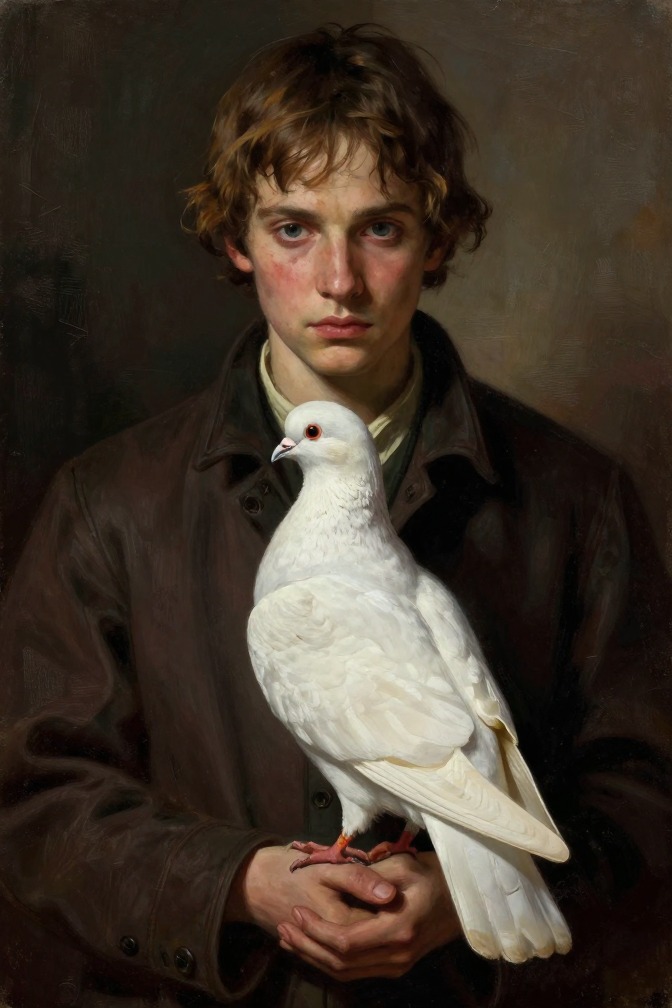
Pigeons appear in The Kite Runner as quiet witnesses to pivotal moments of trauma, memory, and fragile hope, their presence marking scenes of violence, religious hypocrisy, and the tentative beginnings of healing.
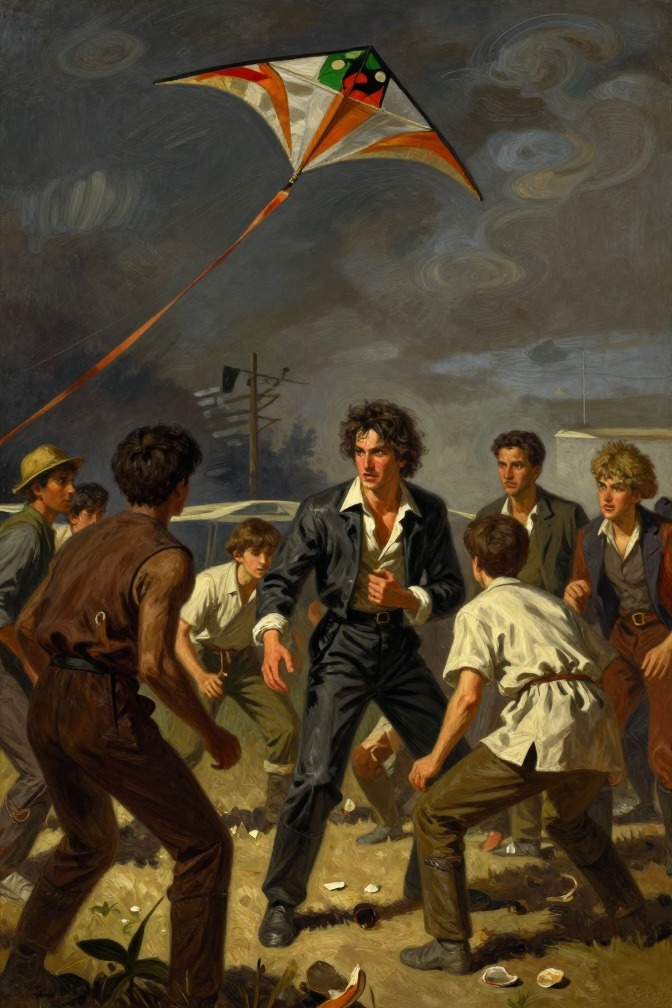
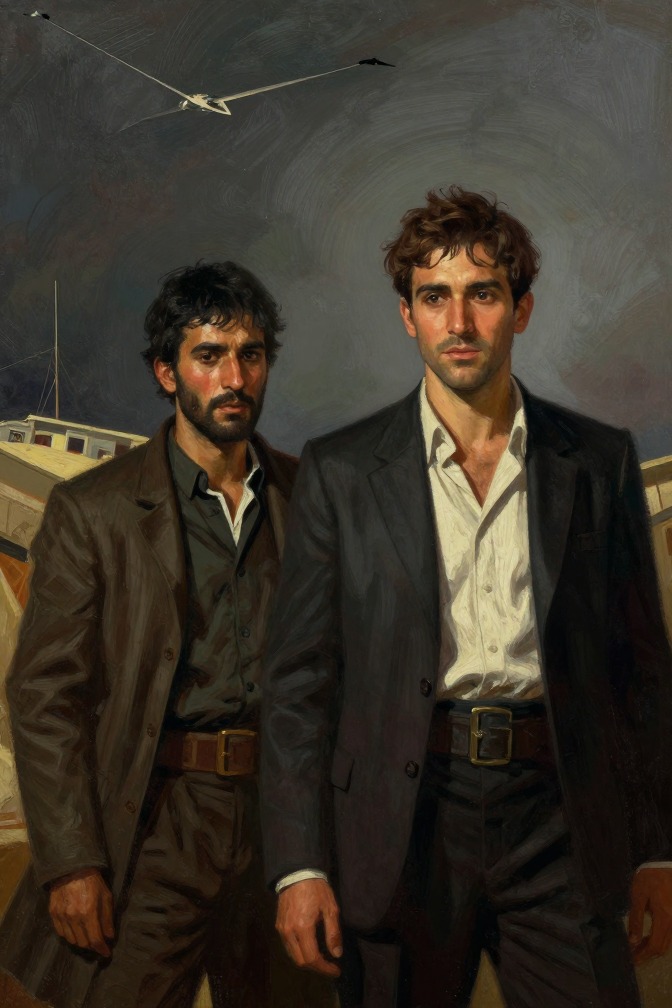
The 1975 kite tournament and Hassan's assault is the pivotal event of the novel, occurring when Amir is twelve years old. It encompasses Amir's victory in the annual kite-fighting competition, his desperate need for his father Baba's approval, and the subsequent rape of Hassan by Assef and his friends in an alley while Amir watches and does nothing. This single afternoon of triumph and cowardice becomes the defining trauma of Amir's life, shaping his identity, his relationships, and his decades-long quest for redemption.
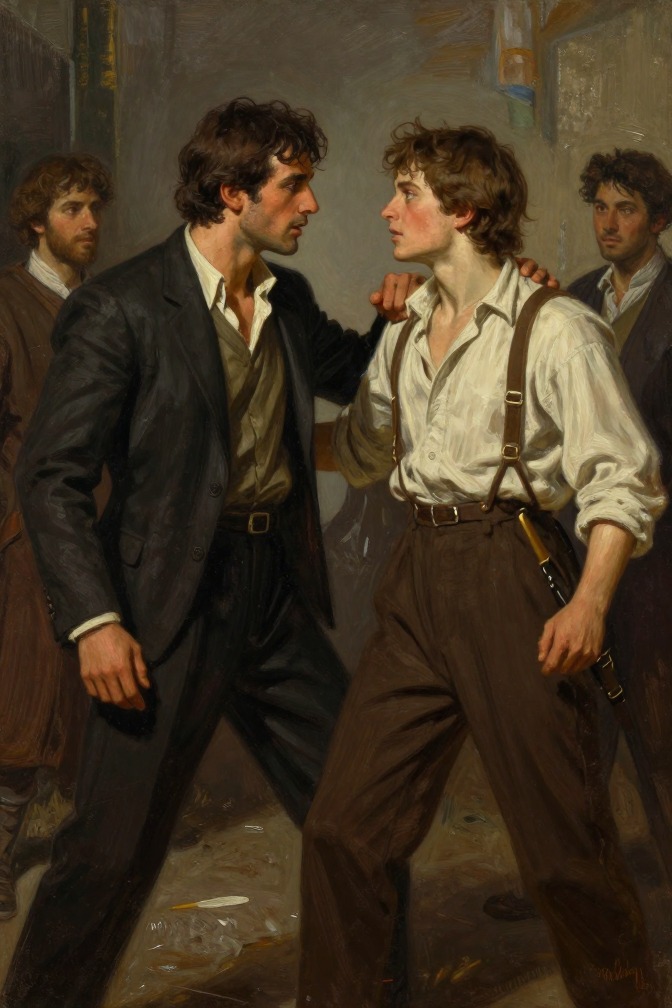
Amir confronts Assef, now a Taliban official, in a Wazir Akbar Khan compound to rescue Sohrab, Hassan's son. The meeting forces Amir to face the childhood bully who raped Hassan, and the ensuing fight nearly kills Amir before Sohrab saves him with a slingshot, blinding Assef and allowing their escape.
In March 1981, Amir and his father Baba flee Soviet-occupied Kabul in a harrowing journey to Pakistan, a flight that marks the end of their old life and the beginning of exile. The escape is a crucible of danger, moral confrontation, and loss, culminating in Baba's defiant stand against a Russian soldier and the traumatic death of a fellow refugee, shaping Amir's understanding of his father's character and his own place in a world at war.
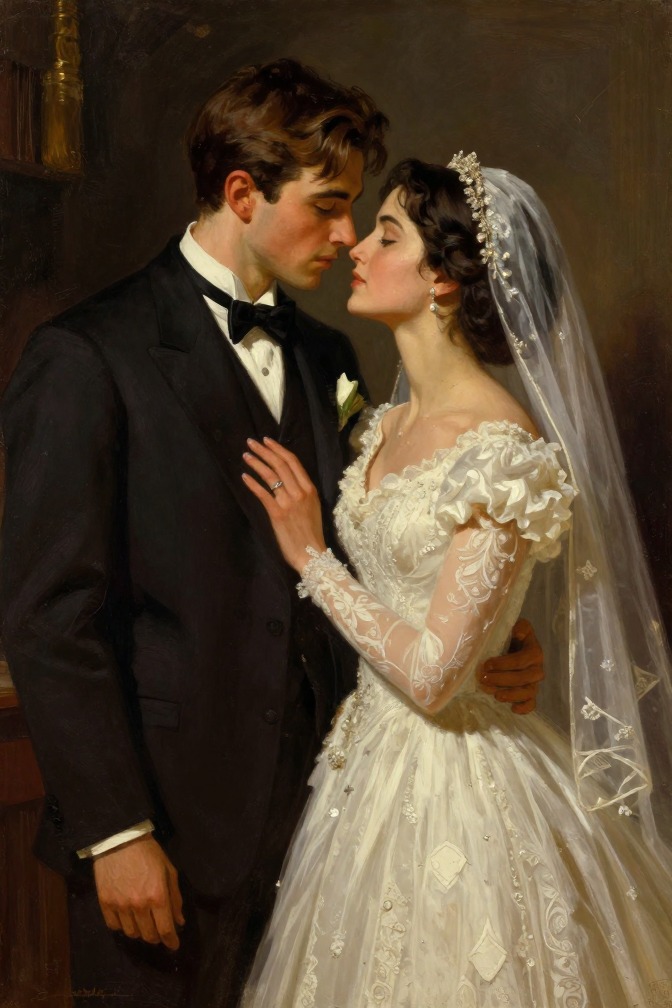
Amir marries Soraya Taheri in a traditional Afghan wedding ceremony in Fremont, California, shortly after his father Baba's death from cancer. The marriage, arranged through a formal khastegari (courtship) initiated by a dying Baba, unites Amir with the woman he has admired since their first meeting at the San Jose flea market. Soraya's past—she had run away with a man in Virginia—is disclosed before the wedding, and Amir accepts it, recognizing his own hidden guilt. The wedding, funded by Baba's life savings, is a large Afghan celebration that includes the nika (swearing ceremony), the Ayena Masshaf (mirror ritual), and the traditional song ahesta boro. After the ceremony, Soraya moves into Baba's apartment to care for him, and he dies peacefully a month later. The marriage marks a new beginning for Amir in America, yet his buried past—his betrayal of Hassan—remains unspoken, casting a shadow over his new life.
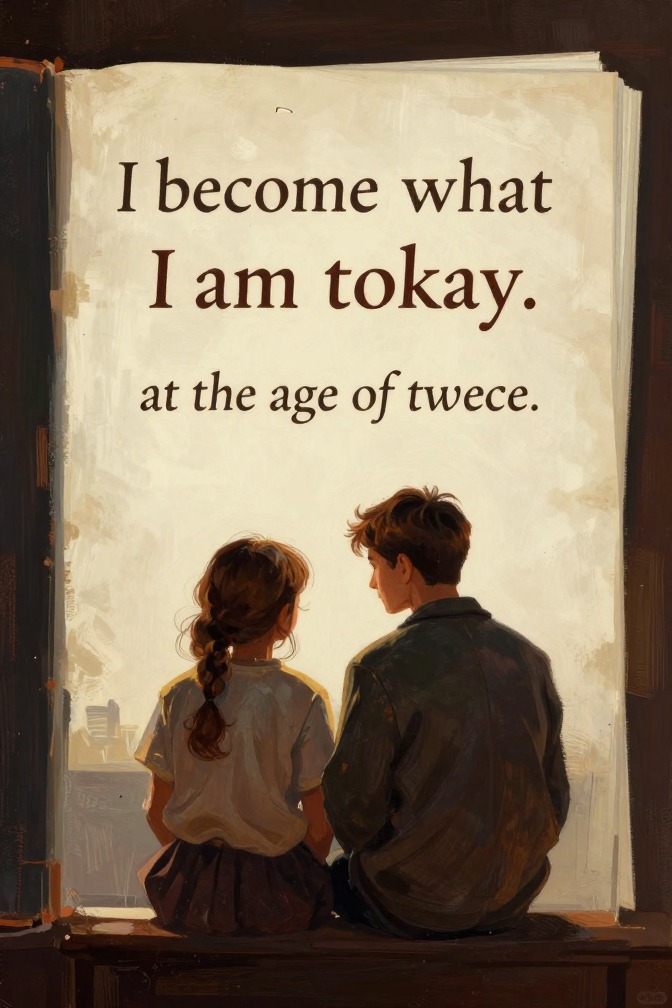
The opening line of Khaled Hosseini's The Kite Runner, 'I became what I am today at the age of twelve, on a frigid overcast day in the winter of 1975,' serves as the novel's foundational statement of identity, memory, and guilt. It announces that the protagonist Amir's entire adult self was forged in a single traumatic event witnessed in an alley, and it establishes the central theme that the past cannot be buried but 'claws its way out.' The line recurs as a structural anchor, linking Amir's childhood betrayal of Hassan to his decades-later quest for redemption, and it encapsulates the novel's exploration of how a defining moment of cowardice shapes a life.
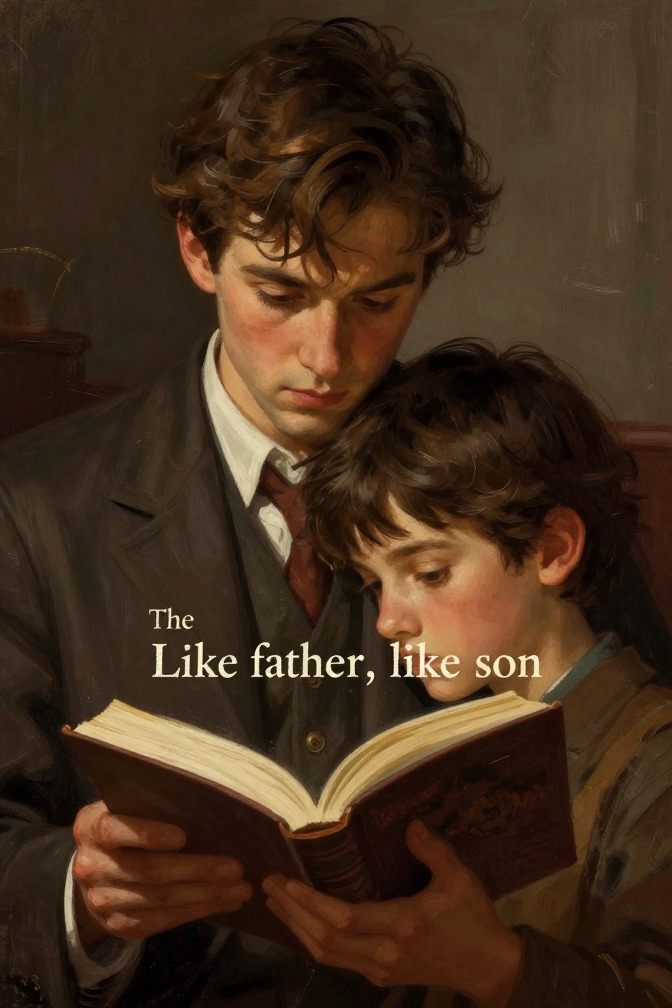
The expression "Like father, like son" is a pivotal moment of self-recognition in Khaled Hosseini's *The Kite Runner*, where the narrator Amir explicitly acknowledges the painful parallel between his own betrayal of Hassan and his father Baba's hidden sin of fathering Hassan while denying him legitimacy. This realization, which occurs in Chapter Eighteen after Rahim Khan reveals that Baba was Hassan's biological father, forces Amir to confront the inherited pattern of betrayal and deception that has shaped his entire life, and it becomes the moral catalyst for his journey to redeem both himself and his father.
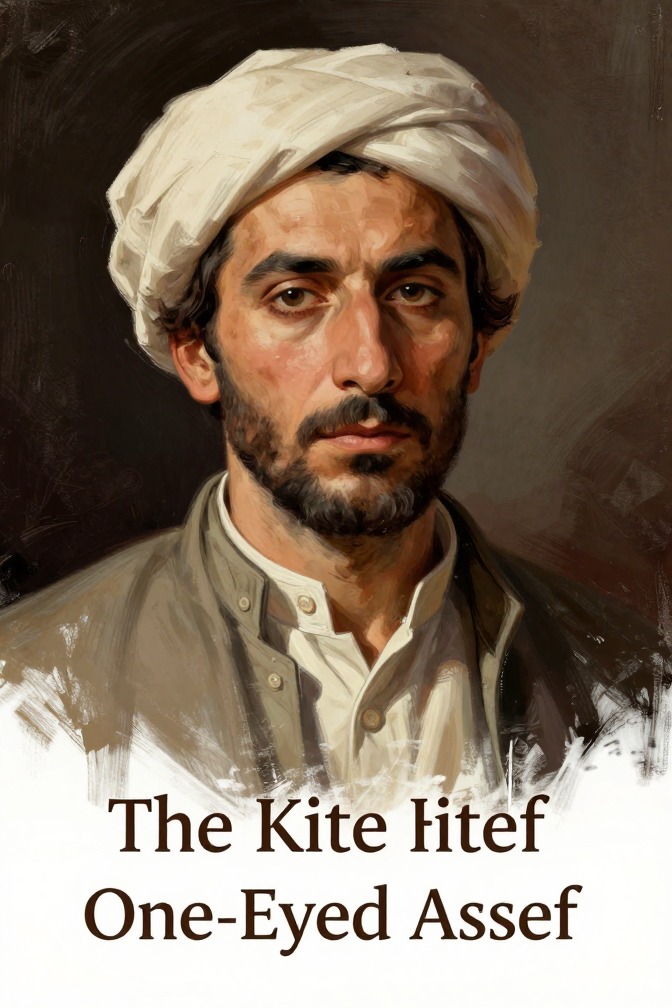
One-Eyed Assef is the nickname that Hassan threatens to bestow on Assef during their first confrontation in 1973, a threat that Assef himself recalls with bitter irony when he and Amir meet again in Taliban-era Kabul, and which ultimately becomes a self-fulfilling prophecy when Sohrab, Hassan's son, shoots a brass ball into Assef's left eye during the rescue of Sohrab from Assef's house.
The Wall of Ailing Corn is a childhood nickname given by Amir and Hassan to a failed row of corn planted by Baba and Ali along the eastern wall of Baba's garden in Kabul, symbolizing the boys' shared world of play and the fragility of the life they built together.
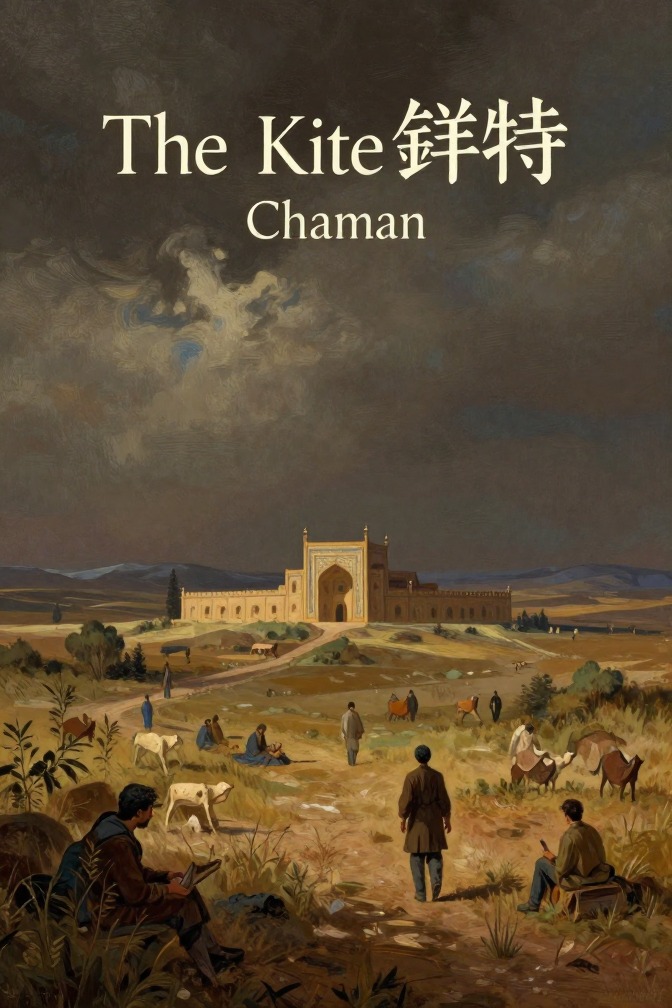
Chaman is a public square and gathering place in Kabul that appears in the novel as a site of celebration, memory, and political change, serving as a backdrop for the fireworks of Amir's thirteenth birthday party and for the public jubilation that greeted the Taliban's entry into the city in 1996.
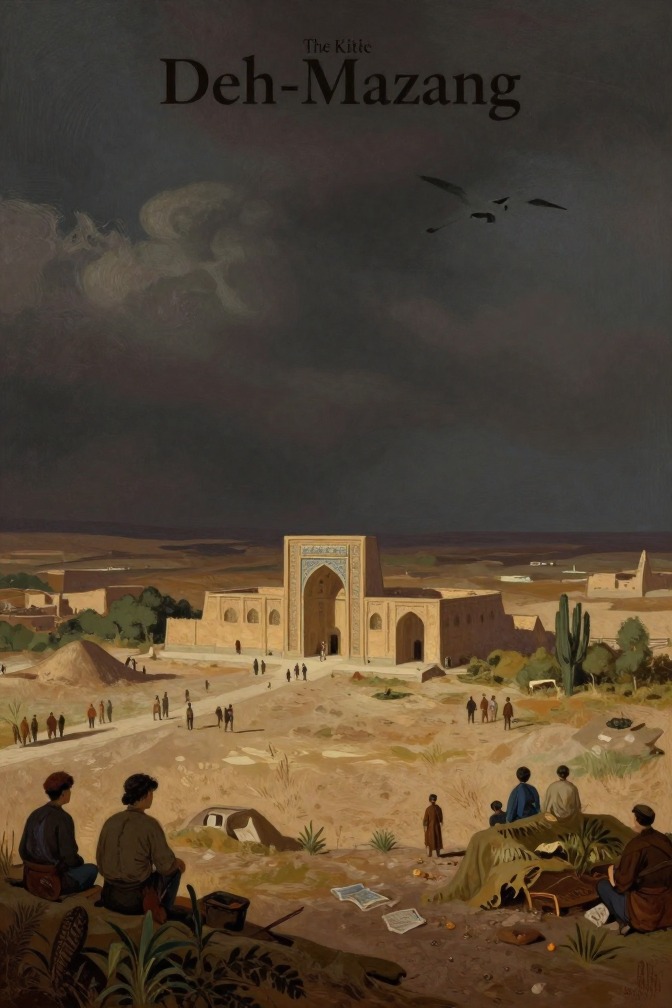
Deh-Mazang is a neighborhood in Kabul that appears in the novel as a site of collective celebration when the Taliban first entered the city in 1996, marking the desperate hope for peace after years of civil war.
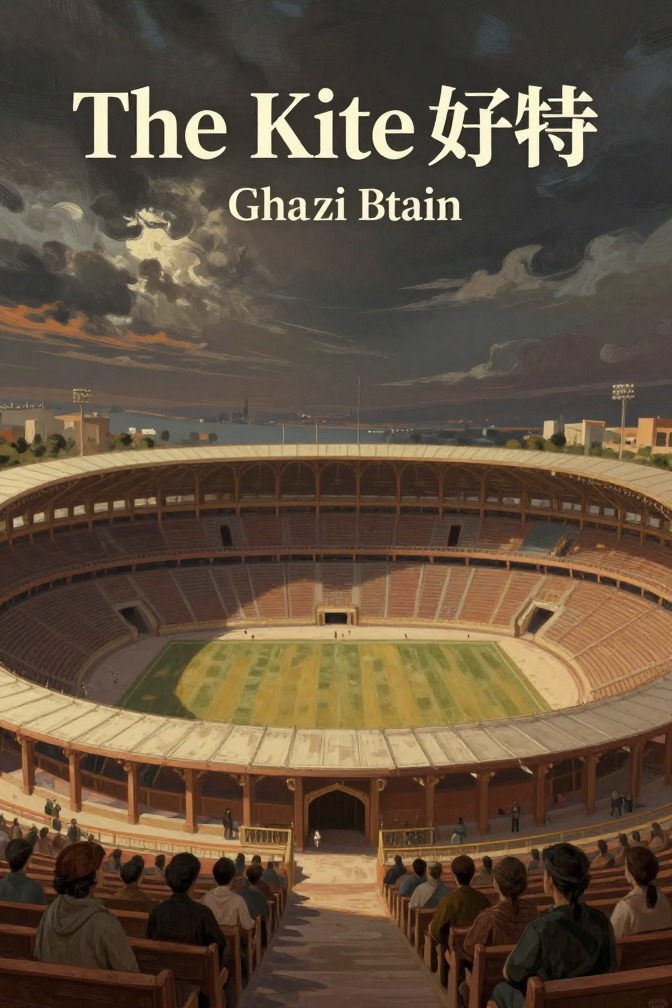
Ghazi Stadium in Kabul is the site where the Taliban regime staged public executions, and where Amir witnesses a stoning that confirms the regime's brutality and leads him to the man who holds Sohrab.
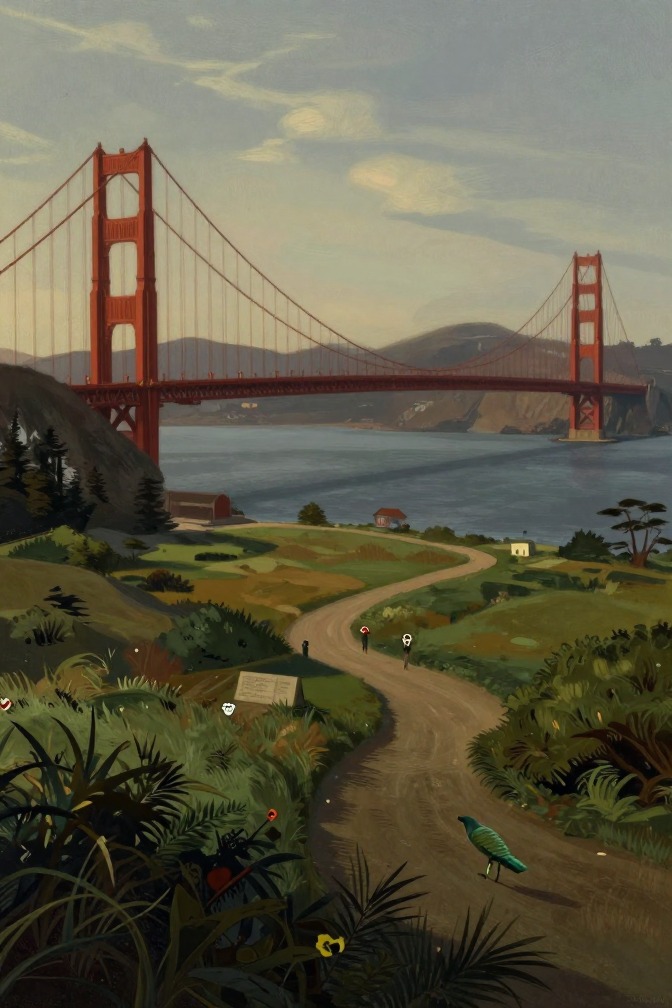
Golden Gate Park, located in San Francisco, serves as a pivotal symbolic and reflective space in *The Kite Runner*, where the protagonist Amir confronts his past, receives the call to redemption, and ultimately finds a fragile hope for the future. It is the site of his initial crisis, his decision to atone, and the final, tentative healing of his relationship with his nephew Sohrab.
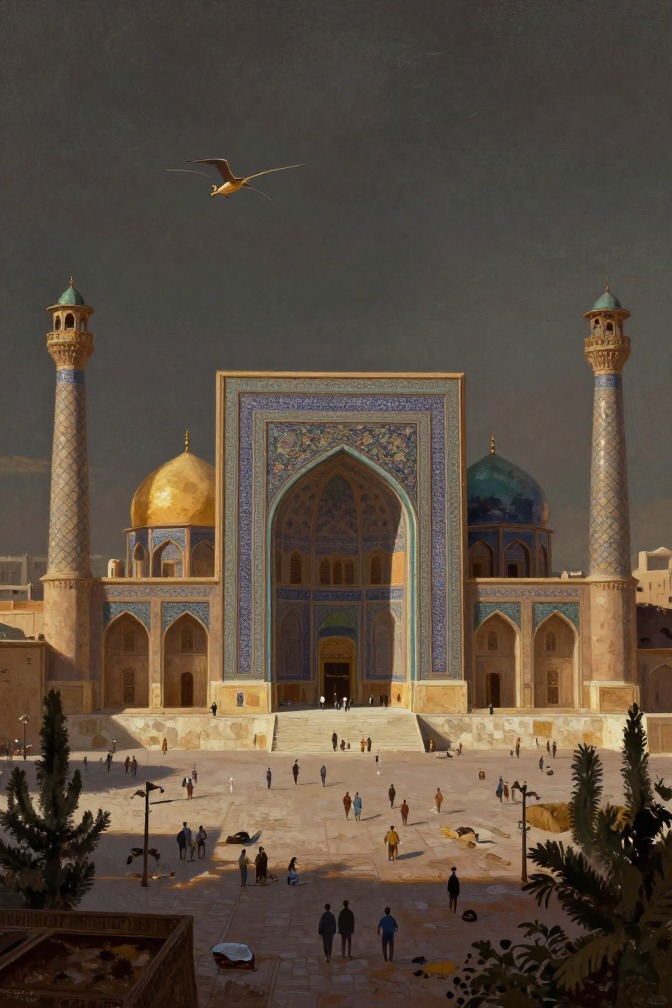
The Haji Yaghoub Mosque is a religious landmark in Kabul, Afghanistan, that appears in the novel as a site of daily prayer and as a symbol of the religious authority that Baba openly defies. Its mullah, Mullah Fatiullah Khan, teaches Amir a rigid, fear-based Islam that Baba contemptuously dismisses, and the mosque's call to prayer marks the passage of time in the narrative. The mosque also represents the traditional religious order that the Taliban later perverts into a tool of oppression.
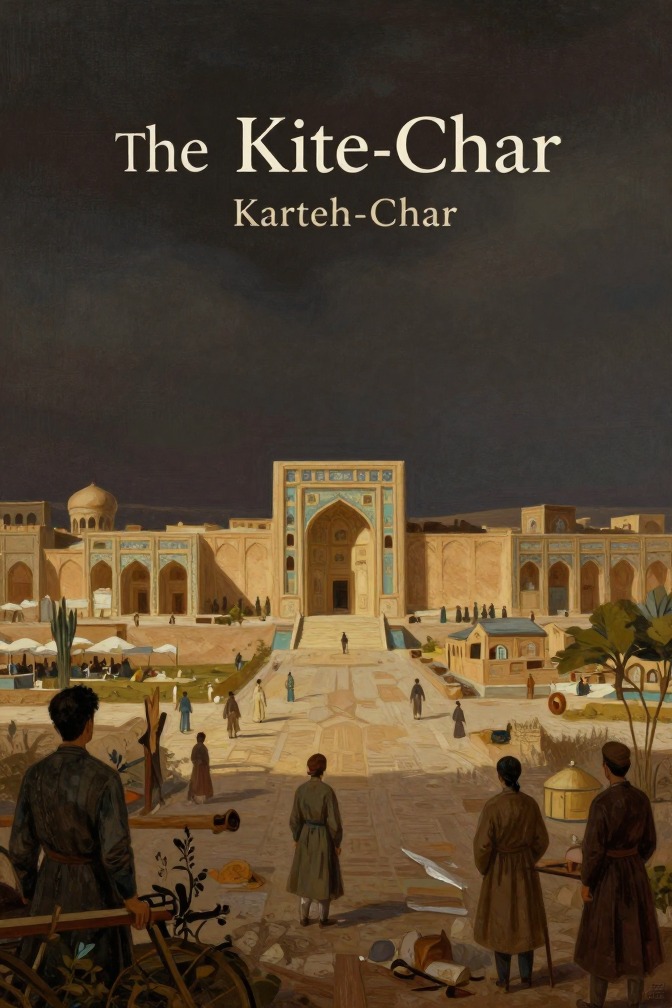
Karteh-Char is a district in Kabul, Afghanistan, that appears in the novel as a neighborhood associated with Assef's violent acts and the broader social divisions of the city, and its decline mirrors the destruction of the city itself.
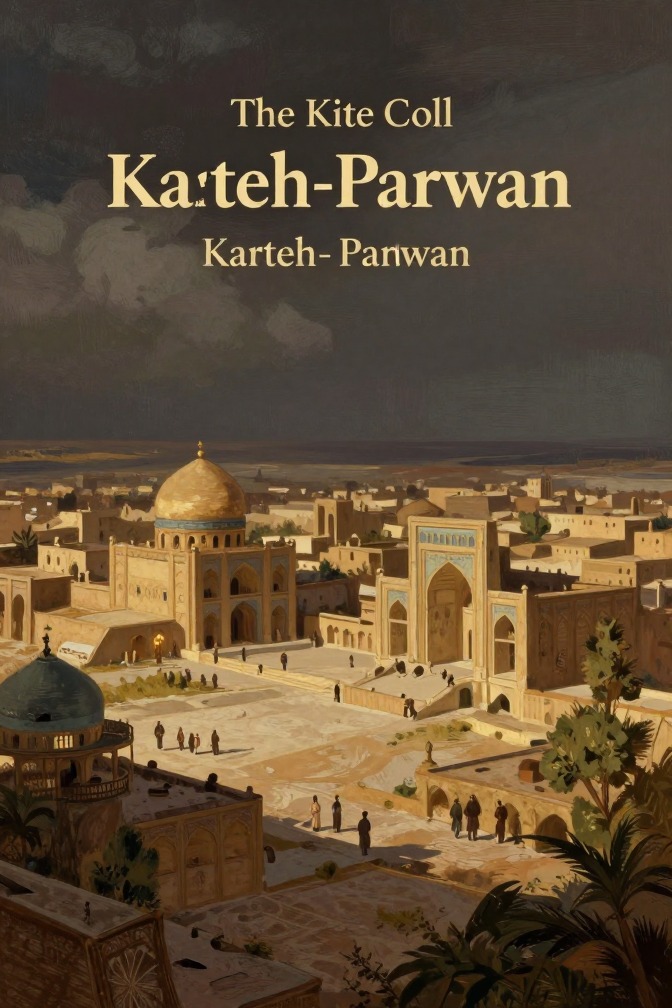
Karteh-Parwan is a district of Kabul that appears in the novel as a site of memory, a marker of the city's pre-war geography, and a place that, like so much of the city, was ravaged by the civil war of the 1990s. It is mentioned in connection with the 1975 kite tournament, the later fragmentation of Kabul during the factional fighting, and the broader destruction of the city's familiar landmarks.
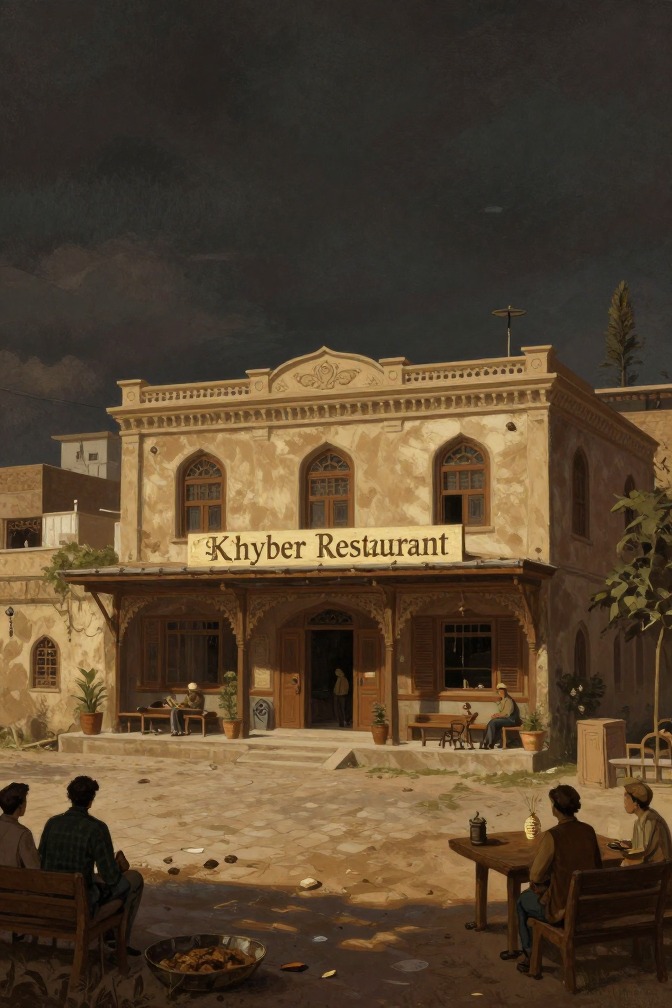
Khyber Restaurant was a beloved Kabul eatery where Baba took Amir for lamb kabob, a place that embodied the city's pre-war vitality and whose destruction became a symbol of Afghanistan's loss.
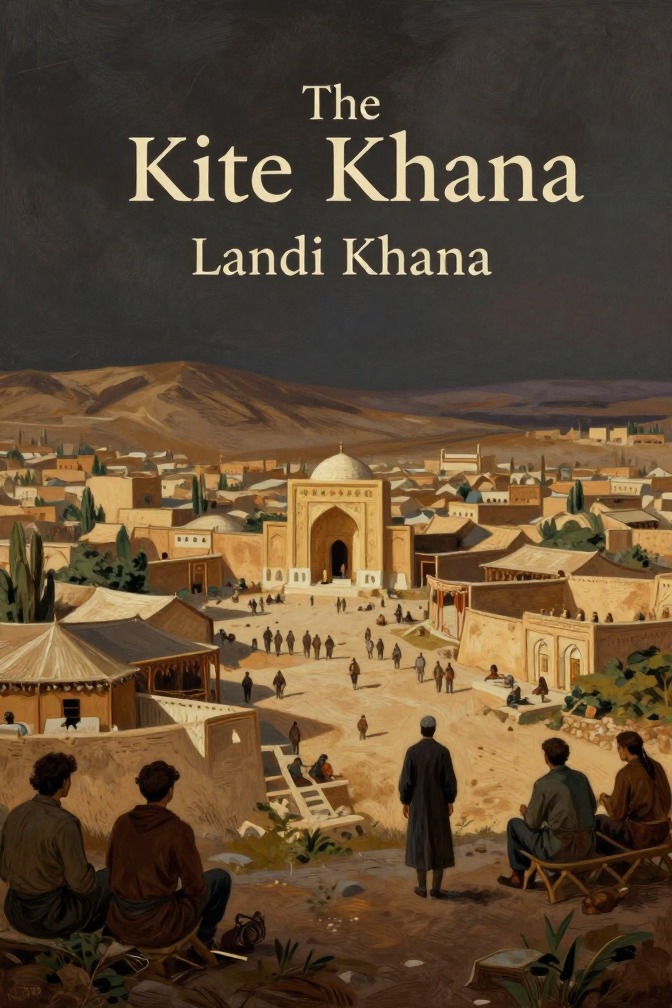
Landi Khana is a border settlement at the foot of the Khyber Pass where the main pass descends from Landi Kotal through Shinwari territory, marking the entry point into Afghanistan at Torkham. It appears in the narrative as the threshold where Amir, returning to his homeland after two decades in America, crosses from Pakistan into Afghanistan, a moment that crystallizes the vast gulf between the prosperous country he fled and the war-ravaged land he now re-enters.
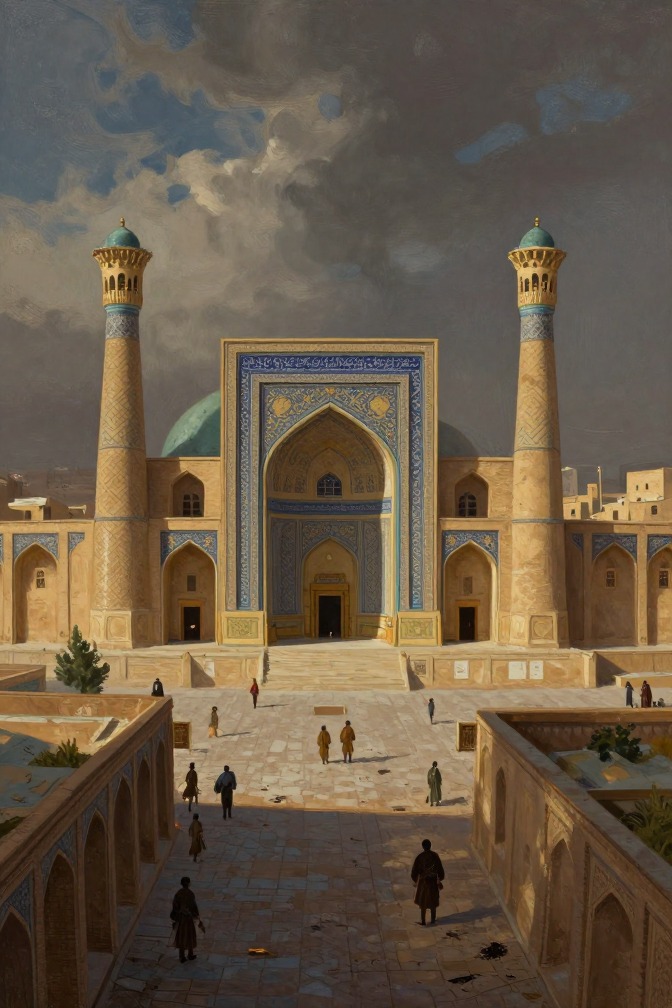
Mazar-i-Sharif is a city in northern Afghanistan that serves as a recurring symbol of both the Taliban's genocidal violence against Hazaras and the fragile beauty of Sohrab's lost childhood. It is the site of the 1998 massacre in which the Taliban, including Assef, went door to door killing Hazara men and boys, and it is also the city where Sohrab once visited the Blue Mosque with his family, feeding pigeons with his grandmother Sasa. The city thus embodies the novel's central tension between unspeakable atrocity and the memory of innocence.
Meymanah is a city in northern Afghanistan that appears in the novel as the site of a key encounter between Assef and the prison commandant who once tortured him, revealing the origin of Assef's religious fanaticism and his belief that God had chosen him for a violent mission.
Nangarhar is the eastern Afghan province whose capital, Jalalabad, serves as a key waypoint in Amir's journey back to his homeland. The province represents both the lost sweetness of pre-war Afghanistan and the harsh realities of a country devastated by decades of conflict, appearing in the narrative as a site of childhood memory, wartime transit, and the physical decay that mirrors the nation's broader collapse.
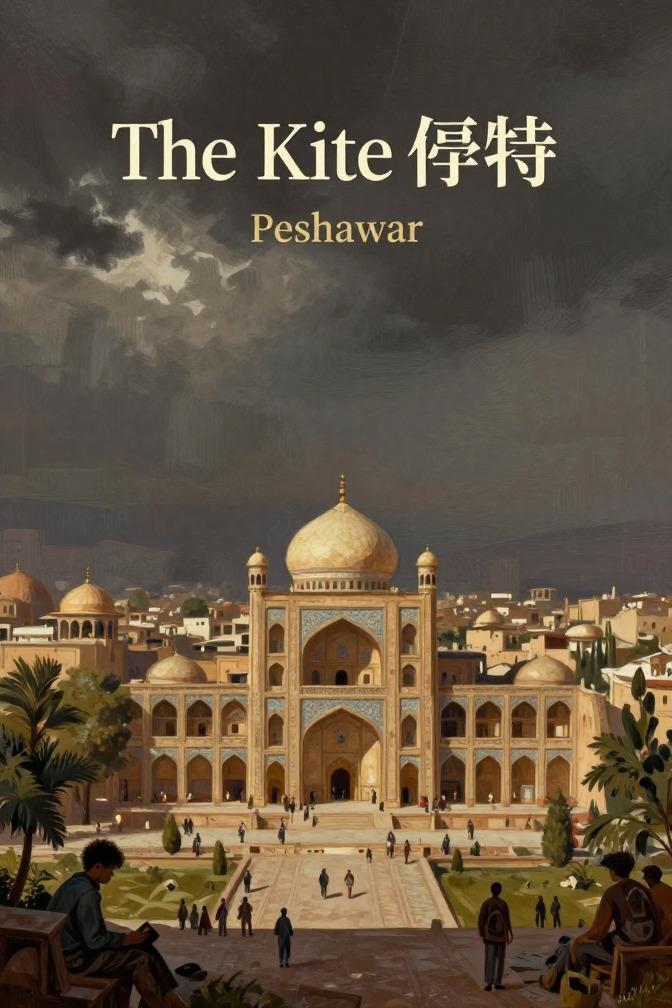
Peshawar is the Pakistani city where Amir and Baba first seek refuge after fleeing Soviet-occupied Kabul in 1981, and where, twenty years later, Amir returns to meet the dying Rahim Khan, learns the truth about Hassan, and begins his journey to rescue Sohrab. It functions as a transitional space between the lost homeland and the new life in America, a place of waiting, revelation, and moral reckoning.
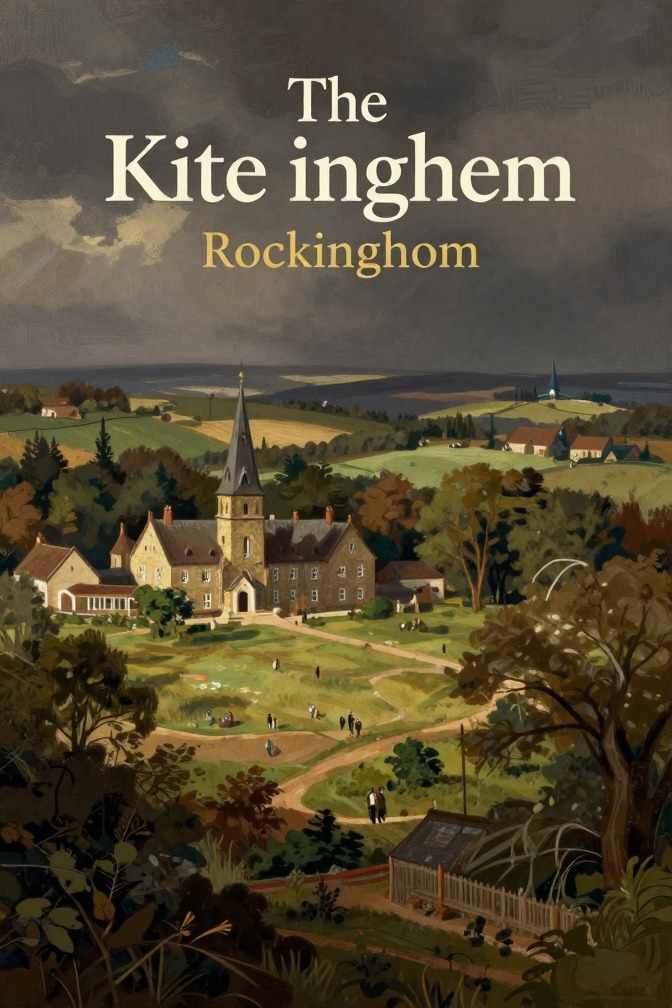
Rockingham, a coastal town in Western Australia, appears in The Kite Runner as the place where Assef's parents live in a beachfront villa after fleeing Afghanistan, and it serves as the source of Assef's claim that he does not need money from Amir because his family's businesses there are thriving.
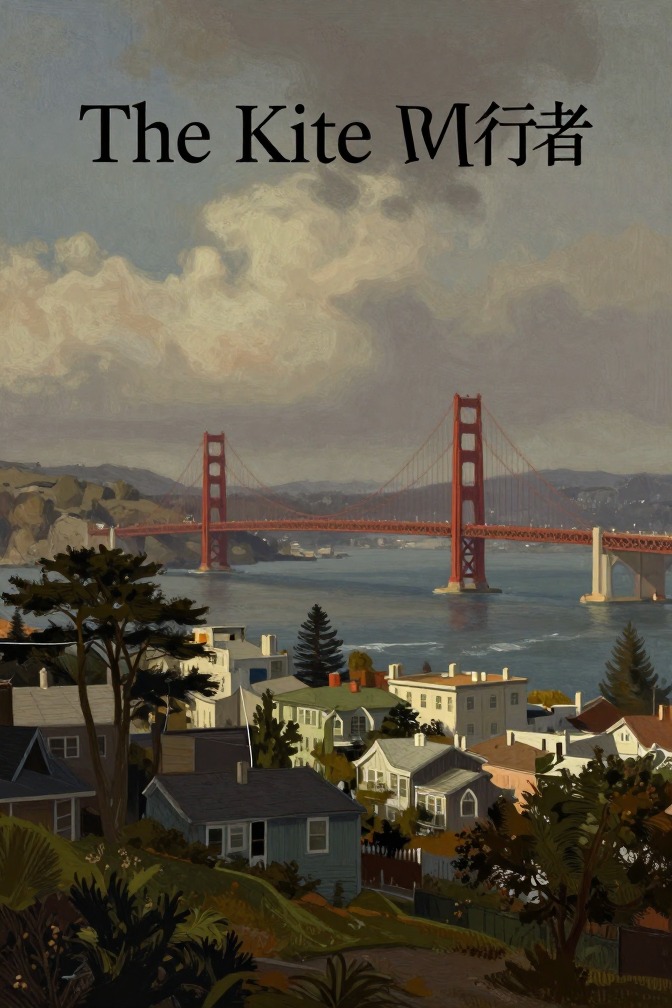
San Francisco is the American city where Amir builds his adult life after fleeing war-torn Afghanistan, serving as both a physical refuge from his past and the site where his buried guilt resurfaces, forcing him to confront the sins of his childhood.
Shinwari territory is a region in eastern Afghanistan traversed by the Khyber Pass, a route that Amir and his driver Farid pass through on their journey from Peshawar to Kabul in 2001. The territory appears in the novel as a transitional landscape, marking the narrator's physical re-entry into a homeland transformed by decades of war, and it serves as a geographical and symbolic threshold between the relative safety of Pakistan and the dangers of Taliban-controlled Afghanistan.
Virginia is the American state where Soraya Taheri lived with her family after fleeing Afghanistan, and where she ran away with an Afghan man as a teenager—an event that shaped her reputation, her family's move to California, and the secret she confesses to Amir on the night of their engagement.
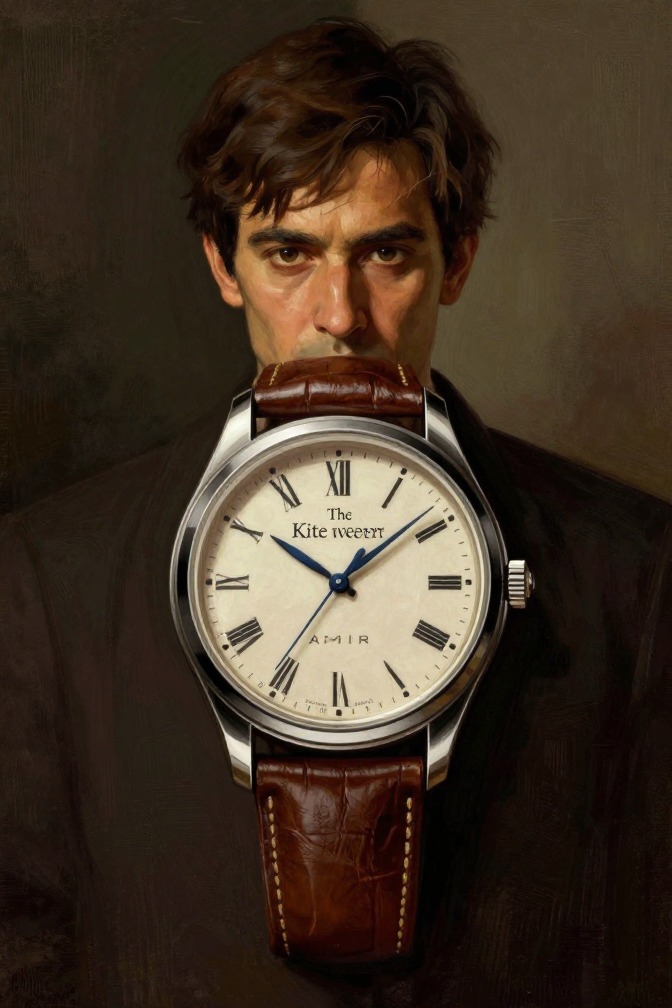
Amir's Watch is a blue-faced wristwatch with gold lightning-bolt hands, given to Amir by Baba for his thirteenth birthday. It becomes the instrument of Amir's most shameful act: he plants it under Hassan's mattress to frame Hassan for theft, thereby driving Hassan and Ali out of the household. The watch thus crystallizes Amir's betrayal, his desperate bid for his father's exclusive love, and the permanent rupture of his childhood world.
The Parchami were the communist faction in Afghanistan that, after seizing power in the 1978 Saur Revolution, imposed a repressive regime marked by surveillance, arrests, and the destruction of traditional life, ultimately paving the way for the Soviet invasion and decades of war.
Radio Kabul is the state-run broadcasting station of Afghanistan, whose news reports and political announcements chronicle the country's tumultuous political transformations from the 1973 coup through the Soviet occupation and the rise of the Taliban, serving as a constant backdrop to the personal dramas of the novel's characters.