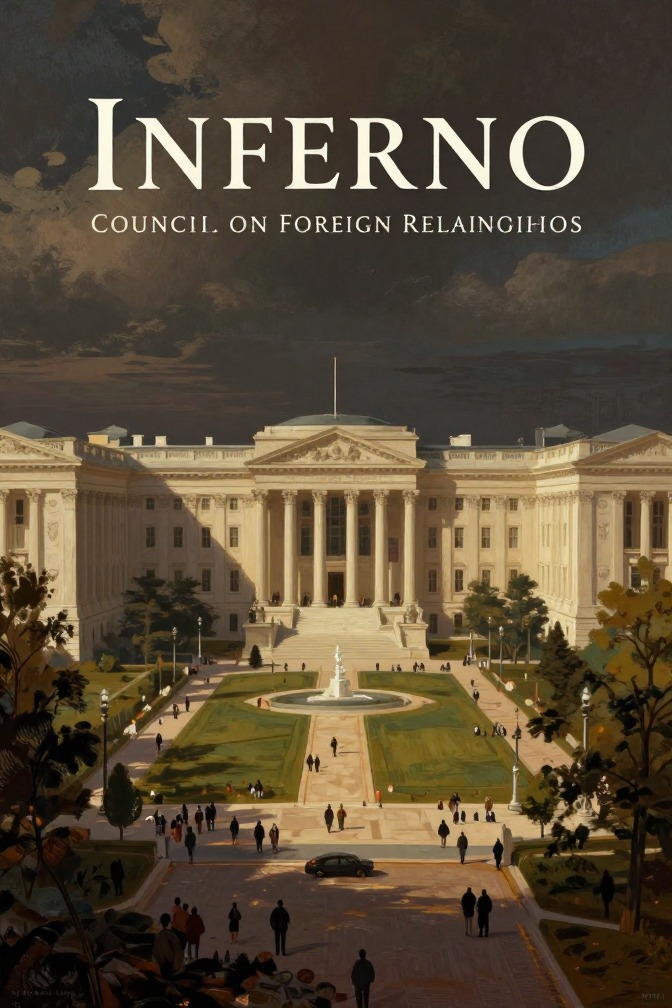
The Council on Foreign Relations (CFR) is a private American think tank headquartered in an unobtrusive neoclassical building on the corner of Park and Sixty-eighth in Manhattan, a building that once belonged to a Standard Oil tycoon. In the novel, it serves as the setting for a pivotal, clandestine meeting between Dr. Elizabeth Sinskey and Bertrand Zobrist, where Zobrist first unveils his radical and terrifying solution to global overpopulation, setting the entire plot in motion.
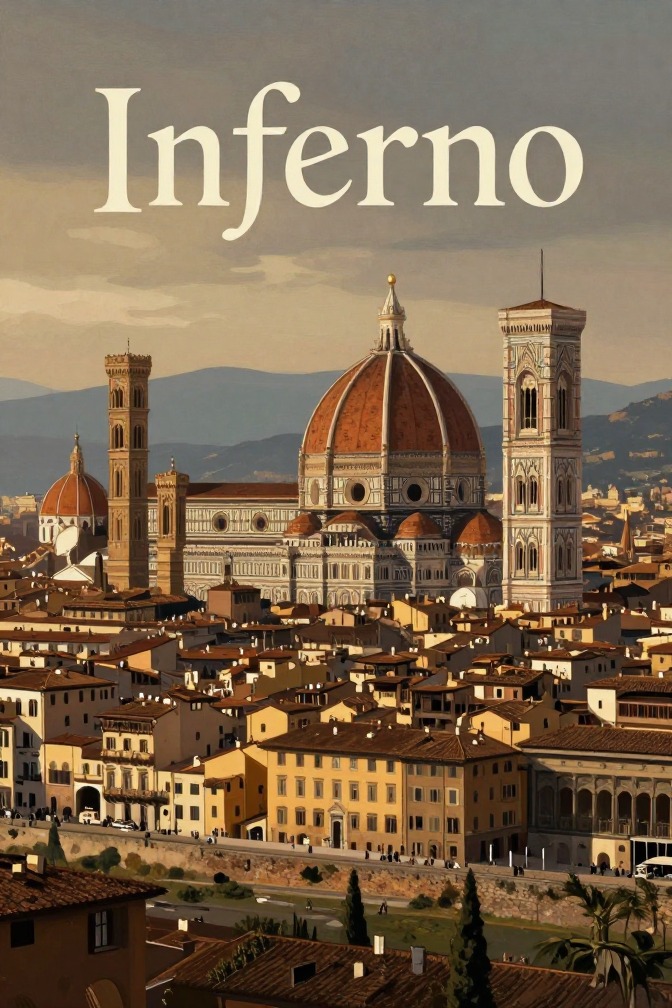
Florence is the central setting of the novel, the city where Robert Langdon awakens with amnesia and where the initial chase, the deciphering of the Botticelli map, and the theft of Dante's death mask occur. It is the birthplace of Dante Alighieri and the heart of the Renaissance, making it the symbolic and literal starting point for the quest to stop Bertrand Zobrist's plague.
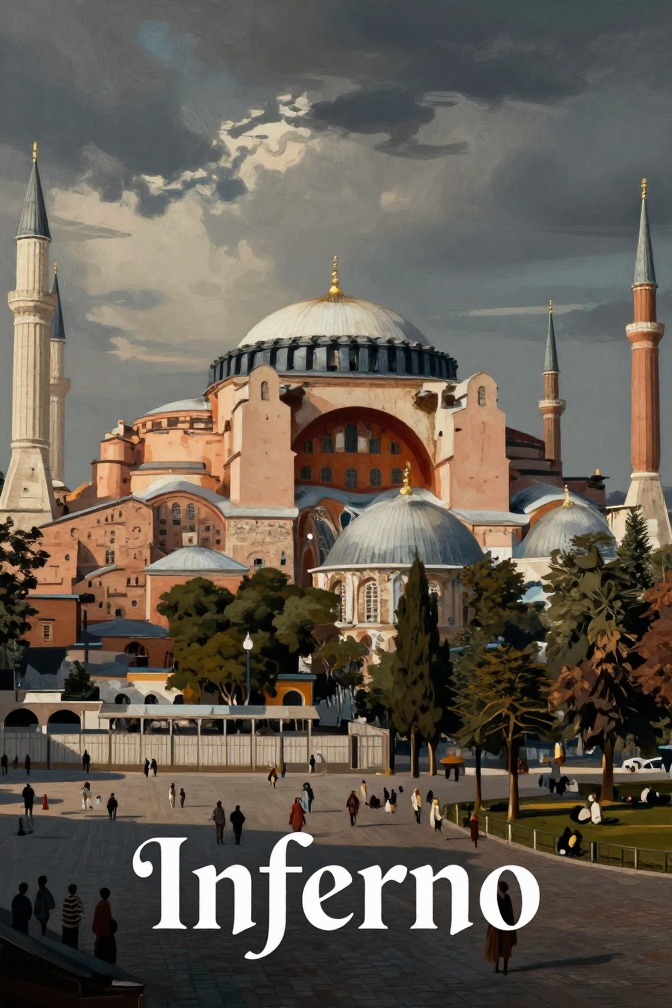
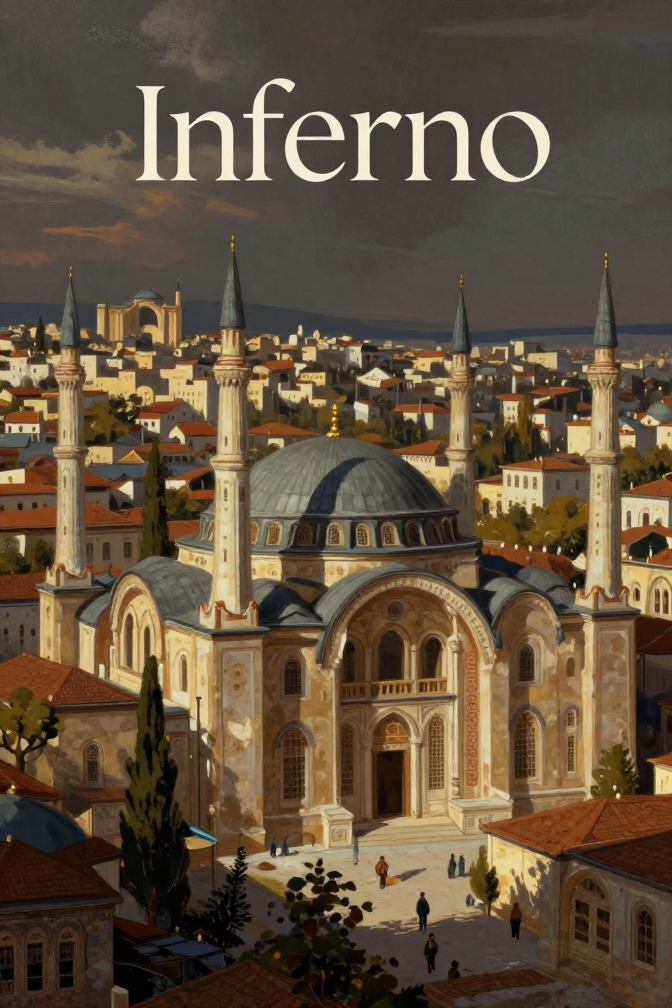
Hagia Sophia, the ancient Byzantine cathedral turned mosque turned museum in Istanbul, is the final destination of Robert Langdon's quest in Dan Brown's *Inferno*. It is the "gilded mouseion of holy wisdom" referenced in the poem on Dante's death mask, the site of Enrico Dandolo's tomb, and the location of the subterranean cistern where Bertrand Zobrist's plague, Inferno, was released.
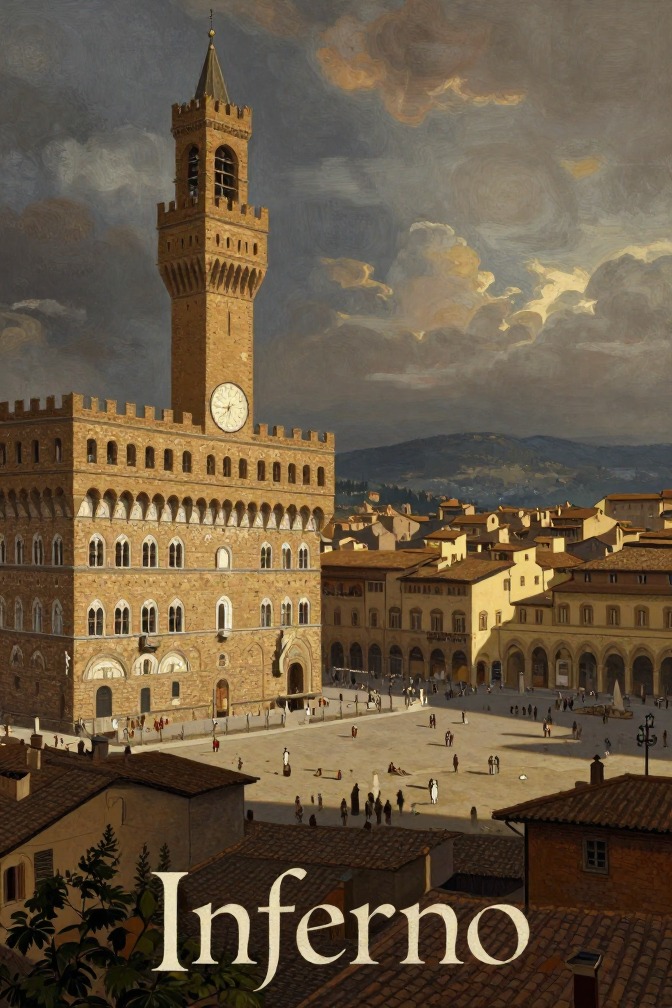
Piazza della Signoria is the central public square of Florence, serving as the primary setting for several key confrontations, discoveries, and escapes in the novel. It is the site of the Palazzo Vecchio, where the Vasari mural containing the hidden message 'cerca trova' is located, and it becomes the focal point of the chase as Langdon and Sienna seek answers within the palazzo's Hall of the Five Hundred.
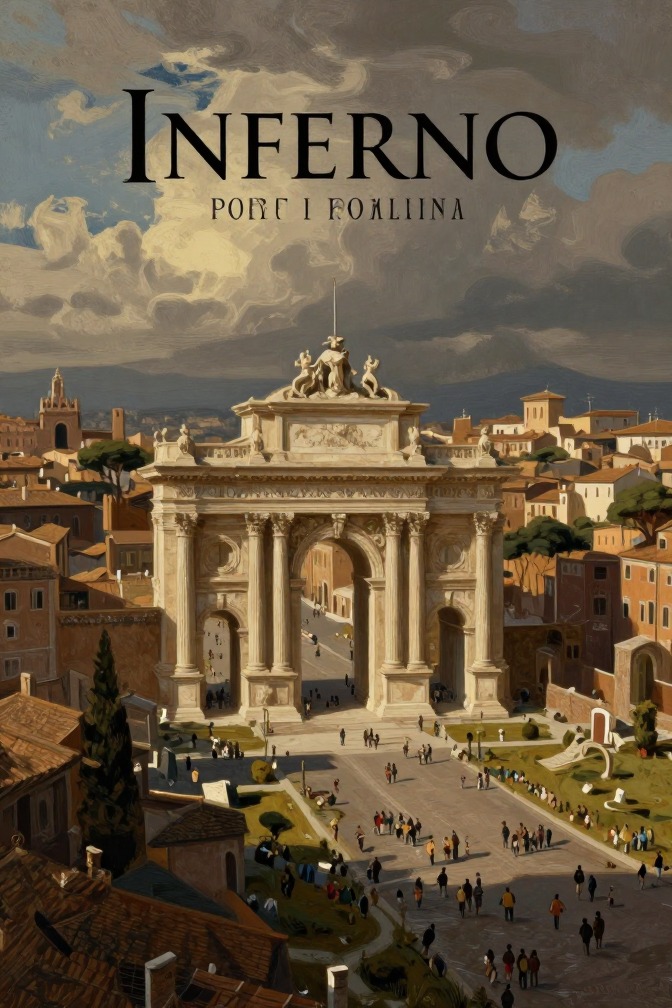
Porta Romana is the ancient stone gateway that served as the primary entrance to the walled city of Florence, built in 1326. It becomes a critical obstacle for Robert Langdon and Sienna Brooks when the Italian military police set up a roadblock there, forcing the pair to find an alternative route into the old city through the Boboli Gardens.
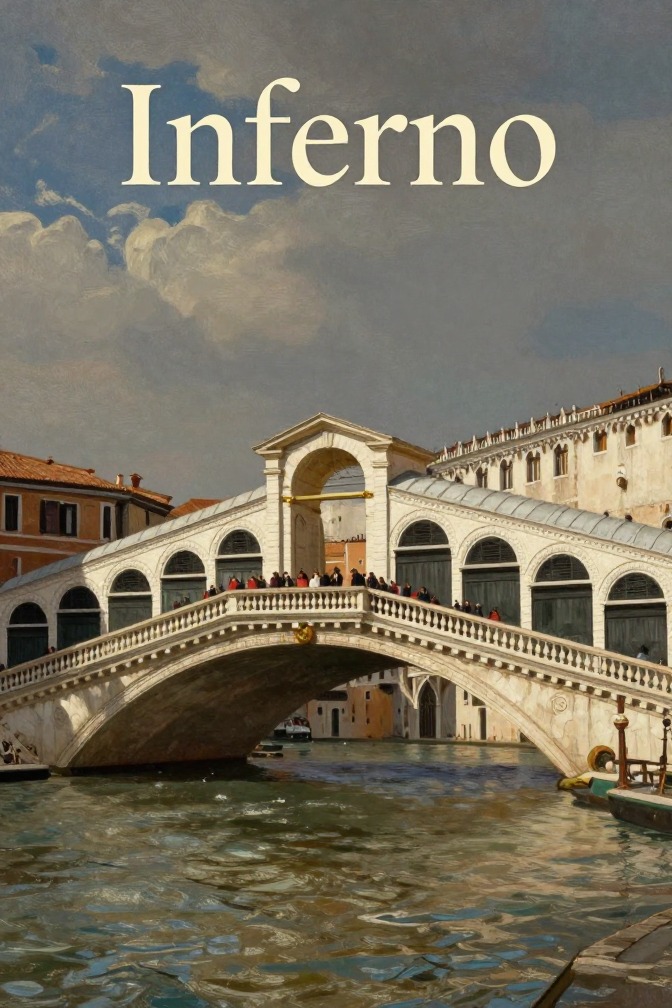
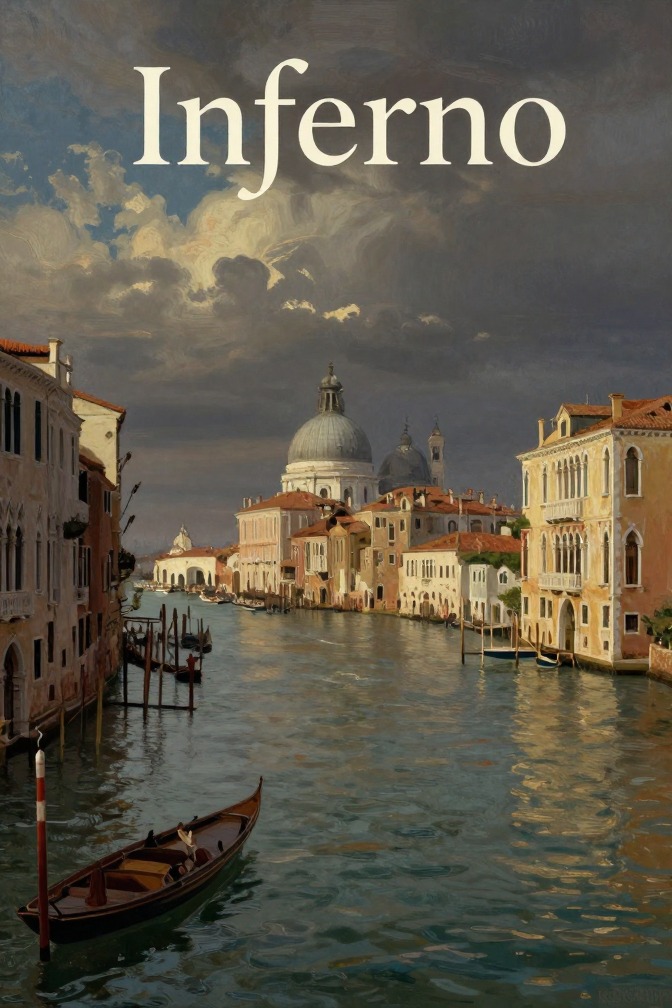
The Rialto Bridge is the oldest and most famous of the four bridges spanning the Grand Canal in Venice, Italy. In Dan Brown's *Inferno*, it serves as a critical landmark during Robert Langdon's journey to Venice, marking the halfway point of his water-taxi ride from the train station to St. Mark's Square and becoming the site of a chilling encounter with a plague mask that foreshadows the novel's central threat.
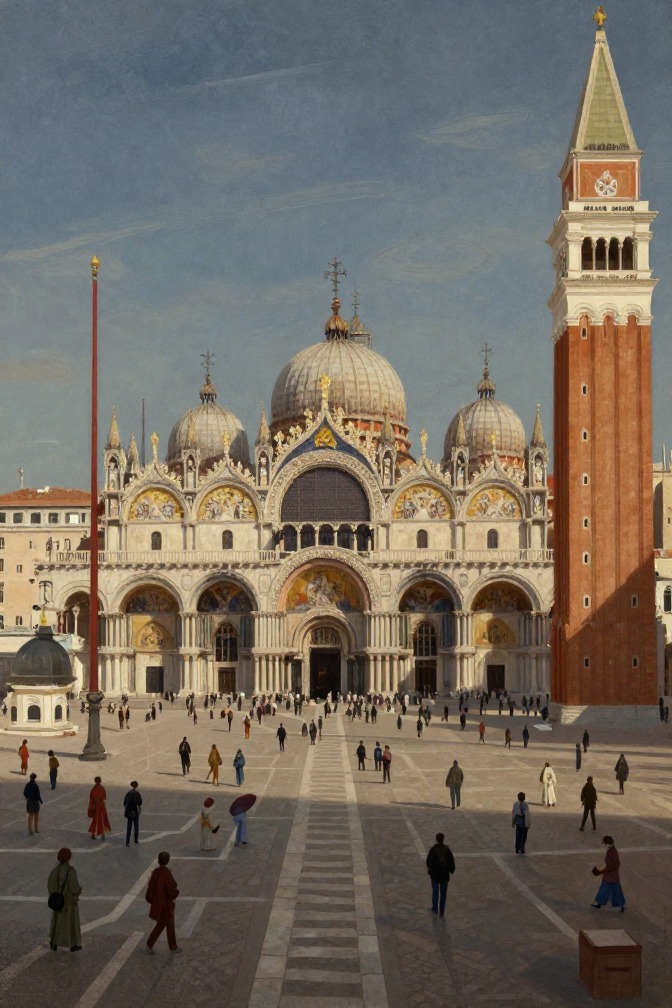
St. Mark's Basilica is the gilded mouseion of holy wisdom in Venice where Langdon, Sienna, and Ferris seek the treacherous doge Enrico Dandolo, only to discover the poem's true destination is Hagia Sophia in Istanbul.
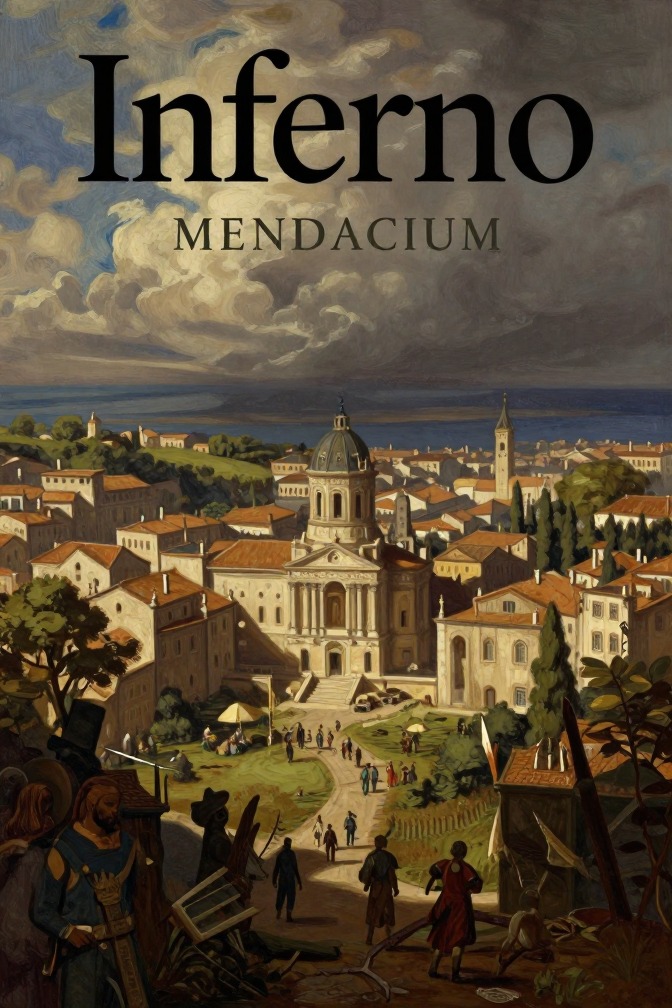
The Mendacium is the 237-foot luxury yacht that serves as the mobile command center and headquarters for the Consortium, a secretive organization that provides covert services to wealthy clients. It is the vessel from which the provost runs his empire and where the final decisions regarding the Zobrist crisis are made.
Venice is the Italian lagoon city that serves as the second major setting of the novel, where Robert Langdon, Sienna Brooks, and the disguised Jonathan Ferris travel by train from Florence to follow the clues from Dante's death mask. It is the city where the poem on the mask points to the tomb of the treacherous doge Enrico Dandolo, and where the true nature of the threat—a sterility plague called Inferno—is finally revealed. Venice is also the site of the climactic chase through St. Mark's Basilica, the Doge's Palace, and the Bridge of Sighs, culminating in the discovery that the plague has already been released and the race to Istanbul begins.
Yerebatan Sarayi, also known as the Basilica Cistern or the Sunken Palace, is the ancient subterranean cistern in Istanbul that serves as the final location of Bertrand Zobrist's plague, Inferno. It is the site where the Solublon bag containing the sterility virus was placed and where the novel's climactic confrontation and revelation occur.
The biotube is a lead-lined titanium canister, sealed with a biometric thumbprint lock, that Robert Langdon discovers hidden in a secret pocket sewn into his Harris Tweed jacket after waking up in a Florence hospital. It bears a prominent biohazard symbol and is designed for transporting dangerous biological substances. Inside, instead of a deadly pathogen, Langdon finds a carved bone cylinder seal containing a high-tech Faraday pointer that projects a digitally altered version of Botticelli's Map of Hell, a clue that sets him on a chase across Florence and beyond. The tube's presence, its biometric programming to Langdon's thumb, and its ominous markings make it the central object of pursuit for the World Health Organization, the Consortium, and the Italian authorities, all of whom believe it holds the key to locating Bertrand Zobrist's hidden plague.
The red memory stick is a video file created by Bertrand Zobrist and entrusted to the Consortium for release to the world media on a specific date. It contains a nine-minute recording in which Zobrist, speaking from an underground cavern, reveals his creation of a plague called Inferno and his apocalyptic philosophy regarding overpopulation. The video becomes a crucial piece of evidence that shifts the Consortium's allegiance and drives the final race to locate and contain the pathogen.
The amulet is a lapis lazuli pendant worn by Elizabeth Sinskey, carved into the Rod of Asclepius—a single snake coiled around a staff—which she mistakenly calls a caduceus. It serves as a personal memento of a broken engagement, a symbol of her medical authority, and a recurring visual motif that links her to Langdon’s hallucinations and the novel’s themes of healing, loss, and infertility.
The Solublon bag is a water-soluble plastic container designed by Bertrand Zobrist to hold and release his genetically engineered sterility virus, Inferno, in the submerged lagoon of Istanbul's Yerebatan Sarayi cistern. Its timed dissolution, set to coincide with a global saturation date, serves as the novel's central biological threat, transforming Zobrist's apocalyptic vision into an irreversible reality that has already spread worldwide by the time the protagonists discover it.
The Council on Foreign Relations (CFR) is a private American think tank whose New York headquarters serves as the setting for a pivotal confrontation between Bertrand Zobrist and Elizabeth Sinskey, the director of the World Health Organization. In this meeting, Zobrist lays out his radical views on overpopulation and his belief that drastic, even catastrophic, measures are necessary to save humanity, setting the ideological conflict of the novel in motion.
The European Centre for Disease Prevention and Control (ECDC) is a European Union agency that, in Dan Brown's *Inferno*, provides the Surveillance and Response Support (SRS) team—a specialized SWAT-like unit tasked with detecting and containing communicable-disease threats. Under the command of Agent Christoph Brüder, the ECDC's SRS team becomes the primary operational force deployed by WHO Director Elizabeth Sinskey to locate Robert Langdon and the missing biotube, and later to secure the plague site in Istanbul, embodying the tension between rapid containment and the risk of public panic.
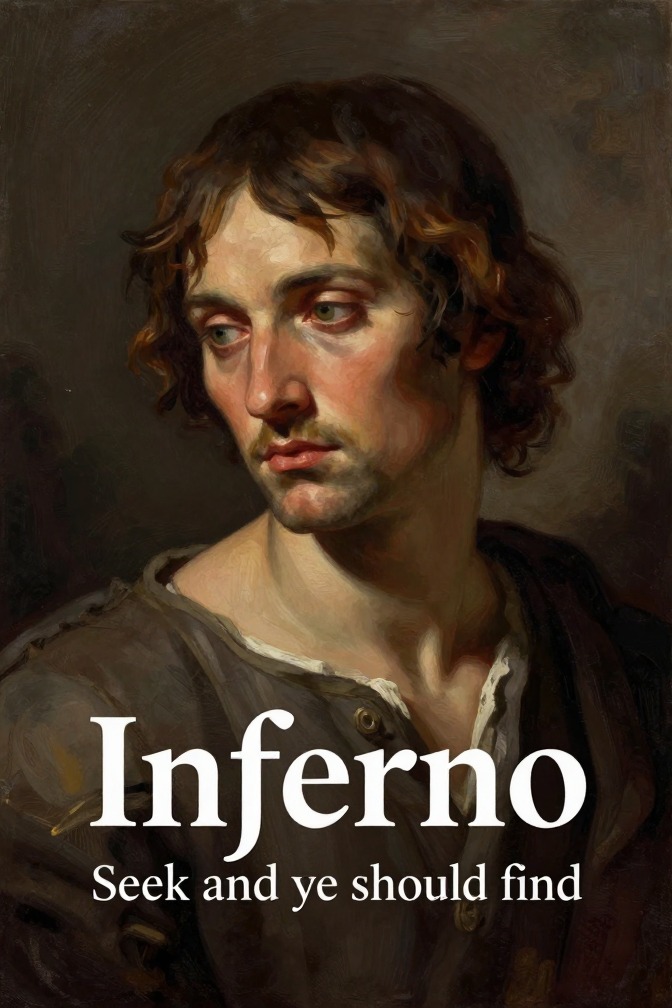
Seek and ye shall find is the biblical aphorism that serves as the central interpretive key of the novel's puzzle. It appears as the Italian phrase cerca trova, which Langdon deciphers from the scrambled letters on the modified Botticelli Map of Hell, and it is also the phrase the veiled woman repeats in his hallucinations. The phrase points directly to the hidden message in Vasari's Battle of Marciano mural in the Palazzo Vecchio, setting Langdon and Sienna on the path to the Dante death mask and ultimately to Zobrist's plague.
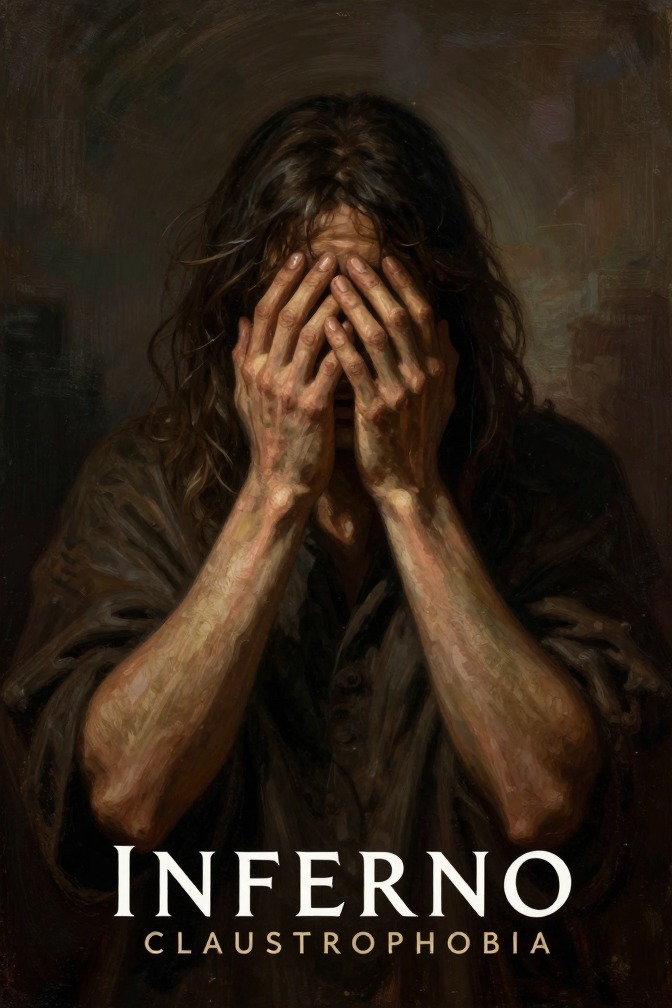
Claustrophobia is a recurring psychological state that profoundly shapes Robert Langdon's experience throughout the novel, manifesting as a visceral, debilitating fear of enclosed spaces that directly influences his actions, reactions, and the narrative's pacing during critical escape sequences.
Containment is the central operational and ethical strategy pursued by the World Health Organization and its SRS team to prevent the global spread of Bertrand Zobrist's engineered pathogen. The concept evolves from a hopeful, time-sensitive plan to seal the cistern and isolate the virus into a desperate, failed measure that forces a shift from physical quarantine to damage assessment and long-term management of an already-released contagion.
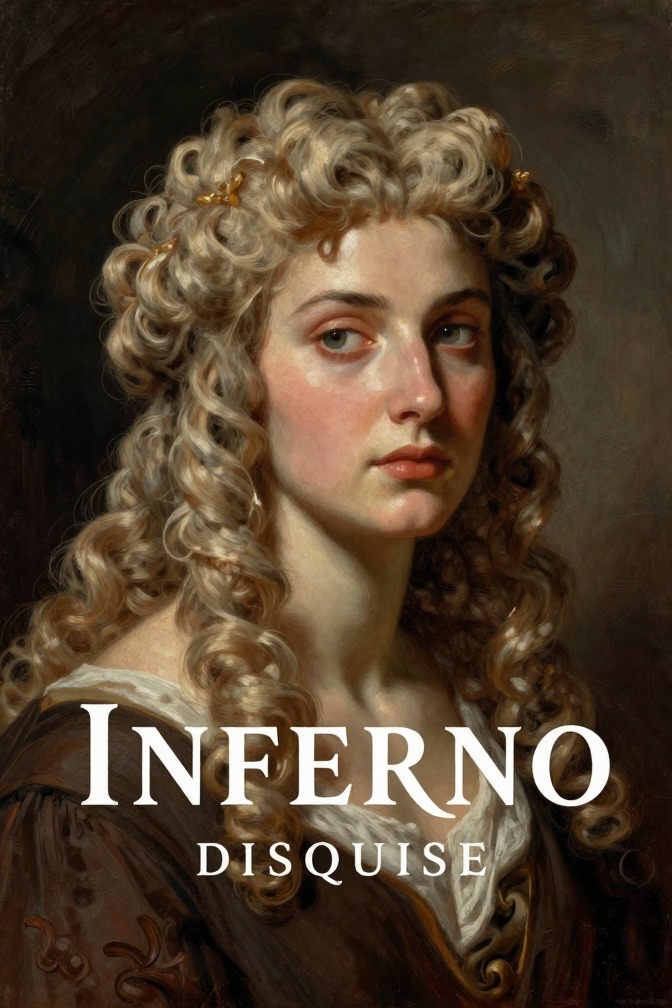
Sienna Brooks's disguise—her blond wig, acting skills, and chameleon-like adaptability—is a central survival mechanism and a profound expression of her fractured identity, rooted in childhood trauma and sustained through a lifetime of performance.
Eidetic memory is Robert Langdon's defining intellectual asset, a near-total recall that allows him to store and retrieve visual and textual information with extraordinary precision. Throughout the novel, this faculty is both his primary tool for deciphering the clues left by Bertrand Zobrist and a source of profound disorientation when retrograde amnesia temporarily severs his access to it. The narrative repeatedly stages the tension between Langdon's innate capacity for perfect recollection and the chemically induced blank that forces him to rely on fragments, intuition, and the help of others.
1815 is the year in which, following Napoleon's defeat at Waterloo and his exile, the Horses of St. Mark's were winched down from the Arc de Triomphe in Paris and shipped back to Venice, where they were reinstalled on the front balcony of St. Mark's Basilica, completing a centuries-long cycle of plunder and return.
The year 1902 marks the collapse of St. Mark's Campanile in Venice, an event that, despite the tower's total destruction, resulted in remarkably few casualties and became a defining moment in the city's modern history.
Dante Alighieri (1265–1321) was the Florentine poet whose epic work The Divine Comedy, especially its first part Inferno, provides the symbolic and narrative framework for Dan Brown's novel Inferno. His life, exile, and literary legacy are woven into the plot as a code that Robert Langdon must decipher.
The Dark Ages, as depicted in Dan Brown's Inferno, is a historical period of suffering, overpopulation, and spiritual darkness that serves as a crucial backdrop for the novel's central conflict. It is invoked by the antagonist Bertrand Zobrist as a justification for his apocalyptic plan, and its imagery of plague and misery permeates the narrative, from Robert Langdon's hallucinations to the descriptions of medieval Florence and the subterranean cistern in Istanbul.
The Middle Ages, spanning roughly the 5th to the 15th century, serve in Dan Brown's *Inferno* as the foundational historical and symbolic backdrop against which the novel's central crisis unfolds. The period is invoked not merely as a setting but as a source of potent imagery—the Black Death, Dante's *Inferno*, plague masks, and medieval religious iconography—that Bertrand Zobrist weaponizes to justify his modern-day sterility plague. The novel repeatedly contrasts the medieval worldview, in which plague was understood as divine punishment for sin, with the contemporary scientific and ethical frameworks that Zobrist seeks to overturn, making the Middle Ages a contested ideological terrain.
The millennium is a recurring temporal marker in Inferno, used to measure the age of artworks, the duration of historical eras, and the projected timeline of human extinction. It appears in the context of the Renaissance, the Black Death, the Fourth Crusade, and Zobrist's population predictions, anchoring the novel's themes of cyclical history and catastrophic change.
The two days of Robert Langdon's life that he cannot remember form the central mystery of the novel, a period during which he was recruited by the World Health Organization, deciphered a coded map, stole Dante's death mask, and was shot in the head, all before waking up in a Florence hospital with retrograde amnesia.
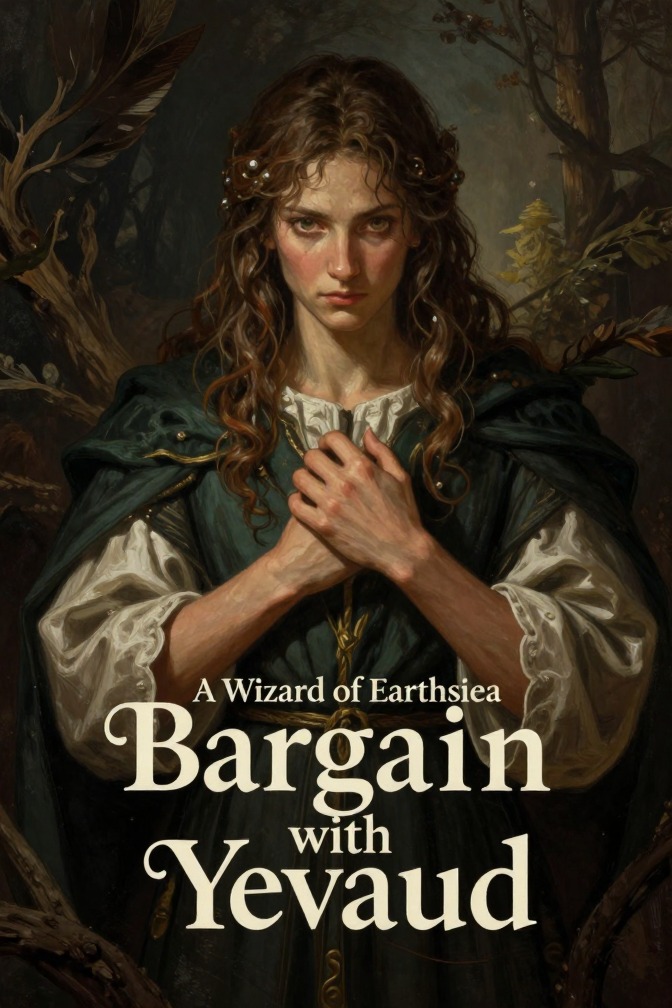
The Bargain with Yevaud is the pivotal confrontation in which the young wizard Ged, having sailed alone to the dragon-spoiled island of Pendor, forces the ancient dragon Yevaud to swear by his true name never to attack the Archipelago, thereby securing the safety of the Ninety Isles and proving his own mastery over a far older and more powerful being.
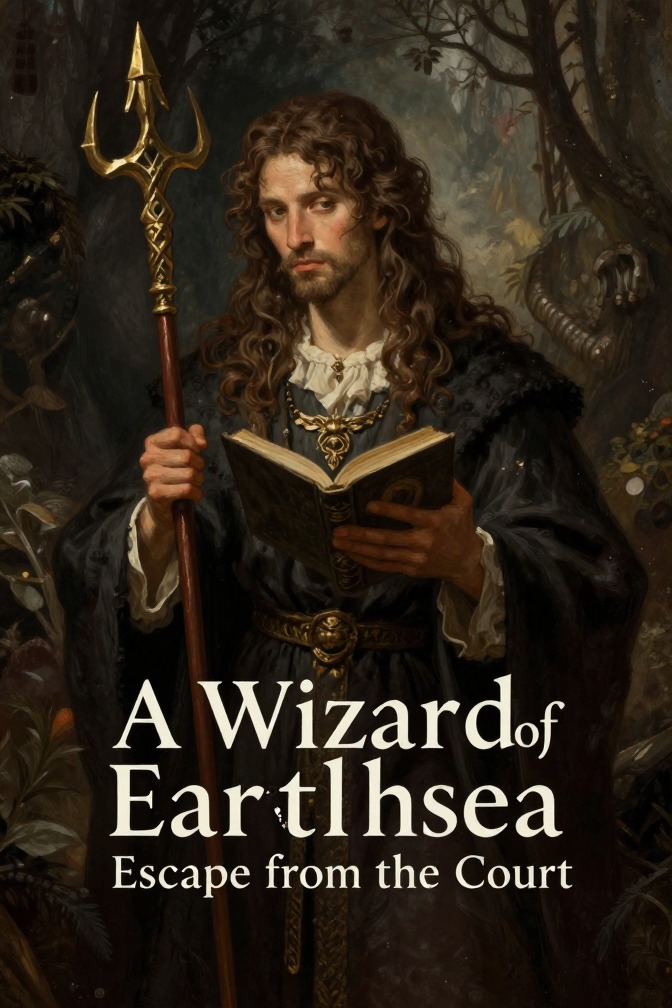
Ged and Serret flee the Court of the Terrenon after Ged refuses to serve the Old Power imprisoned in the stone, escaping through the enchanted gate and into the Osskil moors, where Ged finds his otak dead and transforms a blade of grass into a wizard's staff to fight the Stone's servants.