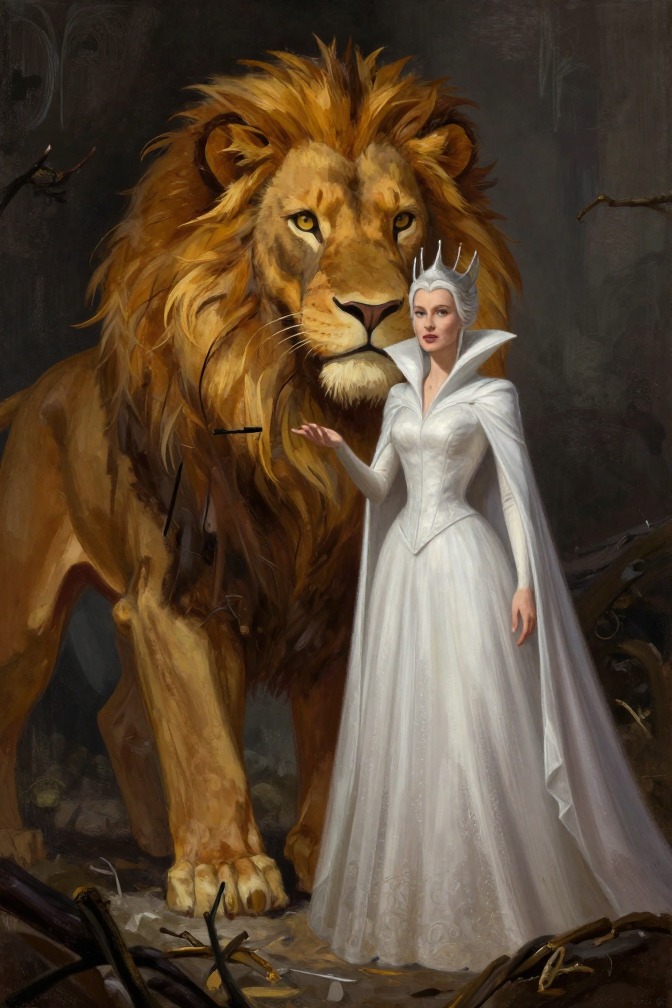
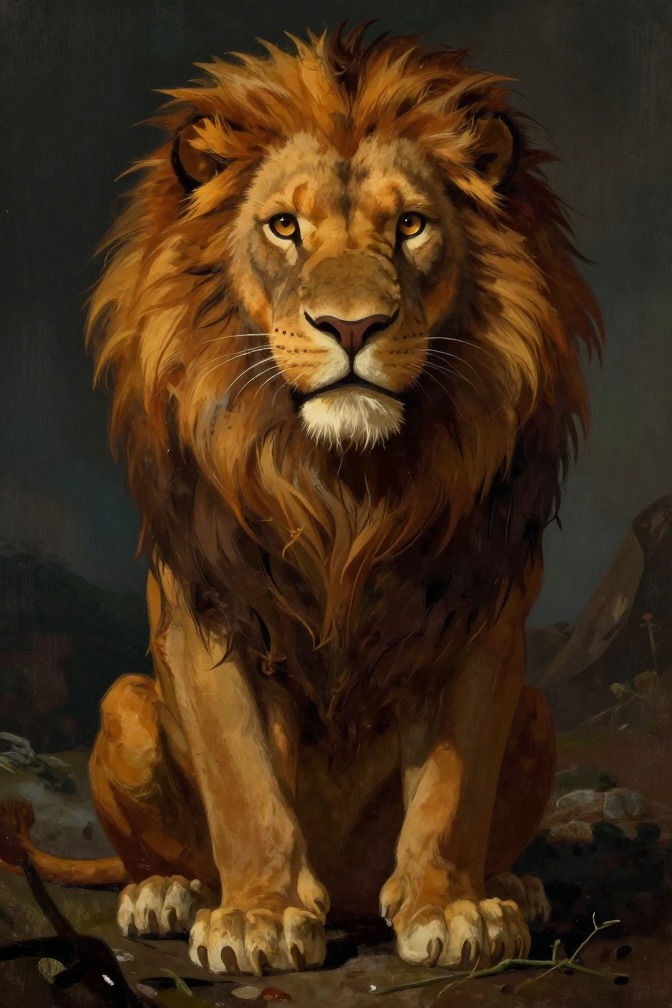
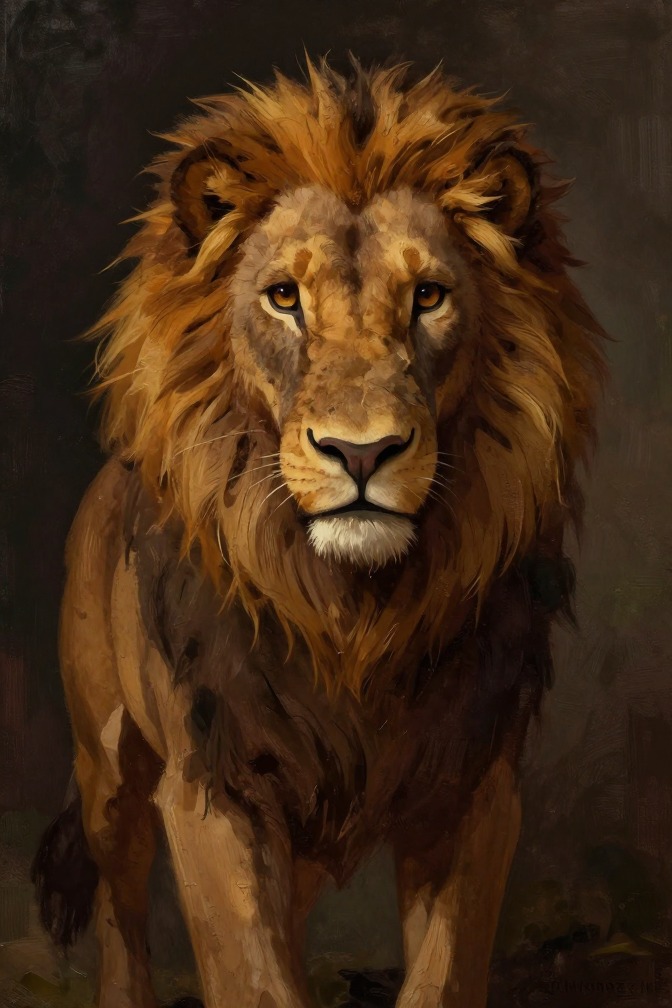
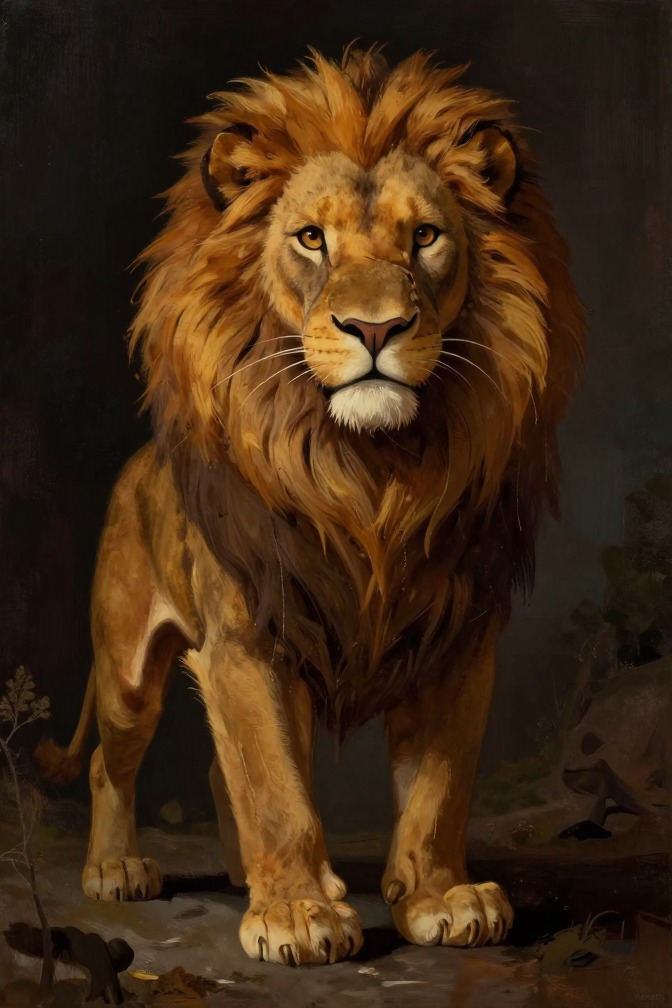
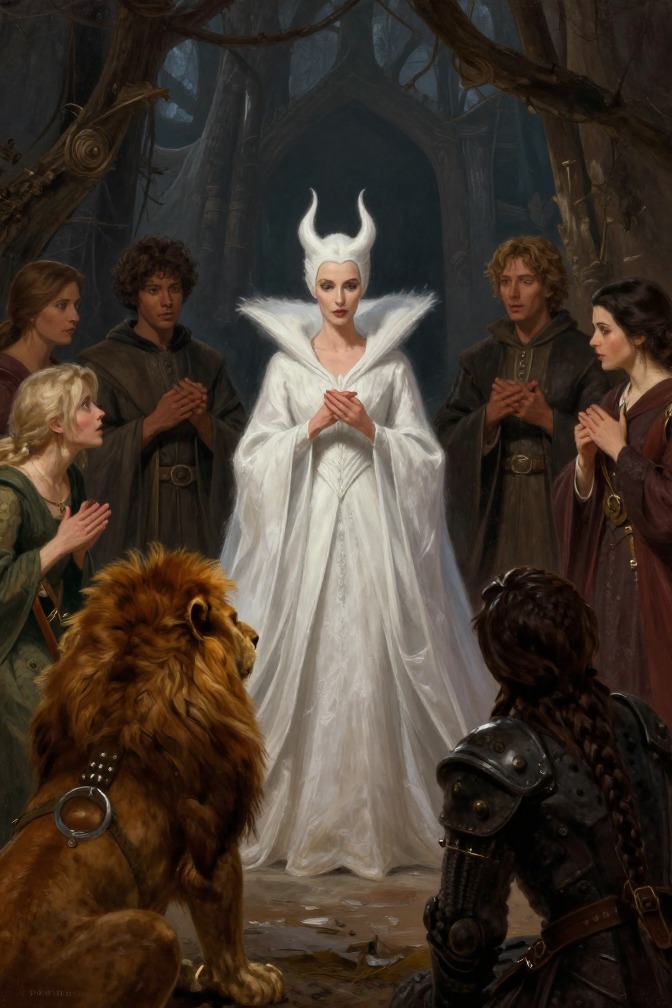
The Final Battle with the White Witch is the climactic military confrontation of The Lion, the Witch and the Wardrobe, in which Aslan, having been resurrected after his sacrificial death, leads the liberated creatures of Narnia against the Witch's army, culminating in Aslan himself killing the Witch and shattering her wand, thereby fulfilling the prophecy of the four thrones and ending her reign of eternal winter.
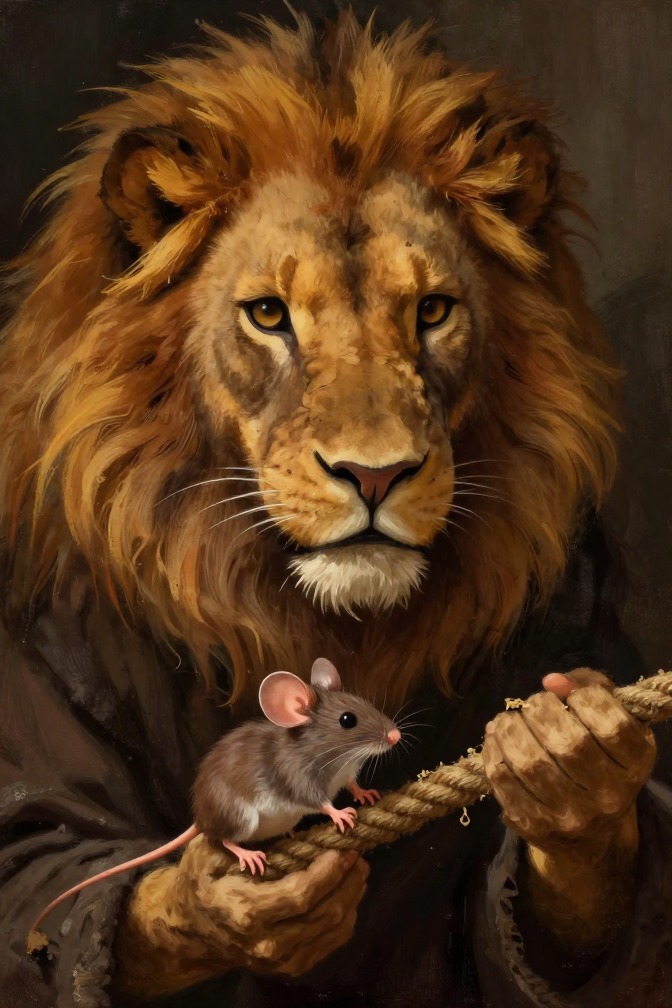
After Aslan's sacrificial death on the Stone Table, hundreds of field mice gnaw through the ropes binding his body, freeing him before his resurrection.
Tumnus Releases Lucy is the pivotal moment in which the Faun Tumnus, having lured Lucy Pevensie to his cave under orders from the White Witch, chooses to defy her command and let the human child return home, an act of mercy that sets the moral and narrative direction of the entire story.
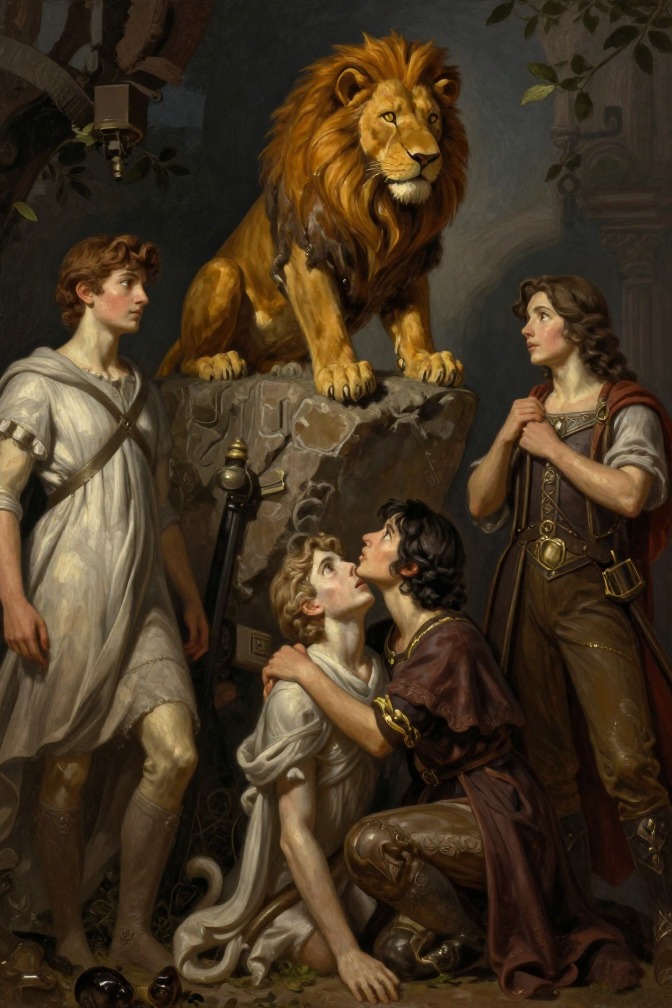
The Witch Attempts to Kill Edmund is the climactic scene in which the White Witch prepares to execute Edmund Pevensie as a traitor, only to be thwarted at the last moment by Aslan's rescue party, marking a decisive reversal in the story.
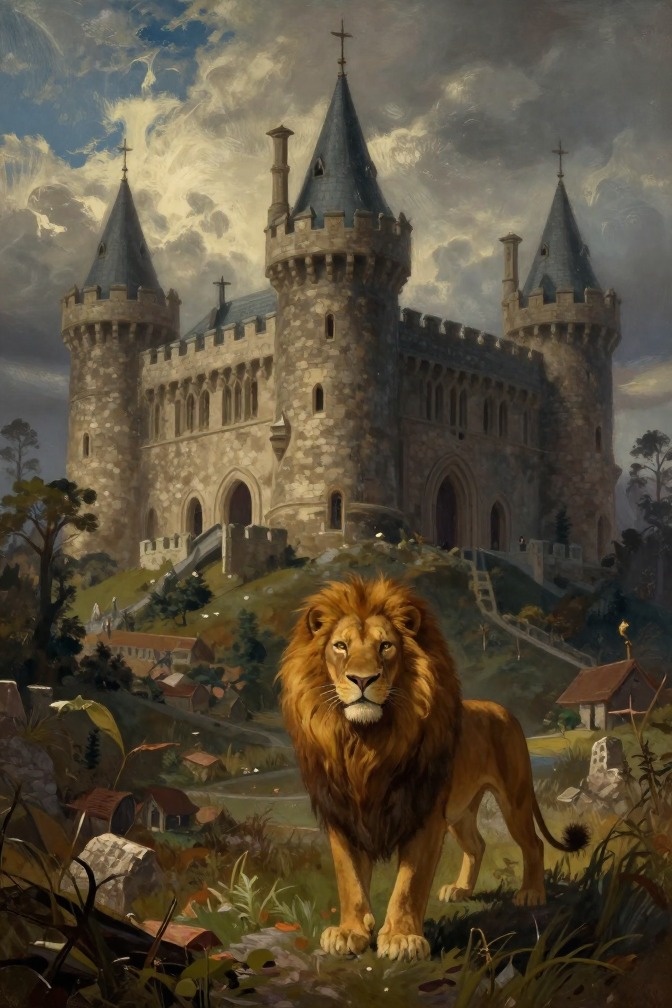
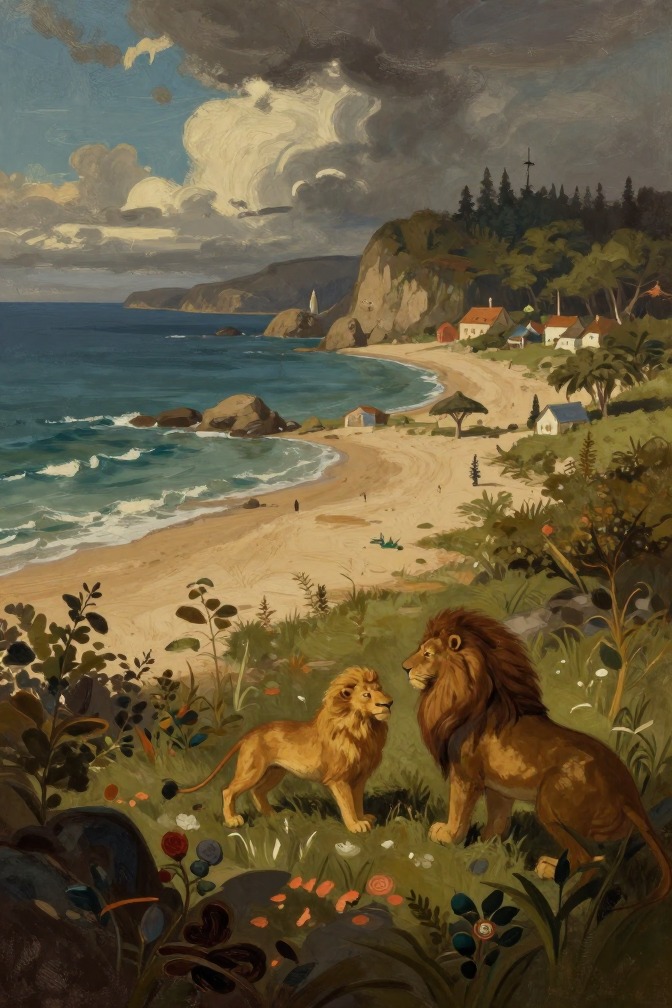
Cair Paravel is the great castle on the eastern coast of Narnia, the seat of the four thrones whose occupation by two Sons of Adam and two Daughters of Eve is prophesied to end the White Witch's reign and her life.
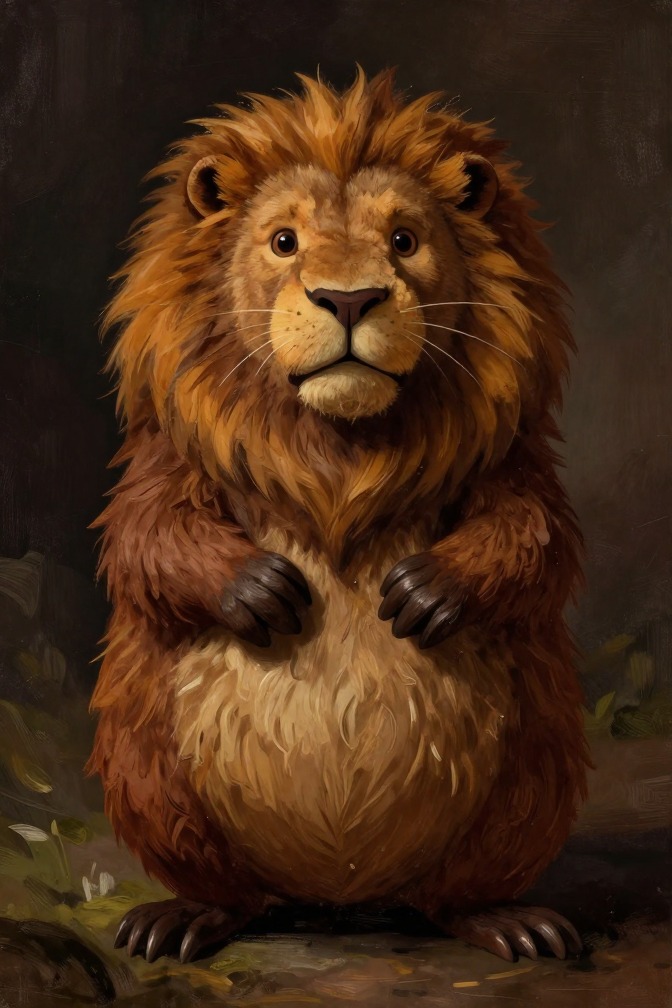
The Beaver is a talking animal and a loyal ally of Aslan who guides the Pevensie children through Narnia, offering shelter, prophecy, and practical wisdom in their quest against the White Witch.
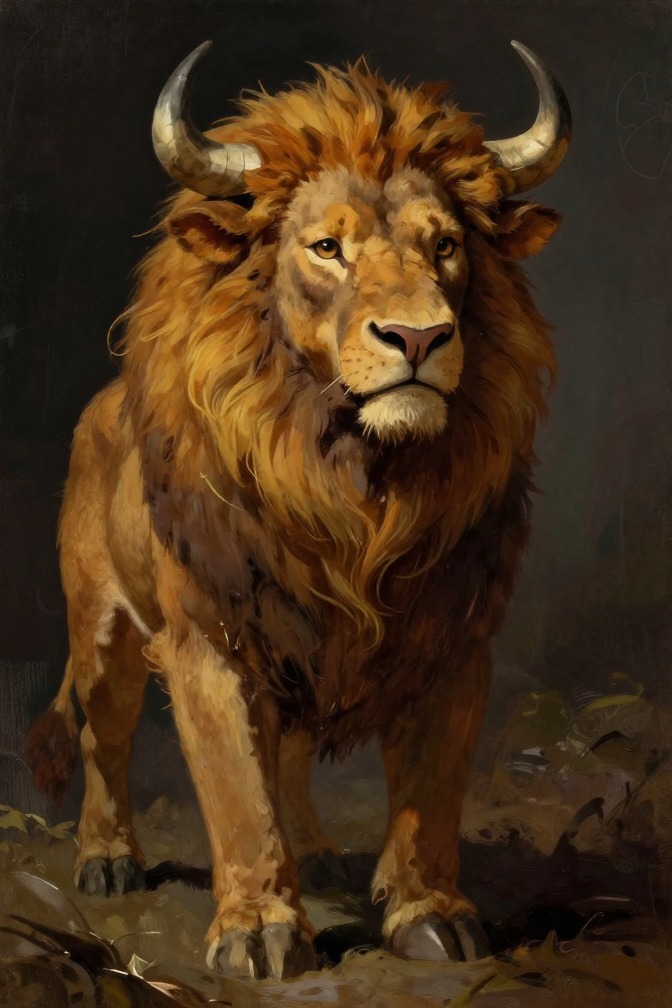
The Bull with the head of a man is a minor but distinctive creature in C. S. Lewis's *The Lion, the Witch and the Wardrobe*, appearing among the loyal followers of Aslan at the Stone Table. Its hybrid form—combining the body of a bull with the head of a man—marks it as one of the many mythological beings that populate Narnia, and its brief but forceful presence underscores the diversity of Aslan's army and the ancient, pre-human magic that opposes the White Witch.
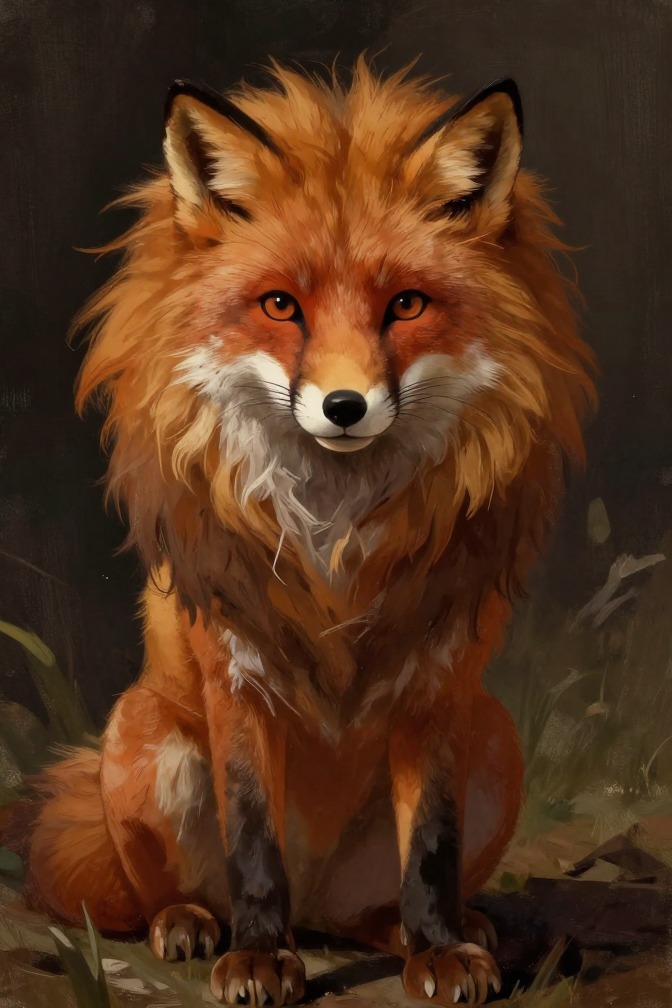
The Fox is a minor but symbolically significant creature in Narnia, appearing during the thaw as part of a festive woodland party that is brutally petrified by the White Witch, marking the irreversible collapse of her wintery reign and the arrival of Aslan's spring.
Giants are a race of enormous, powerful beings in Narnia, capable of both great destruction and unexpected kindness, as exemplified by the loyal and good-natured Giant Rumblebuffin who aids Aslan's forces.
Horses appear in Narnia as mounts for the Pevensie children and their court during the hunt for the White Stag, and as part of the army that follows Aslan into battle, but they are not individually characterized or given speaking roles.
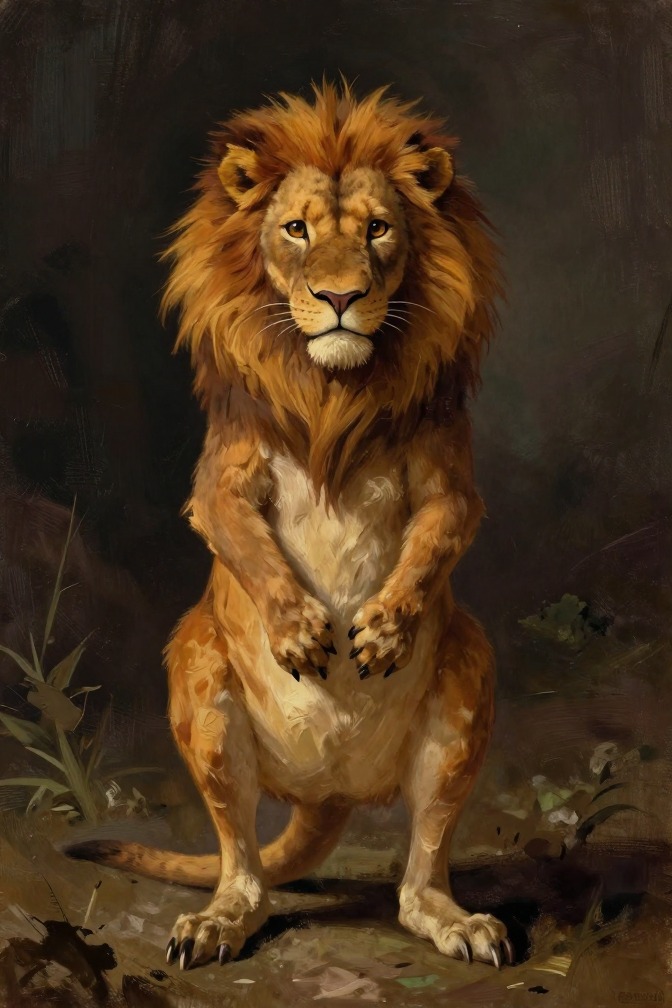
The Kangaroo is a minor creature in Narnia, appearing only as a stone statue in the White Witch's courtyard, where it is liberated by Aslan's breath and joins the final battle against the Witch's forces.
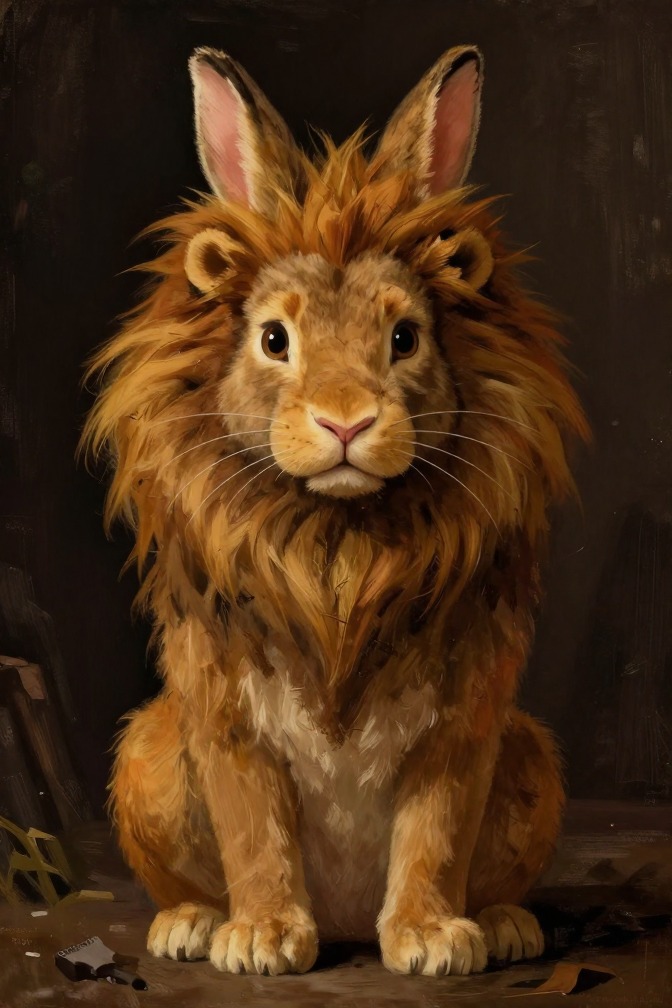
The Rabbit is a minor creature in Narnia who appears only as a stone statue in the White Witch's courtyard, later restored to life by Aslan's breath, and then carried into battle on the back of a lion.
The Stag is a legendary white creature in Narnia whose pursuit by the four monarchs leads them back through the wardrobe to their original world, ending their reign and framing the entire adventure as a closed, cyclical journey.
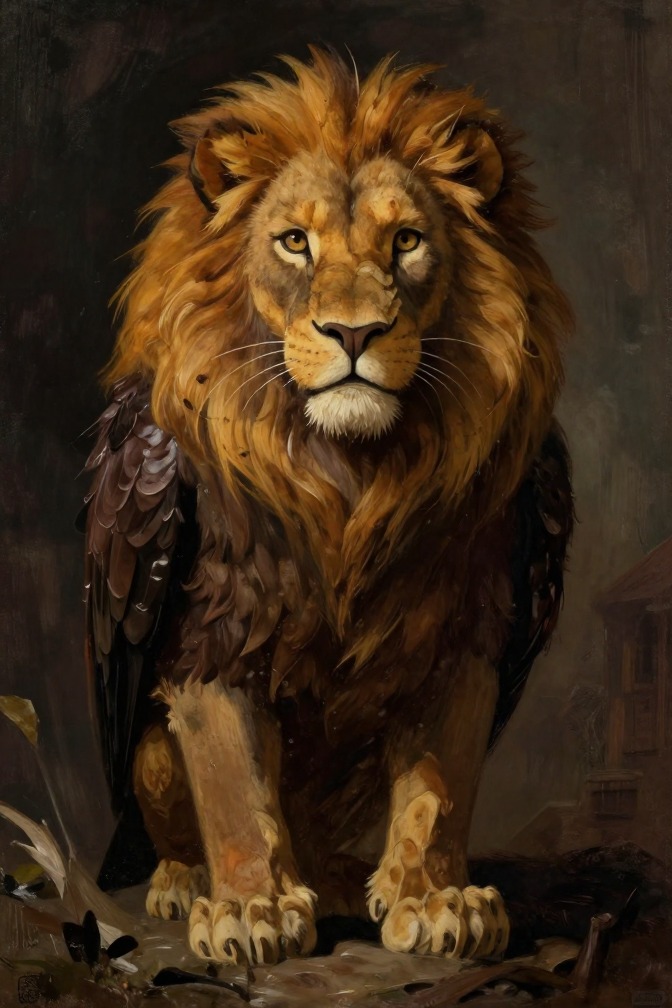
Vultures appear briefly in The Lion, the Witch and the Wardrobe as part of the foul rabble that accompanies the White Witch after Aslan's sacrifice, their presence contributing to the atmosphere of horror and desolation that surrounds the Witch's forces.
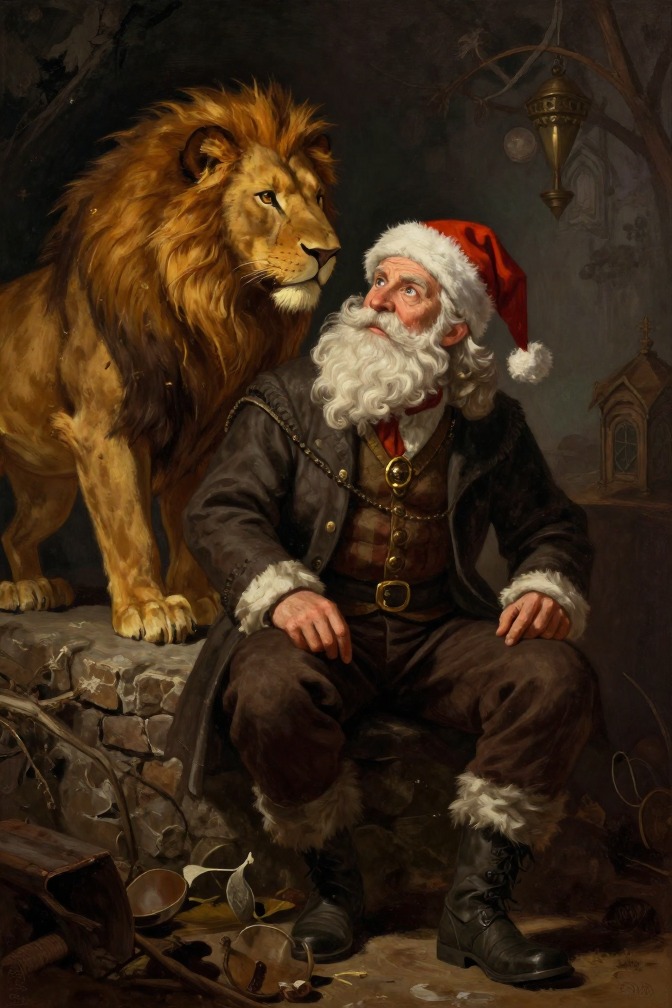
The arrival of Father Christmas marks a decisive turning point in Narnia, signaling the weakening of the White Witch's power and the beginning of spring. He bestows gifts upon the children and the Beavers, equipping them for the coming conflict and confirming that Aslan is on the move.
The Battle with the White Witch is the climactic military confrontation of The Lion, the Witch and the Wardrobe, in which Aslan, newly resurrected, leads his liberated army against the White Witch's forces at the Fords of Beruna, culminating in the Witch's death and the fulfillment of the prophecy that four human children would sit on the thrones of Cair Paravel.
The Liberation of the Statues is the climactic event in which Aslan, after his resurrection, enters the White Witch's castle and restores all her petrified victims to life, freeing them from her enchantment and turning her fortress from a museum of death into a living, joyful community.
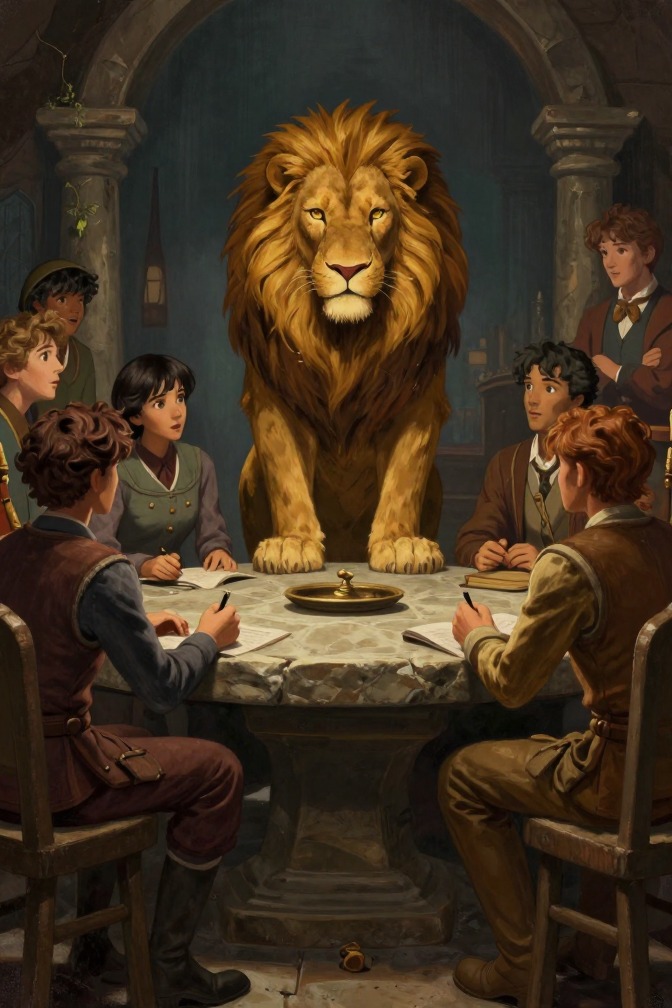
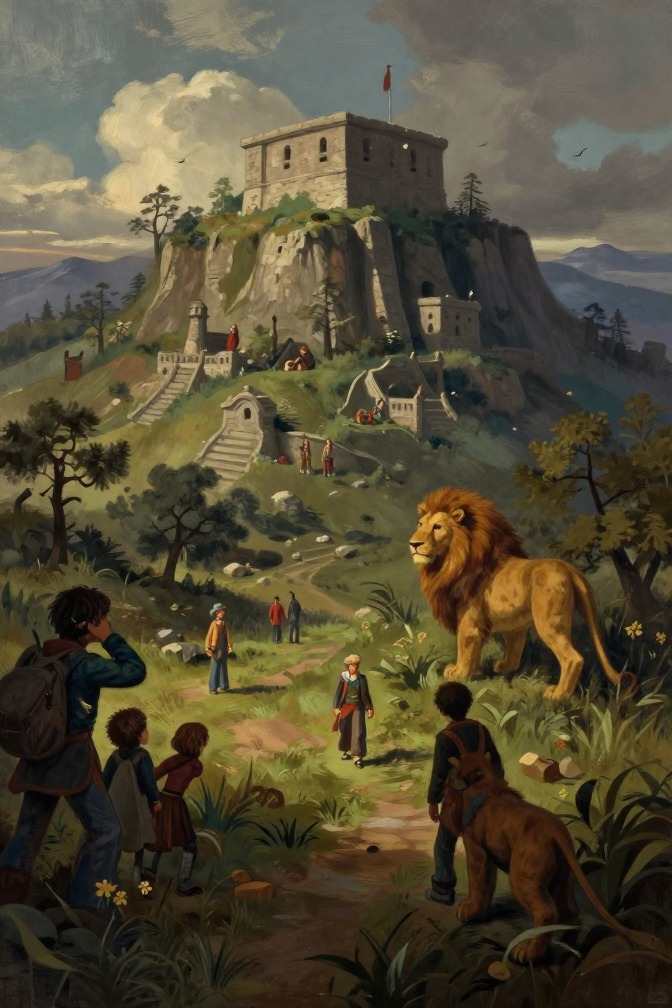
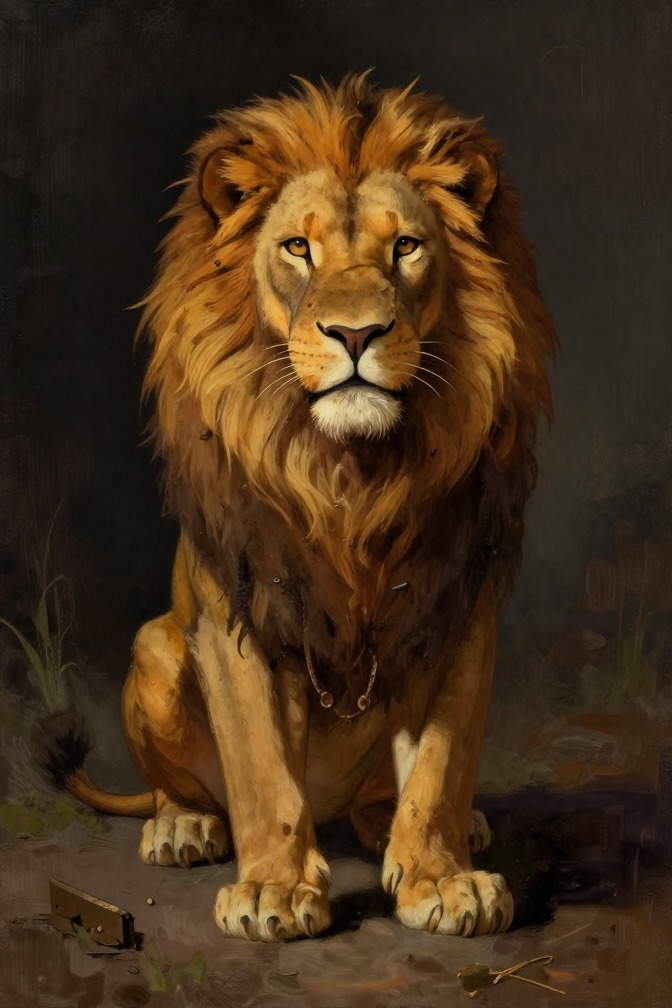
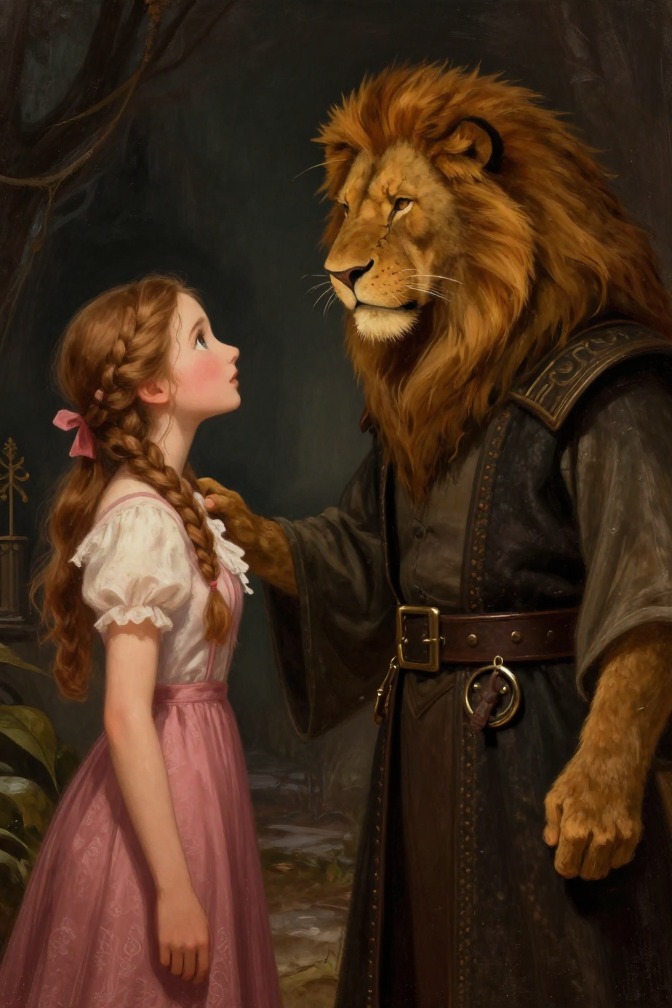
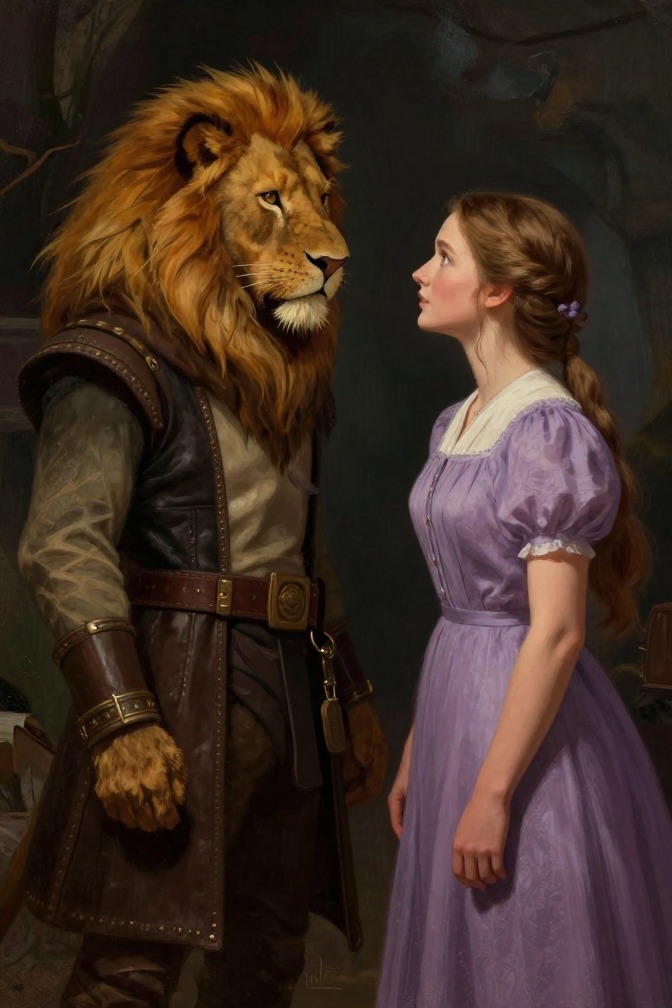
The Meeting with Aslan at the Stone Table is the pivotal first encounter between the Pevensie children and the great lion Aslan, marking the moment when the prophecy of Narnia's liberation begins to take tangible form and the children are formally welcomed into the struggle against the White Witch.
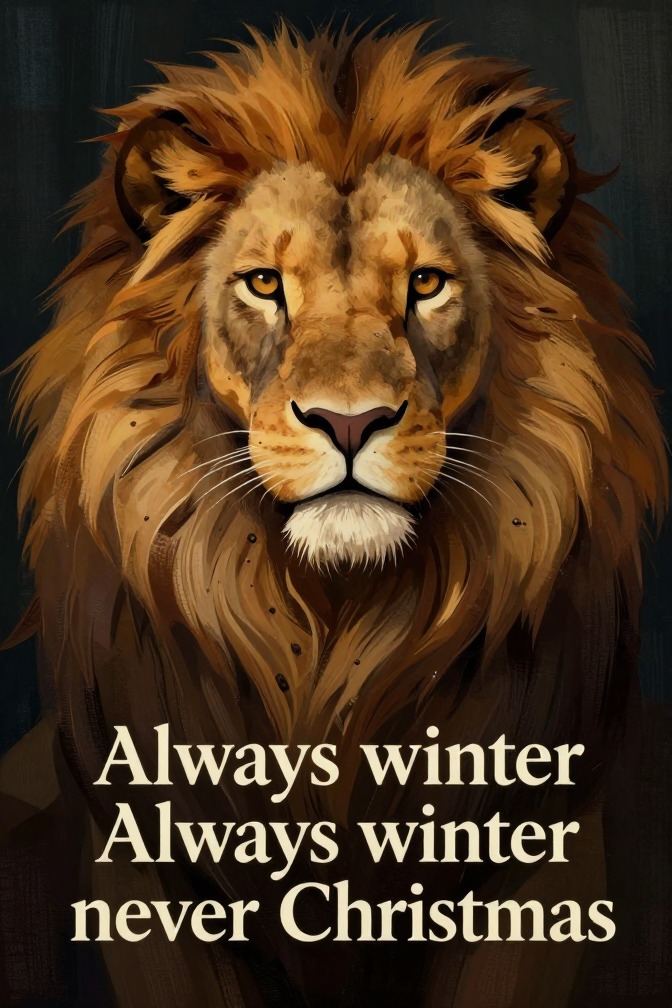
Always winter and never Christmas is the defining condition of Narnia under the White Witch's reign, a magical curse that suspends the land in perpetual cold and deprives its inhabitants of the seasonal festival that symbolizes hope, joy, and renewal.
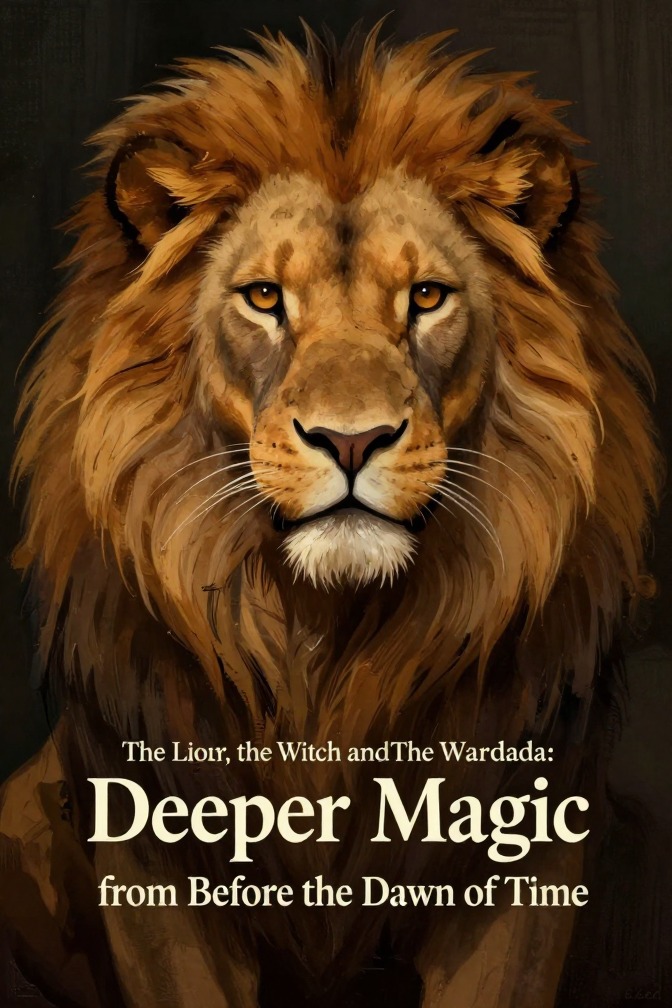
Deeper Magic from Before the Dawn of Time is the foundational, pre-temporal law of Narnia that supersedes the Deep Magic known to the White Witch, and it is this hidden principle that enables Aslan's resurrection and the ultimate defeat of evil.
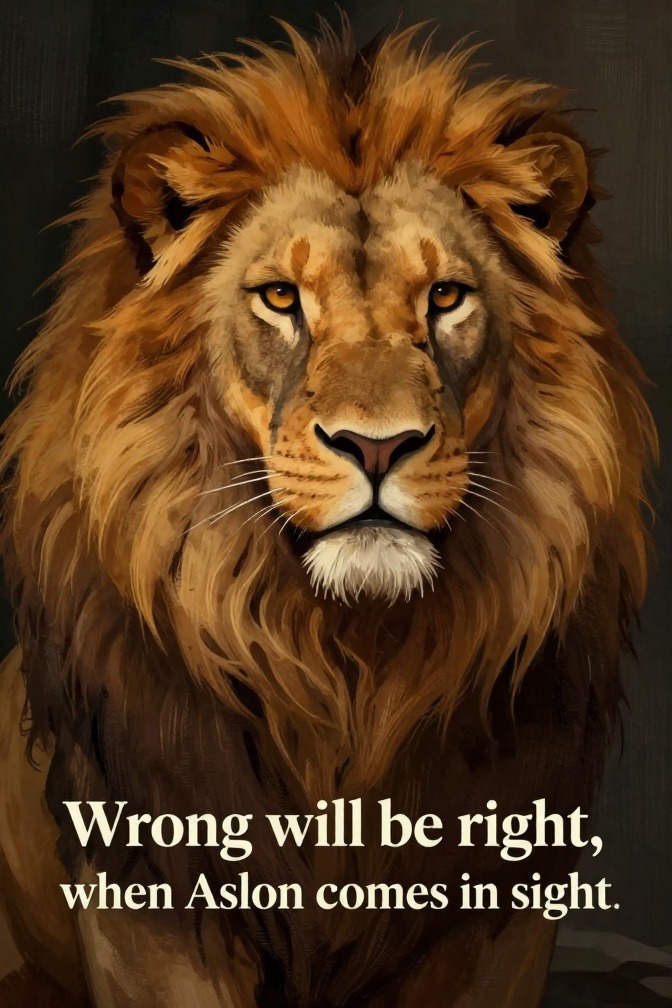
The rhyme "Wrong will be right, when Aslan comes in sight" is a prophetic couplet recited by Mr. Beaver in Narnia, encapsulating the central hope of the story: that Aslan's arrival will reverse the White Witch's tyranny, restore justice, and bring an end to the eternal winter.
The Hill of the Stone Table is the central sacred site in Narnia where Aslan is sacrificed and resurrected, marking the story's pivotal turn from despair to victory.
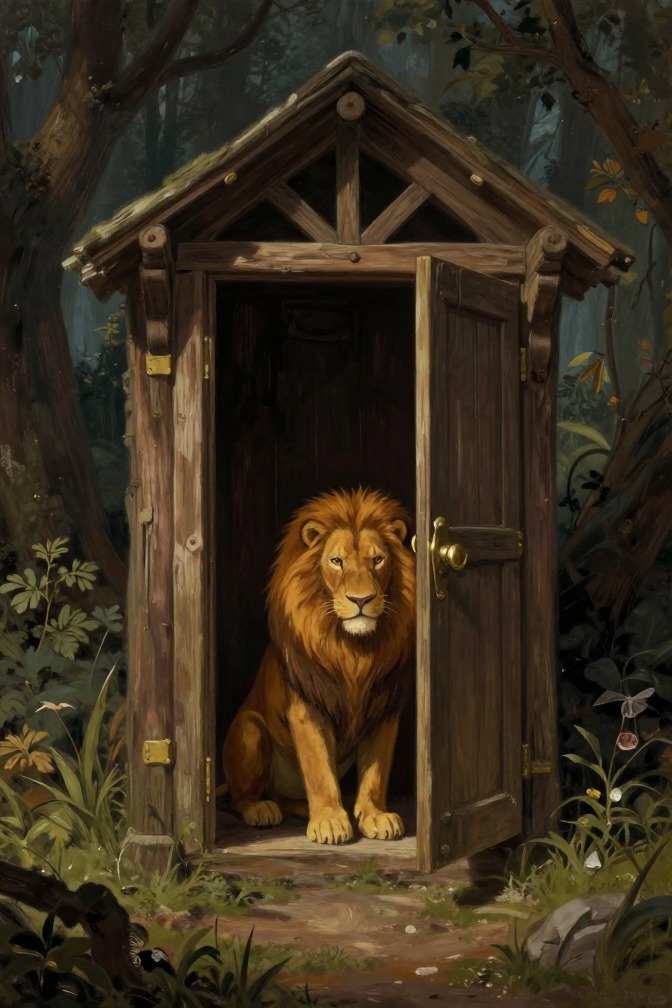
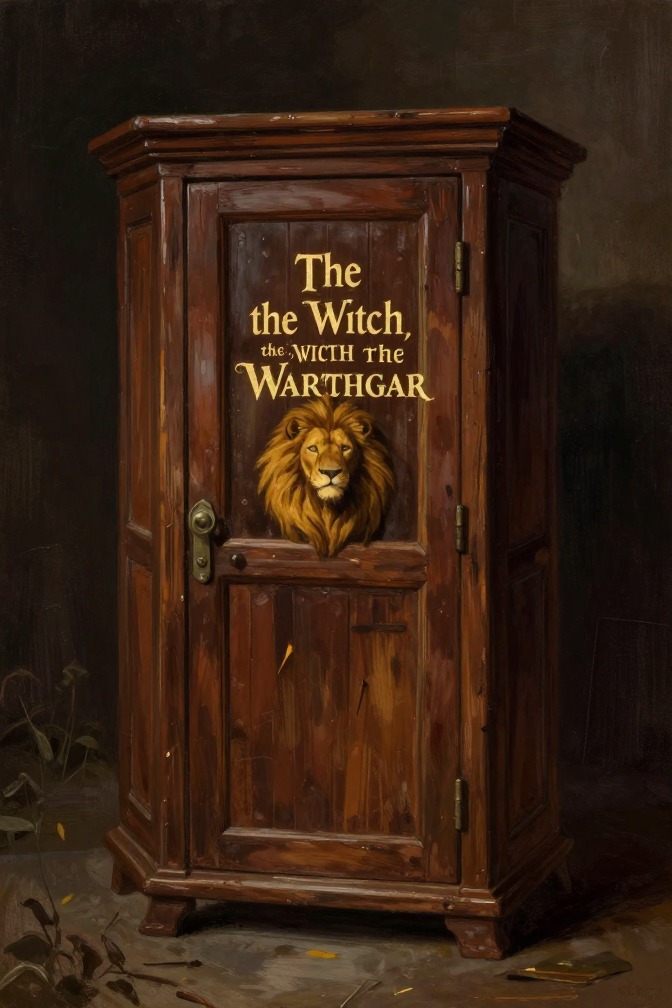
The Wardrobe is the enchanted piece of furniture in the Professor's house that serves as the primary portal between the children's world and the land of Narnia, initiating the entire adventure and establishing the rules of magical travel between the two realms.
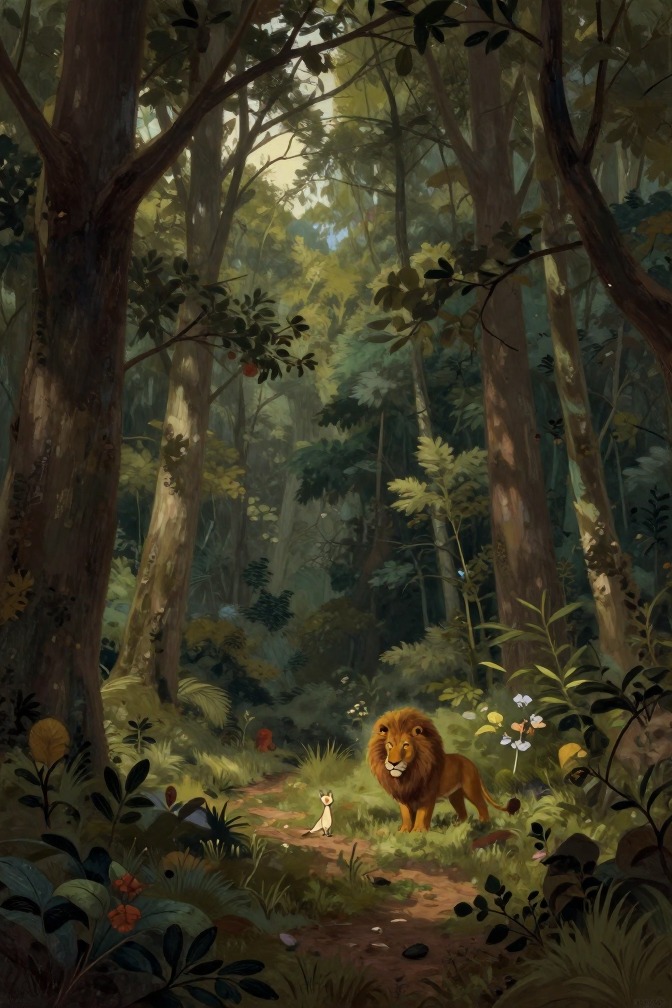
The Western Woods are the vast, ancient forest that forms the western frontier of Narnia, a place of both peril and enchantment, where the Pevensie children first enter the land and where the White Stag is ultimately hunted, marking the boundary between the Narnian realm and the human world.
The Fords of Beruna is the broad, shallow crossing of the great river where Aslan's army encamps on the eve of the final battle, a site that becomes the staging ground for the confrontation with the White Witch and the place where Aslan's somber mood and the children's foreboding reach their peak.
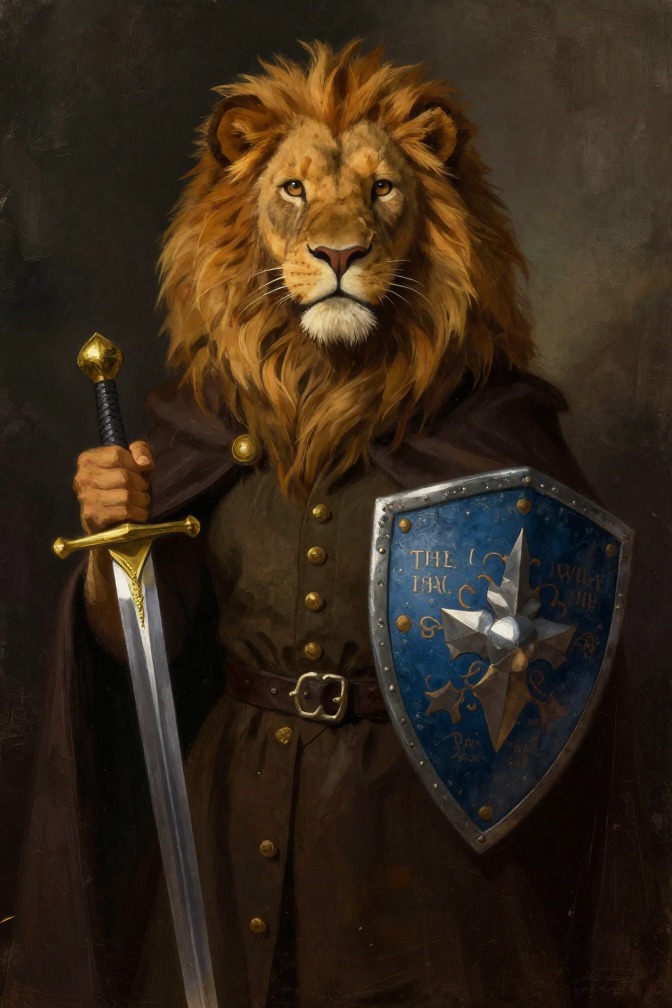
Peter's sword and shield are the first weapons given to a human in Narnia, marking his transition from a boy to a warrior and king, and they play a decisive role in his first battle and knighthood.
The Sledge is the White Witch's primary mode of transport through the frozen land of Narnia, a vehicle that embodies her power, her isolation, and the unnatural winter she has imposed. Drawn by two white reindeer and driven by a dwarf, the sledge carries the Witch on her journeys of terror and temptation, but its failure during the great thaw marks the decisive collapse of her magical reign.
The Magic Wardrobe is the central portal object in C. S. Lewis's *The Lion, the Witch and the Wardrobe*, a seemingly ordinary piece of furniture in the spare room of an old Professor's house that serves as a gateway between the children's world and the magical land of Narnia. Its discovery by Lucy Pevensie initiates the entire adventure, and its dual nature—as a mundane coat cupboard and a threshold to another reality—embodies the story's core theme of hidden wonders accessible through faith and curiosity.
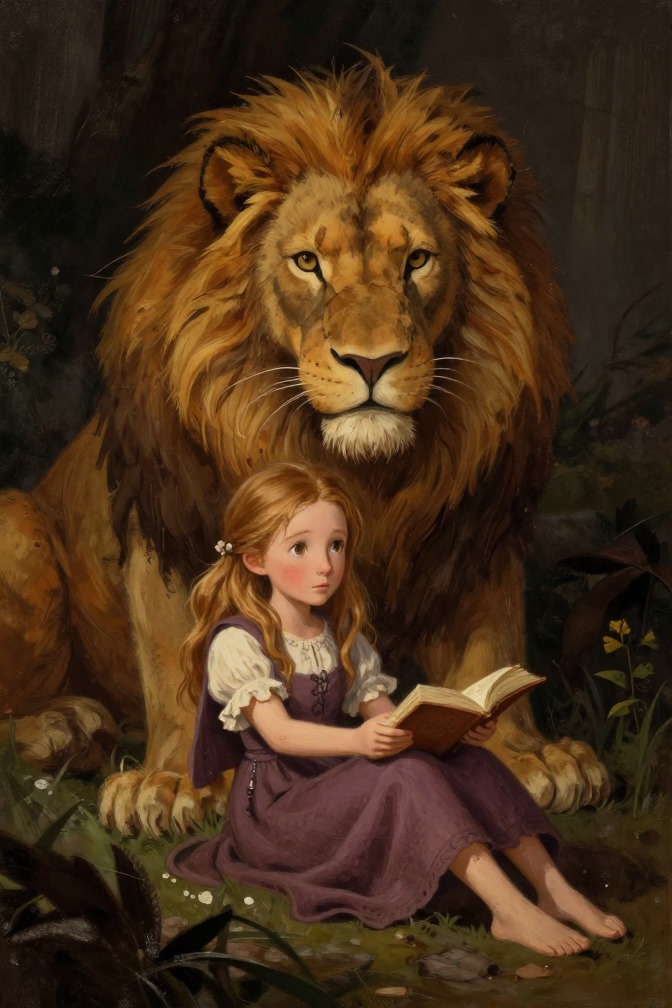
Aslan's welcome of Lucy Pevensie at the Stone Table marks the moment of her formal acceptance into the Narnian fellowship, confirming her role as a Daughter of Eve and a participant in the prophecy of the four thrones.
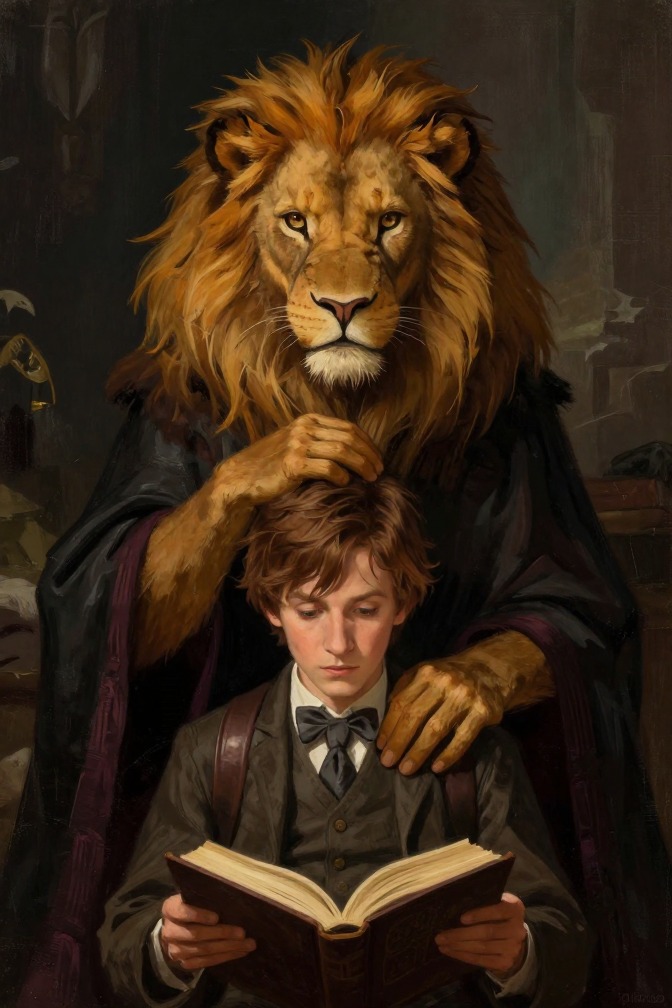
Aslan welcomes Susan Pevensie upon her arrival at the Stone Table, marking her formal acceptance into the Narnian fellowship and establishing the Lion's gentle yet authoritative presence.