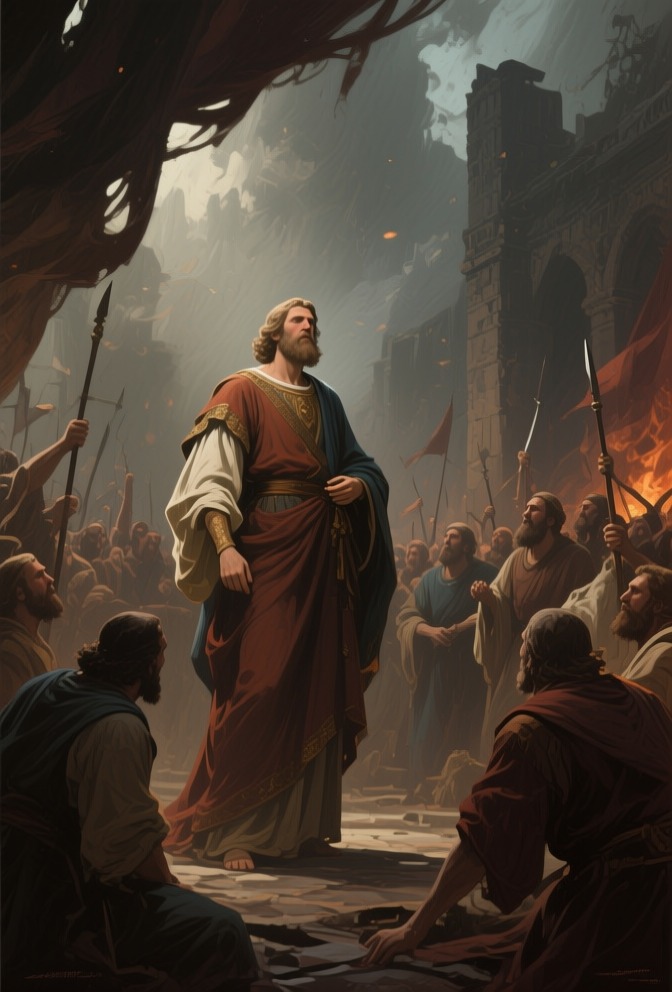
The Rescue of the Lion Cub is a pivotal event in the life sciences lecture hall at Shiz University, where students, led by Elphaba, rebel against Doctor Nikidik's cruel experiment on a terrified lion cub, ultimately rescuing the animal and exposing the brutal intersection of science and political oppression in Oz.
The Time Dragon is a mechanical oracle and traveling puppet theater that appears in the novel Wicked: The Life and Times of the Wicked Witch of the West, serving as a prophetic and morally corrosive force that exposes hidden truths and incites communal violence. Mounted on a wagon and crowned by a clockwork dragon, it functions as a mobile spectacle of judgment, using its puppet shows to reveal the secret sins of its audience, thereby destabilizing communities and challenging the authority of traditional unionist faith.
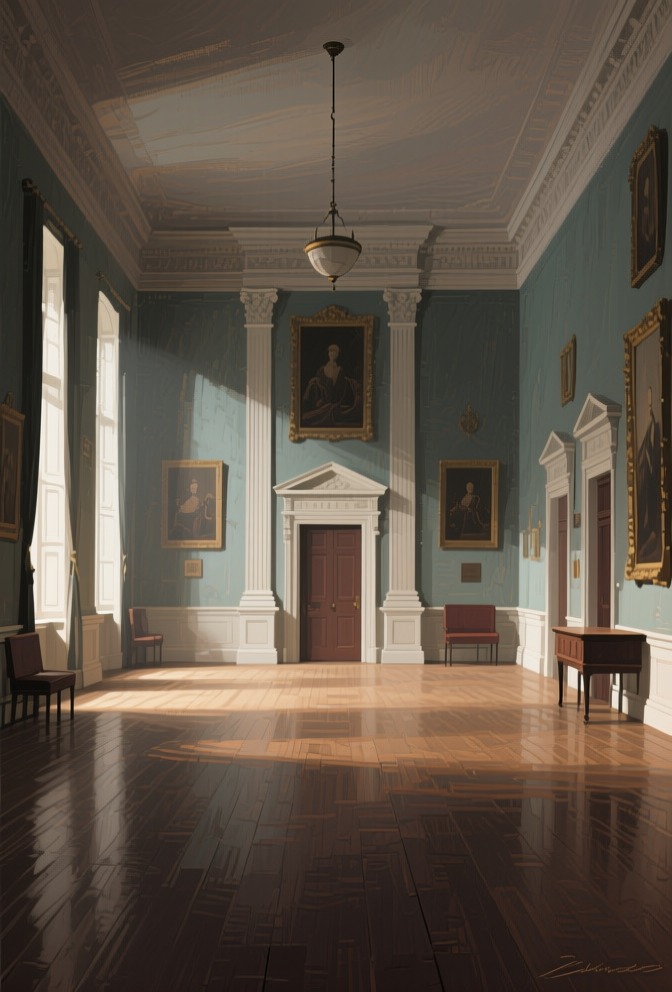
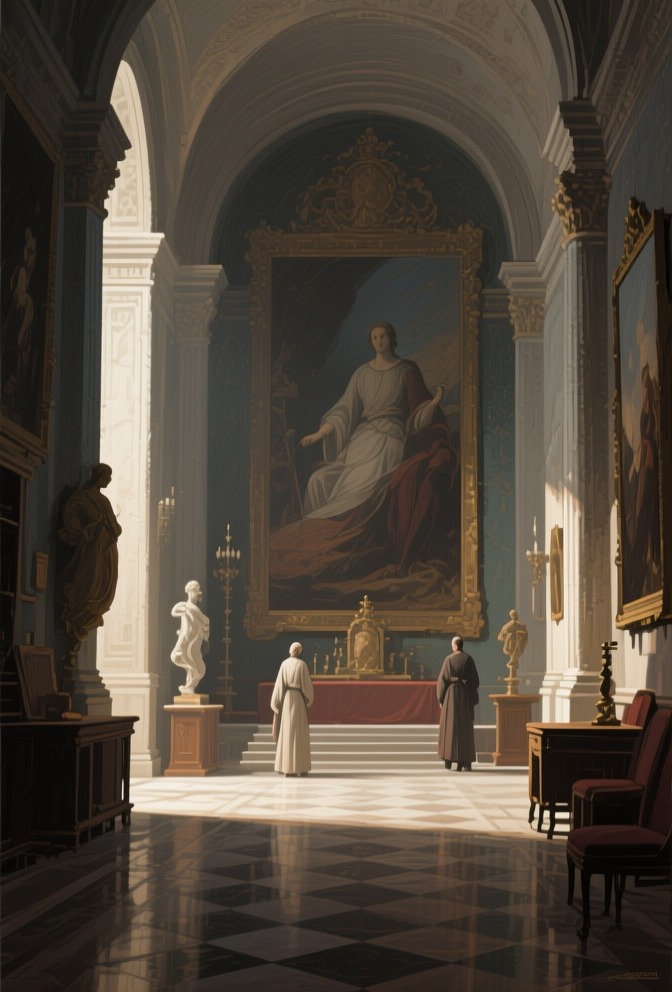
Briscoe Hall is the men's college at Shiz University where Boq, Avaric, Crope, and Tibbett reside; it serves as a key setting for male student life, romantic longing, and the secret research for Doctor Dillamond, and its proximity to Crage Hall enables the clandestine meetings and rooftop voyeurism that drive the early romantic and political plots.
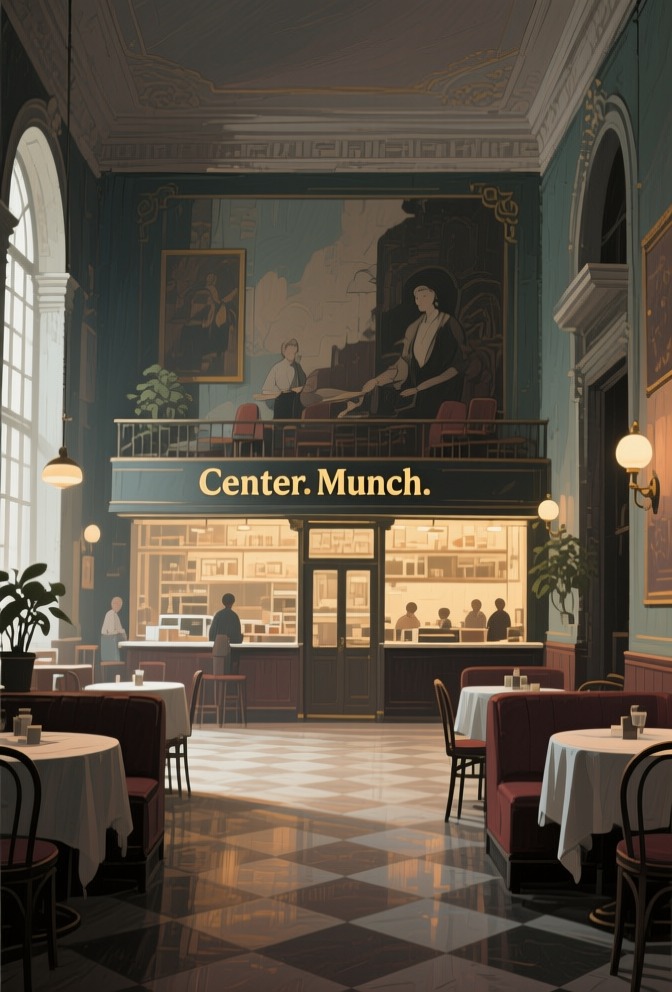
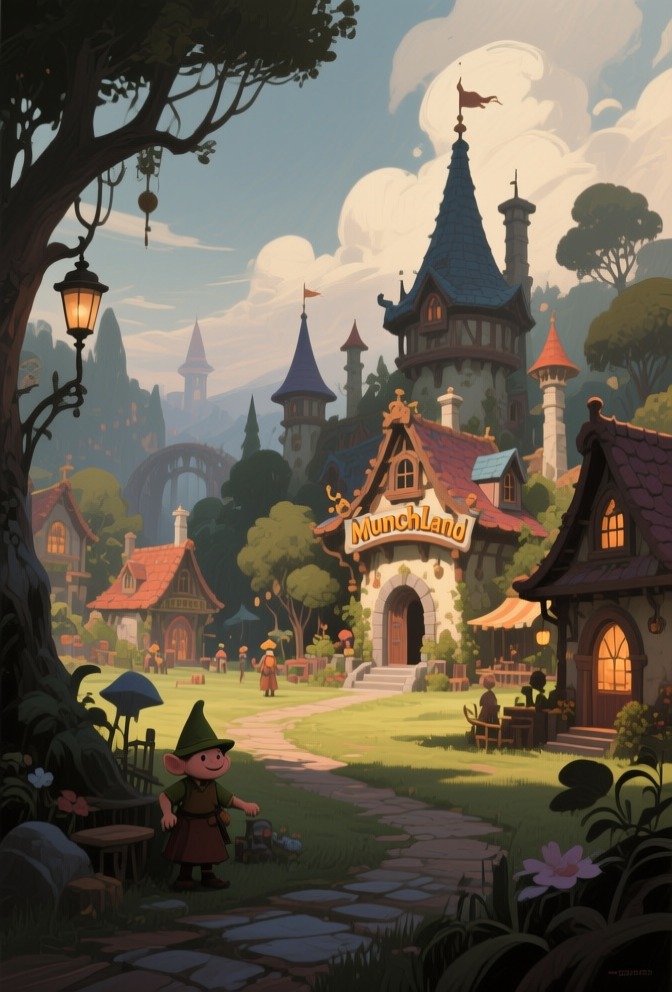
Center Munch is the Munchkinland hamlet where Nessarose, the Wicked Witch of the East, is killed when a house from another world falls on her during a tornado, an event that triggers the collapse of her theocratic regime and sets in motion the final acts of the Wizard's campaign against Elphaba.
The Cloister of Saint Glinda is a religious community of maunts (nuns) in Oz, with a main convent in the Emerald City and an outpost in the Shale Shallows. It serves as a sanctuary for Elphaba after the traumatic failure of her assassination attempt and the death of Fiyero, providing her with seven years of silence, nursing work, and eventual departure into the Vinkus. The cloister is also the place where Elphaba encounters the enigmatic Mother Yackle, who gives her the broom that later becomes her magical instrument.
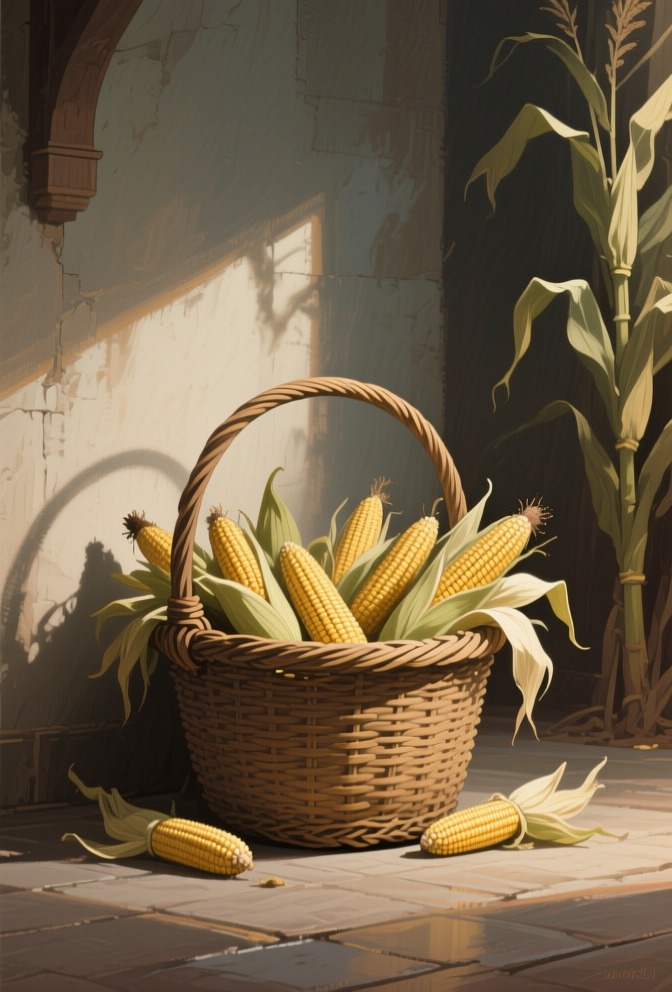
The Corn Basket is the fertile agricultural heartland of Munchkinland, a region whose prosperity and political fate are directly tied to the droughts, the Wizard's economic policies, and the secessionist movement led by Nessarose. Its devastation by a tornado, which also kills Nessarose, marks a catastrophic turning point for the Free State of Munchkinland.
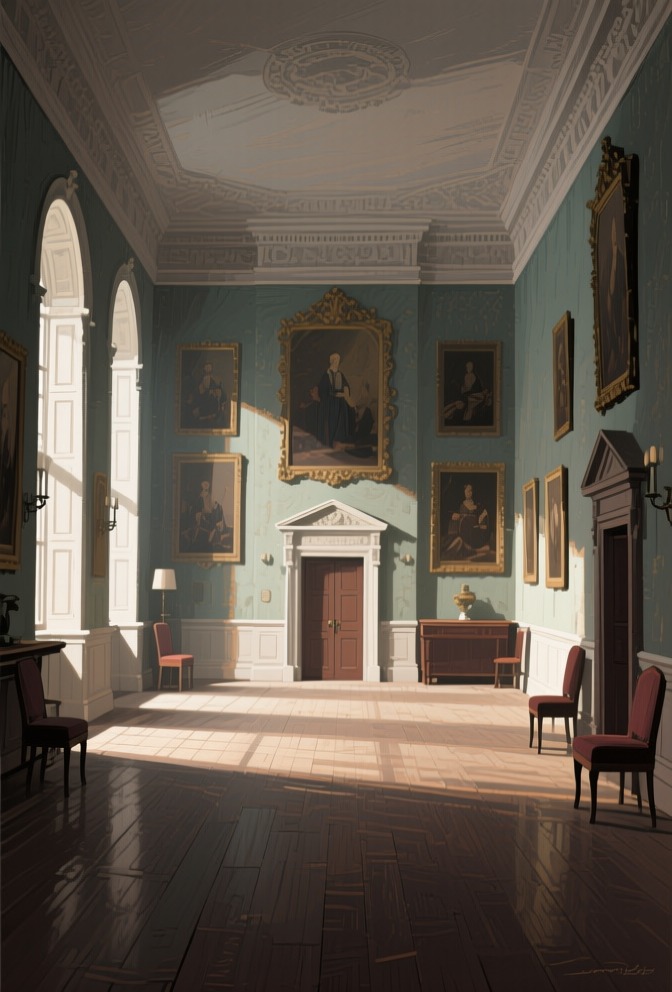
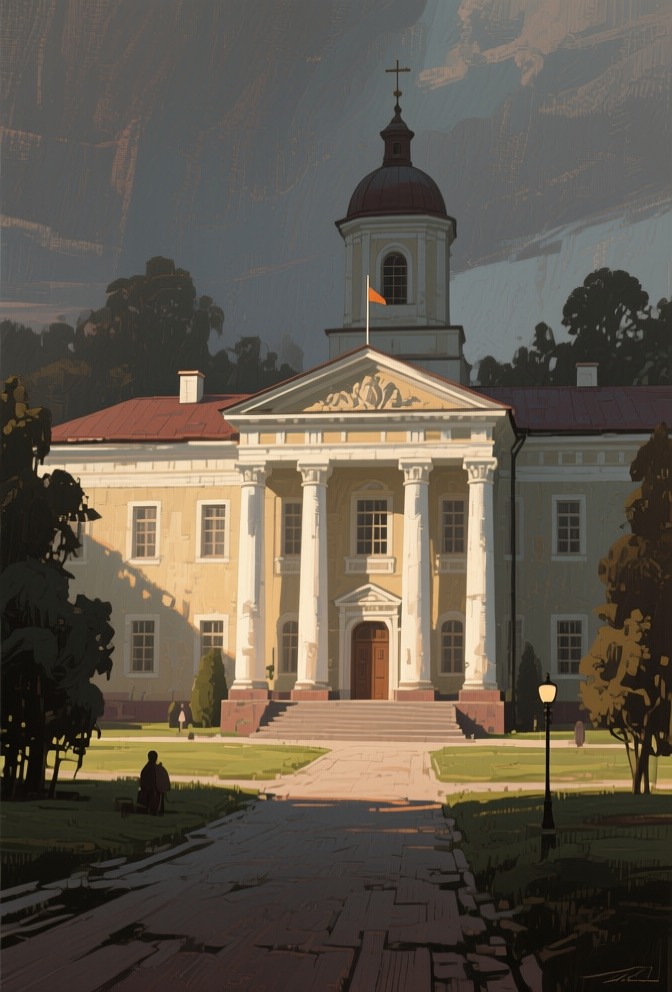
Crage Hall is the women's college at Shiz University where Elphaba, Glinda, and Nessarose study, and it serves as the primary setting for their university years, functioning as a microcosm of Oz's social hierarchies and political tensions.
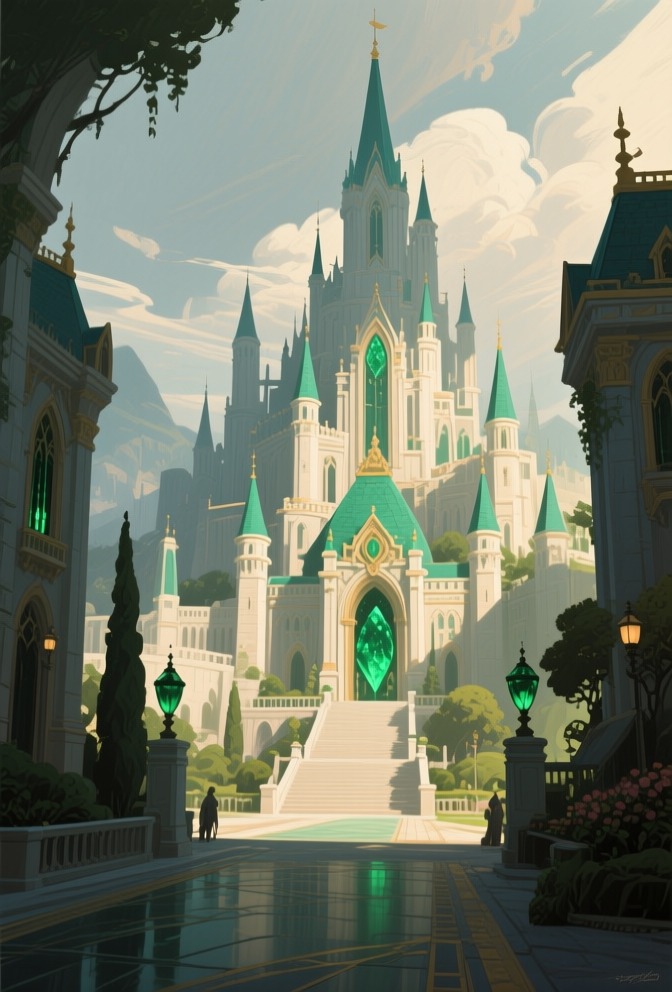
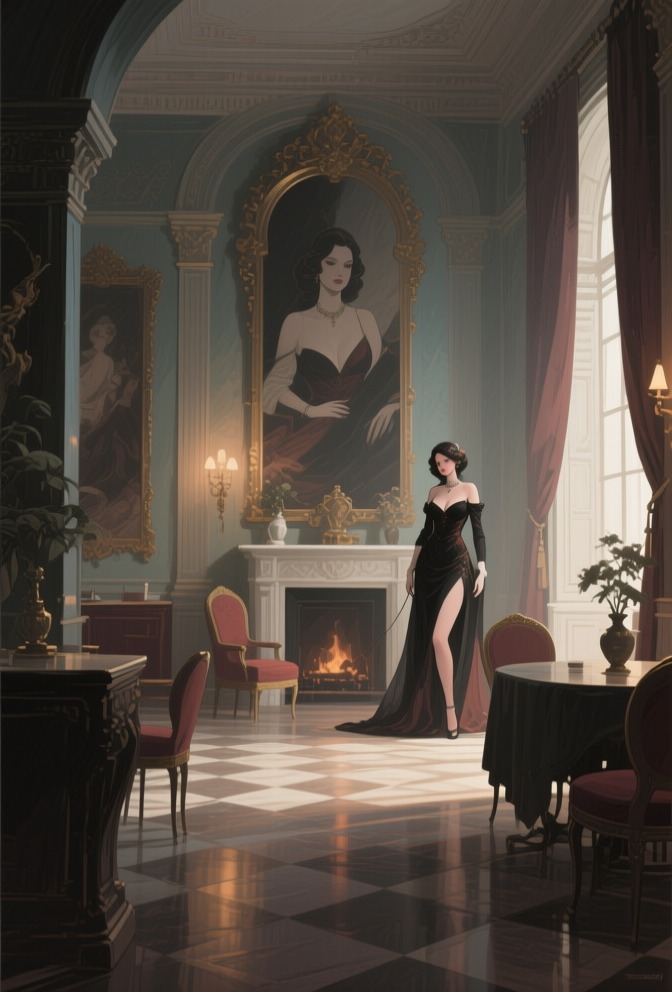
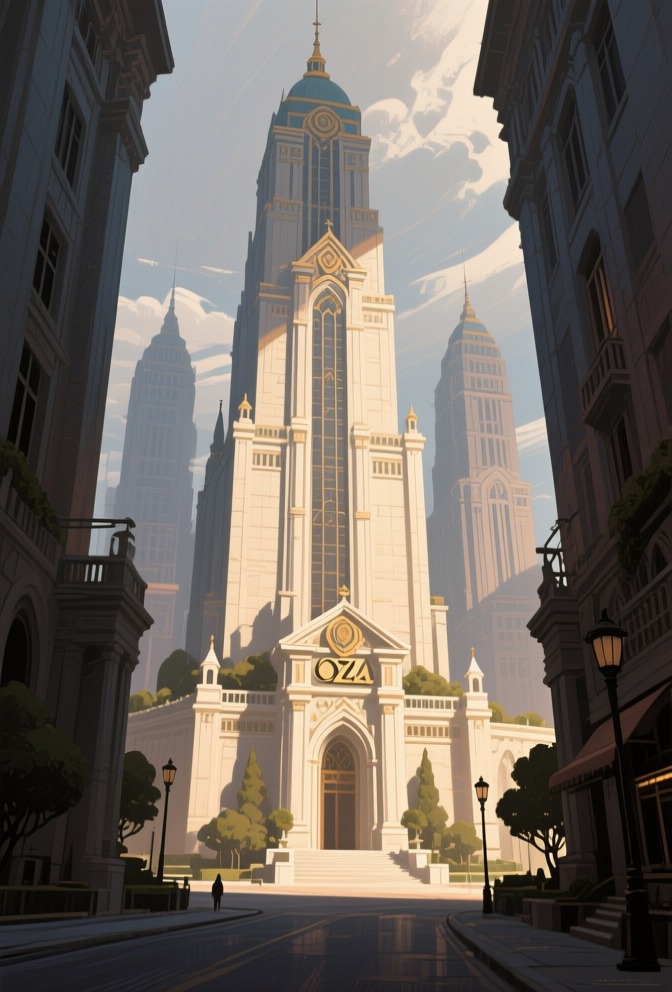
The Emerald City is the glittering capital of Oz, a place of immense political power, architectural ambition, and moral ambiguity. It serves as the seat of the Wizard's authoritarian regime, a destination for the Yellow Brick Road, and the central stage for Elphaba's confrontations with tyranny, her failed attempt at revolution, and her final, fateful encounter with the Wizard.
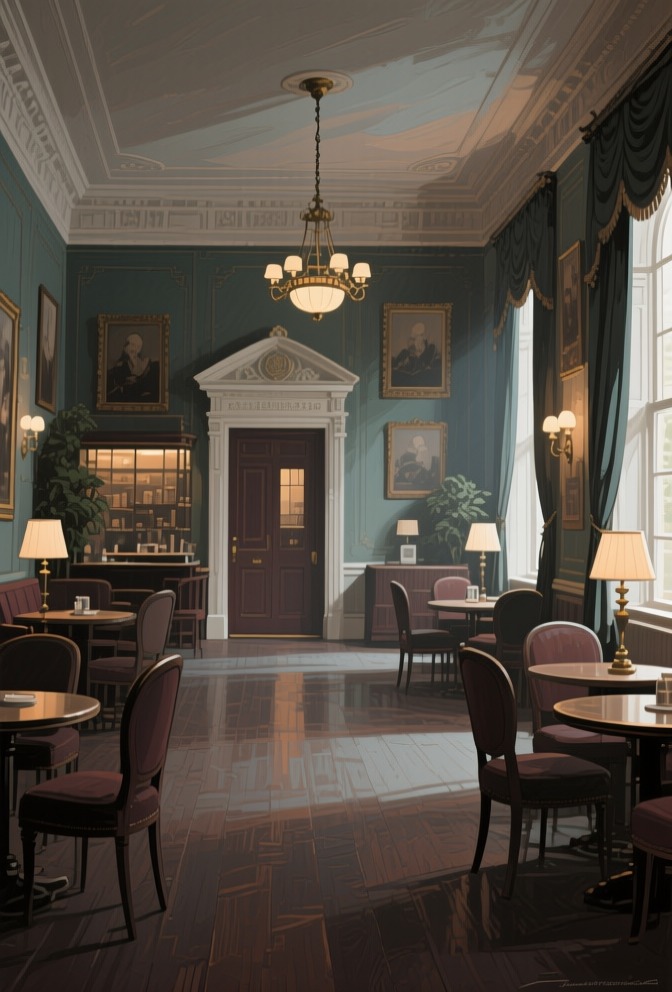
The Florinthwaite Club is an exclusive private club in the Emerald City where Glinda stays during her visit and where she unexpectedly reunites with Fiyero, leading to a conversation that reveals the divergent paths their lives have taken since their university days at Shiz.
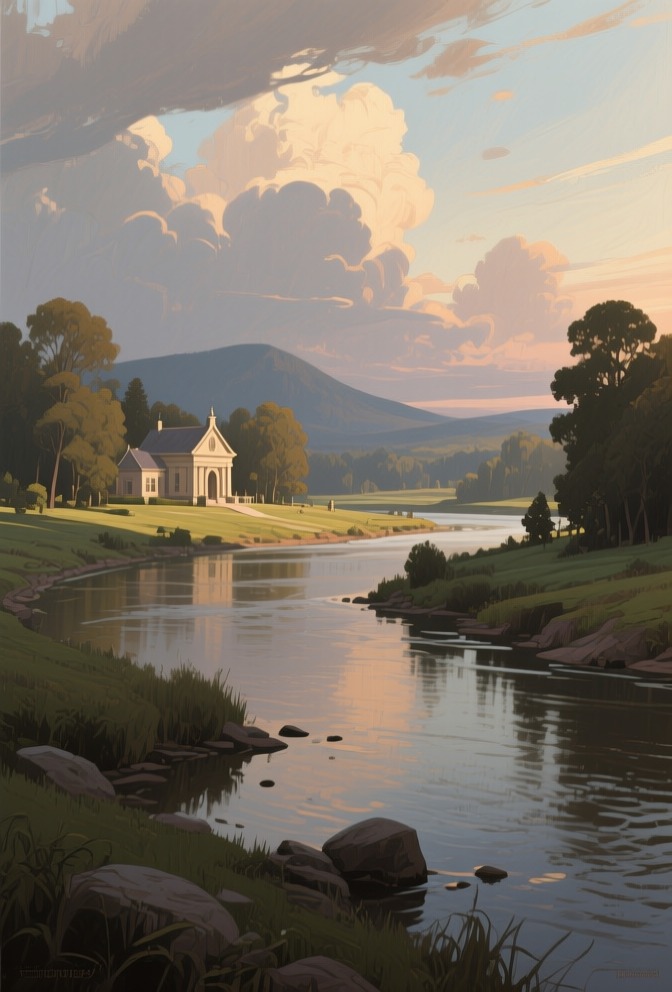
The Gillikin River is a major waterway in Oz, originating from Mount Runcible and flowing through the Great Gillikin Forest and the eastern edges of the Vinkus before ending at Restwater. Its creation is attributed to the Fairy Queen Lurline in the origin myths of Oz, and it serves as a key geographical and symbolic boundary, separating the civilized north from the wilder western territories.
Kellswater is a dead, lifeless lake in the Vinkus region of Oz, whose poisoned waters are avoided by travelers and animals alike, serving as a stark geographical marker of the boundary between civilization and the untamed wilderness, and as a symbol of the environmental and spiritual decay wrought by the Wizard's regime.
The Lady's Mystique is a small bluestone theatre in the fashionable Goldhaven district of the Emerald City, where Elphaba's planned assassination of Madame Morrible on Lurlinemas Eve is thwarted by the unexpected appearance of schoolgirls and a pantomime performer, marking a decisive failure in her campaign of resistance.
Lower Mennipin Street is the address of the Thropp family town house in the Emerald City, where the Eminent Thropp, Nessarose, and Nanny stay during a visit, and which Fiyero deliberately avoids passing.
The Munchkin River is a major waterway in eastern Oz, draining from the Munchkinland region into Restwater. It is a key geographical feature that Elphaba crosses during her flight from the Vinkus to Colwen Grounds, and its mouth is the location where the Yellow Brick Road begins its course toward the Emerald City.
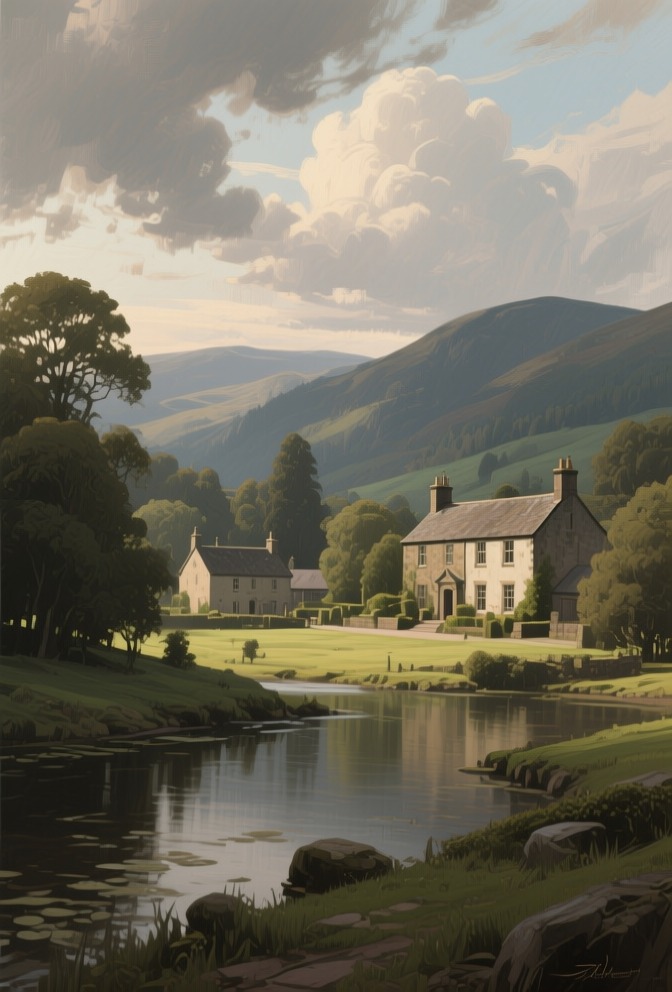
Munchkinland is the eastern province of Oz, a fertile agricultural region that serves as the birthplace of Elphaba and the setting for much of her early life. It is a land of stark contrasts between its rich farmland and the impoverished, drought-stricken outback of Wend Hardings, and it becomes a site of political upheaval as it secedes from the Wizard's rule under the leadership of Elphaba's sister, Nessarose.
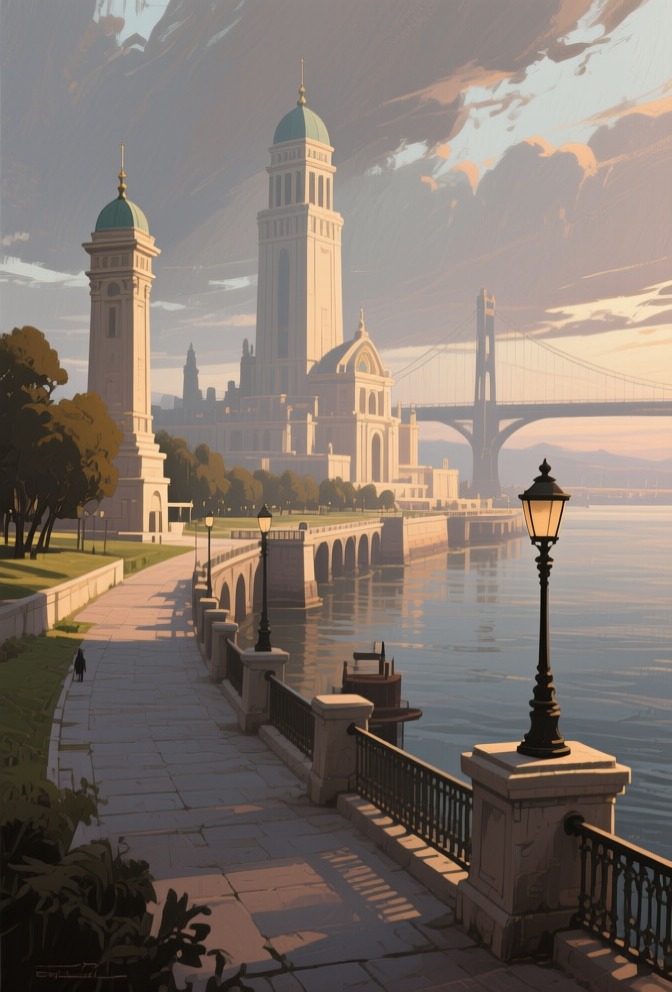
The Ozma Embankment is a location in the Emerald City where Elphaba walks during her reconnaissance on Lurlinemas Eve, the night she intends to assassinate Madame Morrible. It serves as a transitional space in the city's geography, connecting the Law Courts Bridge to the abandoned rose gardens of the Royal Mall, and marks a stage in Elphaba's final, failed attempt at political violence.
Ozma Towers is a college for male students at Shiz University, a setting for social and academic interactions among the university's young men, including Boq and his friends.
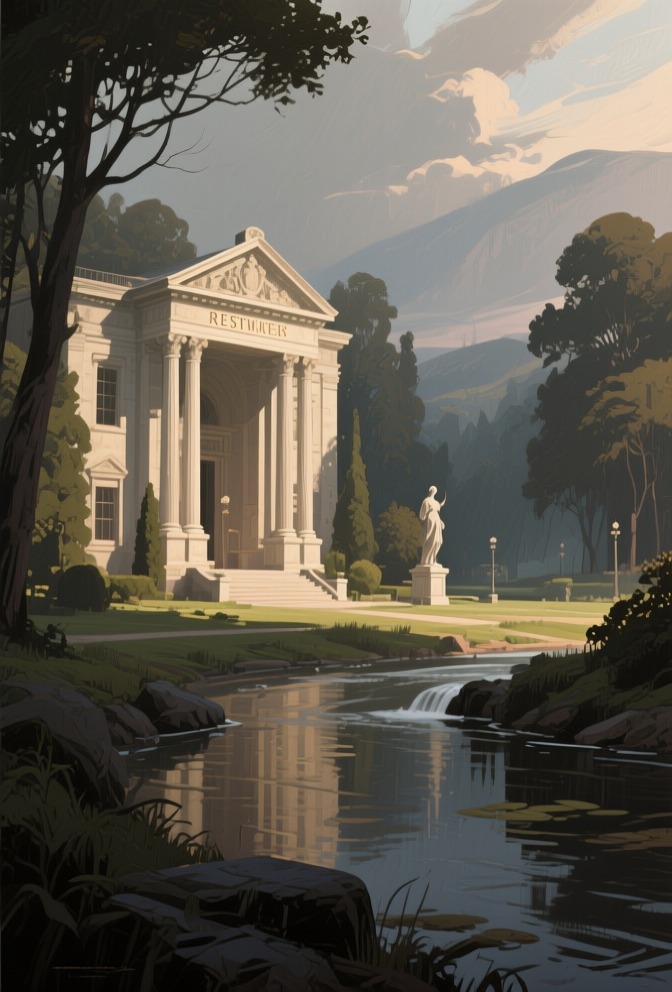
Restwater is Oz's largest lake, a vast body of water that serves as a crucial geographical boundary and a site of significant narrative events, including Elphaba's flight across it during her journey to Colwen Grounds.
The Royal Mall is a ceremonial park in the Emerald City, a site of official memorials and monuments to the Magnificent Dead, which Elphaba crosses during her final, fateful stalk of Madame Morrible on Lurlinemas Eve.
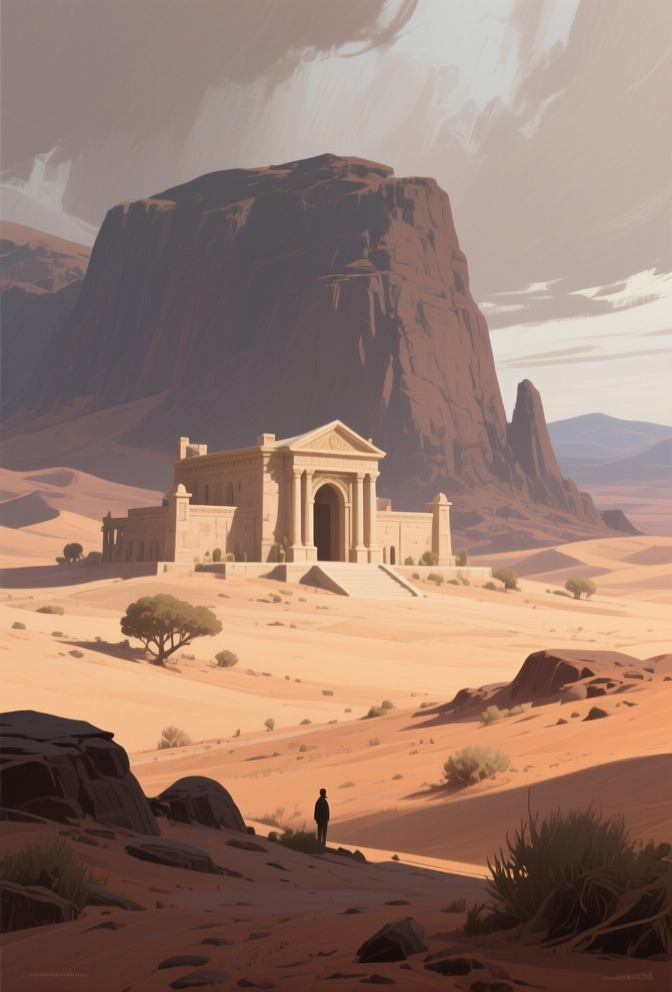
The Thursk Desert is a remote, sparsely populated region of Oz, mentioned in the final pages of the novel as the habitat of the skark, a creature that mates in its nests there. It is part of the broader geography of Oz's western and northern territories, a landscape of sand and desolation that contrasts with the more fertile and populated regions of the story.
The Vinkus, also called Winkie Country, is the vast, arid western region of Oz, a frontier land of tribal peoples, sparse settlements, and harsh natural conditions, serving as a site of colonial exploitation, resistance, and the Witch's final refuge.
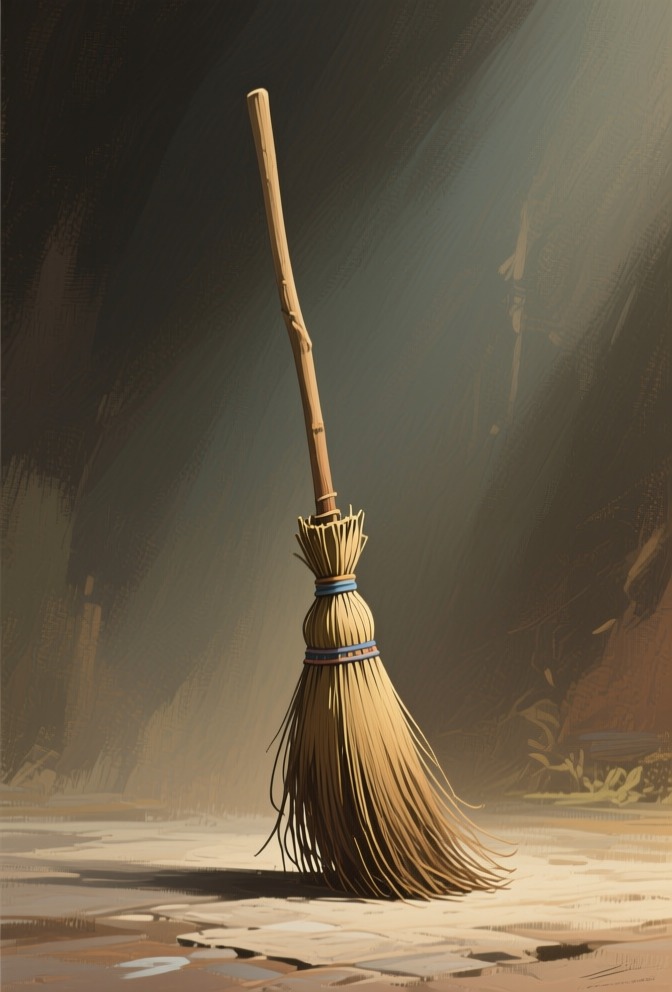
The Broom is a seemingly ordinary household object that becomes a magical artifact, a weapon, and a symbol of Elphaba's identity as the Wicked Witch of the West. Given to her by the enigmatic Mother Yackle, the broom initially resists Elphaba's commands but eventually learns to fly for her, serving as her primary mode of transportation, a tool for intimidation, and a final, desperate instrument of confrontation. Its journey from a mundane tool to a legendary relic mirrors Elphaba's own transformation and the myth-making that surrounds her death.
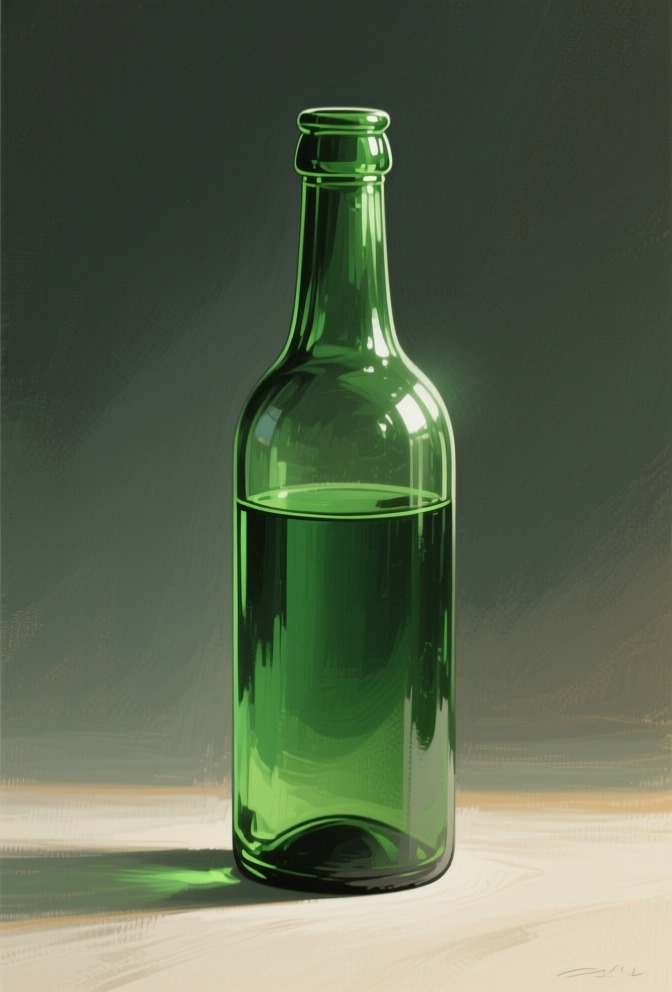
The Green Glass Bottle, labeled "MIRACLE ELIXIR," is a mysterious object that first appears as a tinker's gift to Melena, later becomes a keepsake for Nanny, and finally resurfaces as the item Dorothy brings to the Wizard after the Witch's death, triggering his shocked recognition and subsequent flight from Oz.
Three Queens College is a men's college at Shiz University, a setting for student life, academic work, and the discovery of a key medieval manuscript depicting the Kumbric Witch.
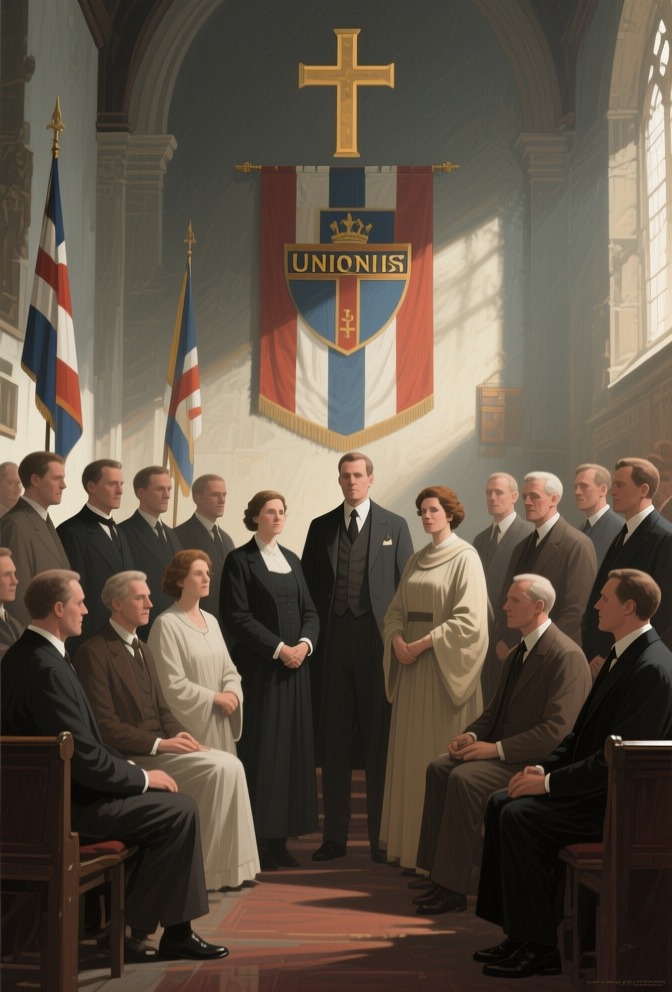
The Unionist Church is the dominant religious institution in Oz, centered on the worship of the Unnamed God, a deity whose name is considered too sacred to be spoken. It is a formal, hierarchical faith with ministers, chapels, and a long history, but by the time of the novel it is in decline, challenged by the rise of the pleasure faith, tiktokism, and political manipulation by the Wizard's regime. The Church's doctrines, its clergy's failures, and its entanglement with state power form a crucial backdrop to Elphaba's life and the novel's exploration of morality, evil, and institutional hypocrisy.
Elphaba and Doctor Dillamond's mentor-student relationship is a formative intellectual and political bond that shapes Elphaba's worldview, her commitment to Animal rights, and her trajectory toward rebellion, ending with Dillamond's murder and Elphaba's lifelong dedication to his unfinished scientific work.
Elphaba and Fiyero's love affair is a clandestine, passionate, and ultimately tragic relationship that unfolds in the Emerald City years after their student days at Shiz University, becoming the central emotional and moral crucible of Elphaba's life. It transforms her from a hardened, isolated underground activist into a vulnerable lover, only to shatter her when Fiyero is murdered by the Gale Force, an event that drives her into years of guilt, silence, and a quest for atonement that shapes her identity as the Wicked Witch of the West.
Elphaba and Glinda's friendship is one of the most complex and transformative relationships in *Wicked*, evolving from initial hostility and social snobbery through reluctant cohabitation and shared tragedy into a deep, if ultimately fractured, bond that shapes both women's lives and political destinies.
The Mountain hospitality rule is a deeply ingrained social and moral code in the Vinkus region of Oz, particularly observed at Kiamo Ko, which mandates that any traveler who arrives at a dwelling must be welcomed, fed, and sheltered without question or payment, regardless of their identity or the potential danger they represent. This rule is invoked by Sarima to override Elphaba's objections to hosting Commander Cherrystone and his soldiers, and it is also the principle that initially allowed Elphaba herself to find refuge at Kiamo Ko. The rule is not merely a custom but a binding obligation that shapes the social dynamics of the remote mountain stronghold, often creating tension between the duty of hospitality and the instinct for self-preservation.
No false sentiment is a personal rule Elphaba lives by, rejecting insincere emotional displays and refusing to offer or accept forgiveness she does not feel, a stance that defines her interactions with others throughout the novel.