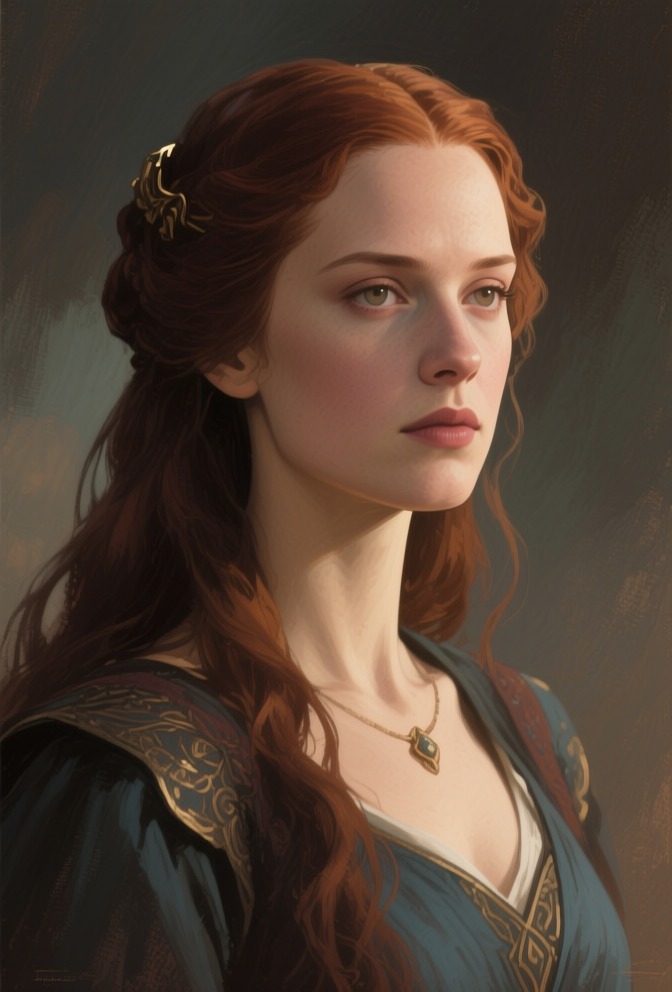
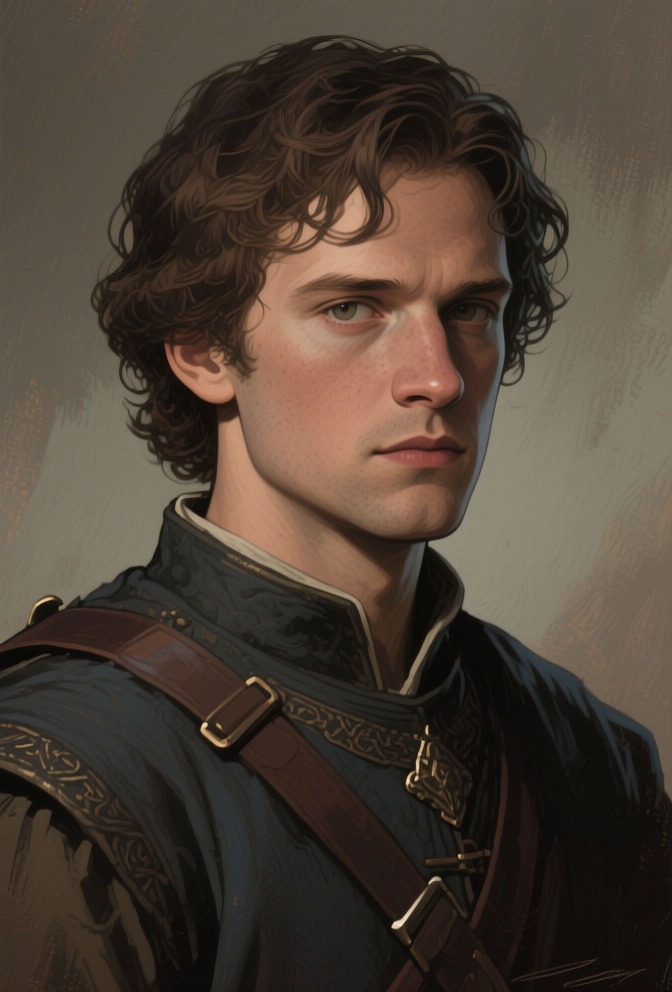
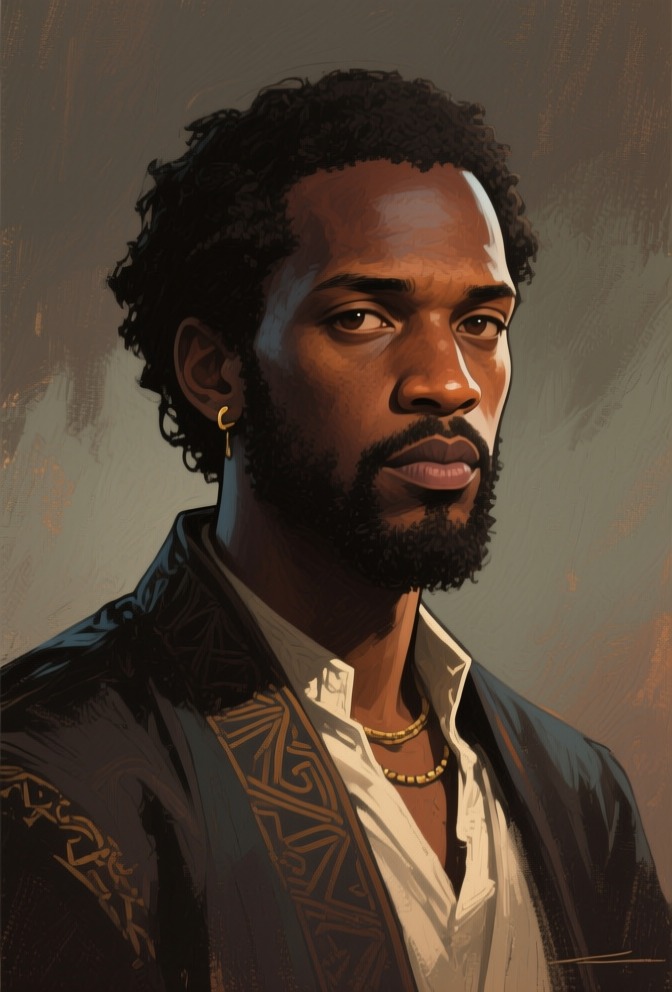
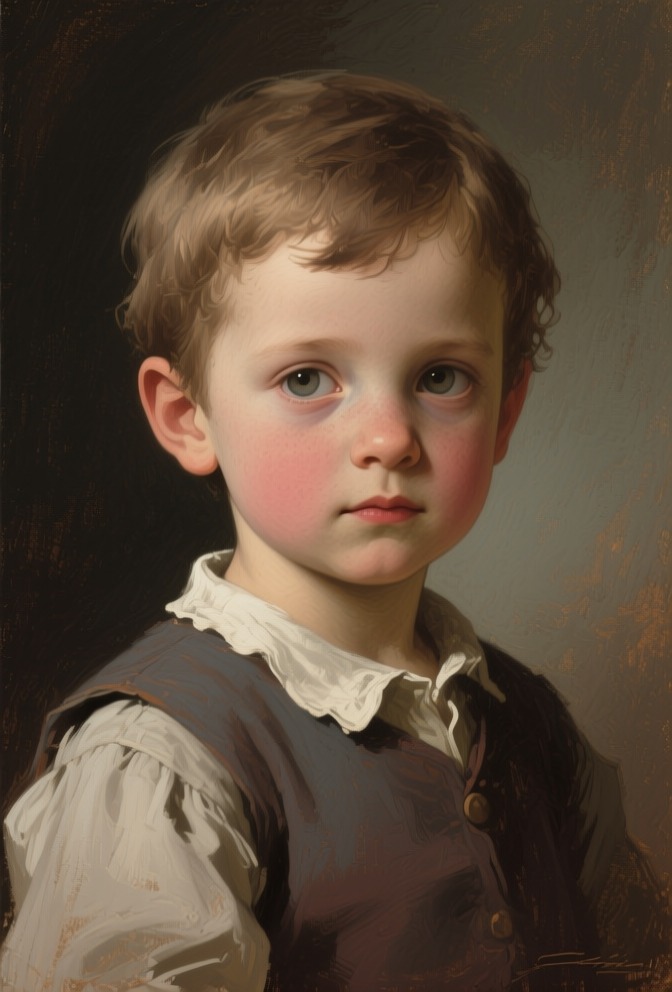
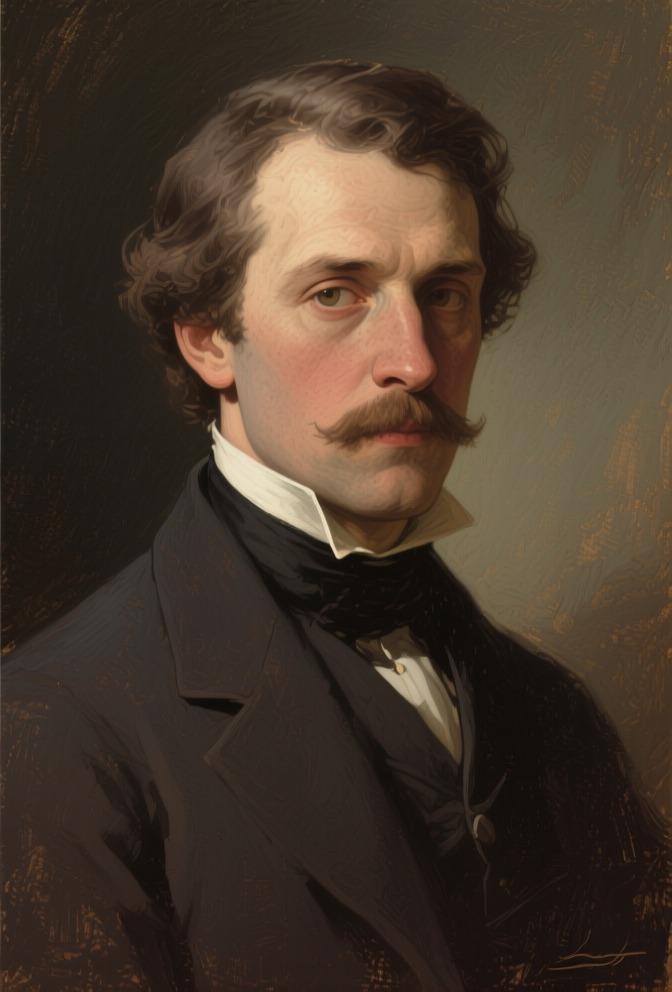
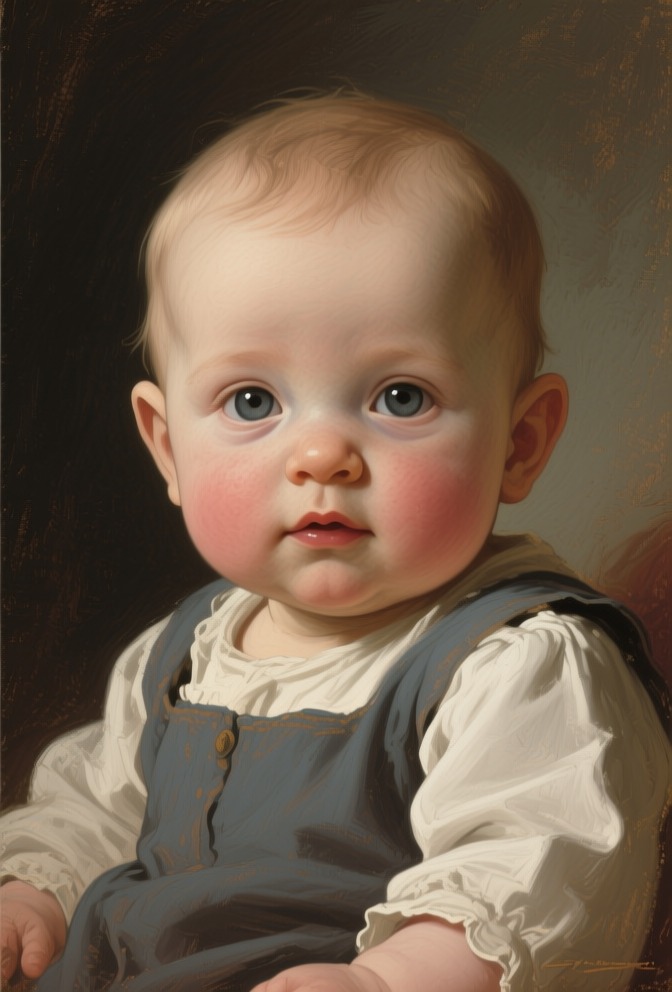
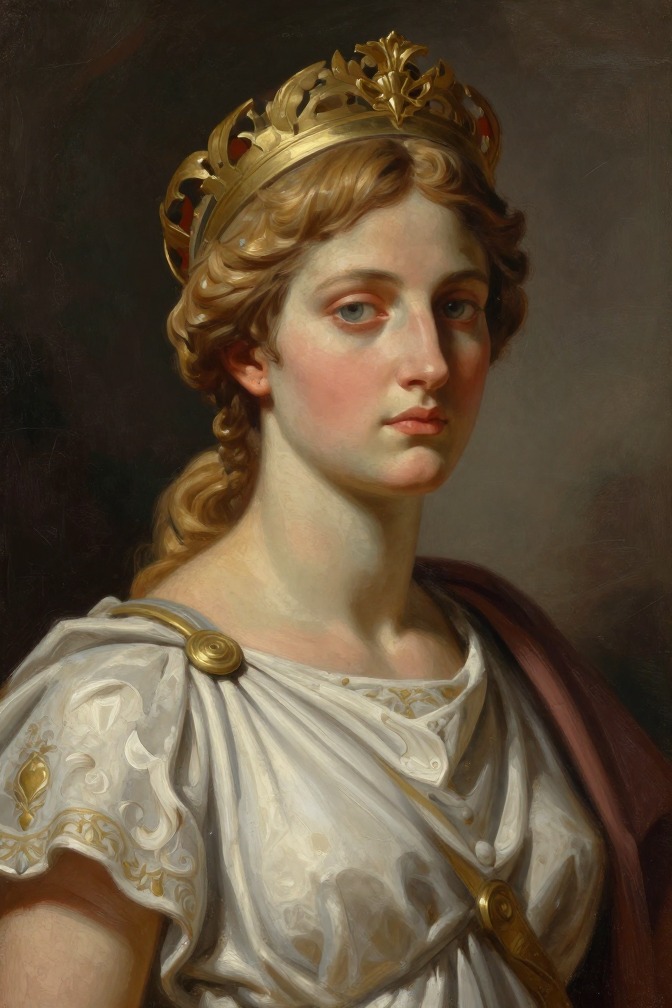
Rhaenys Targaryen was the young daughter of Prince Rhaegar Targaryen and Princess Elia Martell of Dorne, murdered during the Sack of King's Landing at the end of Robert's Rebellion. Her death, along with that of her infant brother Aegon, became the defining atrocity of the war, a crime that haunted the victors and fueled lasting enmity between Houses Lannister and Martell.
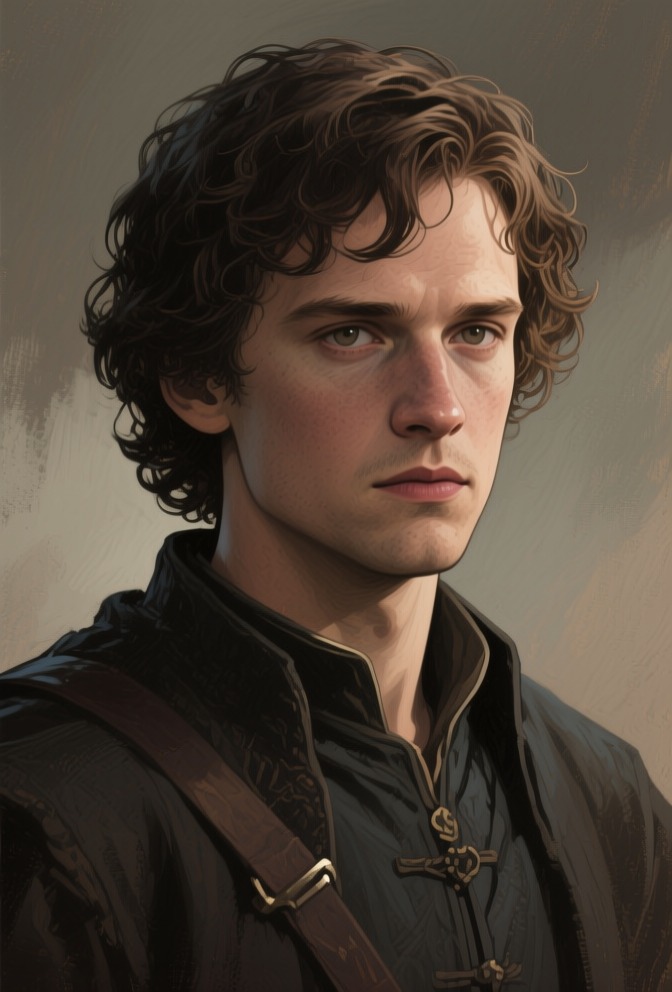
Rickon Stark is the youngest son of Eddard and Catelyn Stark, a wild and willful child of three whose fierce temperament and bond with his direwolf Shaggydog mark him as a true Stark, even as the war that consumes his family forces him into a premature and painful maturity.
Robar Royce is a knight of House Royce, the second son of Lord Yohn Royce, who participates in the Hand's tourney and later serves as a messenger for Eddard Stark, embodying the martial honor and political allegiance of the Vale nobility during the early conflicts of the War of the Five Kings.
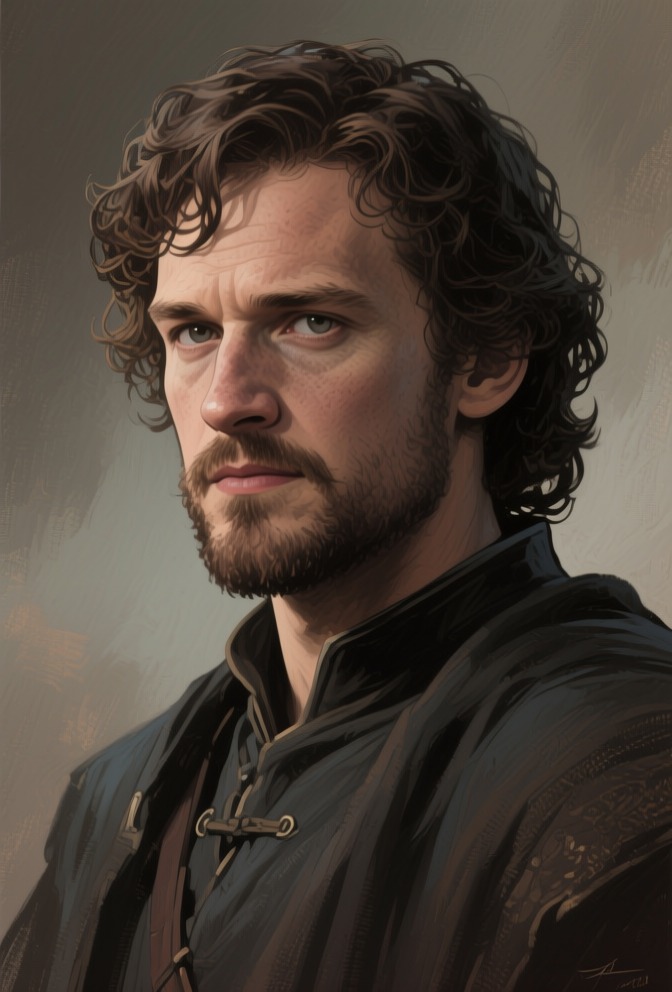
Robb Stark, the eldest trueborn son of Eddard and Catelyn Stark, is the heir to Winterfell who transforms from a dutiful boy into a military commander and is proclaimed King in the North after a series of stunning victories against the Lannisters.
Samwell Tarly, the disinherited heir of Horn Hill, is a fat, fearful, and bookish boy who joins the Night's Watch after his father threatens to kill him. Despite his crippling cowardice, he becomes Jon Snow's closest friend and proves his worth through his intelligence, loyalty, and hidden courage, ultimately finding a place as a steward and Maester Aemon's assistant.
Shagga son of Dolf is a fearsome warrior of the Stone Crows, one of the fiercest mountain clans of the Vale, who becomes a key ally of Tyrion Lannister after Tyrion wins his loyalty through a combination of bold words, promises of steel, and a shared contempt for their enemies. His immense strength, brutal humor, and unwavering loyalty—once given—make him a formidable presence in Tyrion’s retinue and a crucial asset in the Lannister war effort.
Todder, a recruit at Castle Black, is a minor but persistent figure among Jon Snow's training cohort, known for his ugly appearance, unpleasant voice, and cowardly, bullying behavior. He serves as a foil to Jon's growing leadership and moral development, embodying the petty cruelty and insecurity that Jon must learn to overcome.
Ser Vardis Egen is the captain of the household guard of House Arryn, a loyal knight who serves as Lysa Arryn's champion in Tyrion Lannister's trial by combat at the Eyrie, where he is killed by the sellsword Bronn.
Vargo Hoat is the brutal and eccentric commander of the Brave Companions, a sellsword company in the service of House Lannister during the War of the Five Kings. Known for his distinctive lisp and his penchant for mutilating captives, he embodies the lawless cruelty that the Lannisters unleash upon the riverlands.
Yoren is a grizzled, stooped recruiter for the Night's Watch who, after witnessing Eddard Stark's execution, forcibly rescues Arya Stark from the chaos of King's Landing and takes her north under the protection of the black brothers.
House Tully, rulers of Riverrun and Lords Paramount of the Trident, are a Great House of the Seven Kingdoms whose sigil is a silver trout on a rippling blue-and-red field and whose words are "Family, Duty, Honor." Their power and influence are central to the political and military conflicts of the narrative, as their alliances through marriage—particularly with Houses Stark and Arryn—and their strategic position at the confluence of the Red Fork and Tumblestone rivers make them a key player in the wars that follow the death of King Robert Baratheon.
A man who does not ride is no man is a foundational Dothraki social principle that equates manhood with horsemanship, stripping those who cannot or will not ride of all honor and status. It is enforced by Daenerys Targaryen against her brother Viserys after he is forced to walk behind the khalasar, and it echoes the Stark tradition that the man who passes the sentence should swing the sword, as well as the Night's Watch vow that a man gets only what he earns.
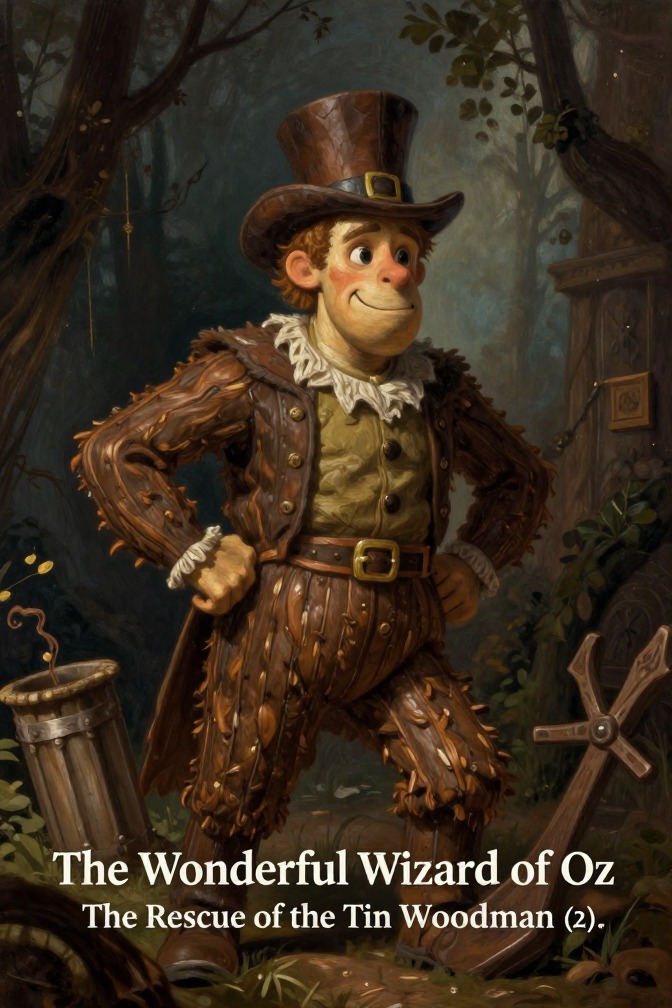
After the Wicked Witch of the West is melted, Dorothy and the Cowardly Lion rescue the Tin Woodman, who had been battered and broken by the Winged Monkeys, and the Winkies' tinsmiths restore him to working order.
Aunt Beatrice is a Pearl Girl missionary who, along with her partner Aunt Dove, identifies and recruits the protagonist Nicole (under the alias Jade) from the streets of Toronto, facilitating her entry into Gilead as a supposed convert. She plays a pivotal role in the early stages of Nicole's infiltration, acting as a gatekeeper who both tests and transports the young woman into the heart of the regime.
Aunt Elizabeth is one of the four Founding Aunts of Gilead, a senior figure at Ardua Hall who, despite her high rank and Vassar education, is portrayed as dithery, insecure, and easily manipulated by Aunt Lydia. Her role in the regime is defined by her participation in the early establishment of the Aunts' system, her later complicity in a false rape accusation against Dr. Grove, and her vulnerability to Aunt Vidala's schemes and Aunt Lydia's machinations.
Aunt Lydia is the most powerful Aunt in Gilead, the de facto ruler of Ardua Hall, and the secret architect of the regime's downfall. She is a former family court judge who, after being arrested, imprisoned in the stadium, and tortured in the Thank Tank, chose to cooperate with Commander Judd and became one of the Founders of the Aunts' system. For decades she has secretly worked to undermine Gilead from within, hoarding incriminating evidence against the elite and orchestrating the escape of Baby Nicole (her half-sister to Agnes Jemima) with a microdot containing the evidence that would trigger Gilead's collapse.
Baby Mark is the infant son born to Commander Kyle and his second wife Paula through the Handmaid Ofkyle (Crystal), whose death in childbirth marks him as a symbol of both Gilead's prized fertility and the violent cost of its reproductive system. His birth reshapes the household dynamics, displacing Agnes Jemima and reinforcing the regime's obsession with biological lineage.
Vera is one of the three Marthas in Commander Kyle's household, distinguished by her harsh voice and blunt, often cynical remarks. She embodies the practical, unsentimental wisdom of the servant class in Gilead, offering Agnes Jemima a stark view of the limited options available to women.
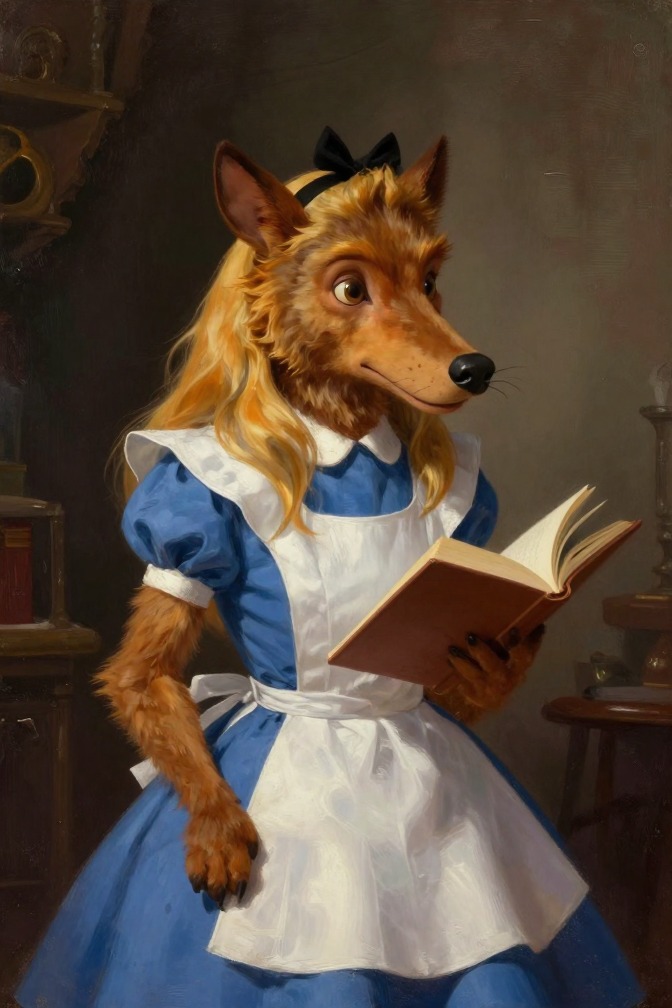
The Gryphon is a fantastical creature in Wonderland who serves as Alice's guide and companion, introducing her to the Mock Turtle and providing a skeptical, humorous commentary on the absurdities of the Queen of Hearts' court and the Mock Turtle's melancholy tales.
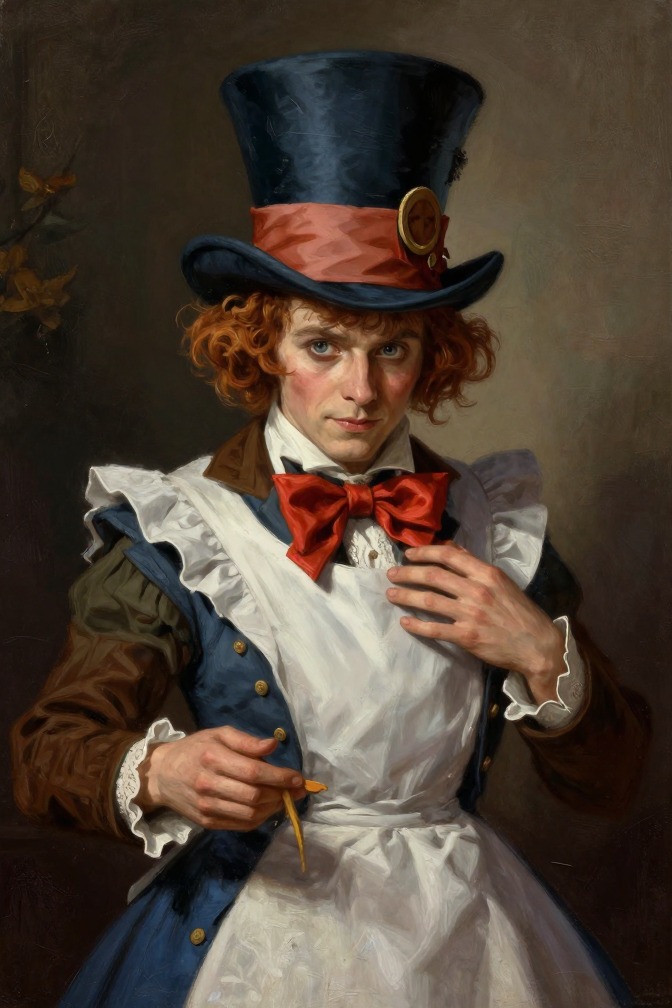
The Hatter is one of the most memorable and philosophically unsettling characters in Wonderland, best known for hosting the mad tea-party and for his role as a witness in the trial of the Knave of Hearts. His relentless wordplay, his broken relationship with Time, and his defiant, absurd logic embody the story's central tension between childhood curiosity and the arbitrary, often threatening rules of adult authority.
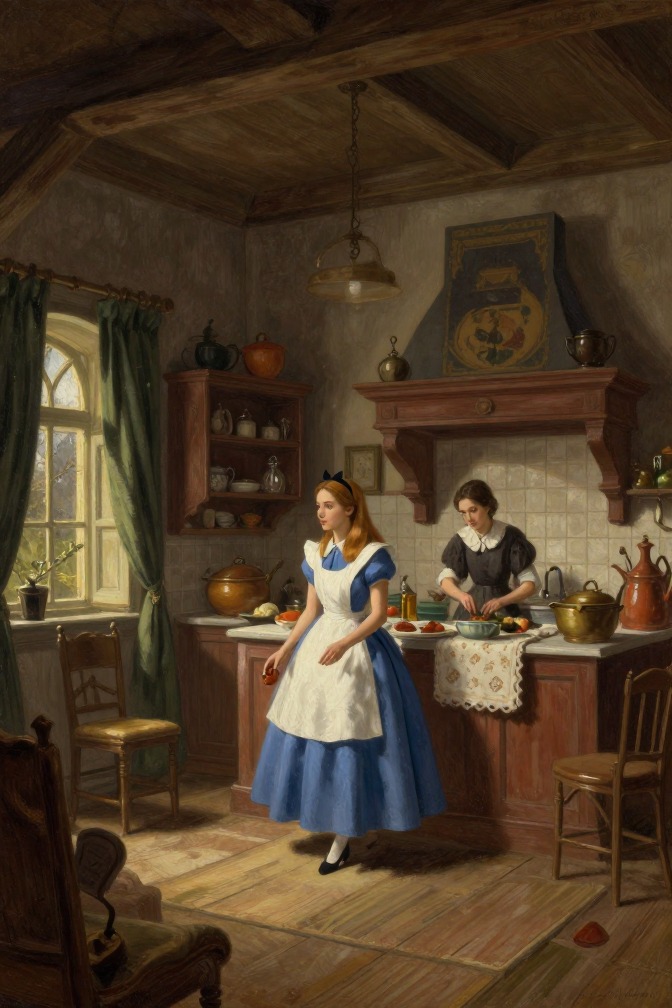
The Duchess's kitchen is a chaotic, smoke-filled space in Wonderland where Alice first encounters the Duchess, the Cook, the Cheshire Cat, and the baby that later turns into a pig, and it serves as a concentrated emblem of the arbitrary violence, absurd logic, and sensory excess that define the Wonderland experience.
Adam of Brescia, also known as Master Adam, is a damned soul in the Tenth Bolgia of Malebolge in Dante's Inferno, punished among the Falsifiers for the crime of counterfeiting the Florentine gold florin. He appears in Canto XXX as a grotesque figure afflicted with dropsy, whose eternal torment consists of an unquenchable thirst that the memory of the streams of his native Casentino only intensifies. His presence in the poem serves not only as a specific historical condemnation but also as a vehicle for a bitter, squalid quarrel with the Greek liar Sinon, illustrating the corrosive nature of fraud and the contrapasso that makes the sinner's own body the instrument of his punishment.
Alecto is one of the three Furies (Erinyes) who appear at the gates of the City of Dis in the Inferno, embodying unrelenting wrath and serving as a threshold guardian that tests the pilgrims' resolve before they can enter the heretics' city.
Asdente is a minor figure in Dante's Inferno, appearing among the soothsayers in the Fourth Bolgia of the Eighth Circle, where he is punished for his presumptuous attempts to foretell the future through magical arts, a sin that Dante's Virgil condemns as a perversion of God's order.
Branca d' Oria is a Genoese nobleman punished in the third division of the Ninth Circle of Hell, Ptolomaea, for the betrayal of his guests and kin. His unique damnation, revealed by Friar Alberigo, involves his soul descending to Hell before his physical death, while a demon inhabits his living body, a fate that underscores the exceptional severity of treachery against those bound by hospitality or family ties.
Charon is the infernal ferryman of the river Acheron in Dante Alighieri's Inferno, a demonic figure who transports the souls of the damned to the shores of Hell, embodying the inexorable justice of divine punishment and serving as the first major guardian the pilgrim encounters after passing through the Gate of Hell.
Dido is the tragic Carthaginian queen whose story of love and suicide is invoked in Dante's Inferno as a figure of lustful passion, and whose fate is later contrasted with the redeemed souls in Purgatory.
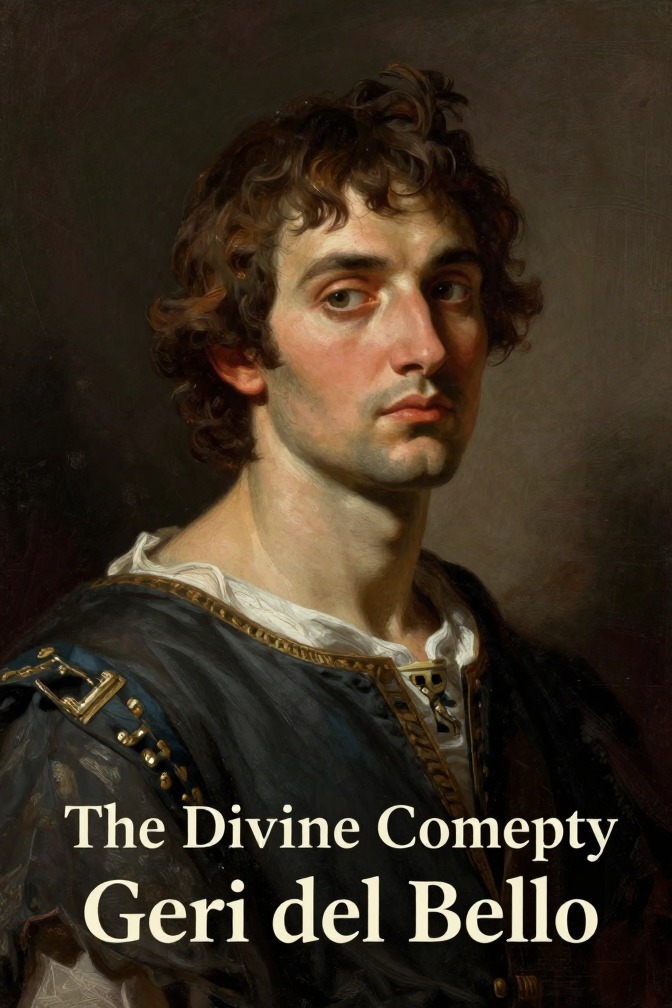
Geri del Bello is a minor but significant figure in Dante Alighieri's Inferno, appearing in Canto XXIX as a wrathful shade among the Schismatics in the Ninth Bolgia of Malebolge. His presence serves as a poignant reminder of the unavenged familial blood-feud that shadows Dante's own lineage, and his silent, threatening gesture toward the poet underscores the theme of personal vendetta and the corrosive power of unresolved anger within the broader structure of divine justice.
Helen of Troy appears in Dante's Inferno among the lustful in the Second Circle, swept by the infernal hurricane as punishment for the carnal sins that, through her beauty, caused catastrophic wars and suffering. Virgil points her out as one of the famous lovers whom Love separated from life, and her presence underscores the poem's condemnation of passion that subjugates reason to appetite.
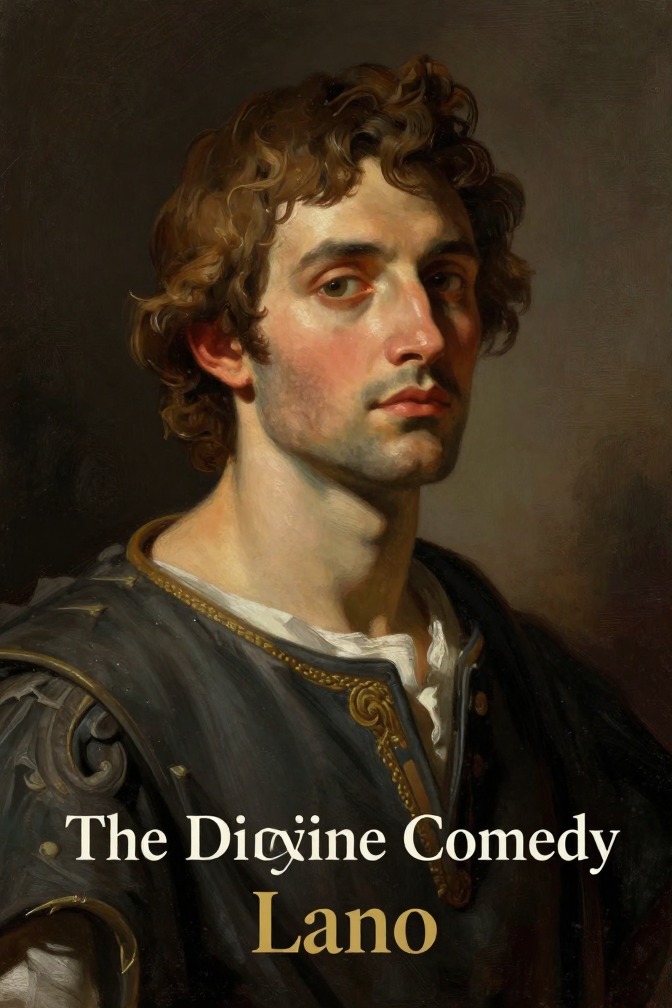
Lano is a minor figure in Dante Alighieri's Inferno, appearing in Canto XIII among the violent against themselves in the Wood of Suicides. He is a fleeting but vivid presence, a naked, scratched soul fleeing through the forest, whose desperate cry for death and whose name, linked to a specific historical battle, mark him as a victim of his own reckless violence and a figure of wasted life.