Charlie Decker's shooting of history teacher John Downes Vance is a pivotal escalation in the hostage crisis at Placerville High School, transforming a contained classroom standoff into a double homicide and cementing Decker's status as a killer in the eyes of the law and the public.
The relationship between John "Pig Pen" Dano and his mother, Mrs. Dano, is a central example of domestic abuse and psychological grinding in the novel, revealing how a parent's relentless control, humiliation, and emotional neglect can crush a child's sense of self-worth and agency, ultimately driving him toward a desperate wish for violence.
Sandra Cross's encounter with an anonymous boy at the Rollerdrome is a pivotal event in the hostage crisis, revealing her pursuit of authentic feeling through risky, anonymous sex and challenging the class's understanding of identity and reality.
August 27, 1976, is the date on which Charles Everett Decker is convicted in Superior Court for the willful murders of Jean Underwood and John Downes Vance, and subsequently remanded to Augusta State Hospital by reason of insanity, marking the legal conclusion of his hostage crisis and the formal institutionalization of his identity as a legally insane killer.
Christmas in *Rage* is a temporal marker that recurs across Charlie Decker's narrative, appearing in memories of family conflict, consumer rituals, and a moment of fragile hope at the novel's end. It functions as a node where the pressures of domestic expectation, parental hypocrisy, and the longing for normalcy converge, revealing the gap between the holiday's promise of peace and the violence that defines Charlie's world.
The end of April marks the decisive turning point in Charlie Decker's descent into violence, when he begins carrying his father's pistol to school after a failed confrontation with his father and a prior assault on a teacher, setting the stage for the hostage crisis.
The Capture by the Brobdingnagian farmer is the pivotal event in which Lemuel Gulliver, after being abandoned on the coast of Brobdingnag, is discovered by a giant reaper and brought to the farmer's house, marking his transition from a powerful figure in Lilliput to a helpless curiosity in a land of giants.
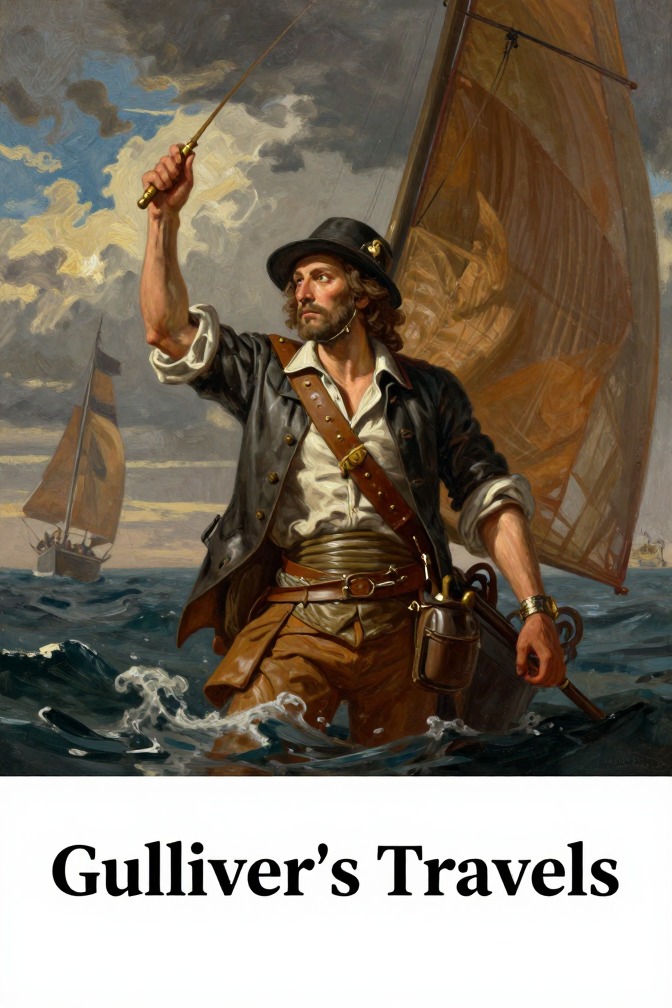
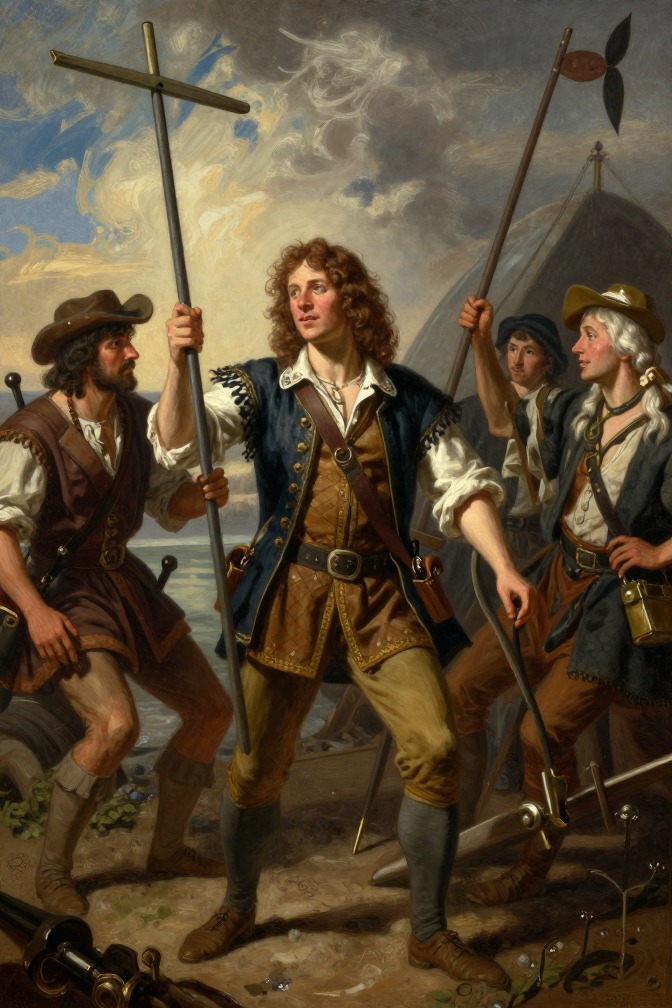
The Capture of the Blefuscu fleet is the pivotal military action in Gulliver's Travels, Part I, in which Lemuel Gulliver single-handedly seizes the entire navy of the rival empire of Blefuscu, preventing an invasion of Lilliput and earning the highest title of honor in that kingdom. This extraordinary feat—executed by wading into a channel, cutting anchor cables under arrow fire, and towing fifty men-of-war to the Lilliputian port—demonstrates both the physical power of Gulliver's giant body and the satirical logic of a miniature war fought over egg-breaking doctrine. The action's immediate consequence is a peace embassy from Blefuscu, but its deeper effect is to expose the ingratitude and paranoia of the Lilliputian court, setting in motion the conspiracy that will force Gulliver to flee.
Reldresal, the Principal Secretary for Private Affairs in Lilliput, is a key political figure who acts as Gulliver's primary ally and informant within the Lilliputian court, navigating the empire's internal factions and external threats while ultimately advocating for a brutal compromise that saves Gulliver's life at the cost of his eyes.
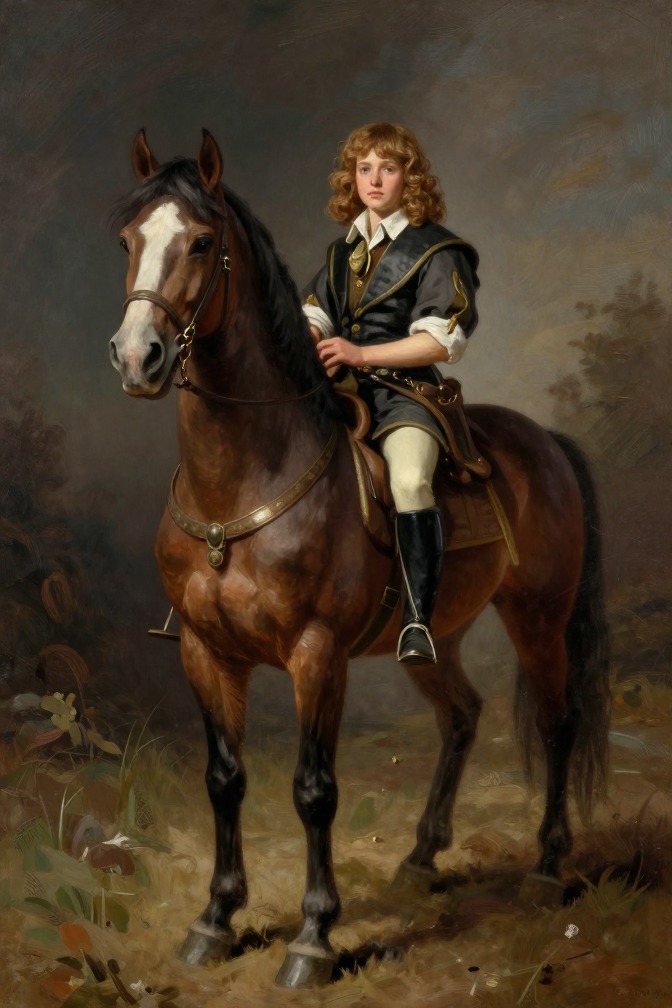
The Lilliputian horse is a diminutive equine, standing between four and five inches high, that serves as the primary mount for the Lilliputian military and nobility, and whose reactions to the gigantic Gulliver create both comic spectacle and moments of genuine danger within the court.
Gulliver's capture by the Lilliputians is the foundational event of the first voyage, in which the shipwrecked English surgeon Lemuel Gulliver awakens to find himself bound by a tiny, technologically sophisticated people who treat him as a giant prisoner, establishing the inverted power dynamics and satirical framework of the entire Lilliputian adventure.
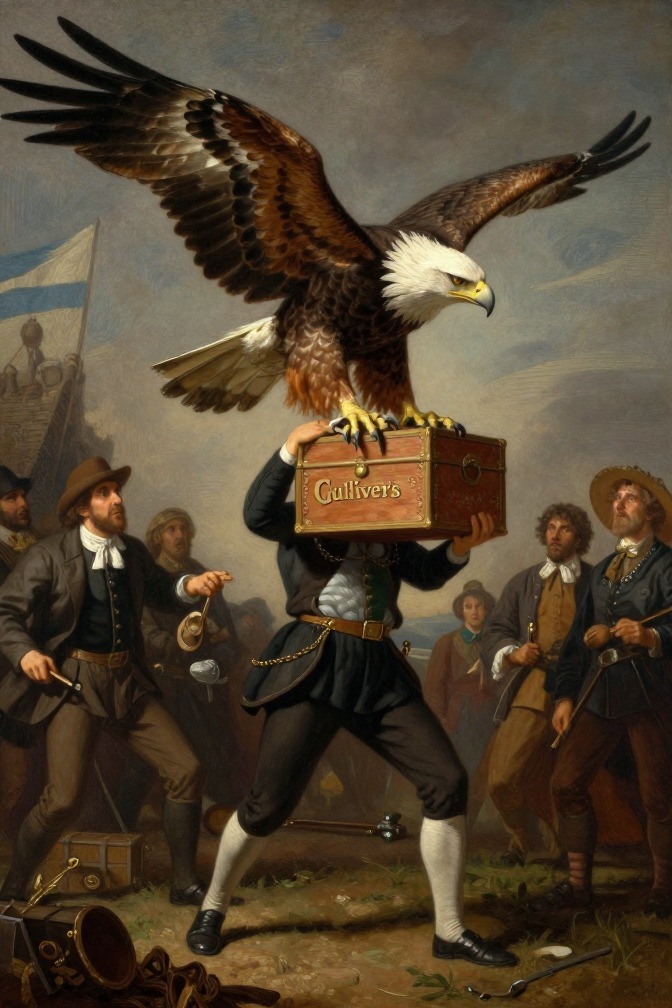
The eagle carries off Gulliver's box is the pivotal escape event in Brobdingnag, in which a giant eagle seizes the travelling box containing Gulliver, fights off pursuers, and drops it into the sea, where an English ship rescues him, ending his two-year captivity among giants.
Nardac is the highest title of honor in Lilliput, conferred upon Lemuel Gulliver by the Emperor of Lilliput immediately after his successful capture of the Blefuscu fleet. The title marks the peak of Gulliver's favor at court and becomes a central element in the political intrigue that leads to his downfall, as it is later threatened with revocation when he is accused of treason.
Quinbus Flestrin, meaning "Man-Mountain" in the Lilliputian language, is the official title given to Lemuel Gulliver by the people of Lilliput, encapsulating their perception of him as a colossal, awe-inspiring, and potentially dangerous being whose every possession and action is measured against their diminutive scale.
The King of Brobdingnag's remark that whoever could make two ears of corn grow where only one grew before would serve his country better than all politicians is the most concentrated expression of the Brobdingnagian king's political philosophy and the moral center of Gulliver's second voyage.
Flanflasnic is a coastal city in the kingdom of Brobdingnag, near which Lemuel Gulliver's travelling box is carried off by an eagle, leading to his escape from the land of giants and his eventual rescue at sea.
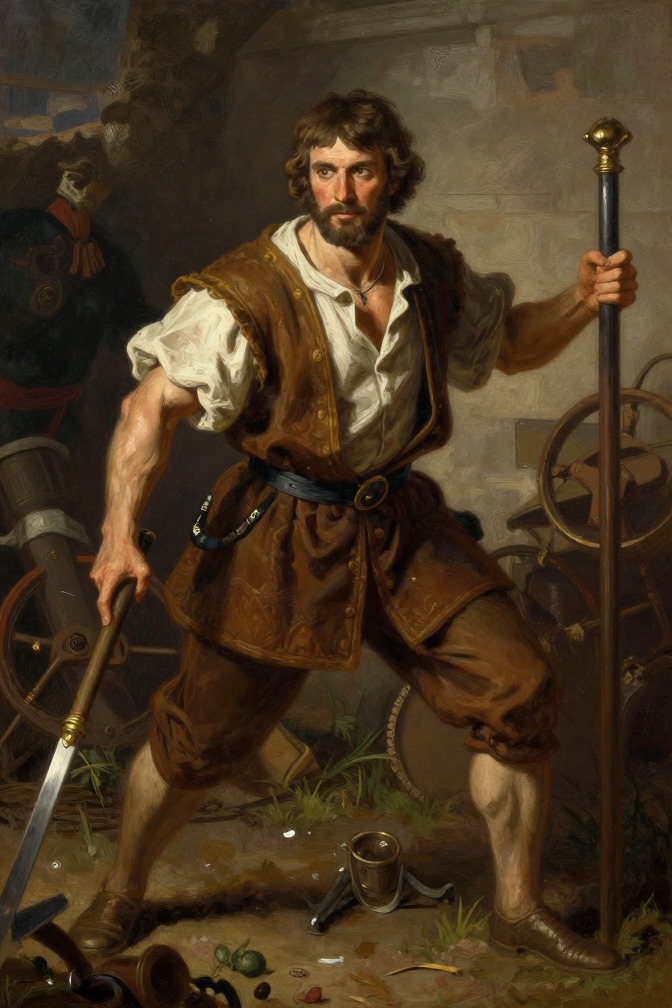
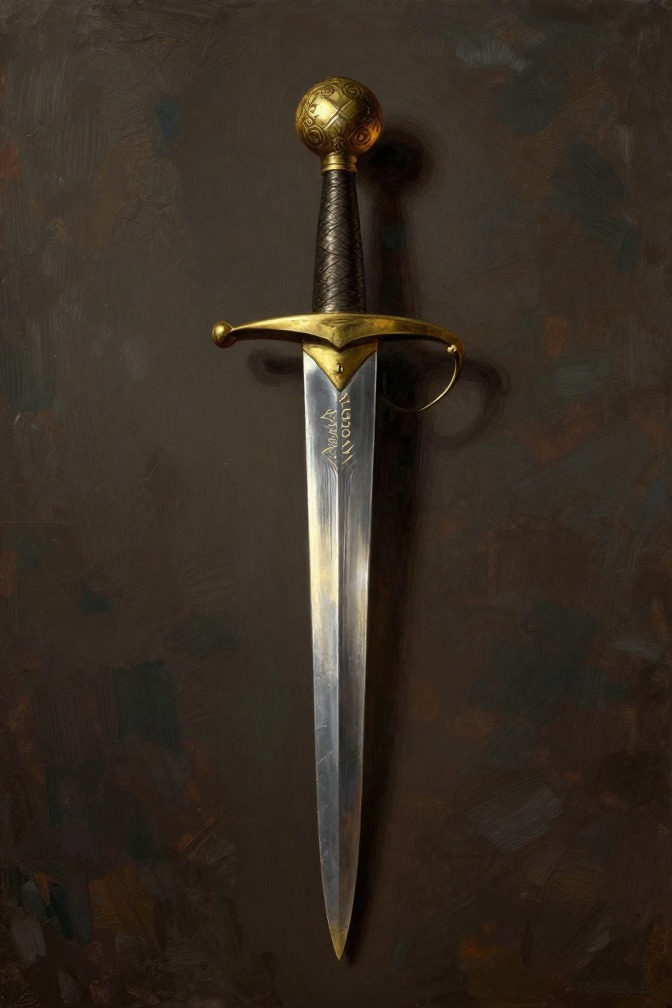
Gulliver's scimitar is a weapon of immense symbolic and practical significance in the Lilliput section of *Gulliver's Travels*, serving as both a tool of the protagonist's perceived power and a key object in the Lilliputian court's attempt to understand and control the "Man-mountain." Its seizure, display, and storage by the emperor's officials mark a critical moment in the negotiation of power between Gulliver and his diminutive captors, and the weapon's subsequent role in the narrative underscores the themes of relative strength, political paranoia, and the absurdity of courtly ritual.
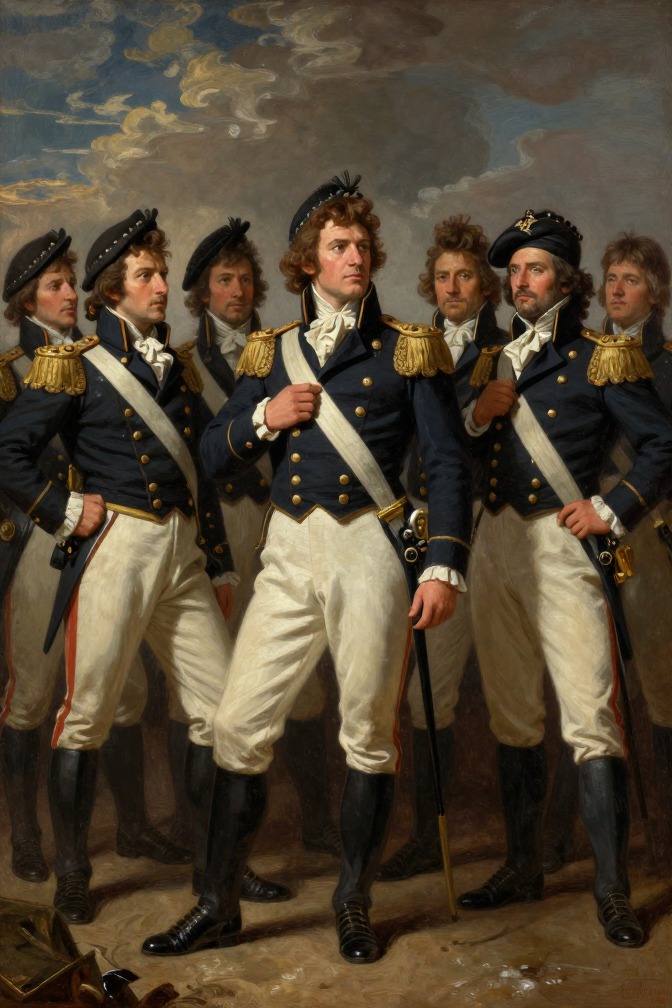
The Blefuscu navy is the maritime military force of the island empire of Blefuscu, the rival of Lilliput, and its entire fleet is famously captured by Lemuel Gulliver in a daring single-handed operation that prevents an invasion of Lilliput and precipitates a chain of political consequences.
Gulliver and Reldresal is a relationship of strategic friendship and genuine gratitude between the man-mountain and the Lilliputian principal secretary for private affairs, who becomes Gulliver's most reliable ally at court, interceding to save his life when a conspiracy threatens to destroy him.
The relationship between Lemuel Gulliver and the Emperor of Lilliput is a central dynamic of the first voyage, tracing a dramatic arc from initial awe and mutual dependence through service and reward to suspicion, betrayal, and a final, desperate flight. It encapsulates Swift's satire of court politics, the fickleness of princely favor, and the dangerous gap between service rendered and gratitude received.
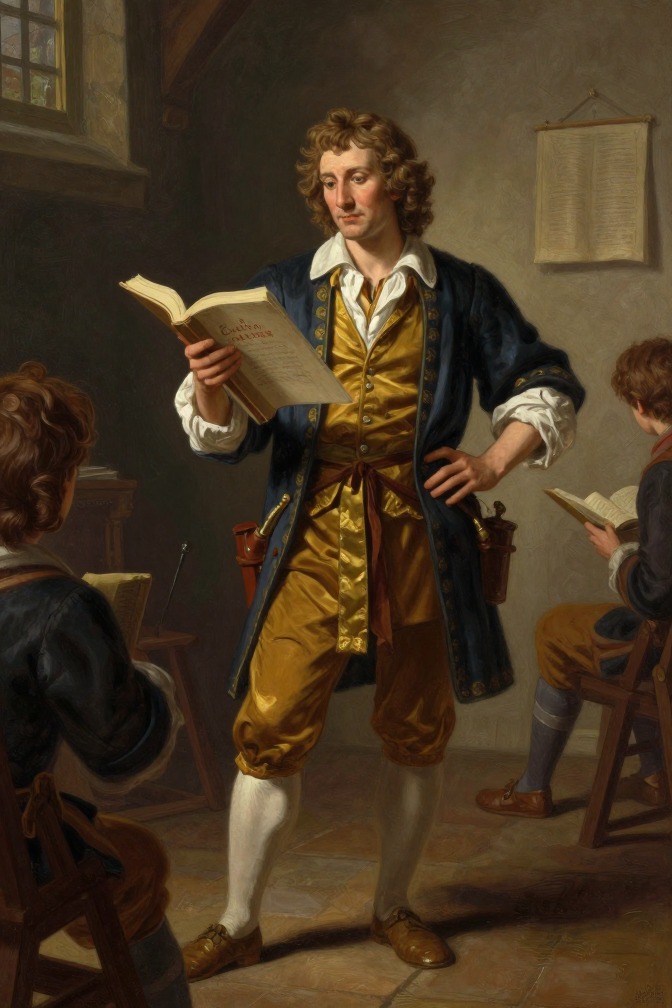
The Lilliputian education system is a state-run, compulsory public nursery program that removes children from their parents at twenty moons old to be raised collectively by appointed professors, with the aim of producing virtuous, disciplined citizens loyal to the empire. It represents a radical Enlightenment-era experiment in social engineering, contrasting sharply with European family-based child-rearing and serving as a satirical mirror for Swift's critique of contemporary educational and political practices.
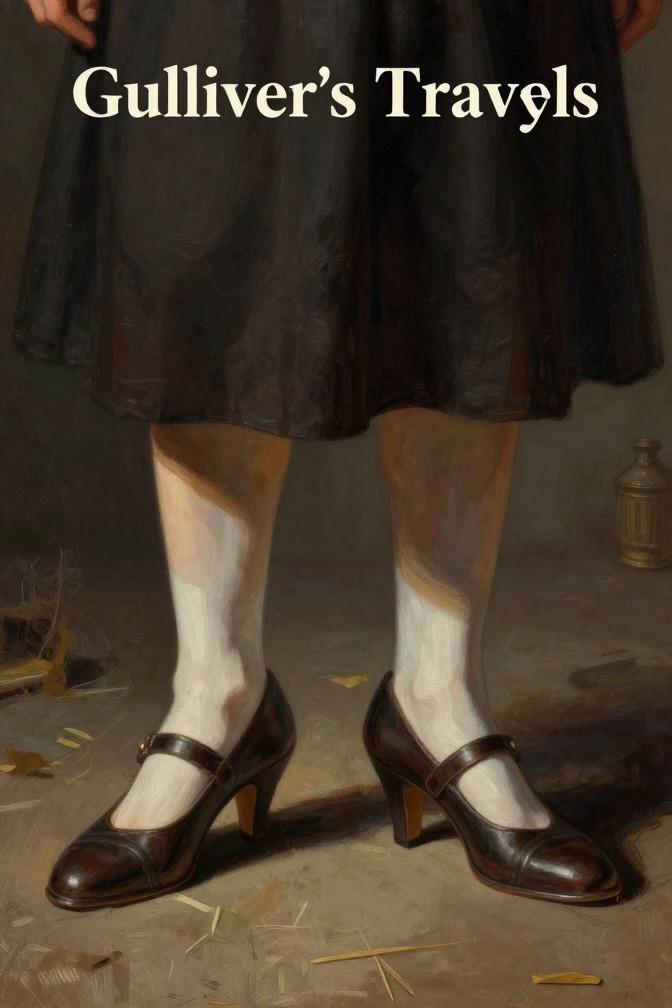
The Lilliputian high heels and low heels factions, known in the native tongue as the Tramecksan and the Slamecksan, are the two bitterly opposed political parties that divide the empire of Lilliput, distinguished solely by the height of the heels on their shoes. This seemingly trivial sartorial difference masks a deep and violent factionalism that pervades every aspect of Lilliputian life, from personal relationships to state policy, and serves as one of Jonathan Swift's most pointed satires on the petty, irrational nature of partisan conflict in eighteenth-century England.
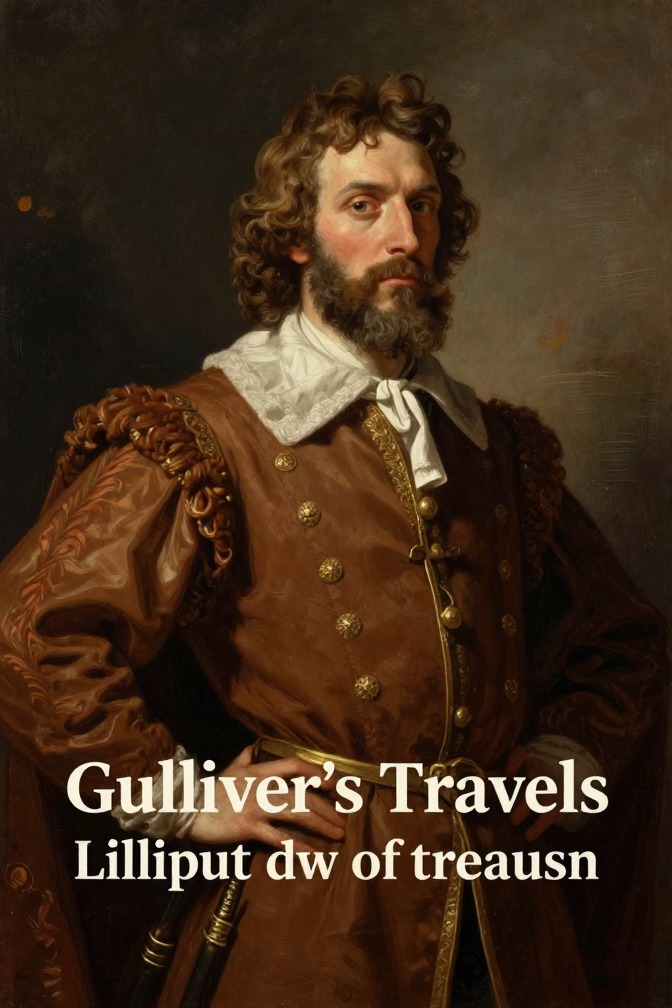
The Lilliputian law of high treason, which makes it a capital offense for anyone to touch the empress or any of the royal children, is a central legal and narrative mechanism in Gulliver's first voyage. It is invoked to prosecute Gulliver after he extinguishes a fire in the empress's apartment by an expedient that involves lifting her and the princesses, and it reveals the arbitrary, vindictive, and self-serving nature of Lilliputian justice, as the law is applied retroactively and with malicious intent by his political enemies.
Galbet is the Lilliputian title for the high admiral of the realm, a position held by Skyrris Bolgolam, who becomes Gulliver's most implacable enemy at court and the driving force behind the conspiracy to have him executed.
May 4, 1699, is the date on which Lemuel Gulliver set sail from Bristol as ship's surgeon aboard the Antelope, commanded by Captain William Prichard, bound for the South Sea. This departure marks the beginning of his first voyage and the entire sequence of travels that constitute the narrative of Gulliver's Travels.
September 24, 1701, is the date on which Lemuel Gulliver, having prepared a salvaged boat with the assistance of the Emperor of Blefuscu, set sail from Blefuscu and began his return voyage to England, marking the decisive end of his first adventure and the transition from the miniature world of Lilliput and Blefuscu back to his own scale of existence.
The six-and-thirty moons is the duration of the war between Lilliput and Blefuscu, a conflict that arises from the Big-endian and Small-endian controversy over the proper way to break eggs. This period of continuous warfare frames the political context of Gulliver's first voyage, providing the backdrop for his capture of the Blefuscu fleet and the subsequent conspiracy against him.
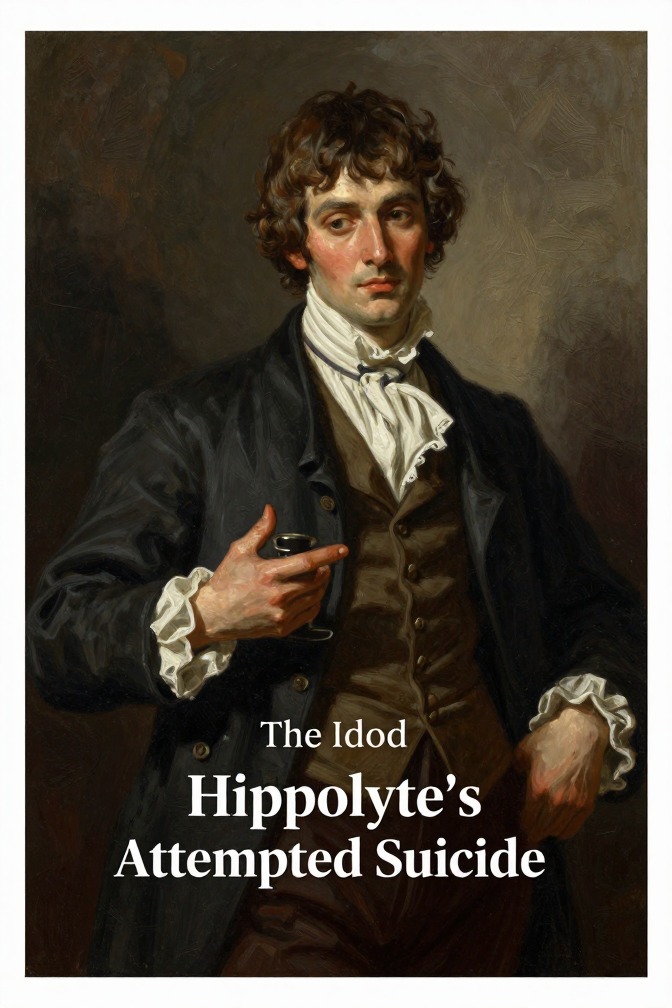
Hippolyte Terentieff's attempted suicide is a pivotal event in which the consumptive youth stages a dramatic public reading of his 'Necessary Explanation' and then tries to shoot himself, only for the pistol to misfire because he forgot to insert a percussion cap, turning his grand gesture into a humiliating anticlimax that exposes his desperate need for attention and his terror of dying unnoticed.
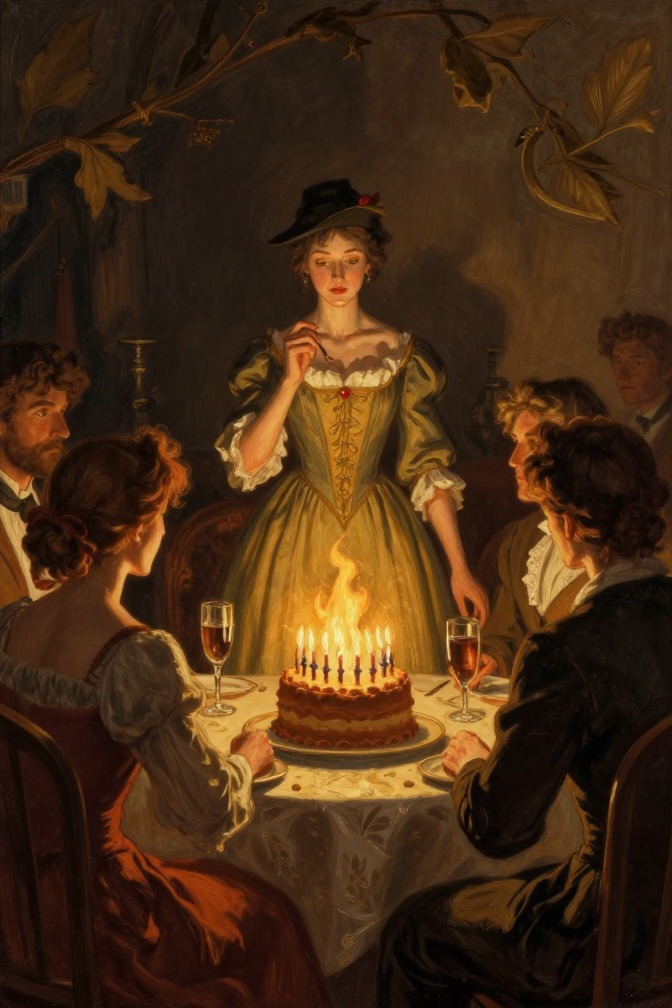
Nastasya's Birthday Party Fire Scene is the novel's central, explosive event in which Nastasya Philipovna, during her own birthday gathering, publicly rejects the marriage proposal of Gavrila Ardalionovitch Ivolgin, accepts a hundred thousand roubles from Parfen Rogojin, and then throws the entire packet of money into the fireplace, daring Gania to retrieve it with his bare hands, before finally leaving with Rogojin. This scene crystallizes the novel's core conflicts: the commodification of women, the clash between pride and greed, and the destructive power of passion and humiliation.
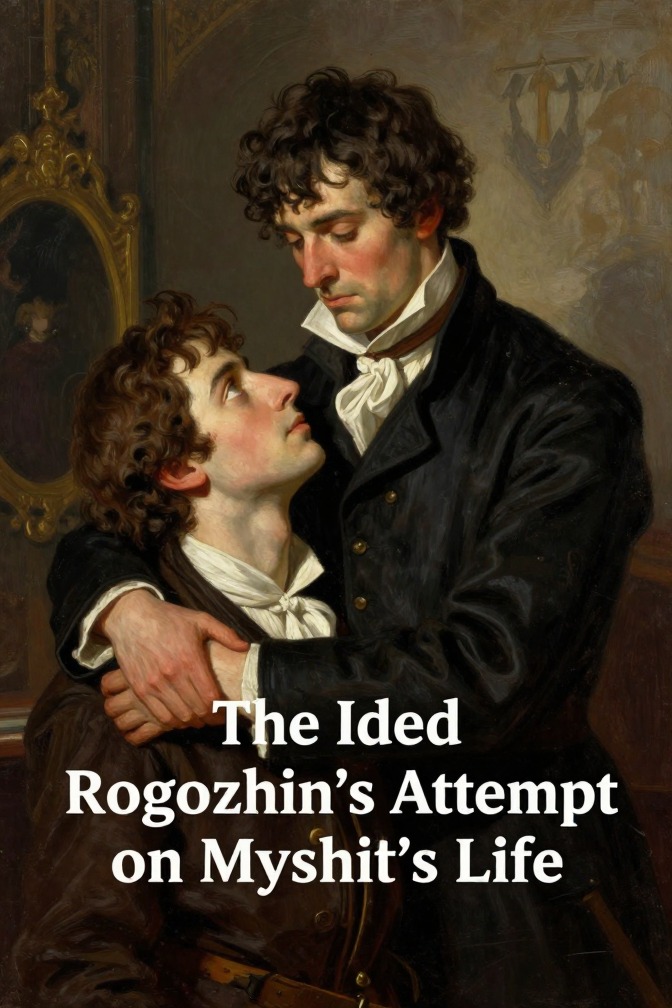
Rogojin's attempt on Myshkin's life is the novel's central act of physical violence, a failed murder that crystallizes the rivalry over Nastasia Philipovna and the pathological jealousy consuming Parfen Rogojin. The attack occurs on the dark staircase of the prince's hotel, immediately after Rogojin has stalked him all day, and is thwarted only by the sudden onset of an epileptic fit that sends Myshkin crashing down the steps. The episode transforms the psychological duel between the two men into a literal confrontation with death, and its aftermath—Rogojin's flight, the prince's convalescence, and their eventual exchange of crosses—establishes the strange, fraternal bond that shadows the rest of the narrative.