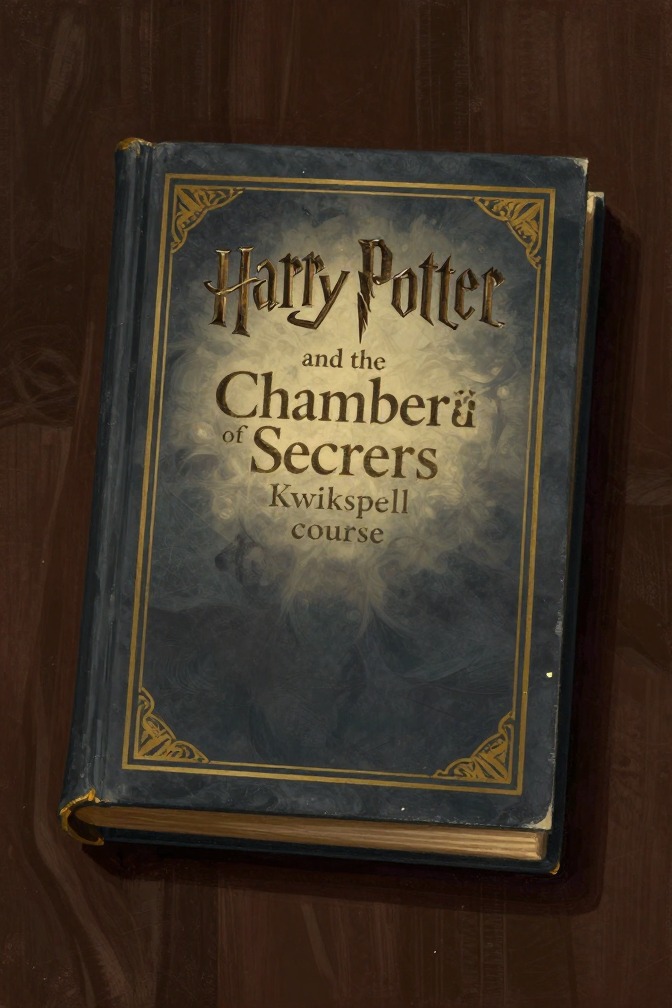
The Kwikspell course is a correspondence course in beginner's magic that appears in Harry Potter and the Chamber of Secrets, discovered by Harry Potter in Argus Filch's office. Its presence reveals that Filch, the Hogwarts caretaker, is a Squib—a person born into a wizarding family without magical powers—who secretly seeks to learn magic. The course serves as a key piece of evidence in the plot, exposing Filch's vulnerability and his desperate desire to overcome his lack of magical ability.
The Improper Use of Magic Office is a department of the Ministry of Magic responsible for enforcing the Decree for the Reasonable Restriction of Underage Sorcery and prosecuting underage wizards who perform magic outside school, as well as monitoring magical activity that risks exposure to the non-magical community. It plays a pivotal role in Harry Potter's second year by issuing him an official warning after Dobby's Hover Charm is mistaken for Harry's magic, and its enforcement actions shape the plot by threatening expulsion and reinforcing the Dursleys' ability to imprison him.
The Bathroom accompaniment rule is a security measure imposed at Hogwarts School of Witchcraft and Wizardry following a series of attacks on students, requiring that no student use a bathroom unaccompanied by a teacher. It is part of a broader set of emergency restrictions announced by Professor McGonagall after the abduction of Ginny Weasley, reflecting the school's escalating crisis and the breakdown of normal order.
The Six o'clock curfew is a security rule imposed at Hogwarts School of Witchcraft and Wizardry after a series of attacks on students by the monster from the Chamber of Secrets. It requires all students to return to their House common rooms by six o'clock in the evening and forbids them from leaving their dormitories after that time. The rule is part of a broader set of emergency measures that also includes teacher escorts to lessons, a ban on using bathrooms unaccompanied, and the postponement of all Quidditch training and matches. The curfew reflects the school's escalating fear and the breakdown of normal order, and it directly shapes the actions of Harry Potter and Ron Weasley, who must resort to using an Invisibility Cloak to sneak out at night to visit Rubeus Hagrid.
The Easter holidays in Harry Potter and the Chamber of Secrets mark a period of academic decision-making and escalating tension, as second-year students choose their third-year subjects while the threat of the Chamber of Secrets looms over the school.
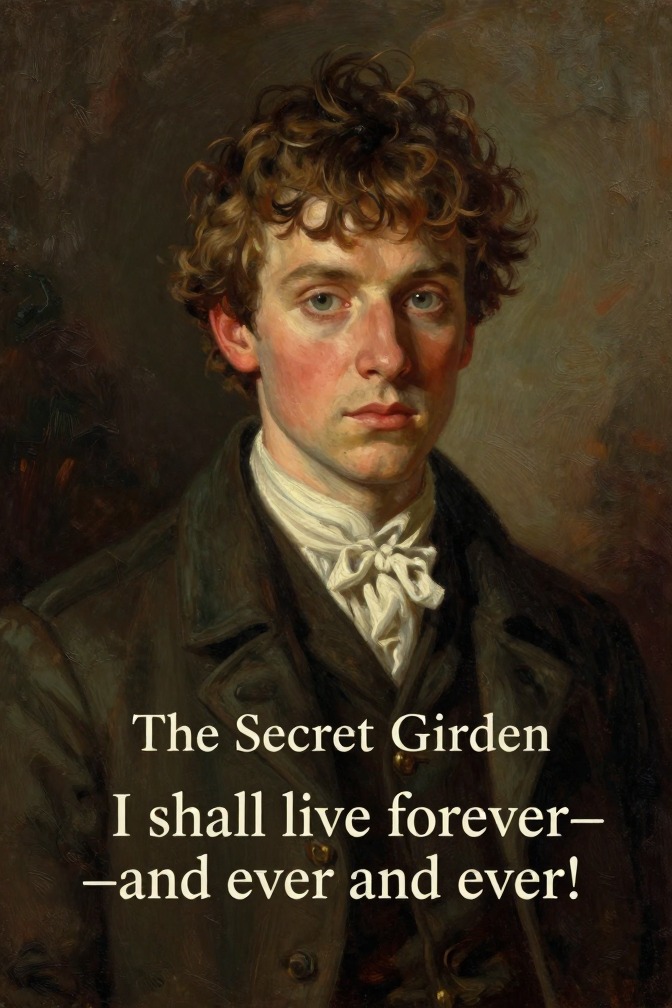
Colin Craven's first walk in the secret garden marks the decisive physical and psychological turning point of his recovery, transforming him from a bedridden, hysterical invalid into a boy who stands, walks, and declares he will live forever.
Mary Lennox discovers her cousin Colin Craven, a hidden invalid boy, during a nighttime exploration of Misselthwaite Manor, an encounter that transforms both their lives.
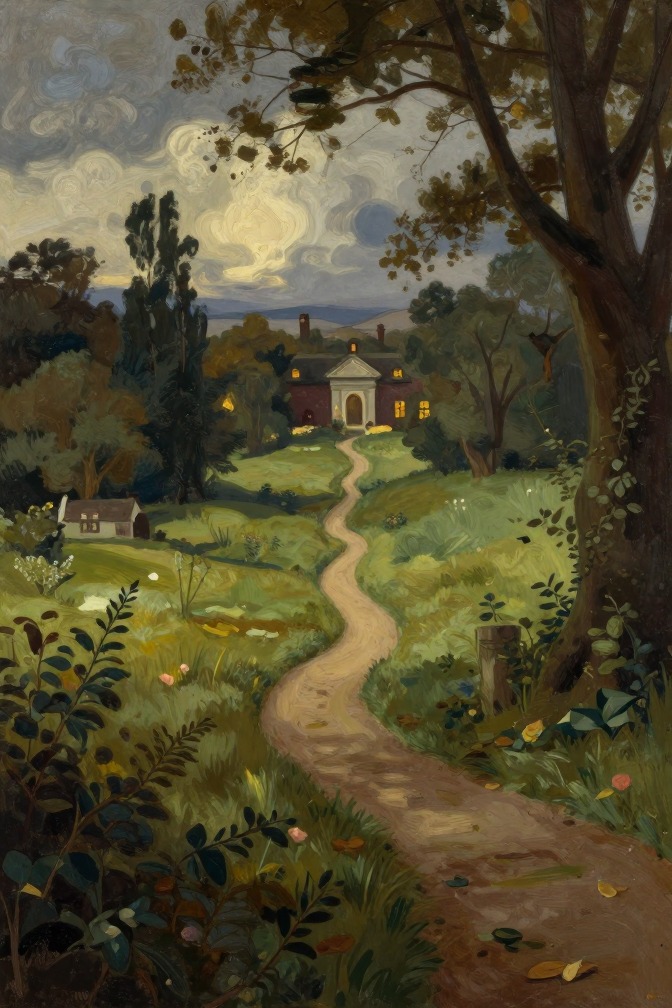
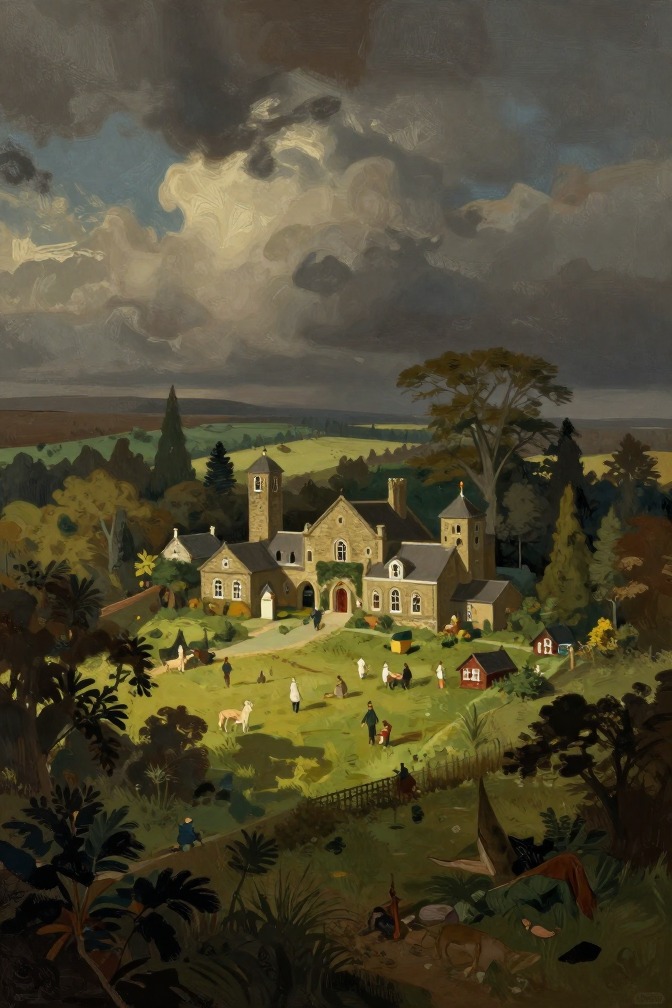
Mary Lennox arrives at Misselthwaite Manor, a vast, gloomy estate on the Yorkshire moor, after being orphaned by a cholera outbreak in India. Her arrival is marked by neglect, isolation, and the immediate imposition of strict rules by her reclusive uncle, Archibald Craven, setting the stage for her transformative journey from a sour, contrary child into a healthier, more connected one.
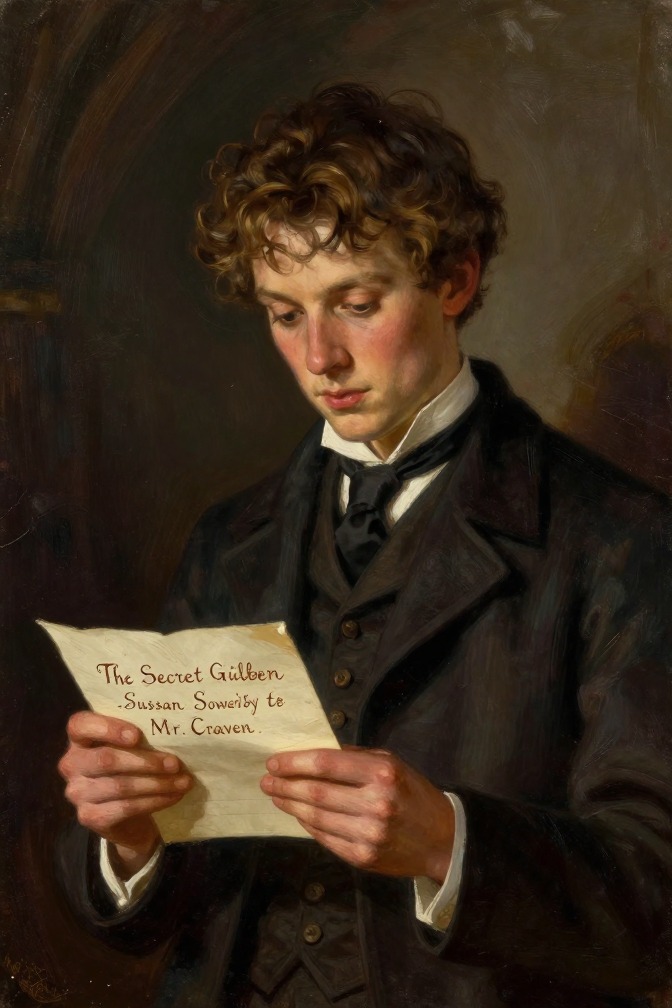
Susan Sowerby's letter to Mr. Craven is the decisive catalyst that brings the estranged father back to Misselthwaite Manor, setting the stage for the reunion with his transformed son Colin and the resolution of the novel's central emotional arc.
Archibald Craven, the master of Misselthwaite Manor, is a grief-stricken hunchback who, after the death of his beloved wife Lilias, abandons his duties and his son Colin, only to be gradually drawn back to life by the restorative power of the secret garden and the children who tend it.
Lilias Craven is the deceased wife of Archibald Craven and mother of Colin Craven, whose tragic death in the secret garden haunts the narrative as the originating wound that locks the garden, estranges father from son, and sets the entire plot of restoration in motion.
Martha Sowerby is the young Yorkshire housemaid at Misselthwaite Manor who becomes Mary Lennox's first friend and a crucial bridge between the isolated child and the moorland world of Dickon and Susan Sowerby. Her blunt, good-natured chatter and refusal to be cowed by Mary's imperiousness begin the girl's transformation from a sour, helpless creature into a healthier, more open human being.
Susan Sowerby is the wise, warm-hearted mother of twelve children living on the Yorkshire moor whose practical kindness and deep understanding of children become the unseen force that enables the healing of both Mary Lennox and Colin Craven. Though she appears in the story only a few times, her influence—conveyed through her daughter Martha, her son Dickon, and a single bold letter to Archibald Craven—transforms the emotional landscape of Misselthwaite Manor, making her the novel's quiet agent of restoration.
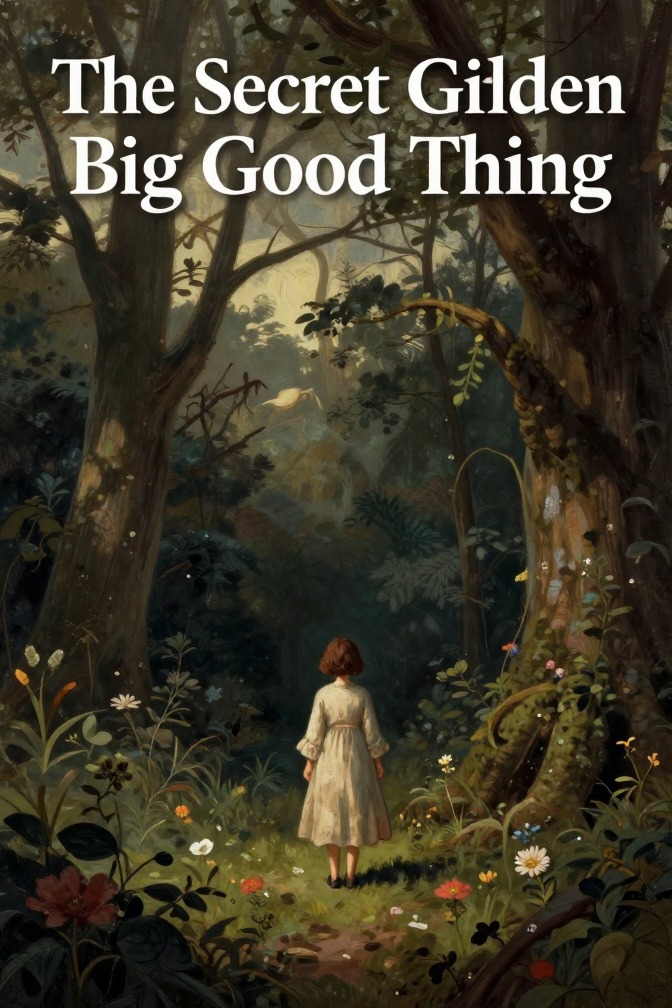
The Big Good Thing is a concept articulated by Susan Sowerby in Frances Hodgson Burnett's The Secret Garden, representing the benevolent, life-giving force behind the natural world's renewal and the children's recovery. It reframes the children's 'Magic' as a universal, name-transcending power that fosters health and joy, and it serves as the novel's philosophical resolution, affirming that gratitude and belief in this force are more important than the specific labels humans assign to it.
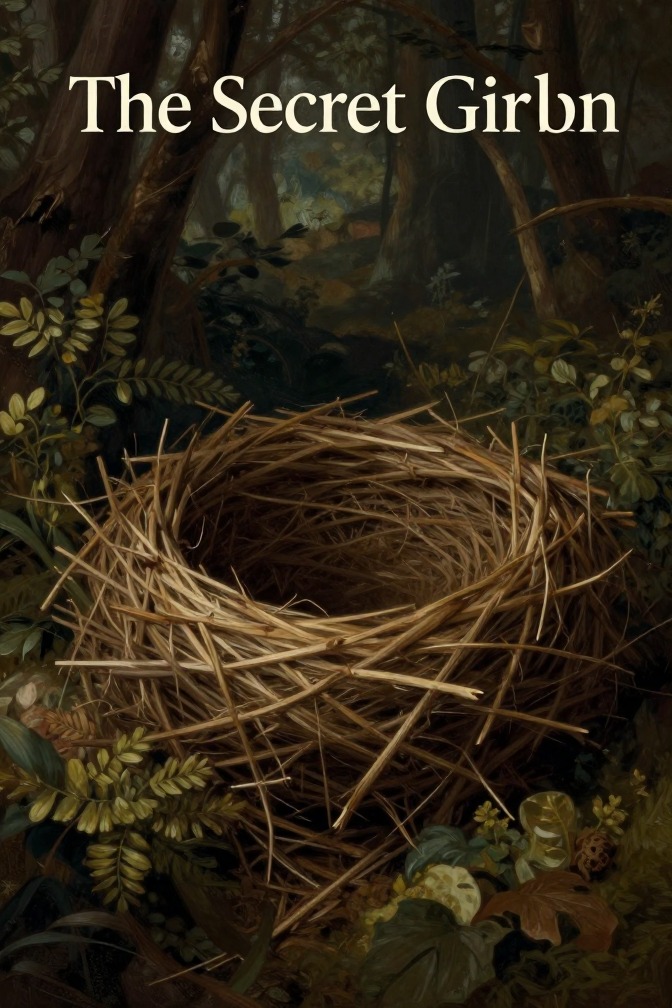
The nest is a central metaphor in The Secret Garden, representing safety, secrecy, and the natural cycle of life. It is first introduced through Dickon's drawing of a missel thrush on her nest, which he leaves for Mary as a pledge of loyalty, and later becomes a literal and symbolic focus as the robin builds his nest in the secret garden, embodying the trust and hidden vitality the children cultivate.
Wick is a Yorkshire dialect word meaning alive, lively, or full of vital energy, used throughout The Secret Garden to mark the transition from deathlike dormancy to vigorous life in both the garden and the children who tend it.
The badger is a wild creature of the moor that Dickon Sowerby knows intimately, its habits and dwelling place forming part of the secret knowledge he shares with Mary and Colin as the garden comes alive.
Butterflies appear in The Secret Garden as vivid emblems of the springtime transformation that overtakes both the moor and the children who tend the hidden garden. Mentioned first by Martha Sowerby in her description of the moor in bloom and later by Mary Lennox as she imagines the garden coming alive, butterflies belong to the dense sensory world of growth, color, and movement that Dickon Sowerby understands instinctively and that Colin Craven learns to see for the first time.
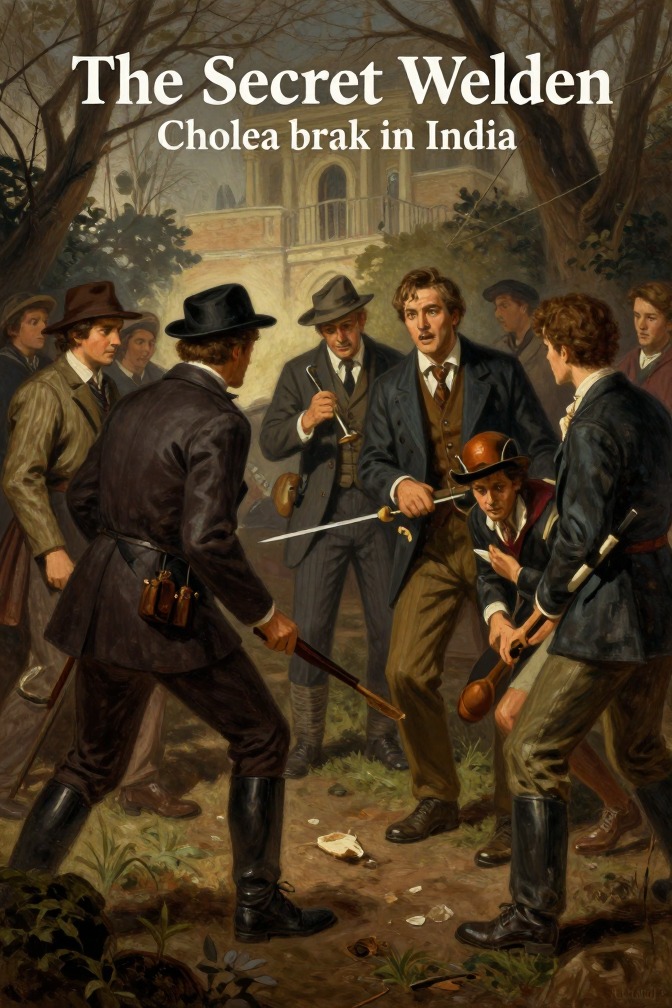
The cholera outbreak in India is the catastrophic event that orphans Mary Lennox, stripping her of her family and servants and setting her on the path to Misselthwaite Manor, where the entire story unfolds.
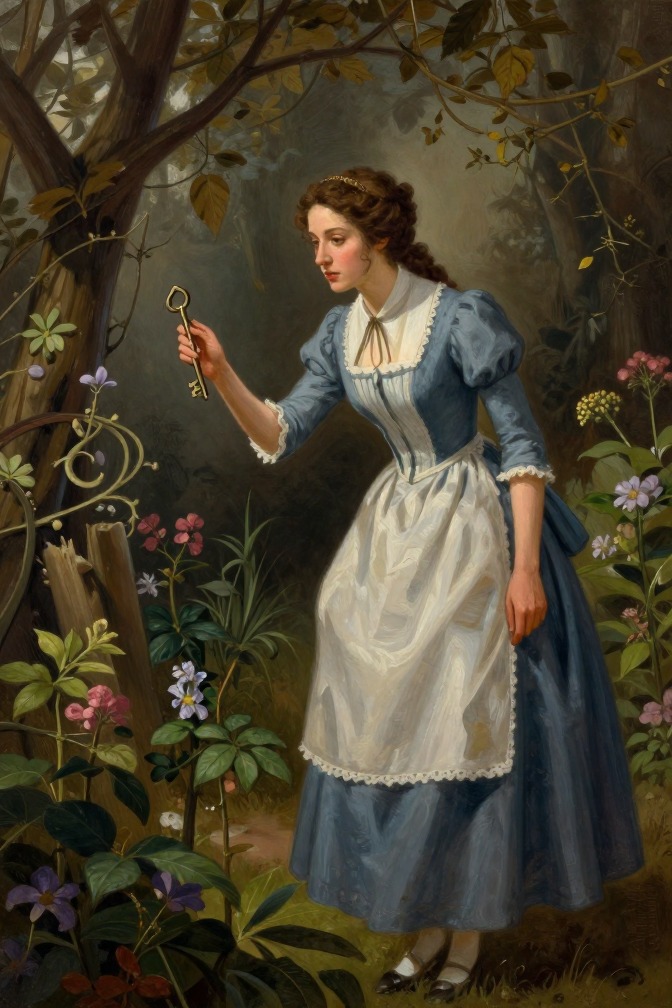
While exploring the ivy-covered wall near the secret garden, Mary Lennox discovers a rusty iron key buried in freshly turned earth, which she immediately suspects is the key to the locked garden that has been sealed for ten years.
Archibald Craven's dream and return marks the emotional and structural climax of the novel, where the grieving father, after a decade of self-imposed exile, receives a visionary summons from his dead wife and a practical plea from Susan Sowerby, and finally returns to Misselthwaite Manor to discover his son Colin transformed—healthy, joyful, and standing on his own feet.
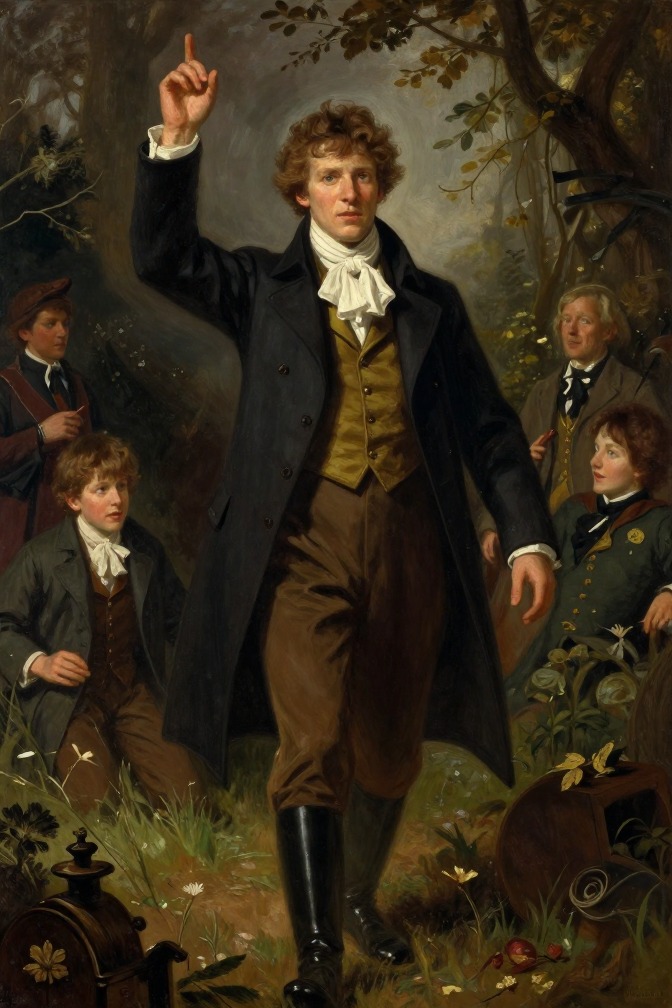
Colin Craven's declaration "I shall live forever—and ever—and ever!" is the climactic verbal expression of his physical and psychological rebirth, marking the moment when the secret garden's restorative power transforms his identity from a dying invalid to a boy who embraces life with absolute certainty.
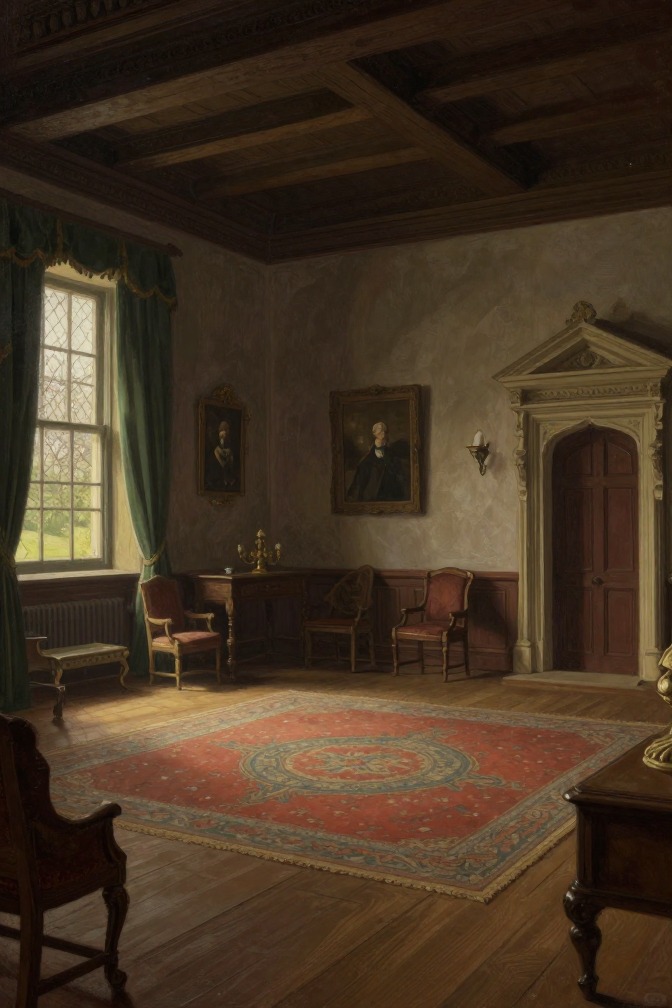
The Indian room is a richly decorated chamber within Misselthwaite Manor, notable for its cabinet of ivory elephants and its role as a space of discovery and shared adventure for Mary Lennox and Colin Craven.
The kitchen-gardens at Misselthwaite Manor are a series of walled enclosures where vegetables and fruit are grown, and they serve as the initial setting for Mary Lennox's first explorations of the estate and her early encounters with Ben Weatherstaff and the robin.
The Long Walk is the path outside the ivy-covered walls of the secret garden at Misselthwaite Manor, a location where Mary Lennox repeatedly walks, discovers the hidden door, and where the robin leads her to the key.
Thwaite is the small Yorkshire village and railway station that serves as the gateway to Misselthwaite Manor, where Mary Lennox first encounters the local dialect and purchases the garden tools and seeds that enable the revival of the secret garden.
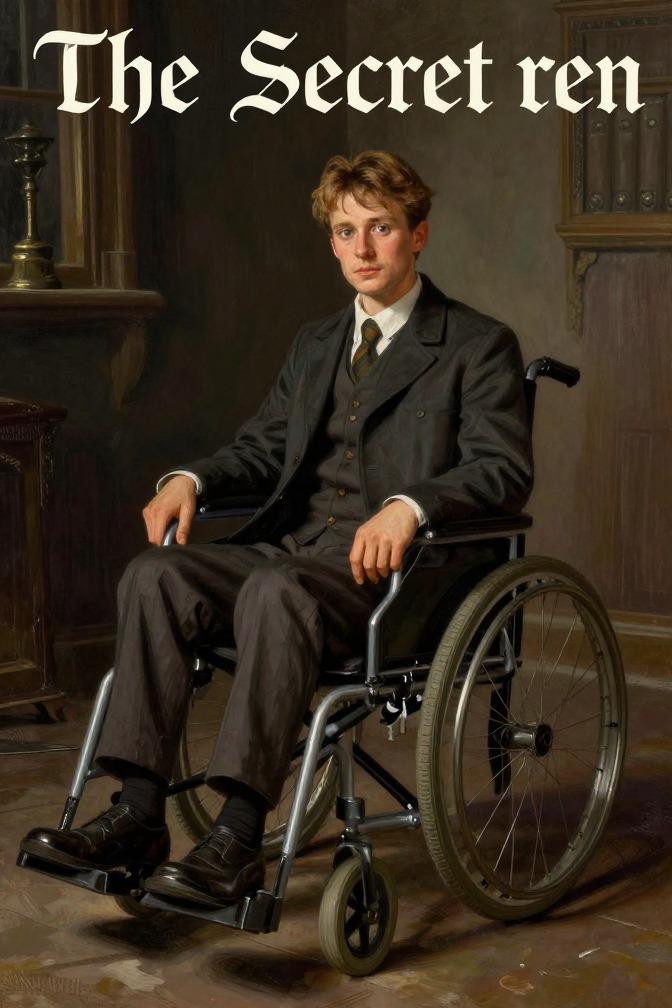
Colin's Wheelchair is the physical apparatus that mediates Colin Craven's transition from a bedridden invalid confined to his room to an active participant in the secret garden's revival, serving as both a symbol of his former helplessness and a practical vehicle for his gradual recovery.
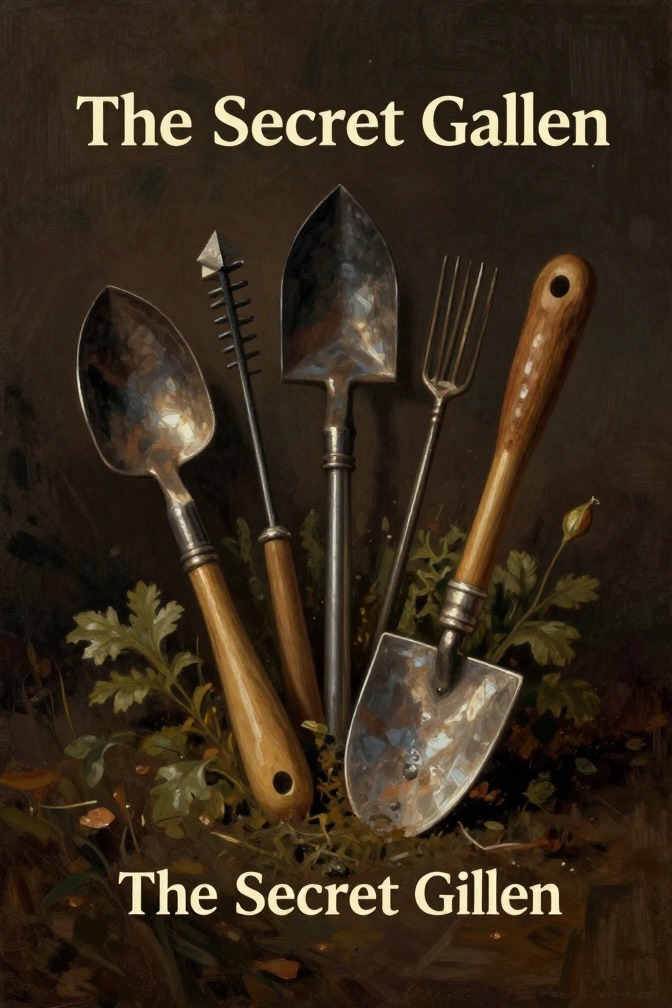
The Garden Tools are a set of child-sized gardening implements—a spade, rake, fork, hoe, and trowel—purchased by Dickon Sowerby for Mary Lennox at Thwaite village. They enable Mary to begin working the soil of the secret garden, marking her transition from a passive, waited-upon child to an active participant in the garden's revival and her own physical and emotional growth.
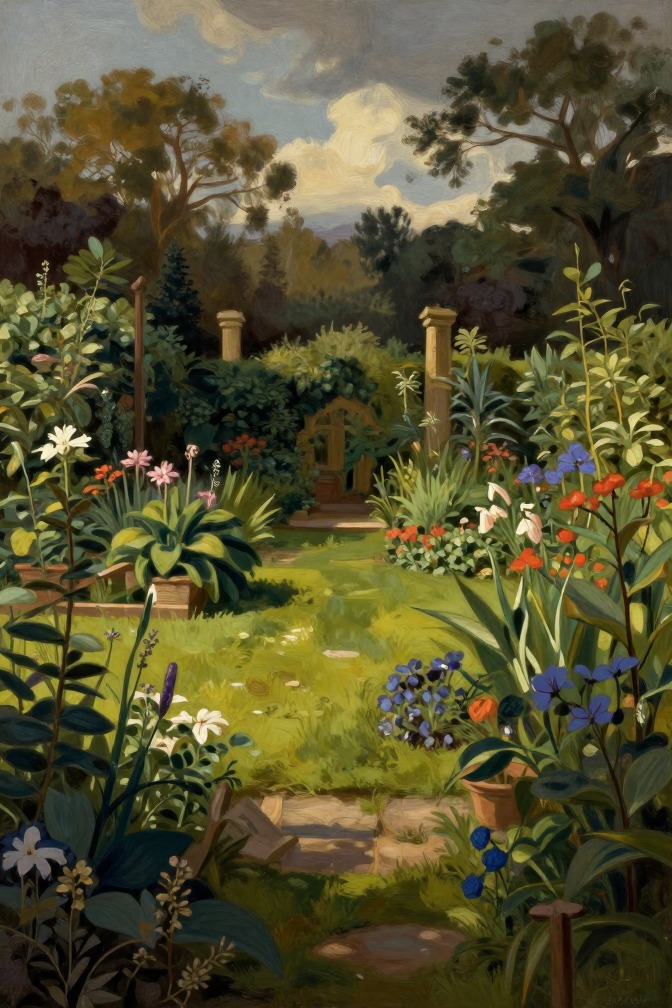
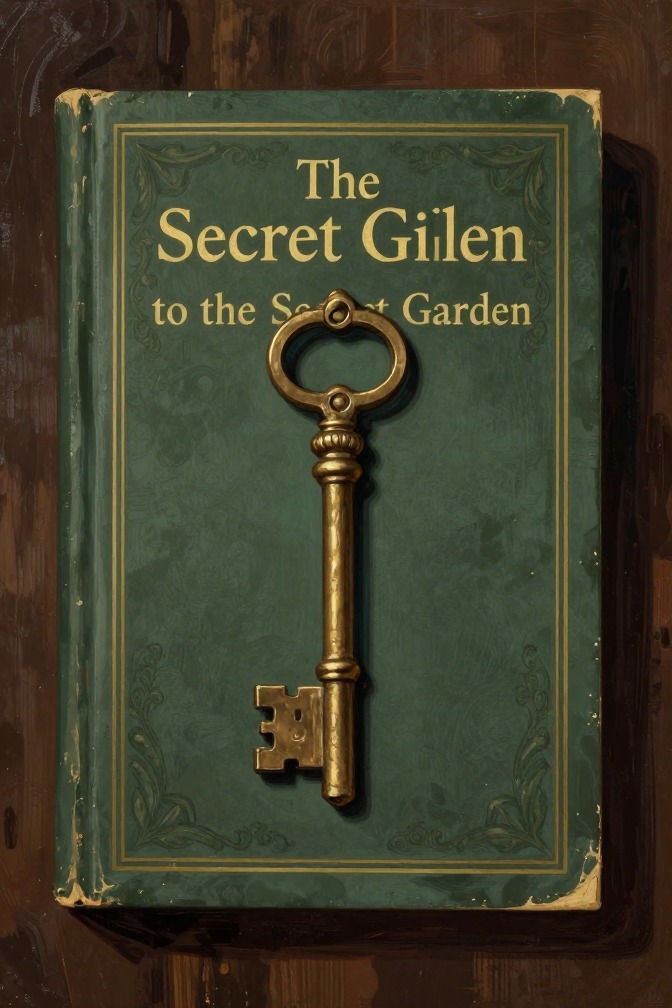
The Key to the Secret Garden is a rusty iron or brass ring, discovered by Mary Lennox after the robin showed her a freshly turned patch of earth where a dog had been digging. It had been buried for ten years, ever since Mr. Archibald Craven locked the garden door and hid the key following his wife's death. The key unlocks the hidden door under the ivy, granting Mary access to the long-abandoned garden and setting in motion the story's central transformation.
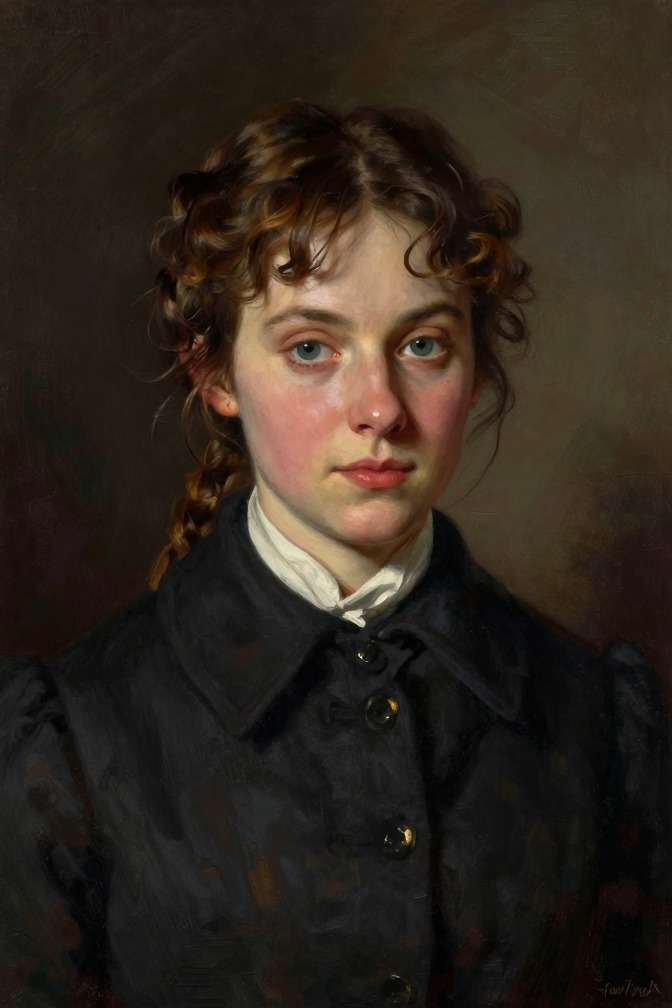
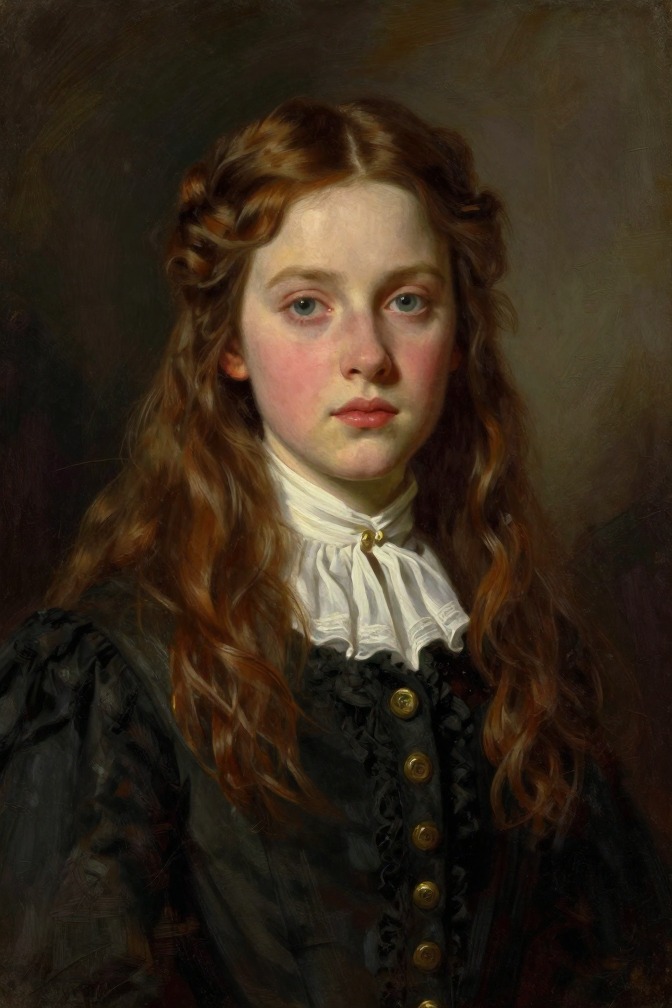
The Portrait of Lilias Craven is a painting of Colin Craven's mother that hangs in his room, covered by a rose-colored silk curtain. It serves as a central symbol of loss, memory, and the fraught relationship between father and son, and its eventual unveiling marks Colin's emotional and physical recovery.