The friendship between Harry Meadows, editor of the Amity Leader, and Police Chief Martin Brody is a complex, pragmatic alliance built on mutual respect, shared secrets, and a delicate balance between journalistic integrity and the economic survival of their town. Their relationship is tested and ultimately strengthened by the crisis of the shark attacks, as they navigate the suppression of news, political pressure, and personal guilt, culminating in Meadows's public vindication of Brody.
The beach closure in Amity is a central, contested state that reflects the town's struggle between public safety and economic survival, triggered by a series of shark attacks and enforced by Police Chief Martin Brody against political and commercial pressure.
Quint's monomania is the obsessive, personal vendetta that drives the shark hunter after the death of Matt Hooper, transforming his professional hunt into a suicidal crusade that ultimately destroys him and his boat, the Orca.
The Fourth of July is the pivotal make-or-break weekend for Amity's summer economy, and the town's political and commercial leaders pressure Police Chief Martin Brody to reopen the beaches despite the ongoing threat of the great white shark, leading to a near-fatal incident that forces the beaches closed again and deepens the community's crisis.
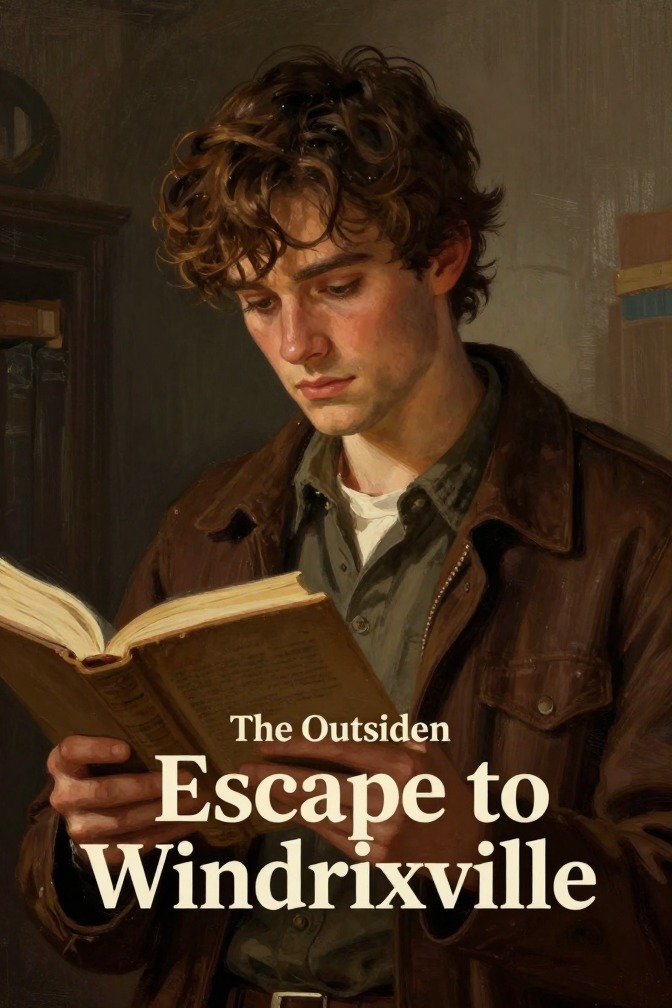
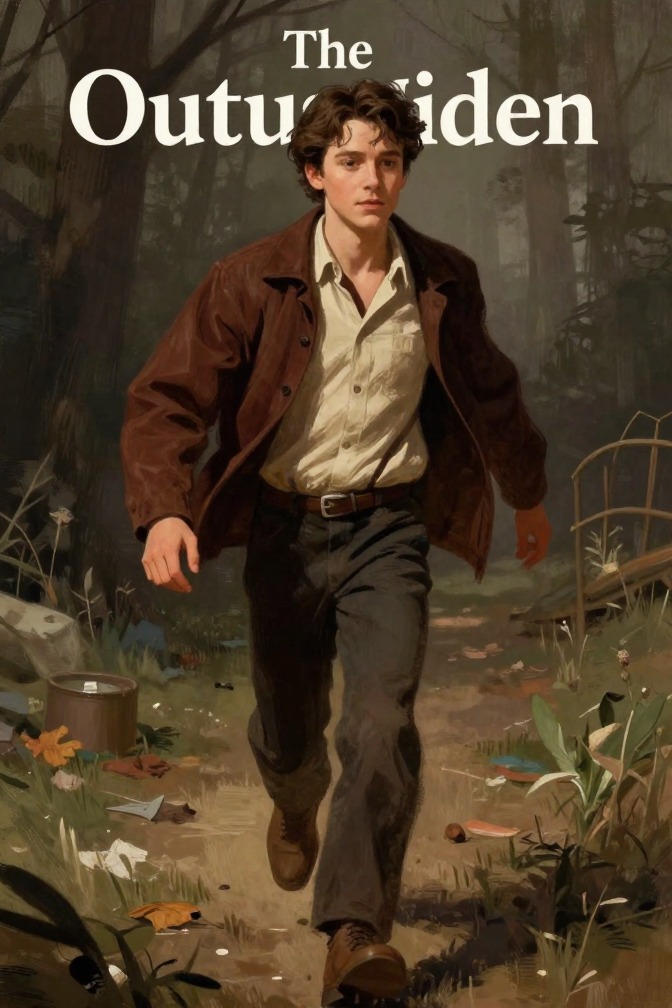
After Johnny Cade kills Bob Sheldon in self-defense, he and Ponyboy Curtis flee to an abandoned church on Jay Mountain near Windrixville, where they hide for five days, sustained by Dallas Winston's supplies and their own deepening bond.
Ponyboy runs away from home after his older brother Darry slaps him during a confrontation over his late return, an impulsive flight that sets in motion the novel's central tragedy.
Buck Merril is a rodeo partner and associate of Dallas Winston, a bootlegger and race-fixer who provides the gun, money, and hideout instructions that enable Ponyboy Curtis and Johnny Cade to flee after Bob Sheldon's murder.
Johnny Cade is the gang's pet, a sensitive and abused sixteen-year-old whose violent act of self-defense against a Soc sets the novel's central tragedy in motion, and whose final message of hope and beauty becomes the moral heart of the story.
Keith "Two-Bit" Mathews is the oldest member of the greaser gang, a wisecracking, shoplifting, eighteen-and-a-half-year-old junior whose relentless humor and loyalty define his role as the group's comic relief and moral anchor.
Paul Holden is a former high school football teammate of Darrel Curtis who reappears as a Soc opponent in the novel's climactic rumble, embodying the class divide that has transformed a once-friendly relationship into bitter enmity.
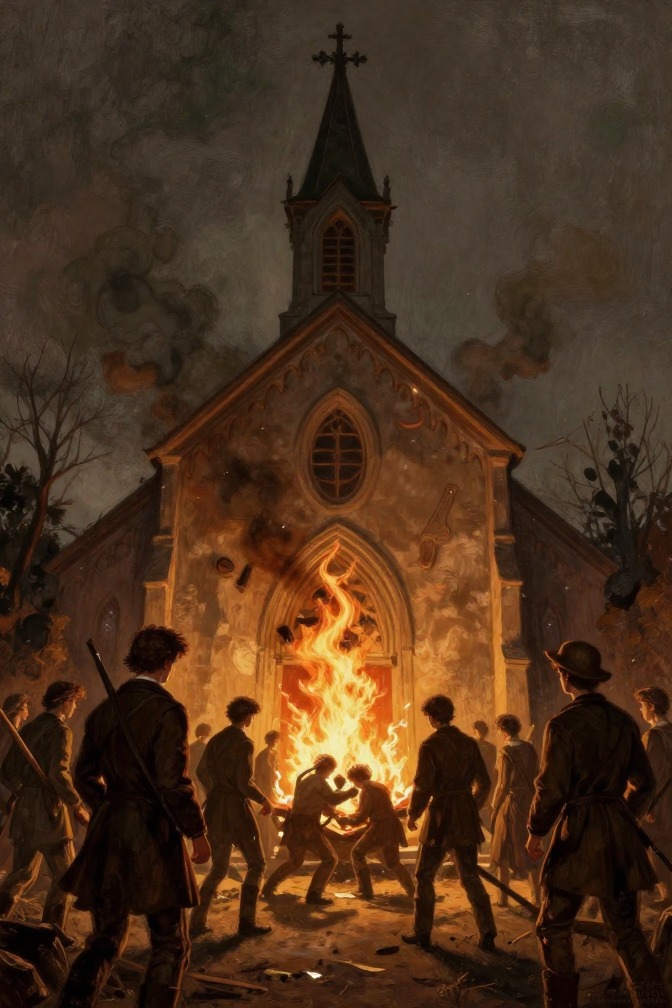
The church fire on Jay Mountain is a pivotal event in which Ponyboy Curtis and Johnny Cade, while hiding in an abandoned church after killing Bob Sheldon, discover the building ablaze during a school picnic. They risk their lives to rescue a group of trapped children, and Dallas Winston, who arrives to visit them, goes back into the burning structure to save Johnny. The fire transforms the fugitives into local heroes, alters the legal and social consequences they face, and deepens the bonds among the greasers, while also setting the stage for Johnny's fatal injury and Dally's subsequent breakdown.
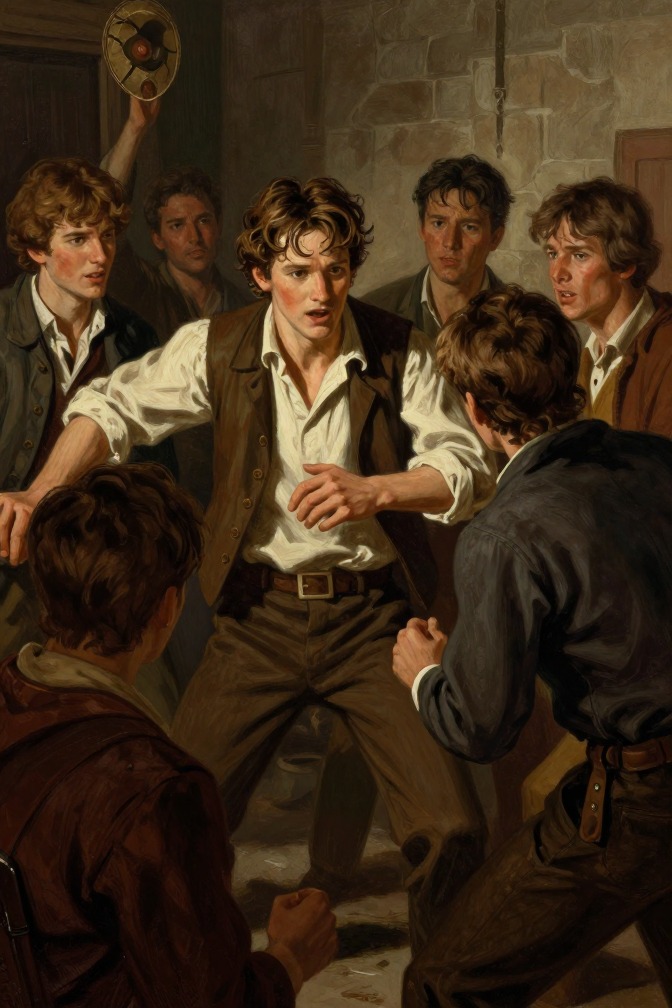
The rumble is the climactic, all-out fistfight between the greasers and the Socs, held in the vacant lot to settle the escalating gang warfare following Bob Sheldon's death. It serves as the story's violent peak, where personal grudges, class hatred, and the desperate need for vindication collide, ultimately leading to the deaths of both Johnny Cade and Dallas Winston.
Nothing gold can stay is a poem by Robert Frost that Ponyboy Curtis recites to Johnny Cade while they are hiding in the abandoned church on Jay Mountain. The poem becomes a central motif in The Outsiders, representing the fleeting nature of innocence, beauty, and youth, and it culminates in Johnny's dying words to Ponyboy: "Stay gold."
Rusty's is a drive-in restaurant on the West Side frequented by the Socs, the wealthy social group in The Outsiders, and serves as a marker of the class-based territorial and cultural divide that defines the greaser-Soc conflict.
Spencer's Special is a discount department store in the novel *The Outsiders*, located near the Nightly Double drive-in and the Dingo drive-in, serving as a landmark the greasers pass while sneaking into the drive-in and as a symbol of the petty theft and casual lawbreaking that define their world.
Baloney is a recurring food item in S. E. Hinton's The Outsiders, symbolizing the deprivation and monotony of the greasers' lives during their hideout in Windrixville, and later becoming a trigger for Ponyboy's traumatic memories.
Bob's rings are a set of heavy rings worn by Bob Sheldon, a Soc, that become a symbol of the brutal class violence in The Outsiders. They are the instrument that leaves Johnny Cade permanently scarred and psychologically traumatized, and their recognition in the moonlight triggers the fatal confrontation that drives the novel's central tragedy.
Cherry Valance's Sting Ray is a bright red Corvette that serves as a powerful symbol of the wealth, status, and social divide between the Socs and the greasers in The Outsiders, while also becoming a site of cross-class contact and moral complexity.
Chocolate cake is a recurring domestic object in Ponyboy Curtis's household, symbolizing the warmth, normalcy, and brotherly affection that the Curtis brothers strive to maintain in the absence of their parents. It appears as a breakfast staple, a comfort food, and a marker of the family's unique routines and shared tastes, contrasting with the violence and deprivation of their greaser life.
The Jay Mountain church is the abandoned rural hideout where Ponyboy Curtis and Johnny Cade take refuge after Johnny kills Bob Sheldon, and it becomes the site of a transformative fire rescue that redefines their identities from fugitives to heroes.
Johnny's switchblade is the weapon that transforms a teenage greaser from a victim into a killer, marking the novel's irreversible turn from class conflict to mortal consequence.
Sodapop's letter is a brief, heartfelt note delivered to Ponyboy while he is hiding in the abandoned church on Jay Mountain, serving as the first direct contact from his brothers after his flight from home and revealing the emotional turmoil his disappearance has caused, particularly for Darry.
Tennis shoes are a recurring item of clothing in S. E. Hinton's *The Outsiders*, serving as a marker of the greasers' socioeconomic status and their distinct identity. They are part of the standard greaser uniform, worn by Ponyboy Curtis and his friends, and their worn, practical condition contrasts with the more affluent attire of the Socs, symbolizing the class divide that drives the novel's central conflict.
The friendship between Johnny Cade and Dallas Winston is a central, tragic relationship in The Outsiders, defined by Johnny's intense hero-worship of the hardened, violent Dally and Dally's protective, almost paternal love for the vulnerable Johnny. Their bond reveals the emotional depths beneath the greasers' tough exteriors and ultimately drives both characters to their deaths.
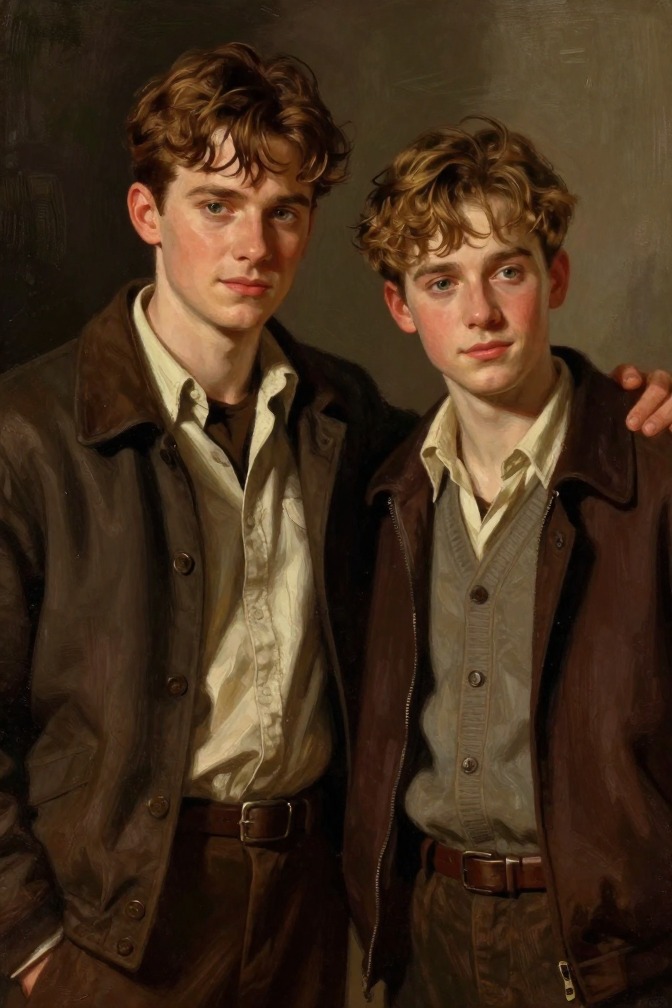
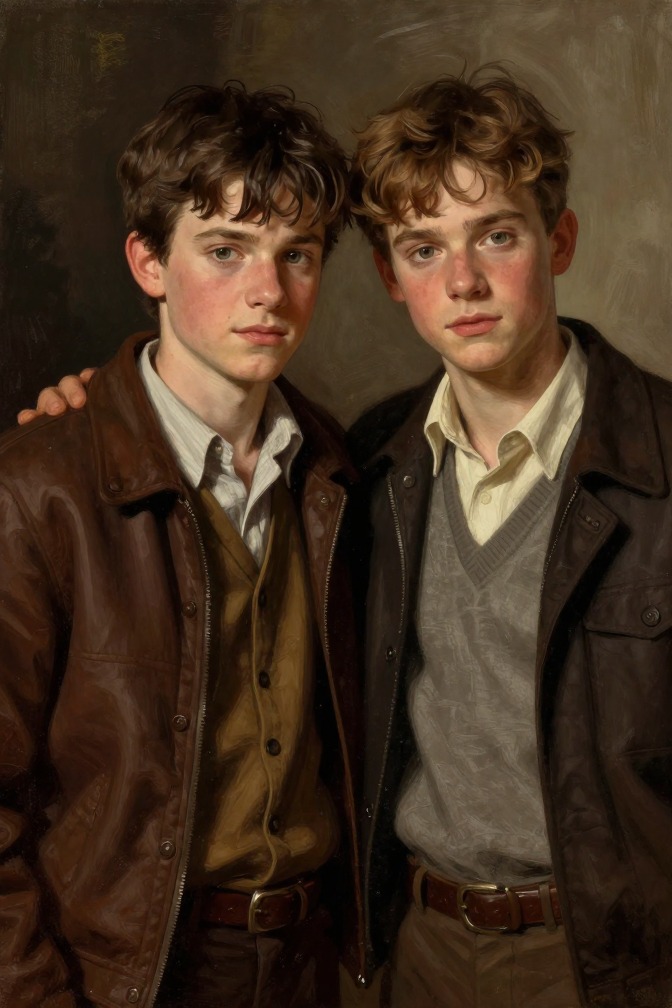
Sodapop and Ponyboy's brotherly bond is the emotional core of The Outsiders, a relationship defined by unconditional love, mutual protection, and the tension of being the middleman between Ponyboy and their older brother Darry. Sodapop is Ponyboy's confidant, defender, and source of joy, while Ponyboy's devotion to Sodapop shapes his actions and his understanding of family.
Stick together is the foundational rule of the greaser gang, a code of absolute loyalty and mutual defense that binds the Curtis brothers and their friends into a surrogate family, and its violation or fulfillment drives the novel's central conflicts and resolutions.
Jean-Baptiste Grenouille is born on the most putrid spot in Paris, the Cimetière des Innocents, on 17 July 1738. His mother, a fishwife, gives birth under a gutting table and attempts to let the infant die, as she had with her four previous stillbirths. The child's cry exposes her, leading to her arrest, confession, and execution for multiple infanticide. This event establishes Grenouille's origin in filth and rejection, his mother's indifference, and the legal and social machinery that immediately sets him adrift.
Antoine Richis is the second consul of Grasse, a fabulously wealthy wholesaler of scents and spices, and the father of Laure Richis, whose murder by Jean-Baptiste Grenouille triggers the novel's final crisis. A man of analytical intelligence and dynastic ambition, Richis correctly deduces the murderer's systematic method and idealistic motive, devises an elaborate plan to save his daughter, and after her death undergoes a bewildering reversal when Grenouille's perfume compels him to adopt the killer as his son.
Chénier is the aging assistant to the perfumer Giuseppe Baldini, a loyal but disillusioned journeyman who has spent thirty years in the shop on the Pont au Change. He knows his master's creative decline better than anyone and privately predicts each failure, yet he remains trapped in a subordinate role, dreaming of an inheritance that never comes. His quiet competence and bitter realism make him the story's most reliable witness to Baldini's hollow pretensions and the miraculous rise that Grenouille's secret genius brings.
Gabriel Tagliasco is the captain of the guard at the Porte du Cours in Grasse whose deposition leads to the arrest of Jean-Baptiste Grenouille for the murders of twenty-five young women.