London is a recurring geographical and emotional reference point in the novel, serving as the distant home of Pippa Blackwell and her boyfriend Everett, a place of exile and longing that contrasts sharply with the claustrophobic intimacy of New York and the desolate expanse of Las Vegas.
De Paarse Koe (the Purple Cow) is a vegetarian lunchcafe in Amsterdam's Red Light district where the climactic confrontation to recover The Goldfinch takes place. Its shabby, hippie atmosphere and back-alley layout make it the setting for a violent ambush that shifts the painting's fate from a cash transaction to a stolen-goods recovery.
Frankfurt is a German city that serves as a crucial offstage location in the novel, where the stolen painting The Goldfinch is secretly held by Sascha's associates after the failed Miami deal, and where the German police eventually raid an apartment to recover it along with dozens of other stolen artworks.
The Ali Baba Club is a gritty, 24-hour-a-day bar on Avenue C in Manhattan's Lower East Side, where Theo Decker and Boris Pavlikovsky go after their reunion in the East Village. It serves as a raw, confessional space where Boris reveals that he stole The Goldfinch from Theo years earlier, and where the two friends, high on cocaine and vodka, confront the central betrayal of their relationship.
Antwerp is a Belgian city that serves as Boris Pavlikovsky's primary European base of operations, where he keeps a flat and a car, and from which he orchestrates the recovery of The Goldfinch. It is also the city where Horst's associate Sascha attempted to use the painting as collateral in a drug deal, and where the final negotiations for its return were conducted.
Texas is the state where Pippa Blackwell is sent to live with her aunt Margaret Blackwell Pierce after the museum bombing, a relocation that separates her from Hobie and Theo and becomes a source of unhappiness for her. The state also serves as the setting for Theo's father Larry Decker's final, fatal car crash, and its vast, empty landscapes contrast sharply with the dense, memory-laden streets of New York City.
The cocaine is a recurring substance in Theo Decker's life, first appearing in Las Vegas as Xandra Terrell's stash and later becoming a symbol of the destructive drug culture that surrounds him and Boris Pavlikovsky. Its presence marks key moments of moral decline, criminal activity, and the blurred lines between recreation and addiction.
The pills are a central object in Theo Decker's life, representing his long-term struggle with substance abuse that begins as a means of coping with trauma and escalates into a full-blown addiction that shapes his adult relationships, career, and moral choices.
Boris Pavlikovsky and Myriam are business partners whose relationship is defined by mutual trust, professional competence, and a shared understanding of the criminal underworld. Myriam serves as Boris's right-hand operative, handling logistics, intelligence, and security for his high-stakes operations, including the recovery of the stolen Fabritius painting. Their partnership is characterized by efficiency, loyalty, and a tacit code of silence, with Myriam's judgment often proving decisive in navigating dangerous situations.
The theft of Carel Fabritius's *The Goldfinch* from the Metropolitan Museum of Art during the 2003 bombing is the central crime and secret of the novel, a catastrophe that binds the protagonist Theodore Decker to a life of deception, loss, and eventual, costly redemption.
Kitsey Barbour's betrayal of Theo Decker with Tom Cable is a pivotal relational rupture in the novel, exposing the fragility of their engagement and the deep, unresolved attachments both characters carry from their pasts. The revelation, which Theo witnesses firsthand on the street outside Kitsey's apartment, shatters the carefully constructed facade of their relationship and forces a confrontation that reveals the transactional and emotionally hollow nature of their bond.
Despair is a pervasive and defining emotional state in *The Goldfinch*, experienced most intensely by the protagonist Theodore Decker. It is a profound, often immobilizing sense of hopelessness and meaninglessness that arises from catastrophic loss—the death of his mother, the abandonment by his father, and the subsequent unraveling of his life. This despair is not merely sadness but a corrosive, existential condition that colors his perception of the world, drives his self-destructive behaviors, and becomes the central emotional and philosophical problem he must confront throughout the novel.
Grief is the central, all-consuming emotional state of Theodore Decker's life, a permanent wound inflicted by the sudden, violent death of his mother, Audrey Decker, in a terrorist bombing at the Metropolitan Museum of Art. This loss does not merely sadden him; it fundamentally shatters his world, creating a dividing line between 'Before' and 'After' that governs every subsequent thought, action, and relationship. His grief is not a stage he passes through but a corrosive, lifelong companion that manifests as profound loneliness, self-destructive behavior, a desperate search for substitutes, and a deep, abiding sense of guilt and dislocation.
Life, as explored in Donna Tartt's *The Goldfinch*, is a state of profound contradiction: a catastrophe from which no one escapes, yet a gift whose fleeting beauty and capacity for love make it worth enduring. The novel relentlessly confronts the reader with the absurdity of suffering and the randomness of fate, while simultaneously affirming the redemptive power of art, friendship, and the small, luminous moments that pierce the darkness. Theodore Decker's journey—from a traumatized boy to a morally compromised adult—is a sustained meditation on whether meaning can be forged from ruin, and whether a life lived in the shadow of death can still be a life of joy.
Loneliness is a pervasive and defining state for Theodore Decker, shaping his identity and actions from the moment of his mother's death. It manifests not merely as social isolation but as a profound existential condition, a 'groundlessness and flux' that follows him from the opulent but cold Barbour apartment to the desolate suburbs of Las Vegas and back to a New York that feels foreign. This loneliness is the crucible in which his grief, his drug addiction, and his desperate attachments are forged, making it a central, driving force of the novel.
Loss is the central, defining experience of Theodore Decker's life, shaping his identity, relationships, and worldview from the moment his mother is killed in a terrorist bombing at the Metropolitan Museum of Art. The novel traces a cascade of subsequent losses—his father's abandonment and death, the death of his friend Andy Barbour, and the loss of the painting that became his secret talisman—each compounding the original trauma and driving him toward self-destruction before a fragile, hard-won understanding of how to live with grief emerges.
Theo Decker's love for Pippa Blackwell is the central, unfulfilled romantic longing of his life, a consuming and obsessive attachment that begins with a single glance in a museum gallery moments before a terrorist bombing and persists through years of separation, drug addiction, and an engagement to another woman. It is a love rooted in shared trauma, aesthetic sensibility, and a profound sense of recognition, yet it remains largely unrequited, functioning as a haunting ideal that shapes Theo's every significant choice and relationship.
Loyalty is a central and contested value in *The Goldfinch*, tested repeatedly through betrayal, theft, and sacrifice. The bond between Theo Decker and Boris Pavlikovsky—rooted in shared trauma and adolescent survival—proves the novel's most enduring form of loyalty, surviving years of separation, theft, and violence. In contrast, familial and romantic loyalties (to Larry Decker, Kitsey Barbour, Tom Cable) are shown as fragile, conditional, or self-serving. The novel ultimately argues that true loyalty is not a matter of blood or obligation but of chosen, reciprocal devotion that persists through moral failure and catastrophe.
Poverty in Las Vegas is a pervasive, isolating condition that shapes the daily lives of Theodore Decker and Boris Pavlikovsky, stripping them of stability, nutrition, and social connection while forcing them into theft and scavenging for survival.
Wealth in The Goldfinch is a pervasive, ambivalent force that shapes characters' fates, social positions, and moral choices, oscillating between the old-money security of the Barbours, the precarious fortunes of the Deckers, and the illicit riches of the criminal underworld, ultimately revealing that money cannot buy happiness or erase trauma.
Widowhood in *The Goldfinch* is a pervasive state that shapes the lives of several characters, most notably Samantha Barbour, whose experience of losing her husband and son transforms her from a socially active society figure into a reclusive, grieving woman. The novel explores widowhood not as a single event but as a prolonged, evolving condition that alters identity, social engagement, and emotional capacity, contrasting Samantha's quiet withdrawal with the more volatile grief of other characters like Theo Decker.
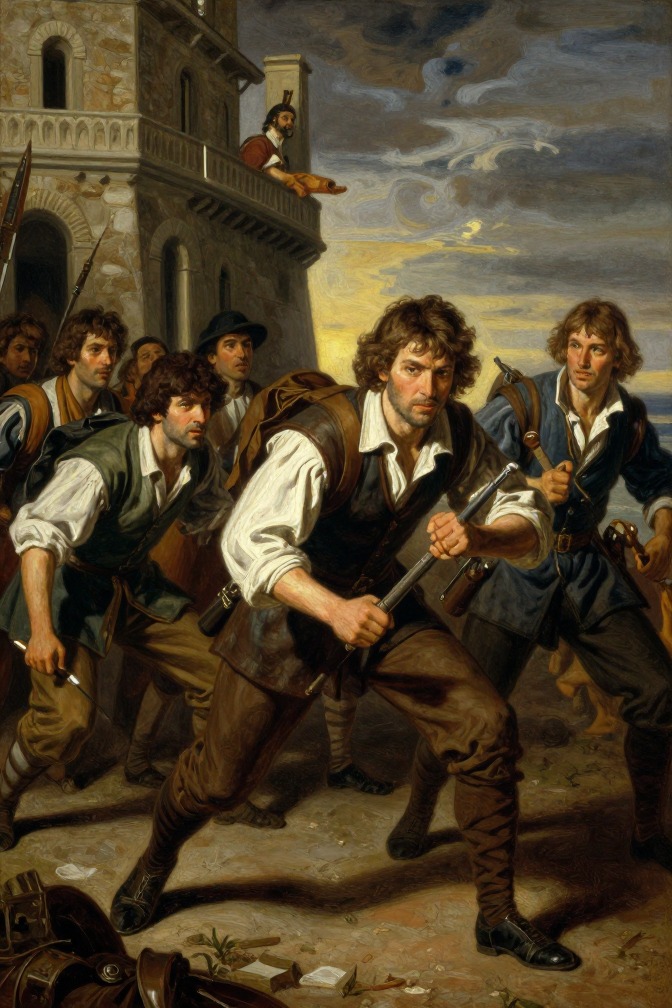
Albert de Morcerf's challenge to the Count of Monte Cristo at the Paris Opera is the public culmination of the young man's fury over the exposure of his father's treason, a confrontation that nearly ends in a duel before Albert's own apology transforms the scene into an unexpected moral victory.
The Count of Morcerf, Fernand Mondego, shoots himself in his Paris mansion immediately after his wife and son abandon him, following his public exposure as a traitor who betrayed Ali Pasha of Yanina.
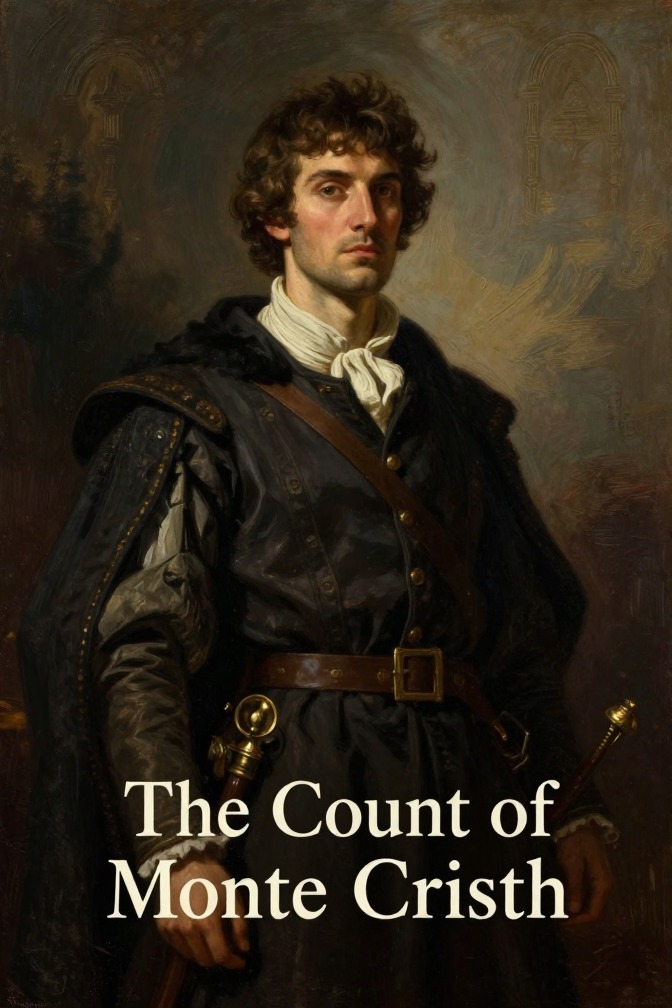
The Avenging Angel is a central self-conception of Edmond Dantes, the Count of Monte Cristo, who views himself as an agent of divine retribution, a role he consciously adopts after his escape from the Chateau d'If and the discovery of the treasure. This identity, forged in the crucible of fourteen years of unjust imprisonment, drives his systematic destruction of those who wronged him, but ultimately leads to a crisis of conscience when his vengeance claims innocent victims, forcing him to confront the limits of his self-appointed mission and to acknowledge a power higher than his own.
The Law of Retaliation is the central ethical principle that drives Edmond Dantes' transformation into the Count of Monte Cristo and governs his systematic campaign of vengeance against those who wronged him. It is the belief that a wrongdoer must suffer precisely the same harm he inflicted, an eye for an eye, a tooth for a tooth, and that this equivalence is not merely a personal desire but a form of divine justice executed through a human agent.
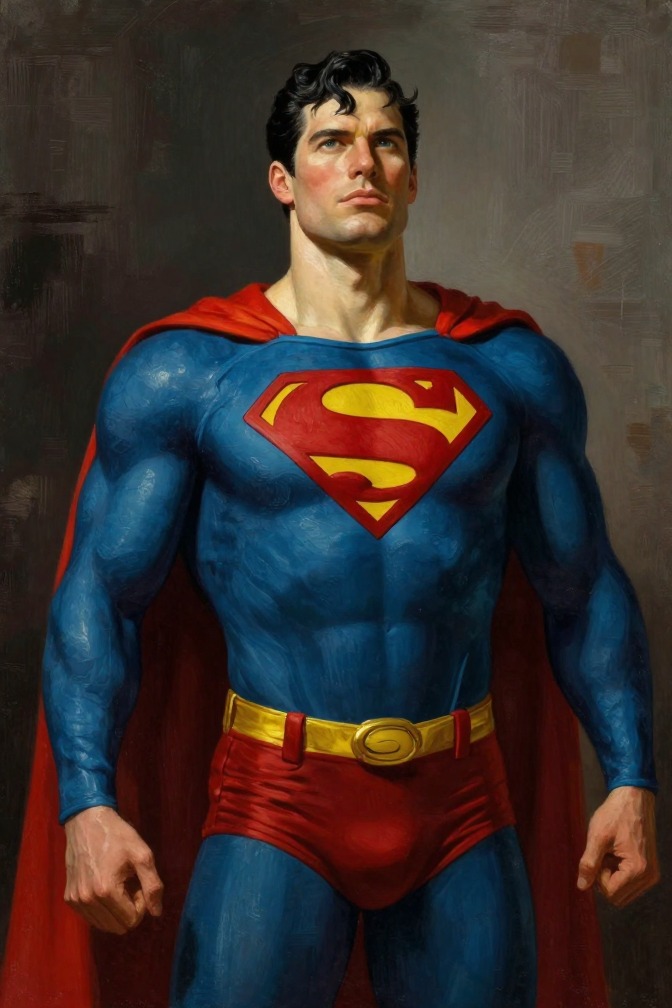
The Superman is a recurring conceptual figure in *The Count of Monte Cristo*, representing the ideal of a human being who, through immense suffering, accumulated knowledge, and vast wealth, transcends ordinary moral and social constraints to become an agent of divine Providence, wielding the power to reward and punish with near-absolute authority.
After the death of his friend and mentor Abbe Faria, Edmond Dantes executes a daring escape from the Chateau d'If by taking the place of the dead man's body in its burial sack, which is thrown into the sea. This event marks the decisive turning point of the novel, transforming Dantes from a helpless prisoner into a free man who will soon become the Count of Monte Cristo.
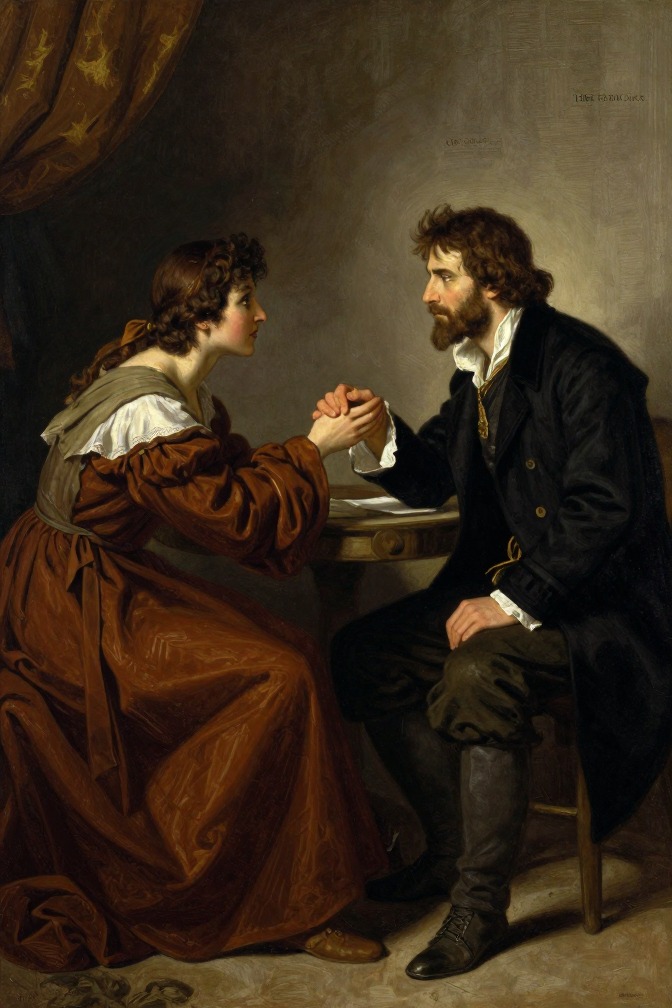
The Meeting with Abbe Faria is the pivotal event in Edmond Dantes' imprisonment, where the desperate, suicidal young sailor discovers a fellow prisoner digging through the wall from the adjacent cell. This encounter transforms Dantes' fate: Faria, a learned Italian priest, becomes his mentor, reveals the reason for his betrayal, and bequeaths him the secret of the Monte Cristo treasure, thereby setting the course for Dantes' eventual escape and transformation into the Count of Monte Cristo.
The trial of Benedetto, also known as Andrea Cavalcanti, for the murder of Caderousse becomes the stage for a stunning public revelation: the accused declares himself the son of the king's attorney, Gérard de Villefort, and recounts the story of his attempted infanticide. The confession shatters Villefort's composure, leading him to admit his guilt before the entire court and precipitating his final descent into madness.
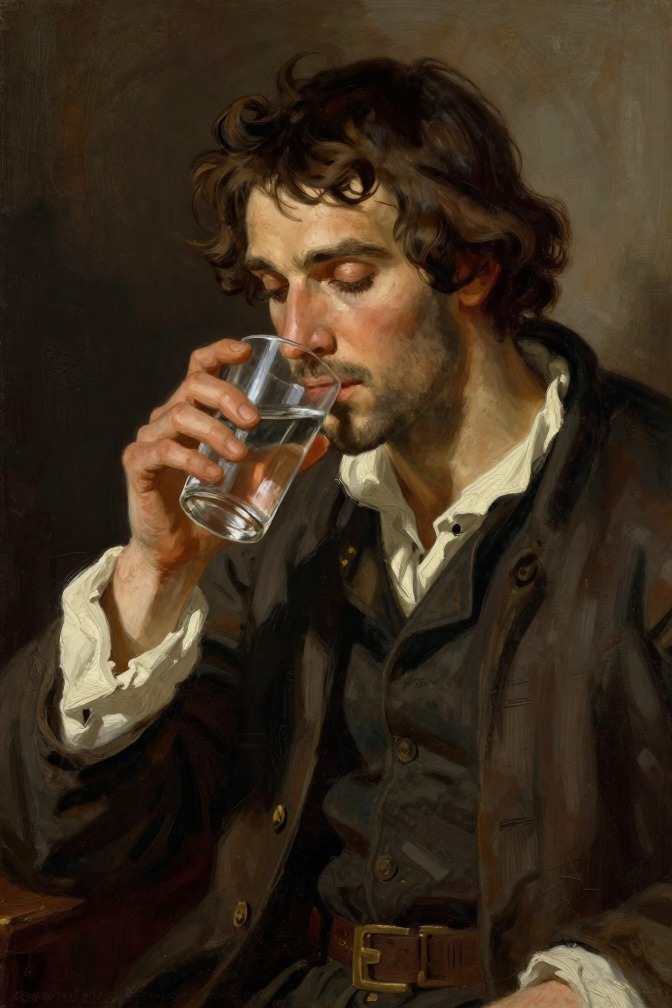
The wicked are great drinkers of water is a French proverb quoted by Gaspard Caderousse in Chapter 4 of The Count of Monte Cristo, where it serves as a sardonic toast to Edmond Dantes' health and a darkly ironic commentary on the conspiracy being hatched against him. The proverb, which inverts the biblical association of water with virtue, becomes a lens through which the novel's moral inversions and the hidden guilt of its characters are revealed.