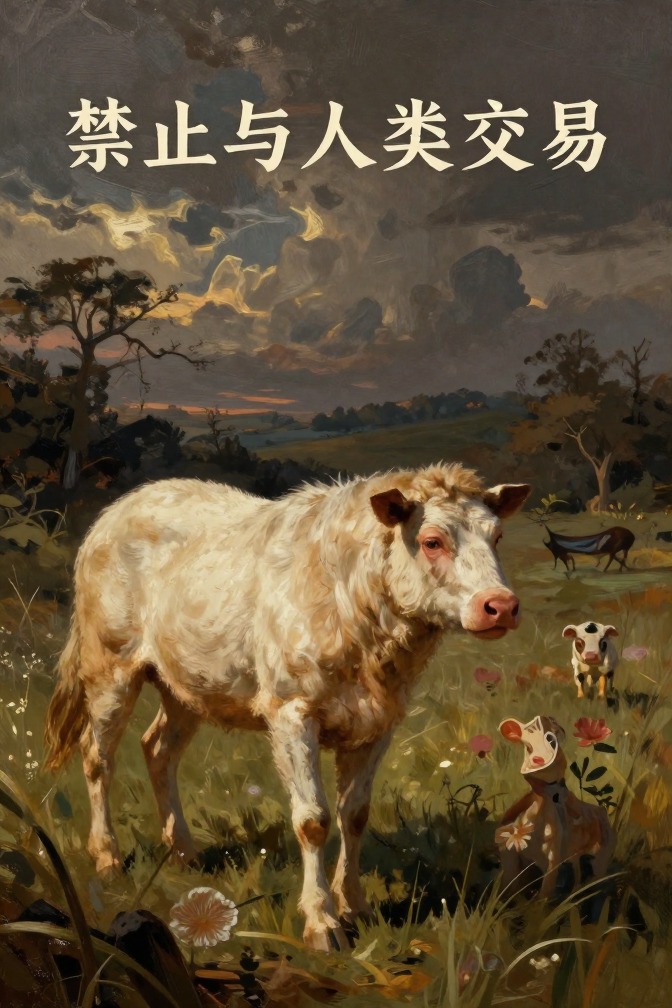
The rule 'Never have any dealings with human beings' was one of the earliest and most fundamental resolutions passed after the expulsion of Mr. Jones, embodying the core Animalist principle of complete separation from humanity. Its gradual erosion, rationalization, and eventual abandonment mark the central betrayal of the Rebellion's ideals, as the pigs first engage in trade through an intermediary, then move into the farmhouse, and finally host human farmers as equals, culminating in the restoration of the farm's original name.
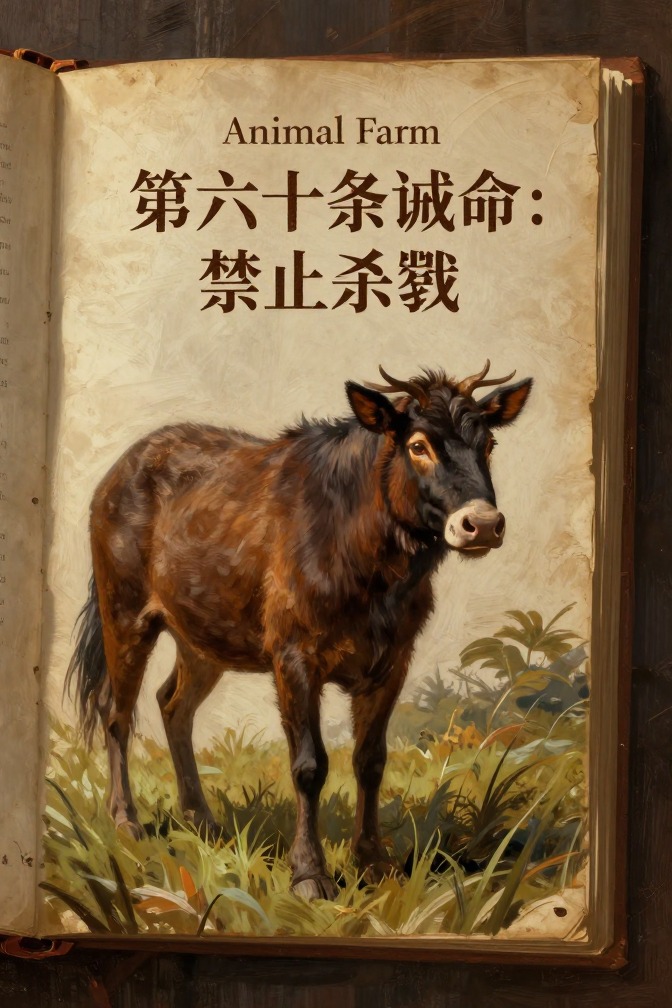
The Sixth Commandment, originally inscribed as "No animal shall kill any other animal," is one of the Seven Commandments that form the unalterable law of Animal Farm. It undergoes a crucial textual alteration after the executions of animals accused of treason, becoming "No animal shall kill any other animal WITHOUT CAUSE," a change that retroactively legitimizes the regime's violence and reveals the pigs' manipulation of the farm's founding principles.
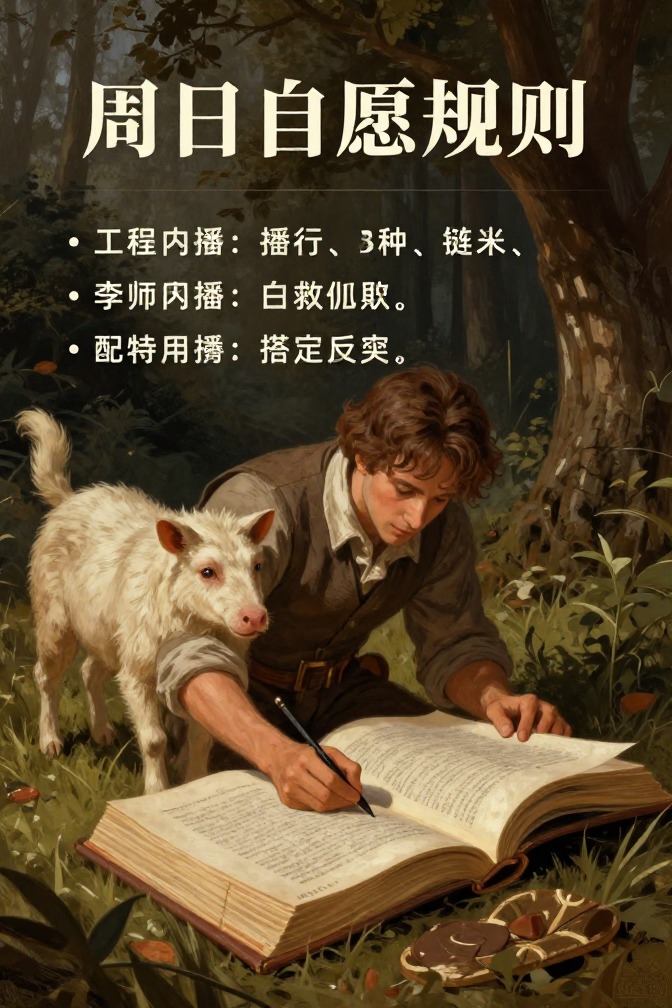
Voluntary Sunday work was a policy introduced by Napoleon in August of the first year after the Rebellion, requiring animals to work on Sunday afternoons under the threat of a half-ration penalty for absence, thereby transforming a day of rest into compulsory labor while maintaining the fiction of voluntariness.
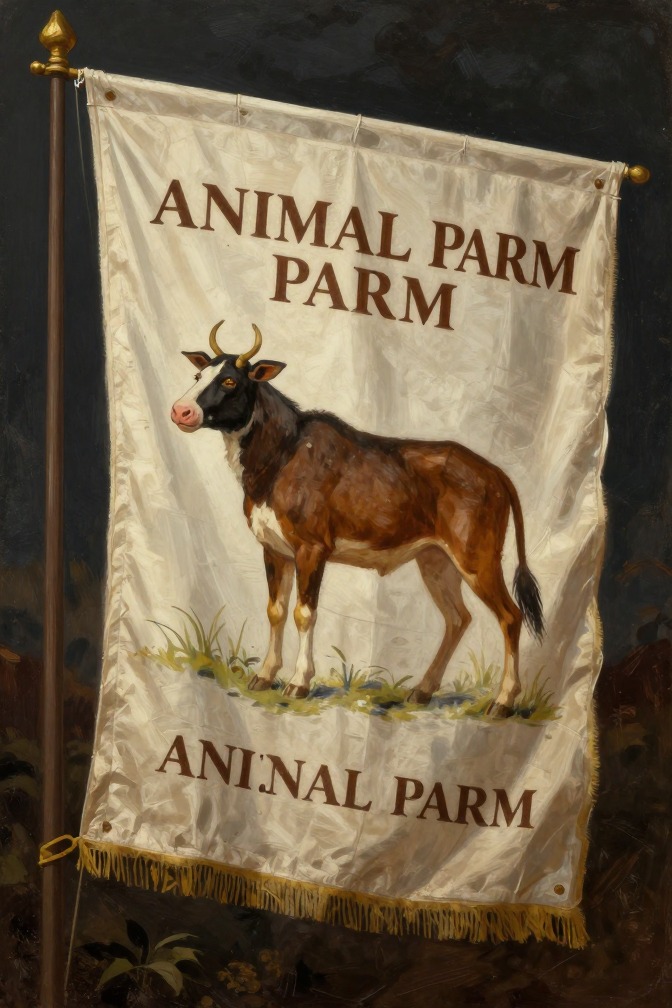
The green flag with a hoof and horn was the official emblem of Animal Farm, designed by Snowball to represent the green fields of England and the future Republic of the Animals. It was hoisted every Sunday morning in the farmhouse garden and later underwent a significant transformation: the hoof and horn were removed, and the flag became a plain green banner, symbolizing the pigs' abandonment of revolutionary ideals and their rapprochement with human society.
The abolition of 'Beasts of England' is a decisive act of ideological suppression on Animal Farm, marking the completion of the Rebellion's narrative and the consolidation of Napoleon's totalitarian control by silencing the song that embodied the animals' revolutionary hope.
The Fifth Commandment, originally inscribed as "No animal shall drink alcohol," is one of the Seven Commandments that form the unalterable law of Animal Farm. Over the course of the story, the commandment is quietly amended to "No animal shall drink alcohol TO EXCESS," a modification that allows the pigs to indulge in whisky and beer while maintaining the appearance of adherence to the original principle. This alteration exemplifies the pigs' systematic rewriting of the farm's founding laws to justify their own privileges and consolidate power.
The first of the Seven Commandments, 'Whatever goes upon two legs is an enemy,' is the foundational principle of Animalism, establishing a binary division of the world that defines all human beings as the enemy and serves as the central ideological pillar of the Rebellion.
The rule that animals must no longer address one another as "Comrade" was one of the final and most symbolic changes imposed by Napoleon, marking the complete abandonment of the revolutionary ideals of Animal Farm and the restoration of the hierarchical, human-style social order that the Rebellion had originally sought to overthrow.
The abolition of the Sunday-morning Meetings was a decisive step in Napoleon's consolidation of absolute power on Animal Farm, replacing democratic debate with top-down commands issued by a special pig committee and enforced by his dog guard.
Animal Hero, Second Class is a posthumous military decoration created by the animals of Animal Farm after the Battle of the Cowshed, awarded to a sheep killed in the battle. It is the lower of two grades of the Animal Hero medal, and its significance lies in how it is later debased: Napoleon uses the same title as a bounty for the capture of Snowball, awards it to himself, and ultimately transforms the entire honors system into a tool of personal glorification and terror.
Gatsby asks Jordan Baker to arrange a meeting with Daisy Buchanan, a pivotal action that sets the central romantic plot of the novel in motion and reveals the depth of Gatsby's five-year obsession.
Nick Carraway's decision to move East from the Middle West in the spring of 1922 sets the entire narrative of The Great Gatsby in motion, establishing him as both participant and observer in the novel's exploration of ambition, class, and disillusionment.
The death car is the yellow Rolls-Royce owned by Jay Gatsby that, driven by Daisy Buchanan on the afternoon of the confrontation at the Plaza Hotel, strikes and kills Myrtle Wilson, setting off the novel's tragic climax and becoming a symbol of the careless destruction wrought by the wealthy.
The eyes of Doctor T. J. Eckleburg are a gigantic, faded billboard advertisement in the Valley of Ashes, depicting a pair of blue eyes behind yellow spectacles that brood over the desolate landscape. They function as a recurring symbol of a morally absent, yet watchful, presence, and are interpreted by the character George Wilson as the all-seeing eyes of God.
West Egg is the less fashionable of the two 'eggs' on Long Island, a community of newly rich residents whose mansions and lavish parties stand in stark contrast to the aristocratic old-money society of East Egg. It is the home of Jay Gatsby and the narrator Nick Carraway, and serves as the primary stage for Gatsby's extravagant displays of wealth and his ultimately tragic pursuit of Daisy Buchanan.
The photograph of Dan Cody is a recurring object in Jay Gatsby's bedroom that symbolizes the formative influence of the wealthy mentor who launched Gatsby's transformation from James Gatz and represents the lost inheritance and the romanticized, violent frontier past that shaped Gatsby's identity.
The yellow car is Gatsby's cream-colored Rolls-Royce, a symbol of his wealth and the instrument of Myrtle Wilson's death. It becomes the central object in the novel's tragic climax, linking Gatsby's dream to its violent end.
The American Legion is a veterans' organization that appears in The Great Gatsby as a vehicle for Jay Gatsby's social ascent and as a marker of the institutional respectability he cultivates after World War I. Meyer Wolfsheim, Gatsby's underworld mentor, recounts how he used the Legion to legitimize the young Gatsby, helping him rise from penniless desperation to a position of standing within the organization. The Legion thus functions as a bridge between Gatsby's wartime service and his post-war transformation, a respectable front that conceals the illicit foundations of his fortune.
The Saturday Evening Post is a widely circulated American magazine that appears in The Great Gatsby as a marker of middlebrow culture and domestic leisure, read aloud by Jordan Baker in the Buchanan mansion and found in Myrtle Wilson's apartment, where it serves as a symbol of the characters' social aspirations and the pervasive influence of popular media.
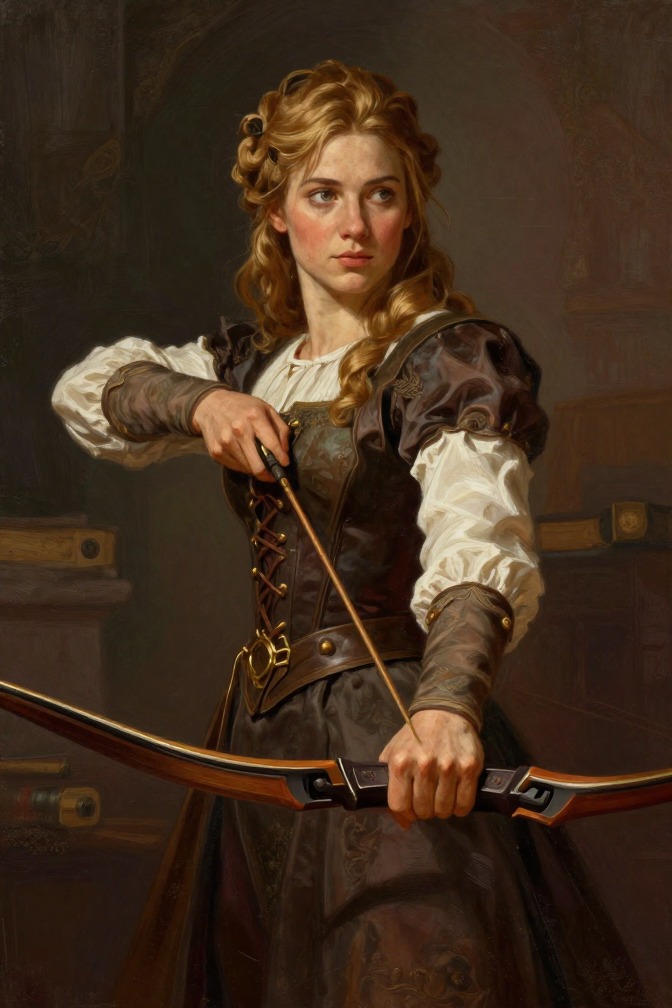
At the start of the Seventy-fourth Hunger Games, Katniss Everdeen hesitates to follow her mentor Haymitch Abernathy's instruction to flee the Cornucopia, instead positioning herself to sprint for a bow and arrows she spots in the pile of supplies. Distracted by Peeta Mellark shaking his head at her, she loses her chance to reach the weapons first and is forced to grab only a sheet of plastic and a loaf of bread before a boy from District 9 attacks her for an orange backpack. The decision defines her early strategy, leaving her without her primary weapon and forcing her into a survival mode that relies on evasion and resourcefulness until she can later acquire the bow from the dying tribute Glimmer.
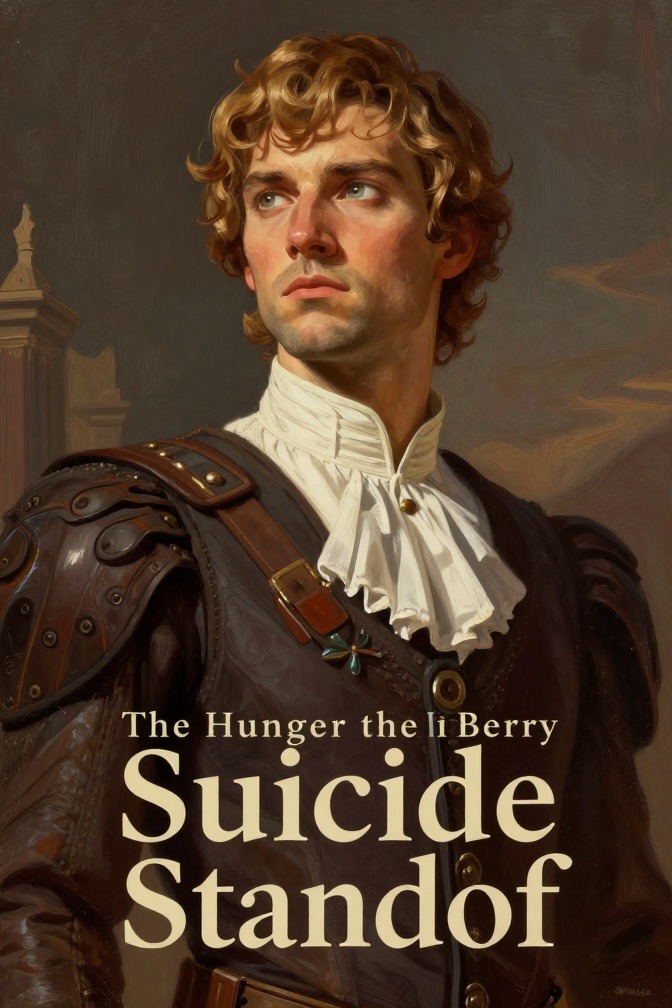
The Berry Suicide Standoff is the climactic moment of the Seventy-fourth Hunger Games, in which Katniss Everdeen and Peeta Mellark, after being told that the earlier rule allowing two victors from the same district has been revoked, threaten to eat poisonous nightlock berries together rather than kill each other. This act of joint defiance forces the Gamemakers to reverse the revocation and declare them both victors, but it also transforms them from pawns into political threats against the Capitol.
The Seal of Panem is the official emblem of the Capitol, a symbol of totalitarian authority that appears nightly in the arena to announce the death recap and enforce the regime's power over the tributes and the districts.
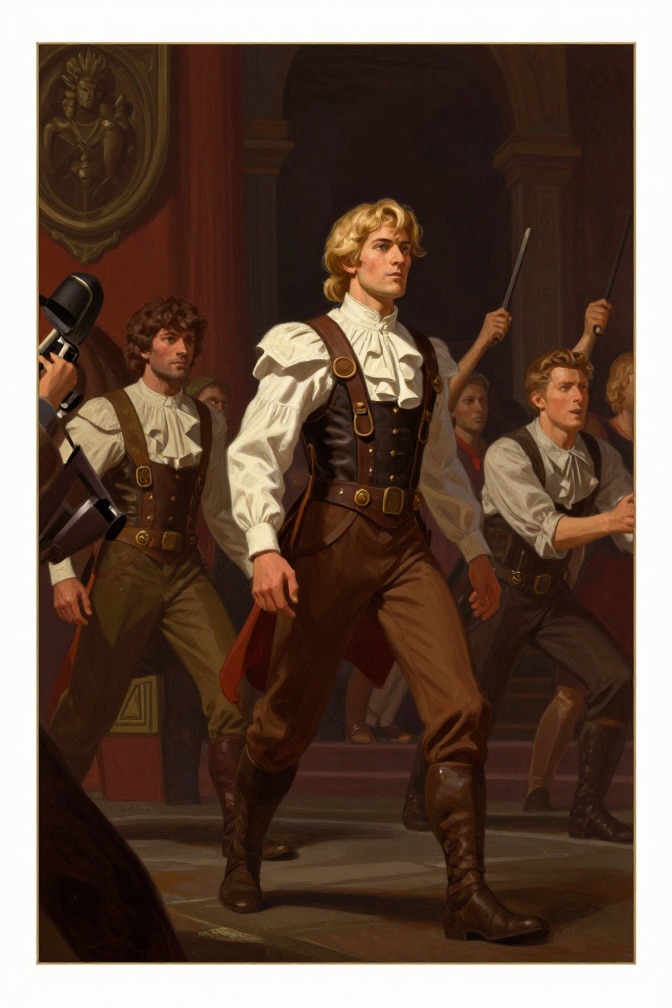
The Opening Ceremonies of the 74th Hunger Games mark the tributes' first public appearance before the citizens of the Capitol, where Katniss Everdeen and Peeta Mellark, costumed by their stylist Cinna in synthetic flames, make an unforgettable debut that transforms them from anonymous coal-district sacrifices into the star-crossed 'girl on fire' and her partner, instantly winning the crowd and setting the stage for their narrative as lovers and contenders.
The Berry Incident is the climactic act of defiance in the Seventy-fourth Hunger Games, in which Katniss Everdeen and Peeta Mellark threaten to commit suicide by eating poisonous nightlock berries rather than accept the Capitol's last-minute rule change that only one of them can survive. This staged double suicide forces the Gamemakers to reverse their decision and declare both tributes victors, but it also marks Katniss as a rebel in the eyes of President Snow, setting the stage for the political conflict that will define the rest of the series.
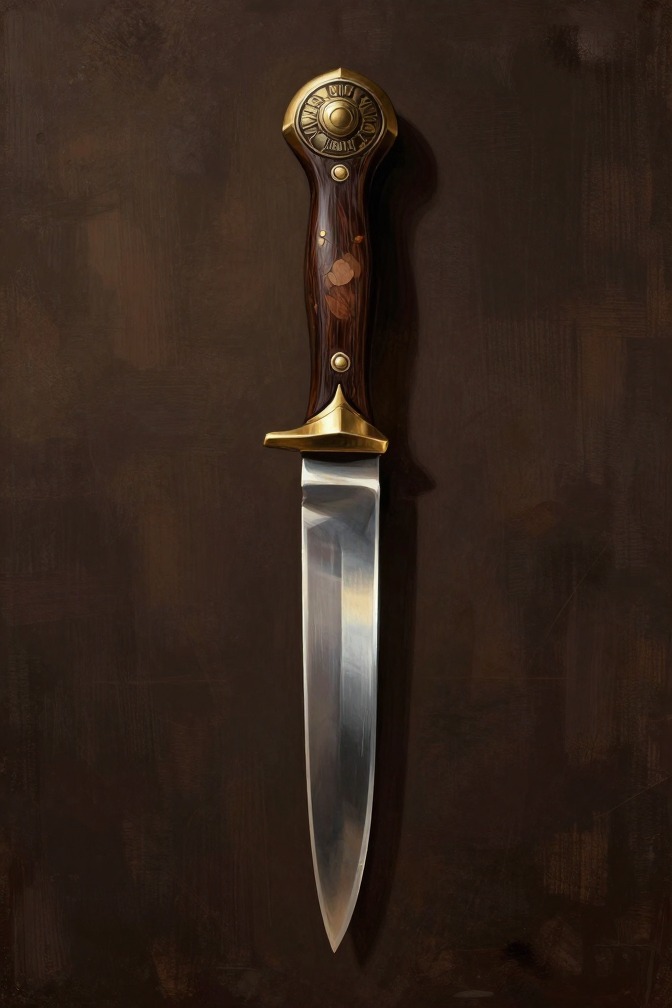
The knife is a versatile and essential tool for Katniss Everdeen throughout the Hunger Games, serving as a weapon, a survival instrument, and a symbol of her resourcefulness and defiance. From her first use of it to intimidate Haymitch to its role in the final confrontation with Cato, the knife repeatedly proves its value in a world where every object can mean the difference between life and death.
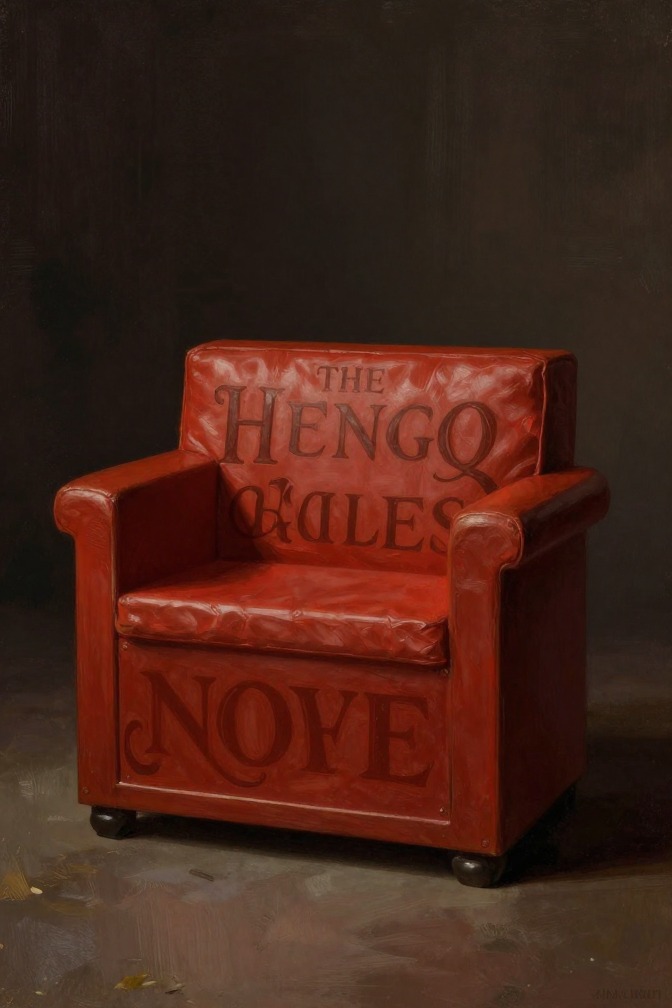
The love seat is a small, plush red velvet couch that appears in the final phase of the Seventy-fourth Hunger Games, serving as the victor's seat for the unprecedented dual winners Katniss Everdeen and Peeta Mellark. Its introduction by the Gamemakers marks a deliberate shift in the Games' staging, transforming the traditional solitary victor's throne into an intimate space that reinforces the star-crossed lovers narrative the Capitol has chosen to promote. The love seat becomes a charged symbol of the fragile alliance between the two tributes, the audience's emotional investment in their romance, and the political tightrope they must walk to survive the Capitol's wrath after their defiant berry stunt.
The Orange Backpack is a critical piece of survival gear that Katniss Everdeen retrieves during the initial bloodbath of the Seventy-fourth Hunger Games, and its contents—including a sleeping bag, water bottle, and medical supplies—become essential to her survival and her ability to care for Peeta Mellark.
The Reaping Balls are the two large glass spheres used in the annual Reaping ceremony in District 12, one for boys and one for girls, containing the paper slips with the names of all eligible tributes aged twelve to eighteen. They are the central physical mechanism of the Hunger Games' selection process, embodying the Capitol's control over the districts and the cruel lottery that determines which children will be forced to fight to the death.
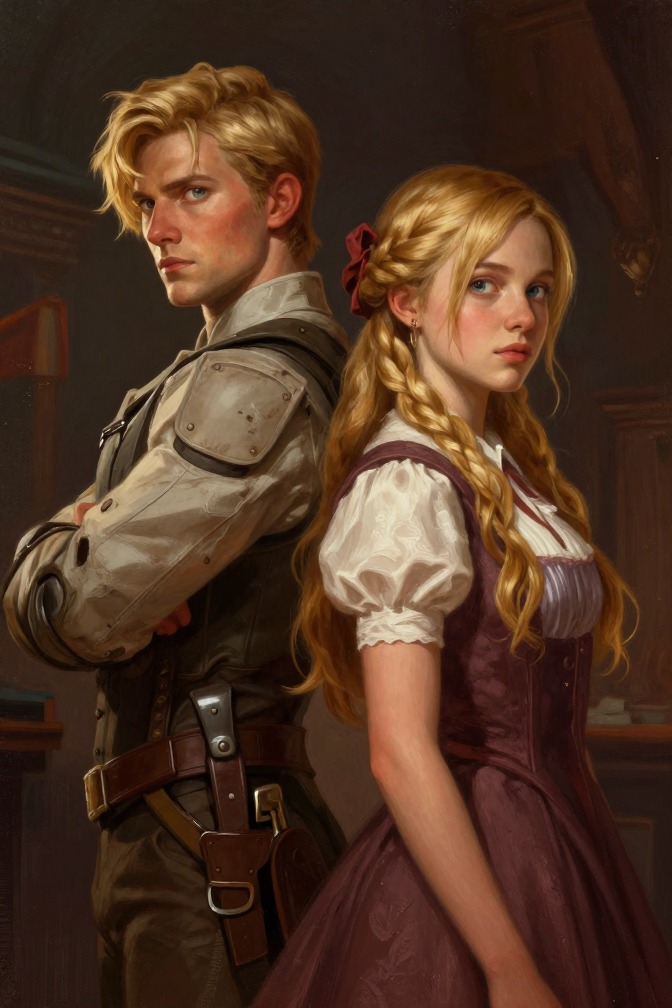
Katniss and Peeta's relationship is the emotional and strategic core of the Seventy-fourth Hunger Games, evolving from a childhood debt of bread into a public performance of star-crossed love that ultimately becomes a weapon of defiance against the Capitol. Their bond, initially a survival tactic orchestrated by their mentor Haymitch, deepens through shared trauma, mutual rescue, and a final, desperate act of rebellion with nightlock berries that forces the Gamemakers to declare them co-victors.
The bond between Katniss Everdeen and her younger sister Primrose is the emotional core of The Hunger Games, driving Katniss's decision to volunteer as tribute and shaping her every action in the arena. This relationship is defined by Katniss's fierce, protective love, her role as the family's provider after their father's death, and her desperate determination to keep Prim safe from the Capitol's brutality.