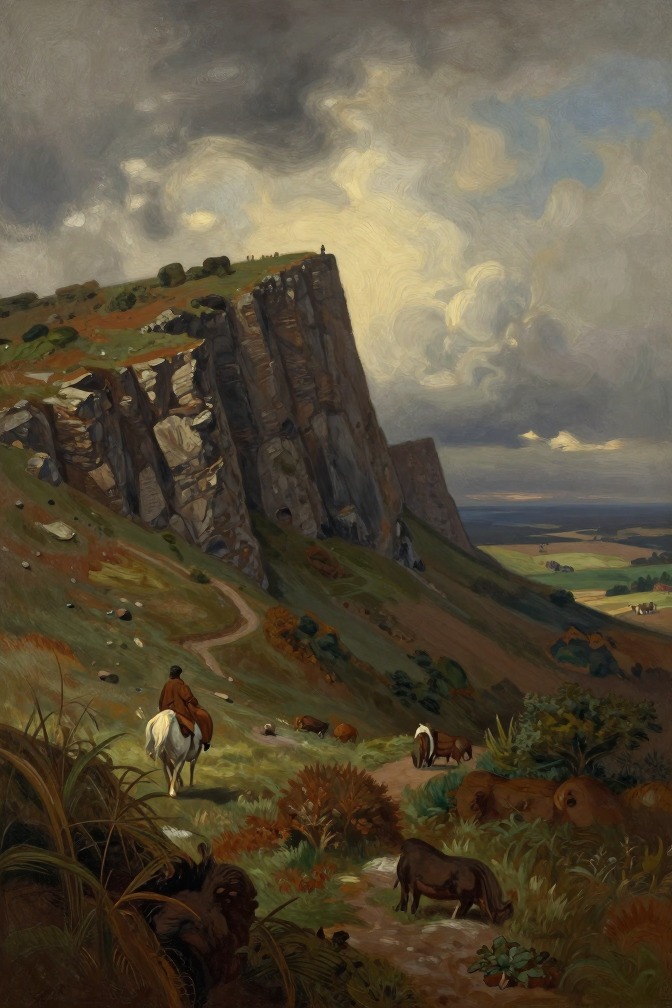
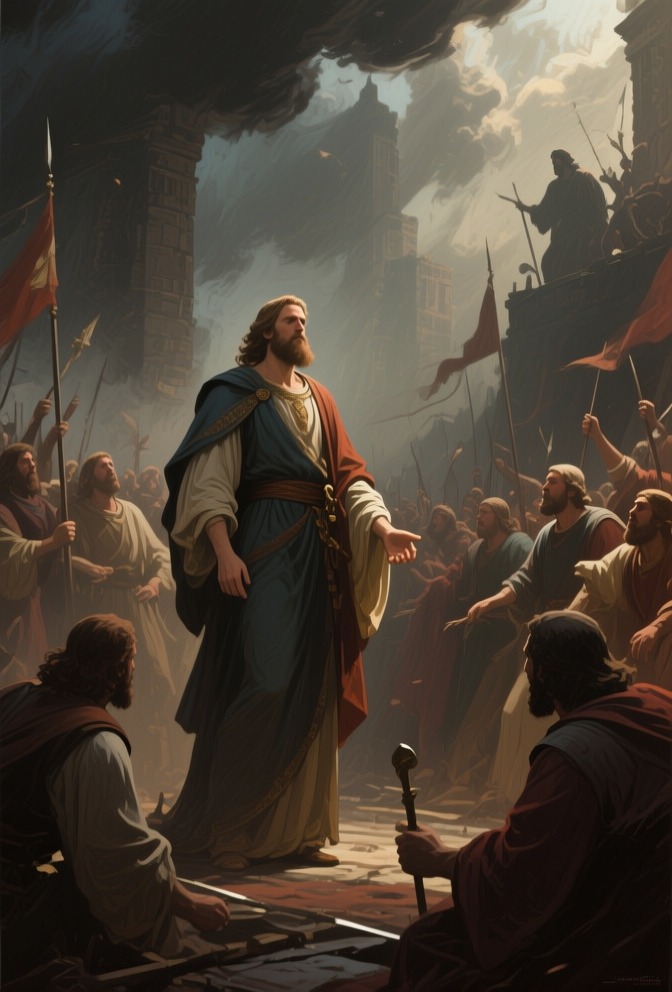
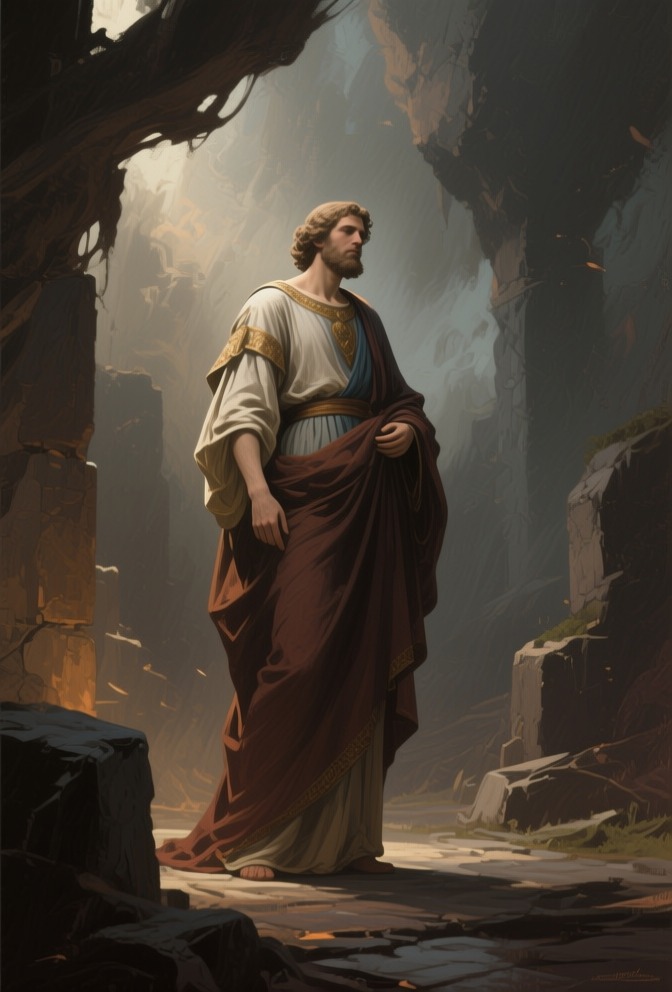
Penistone Crags is a dramatic geological formation on the Yorkshire moors near Wuthering Heights, serving as a boundary marker between the wild Earnshaw domain and the civilized Linton world, and as a site of childhood adventure, romantic longing, and symbolic confrontation between the novel's central characters across two generations.
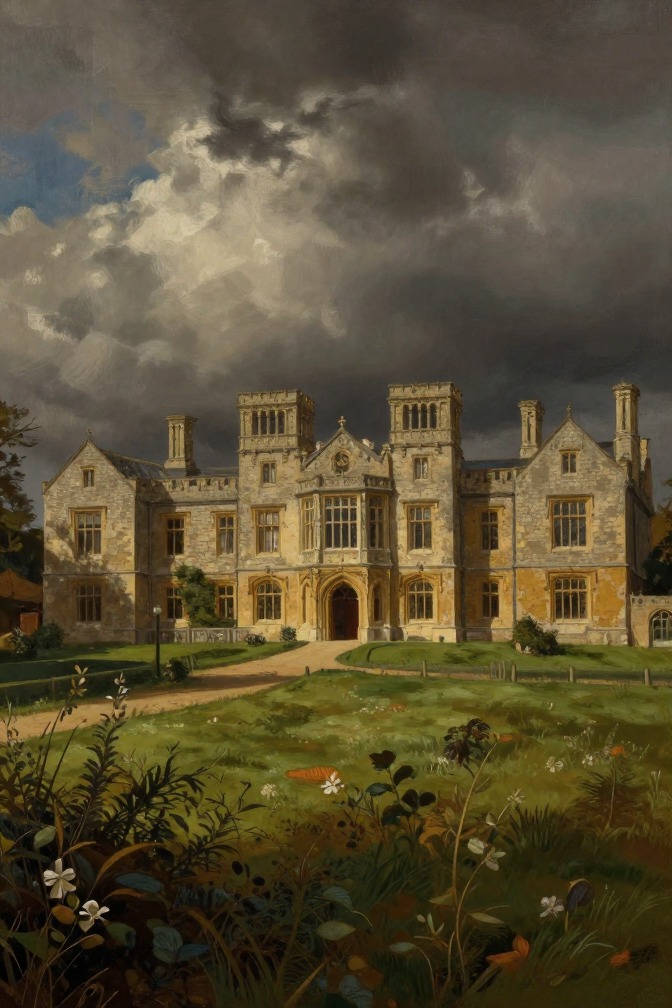
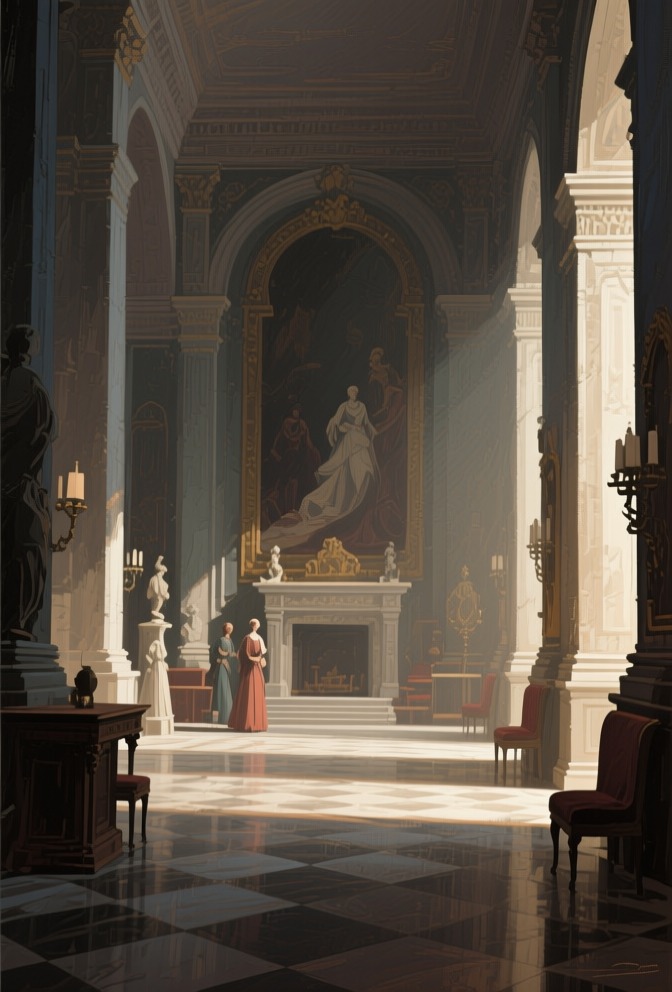
Thrushcross Grange is the elegant, sheltered estate that stands in stark contrast to the wild Wuthering Heights, serving as the primary residence of the Linton family and later as the home of the younger Catherine. Its refined atmosphere and domestic peace represent the civilized world that both attracts and confines the characters, and its fate becomes a central prize in Heathcliff's revenge.
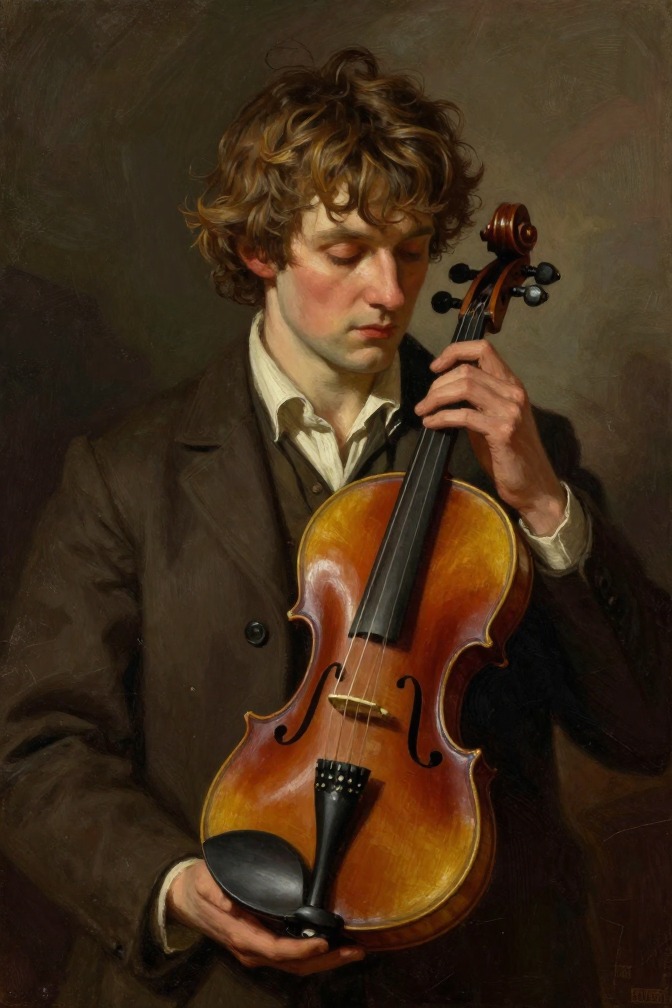
Hindley's fiddle is a symbol of lost childhood, thwarted expectation, and the deep-seated resentments that fester within the Earnshaw family, its destruction marking the first overt act of cruelty between the children and foreshadowing the cycle of revenge that consumes the household.
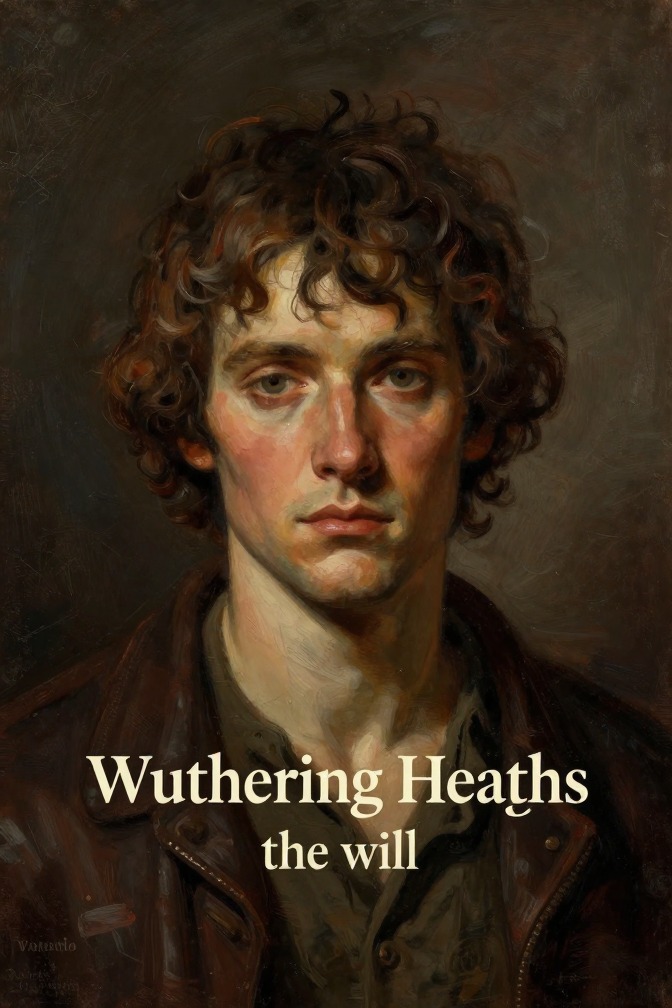
The will is a legal document that becomes a central instrument of Heathcliff's revenge, determining the inheritance of Thrushcross Grange and Wuthering Heights. Edgar Linton's attempt to protect his daughter Catherine by altering his will is thwarted by Heathcliff's manipulation of Linton Heathcliff's will, which transfers all property to Heathcliff and leaves Catherine destitute and trapped at Wuthering Heights.
The year 1500, carved above the principal door of Wuthering Heights, marks the construction date of the house and anchors the Earnshaw family's ancient lineage, serving as a silent witness to the novel's cycles of violence, love, and decay.
Michaelmas, the feast of St. Michael the Archangel on September 29, marks a seasonal turning point in the narrative of Wuthering Heights, serving as the temporal boundary after which Edgar Linton's health declines irreversibly and the final phase of the story's tragedy accelerates.
New Year's Day in Wuthering Heights marks the planned wedding of Hareton Earnshaw and Catherine Linton, a union that Nelly Dean celebrates as the culmination of her hopes and the restoration of peace to the two households.
The First Day of Casualties marks the arrival of wounded soldiers from the Dunkirk evacuation at St. Thomas's Hospital, where Briony Tallis, now a probationer nurse, confronts the brutal reality of war and her own inadequacy, forcing her to mature rapidly and setting the stage for her later attempts at atonement.
In a bar in Bray Dunes during the chaotic retreat to Dunkirk, Corporal Mace rescues a terrified RAF man from a lynch mob of soldiers by pretending to carry him off to drown him, then running him to safety through a side street.
The Final Decision is the culminating act of Briony Tallis's lifelong attempt at atonement: her choice, in the final draft of her novel written in old age, to give Robbie Turner and Cecilia Tallis a happy ending, uniting them in love despite the historical truth of their separate deaths. This decision, made in the face of her own impending dementia and the legal impossibility of publishing the true story while the Marshalls lived, transforms her novel from a confession into a deliberate act of imaginative grace, a final kindness that acknowledges the limits of forgiveness while asserting the power of fiction to defy oblivion.
The rehearsal of Briony Tallis's play The Trials of Arabella, intended as a grand welcome for her brother Leon, collapses under the weight of her cousins' resistance, Lola Quincey's usurpation of the lead role, and the twins' incompetence, exposing Briony's loss of control over her artistic vision and foreshadowing the catastrophic misunderstandings to come.
The hospital in Ian McEwan's Atonement is a complex, multi-layered setting that functions as a site of both physical healing and moral reckoning. It is primarily represented by St. Thomas's Hospital in London, where Briony Tallis undergoes her nursing training and confronts the human cost of war, and where the novel's themes of guilt, atonement, and the fragility of memory are brought to a devastating climax.
The assault on Lola Quincey is the pivotal crime of the novel, a rape committed by Paul Marshall on the island of the Tallis estate during the chaotic search for the runaway twins, which Briony Tallis misidentifies as the work of Robbie Turner, setting in motion the false accusation that destroys his life.
Briony Tallis, now a trainee nurse, travels to Balham to apologize to her sister Cecilia and Robbie Turner for her false accusation five years earlier, but the meeting is marked by Cecilia's cold refusal to forgive and Robbie's barely contained rage, and ends with Briony being given a list of practical tasks to begin making amends.
Briony Tallis's nursing training at St. Thomas's Hospital during the early years of World War II represents a period of intense personal transformation, self-imposed penance, and professional awakening. Driven by guilt over her false accusation of Robbie Turner, Briony abandons her literary ambitions and a place at Cambridge to submit herself to the harsh discipline of nursing, a choice that strips her of identity, confronts her with the brutal realities of war, and ultimately provides the moral and experiential foundation for her lifelong attempt at atonement through writing.
This phrase, which Briony Tallis reflects upon after receiving Cyril Connolly's rejection of her novella Two Figures by a Fountain, crystallizes the central moral and artistic failure of her life: the evasions of her fiction mirror the evasions of her life, and both are attempts to avoid confronting the truth of her false accusation against Robbie Turner.
The quiet corner in a library is a coded phrase used by Cecilia Tallis and Robbie Turner in their letters during his imprisonment to refer to their sexual encounter in the Tallis library, serving as a private symbol of their love and a means of maintaining intimacy under censorship.
All Souls College, Oxford, is the academic refuge of Cecil Quincey, the meek and evasive father of Lola, Jackson, and Pierrot, who flees his bitter domestic civil war to the safety of the college, and it later serves as the symbolic sanctuary from which he emerges only briefly to give away his daughter Lola at her wedding to Paul Marshall.
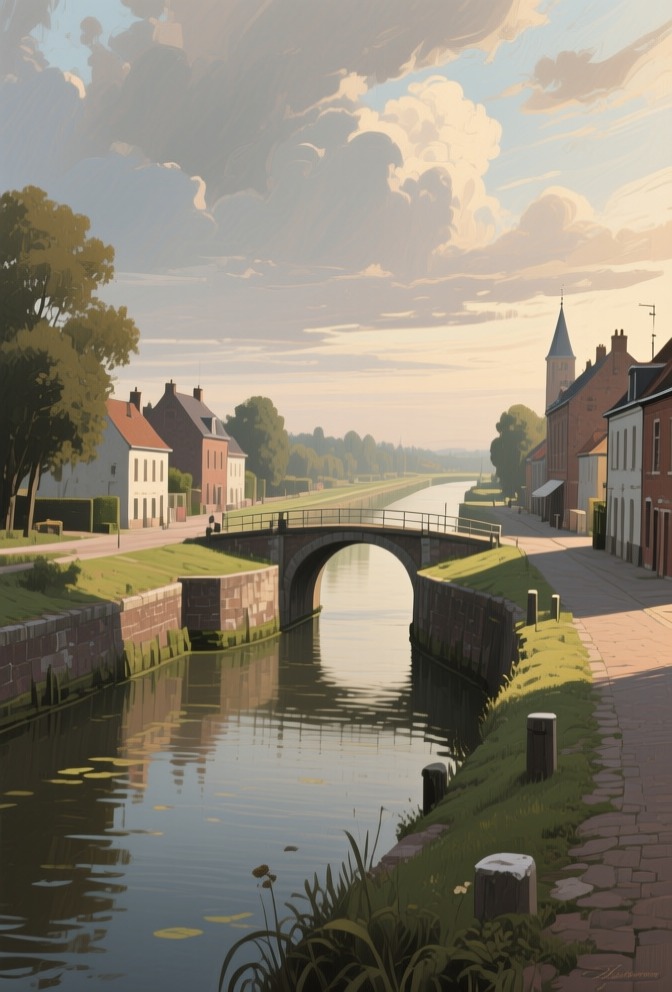
The Bergues-Furnes Canal is the final defensive line before Dunkirk, the last physical barrier between the retreating British Expeditionary Force and the evacuation beaches. It is the point at which Robbie Turner, Corporal Mace, and Corporal Nettle cross from the chaos of the routed army into the organized perimeter held by the Coldstream Guards, and it marks the transition from the open road to the narrowing corridor of escape.
Holy Trinity Church, Clapham Common, is the site of the wedding of Lola Quincey and Paul Marshall in 1940, a ceremony that Briony Tallis attends uninvited and that seals the couple's lifelong silence about the true identity of Lola's attacker.
St. James's Park is the London park where Briony Tallis and her fellow probationer nurse Fiona spend a rare half-day off in May 1940, shortly before the first casualties from Dunkirk arrive at St. Thomas's Hospital. The visit marks a temporary respite from the hospital's oppressive routine and the mounting national crisis, but it also becomes the setting for Briony's deepening guilt and her first clear confrontation with the possibility that Robbie Turner may have been killed in France.
The Cellar is the bombed-out basement of a house in Bray Dunes where Robbie Turner, Corporal Mace, and Corporal Nettle shelter on the night of May 31, 1940, during the final stage of the retreat to Dunkirk. It is the site of Robbie's physical and psychological nadir—feverish, wounded, and tormented by memories of prison and the war—and the place where he receives the news that the navy has returned and evacuation is imminent, a turning point that reconnects him to the hope of survival and reunion with Cecilia.
The River is a central location on the Tallis estate, serving as the site of a formative swimming lesson between Robbie Turner and a young Briony Tallis in June 1932, and later as a recurring symbol of memory, trauma, and the natural world's indifference to human suffering.
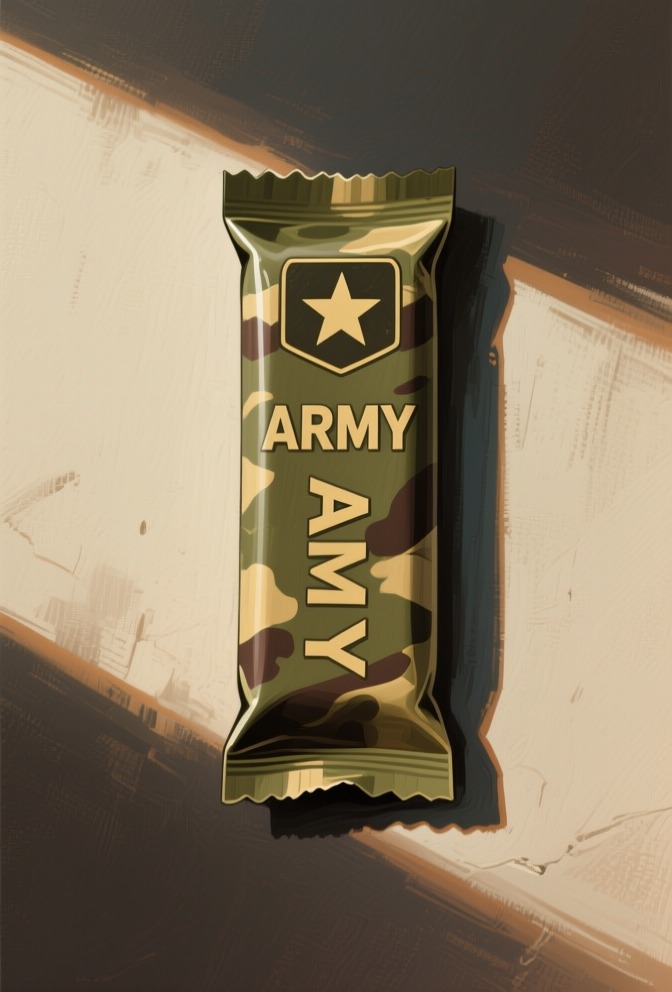
The Army Amo bar is a khaki-colored chocolate ration designed by Paul Marshall for the British Army, intended to become standard-issue in every soldier's kit bag and symbolizing the intersection of capitalist ambition, military preparedness, and the moral blindness of the pre-war establishment.
The Meissen vase, a priceless 18th-century porcelain piece painted by Johann Gregorius Höroldt and once owned by King August of Poland, is a central object in the novel, serving as a catalyst for the pivotal confrontation between Cecilia Tallis and Robbie Turner. Its accidental breaking at the Triton fountain triggers a series of events that expose the simmering tensions between the two characters and ultimately contribute to the tragic misunderstanding that shapes the rest of the narrative.
Robbie Turner's map is a rear-area military map he acquires from a dead captain during the retreat to Dunkirk, which becomes his sole navigational aid, a symbol of his desperate hope for survival, and a recurring object that anchors his fragmented consciousness amid the chaos of war.
The British Army is the land warfare force of the United Kingdom, and in Atonement it is the institution that absorbs Robbie Turner after his release from prison and sends him to France, where he participates in the disastrous retreat to Dunkirk in 1940. The army's rigid hierarchy, its capacity for both brutal discipline and chaotic collapse, and its role as the instrument of a failing campaign shape Robbie's experience of war and deepen the novel's exploration of class, guilt, and survival.
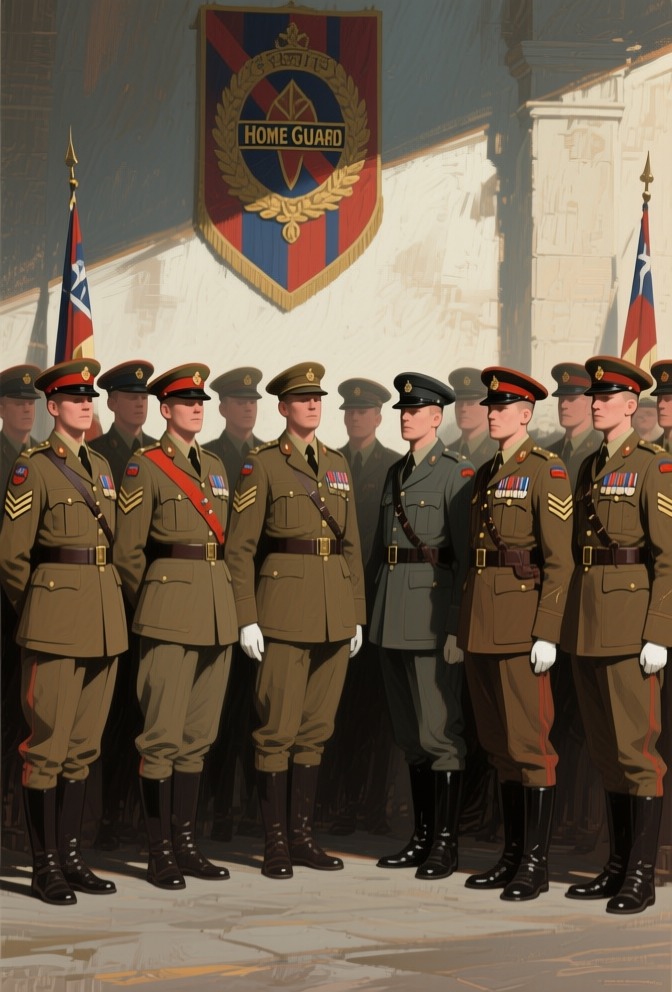
The Home Guard, initially known as the Local Defence Volunteers, appears in the novel as a hastily assembled, ill-equipped, and often absurd force of older men and those not in active service, tasked with home defense during the imminent threat of German invasion in 1940. Its presence underscores the desperation and amateurishness of Britain's preparations, contrasting sharply with the professional military's chaos at Dunkirk and serving as a symbol of a nation bracing for a last stand.
Briony Tallis and Lola Quincey are cousins whose relationship during the summer of 1935 is defined by a destructive complicity: Briony's naive certainty and Lola's silent acquiescence combine to falsely accuse Robbie Turner of a crime he did not commit, an act that shapes the rest of their lives.
Leon Tallis and Cecilia Tallis share a close, affectionate sibling bond marked by shared childhood rituals, mutual teasing, and deep loyalty, but their relationship is strained by Cecilia's romantic involvement with Robbie Turner and the family's role in his wrongful imprisonment, leading to a painful estrangement that Cecilia ultimately breaks by refusing all contact with her family.