The password system in *The Three Musketeers* is a recurring narrative device that governs secret communication, identity verification, and safe passage across the novel's political and romantic intrigues, functioning as both a practical tool of espionage and a symbolic marker of trust and allegiance.
The Musketeers' oath, "All for one, one for all," is the foundational bond of the four friends, sworn in d'Artagnan's Paris apartment immediately after they decide to stand together against Cardinal Richelieu. It transforms a casual alliance into a sacred pact of mutual defense and shared destiny, defining their actions for the rest of the novel.
Court etiquette in Alexandre Dumas's *The Three Musketeers* is not a mere backdrop of bows and titles but a high-stakes performance that governs access to power, determines the outcome of political and romantic intrigues, and serves as a weapon wielded by the powerful to humiliate, test, and control those around them. The novel repeatedly demonstrates that a breach of etiquette—a misplaced word, a forgotten curtsy, or an unauthorized glance—can carry consequences as grave as a sword thrust, while a masterful command of its forms can open doors otherwise barred.
Captivity is a recurring state in The Three Musketeers, most notably experienced by Milady de Winter, who is imprisoned by her brother-in-law Lord de Winter in a castle near Portsmouth. Her confinement is marked by psychological manipulation, physical restraint, and a desperate struggle for freedom that ultimately leads to her escape and the assassination of the Duke of Buckingham.
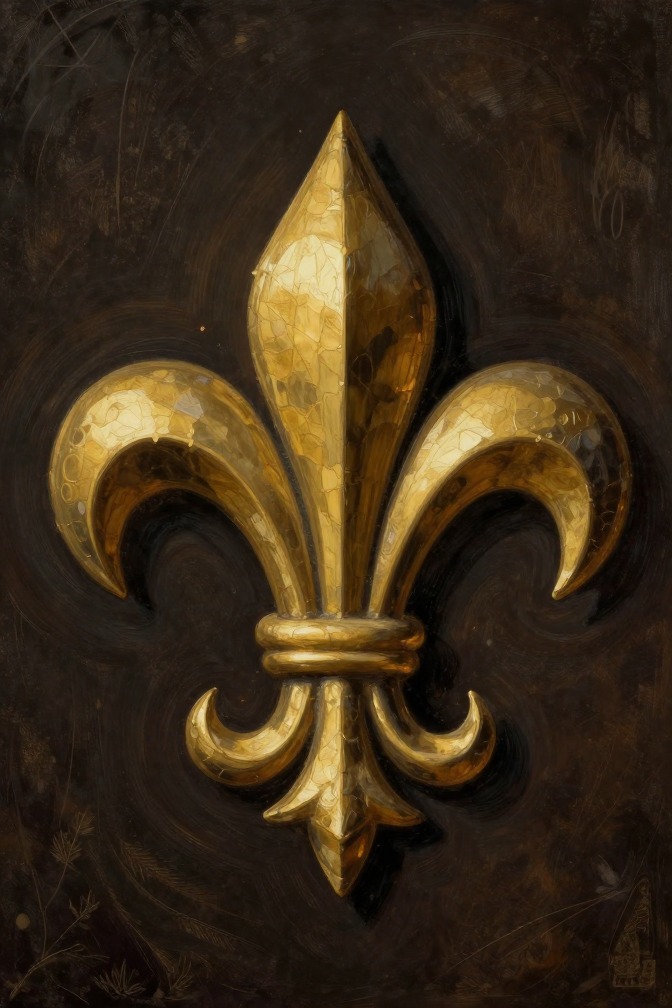
The Fleur-de-lis Brand is a physical mark of infamy that functions as the novel's central symbol of hidden guilt, irrevocable judgment, and the violent revelation of truth. Branded on the left shoulder of Milady de Winter, it is the secret that binds her to Athos, drives the plot's most dramatic confrontations, and ultimately justifies her execution.
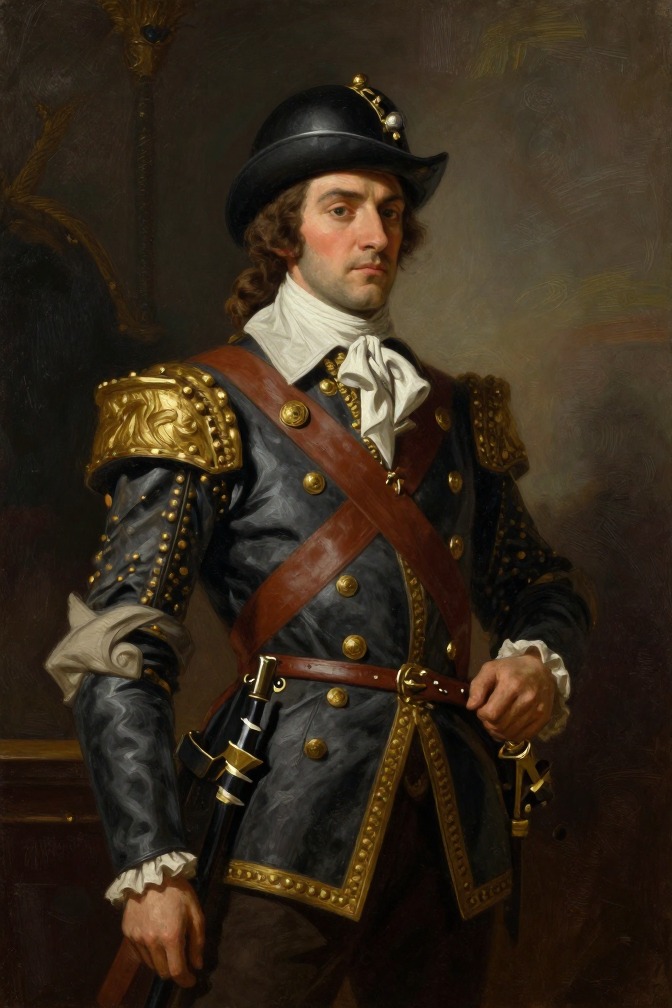
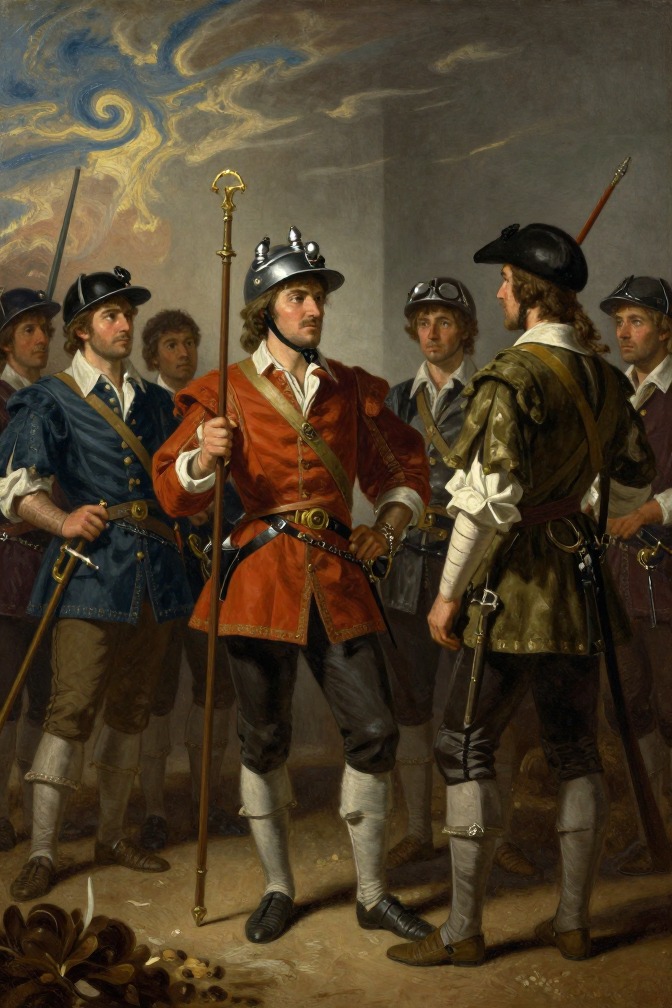
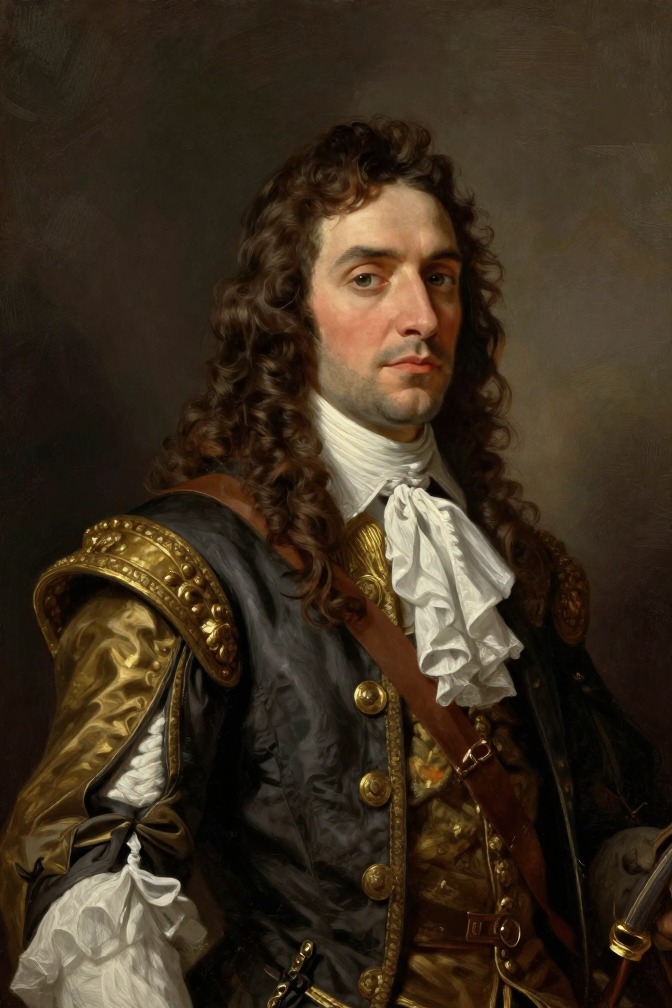
The Musketeer is the central military and social identity in Alexandre Dumas's *The Three Musketeers*, representing an elite corps of the king's personal guard whose members are defined by their courage, loyalty, and fierce independence. The novel traces the journey of d'Artagnan, a young Gascon, as he aspires to join this prestigious company, ultimately achieving his goal through a series of trials that test his bravery, honor, and friendship. The Musketeer identity is not merely a uniform but a code of conduct that shapes the characters' actions and destinies throughout the narrative.
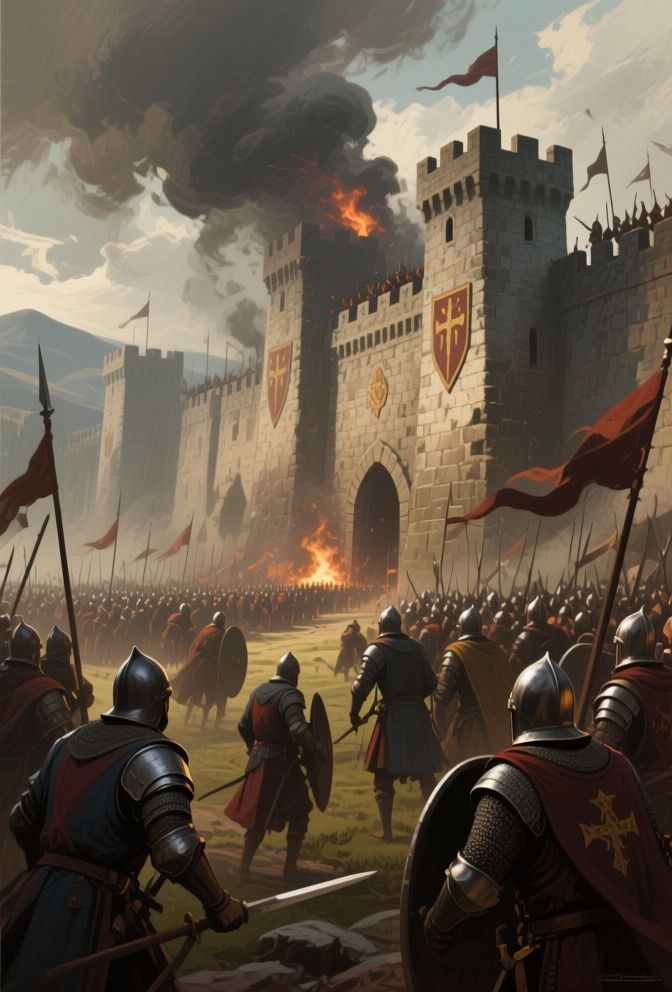
The Siege of La Rochelle (1627–1628) is the climactic military and political event of Alexandre Dumas's *The Three Musketeers*, serving as the backdrop against which the novel's personal vendettas, court intrigues, and the final confrontation between Cardinal Richelieu and the Duke of Buckingham unfold. It is not merely a historical setting but a narrative engine that drives the fates of the four friends, tests their loyalties, and provides the stage for the assassination of Buckingham and the poisoning of Constance Bonacieux.
December 3, 1627, is the date on which Cardinal Richelieu signed the carte blanche that Milady de Winter used to authorize her crimes, and which Athos later seized from her to protect d'Artagnan and his friends. This single date anchors two of the novel's most critical turning points: the cardinal's written grant of impunity to his agent, and the document's subsequent use as a shield against the very power that issued it.
Syrio Forel, the Braavosi former First Sword of the Sealord who serves as Arya Stark's dancing master, sacrifices himself in a desperate rearguard action against Ser Meryn Trant and five Lannister guardsmen, buying Arya precious seconds to escape the Red Keep after the coup that arrests her father. His stand—armed only with a wooden practice sword against armored, steel-wielding opponents—transforms a routine lesson into a defining moment of courage, loyalty, and the water dancer's philosophy, and his probable death marks the violent end of Arya's childhood innocence and the beginning of her fugitive existence.
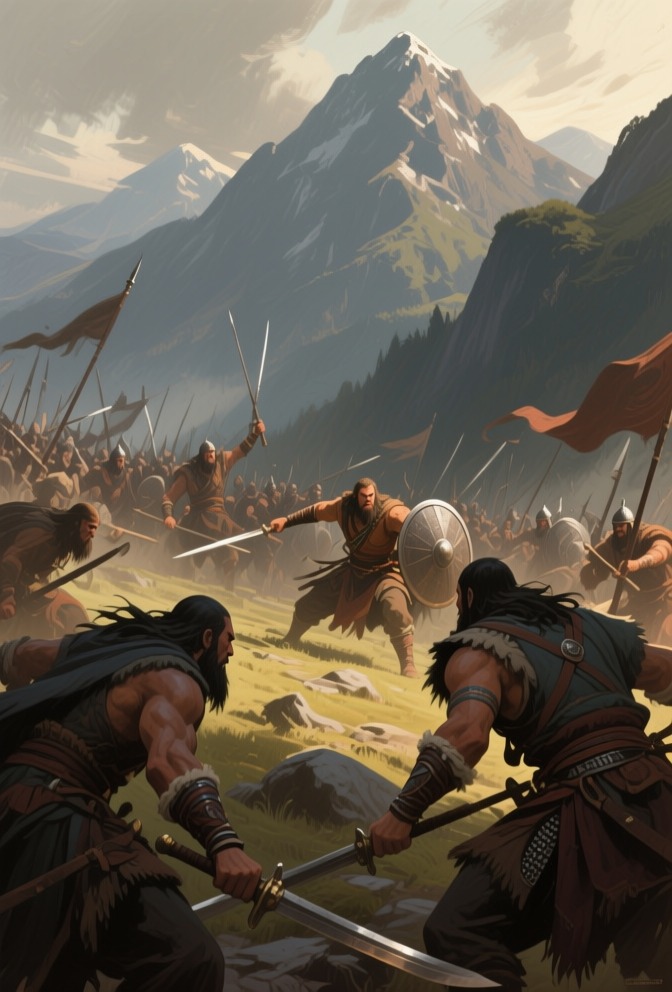
The mountain clan attack is a sudden, brutal ambush on the high road of the Mountains of the Moon that forces Tyrion Lannister, Catelyn Stark, and their party into a desperate fight for survival, transforming Tyrion from a helpless captive into a blooded warrior and reshaping the power dynamics within the group.
In the throne room of the Red Keep, Eddard Stark attempts to assert his authority as Lord Protector by reading Robert Baratheon's final decree, only to be betrayed by Janos Slynt and the City Watch, who turn their spears on his men at Cersei Lannister's command. The ensuing slaughter leaves Stark's household guard dead or dying, and Eddard himself is taken prisoner, marking the decisive collapse of Stark power in King's Landing and the beginning of the Lannister coup.
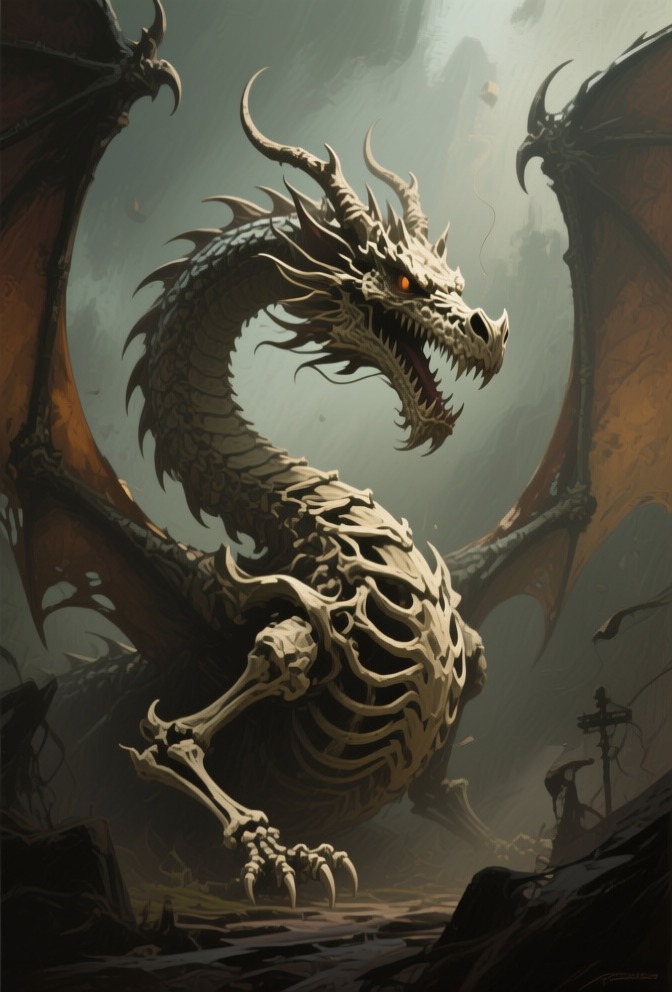
Dragonbone is a rare and highly prized material in the world of A Song of Ice and Fire, known for its unique properties of being strong as steel yet lighter and more flexible, and utterly impervious to fire. It is the skeletal remains of dragons, and its most famous use is in the crafting of powerful bows, greatly valued by the Dothraki, though it also appears in the hilts of daggers and other items, often associated with wealth, power, and the lost magic of the Targaryen dynasty.
The Hand of the King is the second-most powerful person in the Seven Kingdoms, serving as the king's chief advisor, commander, and administrator, a role that carries immense authority but also exposes its holder to lethal political danger.
The Imp is the mocking nickname given to Tyrion Lannister, a dwarf of House Lannister whose sharp wit, intelligence, and physical deformity set him apart from his powerful family and make him one of the most complex and compelling figures in the Seven Kingdoms.
The sky cells are the unique and terrifying dungeons of the Eyrie, the mountain fortress of House Arryn. Carved into the mountain's peak, these open-air cells are defined by their lack of a fourth wall, a sheer drop of six hundred feet to the rocks below, and a deliberately sloped floor designed to drive prisoners mad with fear. They represent the Arryns' cruel and absolute justice, a place where the only escape is a fatal fall, and their psychological torment is as potent as any physical restraint.
King Robert Baratheon dies from a mortal wound inflicted by a wild boar during a hunt in the kingswood, an event that triggers a succession crisis and the fall of Eddard Stark.
The Siege of Riverrun is a pivotal military event in the early phase of the Stark-Lannister war, where Jaime Lannister's besieging army is decisively broken by the combined forces of Robb Stark and the Tullys, leading to Jaime's capture and the liberation of Riverrun.
The Coup at the Iron Throne is the decisive moment when Cersei Lannister, with the collusion of Janos Slynt and Petyr Baelish, seizes power in King's Landing immediately after King Robert's death, arresting Eddard Stark and slaughtering his household guard to secure Joffrey's succession.
King Robert Baratheon's arrival at Winterfell with his queen, children, and a vast retinue sets in motion the central political crisis of the novel. The visit is ostensibly a friendly call on his old comrade Eddard Stark, but Robert's true purpose is to offer Ned the position of Hand of the King, a role that will drag the honorable Lord of Winterfell into the lethal intrigues of the southern court and ultimately lead to his downfall.
Bran Stark's question to his father Eddard Stark—"Can a man still be brave if he's afraid?"—and Eddard's reply—"That is the only time a man can be brave"—form the moral and psychological keystone of A Game of Thrones. The exchange, which occurs on the ride back from the execution of a Night's Watch deserter, distills the book's central tension between fear and duty, and the line is later echoed in Bran's coma dream, in Arya's darkest moments, and in Sansa's trauma, making it the story's most quoted definition of courage.
Mirri Maz Duur's curse, spoken to Daenerys Targaryen after the failed blood magic ritual, lays out the impossible conditions under which Khal Drogo will return to his former self. It functions as a definitive statement of irreversible loss, marking the end of Daenerys's hope for a life with Drogo and the beginning of her transformation into a leader.
The Kingswood is the vast royal forest south of King's Landing, a setting for King Robert Baratheon's fatal boar hunt and a recurring symbol of the crown's decay and the realm's instability.
Needle is the slender Braavosi-style sword Jon Snow gives to his sister Arya Stark as a farewell gift before he leaves for the Wall, a weapon that becomes her most treasured possession and a symbol of her defiance against the roles expected of a highborn lady.
The betrothal of Lyanna Stark to Robert Baratheon was a political alliance arranged by their families, intended to unite the houses of Stark and Baratheon. The engagement was a central element in the backstory of Robert's Rebellion, as Lyanna's subsequent abduction by Prince Rhaegar Targaryen—or her elopement with him—became the catalyst for the war that overthrew the Targaryen dynasty. The broken betrothal left Robert Baratheon with a lifelong, obsessive grief that shaped his reign and his relationships, particularly with his wife Cersei Lannister and his friend Eddard Stark.
The Tully-Arryn alliance, forged through the marriage of Catelyn Stark's sister Lysa Tully to Lord Jon Arryn of the Eyrie, is a foundational political bond that shapes the opening conflicts of the book. This union links the great houses of the riverlands and the Vale, creating a network of loyalty that Catelyn later tries to activate when she suspects the Lannisters of murdering Jon Arryn and threatening her family. The alliance proves brittle, however, as Lysa's fear and isolationism prevent the Vale from joining the Stark-Tully war effort, leaving Catelyn without the military support she had counted on.
The Dothraki do not build, a cultural rule that defines their nomadic identity and distinguishes them from the settled peoples they conquer. This principle is explicitly stated by Ser Jorah Mormont during Daenerys Targaryen's journey to Vaes Dothrak, and it explains the architectural strangeness of the Dothraki's sacred city, where every structure is a copy of a foreign original, built by slaves from plundered lands.
The Kingsguard serve for life is a foundational tenet of the Seven Kingdoms, a sacred vow that binds its members to the Iron Throne until death, a principle that is both fiercely defended and tragically violated throughout the narrative, most notably in the dismissal of Barristan Selmy and the oathbreaking of Jaime Lannister.
A khal who cannot ride is no khal is a fundamental principle of Dothraki society, defining leadership through physical capability and martial prowess, and its violation precipitates the collapse of Khal Drogo's authority and the dissolution of his khalasar.
The Battle of the Golden Tooth was the first major engagement of the War of the Five Kings, a decisive Lannister victory in which Ser Jaime Lannister shattered the Tully forces guarding the western pass into the riverlands, killing Lord Vance and routing Lord Piper, thereby opening the way for Tywin Lannister's invasion.
The Siege of Storm's End was a year-long blockade during Robert's Rebellion in which Stannis Baratheon held the castle against the combined forces of Lords Tyrell and Redwyne, surviving on rats and boot leather, and the experience forged his grim, unyielding character.