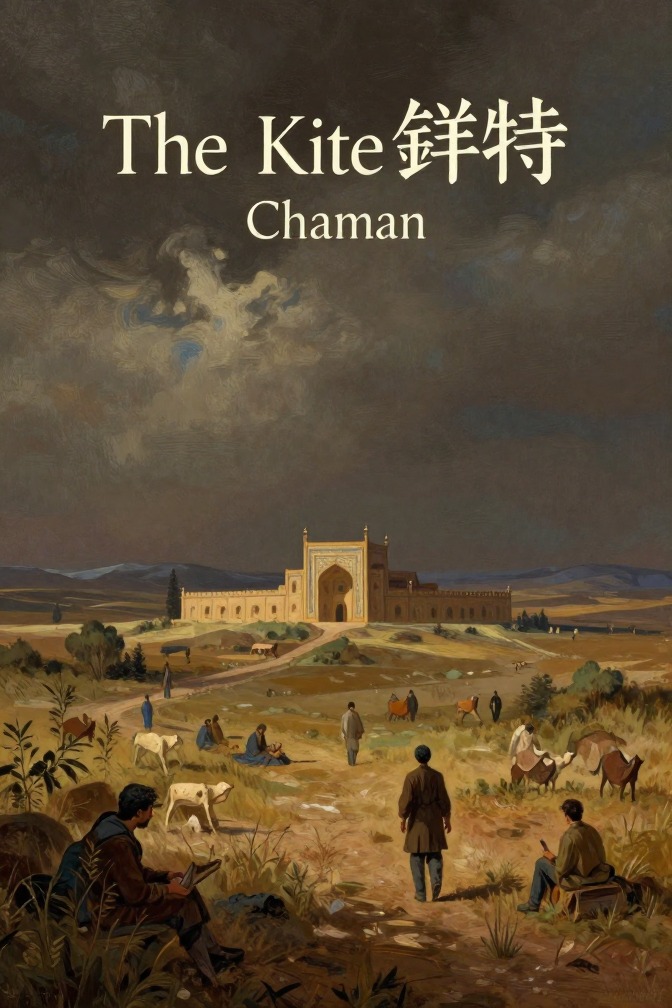
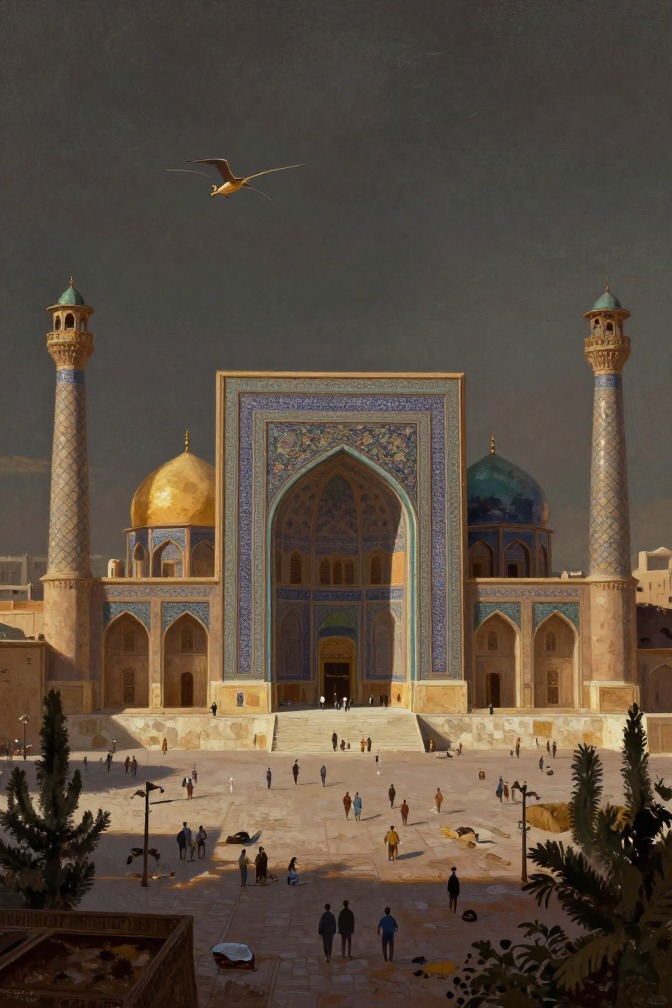
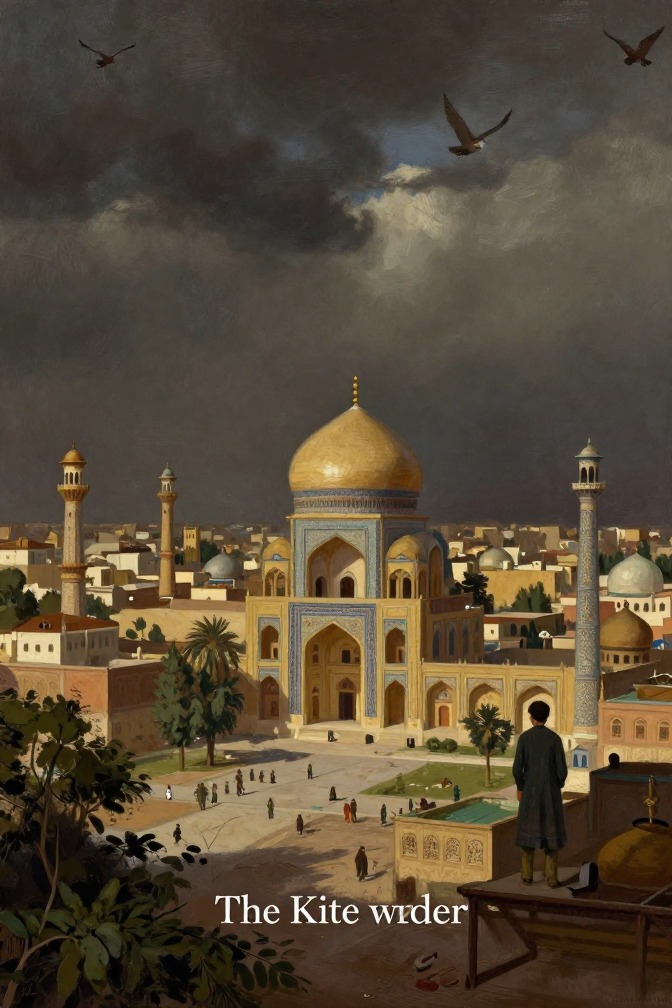
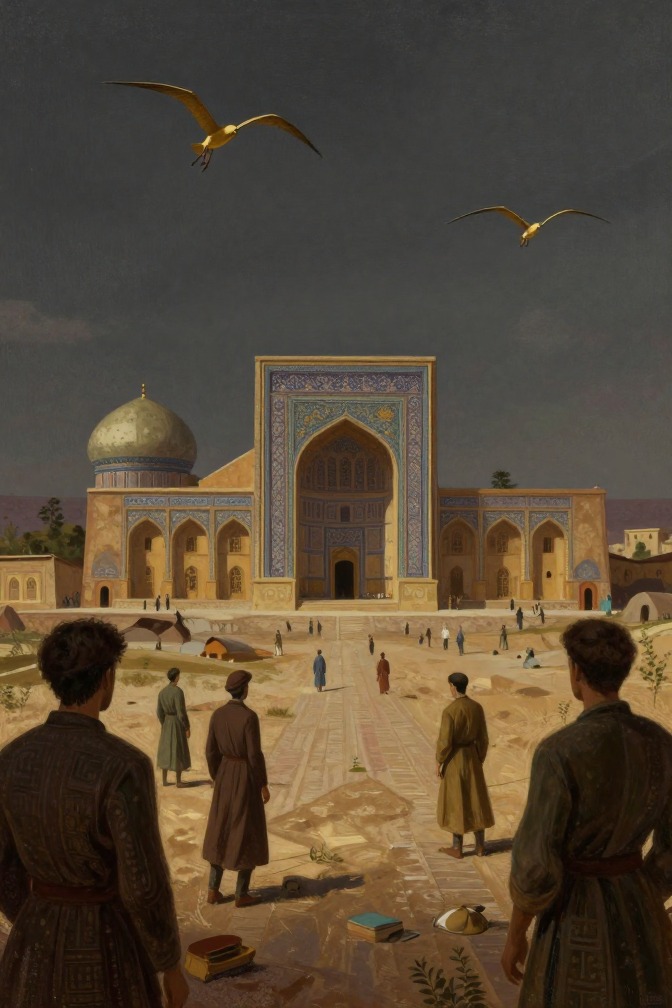
Chaman is a public square and gathering place in Kabul that appears in the novel as a site of celebration, memory, and political change, serving as a backdrop for the fireworks of Amir's thirteenth birthday party and for the public jubilation that greeted the Taliban's entry into the city in 1996.
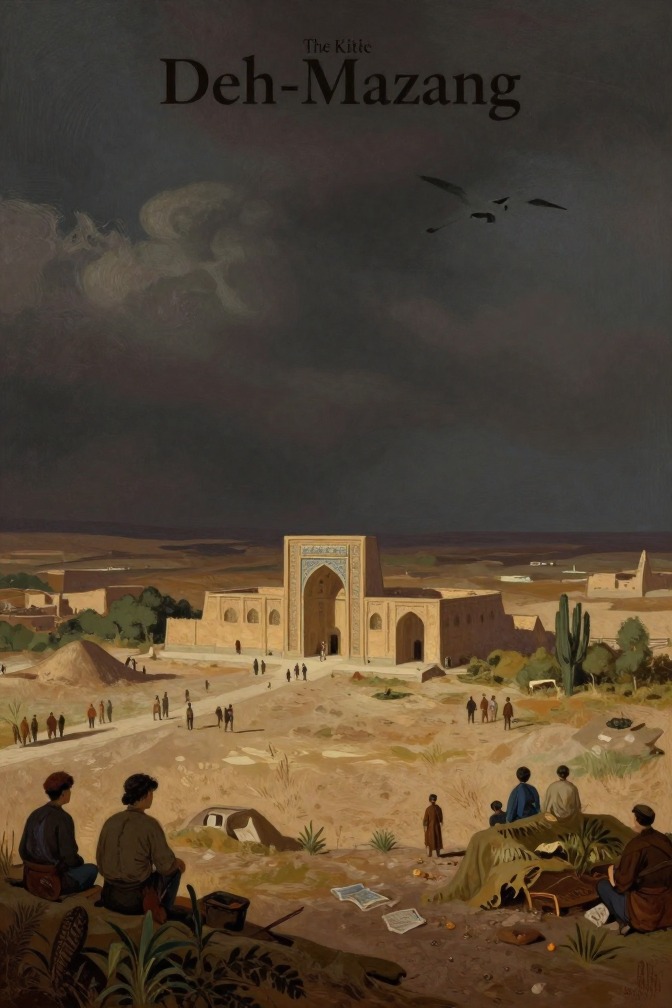
Deh-Mazang is a neighborhood in Kabul that appears in the novel as a site of collective celebration when the Taliban first entered the city in 1996, marking the desperate hope for peace after years of civil war.
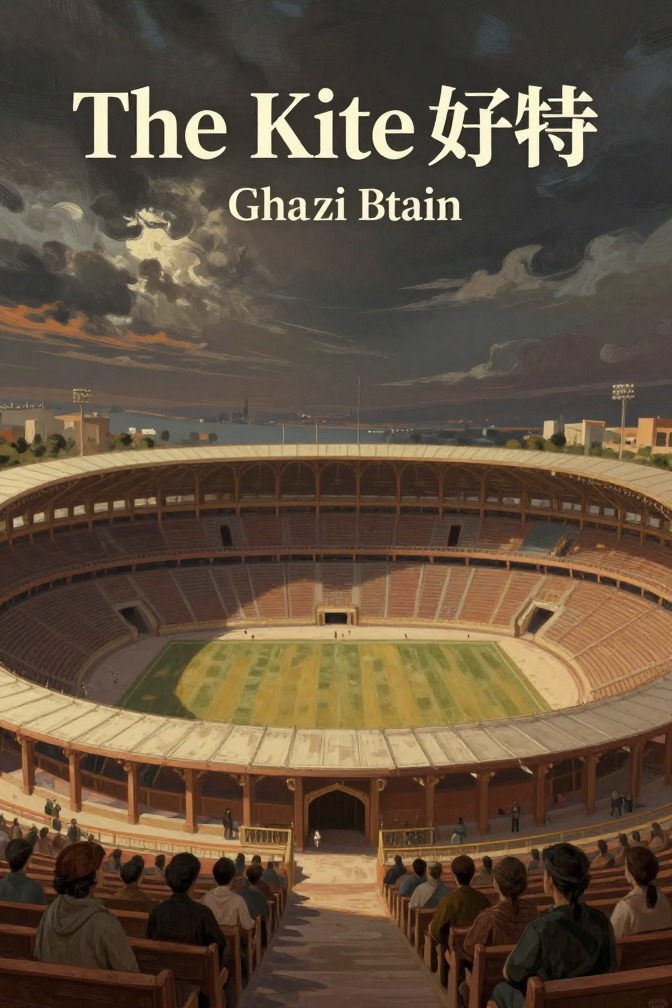
Ghazi Stadium in Kabul is the site where the Taliban regime staged public executions, and where Amir witnesses a stoning that confirms the regime's brutality and leads him to the man who holds Sohrab.
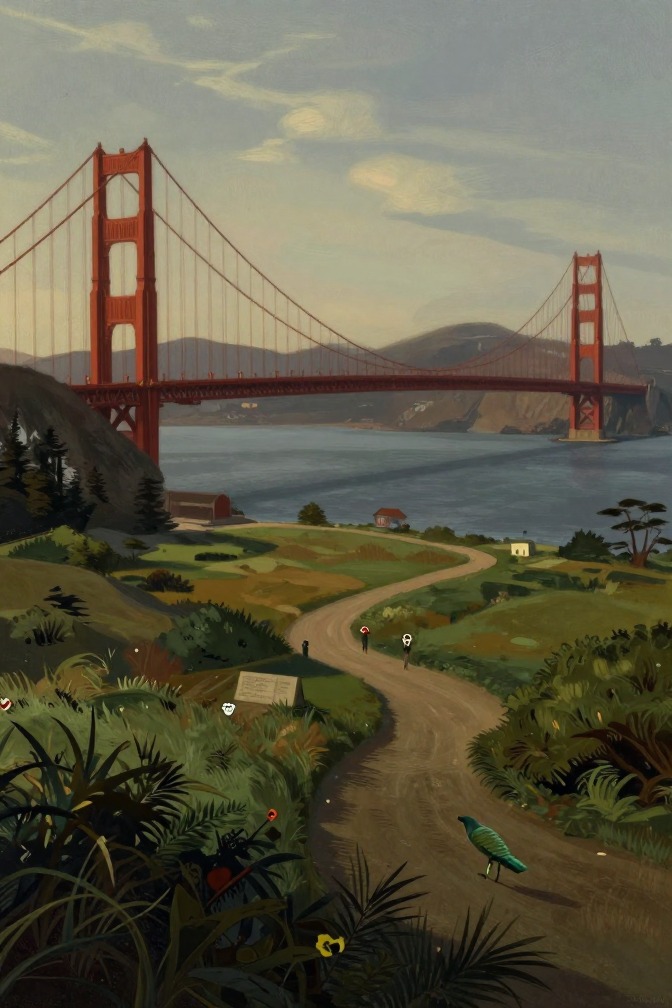
Golden Gate Park, located in San Francisco, serves as a pivotal symbolic and reflective space in *The Kite Runner*, where the protagonist Amir confronts his past, receives the call to redemption, and ultimately finds a fragile hope for the future. It is the site of his initial crisis, his decision to atone, and the final, tentative healing of his relationship with his nephew Sohrab.
The Haji Yaghoub Mosque is a religious landmark in Kabul, Afghanistan, that appears in the novel as a site of daily prayer and as a symbol of the religious authority that Baba openly defies. Its mullah, Mullah Fatiullah Khan, teaches Amir a rigid, fear-based Islam that Baba contemptuously dismisses, and the mosque's call to prayer marks the passage of time in the narrative. The mosque also represents the traditional religious order that the Taliban later perverts into a tool of oppression.
Islamabad, the capital of Pakistan, serves as a crucial transitional space in the novel where Amir brings Sohrab after rescuing him from Kabul. It is a city of stark contrasts—clean, modern, and orderly compared to war-torn Afghanistan—yet it becomes the site of Sohrab's deepest trauma and Amir's most desperate crisis of conscience. The city's hospitals, hotels, and the American embassy become the stage for the final, most painful phase of Amir's quest for redemption, testing whether he can truly keep his promises to Hassan's son.
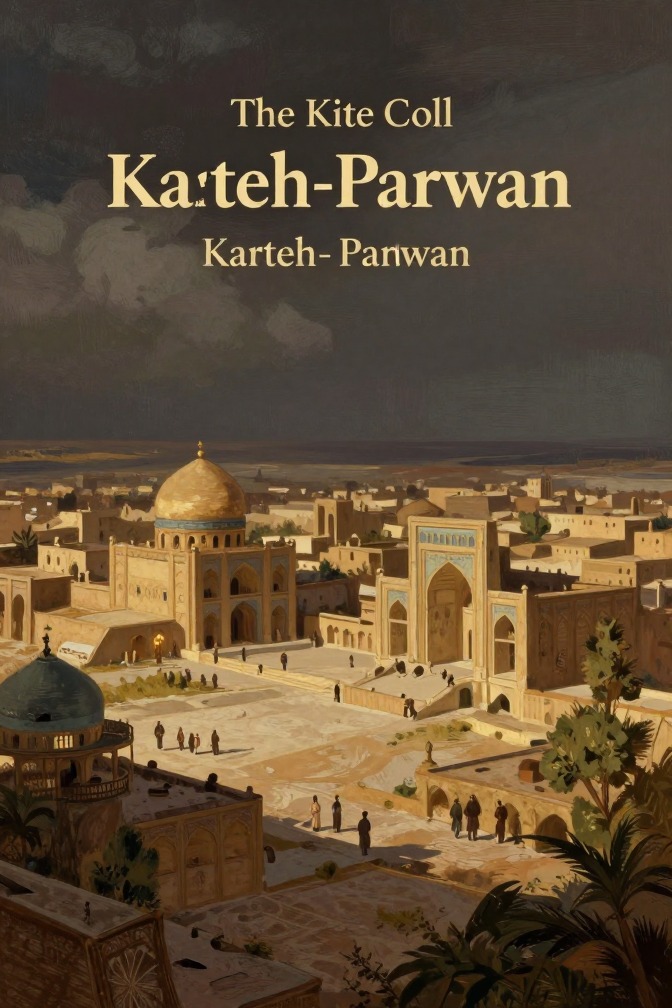
Karteh-Parwan is a district of Kabul that appears in the novel as a site of memory, a marker of the city's pre-war geography, and a place that, like so much of the city, was ravaged by the civil war of the 1990s. It is mentioned in connection with the 1975 kite tournament, the later fragmentation of Kabul during the factional fighting, and the broader destruction of the city's familiar landmarks.
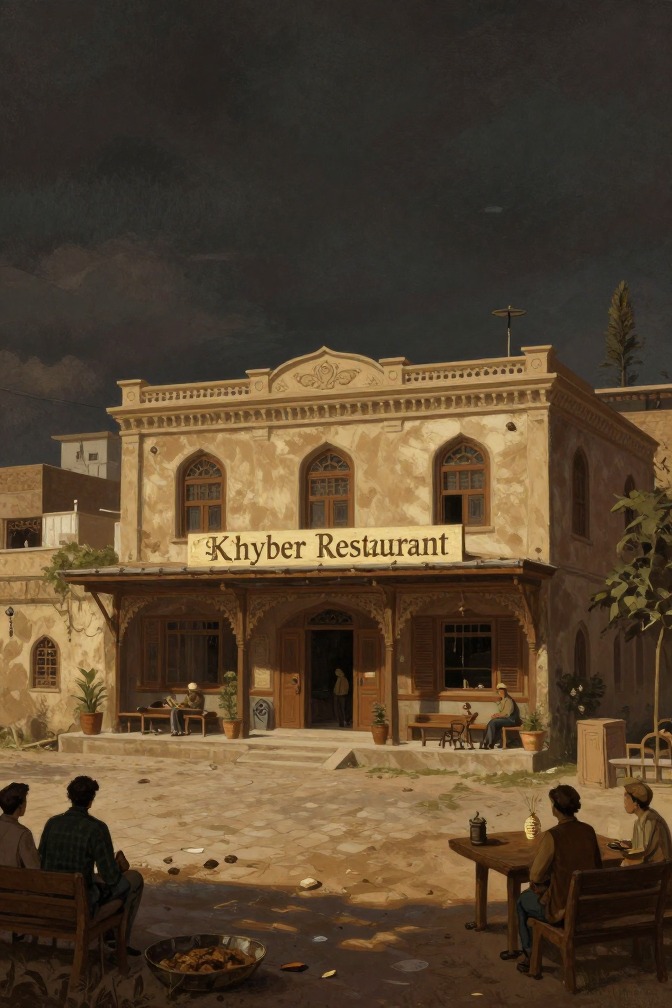
Khyber Restaurant was a beloved Kabul eatery where Baba took Amir for lamb kabob, a place that embodied the city's pre-war vitality and whose destruction became a symbol of Afghanistan's loss.
Landi Khana is a border settlement at the foot of the Khyber Pass where the main pass descends from Landi Kotal through Shinwari territory, marking the entry point into Afghanistan at Torkham. It appears in the narrative as the threshold where Amir, returning to his homeland after two decades in America, crosses from Pakistan into Afghanistan, a moment that crystallizes the vast gulf between the prosperous country he fled and the war-ravaged land he now re-enters.
Mazar-i-Sharif is a city in northern Afghanistan that serves as a recurring symbol of both the Taliban's genocidal violence against Hazaras and the fragile beauty of Sohrab's lost childhood. It is the site of the 1998 massacre in which the Taliban, including Assef, went door to door killing Hazara men and boys, and it is also the city where Sohrab once visited the Blue Mosque with his family, feeding pigeons with his grandmother Sasa. The city thus embodies the novel's central tension between unspeakable atrocity and the memory of innocence.
Meymanah is a city in northern Afghanistan that appears in the novel as the site of a key encounter between Assef and the prison commandant who once tortured him, revealing the origin of Assef's religious fanaticism and his belief that God had chosen him for a violent mission.
Nangarhar is the eastern Afghan province whose capital, Jalalabad, serves as a key waypoint in Amir's journey back to his homeland. The province represents both the lost sweetness of pre-war Afghanistan and the harsh realities of a country devastated by decades of conflict, appearing in the narrative as a site of childhood memory, wartime transit, and the physical decay that mirrors the nation's broader collapse.
Rockingham, a coastal town in Western Australia, appears in The Kite Runner as the place where Assef's parents live in a beachfront villa after fleeing Afghanistan, and it serves as the source of Assef's claim that he does not need money from Amir because his family's businesses there are thriving.
San Francisco is the American city where Amir builds his adult life after fleeing war-torn Afghanistan, serving as both a physical refuge from his past and the site where his buried guilt resurfaces, forcing him to confront the sins of his childhood.
Shah Faisal Mosque in Islamabad is the largest mosque in the world, a landmark that briefly stirs Sohrab from his trauma-induced stupor and becomes the setting for Amir's crucial promise to bring him to America.
Shinwari territory is a region in eastern Afghanistan traversed by the Khyber Pass, a route that Amir and his driver Farid pass through on their journey from Peshawar to Kabul in 2001. The territory appears in the novel as a transitional landscape, marking the narrator's physical re-entry into a homeland transformed by decades of war, and it serves as a geographical and symbolic threshold between the relative safety of Pakistan and the dangers of Taliban-controlled Afghanistan.
Taimani is a district of Kabul, Afghanistan, where Baba built a house that serves as a central location in the novel, representing the family's wealth, status, and the lost world of Amir's childhood.
Virginia is the American state where Soraya Taheri lived with her family after fleeing Afghanistan, and where she ran away with an Afghan man as a teenager—an event that shaped her reputation, her family's move to California, and the secret she confesses to Amir on the night of their engagement.
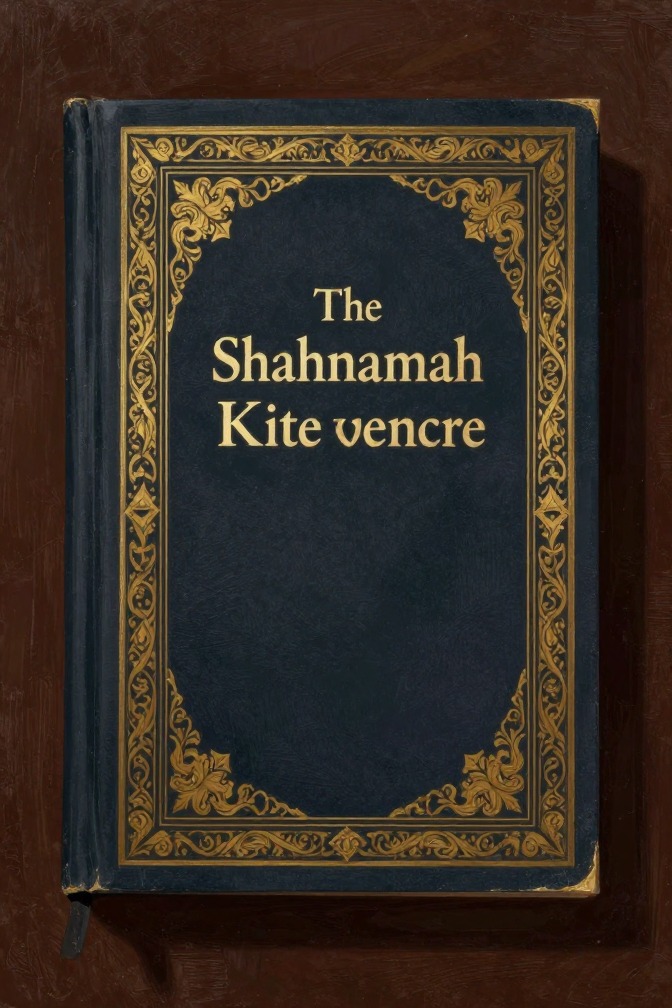
The Shahnamah Book, the tenth-century Persian epic of ancient heroes, is the most cherished story in Hassan's illiterate childhood and the narrative thread that binds Amir, Hassan, and later Sohrab across generations. It is the book Amir reads aloud to Hassan under the pomegranate tree, the gift Ali and Hassan give Amir for his thirteenth birthday, and the text Amir later reads to Sohrab in a Pakistani hospital. More than a literary artifact, the Shahnamah Book functions as a repository of shared memory, a symbol of the brothers' bond, a site of Amir's guilt and deception, and a fragile bridge to the next generation.
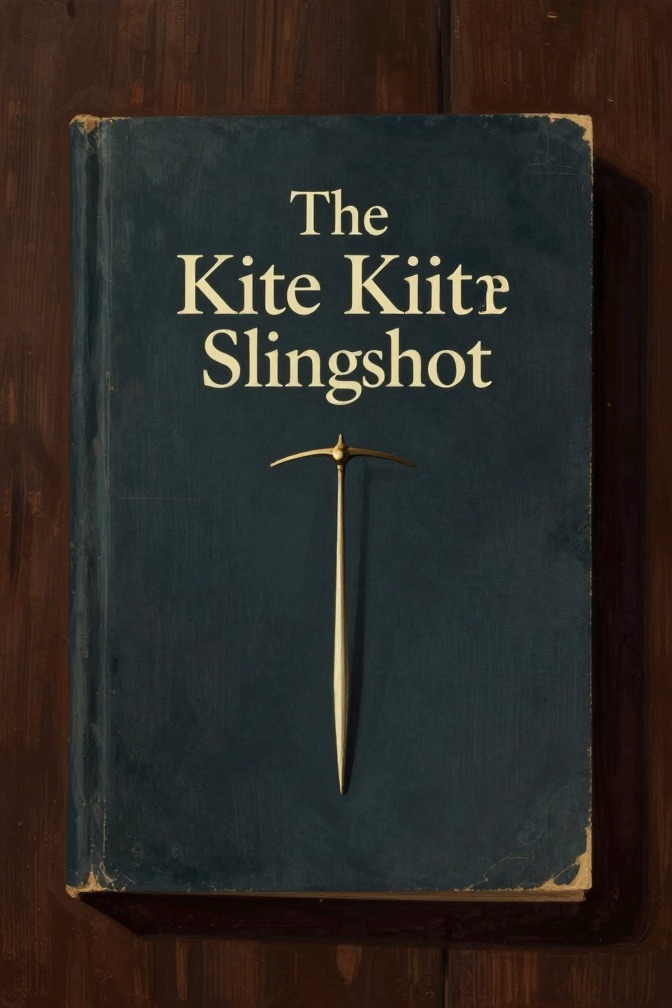
The slingshot is a recurring object in The Kite Runner, first wielded by Hassan to defend Amir from Assef, later used by Hassan's son Sohrab to save Amir's life in a climactic confrontation, and ultimately symbolizing the transfer of loyalty, courage, and redemption across generations.
The Ministry of Vice and Virtue is the Taliban institution responsible for enforcing the regime's strict interpretation of Islamic law, particularly through the regulation of public morality, gender segregation, and the suppression of cultural practices. Its presence in the novel represents the institutionalization of the oppressive ideology that destroys the Afghanistan of Amir's childhood and directly causes the suffering of characters like Hassan and Sohrab.
San Jose State University is the California public university where Amir Soraya pursued their higher education and professional ambitions after immigrating to the United States, marking a decisive turn from the trauma of their Afghan past toward academic achievement, creative fulfillment, and the building of a new American life.
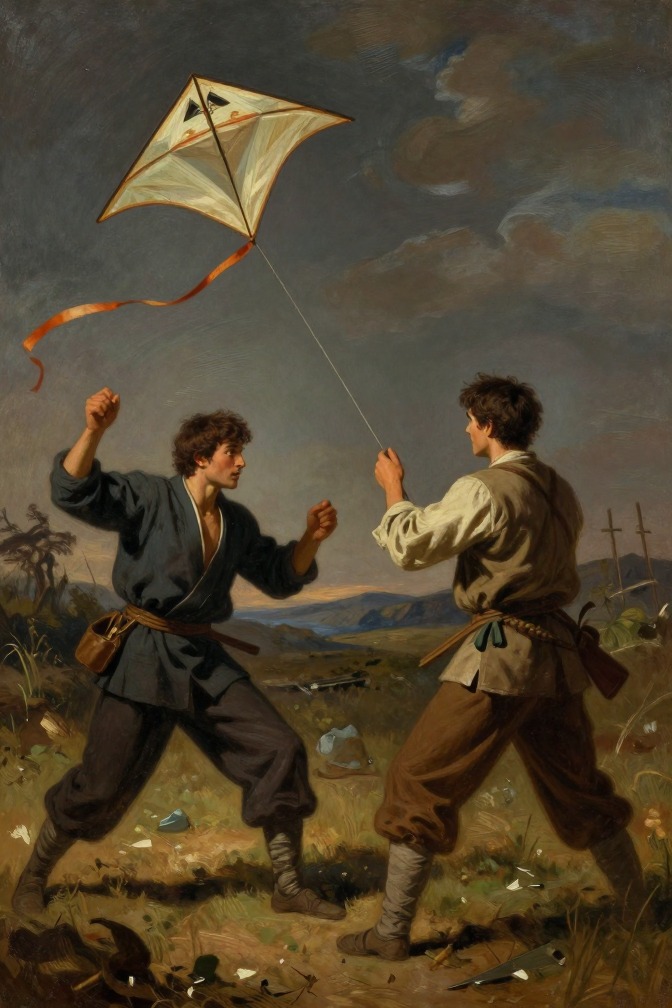
The kite-fighting tradition is a central cultural practice and narrative device in Khaled Hosseini's *The Kite Runner*, representing both the vibrant pre-war life of Kabul and the deep bonds—and betrayals—between Amir and Hassan. It serves as the catalyst for the novel's pivotal crisis and a recurring symbol of redemption and lost innocence.
The 1980s mark a transformative decade for Amir and Baba as they flee war-torn Afghanistan and rebuild their lives in Fremont, California, a period defined by Baba's struggle with displacement and loss of status, Amir's embrace of America as a place to bury his past, and the gradual establishment of a new life that includes Amir's education, marriage to Soraya, and the beginning of his writing career.
1986 is the year Rahim Khan, lonely and aging in Kabul, travels to Hazarajat to find Hassan and brings him, his wife Farzana, and later his mother Sanaubar back to Baba's house in Wazir Akbar Khan, re-establishing a household that becomes a haven during the civil war and ultimately leads to the birth of Sohrab.
1990 is a pivotal year in the novel, marked by the birth of Sohrab, the return of Sanaubar, and the deepening of the family bonds within the household in Kabul, set against the backdrop of the ongoing civil war.
1992 marks a pivotal year in Afghanistan's history, as the collapse of the Soviet-backed government led to the rise of the Mujahideen and the onset of a brutal civil war that devastated Kabul and fundamentally altered the lives of its inhabitants, including the characters of The Kite Runner.
December 2001 is the narrative present from which Amir, now a successful novelist living in San Francisco, receives a phone call from Rahim Khan that forces him to confront the past he has spent twenty-six years trying to bury. This temporal frame establishes the novel's central structure of memory and redemption, as Amir's recollection of the winter of 1975 and his subsequent journey to Afghanistan are all filtered through this moment of reckoning.
July 17, 1973, is the date of the bloodless coup in Kabul that ended King Zahir Shah's forty-year reign and brought his cousin Daoud Khan to power, marking the beginning of the end of the Afghanistan Amir and Hassan knew as children. The coup's gunfire and explosions terrified the boys, and the political shift emboldened the racist bully Assef, who confronted them the next day with a vision of ethnic cleansing. This single night set in motion the unraveling of the old order, foreshadowing the Soviet invasion, the civil wars, and the Taliban regime that would eventually destroy their world.
June 2001 is the narrative present from which the adult Amir recounts his past and receives the phone call from Rahim Khan that sets the novel's final act in motion, a moment of reckoning that forces him to confront the buried sins of his childhood and the possibility of redemption.