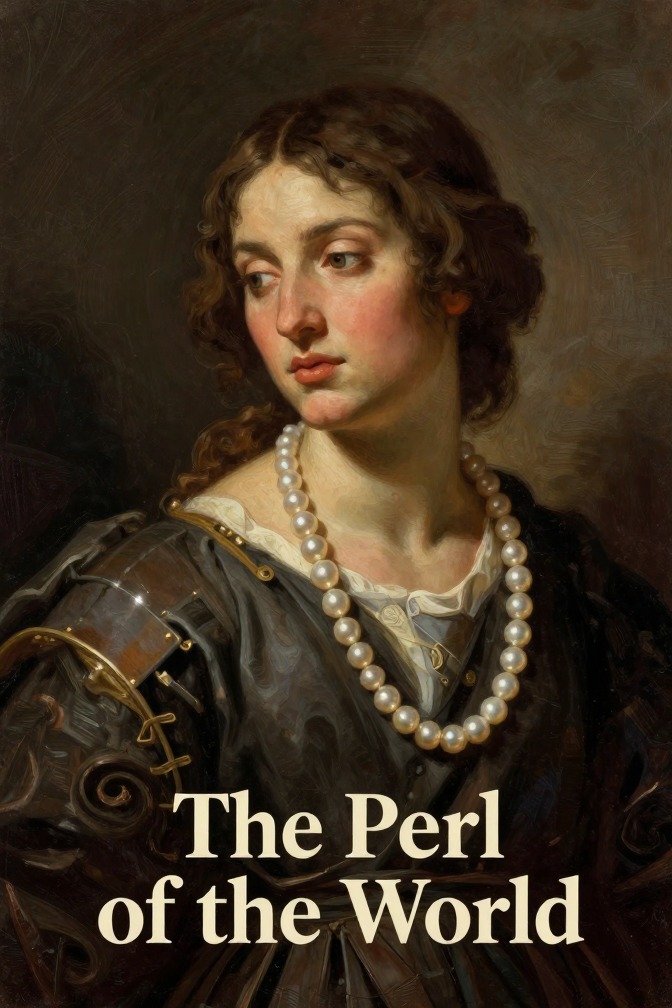
The Pearl of the World is the enormous, perfect pearl discovered by the poor fisherman Kino, which initially promises wealth and a better future for his family but instead brings greed, violence, and tragedy, ultimately becoming a symbol of evil and destruction.
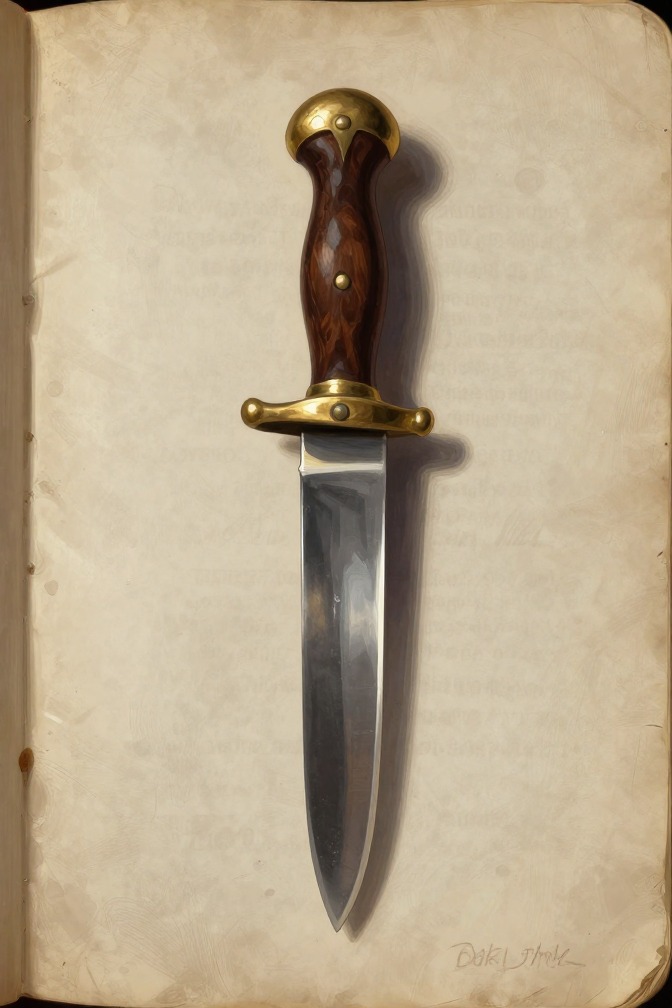
Kino's Knife is a recurring object in John Steinbeck's novella The Pearl, serving as both a practical tool for survival and a weapon that marks Kino's descent into violence. Initially a working knife used for daily tasks, it becomes an instrument of killing and a symbol of the moral corruption that the great pearl brings into Kino's life.
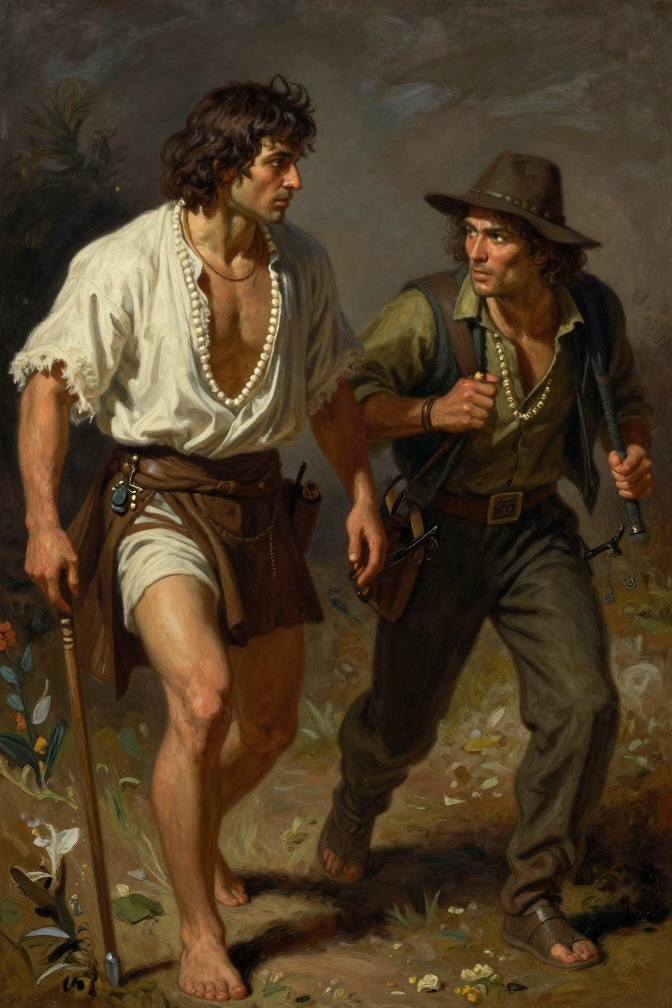
Kino's pursuit by the trackers is the final, desperate phase of his flight from La Paz after he kills a man in defense of the great pearl, a chase that forces him into the barren mountains and culminates in a violent nocturnal confrontation that costs him his son.
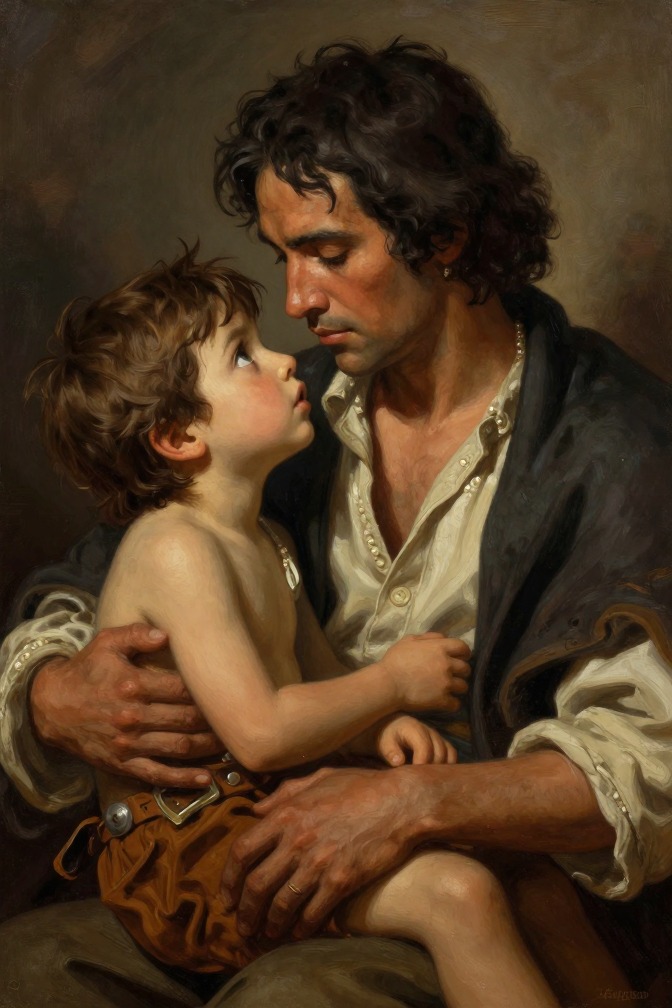
Kino and Coyotito's father-son relationship is the emotional and moral core of The Pearl, driving Kino's desperate hope for a better future and ultimately leading to tragedy when his obsession with the pearl results in his son's death.
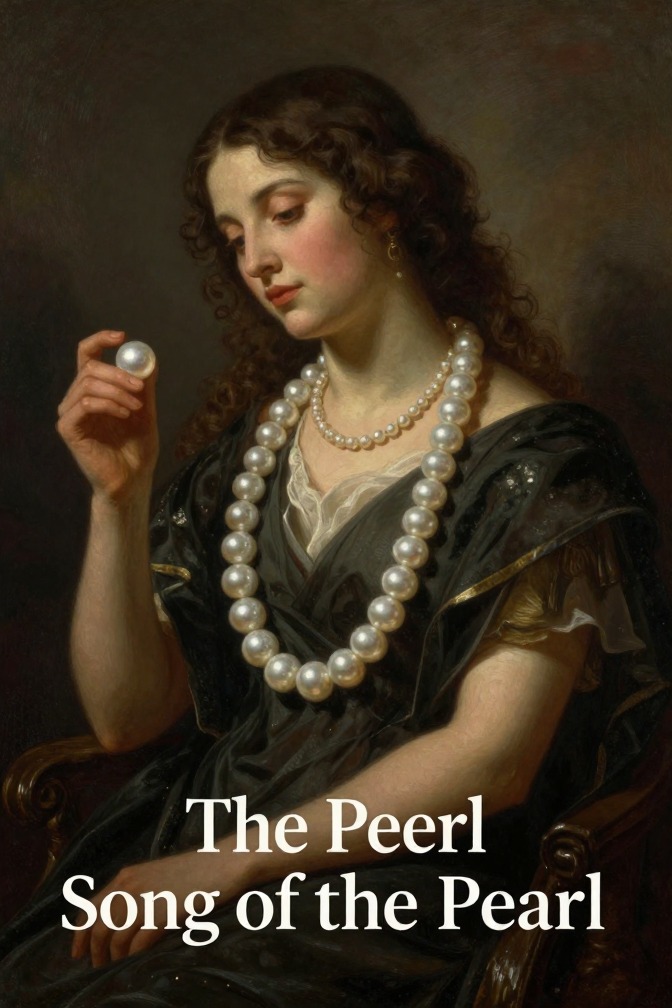
The Song of the Pearl is a recurring musical motif in John Steinbeck's novella The Pearl, representing the promise, temptation, and eventual corruption that the great pearl brings to the fisherman Kino and his family. It begins as a sweet, secret melody of hope and possibility, but as Kino's obsession with the pearl grows, the song becomes intertwined with the Song of Evil, ultimately distorting into a sinister and insane sound that accompanies the family's tragedy.
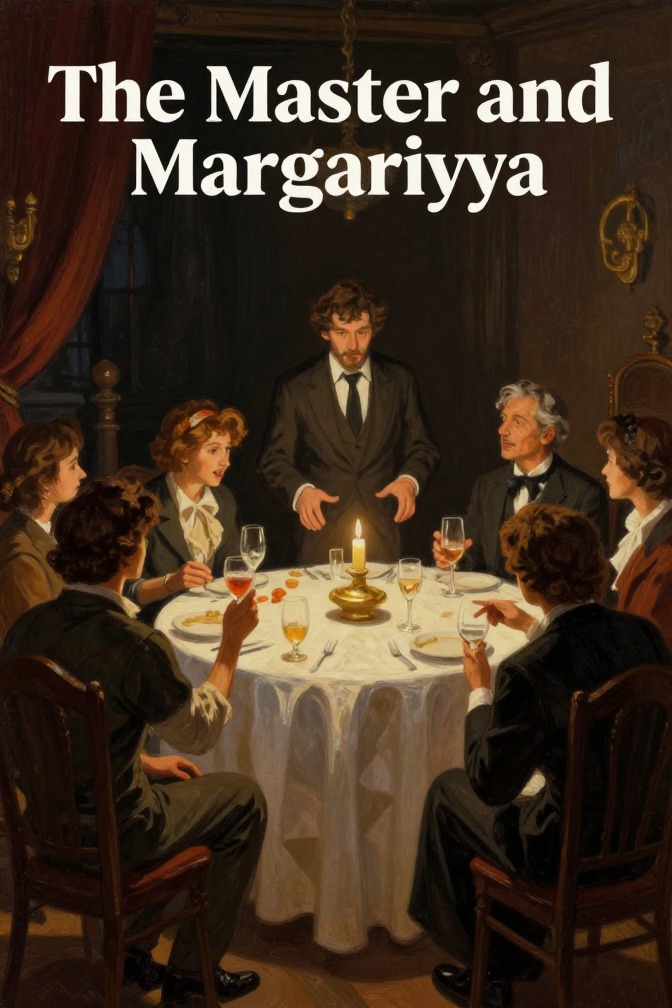
The black magic seance at the Variety Theatre is the novel's central public spectacle, where Woland and his retinue expose the greed, vanity, and moral corruption of Moscow's citizens through a series of increasingly outrageous tricks, culminating in the symbolic decapitation of the master of ceremonies and the public humiliation of a prominent official.
Anfisa is the long-time, devoted housekeeper of Anna Frantsevna de Fougeray in the ill-fated Apartment No. 50 on Sadovaya Street. She is a pious and superstitious woman who becomes the last known occupant of the apartment before its string of mysterious disappearances, and her own vanishing marks the final stage of the apartment's malignant reputation.
Grunya is the housekeeper of Apartment No. 50 on Sadovaya Street, a peripheral but revealing figure whose casual absence and unexplained departure mark the progressive takeover of the apartment by Woland and his retinue.
Militsa Andreevna Pokobatko is a minor but pivotal character in the Moscow narrative of The Master and Margarita, an actress from a regional itinerant theatre whose name is publicly exposed by Koroviev during the black magic seance at the Variety Theatre, triggering a violent family scandal that exposes the hypocrisy of the Soviet cultural elite.
Immortality in *The Master and Margarita* is a paradoxical and terrifying concept, appearing not as a reward but as a curse of eternal, unending punishment for moral failure, most notably for the cowardice of Pontius Pilate, and it serves as a central thematic axis linking the novel's historical and contemporary narratives.
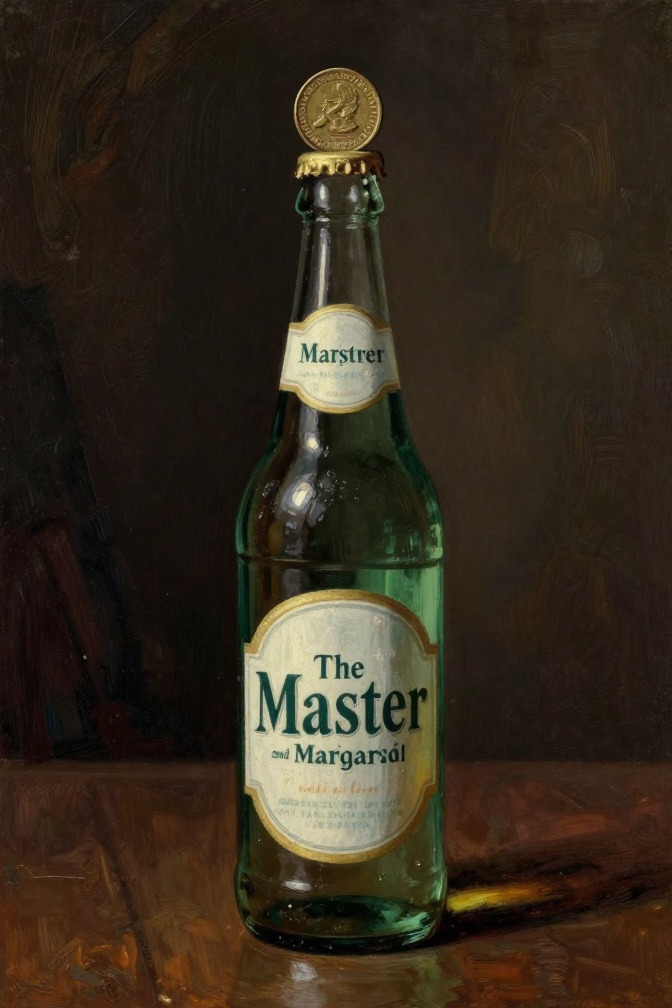
The coin turning into a label from a seltzer bottle is a recurring motif in *The Master and Margarita* that embodies the novel's satirical exposure of the illusory nature of Soviet material reality. It first appears as a consequence of Woland's black magic seance at the Variety Theatre, where genuine banknotes shower the audience, only to later transform into worthless objects, revealing the fragility of the economic order and the greed it fosters. This transformation recurs in the experience of a cab driver and in the bookkeeper Vassily Stepanovich Lastochkin's disastrous attempt to deposit the theatre's receipts, serving as a concrete, comic emblem of the novel's broader critique of a society built on false values and the demonic power that both exposes and exploits that falsity.
The exposure of Arkady Apollonovich is a pivotal scene in the black magic seance at the Variety Theatre, where Woland's assistant Fagott publicly reveals the chairman of the Acoustics Commission's adultery, triggering a violent family confrontation and exposing the hypocrisy of the Soviet cultural elite.
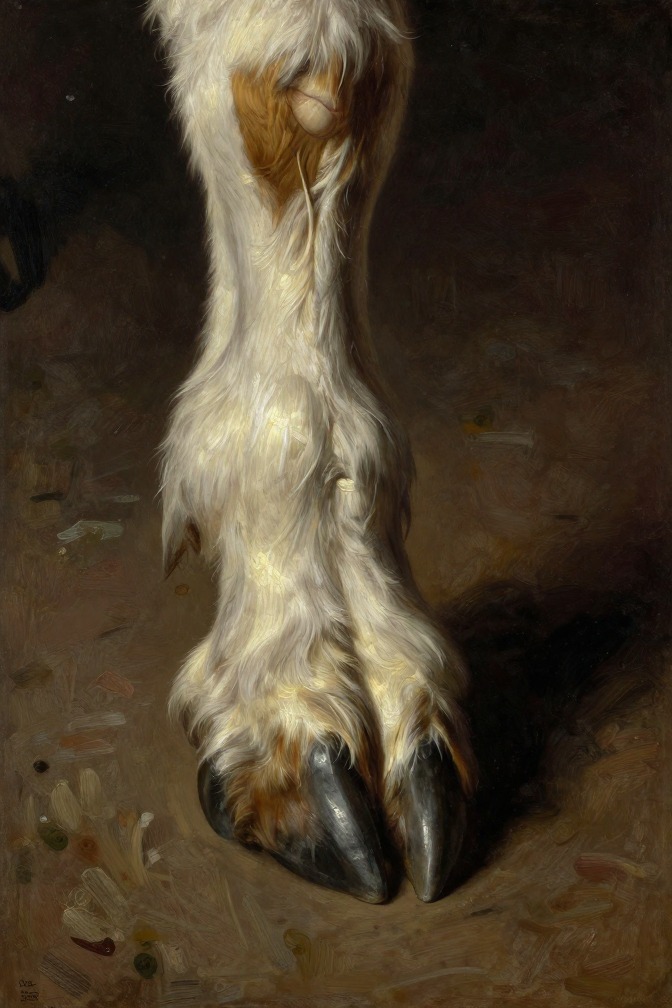
The goat's hoof is a recurring motif in Mikhail Bulgakov's *The Master and Margarita*, serving as a symbolic signature of the devilish and the supernatural. It first appears in the novel's earliest working title, *The Engineer's Hoof*, and later manifests as a physical detail on Woland's walking stick, linking the character to the demonic and the folkloric tradition of the cloven-hoofed devil.
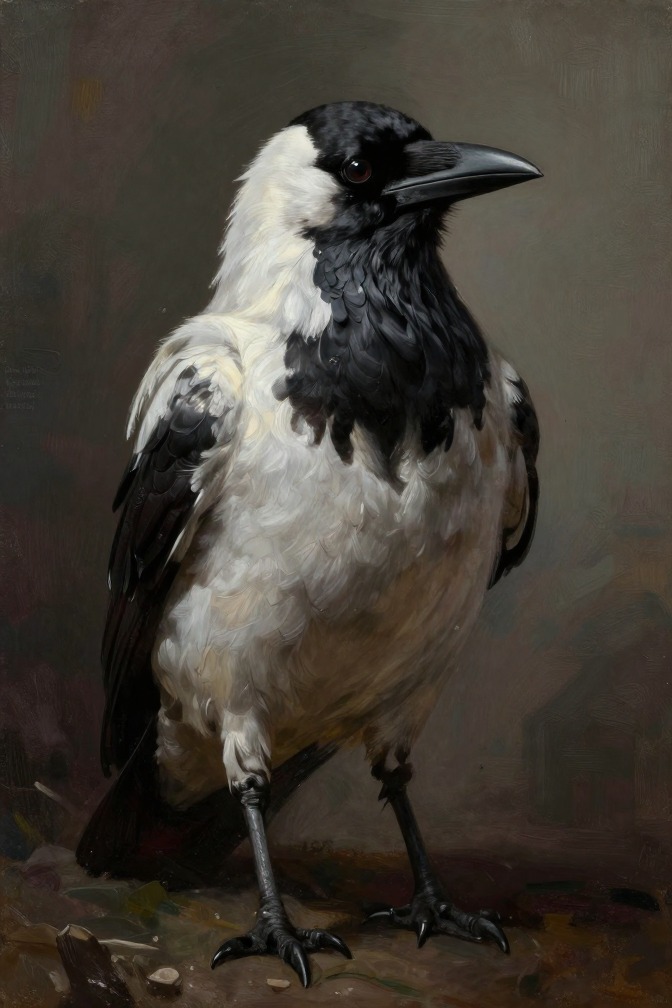
The rook appears as a minor but recurring avian presence in Mikhail Bulgakov's *The Master and Margarita*, where it is used in similes and descriptive imagery to evoke darkness, size, and a slightly ominous or grotesque quality, often in connection with the demonic cat Behemoth.
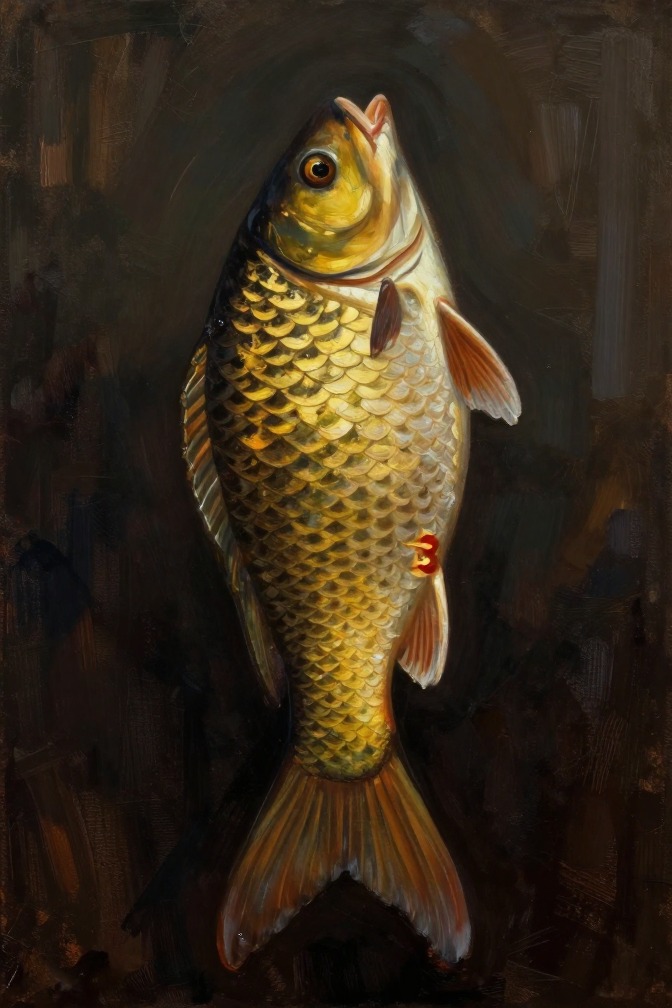
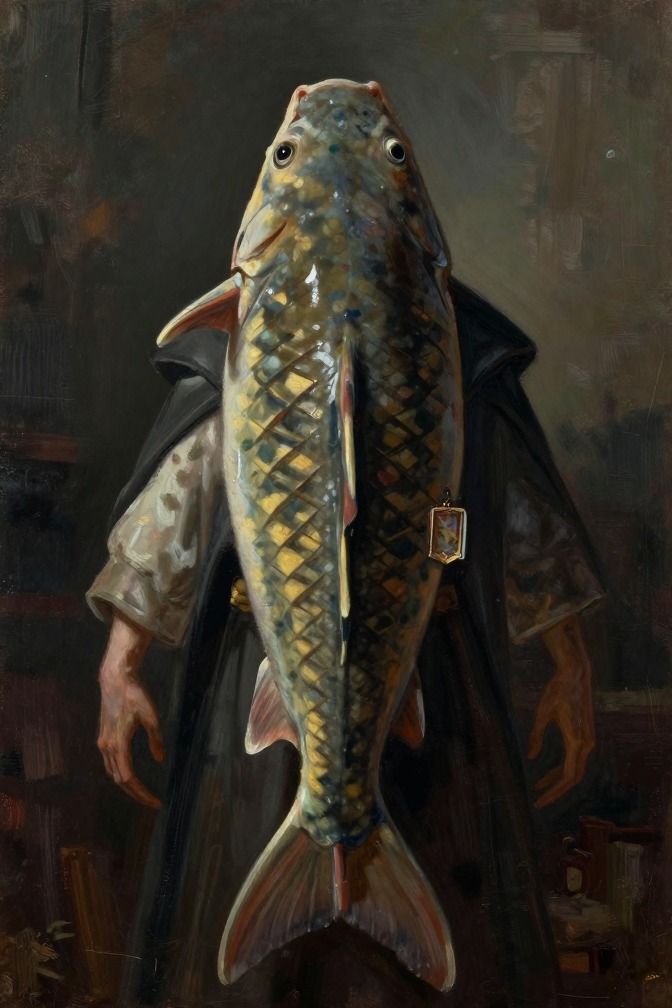
The carp appears in The Master and Margarita as a recurring culinary motif, most prominently associated with the exclusive restaurant at Griboedov's, where it symbolizes the privileged material life of the Massolit literary elite. Its presence marks the contrast between the abundance enjoyed by the literary establishment and the deprivation of ordinary Moscow, and it becomes entangled with the supernatural chaos unleashed by Woland's retinue.
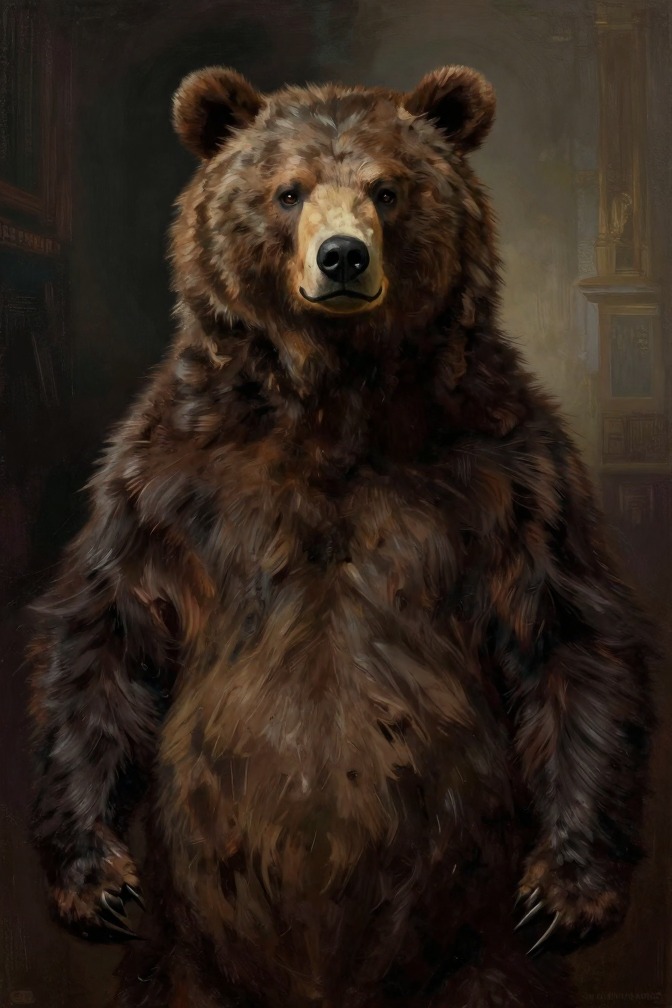
The bear appears in a single, vivid simile during Pontius Pilate's interrogation of Yeshua Ha-Nozri, where Pilate describes the centurion Mark Ratslayer being attacked by Germanic soldiers who 'fell on him like dogs on a bear.' This brief comparison, drawn from Pilate's own memory of the battle of Idistaviso, serves as a compressed emblem of brute force, victimhood, and the cycle of violence that shapes the novel's Roman world.
Sturgeon is a prized fish served at Griboedov's restaurant, the exclusive dining club for members of Massolit, where it symbolizes the lavish privileges and culinary decadence of the Soviet literary elite.
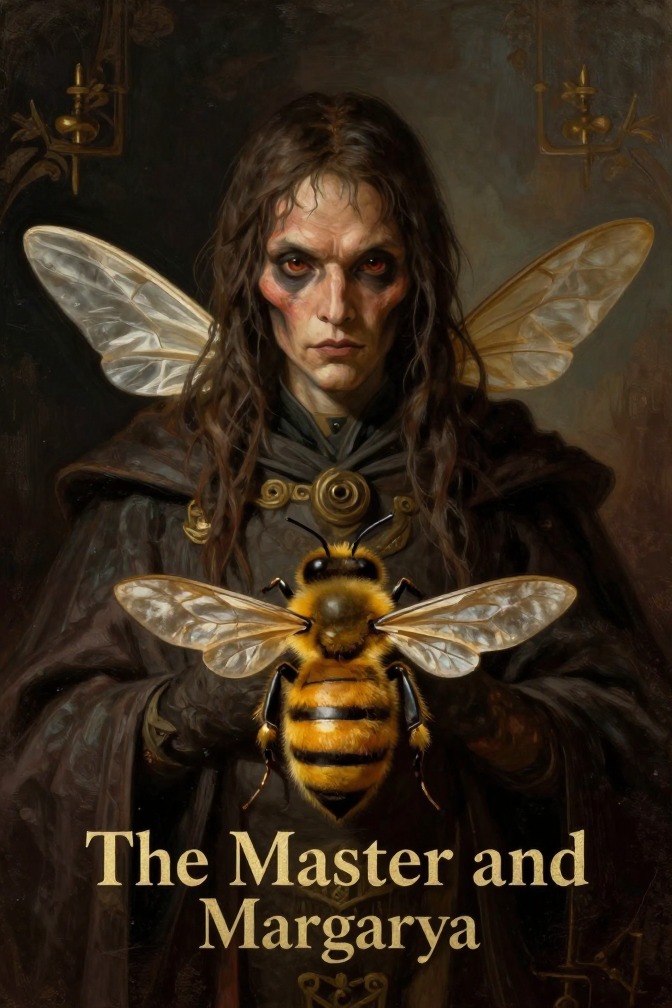
The bee appears in Mikhail Bulgakov's The Master and Margarita as a minor but symbolically charged creature, most notably when a cab driver discovers that a ten-rouble bill given to him has transformed into a bee, which stings him. This incident, along with other references, associates the bee with the novel's themes of deception, supernatural intervention, and the collapse of ordinary reality under the influence of Woland's retinue.
The disappearance of Styopa Likhodeev, the director of the Variety Theatre, is a sudden and violent expulsion from his own apartment by Woland and his retinue, who teleport him from Moscow to Yalta as a punishment for his corruption and incompetence, marking the first direct intervention of the demonic forces into the Moscow narrative and establishing the pattern of swift, inexplicable justice that will define their presence in the city.
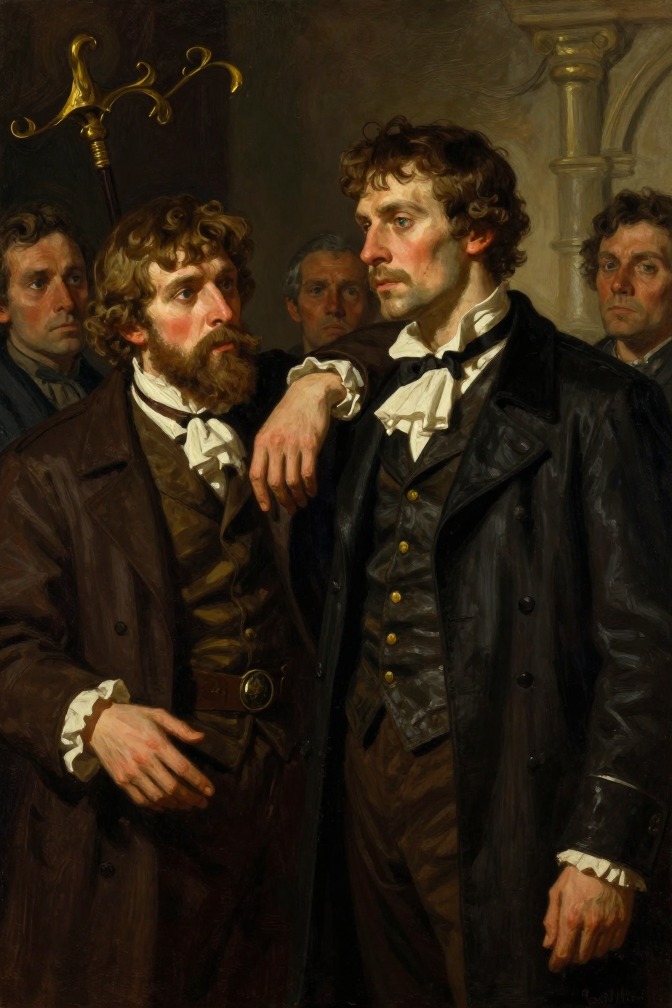
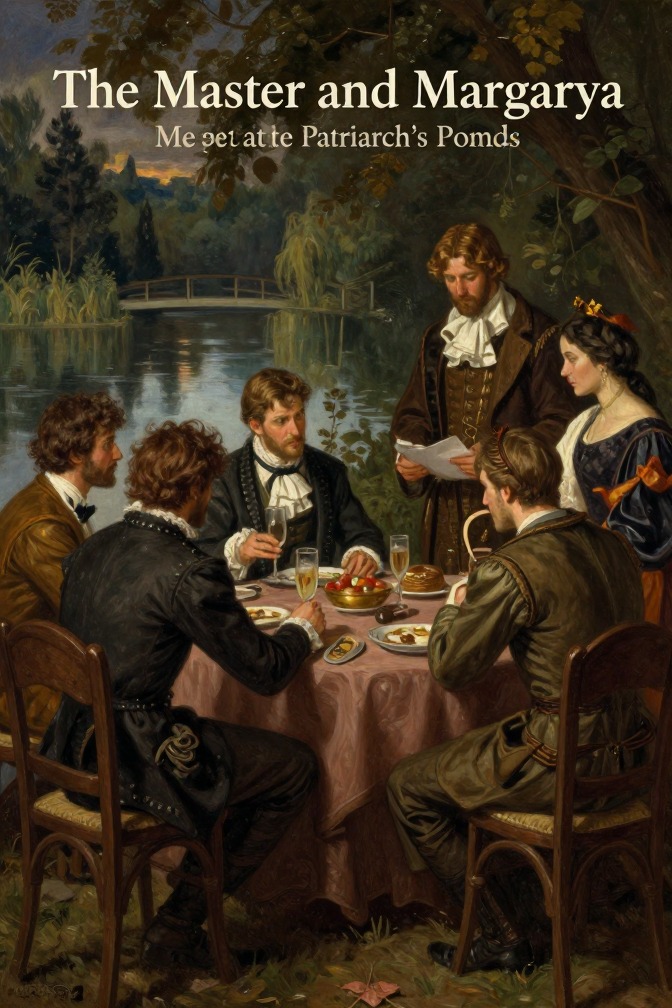
The Meeting at the Patriarch's Ponds is the opening scene of The Master and Margarita, in which the editor Mikhail Alexandrovich Berlioz and the poet Ivan Homeless encounter a mysterious foreigner who proves to be Satan himself, Woland. This conversation sets the entire novel in motion: it introduces the central theological dispute over the existence of Jesus and God, establishes Woland's supernatural knowledge and power, and leads directly to Berlioz's prophesied death under a tram-car. The meeting also marks the beginning of Ivan Homeless's psychological unraveling and his eventual transformation from a state poet into a disciple of the master.
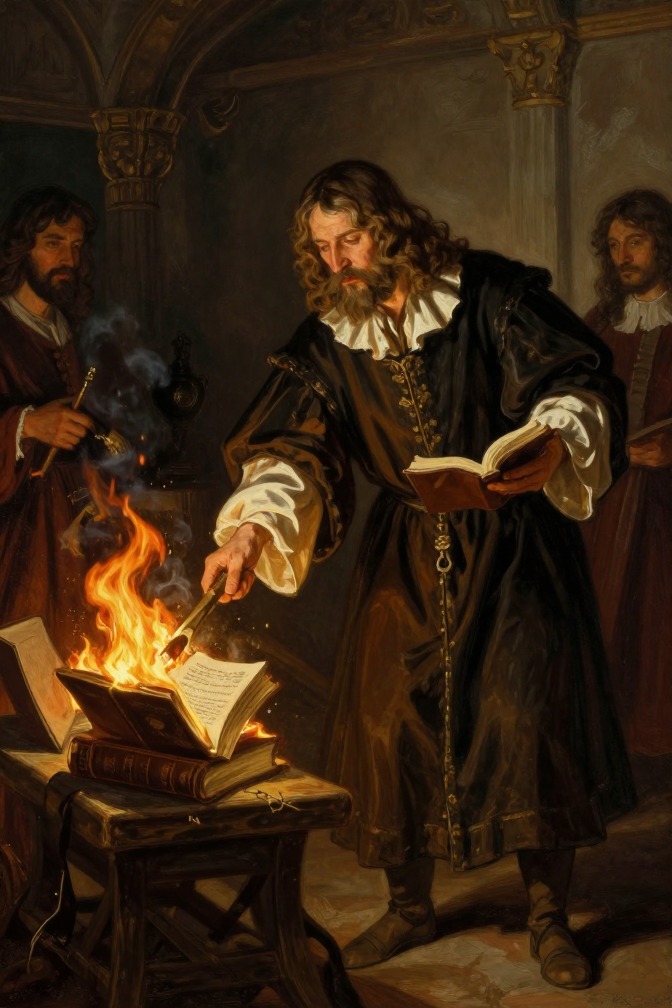
The master burns his novel about Pontius Pilate in a stove in his basement apartment, a desperate act of self-destruction driven by mental illness, fear, and the crushing weight of literary persecution. This event, witnessed and partially reversed by Margarita, becomes the novel's most potent symbol of creative despair and the paradoxical promise that 'manuscripts don't burn.'
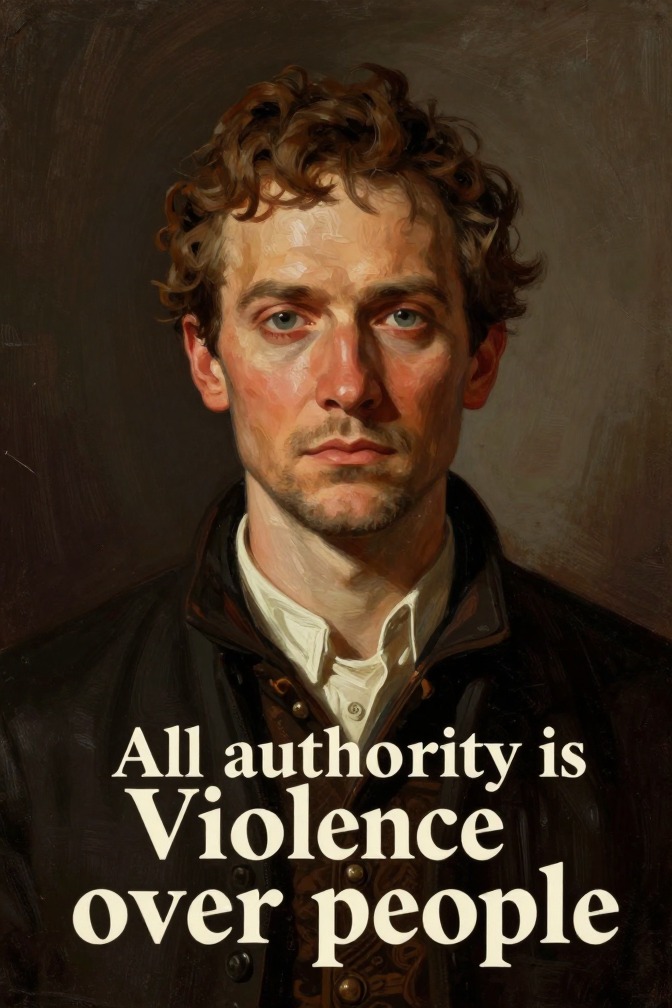
The statement 'All authority is violence over people' is a central philosophical claim made by Yeshua Ha-Nozri during his interrogation by Pontius Pilate, which directly leads to his condemnation and execution. It encapsulates the novel's critique of all earthly power, linking the ancient tyranny of Rome to the modern terror of Stalin's Moscow, and serves as the ideological foundation for the story's exploration of cowardice, truth, and the possibility of a just world.
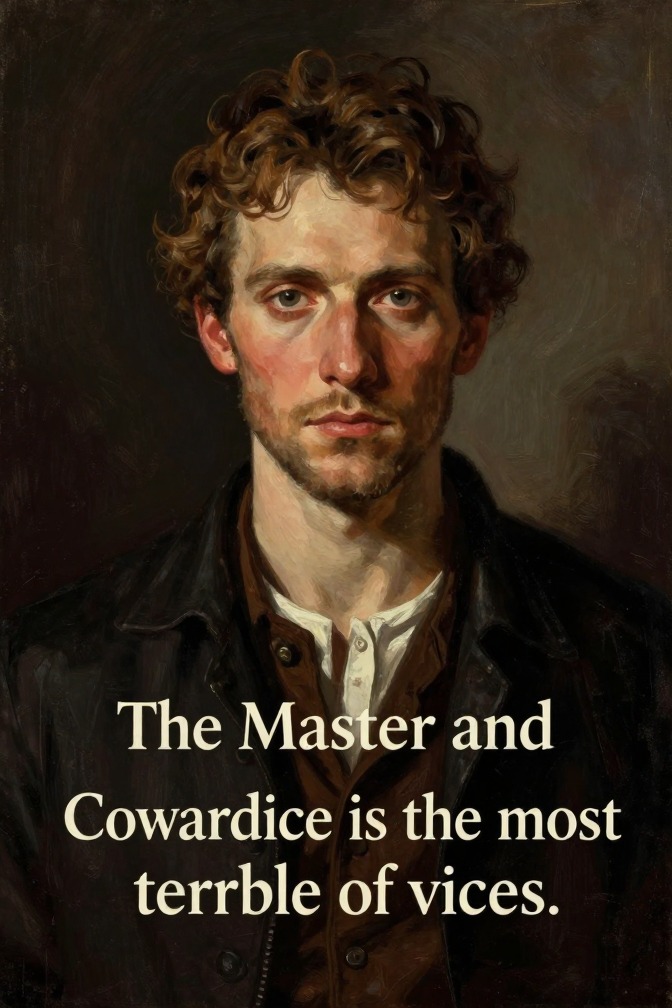
Cowardice is the most terrible of vices is a recurring aphorism in Mikhail Bulgakov's The Master and Margarita that serves as the novel's moral and thematic keystone, linking the ancient story of Pontius Pilate's failure to save Yeshua Ha-Nozri with the contemporary Soviet experience of living under terror. More penetrating than the defiant 'Manuscripts don't burn', this phrase touches the inner experience of generations of Russians, portraying the cost of moral compromise with a candour that required a deeper sort of freedom.
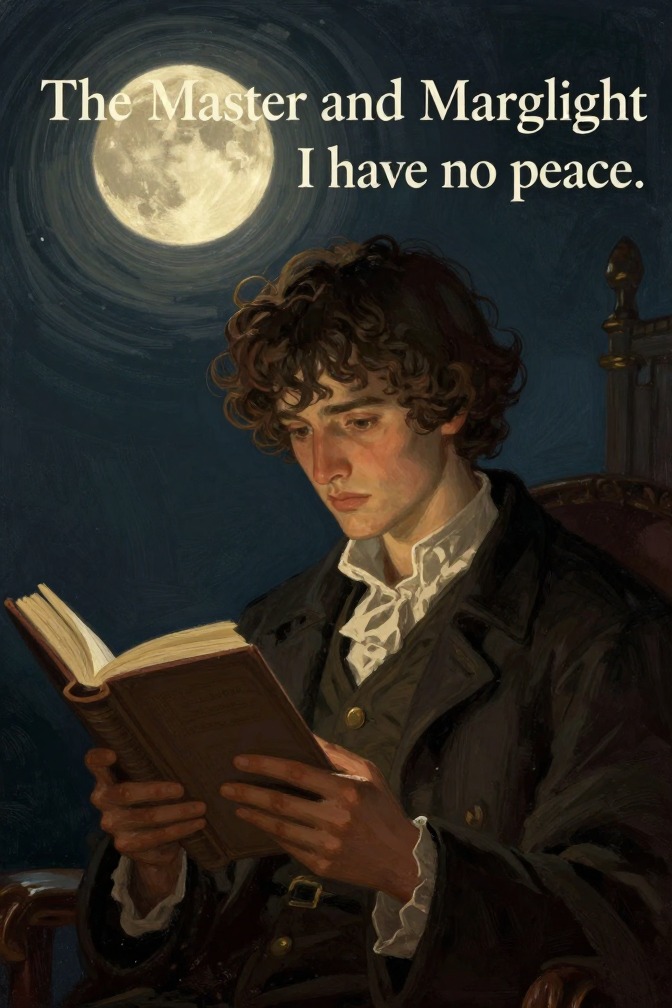
The phrase "Even by moonlight I have no peace" is a recurring motif in Mikhail Bulgakov's *The Master and Margarita*, a lament that migrates across characters and narrative layers to express the unending torment of guilt, cowardice, and unfulfilled longing. It becomes the signature cry of Pontius Pilate, who, after condemning Yeshua Ha-Nozri, is condemned to two thousand years of sleepless, moonlit anguish, and it echoes through the master, Ivan Homeless, and the narrator himself, binding the novel's historical and contemporary worlds in a shared experience of spiritual unrest.
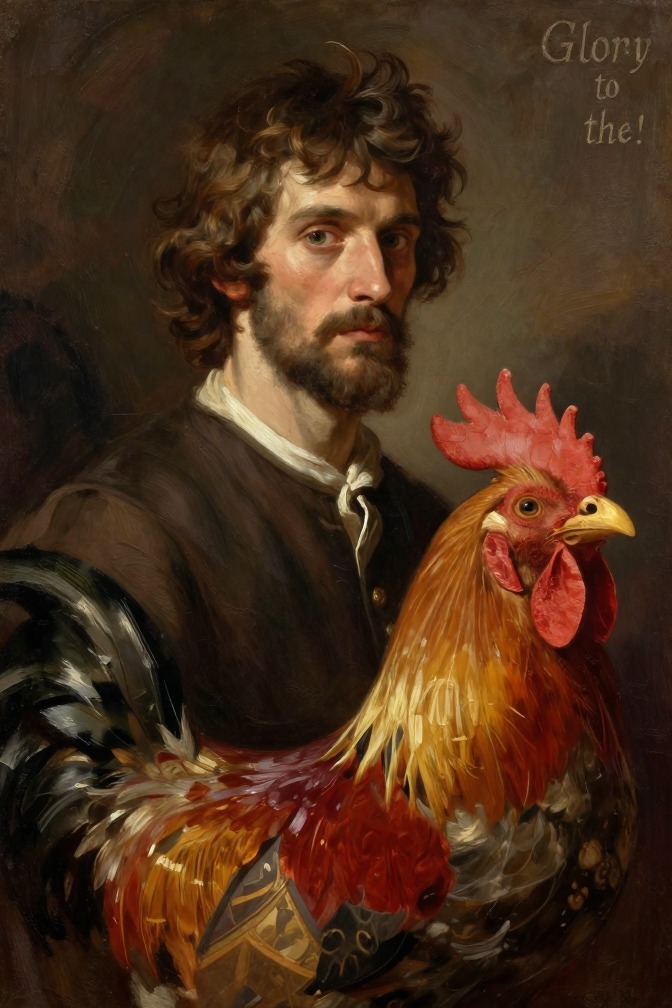
Glory to the Cock! is a recurring exclamation in Mikhail Bulgakov's The Master and Margarita that marks the moment when supernatural evil is forced to retreat at the approach of dawn. The crowing of a rooster, a traditional symbol of the victory of light over darkness, serves as a boundary between the diabolical events of the night and the safety of the day. In the novel, the cock's crow directly saves the financial director Grigory Danilovich Rimsky from a vampire attack, and its sound is associated with the dispersal of Woland's retinue and the restoration of a fragile, temporary order.
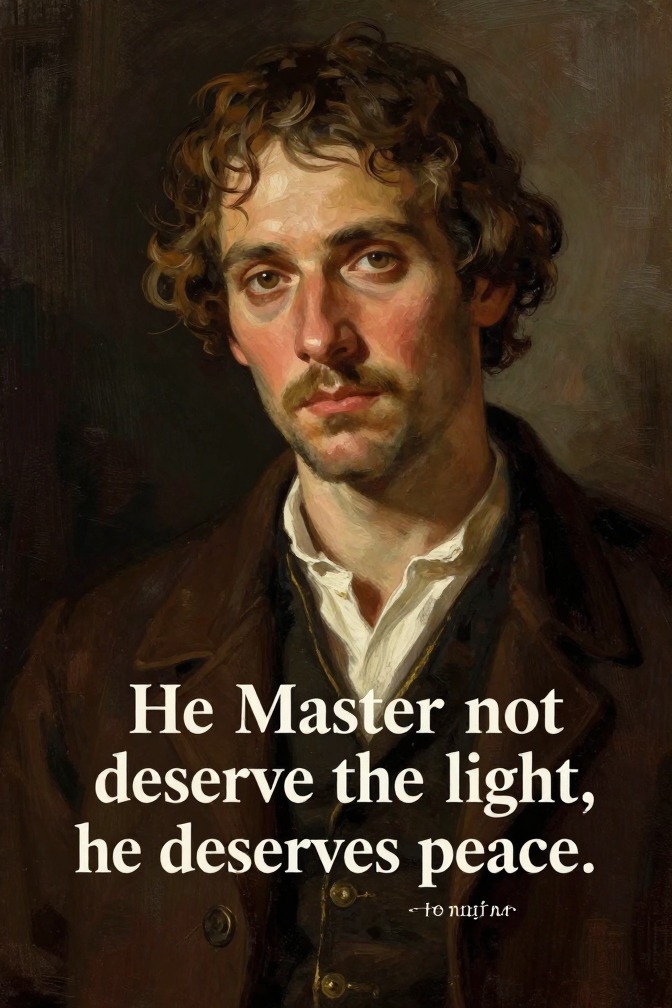
This phrase, spoken by Matthew Levi to Woland on behalf of Yeshua Ha-Nozri, defines the master's final fate: he is denied the 'light' of direct union with Yeshua but granted an 'eternal refuge' of peace, a resolution that crystallizes the novel's moral distinction between saintly martyrdom and artistic guilt.
Capreae is the island retreat of the Roman emperor Tiberius, which appears in Pontius Pilate's hallucination during his interrogation of Yeshua Ha-Nozri, symbolizing the absolute imperial authority that compels Pilate's cowardice and seals Yeshua's fate.
Griboedov's is the headquarters of the Massolit literary association in Moscow, housing its administrative offices and a renowned restaurant that serves as a central setting for the novel's satire of Soviet literary life and the aftermath of Berlioz's death.
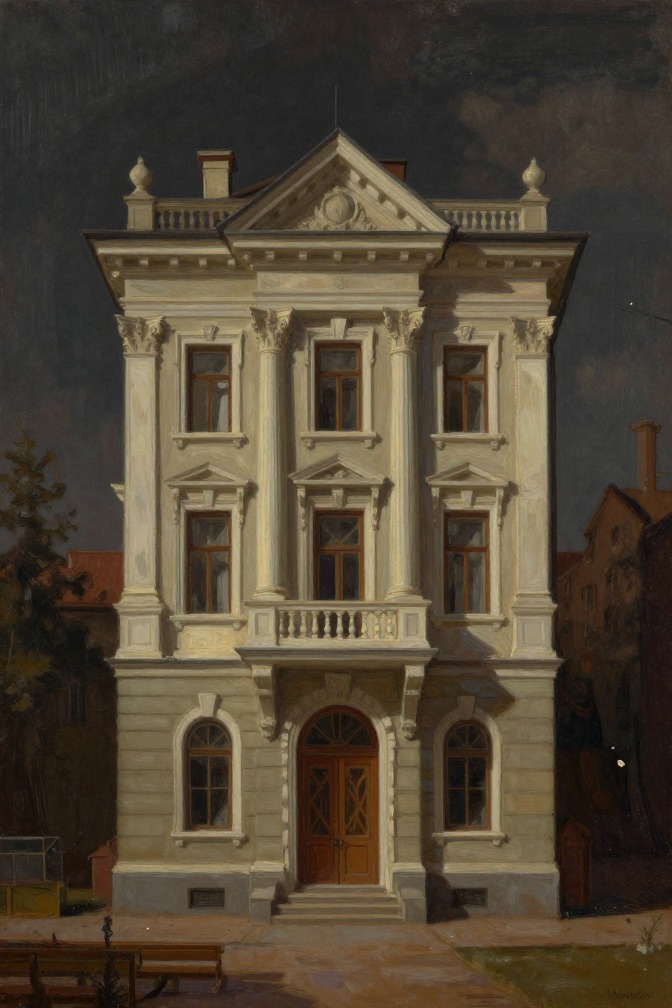
The Griboedov House is the headquarters of Massolit, the Moscow literary association, and houses its renowned restaurant. It serves as a central setting for the novel's satire of Soviet literary life, where the privileged members gather, gossip, and indulge in luxury, and where the poet Ivan Homeless stages a chaotic, scandalous appearance after the death of Berlioz.
The relationship between the Master and the critic Latunsky is one of persecution and ideological suppression, where Latunsky's vicious public attacks on the Master's unpublished novel about Pontius Pilate trigger the Master's psychological collapse and eventual confinement in a psychiatric clinic.