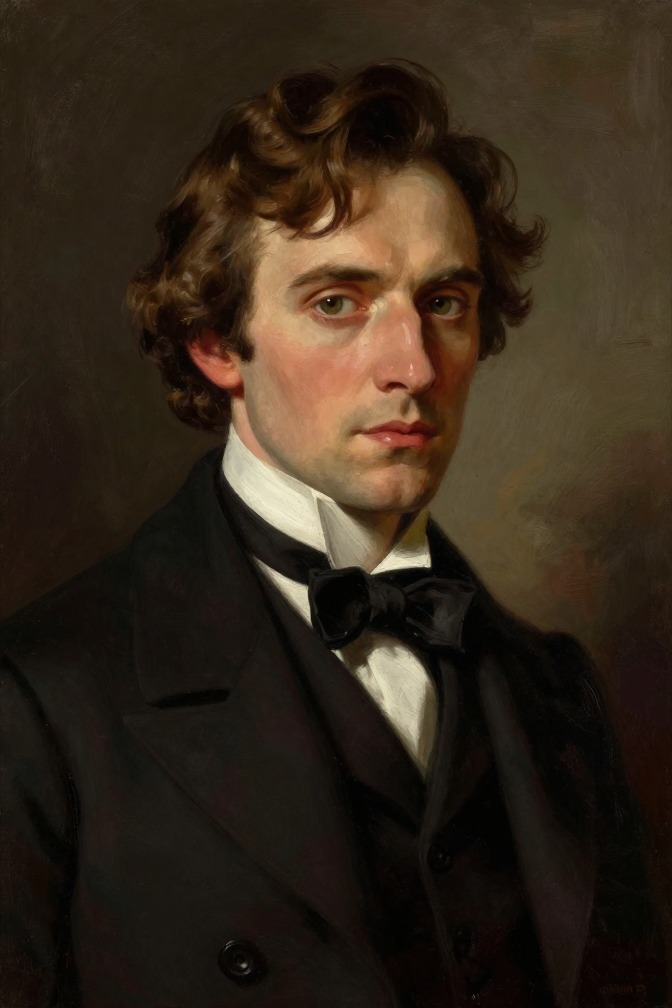
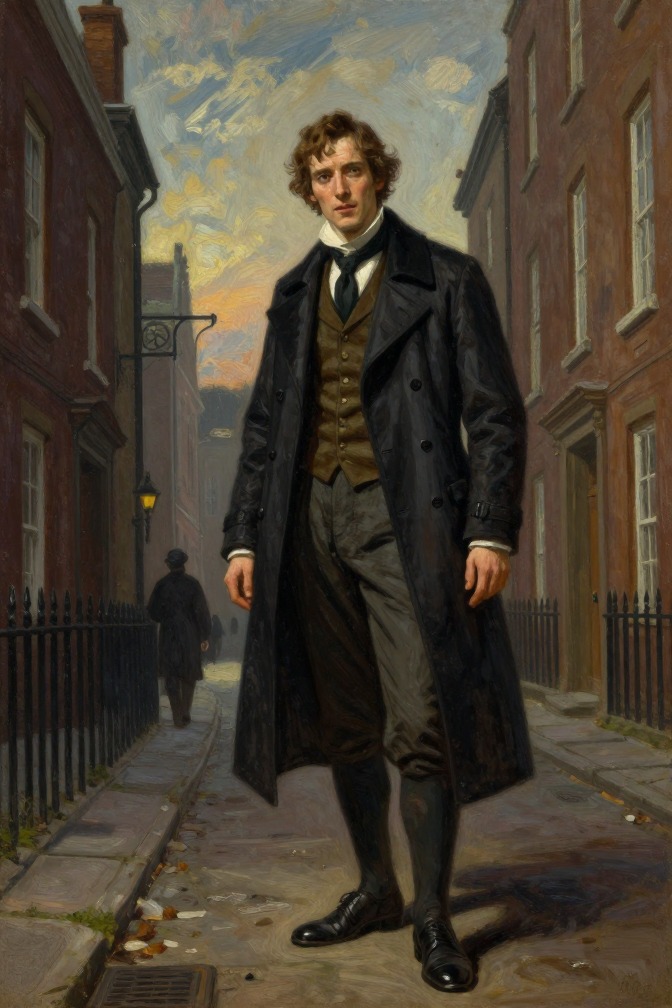
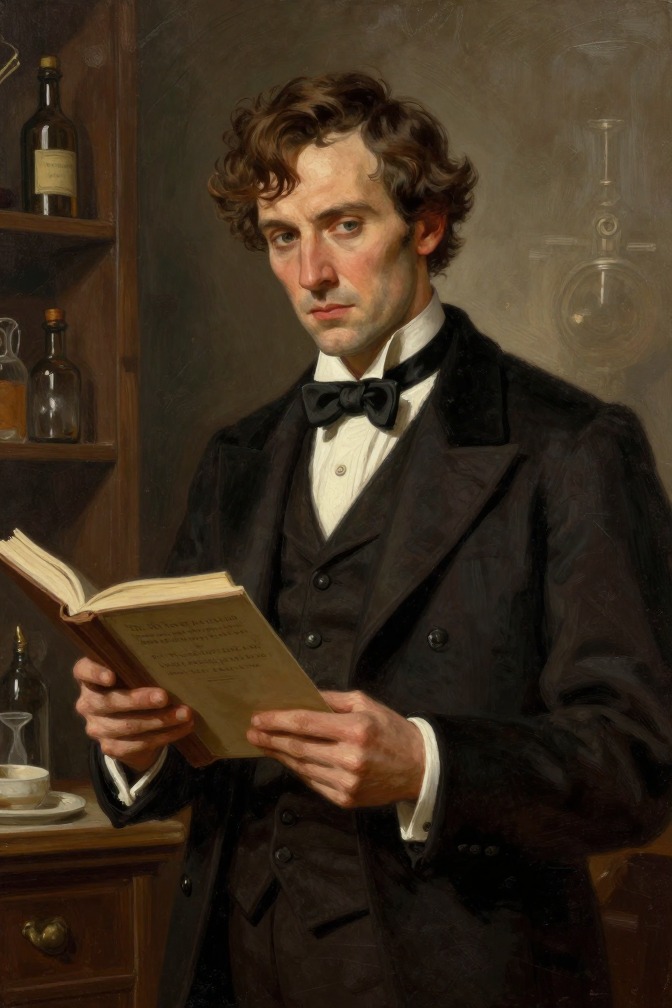
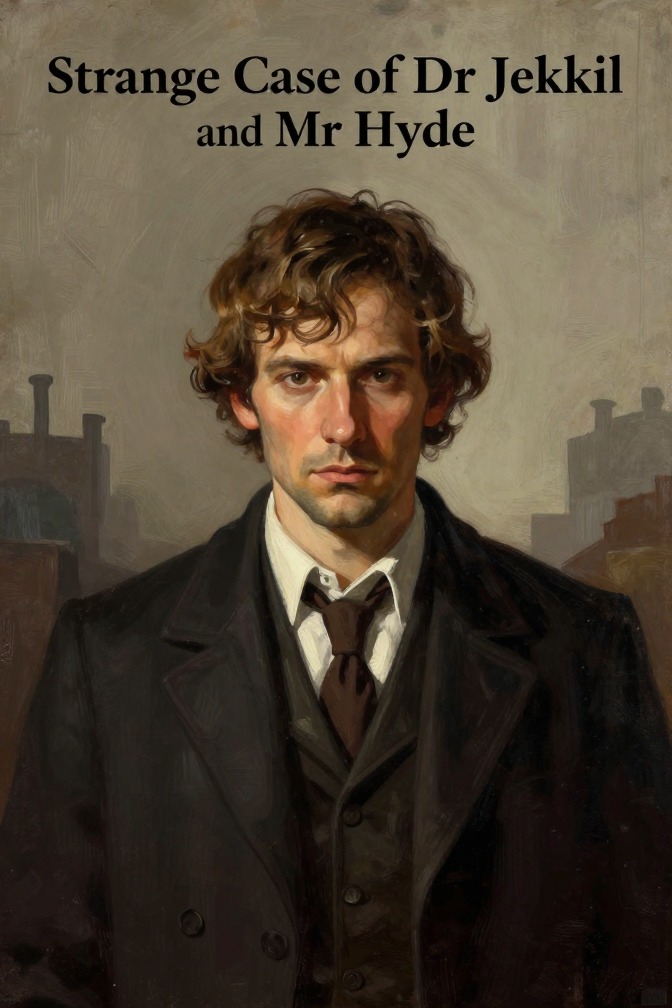
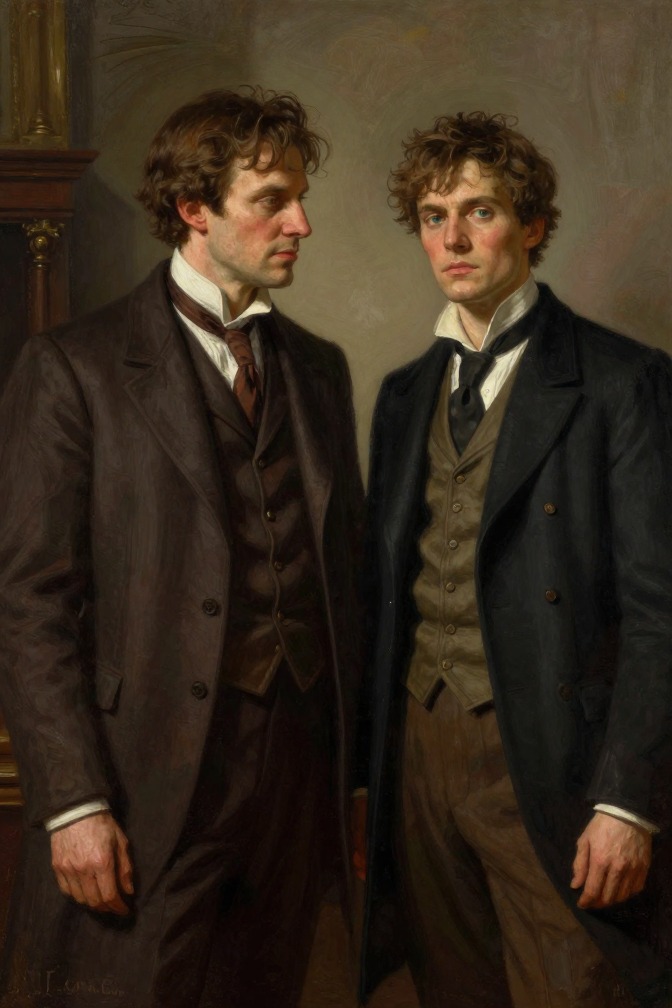
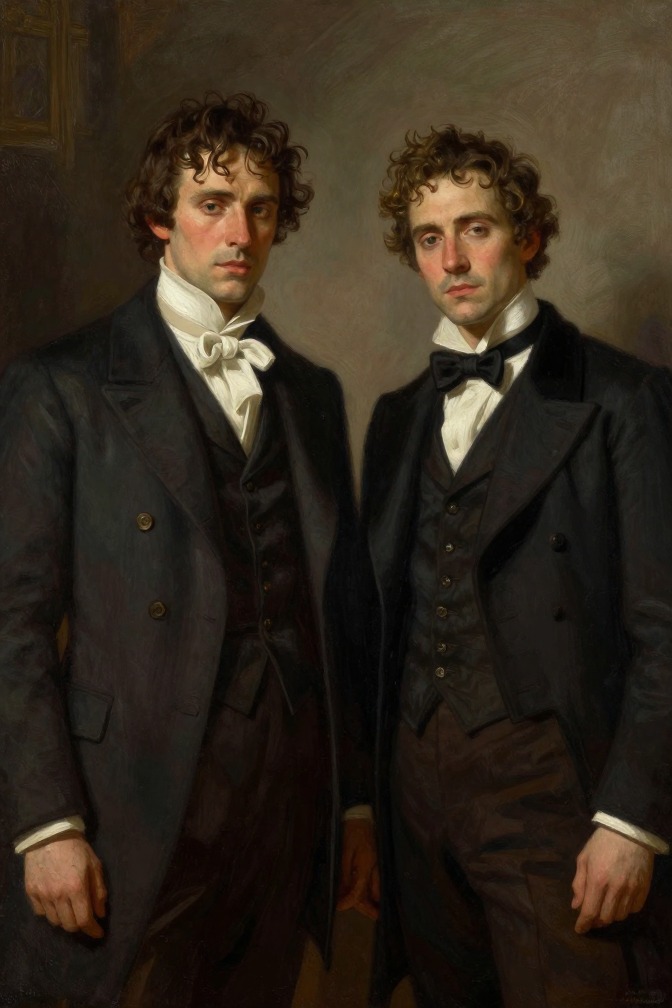
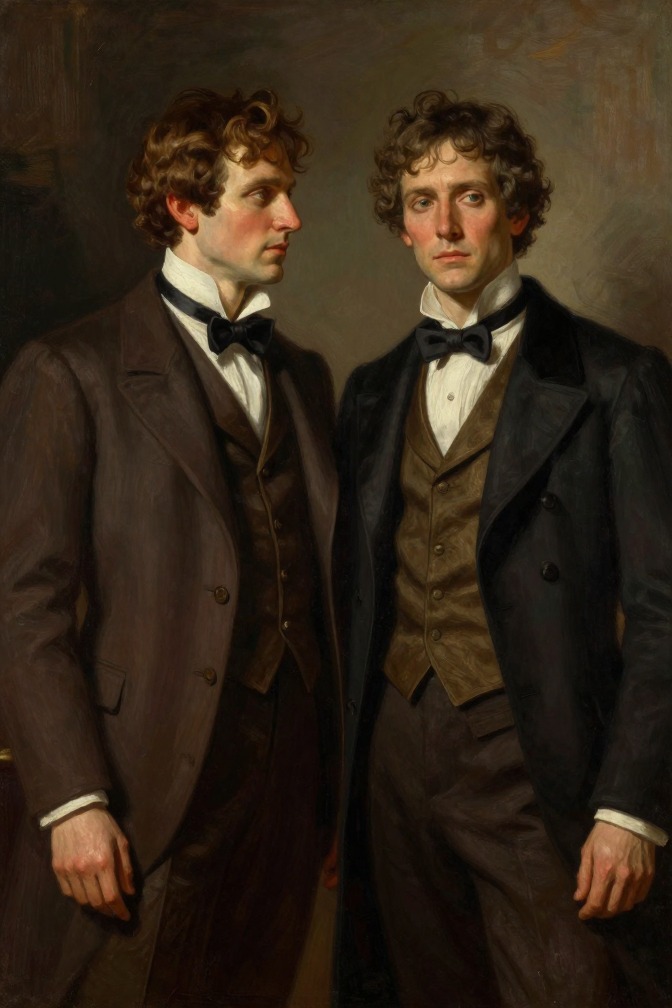
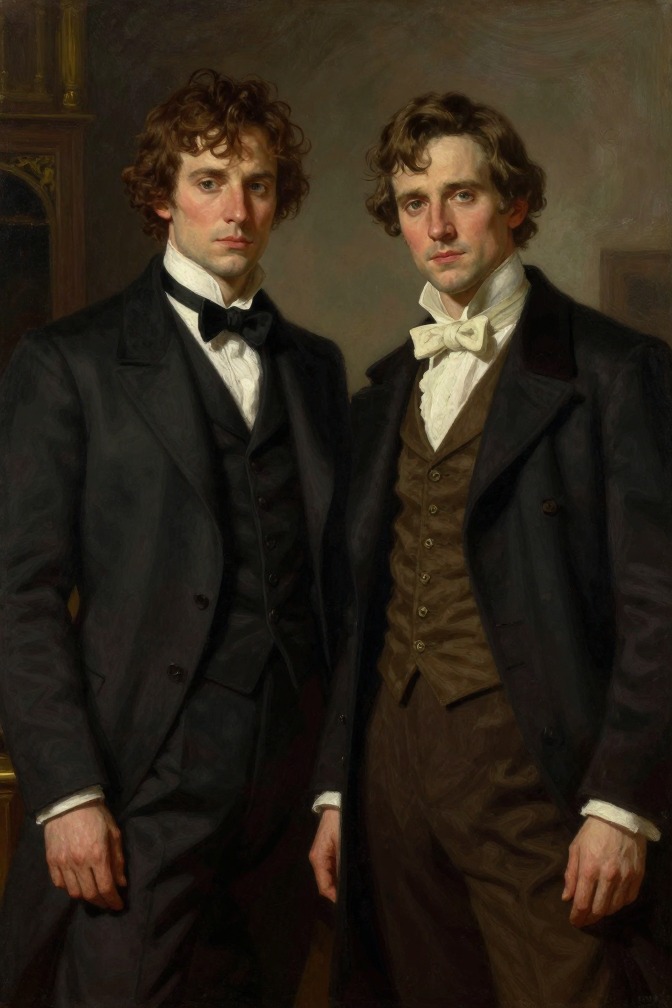
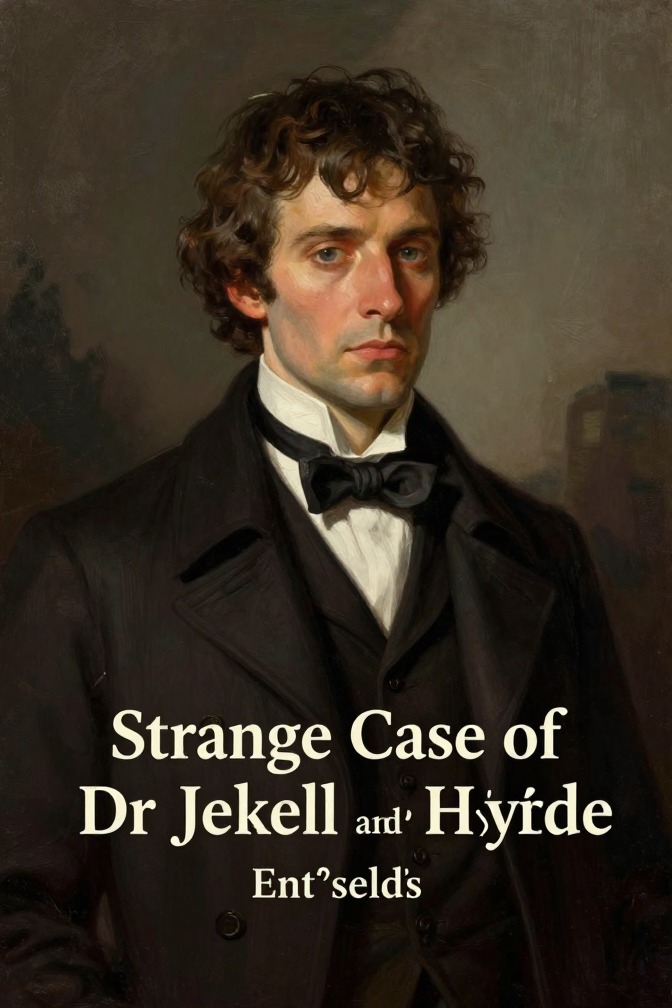
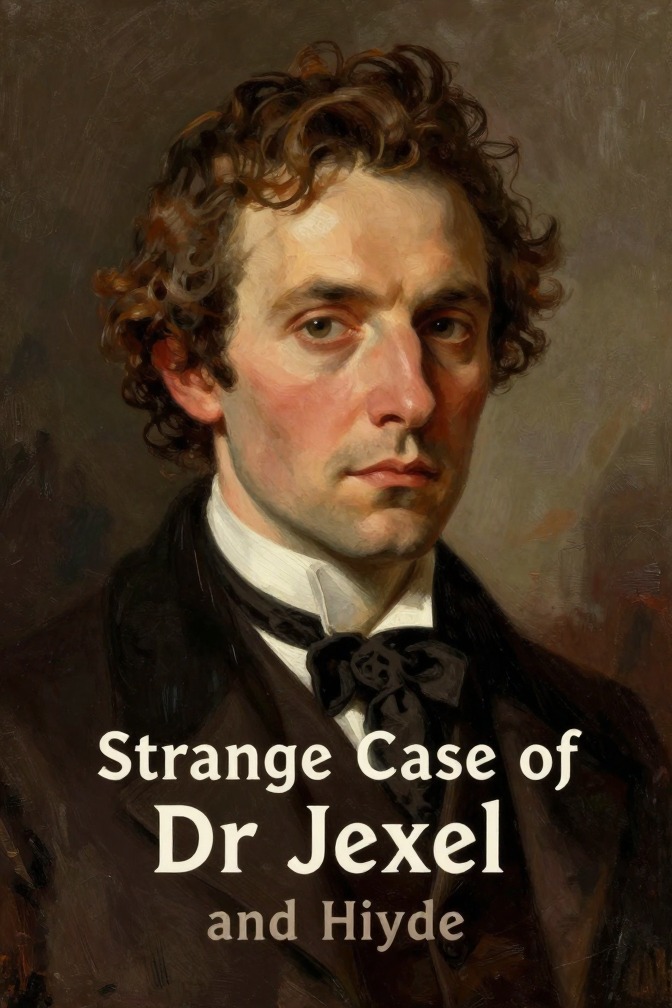
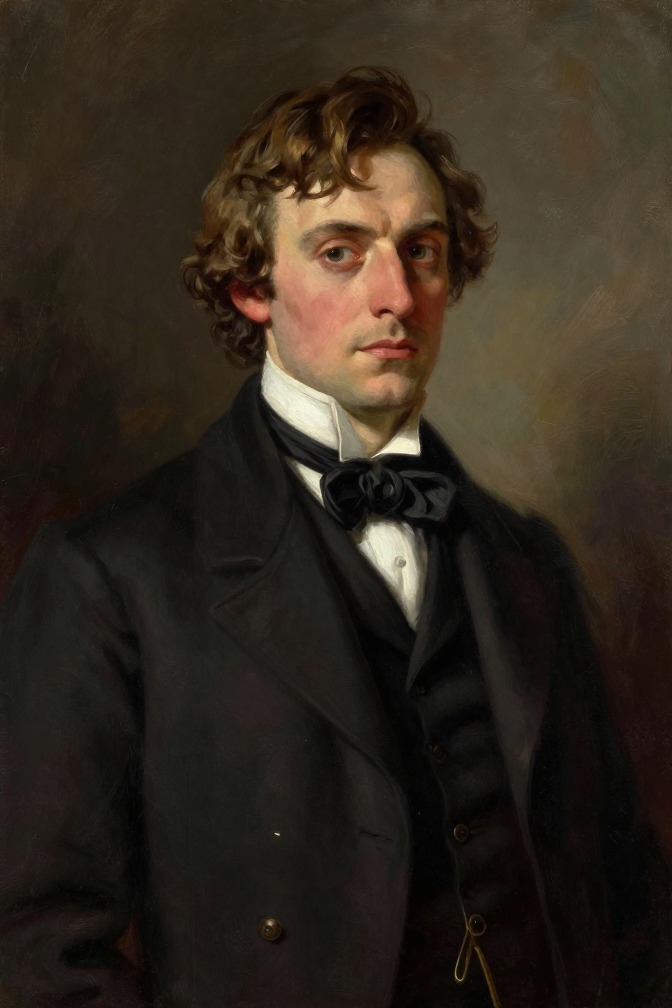
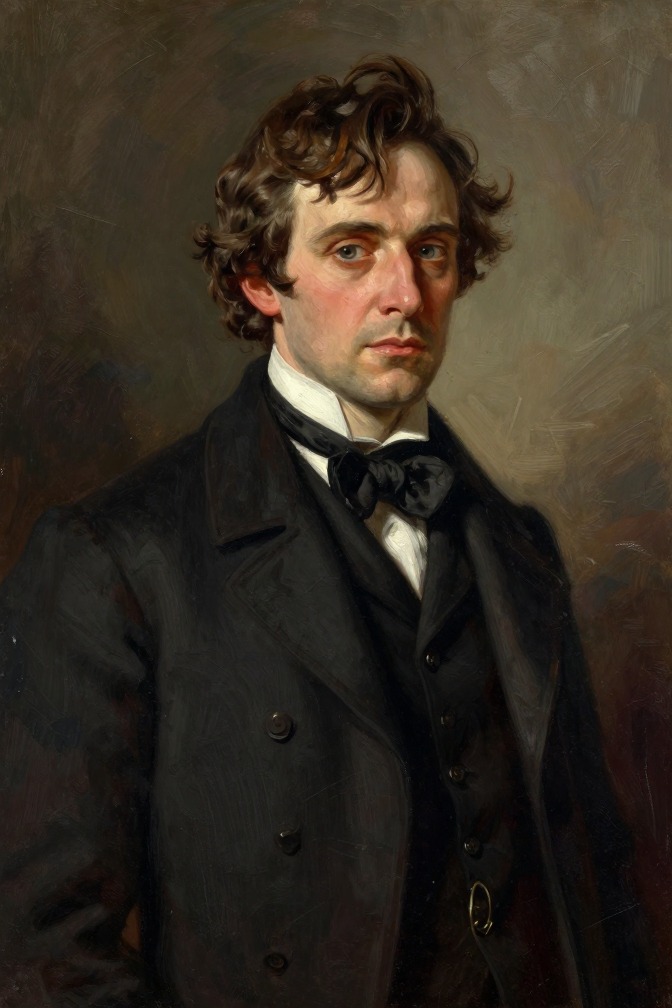
Mr. Utterson, the lawyer, serves as the story's central investigator and moral anchor, a man of rugged, undemonstrative character whose quiet loyalty and persistent curiosity drive the unraveling of the Jekyll-Hyde mystery.
Queer Street is a colloquial expression used by Mr. Richard Enfield in Robert Louis Stevenson's Strange Case of Dr Jekyll and Mr Hyde to describe a situation that appears suspicious, disreputable, or morally questionable, and which he deliberately refrains from investigating further as a matter of personal principle.
The last night is the climactic event of the novel, in which Mr. Utterson and Poole break into Dr. Jekyll's cabinet and discover the body of Edward Hyde, who has committed suicide by poison, bringing the mystery of Jekyll's disappearance and Hyde's identity to a violent and conclusive end.
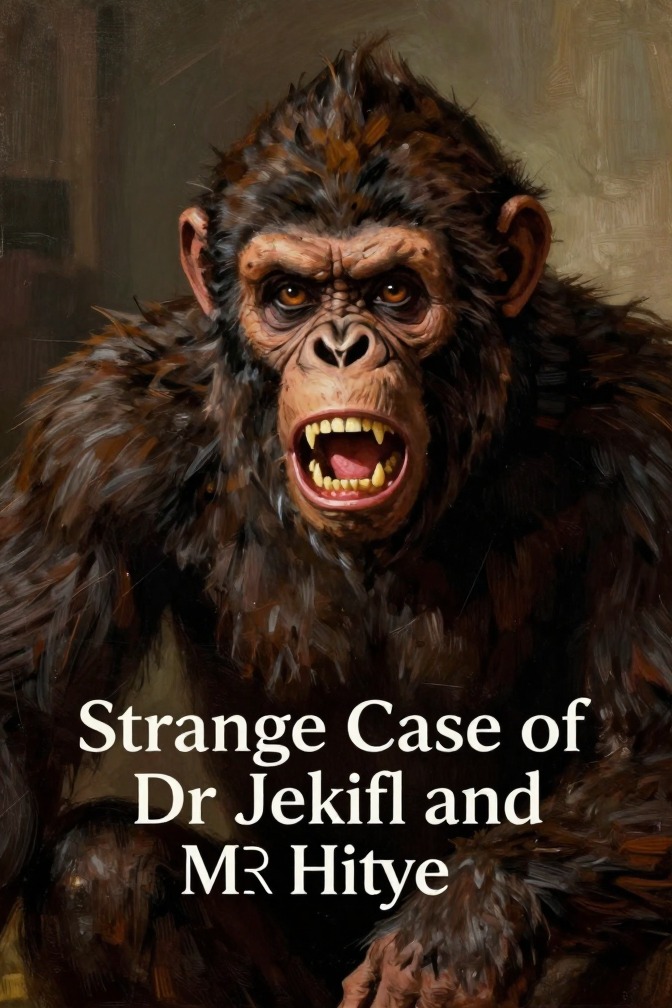
The phrase "ape-like fury" appears in the narrative of the Carew murder case, describing the manner in which Edward Hyde attacks and kills Sir Danvers Carew, and it serves as a key image that crystallizes the dehumanized, bestial nature of Hyde's violence.
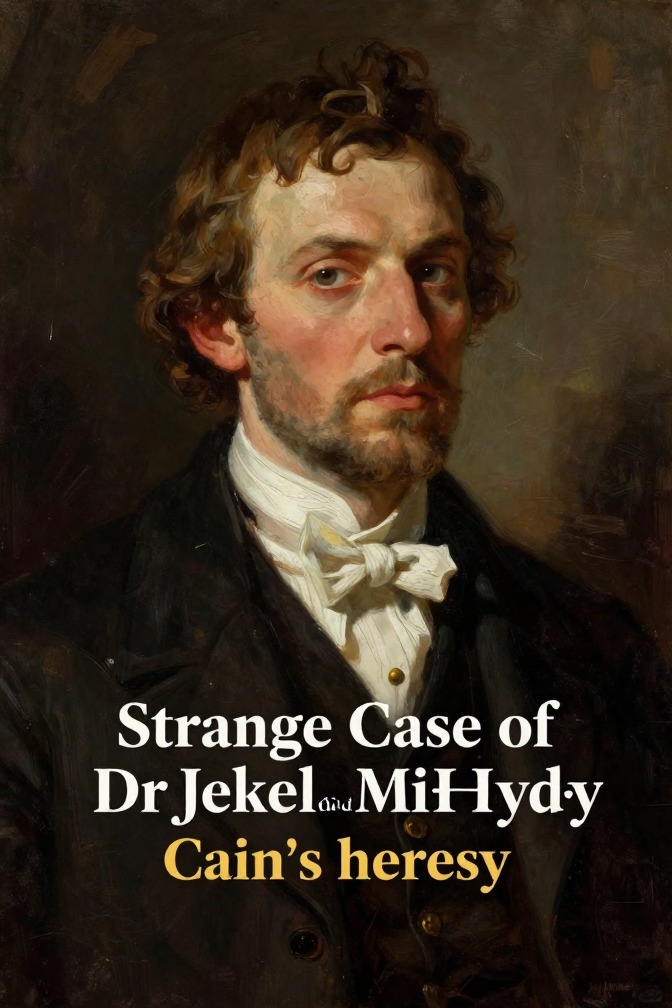
Cain's heresy is a phrase used by Mr. Utterson to describe his personal philosophy of non-interference, allowing others to go to ruin without reproach, which establishes his character and moral stance at the outset of the novel.
The cut and dry apothecary is a minor character in Robert Louis Stevenson's *Strange Case of Dr Jekyll and Mr Hyde*, a physician who witnesses the aftermath of Edward Hyde's trampling of a young girl and whose visceral reaction of murderous hatred underscores the universal revulsion Hyde inspires.
The thorough and primitive duality of man is the central philosophical concept in Robert Louis Stevenson's Strange Case of Dr Jekyll and Mr Hyde, articulated by Henry Jekyll in his final confession as the foundational truth that man is not truly one but truly two, a belief that drives his experiments and ultimately leads to his destruction.
Gaunt Street is the London address of Mr. Utterson, the lawyer who serves as the story's central investigator and moral anchor. It is the location from which Utterson conducts his inquiries into the mysterious relationship between Dr. Henry Jekyll and Mr. Edward Hyde, and it functions as a symbol of his stable, respectable, yet emotionally restrained domestic life.
Portland Street is a London thoroughfare where Edward Hyde, in the immediate aftermath of murdering Sir Danvers Carew, takes a hansom cab to a hotel and composes the letters that set in motion the final chain of events leading to his exposure.
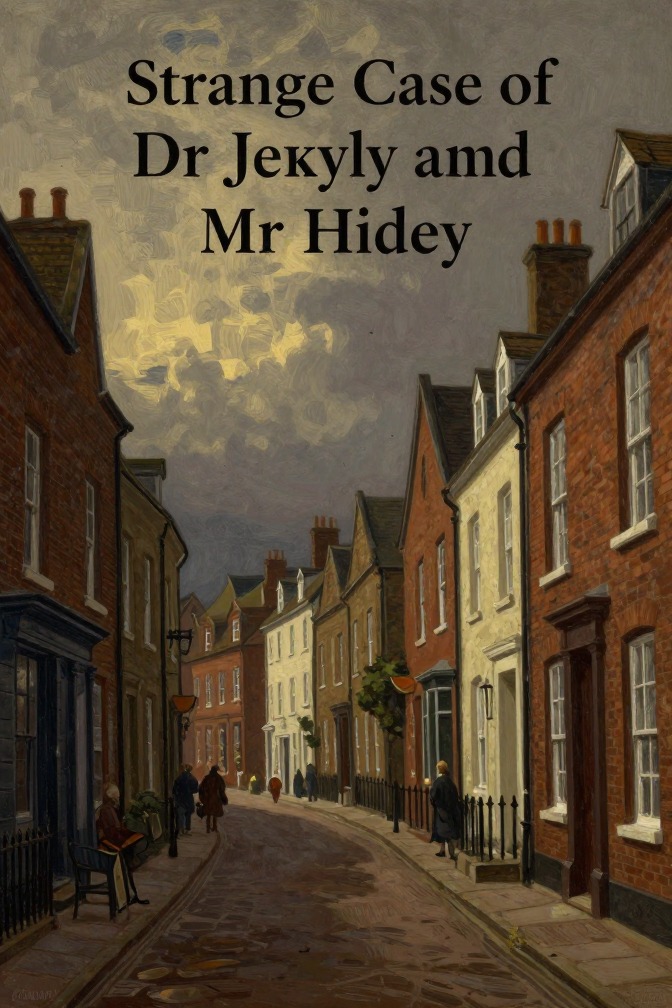
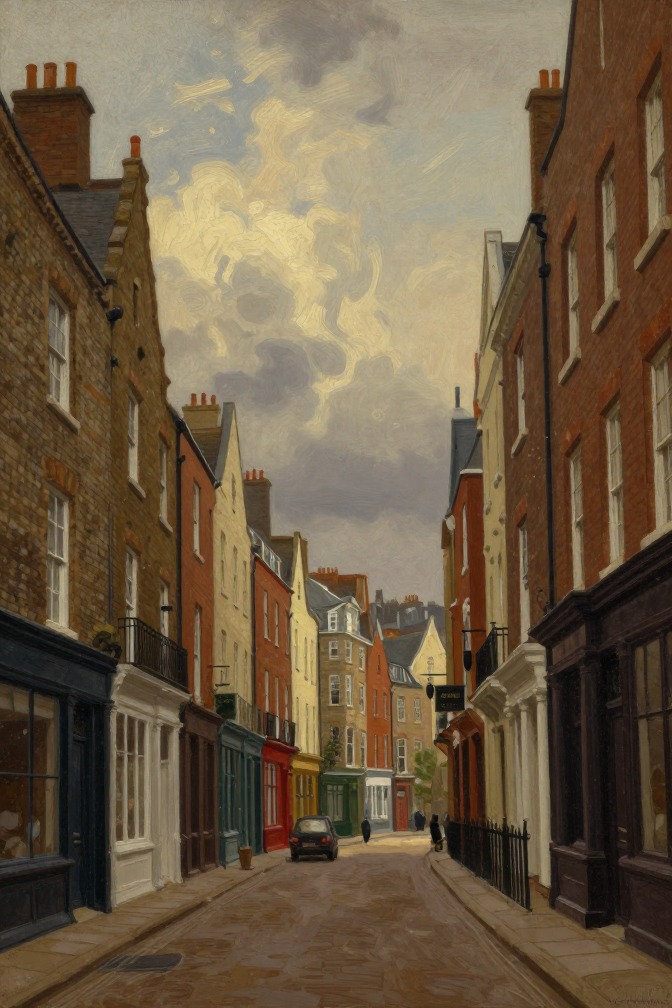
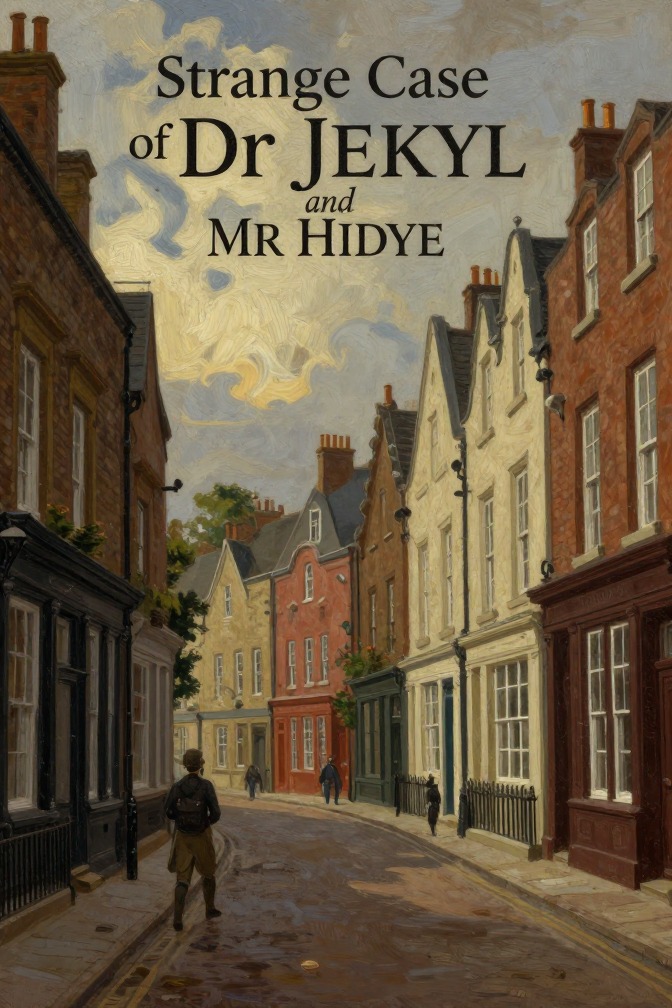
The by-street is a small, quiet thoroughfare in a busy quarter of London that serves as the physical and symbolic gateway to the hidden world of Dr. Jekyll and Mr. Hyde. It is the site of the mysterious door through which Hyde enters and exits, the location of the child trampling incident that first brings Hyde to public attention, and the place where Utterson and Enfield witness Jekyll's sudden terror at the window. The street's contrast between respectable commerce and sinister neglect mirrors the duality at the heart of the novel.
The court is a narrow, enclosed yard adjacent to the by-street, serving as the physical link between the public street and the private laboratory building where Dr. Jekyll conducts his experiments. It is the site of the pivotal 'Incident at the Window,' where Utterson and Enfield witness Jekyll's sudden, terrifying transformation into Hyde, and it functions as a liminal space that visually and symbolically connects the respectable facade of Jekyll's life to the hidden, monstrous reality within.
The lane is the narrow, moonlit London street where Sir Danvers Carew is brutally murdered by Edward Hyde, a crime that transforms the story from a mystery of character into a public scandal and a manhunt, and that ultimately forces the revelation of Hyde's true nature.
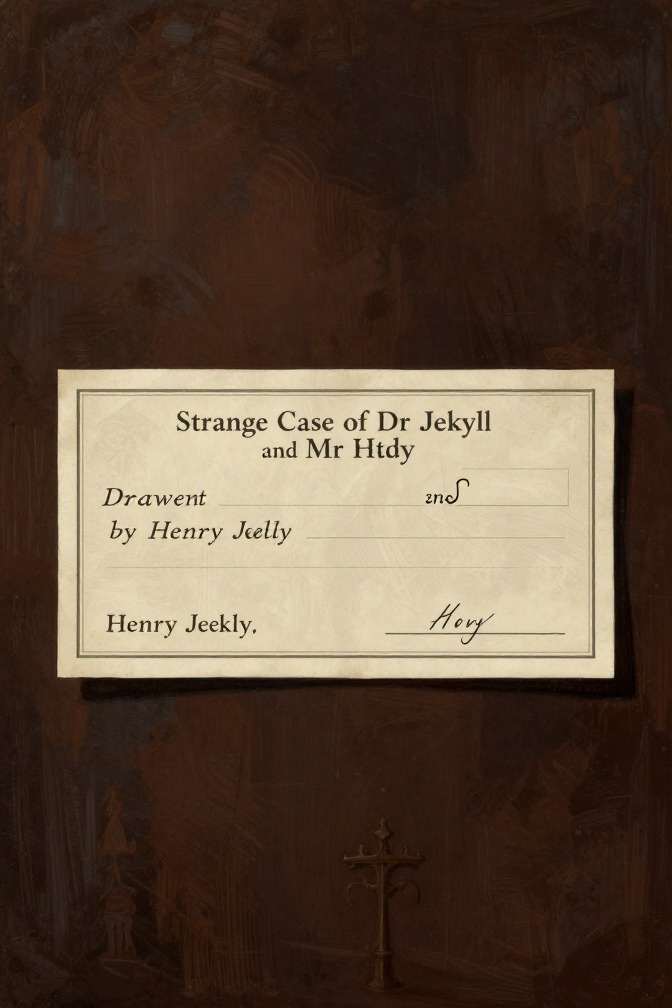
The cheque drawn by Henry Jekyll is a pivotal object in the opening of the novel, serving as the first concrete link between the respectable Dr. Jekyll and the sinister Mr. Hyde, and revealing the financial and moral entanglement that binds them.
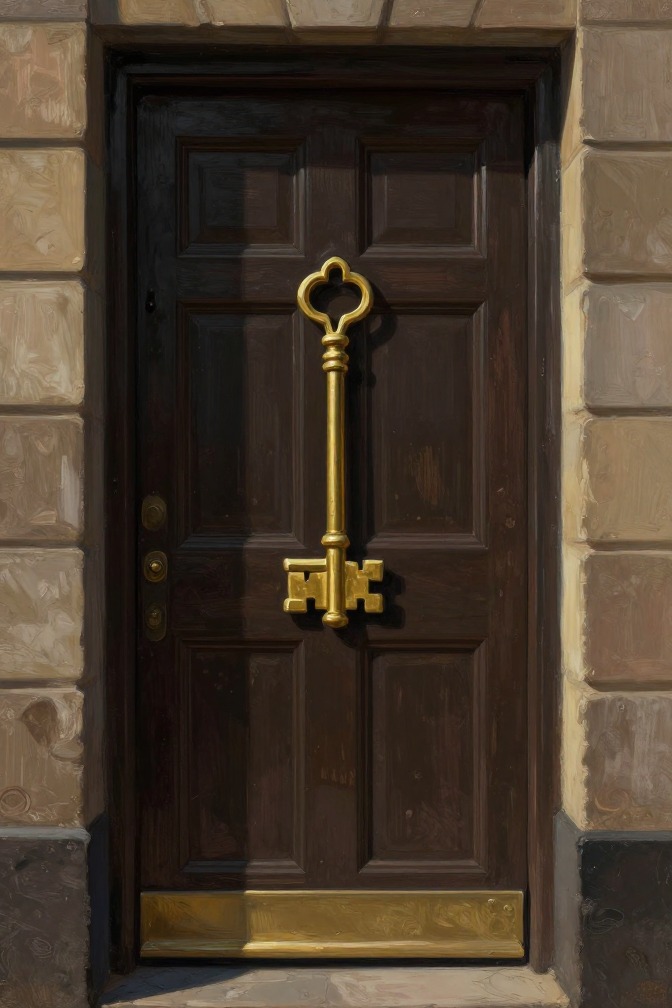
The key to the by-street door is a crucial object in Robert Louis Stevenson's Strange Case of Dr Jekyll and Mr Hyde, serving as the physical and symbolic link between the two identities of Henry Jekyll and Edward Hyde. Its presence, use, and eventual abandonment trace the arc of Hyde's rise and fall, and its final state—broken and rusted—marks the irreversible collapse of Jekyll's double life.
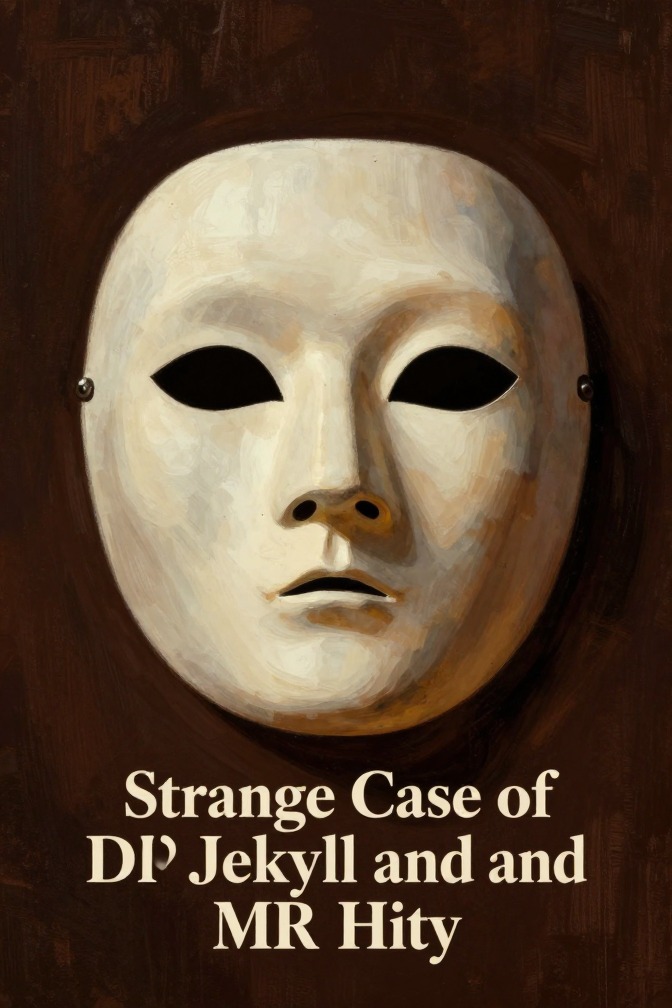
The mask is a crucial object in the final phase of the story, serving as a physical barrier that conceals the identity of the creature inhabiting Dr. Jekyll's cabinet and becomes a key piece of evidence in the mystery of Jekyll's disappearance.
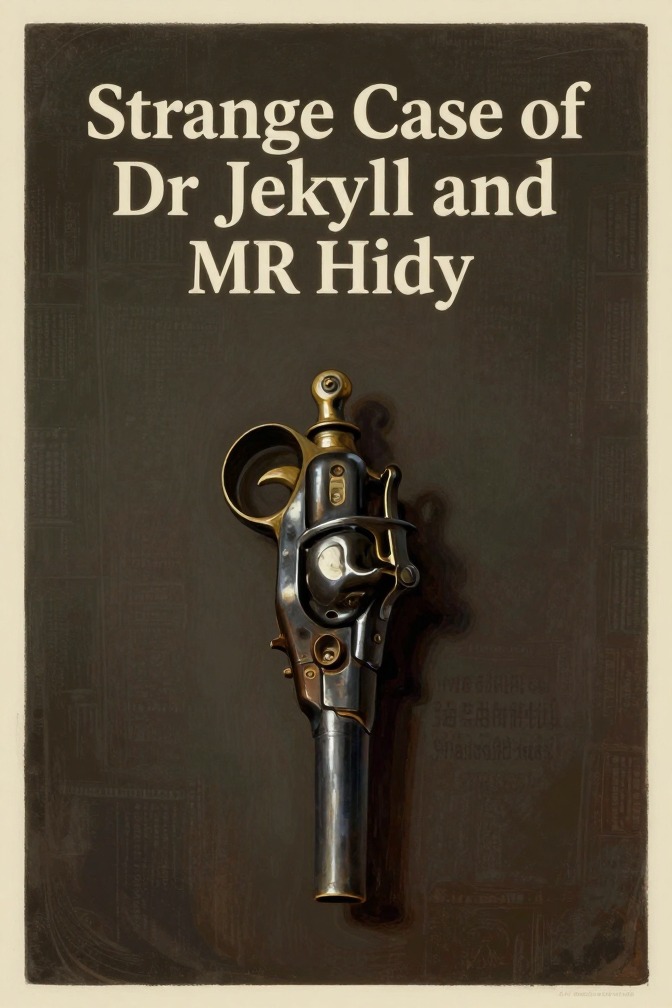
The old revolver is a firearm that Dr. Hastie Lanyon loads and keeps at hand during the night of December 9, 18—, when he awaits the mysterious messenger sent by Henry Jekyll. It represents Lanyon's rational, defensive posture in the face of an inexplicable errand and underscores the atmosphere of suspicion and latent violence that pervades the encounter between the two old colleagues.
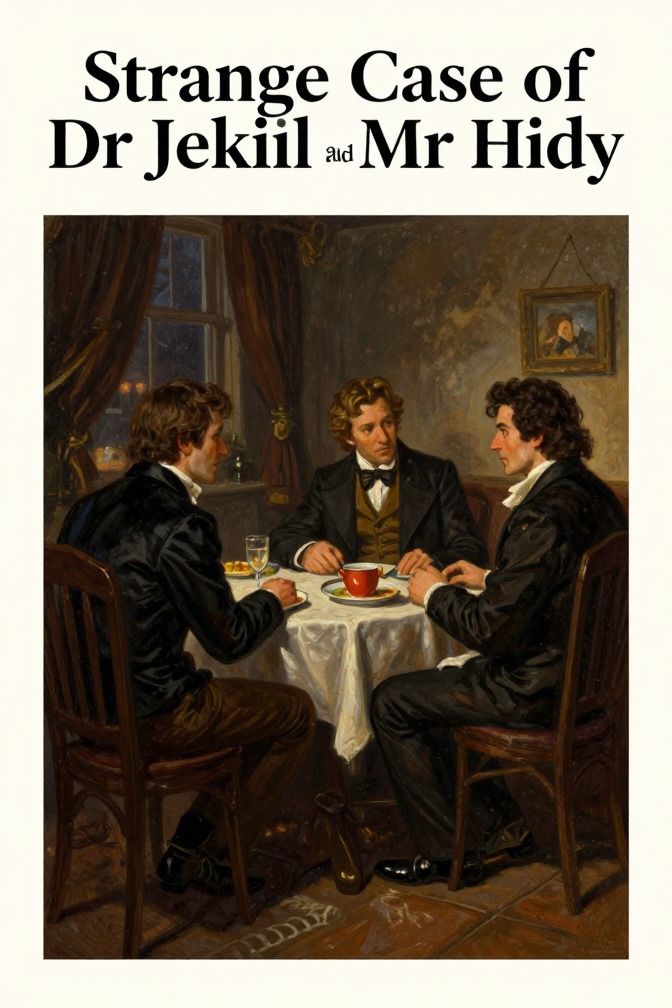
The Utterson–Enfield relationship is a central friendship in Robert Louis Stevenson's *Strange Case of Dr Jekyll and Mr Hyde*, defined by a deep, tacit bond between two distant kinsmen who share regular Sunday walks and a mutual commitment to discretion, which serves as the narrative's initial conduit for the mystery of Mr. Hyde.
The Utterson–Guest relationship is a professional bond of trust and discretion between the lawyer and his head clerk, which becomes crucial when Guest's expert analysis of handwriting reveals the startling resemblance between Hyde's letter and Jekyll's hand, deepening the mystery.
The Utterson–Hyde relationship is a central axis of suspicion and investigation in Robert Louis Stevenson's novella, defined by Utterson's growing horror at the man his friend Henry Jekyll has taken under his protection. From their first encounter outside the by-street door to the final discovery of Hyde's corpse, Utterson's interactions with Hyde are marked by an instinctive, almost supernatural revulsion that deepens his conviction that Hyde is a fiendish figure, and this relationship drives the lawyer's relentless pursuit of the truth behind Jekyll's strange connection.
The relationship between Mr. Utterson and Dr. Henry Jekyll is the central investigative and emotional anchor of the novel, defined by Utterson's loyal, protective friendship and Jekyll's secretive, desperate dependence. Utterson serves as Jekyll's lawyer, confidant, and moral compass, yet his persistent attempts to understand and save his friend are repeatedly thwarted by Jekyll's evasions and the horrifying truth of his double life. The bond, built on years of mutual affection and trust, ultimately becomes a source of profound anxiety and helplessness for Utterson as he witnesses Jekyll's inexorable decline.
Enfield's rule is a personal principle of discretion articulated by Mr. Richard Enfield during his Sunday walk with Mr. Utterson, stating that the more a matter resembles Queer Street, the less one should inquire about it.
March is the month in which the final, catastrophic events of the story unfold, marking the season of the last night when Mr. Utterson and Poole break into the cabinet and discover Hyde's corpse, bringing the mystery to its grim conclusion.
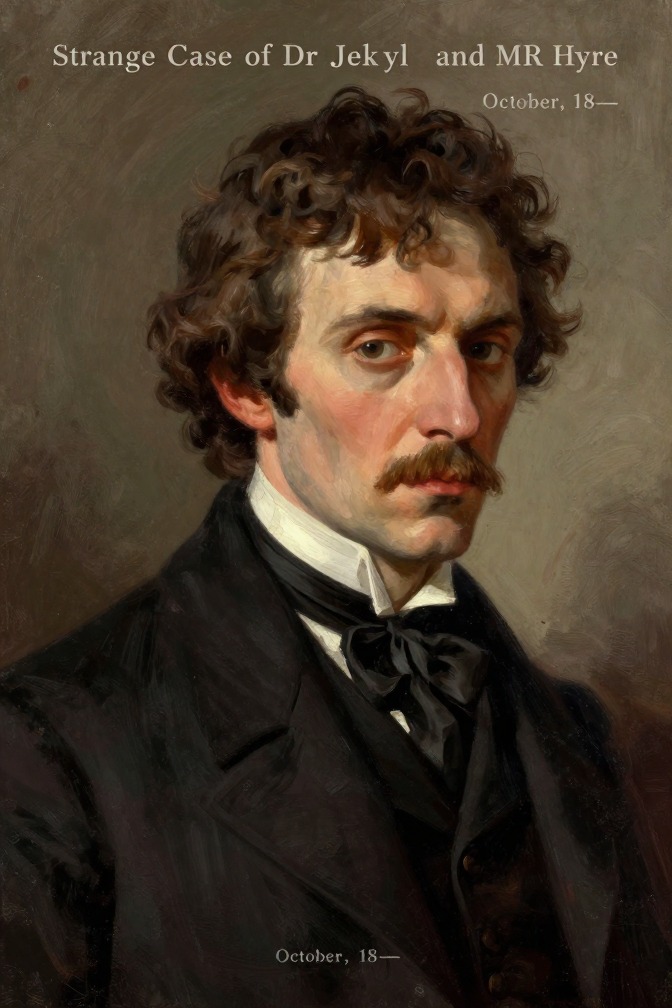
October, 18— is the month in which the murder of Sir Danvers Carew occurs, a crime of singular ferocity that startles London and sets in motion the final unraveling of the mystery surrounding Dr. Jekyll and Mr. Hyde.
Mr. Losberne, the eccentric and kind-hearted surgeon of Chertsey, becomes a crucial ally to Oliver Twist after the failed burglary, using his medical skill, impulsive generosity, and strategic cunning to protect the boy and help unravel the mysteries of his past.
Mr. Sowerberry is the parochial undertaker who takes Oliver Twist as an apprentice, a gaunt, threadbare man whose professional jocosity and deference to his wife mask a business built on the parish's new feeding system, which produces narrower coffins and more frequent deaths.
Mrs. Sowerberry is the sharp-tongued, miserly wife of the undertaker Mr. Sowerberry, who treats Oliver Twist with consistent cruelty and hostility from the moment he arrives as a parish apprentice, and whose antagonism shapes Oliver's early suffering in the trade.
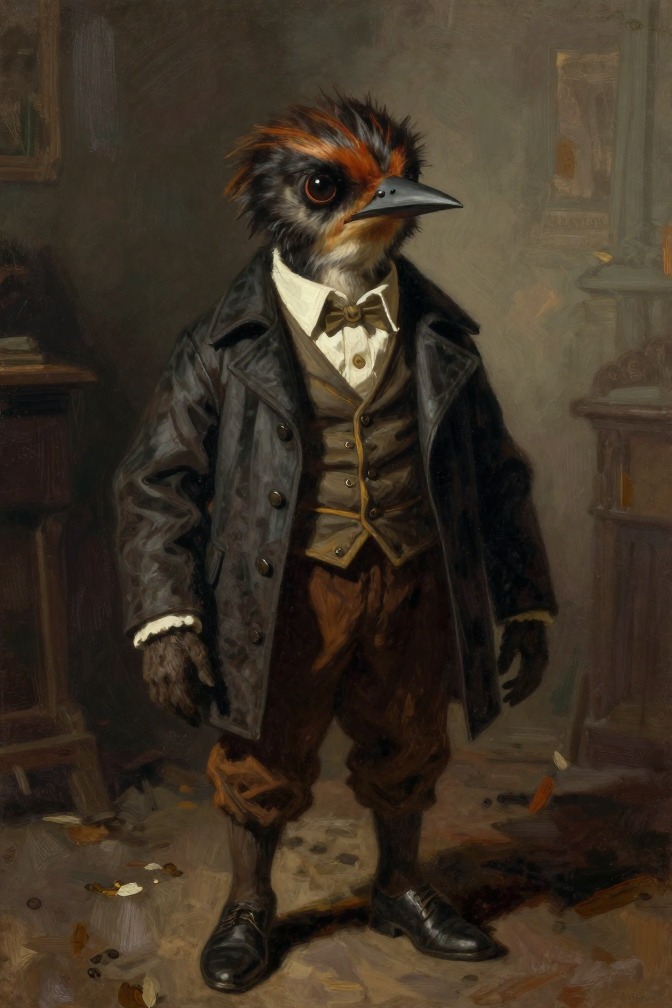
In Oliver Twist, birds appear as symbols of freedom, innocence, and domestic happiness, contrasting with the squalor and confinement of the workhouse and criminal underworld. They are associated with Rose Maylie's gentle care and the pastoral peace of the countryside, while their absence or silencing marks the oppressive environments Oliver endures.
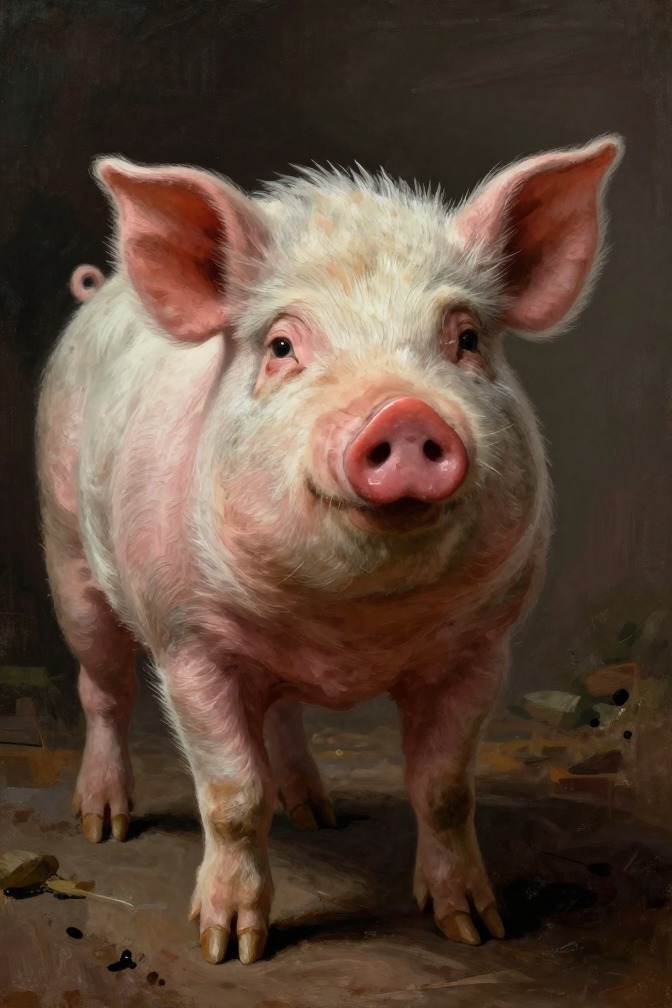
The pig appears in Oliver Twist as a recurring animal image, used by Dickens to evoke the squalor, brutality, and moral degradation of the London underworld and the workhouse system. Pigs are mentioned in contexts ranging from market scenes and casual similes to the final, gruesome death of Bill Sikes's dog, Bull's-eye, which is compared to a pig in its fall. The animal serves as a marker of the lowest social depths and the dehumanizing conditions of poverty.
Spiders appear in Oliver Twist as a subtle but persistent motif of decay, neglect, and the passage of time, particularly within the abandoned spaces of Fagin's den and the desolate landscapes that Oliver traverses.
Oliver asks for more is the pivotal scene in Charles Dickens's Oliver Twist in which the starving orphan, driven by desperation after months of slow starvation in the workhouse, steps forward after supper and requests a second portion of gruel, an act that the board of guardians treats as a monstrous rebellion, leading to his confinement, a five-pound reward for his apprenticeship, and the first decisive turn in his journey from parish child to London outcast.