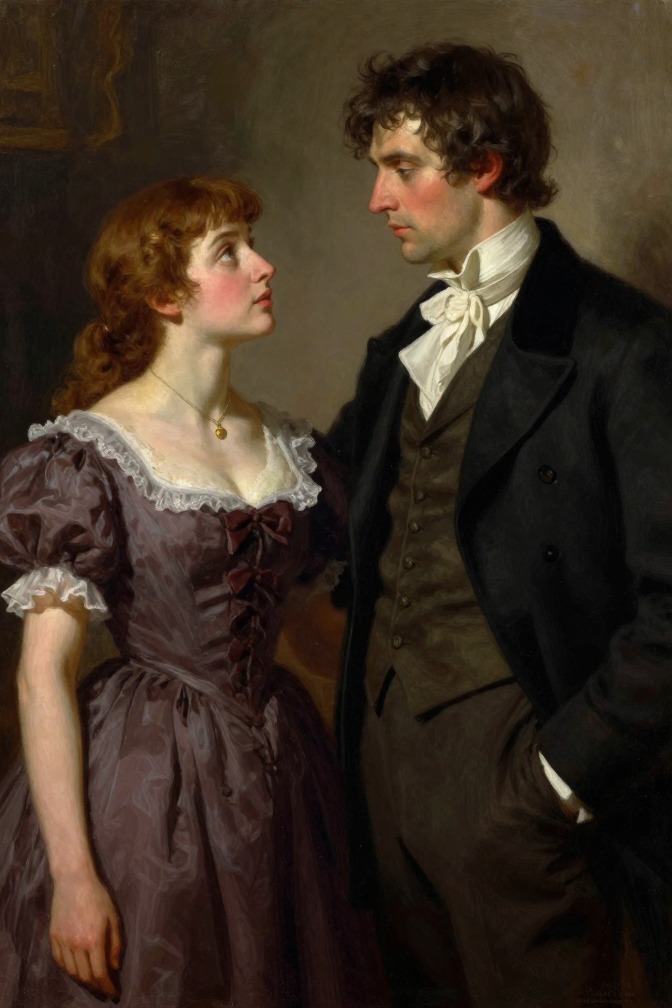
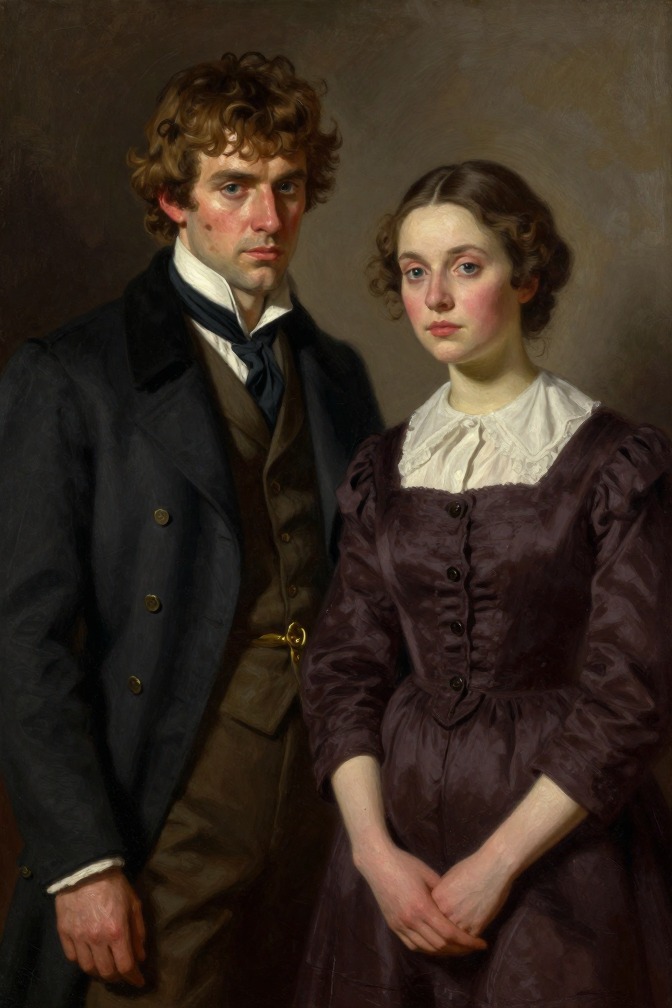
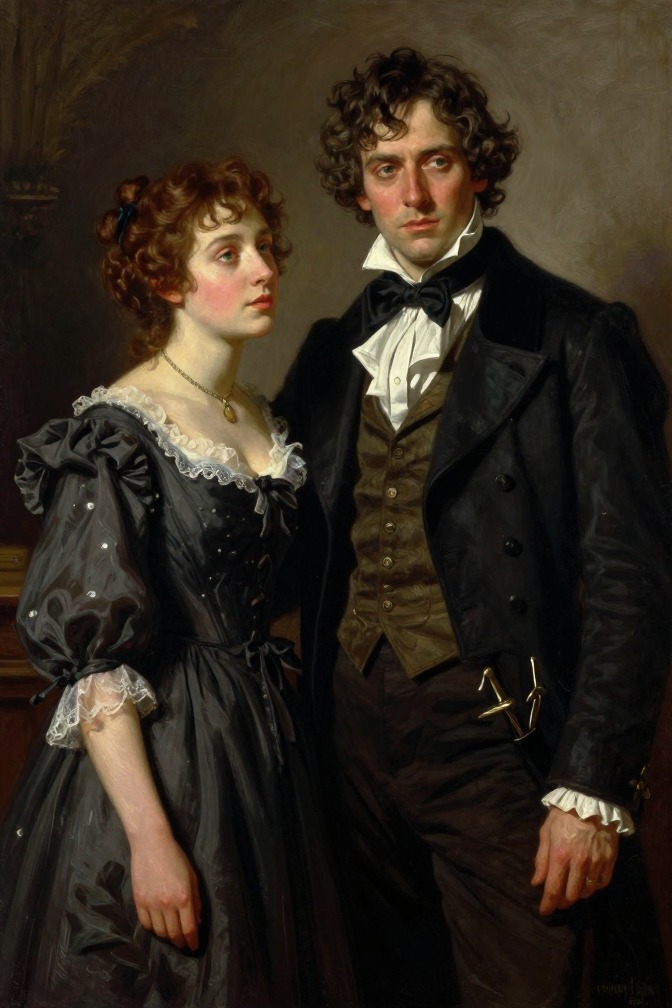
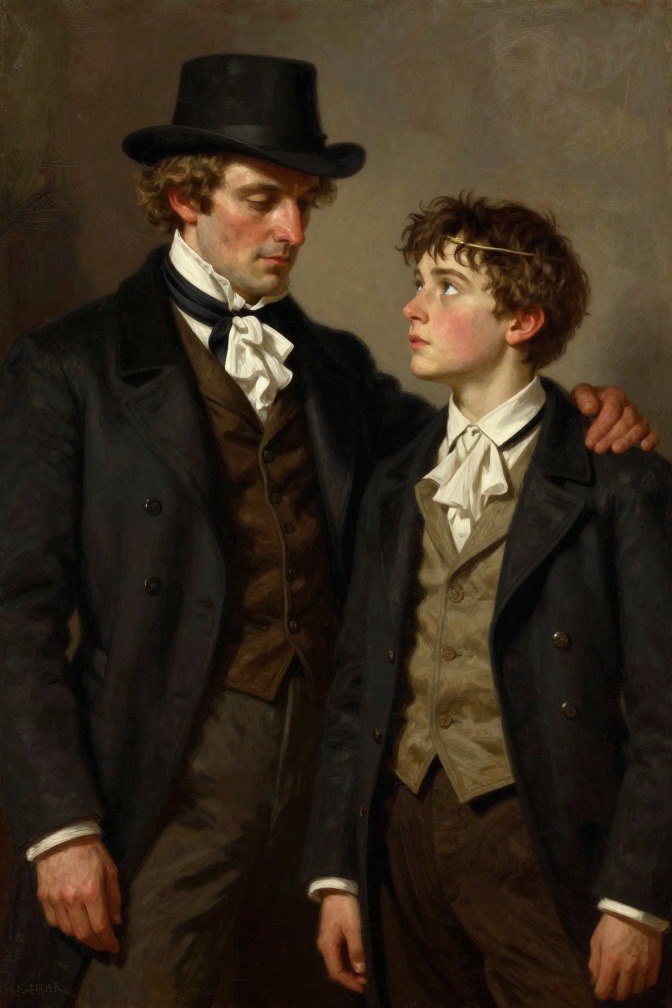
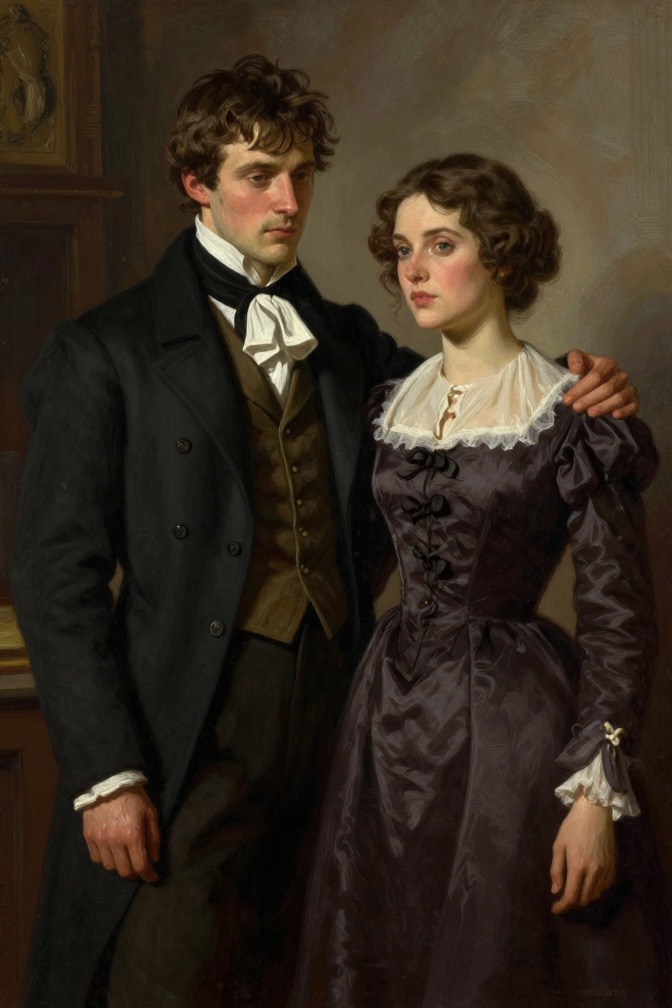
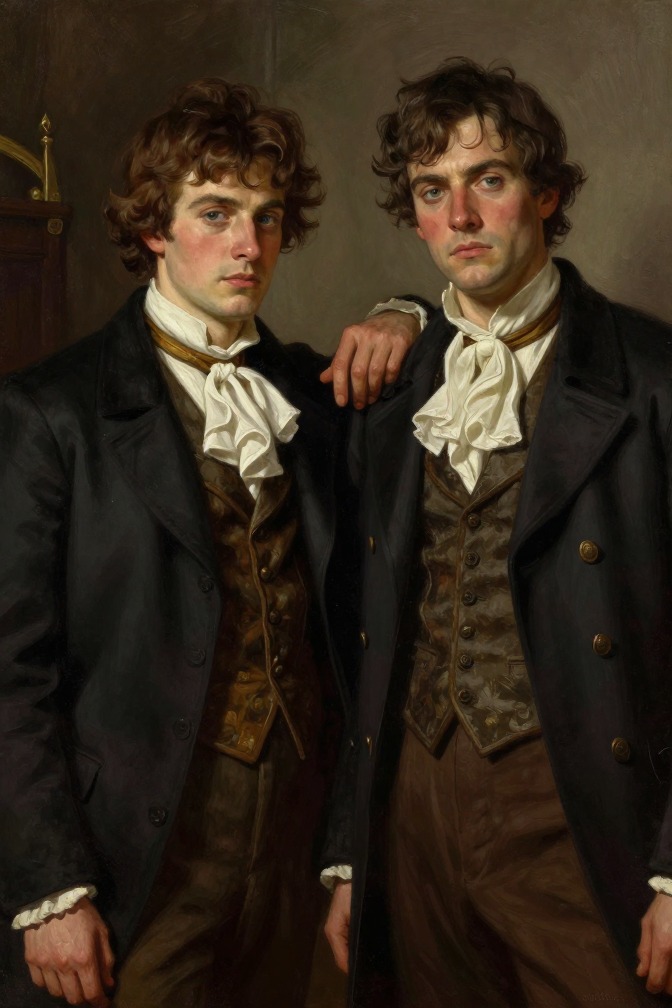
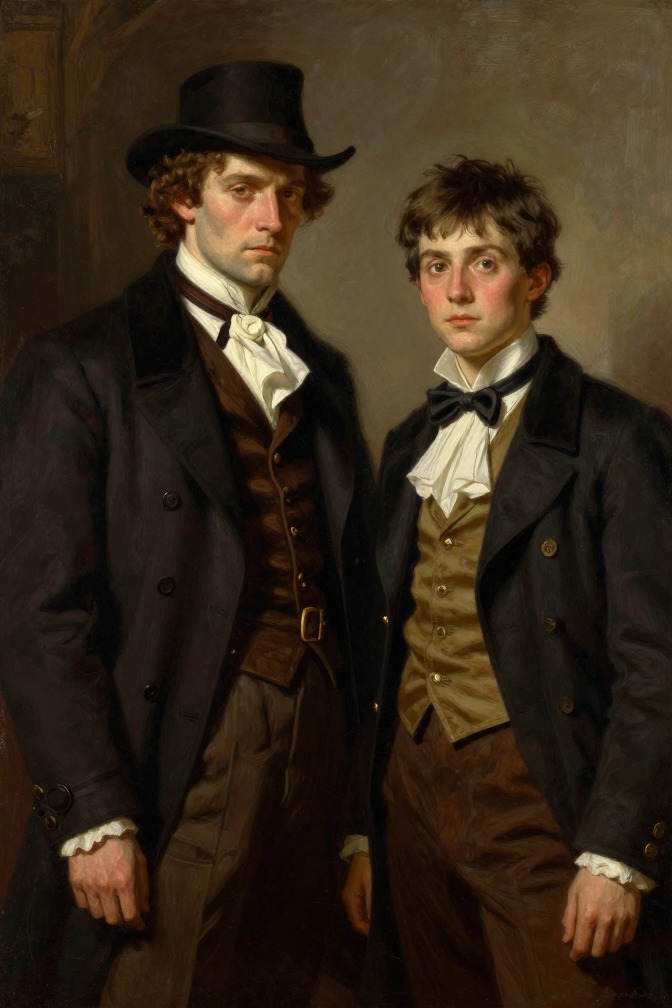
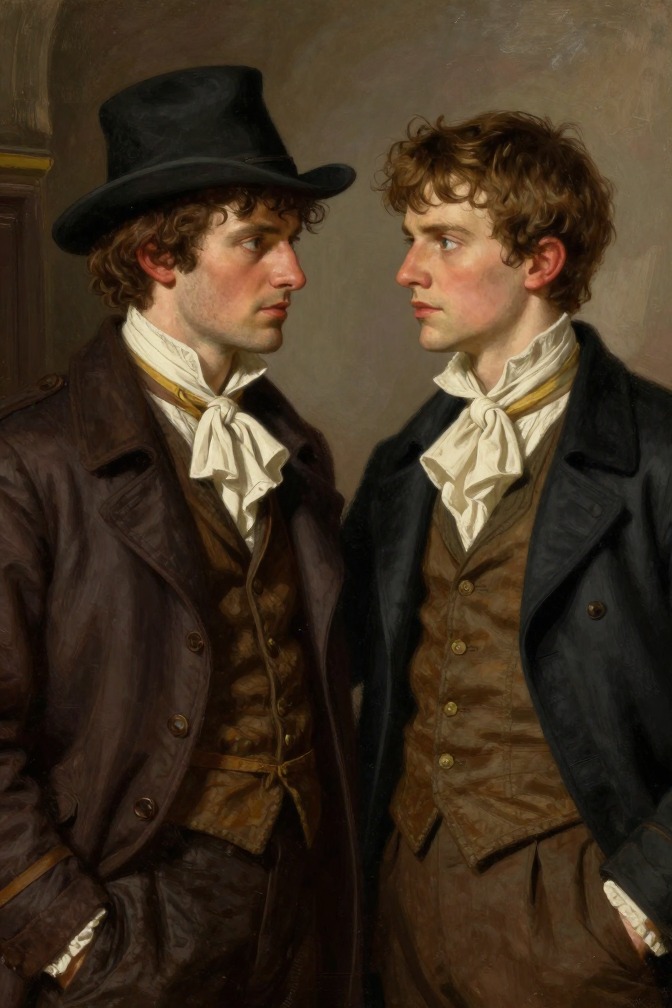
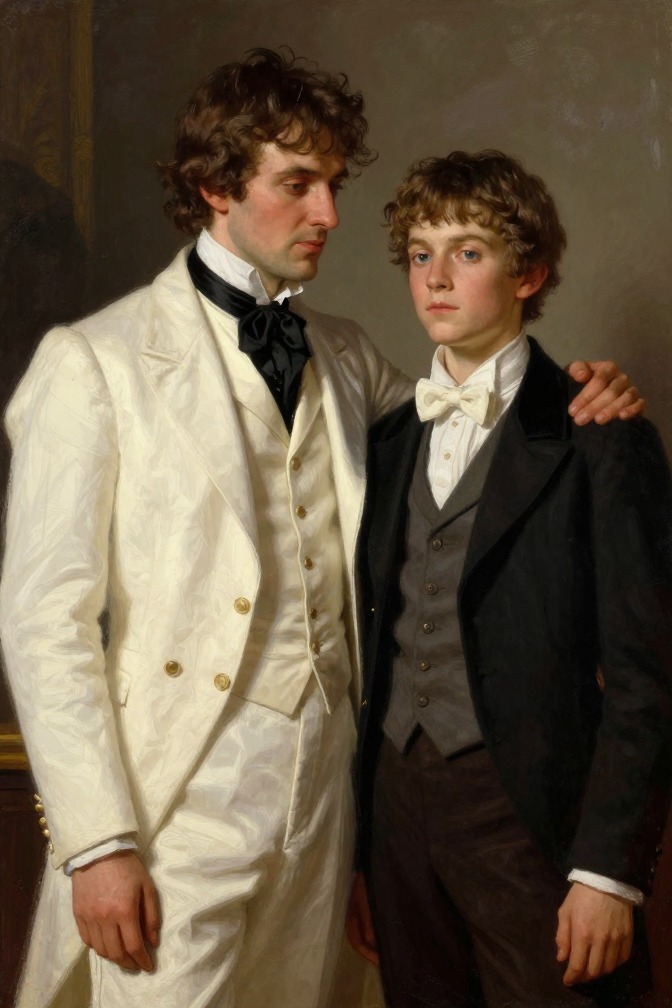
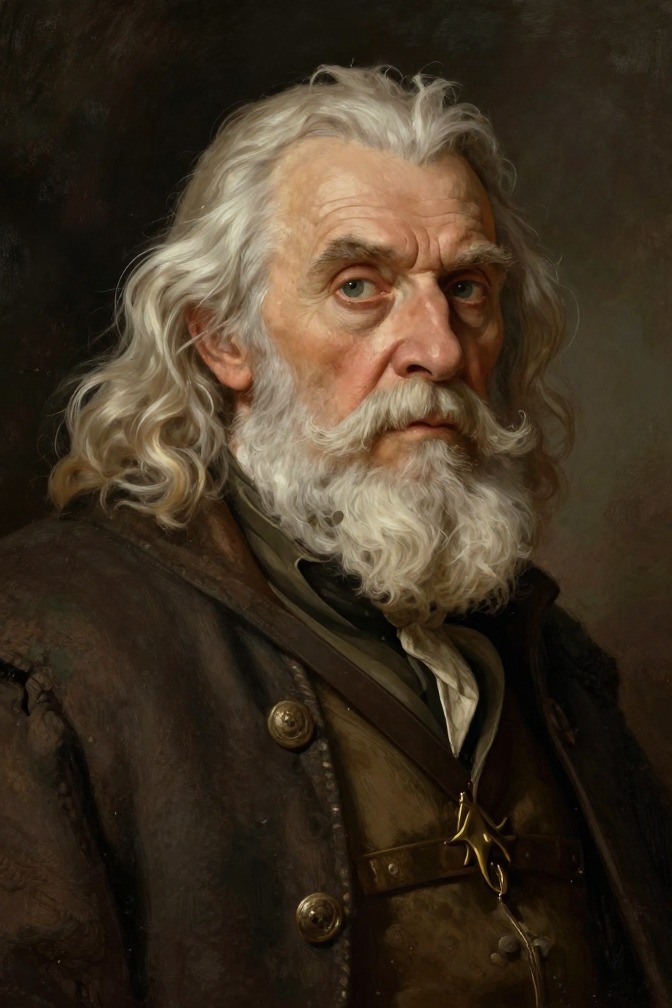
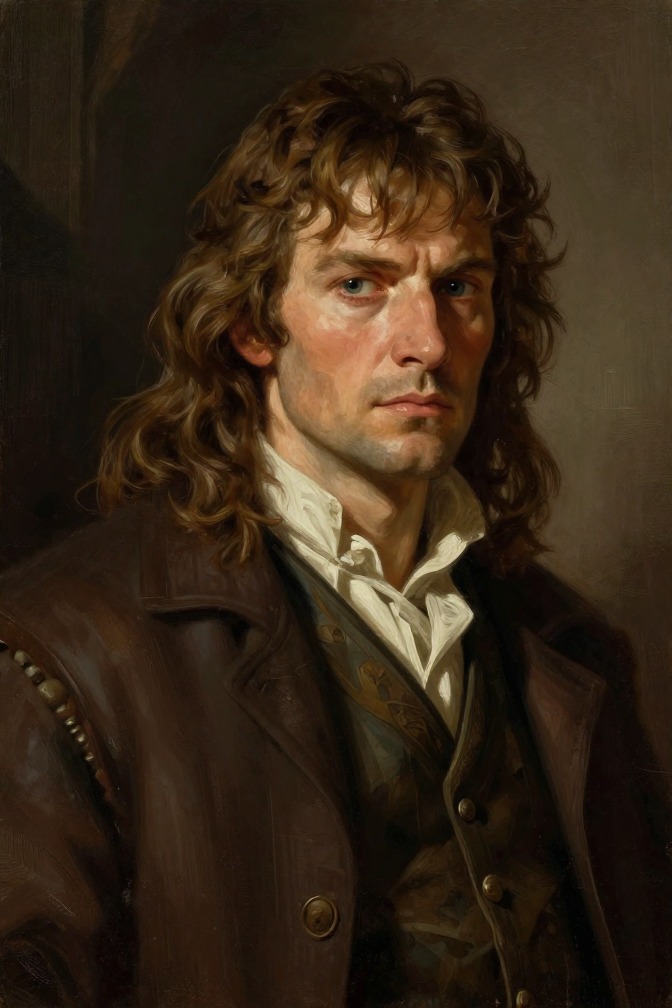
Agnes Fleming and Edwin Leeford are the tragic, unmarried parents of Oliver Twist, whose secret love affair, separation by family duty, and early deaths set in motion the novel's central mystery of Oliver's identity and inheritance.
Bet and Nancy are close friends and fellow members of Fagin's criminal gang, bound by shared experience, mutual support, and a common history of thieving and degradation from childhood.
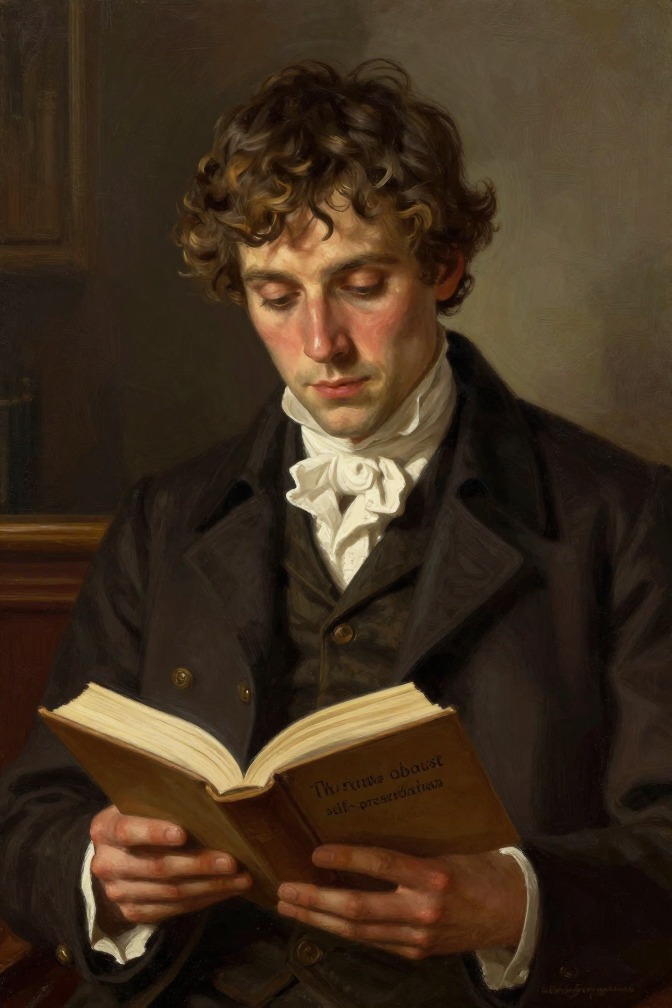
Mr. Brownlow and Agnes Fleming are connected indirectly, through a portrait that bears a striking resemblance to Oliver Twist, and through Mr. Brownlow's deep, lifelong friendship with Agnes's brother, Edwin Leeford. This indirect relationship is the emotional and narrative key that unlocks Oliver's true parentage and brings resolution to the story.
Mr. Losberne, the eccentric and kind-hearted surgeon of Chertsey, becomes Oliver Twist's devoted physician and fierce protector after the failed burglary at the Maylie house, treating his physical wounds, championing his innocence against the Bow Street officers, and ultimately becoming a trusted member of the circle that secures Oliver's future.
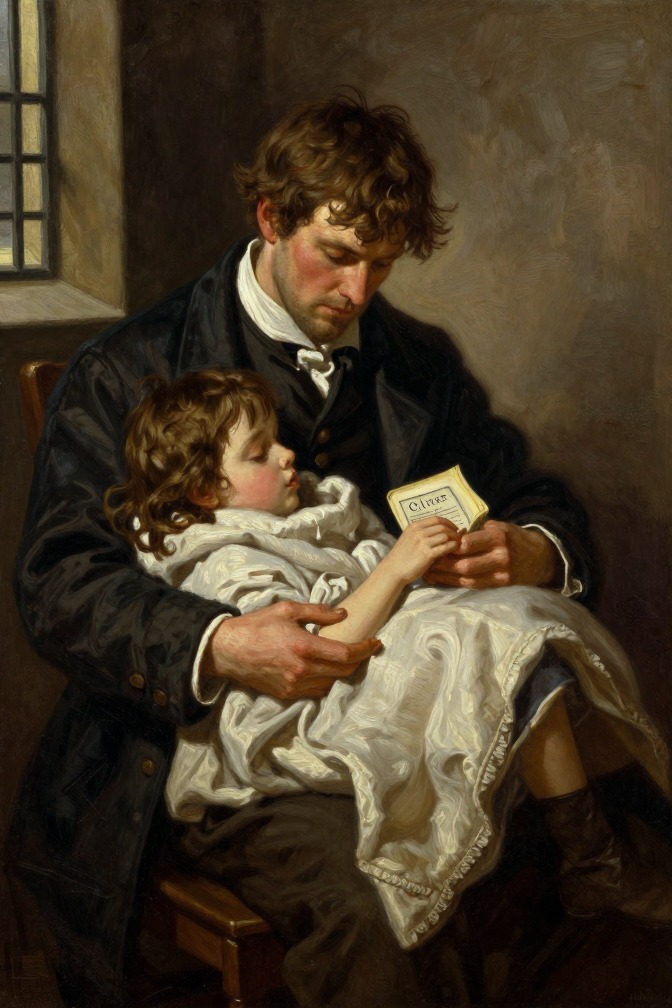
Oliver Twist and Agnes Fleming are mother and son, a relationship that defines Oliver's orphaned condition and drives the novel's central mystery of his parentage. Agnes dies in childbirth in the workhouse, leaving Oliver an orphan whose identity is concealed for years, until the revelation of their bond resolves the plot and restores Oliver's inheritance.
Oliver Twist and Dick share a brief but deeply significant friendship formed in the shared misery of Mrs. Mann's farm, where they were beaten, starved, and confined together. Their farewell, in which Dick gives Oliver the first blessing he has ever received, becomes a lasting emotional touchstone for Oliver, and Dick's eventual death is revealed as a quiet tragedy that underscores the human cost of the parish system.
The relationship between Mr. Sowerberry, the parochial undertaker, and Oliver Twist is one of formal apprenticeship that quickly reveals itself as a system of exploitation, neglect, and emotional cruelty, yet it also provides Oliver with his first exposure to the grim realities of death and poverty outside the workhouse.
The Artful Dodger (Jack Dawkins) is Oliver Twist's first guide into London's criminal underworld, acting as a recruiter, trainer, and corrupting influence who introduces Oliver to Fagin's gang and the trade of pickpocketing, while also embodying the novel's critique of how the social system turns children into hardened criminals.
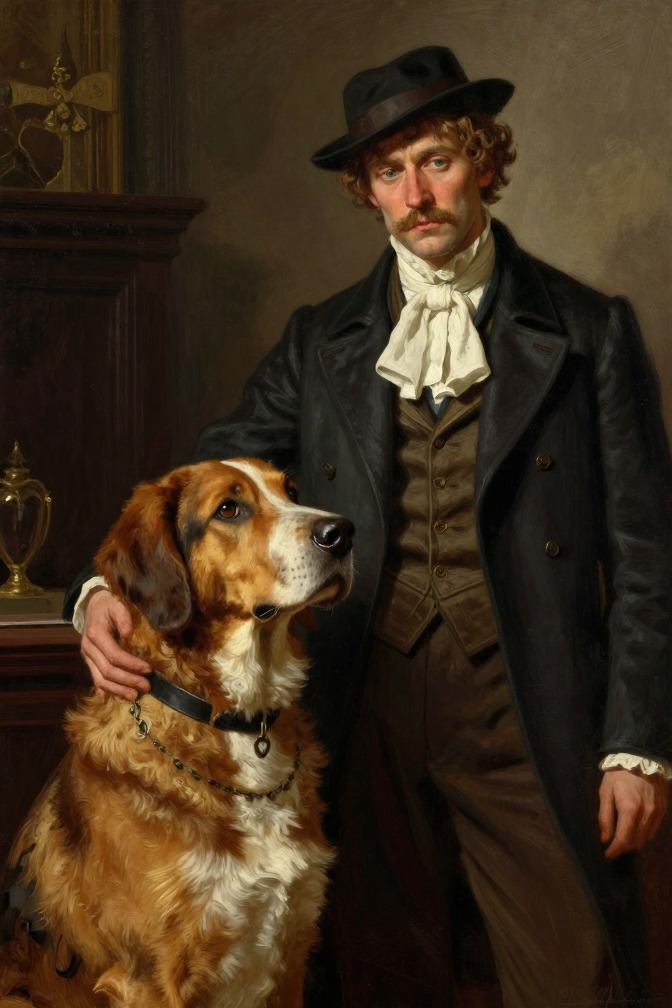
The relationship between Bill Sikes and his dog, Bull's-eye, is a brutal and symbiotic bond that mirrors Sikes's own violence and paranoia, ultimately serving as a key narrative device in his pursuit and death.
The gentleman in the white waistcoat is a minor but symbolically potent antagonist in Oliver Twist, whose repeated, self-fulfilling prophecy that Oliver will be hanged embodies the dehumanizing prejudice of the parish authorities and the novel's critique of a system that condemns the poor before they have a chance to prove themselves.
The Poor Law, as depicted in Oliver Twist, is the system of parish-based relief that governs the lives of the destitute, operating through a workhouse regime designed to deter applicants by making conditions inside worse than those of the lowest-paid independent laborer. The novel dramatizes the law's practical effects—starvation diets, brutal discipline, the farming out of orphans, and the cynical manipulation of relief—as a sustained indictment of the 1834 Poor Law Amendment Act and its underlying philosophy of 'less eligibility.'
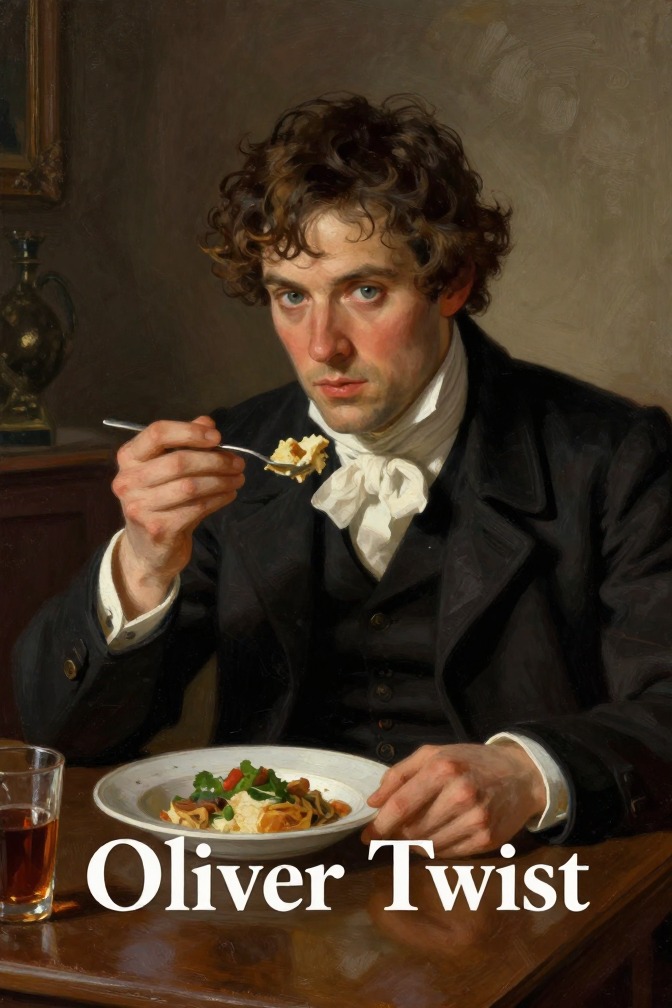
The dietary rule in Oliver Twist is the official workhouse feeding policy established by the Board of Guardians, which deliberately provides the barest possible sustenance—three daily meals of thin gruel, an onion twice a week, and half a roll on Sundays—as a central instrument of the Poor Law's 'alternative of being starved by a gradual process in the house, or by a quick one out of it.' This rule is not merely a background detail but a driving mechanism of the plot: it creates the starvation that provokes Oliver's famous request for more, defines the physical and moral condition of every parish child, and exemplifies the novel's indictment of a system that treats hunger as a tool of social control rather than a human need to be met.
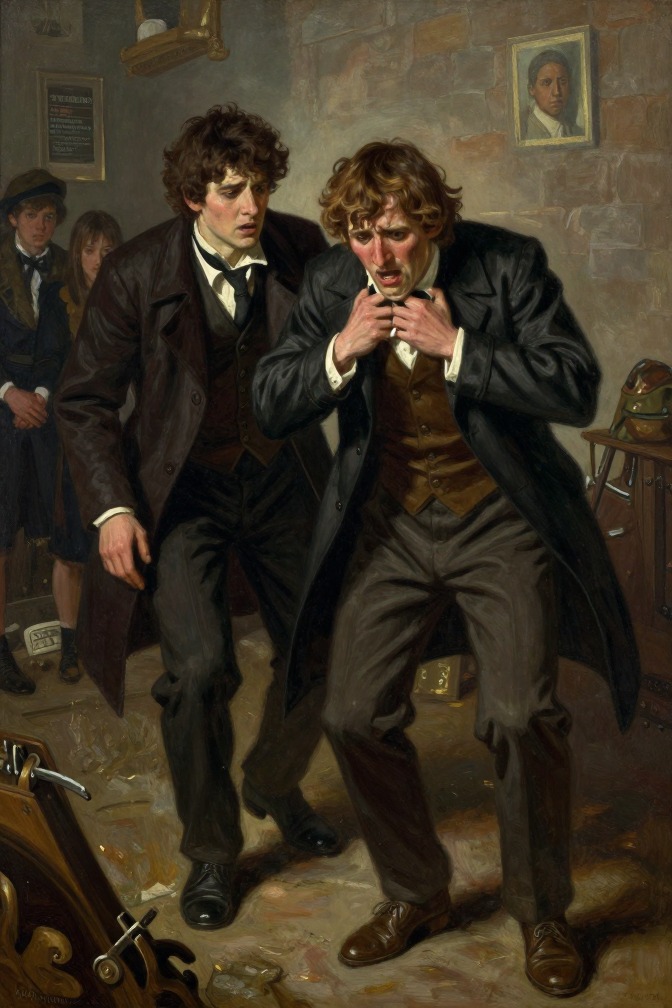
The rule about self-preservation is a philosophical axiom invoked by the narrator in Chapter X of Oliver Twist to explain the behavior of the Artful Dodger and Charley Bates after they frame Oliver for a pickpocketing. The narrator states that Oliver, having been brought up by philosophers, was not theoretically acquainted with this beautiful axiom, and thus was unprepared for the boys' self-serving betrayal. The rule is used to satirize the way self-interest can be dressed up as a natural law, and to highlight Oliver's innocence in a world governed by cynical pragmatism.
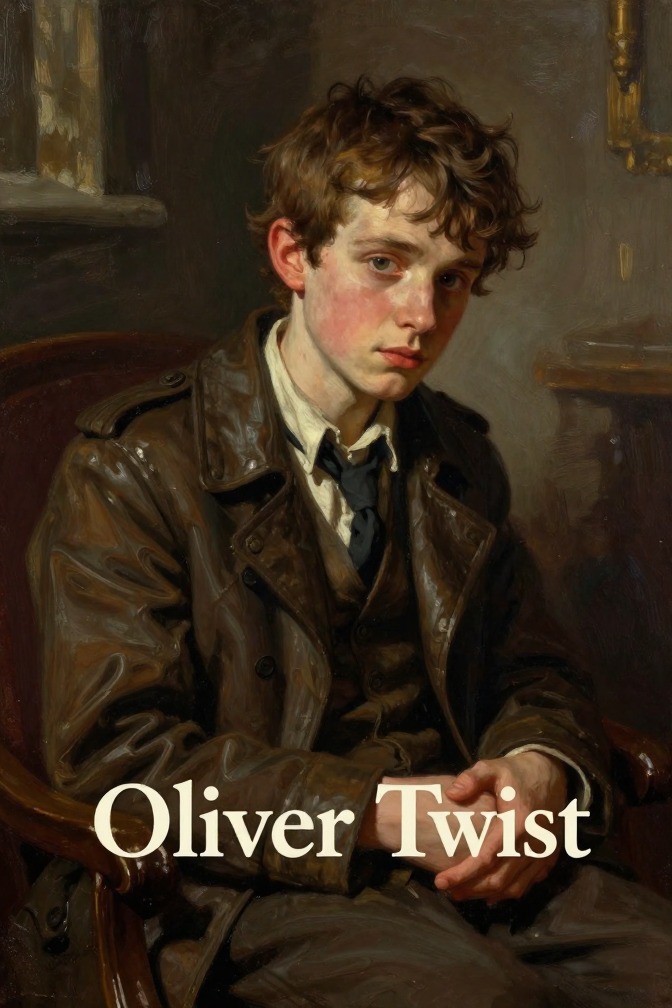
Oliver Twist's orphanhood is the foundational condition of his existence, a state of absolute social abandonment that exposes him from birth to the systematic cruelties of the Victorian Poor Law, the predation of criminal gangs, and the precariousness of a life without family or legal protection, while simultaneously marking him as the narrative's central figure of innocence and vulnerability.
Hunger in the workhouse is the foundational, systemic condition that defines Oliver Twist's early life and drives the novel's opening conflicts. It is not a mere personal hardship but a deliberate instrument of the Poor Law system, designed by the parish Board of Guardians to enforce the principle of 'less eligibility'—making life inside the workhouse so miserable that the poor would prefer any alternative. This state of chronic starvation, enforced through a diet of thin gruel, transforms the boys into desperate, wild creatures and directly precipitates the iconic scene where Oliver asks for more, an act that the board interprets as a capital crime and that sets Oliver on his journey out of the parish and into the wider world.
Sikes's flight and fear describes the psychological and physical ordeal of Bill Sikes after murdering Nancy, as he is haunted by guilt, paranoia, and the specter of the dead woman, ultimately leading to his desperate, self-destructive flight and death.
Newgate's terror is the state of dread and horror that pervades the prison, particularly as experienced by Fagin on his last night alive, and which also haunts the fugitive Bill Sikes, representing the ultimate, inescapable consequence of a life of crime in the novel.
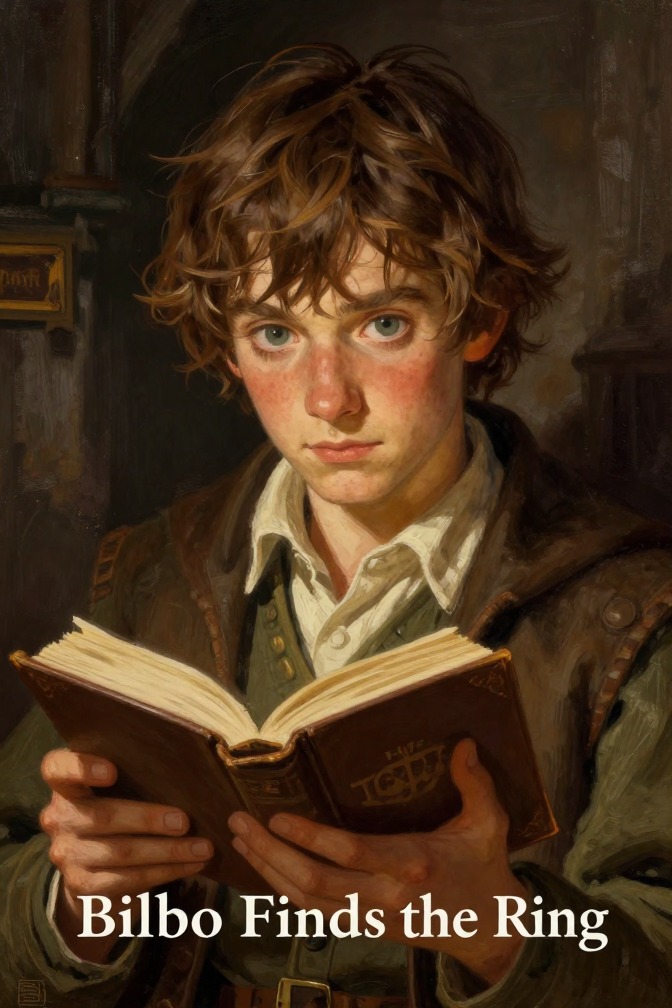
Bilbo Baggins discovers a magic ring in the dark tunnels of the Misty Mountains, an event that becomes a turning point in his adventure and in the history of Middle-earth.
Bert is one of the three trolls encountered by Bilbo Baggins and the dwarves early in their journey. He is a large, crude, and quarrelsome creature who, along with William and Tom, captures the entire company before being turned to stone by the rising sun, a fate orchestrated by Gandalf's trickery.
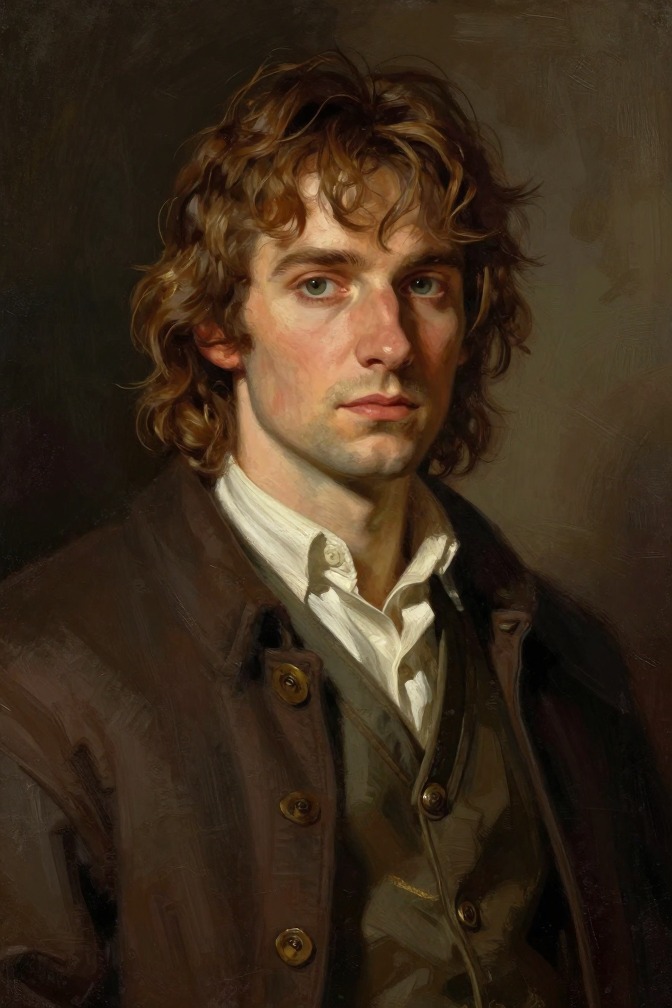
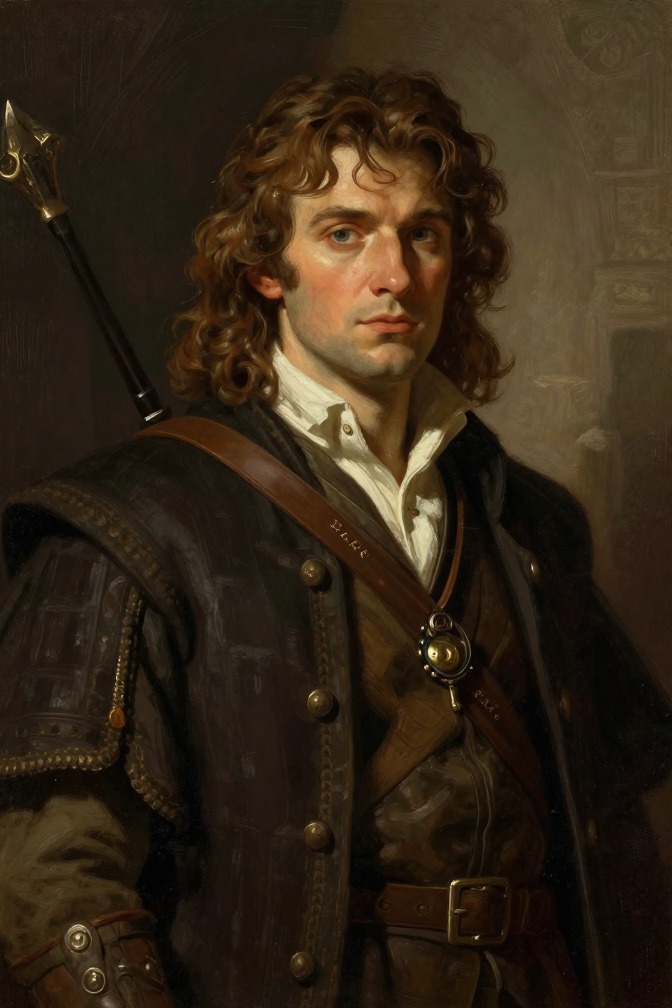
Bilbo Baggins, a comfort-loving hobbit of the respectable Baggins family, is the unlikely protagonist of J.R.R. Tolkien's The Hobbit. His journey from his cozy home at Bag-End to the Lonely Mountain and back transforms him from a timid, homebody figure into a resourceful burglar, a leader, and an elf-friend, fundamentally altering his identity and his place in the world.
Fili is a young dwarf of Thorin's company, the younger brother of Kili and a nephew of Thorin Oakenshield. He is notable for his keen eyesight, youthful energy, and his role in several key moments of the quest, including the discovery of the secret door and the final, tragic battle.
Galion is the Elvenking's butler in the Wood-elf realm of Mirkwood, whose fondness for the potent wine of Dorwinion inadvertently enables Bilbo Baggins to steal the keys to the dwarves' prison cells and orchestrate their escape in barrels.
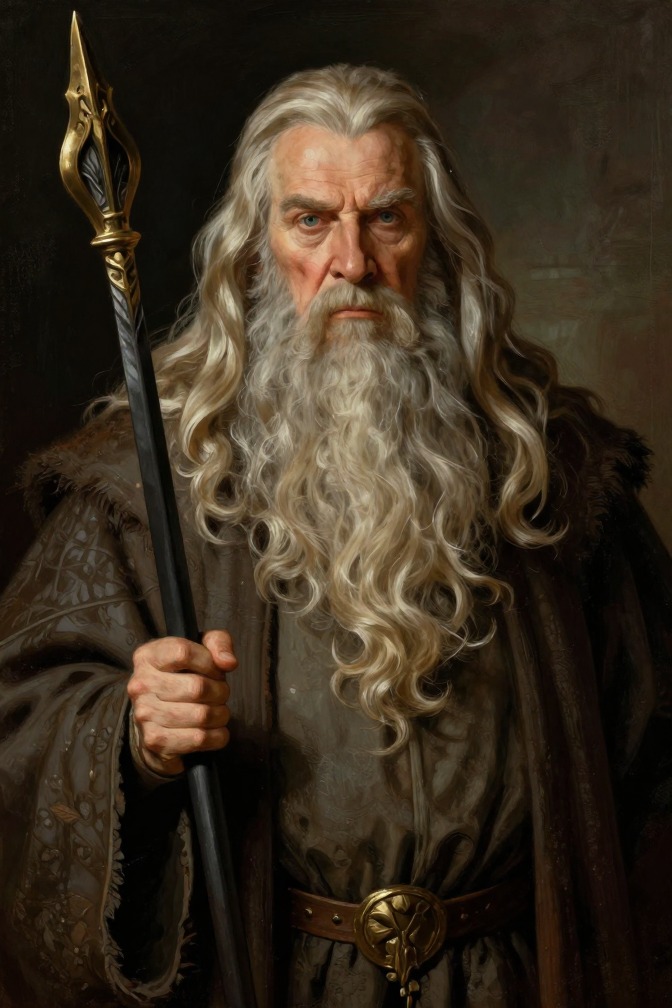
Gandalf is the wandering wizard whose arrival at Bilbo Baggins's hobbit-hole sets the entire adventure in motion, and who serves throughout as the expedition's strategist, protector, and moral compass, repeatedly rescuing the company from disaster and shaping the quest's outcome through his foresight and magical power.
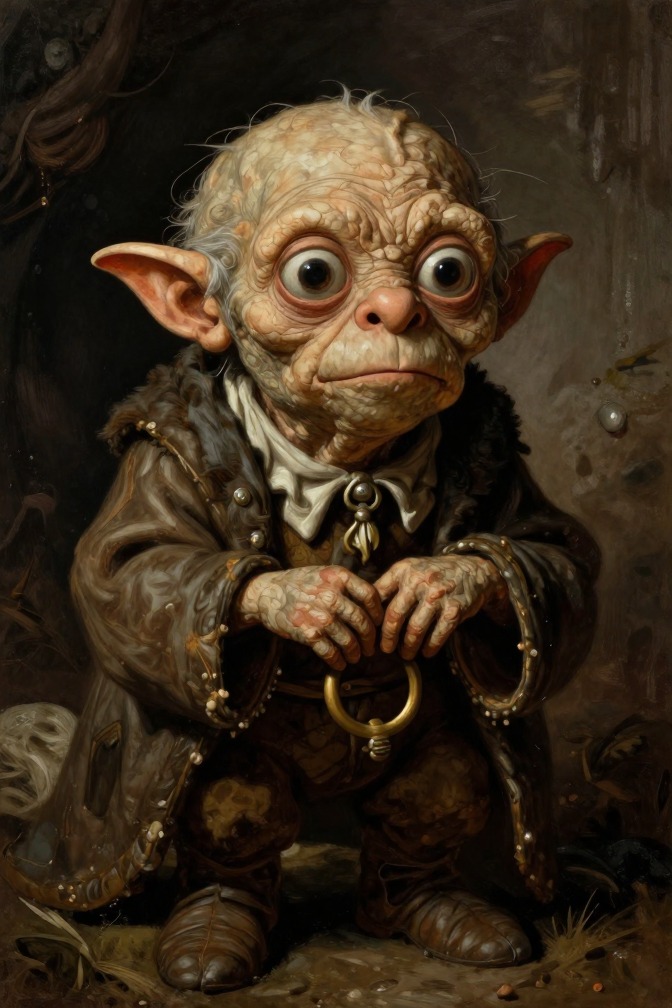
Gollum is a small, slimy, dark-dwelling creature who lives on a subterranean lake deep under the Misty Mountains, and his encounter with Bilbo Baggins in the chapter "Riddles in the Dark" is a pivotal turning point in the story, as it leads to Bilbo's discovery of the One Ring and sets the stage for the larger conflicts of Middle-earth.
Kili is a young dwarf of Thorin Oakenshield's company, notable for his sharp eyes, youthful energy, and close bond with his brother Fili. He plays a key role in the quest to reclaim the Lonely Mountain, participating in scouting, combat, and the final battle.
Oin is one of the thirteen dwarves of Thorin and Company, a member of the expedition to reclaim the Lonely Mountain from the dragon Smaug. He is distinguished among the dwarves for his particular skill with fire-making, a talent that proves both useful and frustrating during the group's many trials, and he survives the quest to share in the treasure and return to a life of prosperity.
Radagast is a wizard mentioned briefly in The Hobbit, known as a cousin of Gandalf and a friend of Beorn, who lives near the southern borders of Mirkwood and is associated with the natural world.
Roäc is the ancient, blind chief of the ravens of the Lonely Mountain who brings Thorin Oakenshield the news of Smaug's death and warns of the approaching armies of Elves and Lake-men, acting as a pivotal messenger who shifts the dwarves' hope into a desperate siege.
The old thrush is a minor but pivotal character in The Hobbit, a wise and ancient bird whose actions directly enable the death of the dragon Smaug and the resolution of the quest. Though it appears only briefly, its role as a messenger and its connection to the lost lore of Dale make it a crucial agent in the story's climax.
Thrain, son of Thror and father of Thorin Oakenshield, is a pivotal figure in the backstory of The Hobbit, a dwarf-king whose disappearance and imprisonment by the Necromancer set the quest for the Lonely Mountain in motion and whose legacy of loss and treasure haunts the entire narrative.