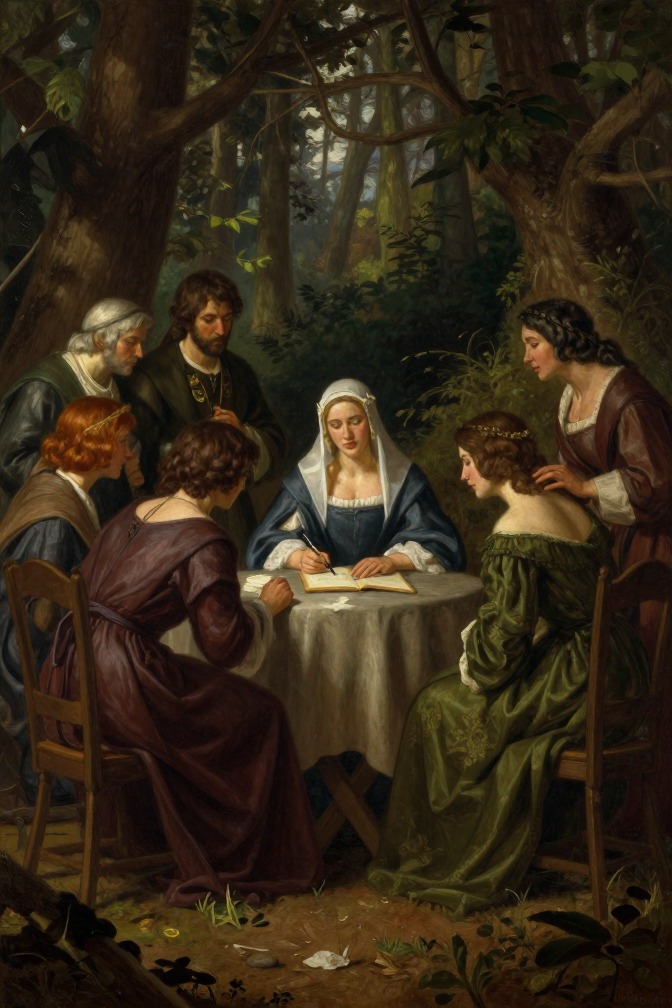
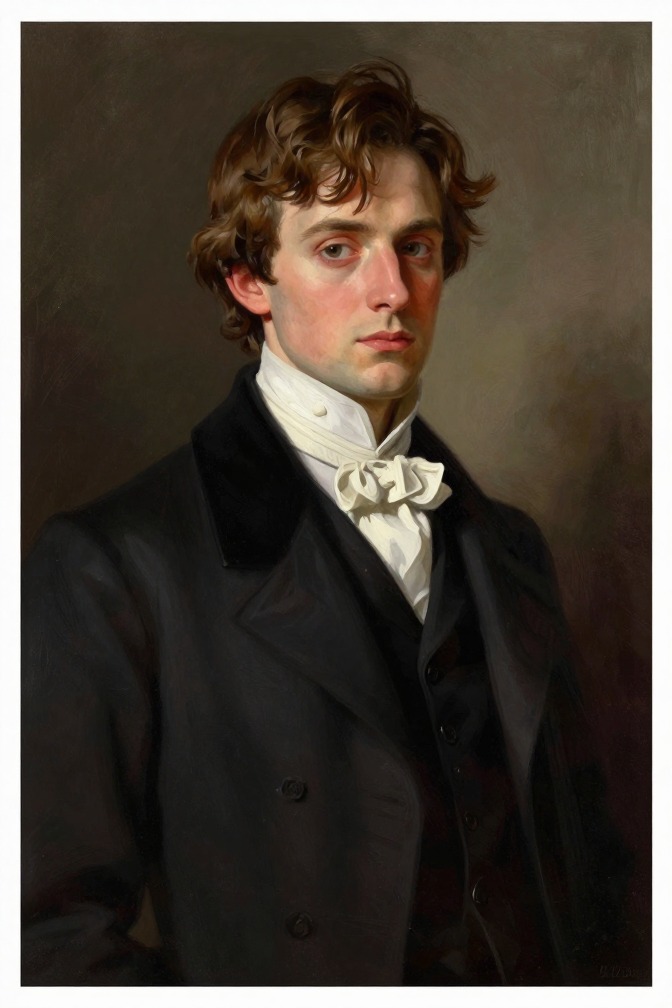
The Forest Meeting is the pivotal scene in which Hester Prynne and Arthur Dimmesdale reunite in the wilderness, confess their hidden truths, and plan to flee Boston together, marking a decisive turn in their relationship and the novel's moral trajectory.
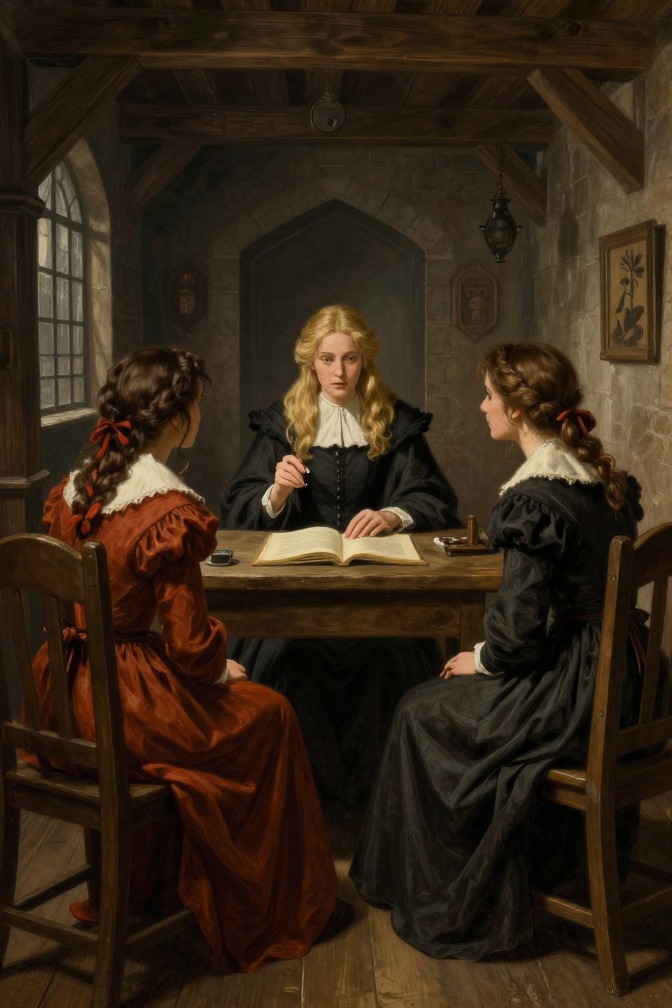
The Interview in the Prison is the first private confrontation between Hester Prynne and her long-lost husband, Roger Chillingworth, following her public shaming on the scaffold. In this tense, clandestine meeting, Chillingworth reveals his identity, administers medicine to Hester and her infant, and extracts a vow of secrecy from Hester, setting in motion the novel's central drama of concealed identities, revenge, and psychological torment.
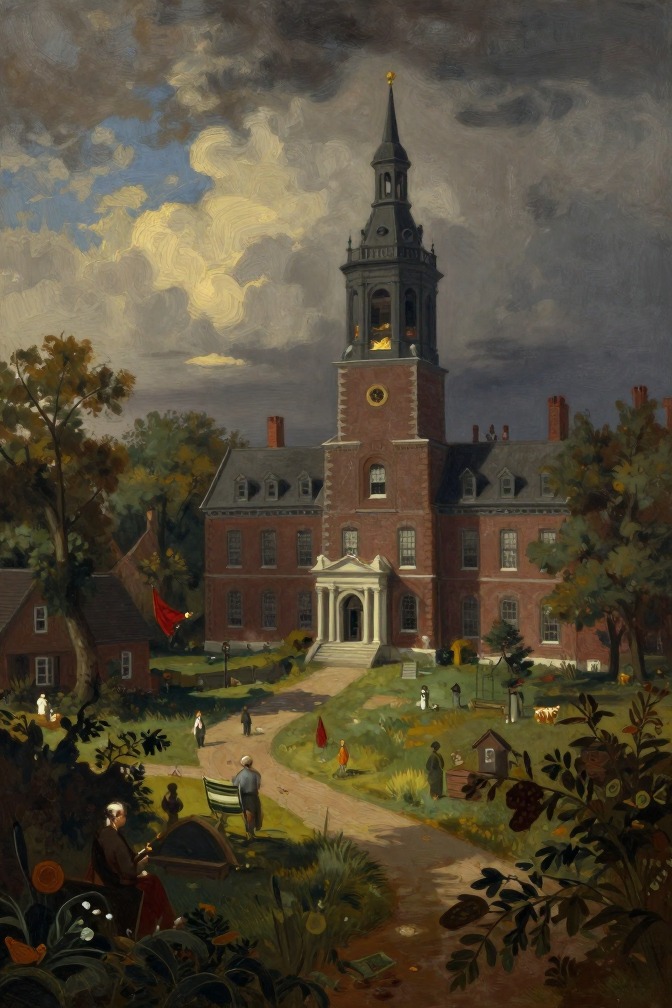
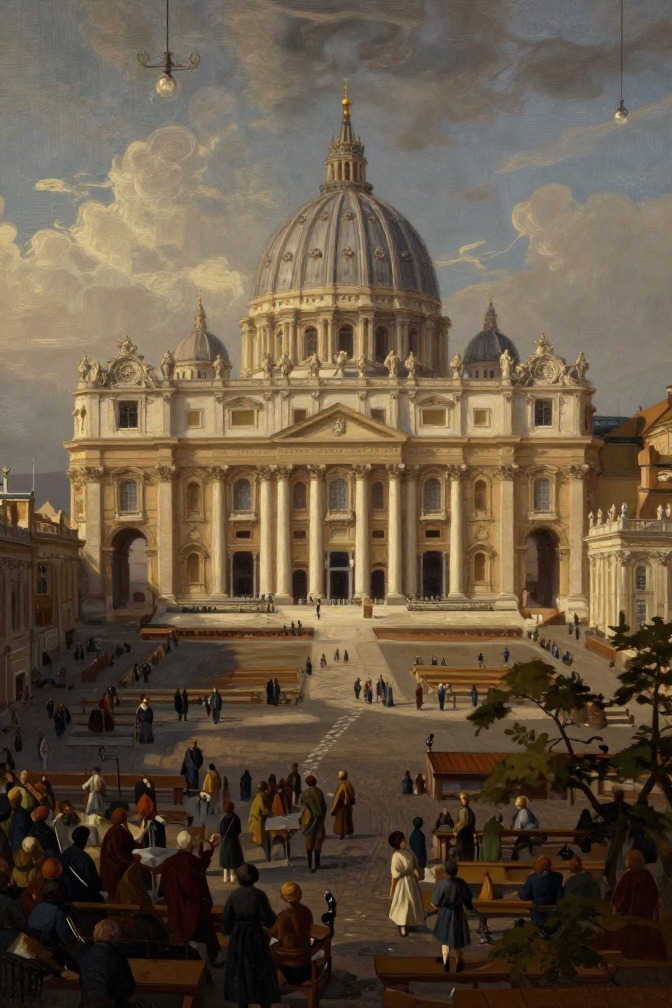
Boston is the primary setting of Nathaniel Hawthorne's The Scarlet Letter, a Puritan settlement in the Massachusetts Bay Colony where the novel's central drama of sin, punishment, and redemption unfolds. The town's rigid social and legal structures, embodied by the prison, the scaffold, and the meeting-house, provide the stage for Hester Prynne's public shaming, Arthur Dimmesdale's hidden guilt, and Roger Chillingworth's covert revenge, making the location itself an active force in the narrative.
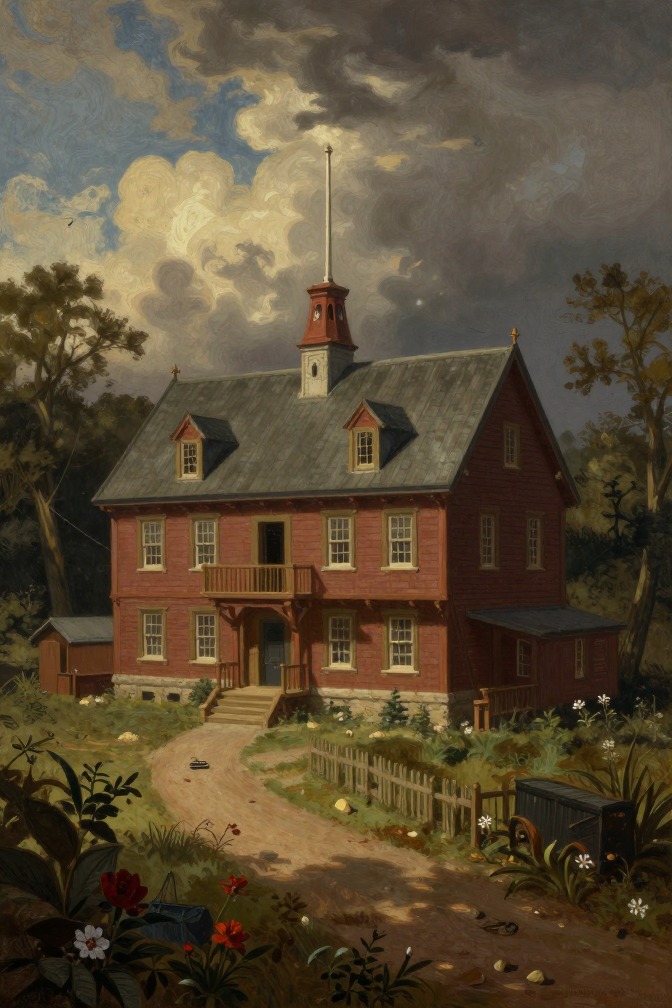
The Custom-House is the Salem port building where the narrator serves as Surveyor of the Revenue, and it is the site where he discovers the scarlet letter and the manuscript that inspire the novel. It functions as a framing device, a symbol of political and bureaucratic decay, and a space that stifles the narrator's literary imagination before his dismissal frees him to write.
St. Peter's Church in Salem is the burial site of Surveyor Jonathan Pue, whose exhumed remains and preserved wig are discovered during the church's renovation, leading to the recovery of the manuscript and scarlet letter that form the basis of Hawthorne's narrative.
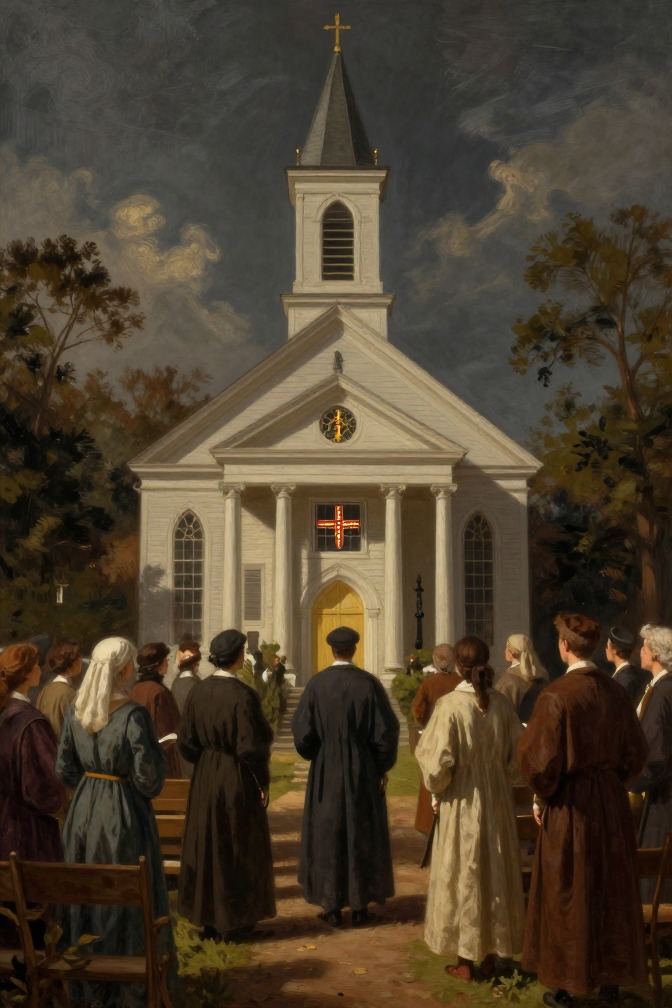
The New England Church is the institutional embodiment of Puritan religious and civil authority in the Massachusetts Bay Colony, serving as the moral and legal framework that condemns Hester Prynne, sustains Arthur Dimmesdale's public sanctity, and ultimately shapes the community's evolving response to sin, penance, and redemption.
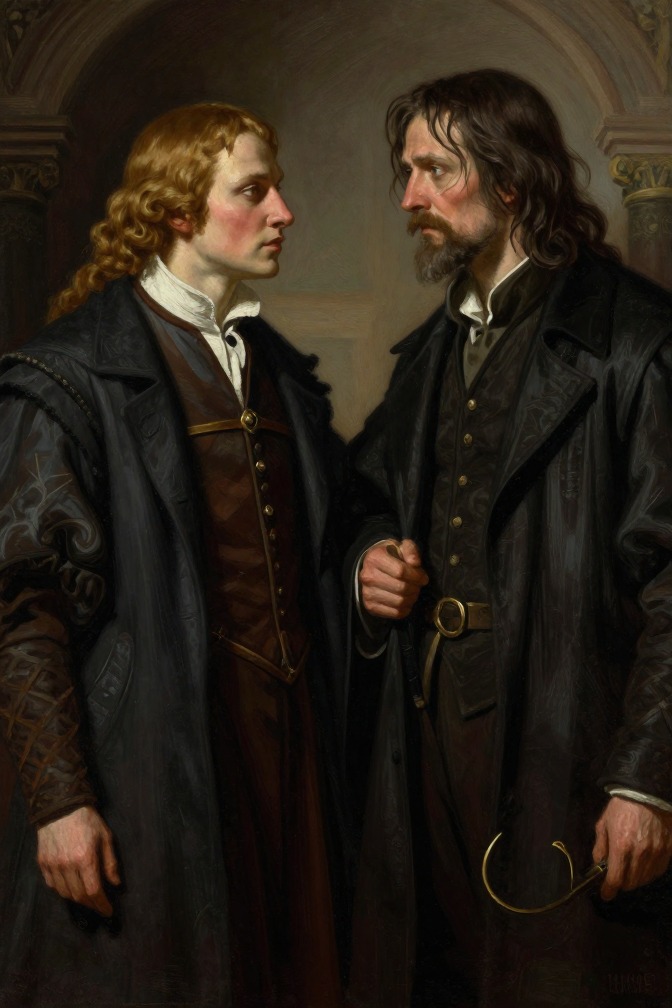
The relationship between Arthur Dimmesdale and Roger Chillingworth is the central engine of psychological torment in The Scarlet Letter, a dynamic in which the physician, having discovered the minister's secret sin, transforms from a healer into a demonic avenger who systematically destroys his victim from within while maintaining the outward guise of a trusted friend.
The Election Day Ceremony is the annual public celebration in colonial Boston during which the new Governor is installed, featuring a military procession, the delivery of the Election Sermon by the Reverend Arthur Dimmesdale, and a festive atmosphere that temporarily relaxes the strict Puritan social order. It serves as the climactic public setting for Dimmesdale's final revelation of his sin and death on the scaffold.
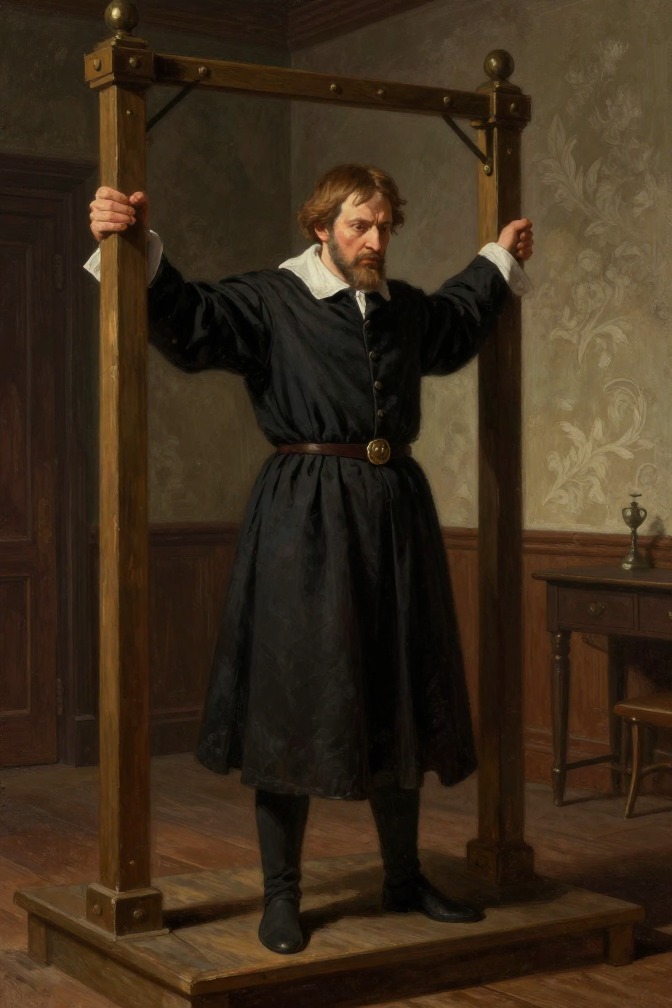
The Pillory Punishment is the penal scaffold on which Hester Prynne is publicly exposed for her sin of adultery, serving as the central instrument of ignominy and the recurring symbolic site where the novel's key confrontations with guilt, secrecy, and revelation unfold.
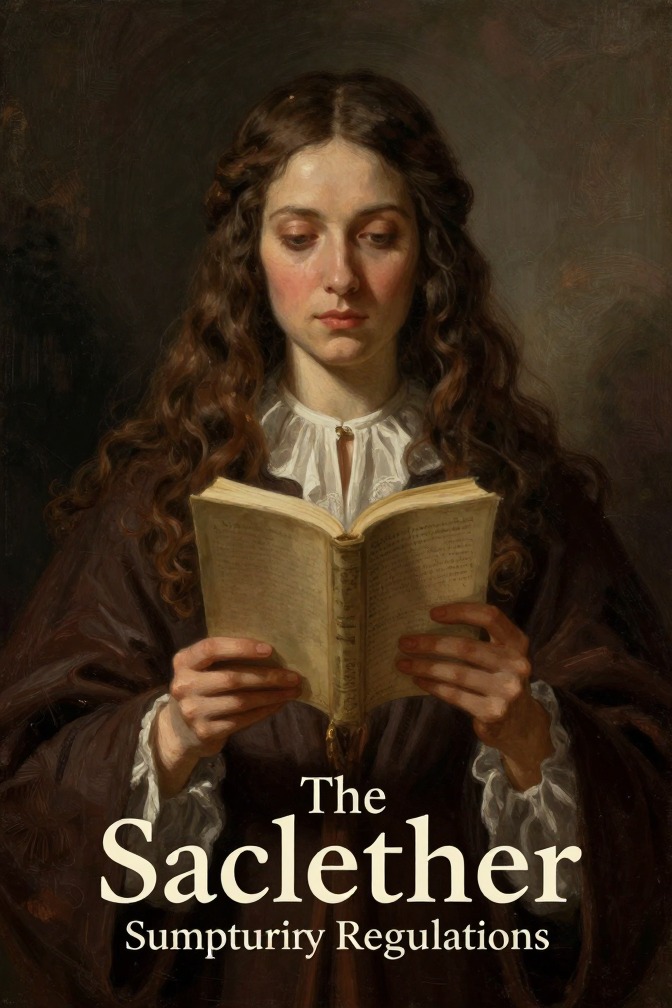
The Sumptuary Regulations in the Puritan Massachusetts Bay Colony were a set of laws that restricted personal adornment and extravagant dress, enforcing a strict moral and social order. These regulations, which forbade the plebeian order from wearing elaborate fabrics, lace, and gold or silver embroidery, were a key instrument of social control, reflecting the colony's religious ideology and its rejection of worldly vanity. The narrative of *The Scarlet Letter* repeatedly engages with these rules, most notably through Hester Prynne's scarlet letter, which is itself a mandated badge of shame, and through the community's complex relationship with luxury and display, as seen in the permitted magnificence of public ceremonies and the attire of the elite.
The seven-year period of Hester Prynne's punishment, from her public shaming on the scaffold to the revelation of Arthur Dimmesdale's secret, forms the central temporal framework of The Scarlet Letter, during which the scarlet letter transforms from a mark of ignominy into a symbol of Hester's strength and the community's grudging respect, while Dimmesdale's hidden guilt and Chillingworth's revenge reach their climax.
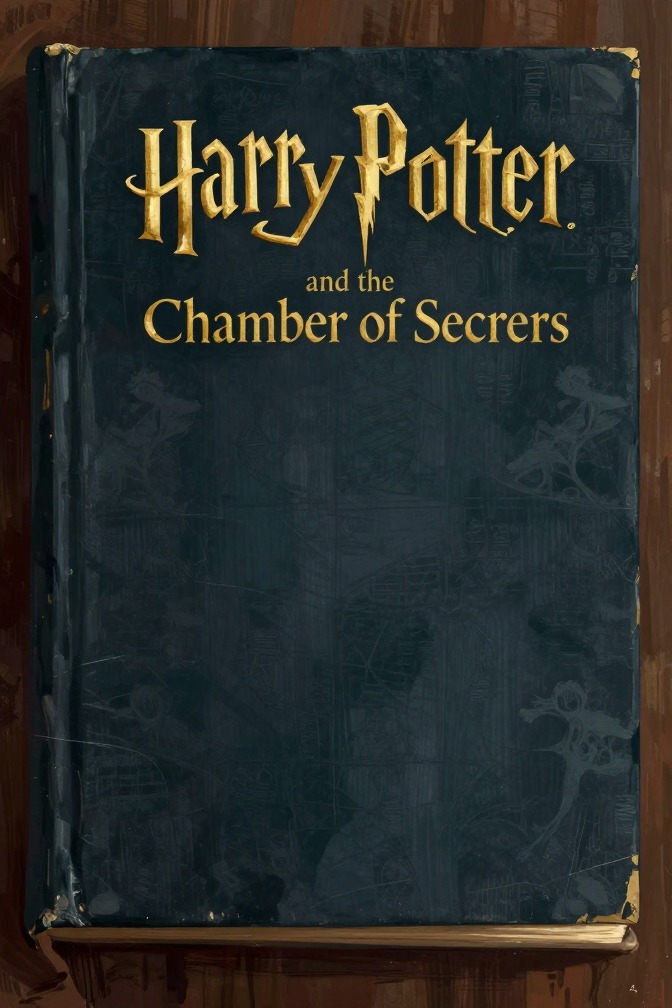
Freeing Dobby is the climactic act of Harry Potter and the Chamber of Secrets, in which Harry tricks Lucius Malfoy into giving his house-elf a sock, thereby liberating Dobby from lifelong servitude. This action, born from Harry's gratitude and quick thinking, not only secures Dobby's freedom but also exposes Lucius Malfoy's role in the Chamber of Secrets plot and delivers a final, personal victory over the Malfoy family.
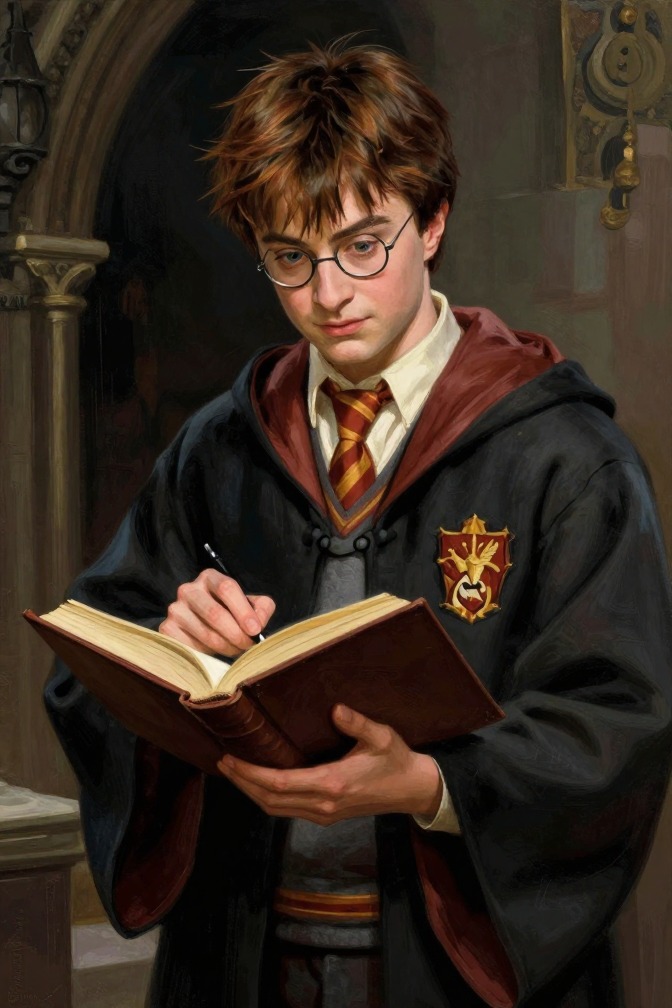
Harry Potter discovers a fifty-year-old diary in Moaning Myrtle's bathroom and, through a written conversation, is drawn into a memory of Tom Riddle that reveals the identity of the person who opened the Chamber of Secrets in the past—a revelation that implicates Hagrid and sets Harry on the path to solving the current attacks.
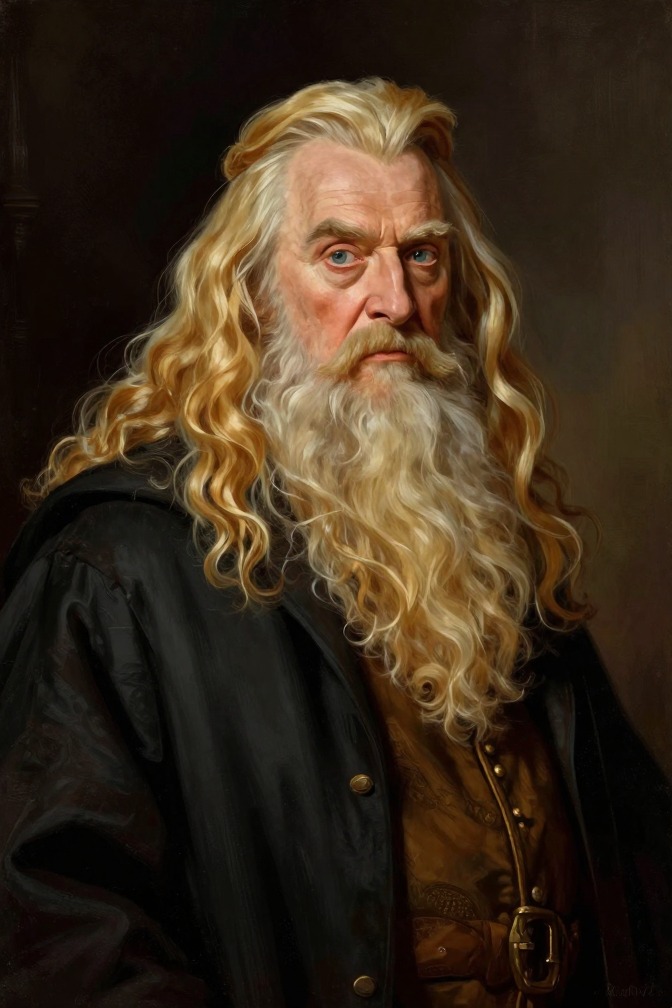
Albus Dumbledore is the wise and powerful headmaster of Hogwarts School of Witchcraft and Wizardry, whose unwavering faith in Harry Potter and belief in the power of choice define his role in the second year's crisis. He is the moral compass of the story, guiding Harry through the mystery of the Chamber of Secrets while embodying the values of loyalty, compassion, and the importance of one's decisions over innate abilities.
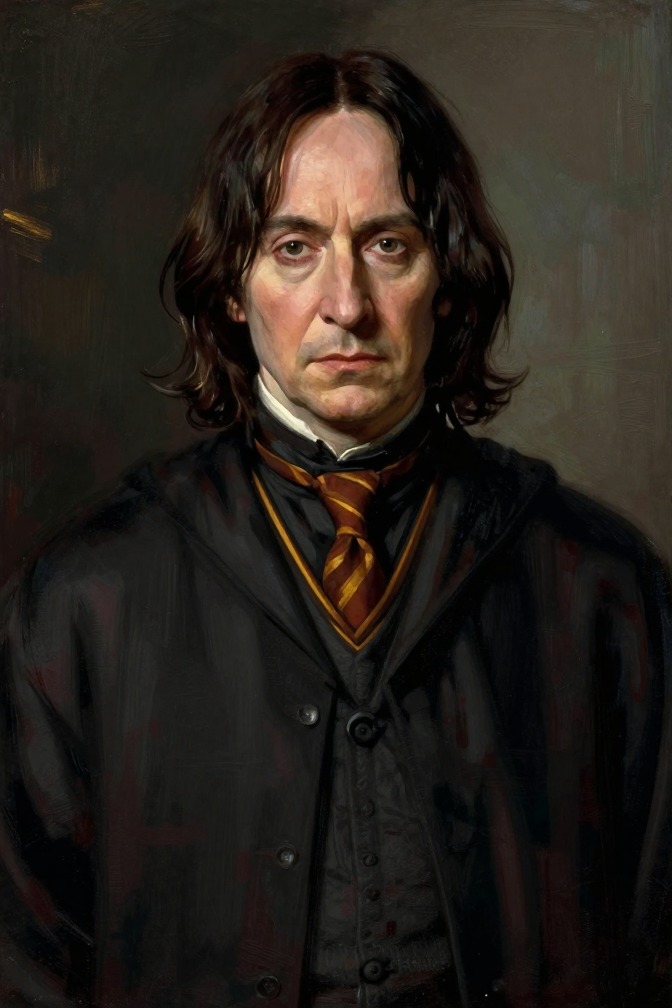
Severus Snape is the Potions Master at Hogwarts School of Witchcraft and Wizardry, a thin man with sallow skin, a hooked nose, and greasy black hair, whose cold, sarcastic demeanor and open hostility toward Harry Potter mask a complex history and a deep, secret loyalty to Albus Dumbledore.
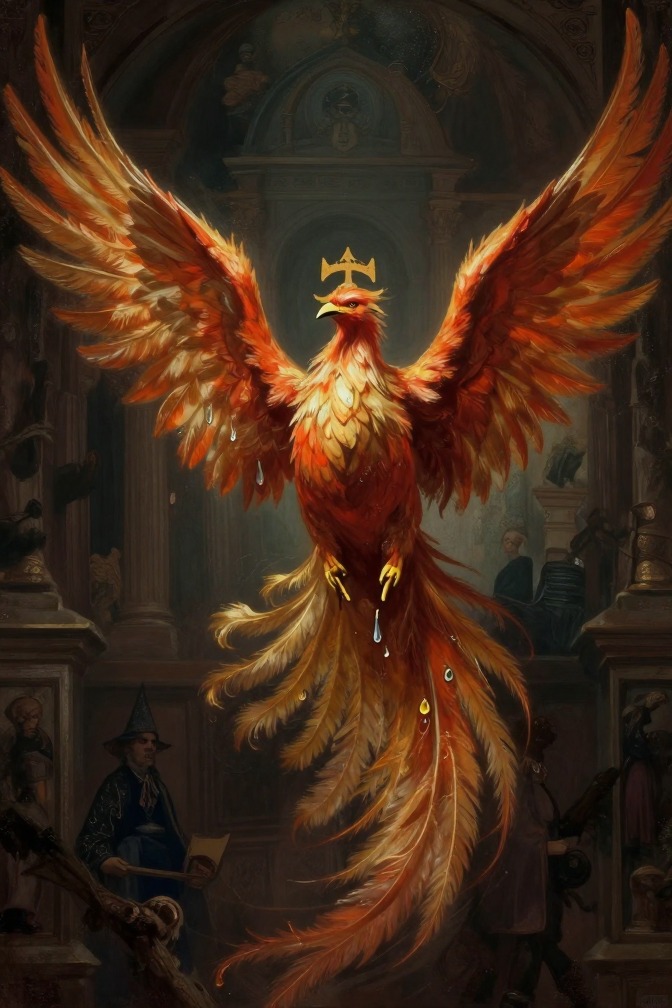
Phoenix tears are a powerful healing substance produced by the phoenix Fawkes, capable of curing even fatal wounds, including basilisk venom. Their appearance in the Chamber of Secrets provides the crucial turning point that saves Harry Potter's life after he is poisoned by the basilisk's fang, and they serve as a concrete symbol of the loyalty and help that Dumbledore promised would always be available at Hogwarts.
Ginny's Abduction is the pivotal event in Harry Potter and the Chamber of Secrets where the Heir of Slytherin, controlled by Tom Riddle's diary, takes Ginny Weasley into the Chamber of Secrets, triggering the final confrontation and the resolution of the year's mysteries.
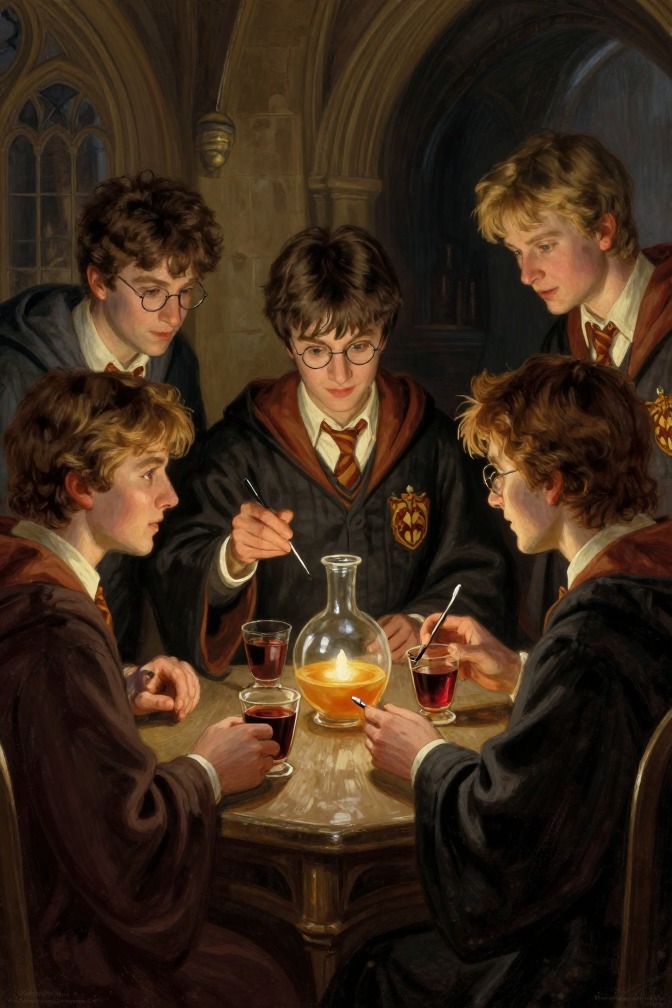
The Polyjuice Potion Plan is a scheme devised by Hermione Granger, Harry Potter, and Ron Weasley to infiltrate the Slytherin common room and extract a confession from Draco Malfoy, whom they suspect of being the Heir of Slytherin responsible for the attacks on Muggle-born students. The plan involves brewing a complex and dangerous Polyjuice Potion to transform into three Slytherin students, a risky endeavor that ultimately fails to uncover the true culprit but reveals critical information about the Chamber of Secrets and its history.
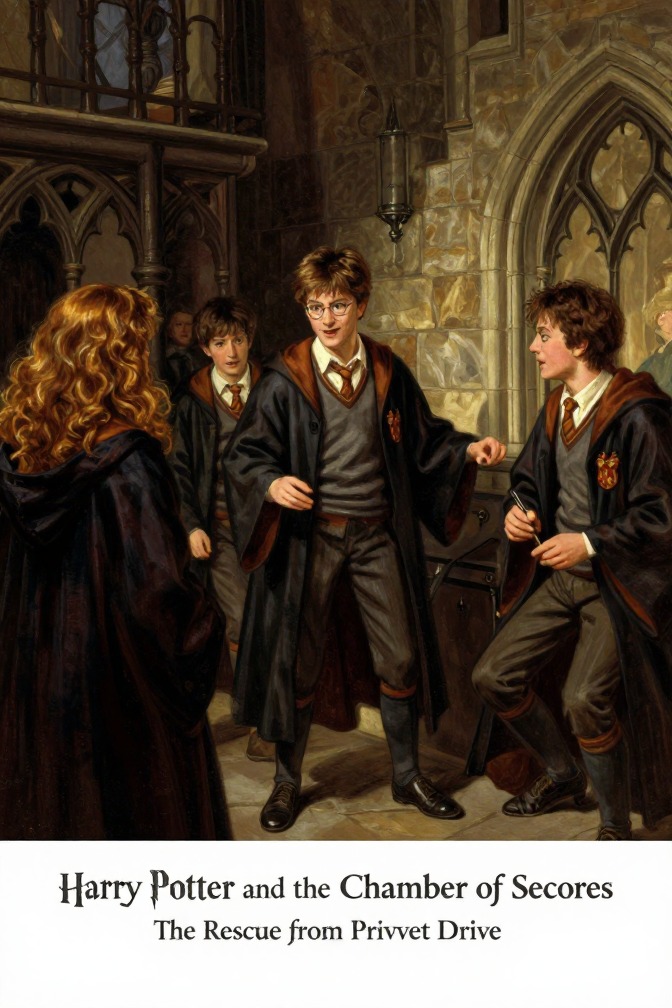
The Rescue from Privet Drive is the event in which Ron Weasley, Fred Weasley, and George Weasley fly their father's enchanted Ford Anglia to 4 Privet Drive to extract Harry Potter from his locked bedroom, after the Dursleys imprisoned him for the summer. This rescue not only frees Harry from captivity but also sets in motion the central conflicts of the year: the destruction of Ron's wand, the crash into the Whomping Willow, and the official warning from the Ministry of Magic that haunts Harry throughout the term.
Quality Quidditch Supplies is the premier wizarding sporting goods store in Diagon Alley, where the Slytherin Quidditch team acquires their state-of-the-art Nimbus Two Thousand and One brooms, a purchase that underscores the economic disparity between houses and the pay-to-win dynamics that threaten the integrity of the game.
The friendship between Harry Potter and Hermione Granger is a central relationship in the second year at Hogwarts, defined by mutual loyalty, intellectual partnership, and shared courage in the face of escalating danger. It deepens through their collaborative investigation of the Chamber of Secrets, survives moments of tension, and proves decisive in solving the mystery and saving lives.
31 October 1492 is the date of death of Sir Nicholas de Mimsy-Porpington, better known as Nearly Headless Nick, the Gryffindor ghost. This date is commemorated annually by his deathday party, a macabre celebration held in the dungeons of Hogwarts, which Harry, Ron, and Hermione attend in their second year. The party, and the date itself, become a pivotal moment in the plot, as it is during this event that the first attack of the Chamber of Secrets occurs, setting the stage for the year's central mystery.
Christmas in Harry Potter and the Chamber of Secrets is a pivotal time that marks both the climax of the Polyjuice Potion plan and a turning point in the mystery of the Chamber of Secrets. It is a period of contrasts: the warmth and joy of the holiday celebration at Hogwarts against the backdrop of fear and suspicion caused by the attacks, and the personal significance of the season for Harry, who receives a toothpick from the Dursleys and a hand-knitted sweater from Mrs. Weasley. The holiday also serves as the setting for the trio's risky attempt to infiltrate the Slytherin common room, an event that brings them closer to the truth but also reveals the dangers of their plan.
The Easter holidays in Harry Potter and the Chamber of Secrets mark a period of academic decision-making and escalating tension, as second-year students choose their third-year subjects while the threat of the Chamber of Secrets looms over the school.
The first of June is the date on which the end-of-year exams begin at Hogwarts School of Witchcraft and Wizardry during Harry Potter's second year, a date that becomes a marker of the school's attempt to maintain normalcy amid the crisis of the Chamber of Secrets attacks.
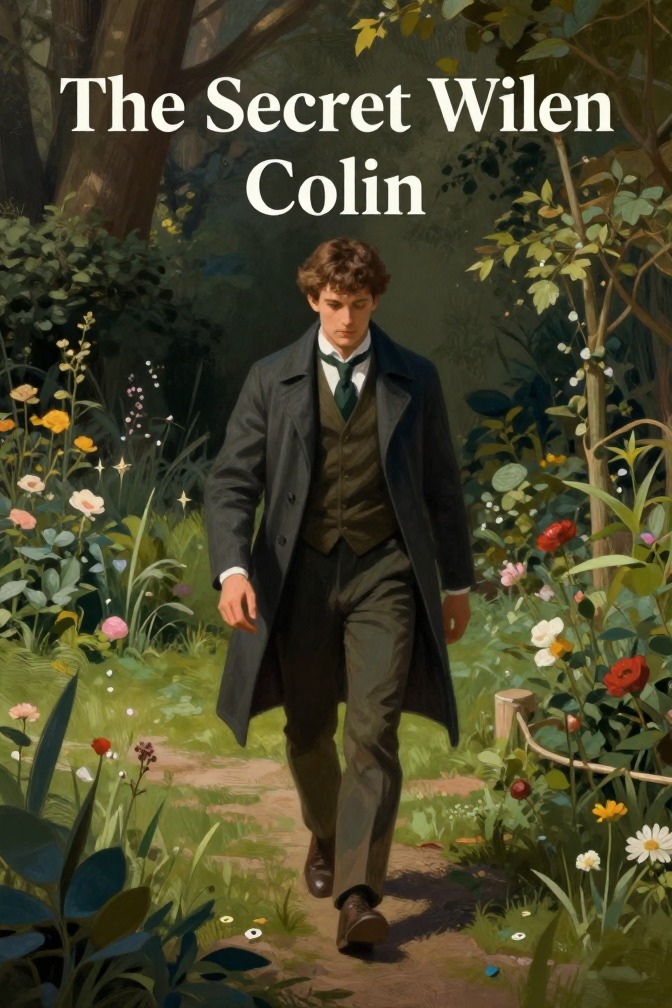
Colin Craven's first walk in the secret garden marks the decisive physical and psychological turning point of his recovery, transforming him from a bedridden, hysterical invalid into a boy who stands, walks, and declares he will live forever.
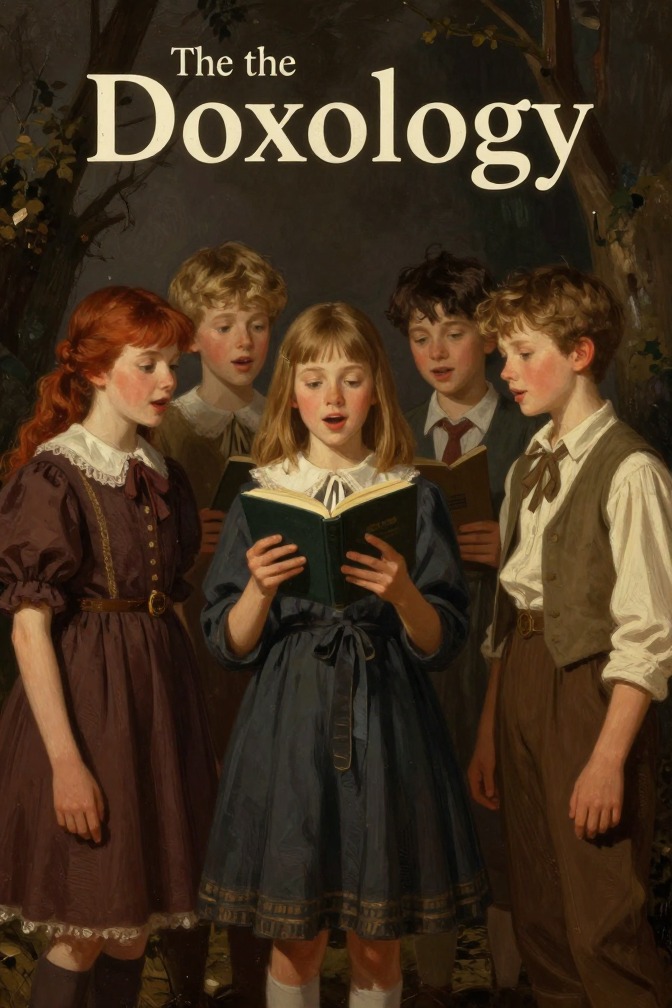
The children sing the Doxology is a spontaneous act of worship in the secret garden, where Colin, Mary, and Dickon sing the hymn "Praise God from whom all blessings flow" as an expression of joy and gratitude for Colin's recovery, marking a key moment of spiritual awakening and the culmination of their belief in the Magic.
The garden comes alive in spring is the central transformative event of The Secret Garden, marking the moment when the long-dormant walled garden, which had been sealed for ten years following the death of Lilias Craven, bursts into vibrant life under the care of Mary Lennox, Dickon Sowerby, and Colin Craven. This event is the physical and symbolic culmination of the children's efforts, directly triggering Colin's declaration that he will live forever and serving as the catalyst for the emotional and physical healing of all three protagonists.
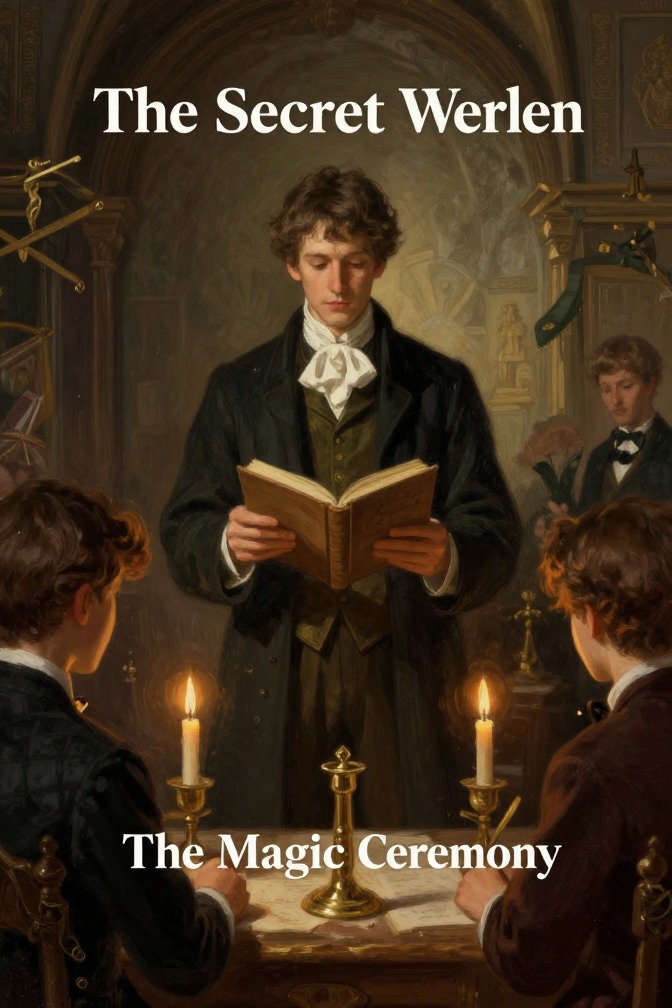
The Magic ceremony is a ritualistic event in the secret garden where Colin Craven, believing in a universal force he calls Magic, leads Mary Lennox, Dickon Sowerby, and Ben Weatherstaff in a chant to summon health and strength, marking a pivotal turn in his recovery from invalidism.
Archibald Craven, the master of Misselthwaite Manor, is a grief-stricken hunchback who, after the death of his beloved wife Lilias, abandons his duties and his son Colin, only to be gradually drawn back to life by the restorative power of the secret garden and the children who tend it.