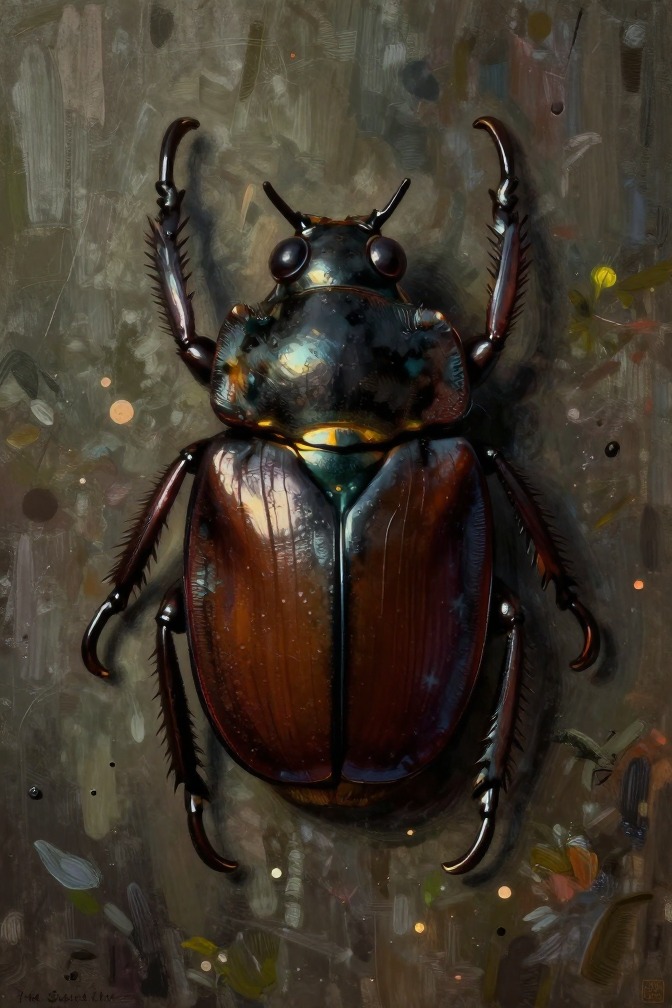
The beetle is a minor but symbolically resonant creature in *The Secret Garden*, appearing in a single passage that links Colin Craven's expanding awareness of the natural world to the intricate, purposeful activity of small life forms. Its brief mention underscores the novel's theme that close observation of even the tiniest creatures can foster health, curiosity, and a sense of connection to the living world.
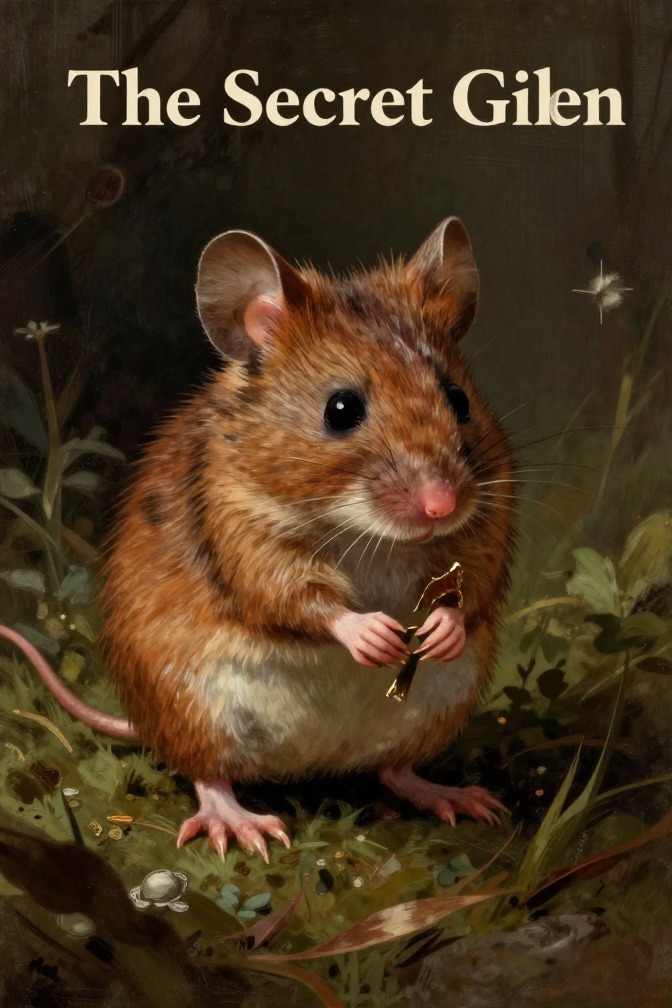
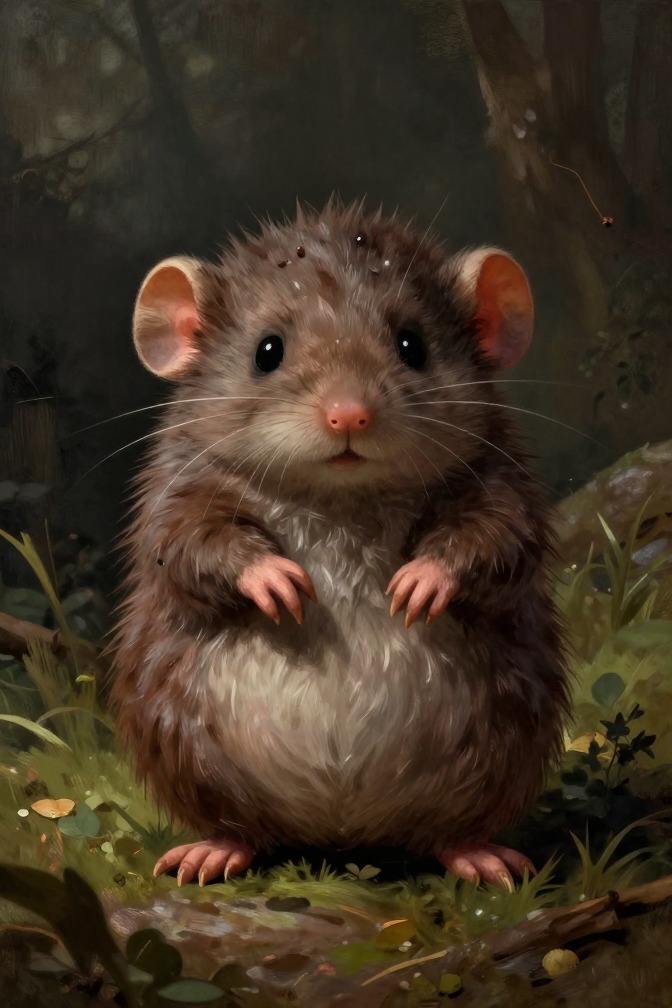
The field-mouse appears in The Secret Garden as a minor but symbolically resonant creature, representing the hidden, self-sustaining life that persists within the locked and neglected spaces of Misselthwaite Manor. Discovered by Mary Lennox during her exploration of the house's hundred closed rooms, the mouse and its family embody the quiet, unnoticed vitality that the novel associates with nature's resilience and the possibility of renewal.
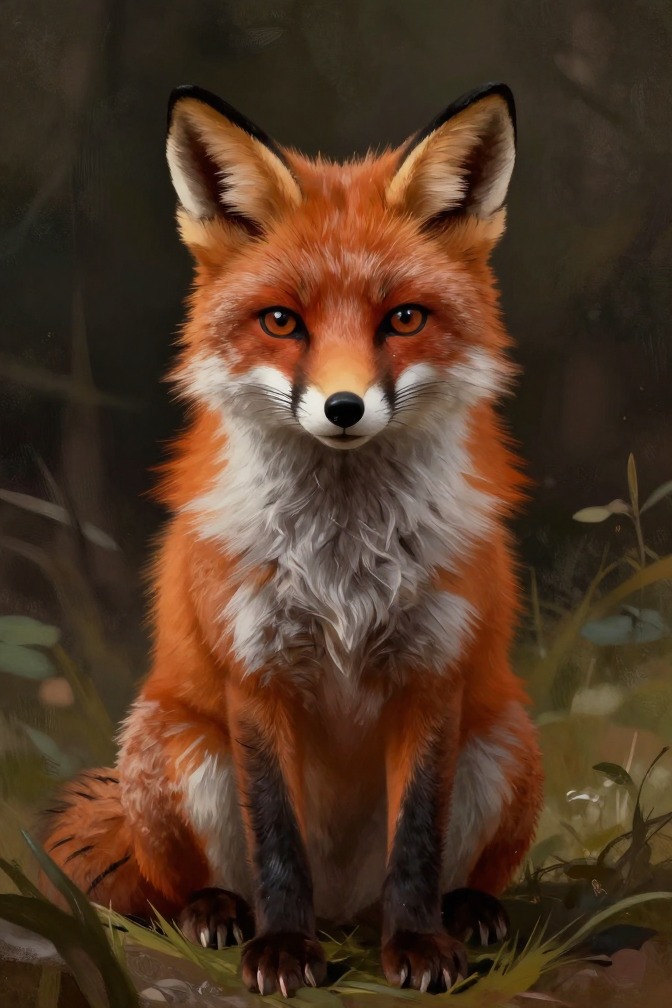
The fox, named Captain, is a wild creature rescued by Dickon Sowerby and becomes a loyal companion in the secret garden, symbolizing the healing power of nature and trust.
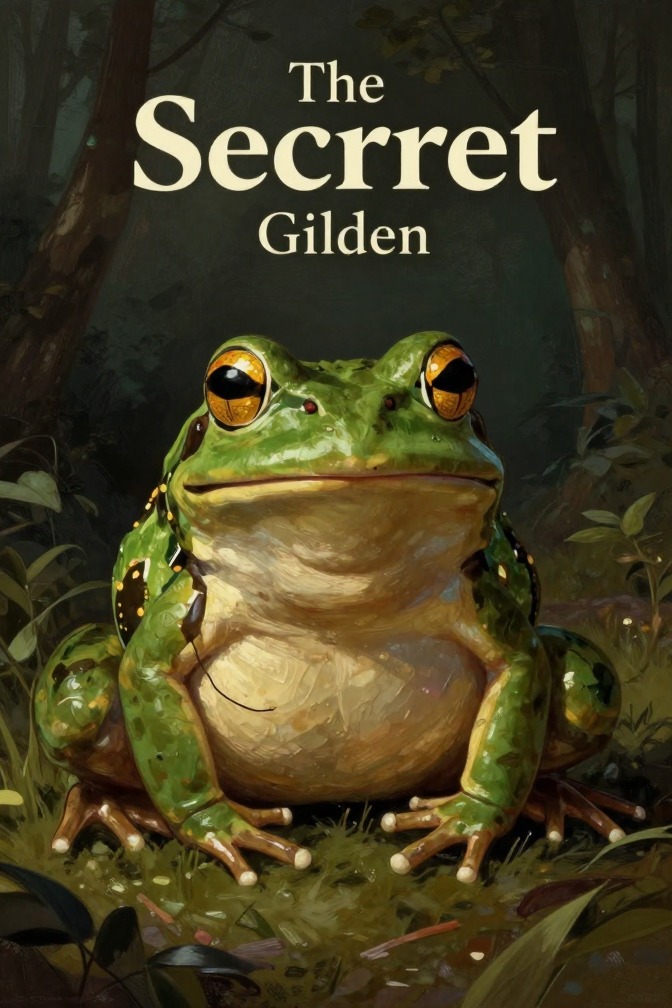
The frog is a minor creature in The Secret Garden, appearing briefly as part of the rich ecosystem of the secret garden that Colin Craven discovers and explores during his recovery.
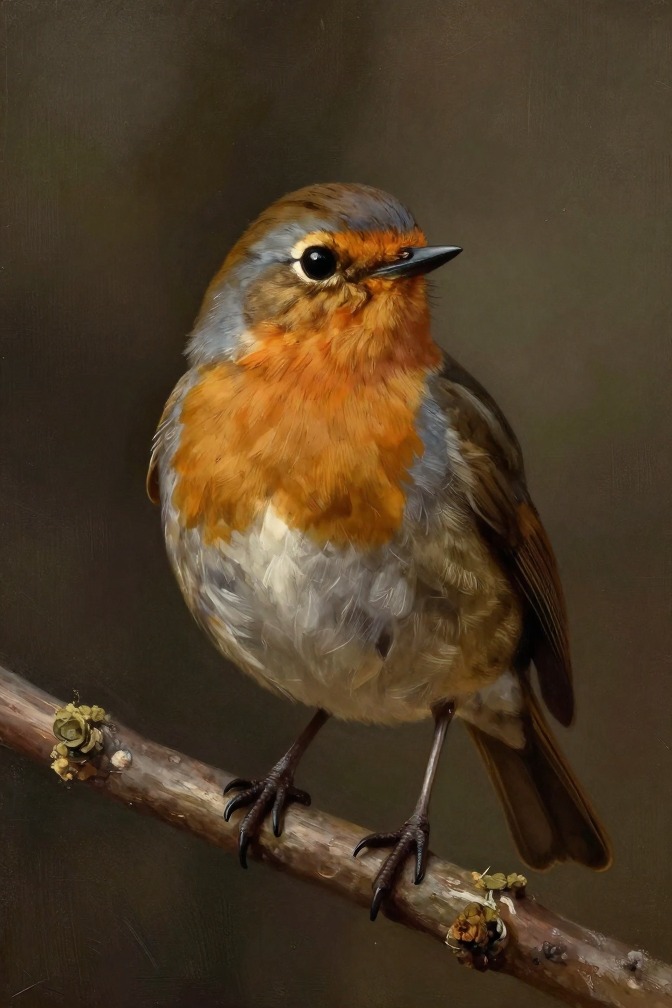
The missel thrush appears in *The Secret Garden* as a symbolic creature whose nest-building and maternal care serve as a central metaphor for the secret garden itself—a hidden, safe place of growth and renewal. The bird is invoked by Dickon Sowerby to reassure Mary Lennox that he will keep her secret about the garden, comparing her trust in him to a missel thrush's trust that its nest will not be betrayed.
The mole is a minor creature in *The Secret Garden*, appearing briefly as one of the many wild animals whose habits Colin Craven learns about during his recovery in the secret garden. Its significance lies in how it contributes to Colin's expanding awareness of the natural world and his growing fascination with the hidden lives of creatures, a key part of his physical and psychological healing.
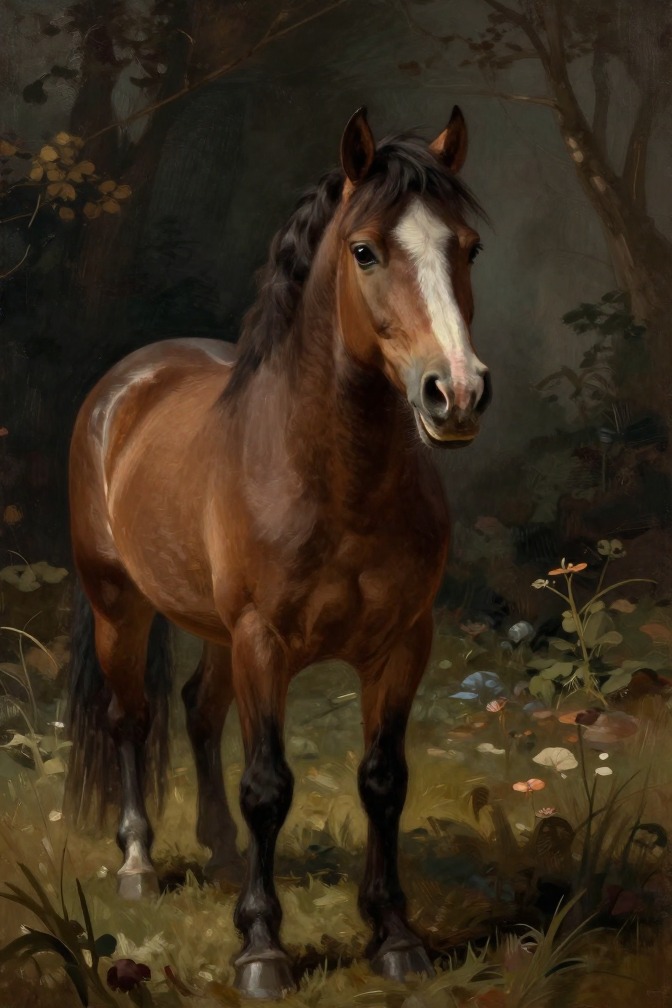
The pony is a small, shaggy moor pony named Jump, belonging to Dickon Sowerby, who uses it to travel across the moor and transport goods. It embodies the wild, hardy nature of the moor and serves as a symbol of the natural, untamed life that contrasts with the confined existence of the manor's inhabitants.
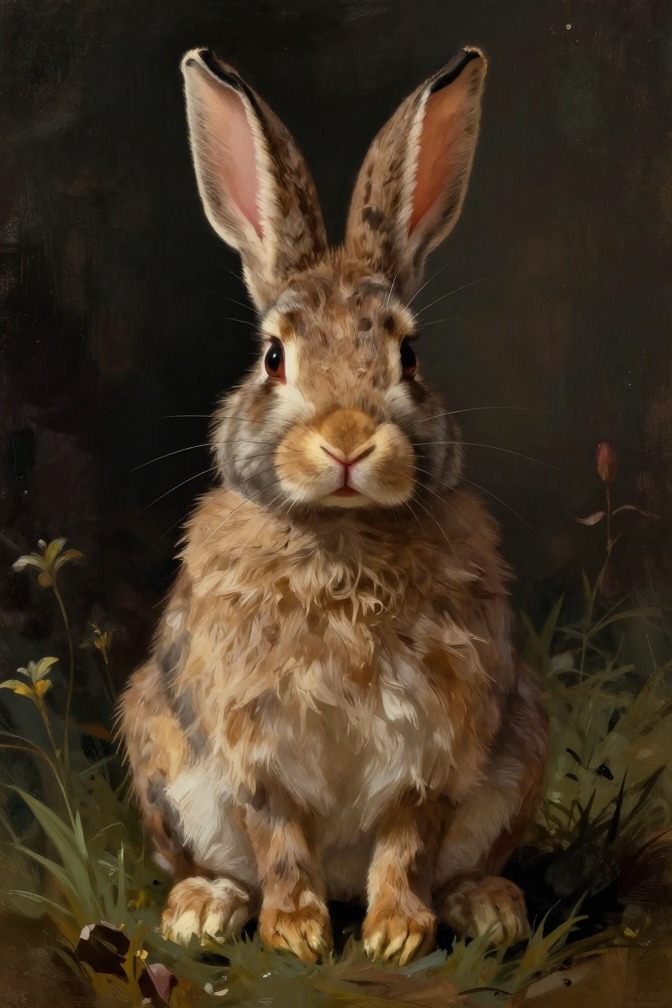
The rabbit is a wild creature of the moor that appears in the secret garden as part of the animal community drawn to Dickon Sowerby's gentle presence, illustrating the harmony between humans and nature that the garden fosters.
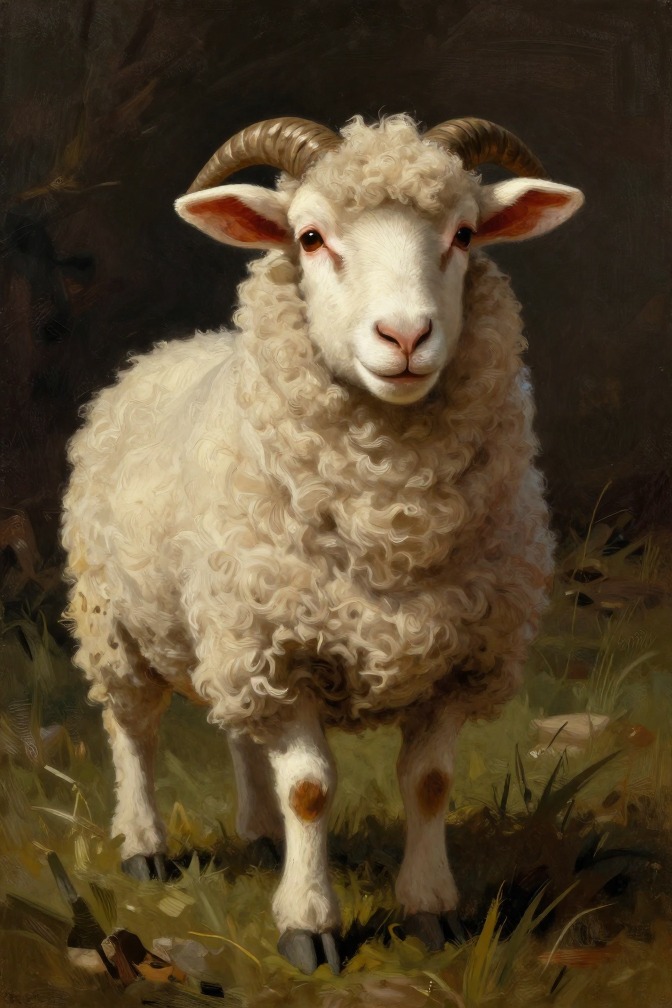
Sheep are a recurring presence on the Yorkshire moor surrounding Misselthwaite Manor, mentioned as one of the few creatures that live on the wild landscape alongside wild ponies, and as animals that Dickon Sowerby, the moor boy, knows intimately.
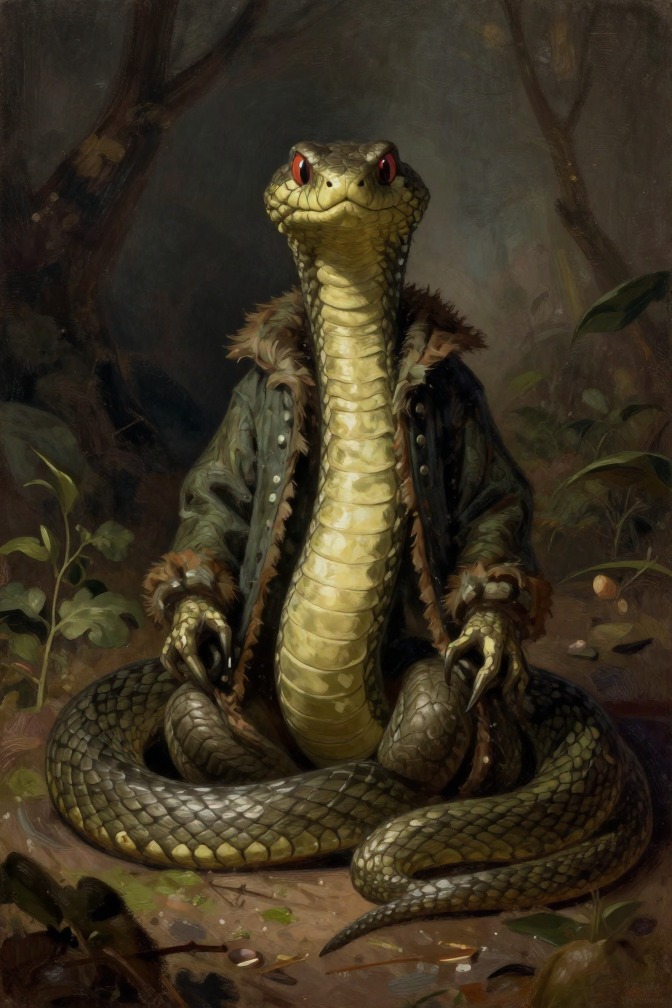
The snake appears briefly in the opening chapter of The Secret Garden, a harmless creature that Mary Lennox observes gliding across the floor of the deserted bungalow after the cholera outbreak has killed her parents and scattered the servants. Its presence underscores the complete abandonment of the child and the eerie silence that has fallen over the house, and it serves as a subtle emblem of the natural world that will later become central to Mary's transformation.
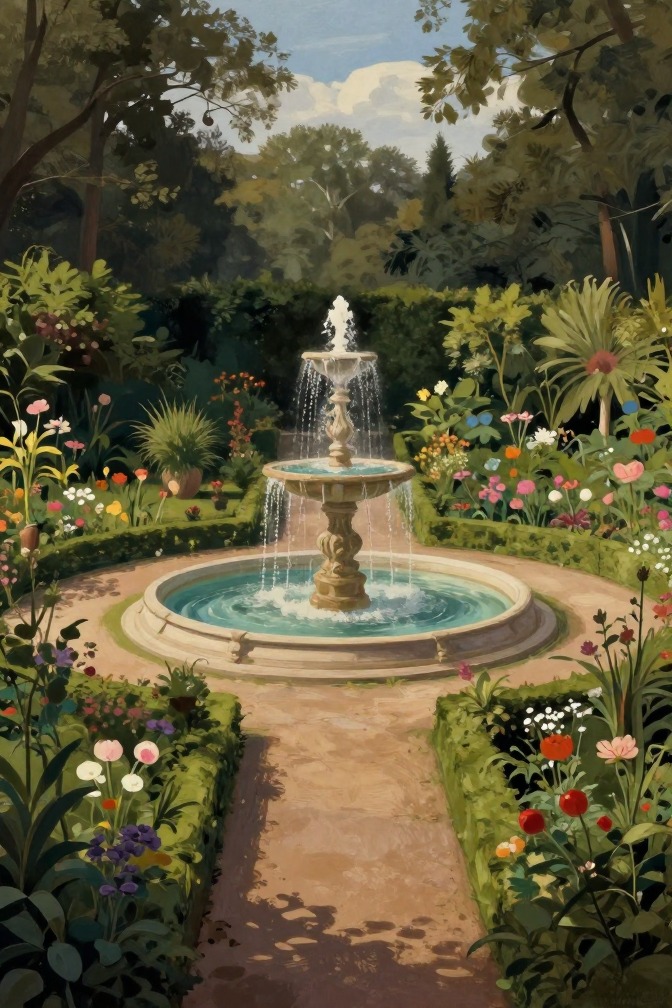
The fountain garden is the formal ornamental garden at Misselthwaite Manor, centered on an old gray fountain and surrounded by flower beds, lawns, and clipped evergreens. It serves as the first outdoor space Mary Lennox explores after her arrival, and later becomes a site where she skips rope, gains strength, and is observed by Ben Weatherstaff and the robin, marking her physical and emotional transformation.
The Lennox bungalow in India is the site of Mary Lennox's early childhood and the cholera outbreak that orphans her, leaving her entirely alone and forgotten in the deserted house.
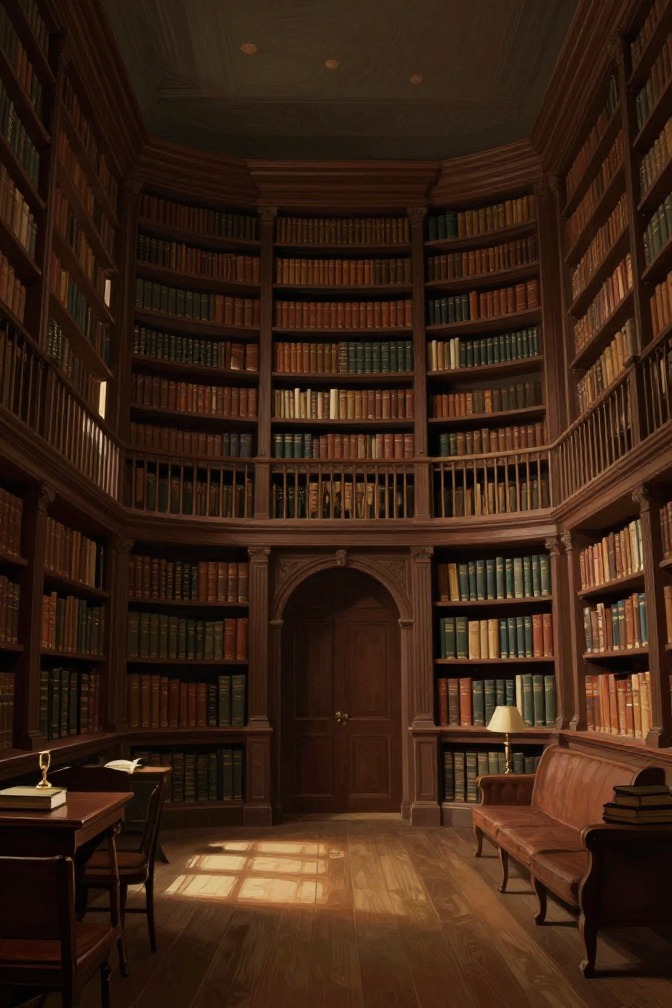
The library at Misselthwaite Manor is a vast, largely inaccessible room containing thousands of books, which becomes a symbol of the unused potential and hidden knowledge within the house, and a catalyst for Mary Lennox's early explorations.
The lodge is the gatekeeper's cottage at the entrance to Misselthwaite Manor, a small but significant location that marks the boundary between the wild moor and the estate. It is the home of Ben Weatherstaff, the elderly gardener, and serves as a point of transition and a symbol of the isolation that pervades the manor.
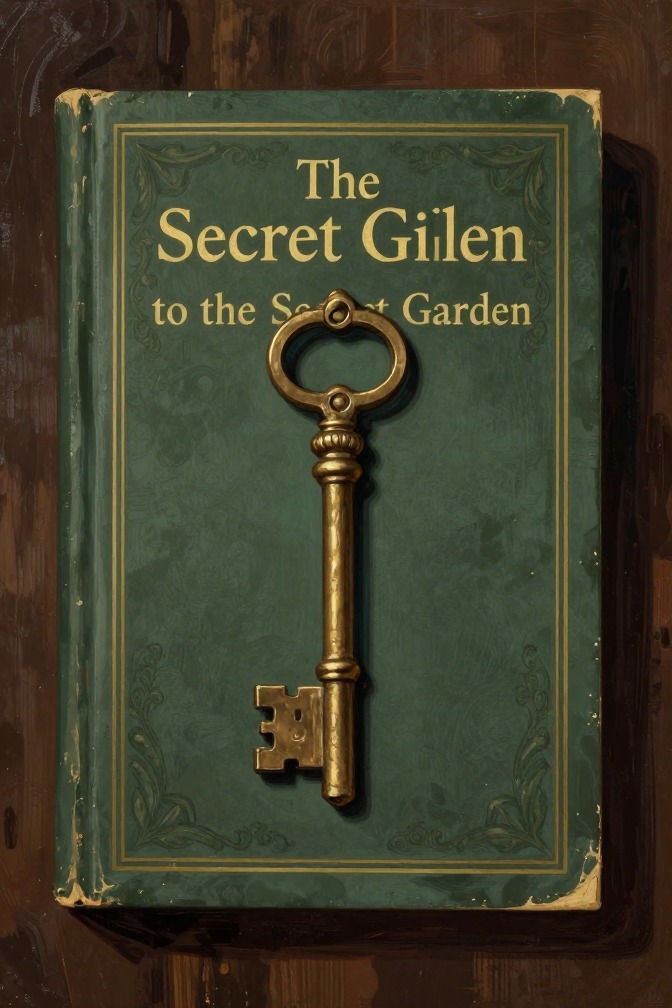
The Key to the Secret Garden is a rusty iron or brass ring, discovered by Mary Lennox after the robin showed her a freshly turned patch of earth where a dog had been digging. It had been buried for ten years, ever since Mr. Archibald Craven locked the garden door and hid the key following his wife's death. The key unlocks the hidden door under the ivy, granting Mary access to the long-abandoned garden and setting in motion the story's central transformation.
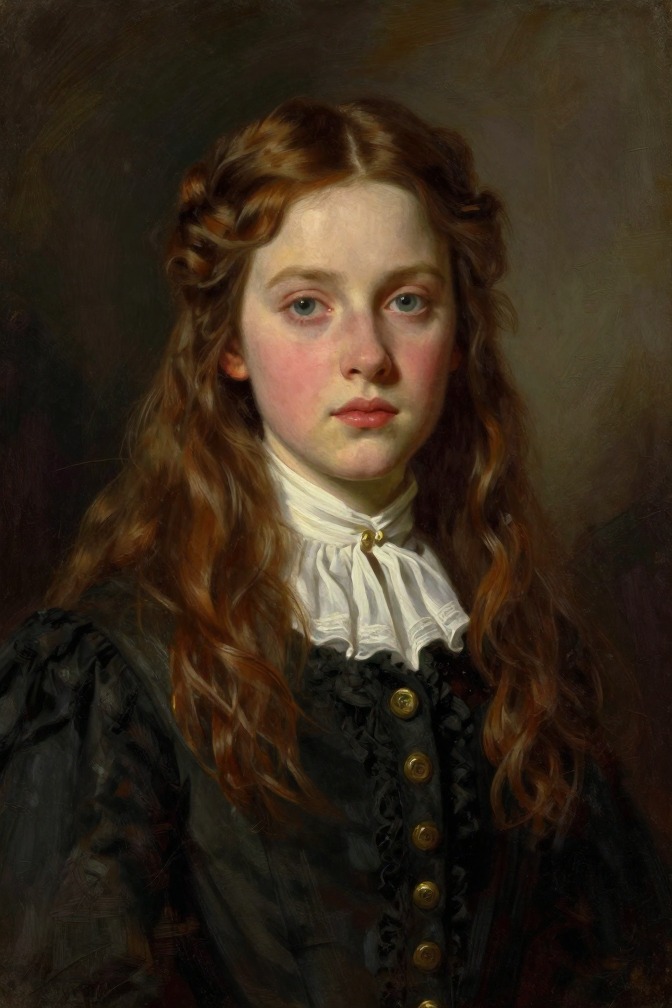
The Portrait of Lilias Craven is a painting of Colin Craven's mother that hangs in his room, covered by a rose-colored silk curtain. It serves as a central symbol of loss, memory, and the fraught relationship between father and son, and its eventual unveiling marks Colin's emotional and physical recovery.
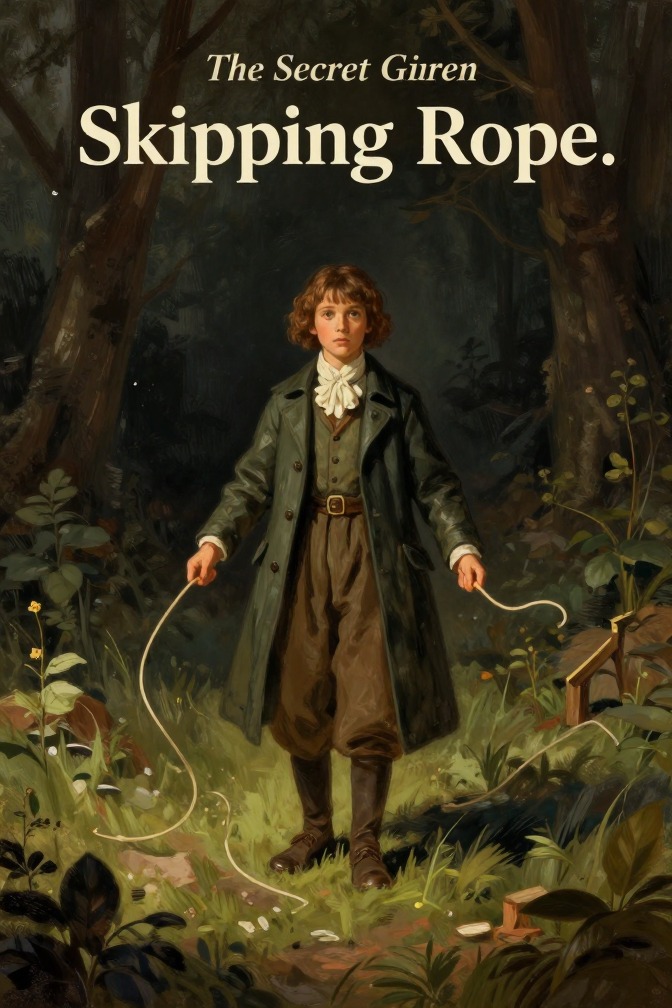
The skipping rope is a simple but transformative object in *The Secret Garden*, given to Mary Lennox by Martha Sowerby's mother, Susan Sowerby, as a gift bought with Martha's own wages. It becomes the catalyst for Mary's physical and emotional awakening, marking her first experience of healthy play, exercise, and the joy of being outdoors, and it directly leads to her discovery of the secret garden's hidden door.
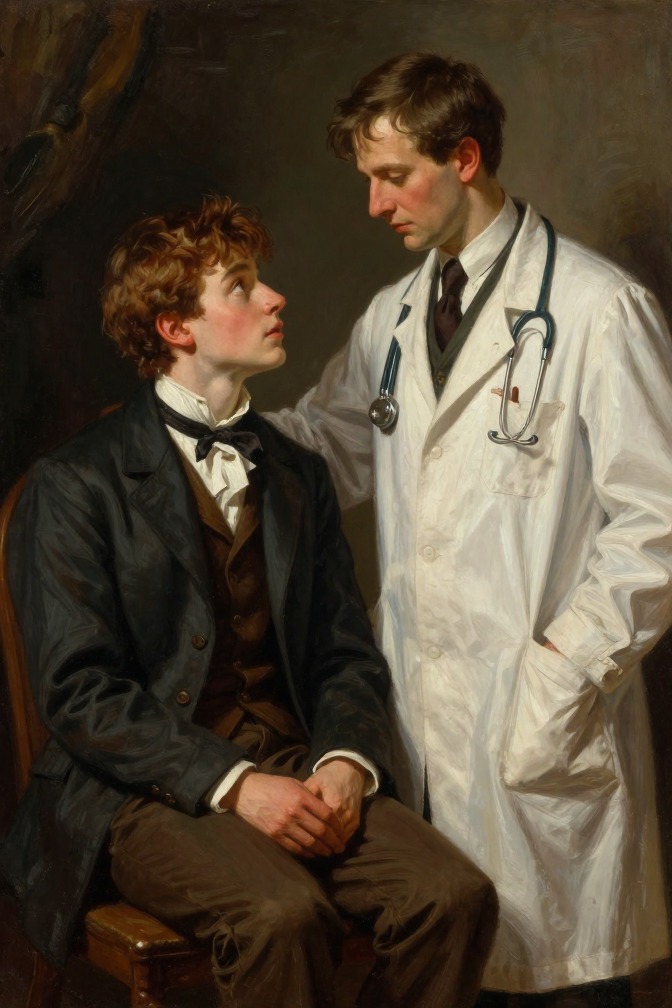
Dr. Craven and Colin Craven (doctor and patient) is a fraught medical relationship in Frances Hodgson Burnett's The Secret Garden, defined by the doctor's professional anxiety, his financial interest in Colin's death, and his ultimate powerlessness before the boy's recovery. Dr. Craven, Colin's father's cousin, stands to inherit Misselthwaite Manor if Colin dies, a fact that colors every consultation. He dreads Colin's hysterical tantrums, prescribes bromides and caution, and is repeatedly outmaneuvered by the boy's imperious will. Yet he is not a villain: he is a weak, nervous man who, confronted with Colin's transformation, can only marvel and step aside, his medical authority dissolving before the "Magic" of the garden.
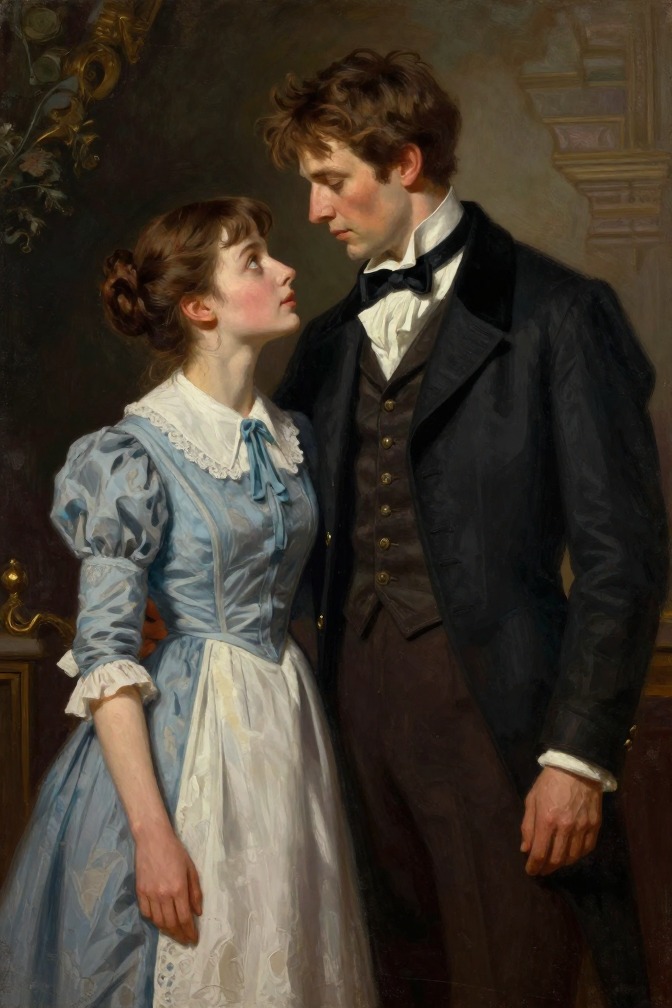
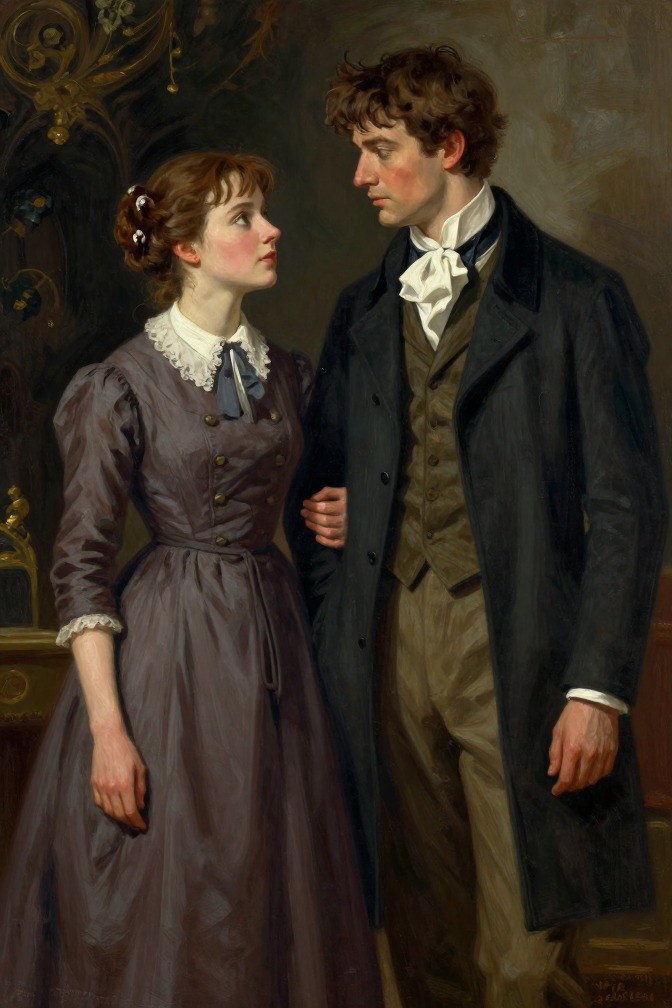
Archibald Craven is the uncle and legal guardian of Mary Lennox, a relationship defined by initial neglect and emotional distance that gradually transforms into a more responsible, though still distant, connection through the influence of others and the healing power of the secret garden.
The friendship between Mary Lennox and Ben Weatherstaff begins with mutual suspicion and sourness but deepens into a genuine, if gruff, bond built on shared loneliness, the robin's mediation, and their parallel transformations through the secret garden.
Mary Lennox and Colin Craven are cousins, a relationship that forms the emotional and structural core of the novel. Their bond, discovered in the middle of a stormy night, transforms both children from isolated, tyrannical invalids into healthy, joyful companions who together restore the secret garden and themselves.
The Gardeners' Absence Rule is a directive issued by Colin Craven to ensure that no gardeners are present near the Long Walk by the garden walls during his secret visits to the hidden garden, thereby preserving the secrecy of his recovery and the garden itself.
The Inviolability of the Robin's Nest is an unwritten but absolute rule that governs the behavior of everyone who enters the secret garden, establishing that the robin's nest and its eggs must never be disturbed, touched, or even approached too closely, and that any violation of this principle would destroy the happiness and harmony of the entire garden.
Contrary is the defining temperament of Mary Lennox at the beginning of The Secret Garden, a state of sourness, selfishness, and obstinacy that isolates her from others and is crystallized in the nickname "Mistress Mary Quite Contrary." This disposition, rooted in neglect and tyrannical indulgence in India, gradually softens as she forms attachments to the moor, the robin, Dickon, and the secret garden, marking the novel's central transformation from emotional barrenness to health and connection.
Health is the central transformative state in The Secret Garden, representing the physical and psychological recovery of Colin Craven and Mary Lennox through the regenerative power of nature, friendship, and self-belief. Colin's journey from a bedridden, hysterical invalid who believes he is dying to a boy who stands, walks, and declares 'I shall live forever—and ever—and ever!' is the novel's most dramatic arc, while Mary's parallel transformation from a sour, sickly child into a robust, rosy-cheeked girl underscores the theme that health is not merely the absence of disease but an active, cultivated state of being.
Hysterics, in the world of The Secret Garden, is a term that names the violent, self-indulgent emotional storms that have defined Colin Craven's illness and his tyranny over Misselthwaite Manor. The word functions as both a medical diagnosis and a weapon of exposure: Mary Lennox seizes on it to demystify Colin's terrors, transforming a condition that has cowed every adult in the house into something she can name, confront, and defeat. The concept marks the turning point where Colin's imagined physical doom is revealed as a curable disorder of the mind.
Spring in The Secret Garden is not merely a season but a transformative force that catalyzes the physical and emotional rebirth of the characters and the garden itself. Its arrival is heralded by a dramatic shift from grayness to vibrant color, and it is directly linked to the children's recovery of health, hope, and a sense of purpose.
The Demonstration of Cure is the public unveiling of Alex's successful reconditioning under Ludovico's Technique, staged by Dr. Brodsky before an audience of prison officials, the Minister of the Interior, and other dignitaries. In this carefully orchestrated event, Alex is subjected to physical provocation and sexual temptation, and his inability to respond with violence—replaced by nausea, servility, and self-abasement—is presented as proof that the State can mechanically eliminate criminal impulses. The demonstration crystallizes the novel's central ethical conflict: whether a man forcibly deprived of the capacity for evil can be called good, and whether such a cure is a triumph of social order or a dehumanizing atrocity.
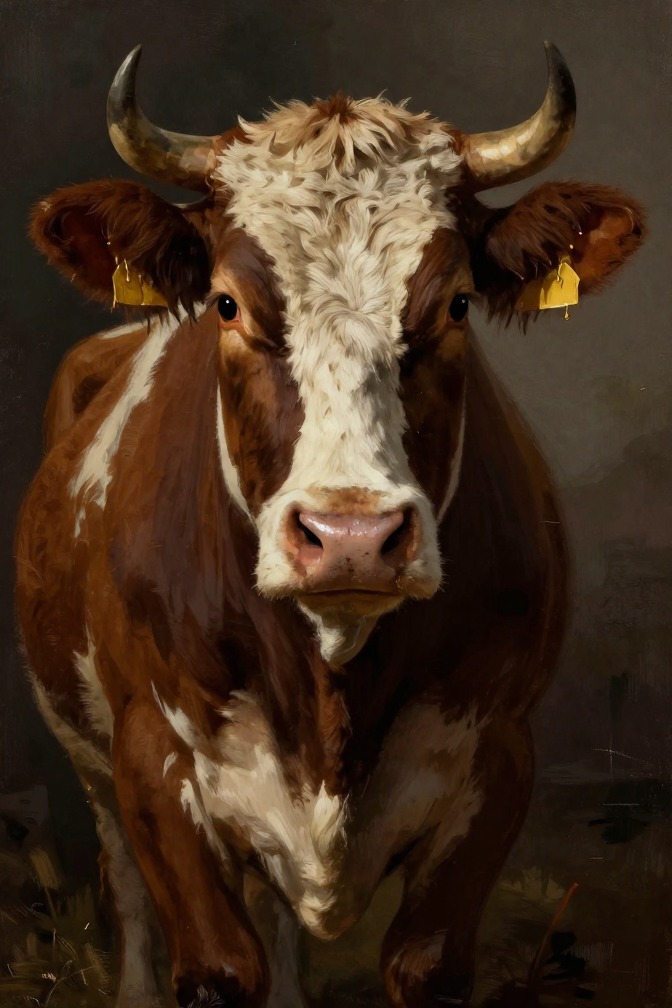
The cow appears as a minor but symbolically charged creature in *A Clockwork Orange*, primarily through the repainted interior of the Korova Milkbar, where the walls are covered with images of red mooing cows, marking a shift in the setting's atmosphere and Alex's perception of the world.
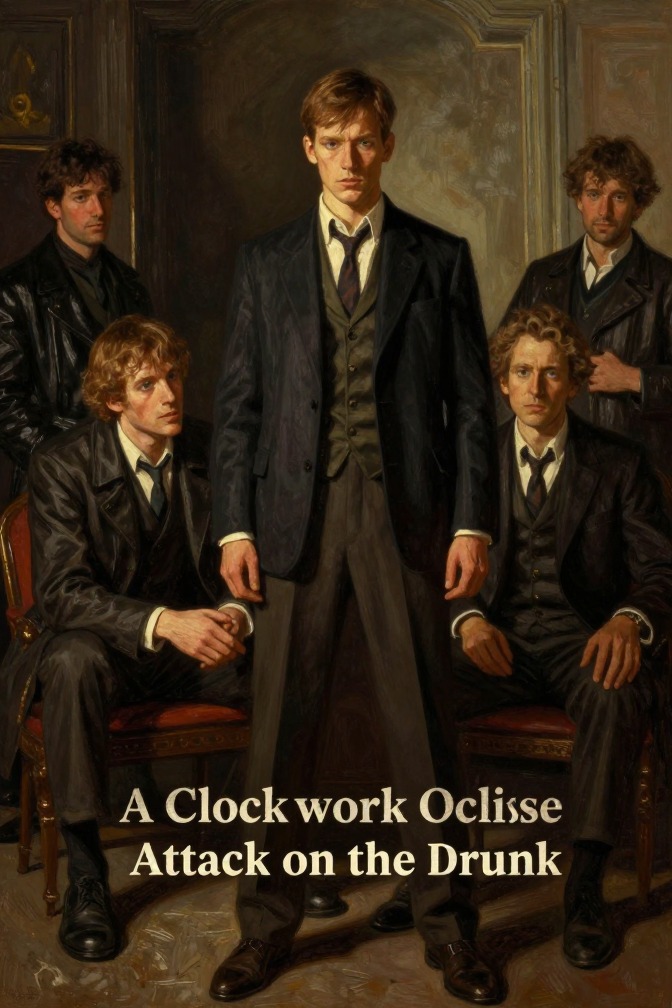
The Attack on the Drunk is a pivotal early episode in A Clockwork Orange in which Alex and his droogs brutally assault a drunken old man outside the Duke of New York, an act that reveals the gang's casual cruelty, Alex's selective curiosity about the old man's worldview, and the social decay that permits such violence to go unchecked.