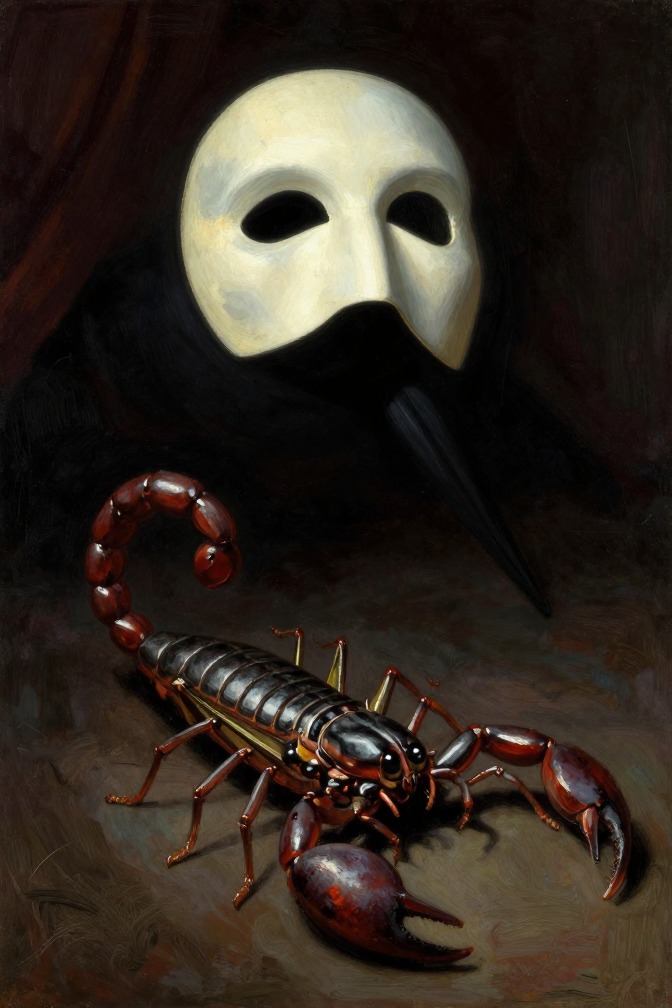
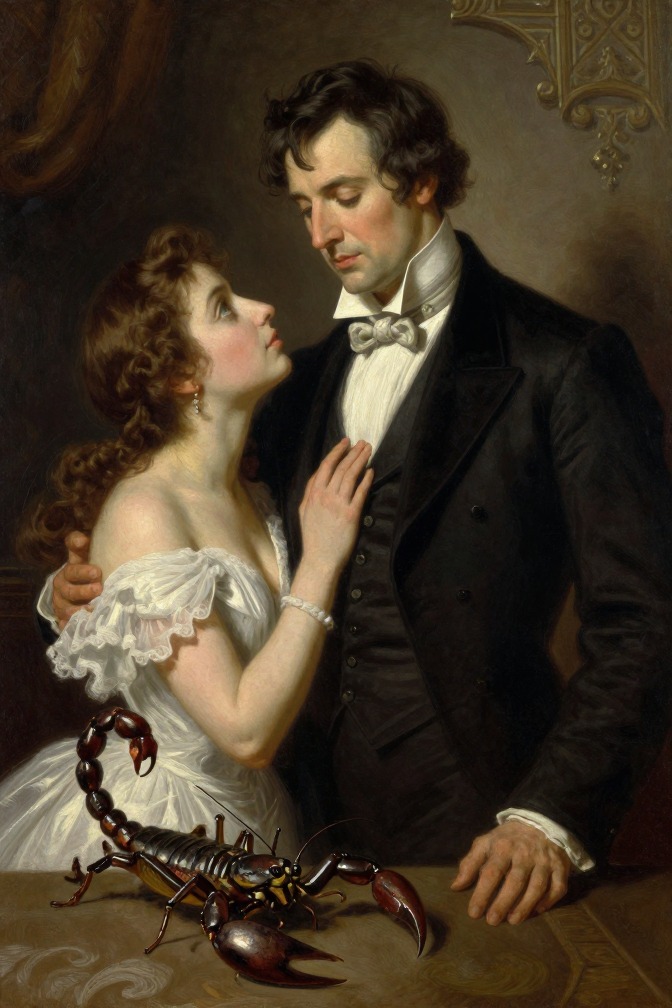
The scorpion or the grasshopper is the climactic choice that Erik, the Opera Ghost, forces upon Christine Daae in the final hours of the novel, a life-or-death ultimatum that will either flood the gunpowder beneath the Opera and spare the audience or detonate it and destroy the entire building. This binary decision—turn the scorpion to accept marriage and save everyone, or turn the grasshopper to refuse and trigger annihilation—constitutes the story's most intense moral and dramatic crisis, resolving the central conflict between Erik's obsessive love and Christine's freedom while determining the fate of hundreds of Parisian theatergoers.
The torture-chamber ordeal is the central crisis of the novel, in which the Persian and Raoul de Chagny, trapped inside Erik's six-sided room of mirrors, endure a sequence of hallucinatory landscapes—an equatorial forest, a starlit desert, and a mirage of water—designed to drive them mad, until they discover a hidden trapdoor leading to a cellar filled with gunpowder barrels, revealing Erik's plan to destroy the entire Opera if Christine refuses to marry him.
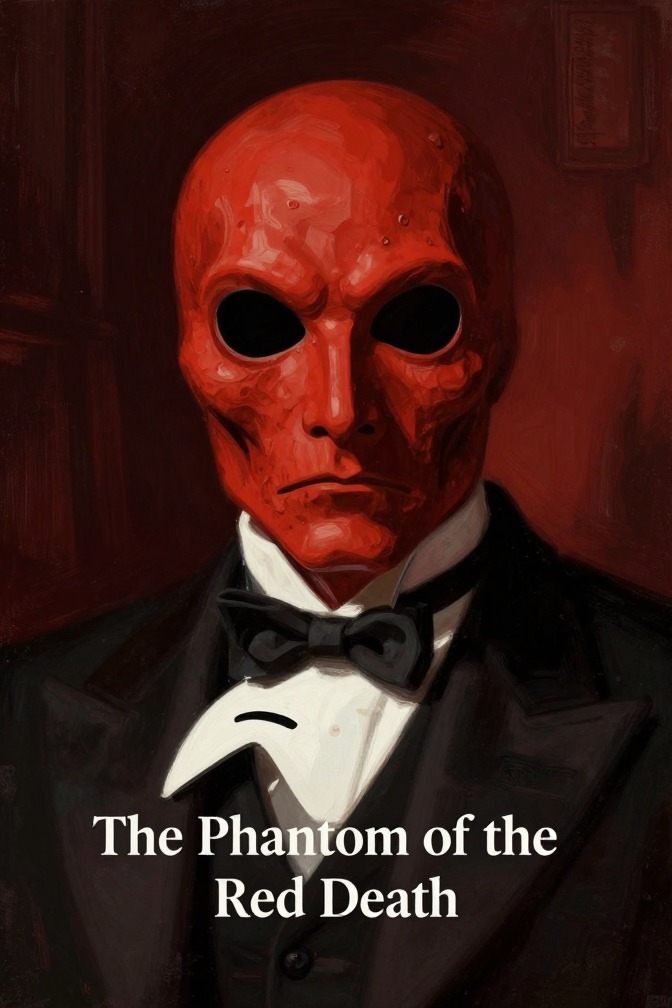
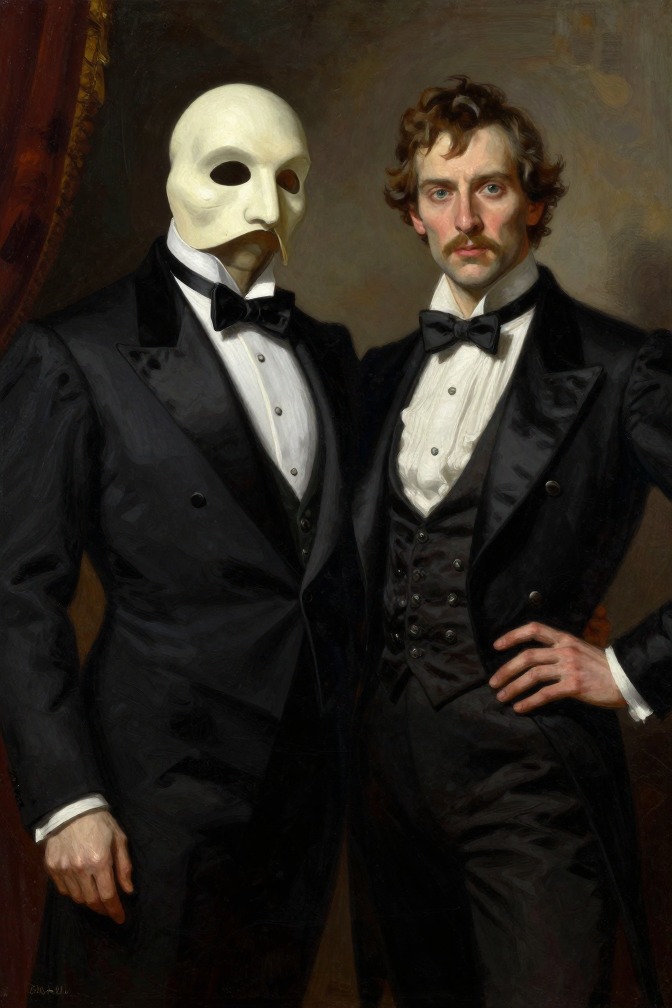
Red Death is the macabre masquerade costume worn by Erik at the Opera's masked ball, a disguise that both conceals his identity and reveals his monstrous nature, linking him to the death's head of Perros and the terror of the unseen.
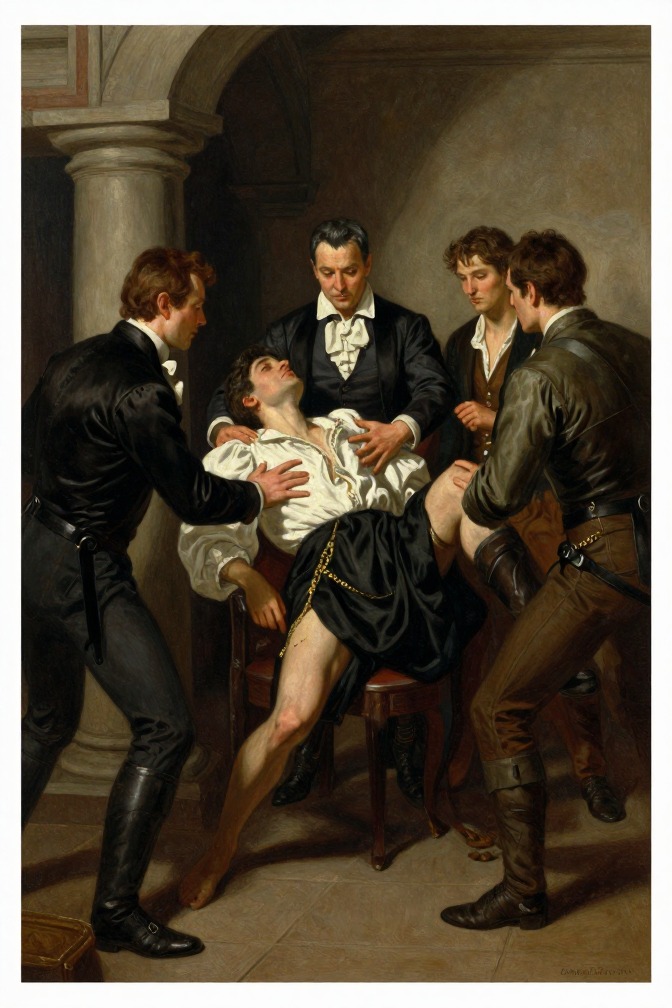
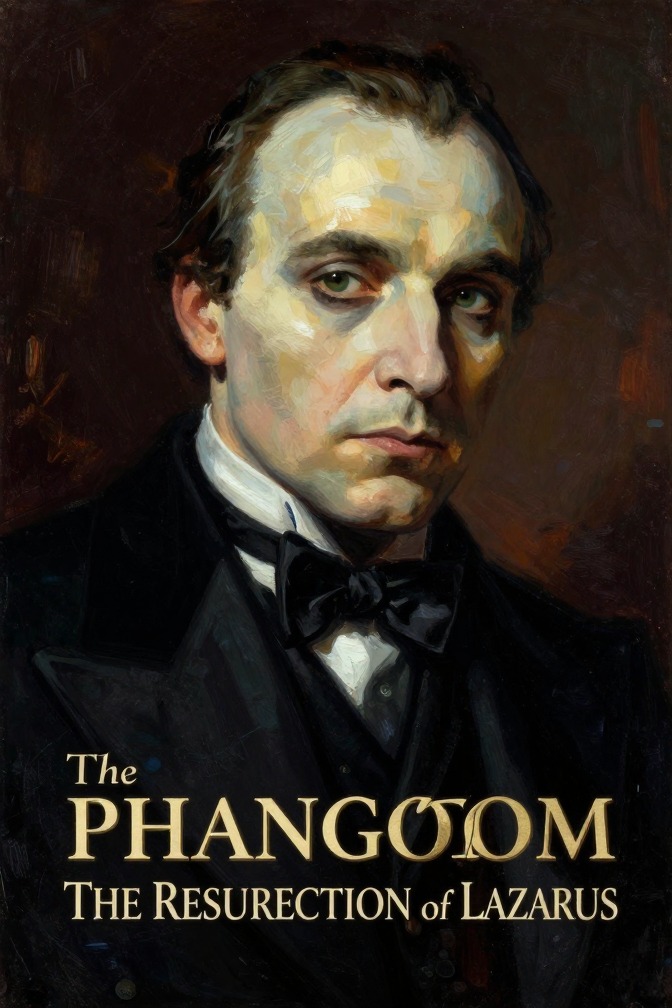
The Resurrection of Lazarus is a musical piece that recurs throughout The Phantom of the Opera as a sacred, supernatural link between Christine Daae, her dead father, and the mysterious Angel of Music. It first appears as a childhood memory of Daddy Daae's playing, then becomes the phantom Erik's chosen medium for proving his identity as the promised Angel, and finally serves as the auditory bridge that lures Christine into the underground world. The piece functions as a ritual invocation of the dead, a test of faith, and the sonic signature of Erik's claim over Christine's soul.
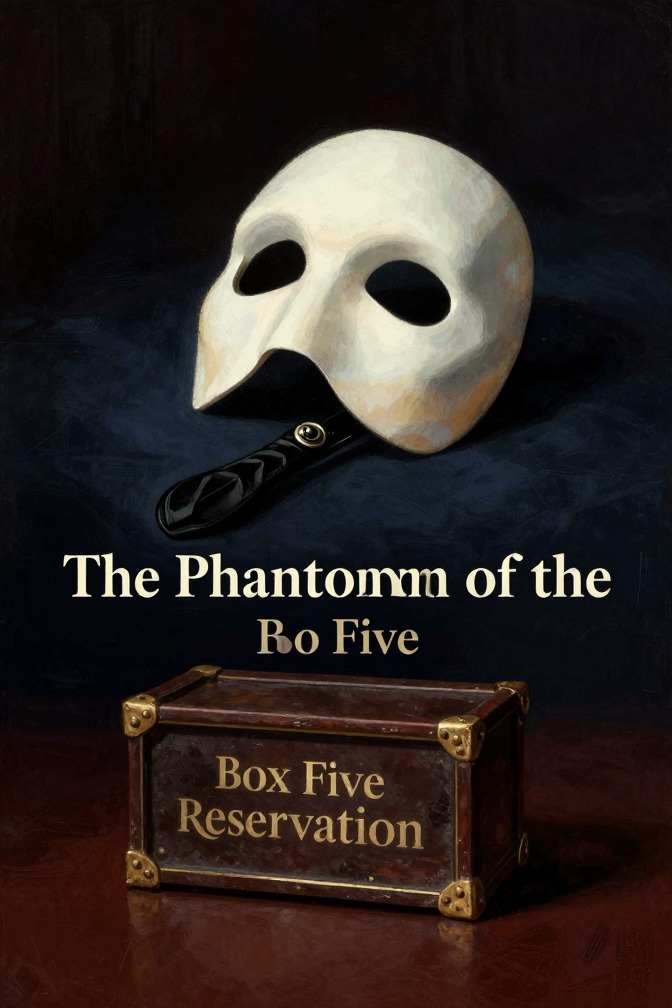
Box Five is the private opera box on the grand tier of the Paris Opera House that the Opera Ghost reserves for his exclusive use, a central location in Gaston Leroux's The Phantom of the Opera. It is the site of the ghost's unseen presence, his demands, and several key incidents, including the mysterious voice that warns occupants away, the fall of the chandelier, and the managers' attempts to uncover the ghost's identity.
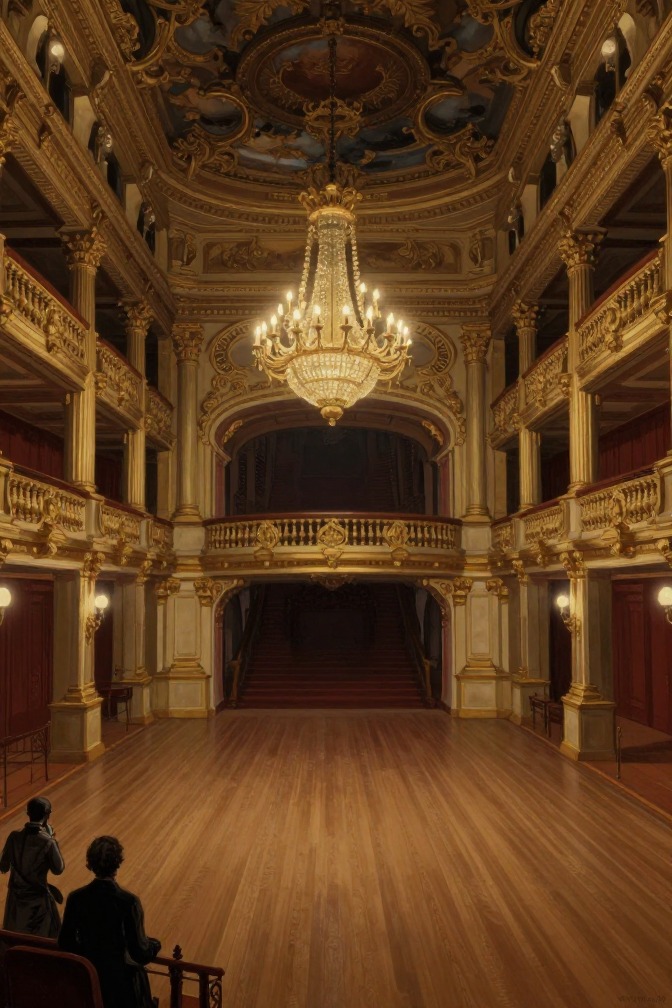
The Foyer of the Ballet is the social and ceremonial heart of the Paris Opera House in Gaston Leroux's The Phantom of the Opera, a place where the private anxieties of the corps de ballet and the public rituals of the opera's management intersect. It is the stage for the ghost's most audacious public appearances, the setting for the farewell gala's aftermath, and a space whose very architecture—its mirrors, its paintings, and its sloping floor—reflects the theatrical world that Erik haunts.
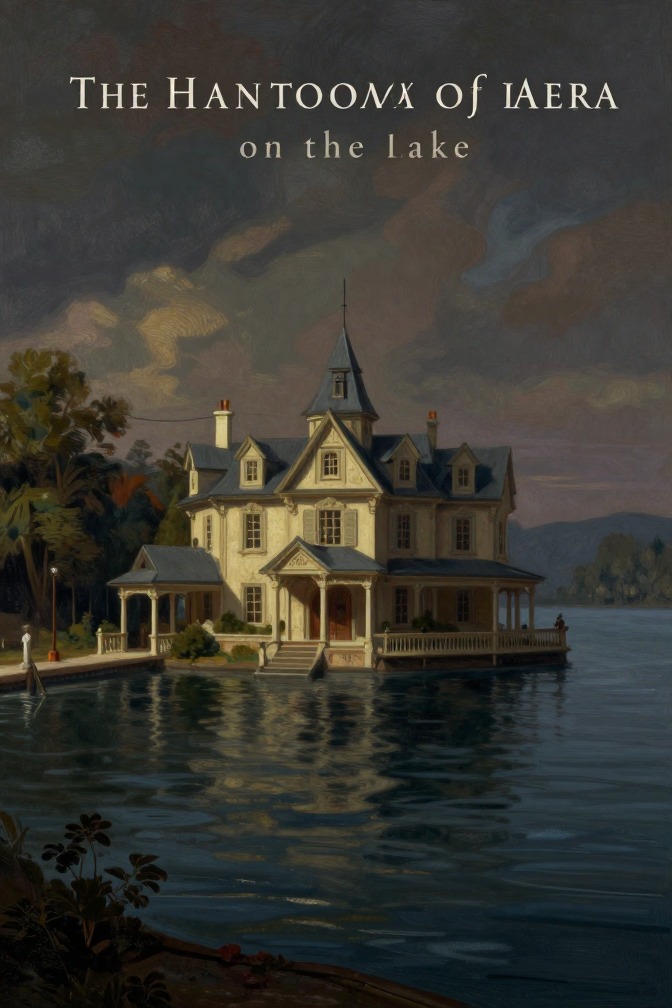
The House on the Lake is Erik's hidden dwelling, built within the double foundation walls of the Paris Opera House, five stories below ground. It is the private kingdom where the Opera Ghost imprisons Christine Daae, where he reveals his true identity and his love, and where the novel's central crisis—the torture-chamber ordeal and the choice between the scorpion and the grasshopper—unfolds. This underground home is the physical and symbolic heart of Erik's tragedy: a lavishly furnished but suffocating sanctuary that embodies his isolation, his genius, and his desperate longing to be loved for himself.
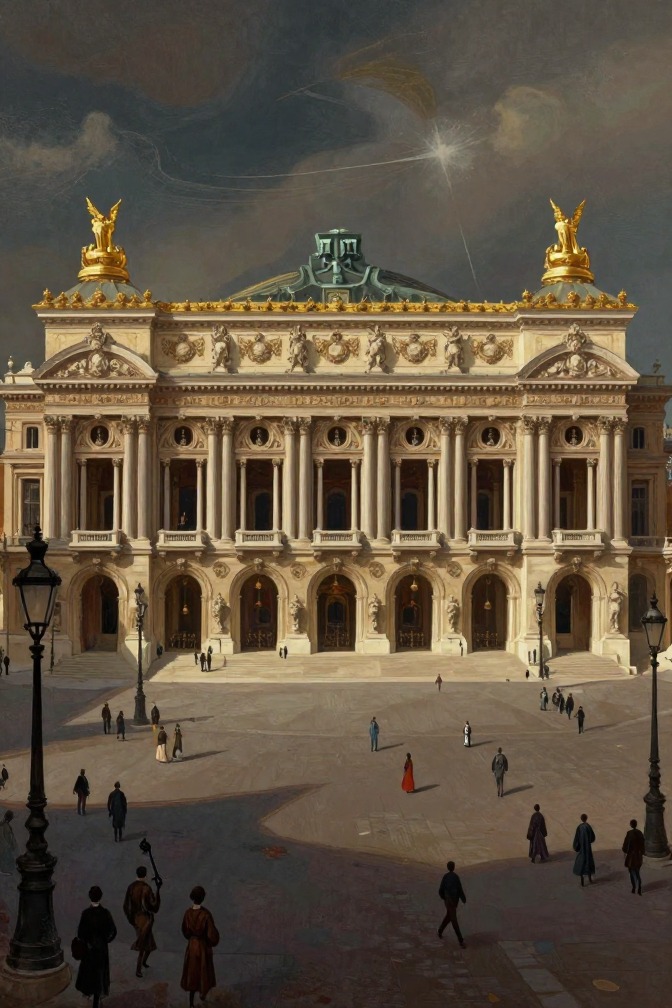
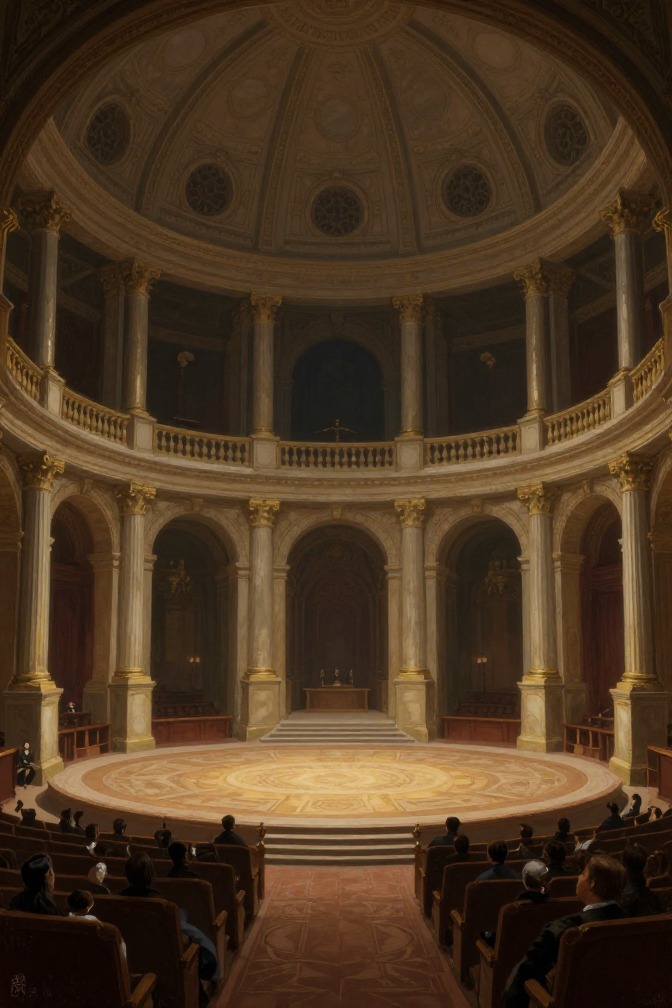
The Paris Opera House is the central setting of Gaston Leroux's The Phantom of the Opera, a vast and real architectural marvel that the novel transforms into a living, multi-layered kingdom. It is not merely a backdrop but an active participant in the story: its grand public spaces host the opera's triumphs and disasters, while its hidden cellars, underground lake, and secret passages become the domain of the Opera Ghost, Erik. The building's physical reality—its thousands of doors, its deep foundations, and its subterranean water—grounds the supernatural legend in a tangible, verifiable place, making the ghost's existence both plausible and terrifying.
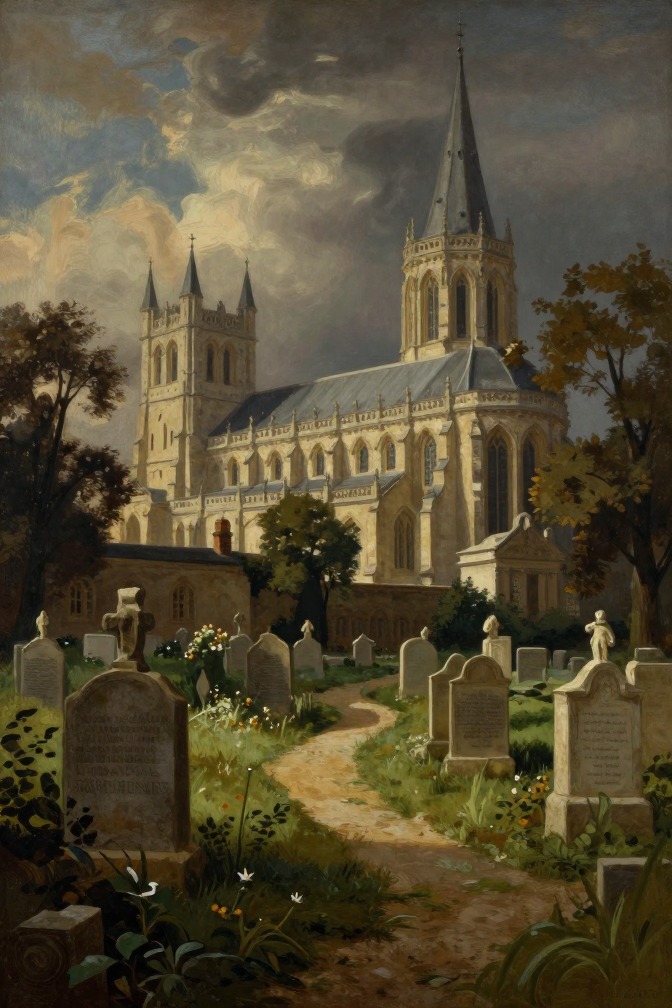
Perros Churchyard is the Breton graveyard where Christine Daae's father is buried and where the Angel of Music—actually Erik—first manifests himself to her through supernatural violin playing, marking the site of her spiritual seduction and the beginning of her captivity.
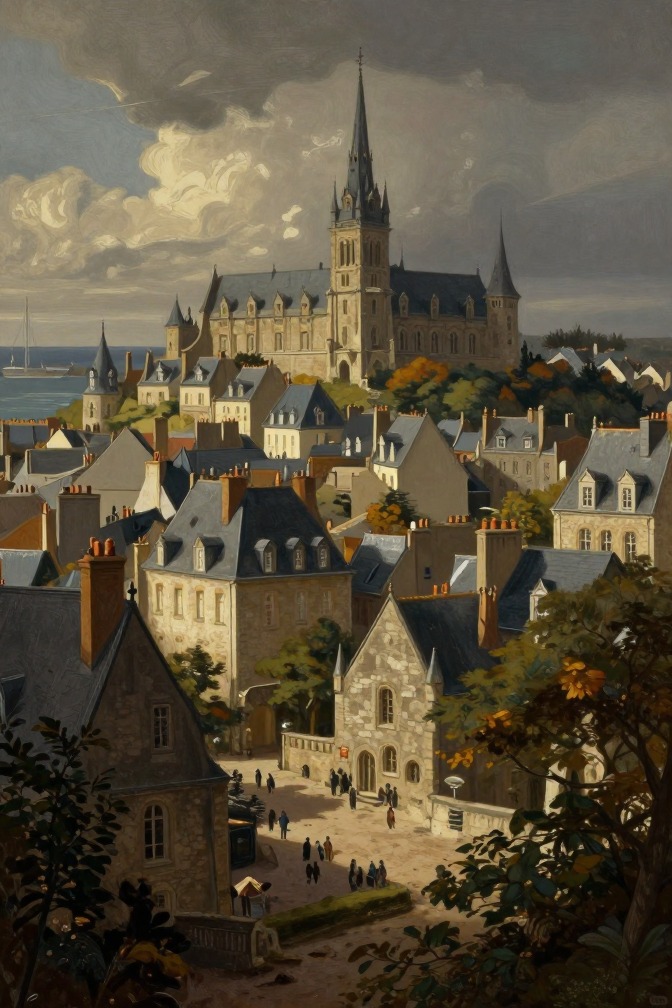
Perros-Guirec is a coastal town in Brittany, France, that serves as the primary setting for the childhood idyll and later emotional crisis of Christine Daae and Raoul de Chagny. It is the place where their bond was forged through shared legends, music, and a dramatic rescue on the beach, and where, years later, the mystery of the Angel of Music deepens during a fateful anniversary visit to the churchyard.
The Rotunda is a key architectural and logistical hub within the Paris Opera House, serving as the primary carriage entrance and departure point for subscribers and artists. Its significance in the narrative is defined by its role as the staging ground for the planned elopement of Raoul de Chagny and Christine Daae, a scheme that is both observed and thwarted by the Opera Ghost, Erik, making it a site of romantic ambition, surveillance, and tragic misdirection.
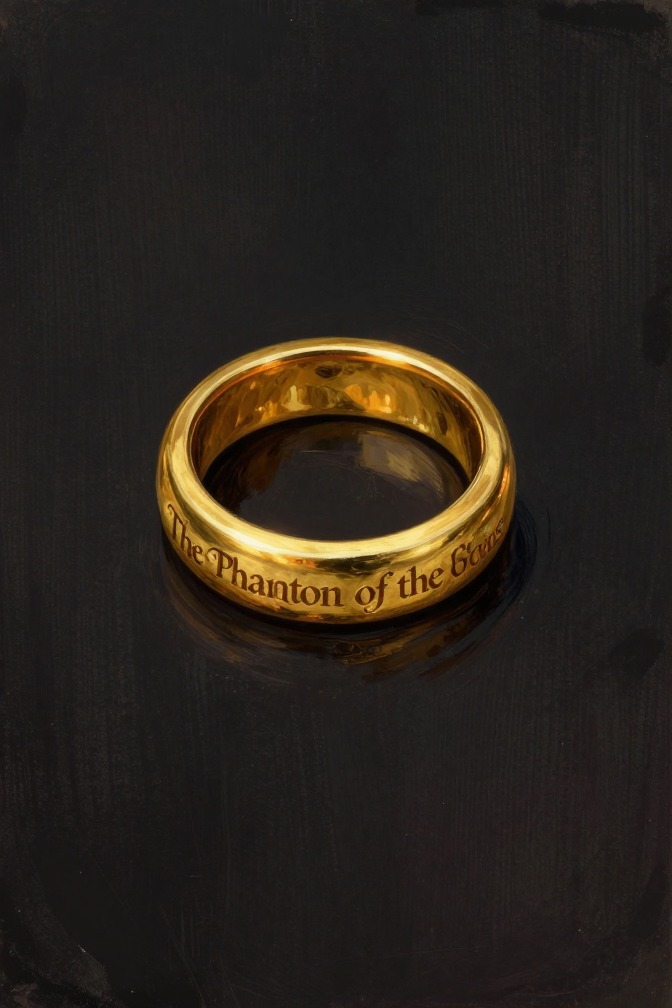
The Gold Ring is a plain gold band that Erik gives to Christine Daae as a token of his conditional liberation, a promise of protection, and ultimately a wedding gift that seals his renunciation. It functions as a recurring symbol of Erik's tragic love, Christine's perilous bond to him, and the final, bittersweet resolution of the ghost's love story, appearing at key moments of crisis and, finally, on Erik's skeleton after his death.
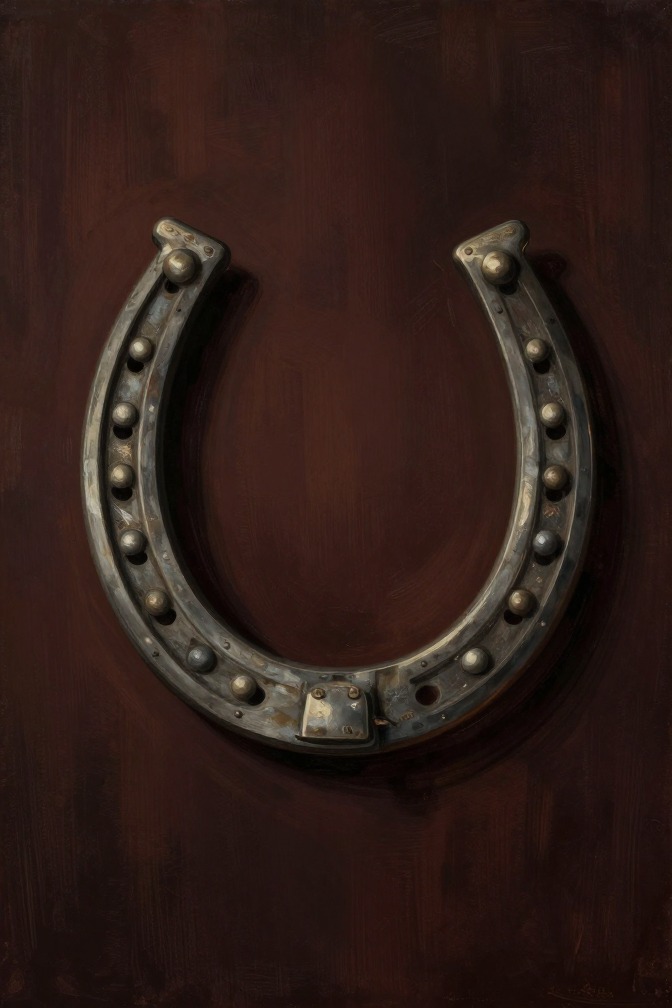
The Horseshoe is a small but telling object in Gaston Leroux's The Phantom of the Opera, placed by the superstitious dancer Sorelli on the table in front of the stage-door-keeper's box the day after the fireman Pampin's terrifying encounter with a head of fire in the cellars. It becomes a ritual charm that every person entering the Opera otherwise than as a spectator must touch before setting foot on the first tread of the staircase, embodying the pervasive fear of the Opera ghost and the superstitious atmosphere that pervades the theater.
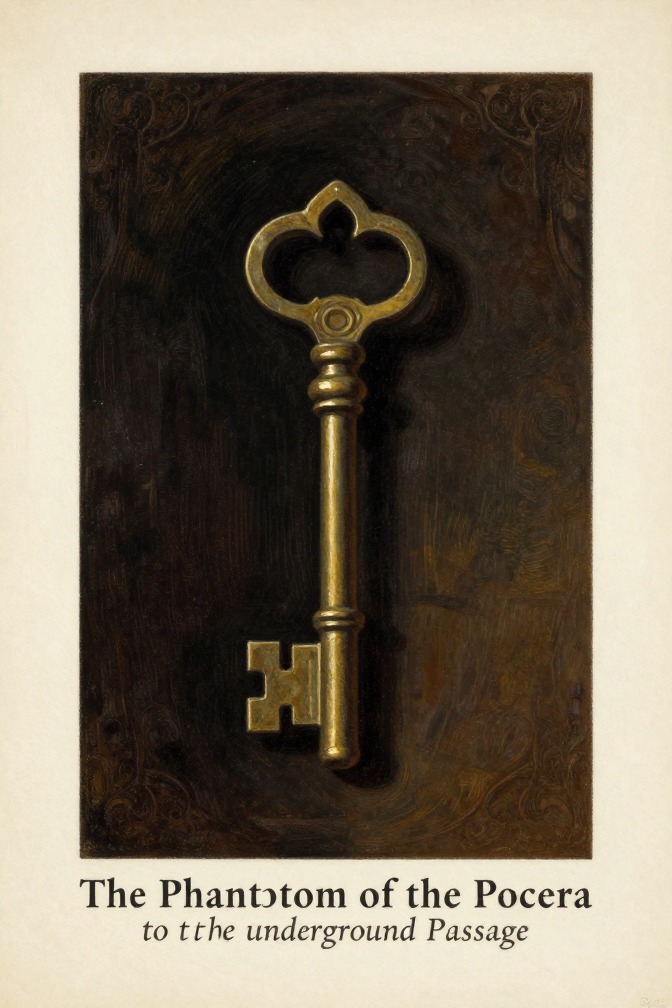
The Key to the Underground Passage is a large key that Christine Daae keeps in her dressing-room, which opens the gate on the Rue Scribe leading to the underground lake and Erik's house. It becomes a crucial object in the lovers' escape plan, symbolizing both freedom and the perilous bond with Erik.
The Memorandum-Book is the official contract of the Paris Opera House, which the Opera Ghost secretly amends with red-ink clauses demanding a monthly allowance of twenty thousand francs and the exclusive use of Box Five. These additions become the central instrument of Erik's blackmail and the source of the managers' torment, ultimately exposing the ghost's power over the Opera's administration.
The Safety-Pin is a seemingly trivial object that becomes the centerpiece of a comic yet sinister episode in Gaston Leroux's The Phantom of the Opera, where the Opera managers Firmin Richard and Armand Moncharmin, desperate to catch the ghost who has been stealing their money, use it to pin the banknotes inside Richard's coat-tail pocket. The pin's failure to prevent the theft—the notes vanish while the pin remains in place—marks the climax of the ghost's practical joke and deepens the mystery of Erik's supernatural powers.
The Commune is the historical Paris Commune of 1871, which in Gaston Leroux's The Phantom of the Opera serves as the crucial historical layer beneath the Opera's cellars, explaining both the physical construction of Erik's hidden domain and the fate of the Opera ghost's remains.
The Conservatoire is the Parisian music academy where Christine Daae, after the death of her father, loses her voice, soul, and genius, attending classes without enthusiasm and taking a prize only to please her benefactress, Mamma Valerius. It is the institution that marks the low point of her artistic life before the Angel of Music's intervention, and its mention in the narrative underscores the contrast between her mechanical training and her later transcendent, supernatural-inspired performances.
Christine Daae and her father Daae share one of the most formative relationships in Gaston Leroux's The Phantom of the Opera, a bond that shapes her identity as a singer, her susceptibility to the Angel of Music, and the emotional core of the novel's tragedy. Daddy Daae, a peasant fiddler from Sweden, is both her first music teacher and the source of the legend that ultimately binds her to Erik. His death, his promise to send the Angel of Music from Heaven, and his burial with his violin at Perros-Guirec anchor Christine's spiritual and artistic life, making her father's memory the lens through which she interprets her own miraculous voice and her captivity.
The relationship between Christine Daae and Raoul de Chagny is the central romantic arc of the novel, a love story that begins in childhood, is tested by jealousy, supernatural deception, and the monstrous love of Erik, and ultimately ends in a secret union that allows them to escape the Opera's horrors together.
Erik and the Opera managers is the adversarial relationship between the Opera Ghost and the successive managements of the Paris Opera House, first with MM. Debienne and Poligny and then with Firmin Richard and Armand Moncharmin. It is defined by the ghost's written demands, his financial extortion, and his escalating acts of sabotage, culminating in the fall of the chandelier and the theft of twenty thousand francs, which ultimately forces the managers to acknowledge his power.
The Box Five reservation is the contractual privilege by which the Opera Ghost, Erik, holds the exclusive use of Box Five on the grand tier of the Paris Opera House for every performance, a right written into the Opera's memorandum-book and enforced through threats, supernatural incidents, and the complicity of the box-keeper Mme. Giry. This reservation becomes the central flashpoint between Erik and the Opera's management, driving the novel's early conflicts and culminating in the chandelier disaster.
Erik's marriage ultimatum, delivered to Christine Daae in the House on the Lake, forces her to choose between wedding him or triggering the destruction of the entire Paris Opera House and its audience. This ultimatum, framed as a choice between the scorpion and the grasshopper, represents the climax of Erik's obsessive love and his final, desperate attempt to secure a normal life through coercion.
The Hand-at-eye-level defense is a survival technique taught by the Persian to Raoul de Chagny during their descent into the Cellars of the Opera to rescue Christine Daae from Erik. It is a specific posture—holding one hand at the level of the eyes, as if ready to fire a pistol—that neutralizes Erik's deadliest weapon, the Punjab Lasso, by preventing a successful strangulation throw. This rule becomes the central tactical principle of their perilous journey, transforming the rescue attempt into a duel against an unseen, superhuman adversary.
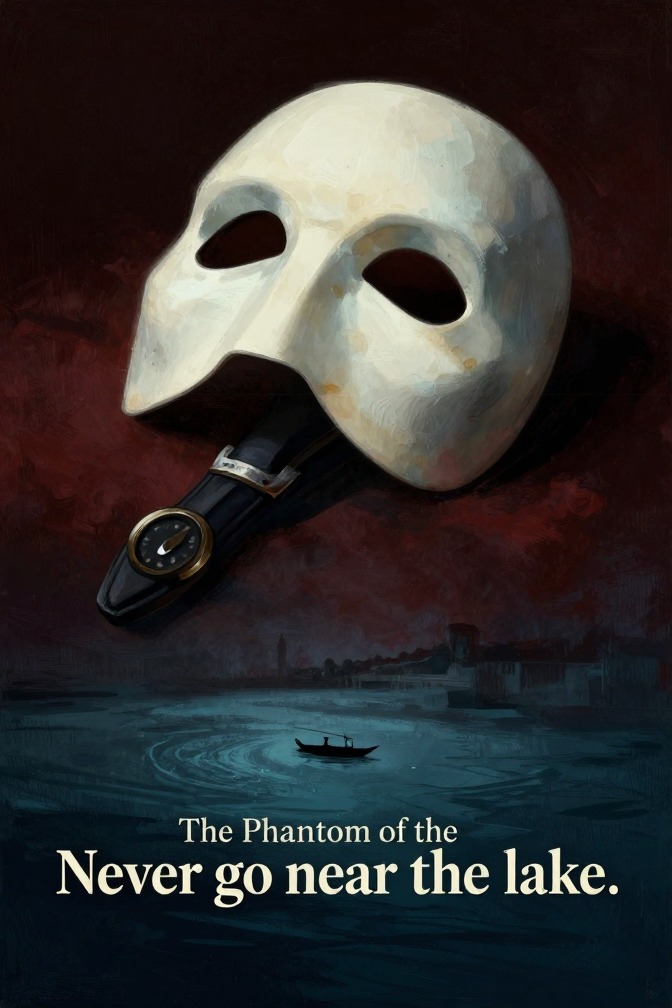
Never go near the lake is a rule of survival in the Paris Opera House's underground domain, articulated by the Persian to Raoul de Chagny as they descend into the cellars to rescue Christine Daae. It warns against approaching the underground lake, which is guarded by the Siren, a deadly trap set by Erik, and it encapsulates the mortal danger of Erik's hidden realm.
The Siren is the name given to the mysterious, enchanting voice that rises from the waters of the underground lake beneath the Paris Opera House, a deadly guardian of Erik's secret domain. It is not a supernatural creature but one of Erik's most ingenious inventions, a long reed that allows him to breathe and sing while hidden beneath the water's surface, luring intruders to their doom. The Siren's song nearly kills The Persian, who ventures onto the lake in search of Erik's hidden house, and it is later implicated in the death of Count Philippe de Chagny, whose body is found on the lake's bank. The Siren represents the seductive and lethal power of Erik's artistry, a trap that turns the beauty of music into an instrument of death.
The closing of Amity's beaches was a contested and tragic action, initiated by Police Chief Martin Brody after a series of fatal shark attacks, but repeatedly undermined by political and economic pressures that prioritized the town's summer tourism over public safety.
Matt Hooper's death in the shark cage is the novel's most visceral and tragic confrontation between human ambition and the great white shark's raw power, marking the point where the hunt shifts from a professional challenge to a personal vendetta for Quint and Brody.
The disappearance of Ben Gardner marks a critical turning point in the novel, as the experienced local fisherman is killed by the great white shark while attempting to chum for it alone, escalating the crisis and forcing Chief Brody to seek outside help from the enigmatic shark hunter Quint.
The first encounter with the great white shark aboard the Orca marks the beginning of the climactic hunt, revealing the shark's immense size, its unnerving intelligence, and the deep personal conflicts among the three men—Brody, Hooper, and Quint—that will define the final confrontation.