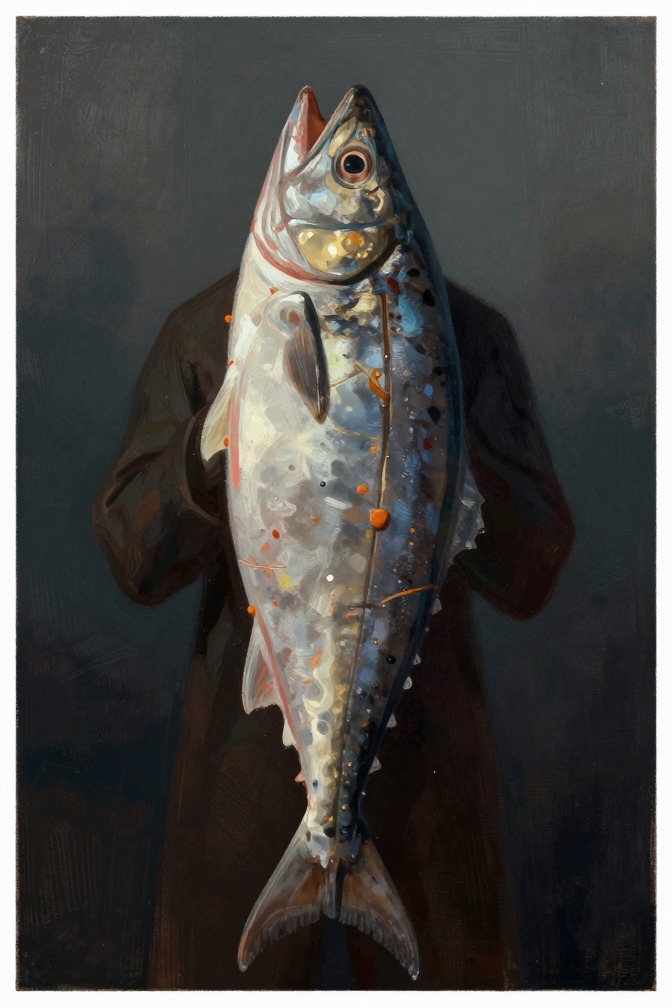
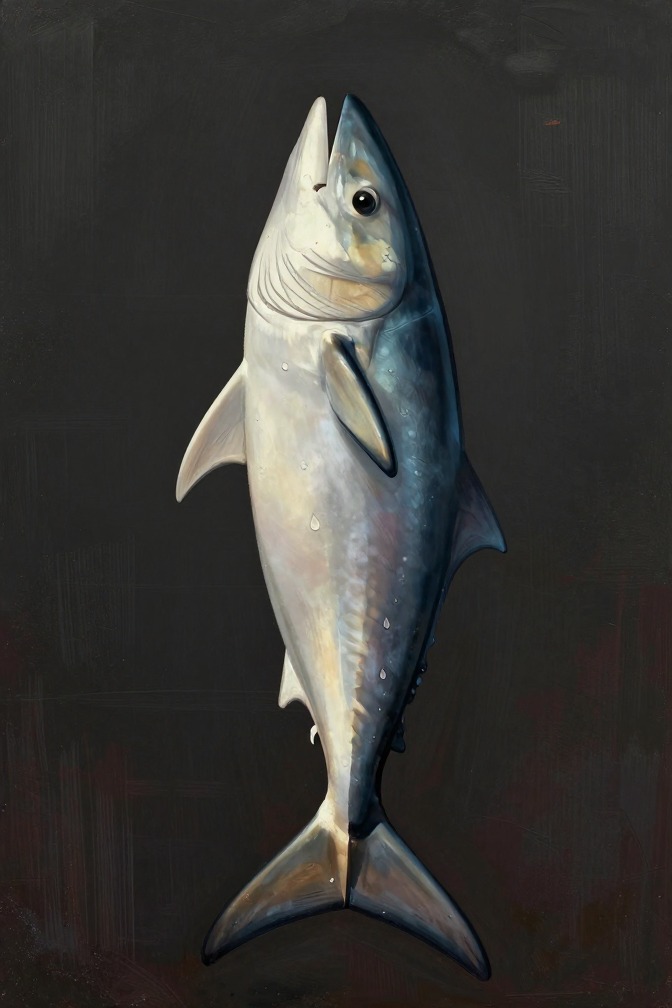
Menhaden, also known as bunker, are small, oily fish that appear in the novel as a key indicator of ecological shifts and as a food source for larger predators, their sudden massive influx off the coast of Connecticut and Rhode Island serving as a prime example of the unpredictable natural phenomena that can attract sharks and other game fish to inshore waters.
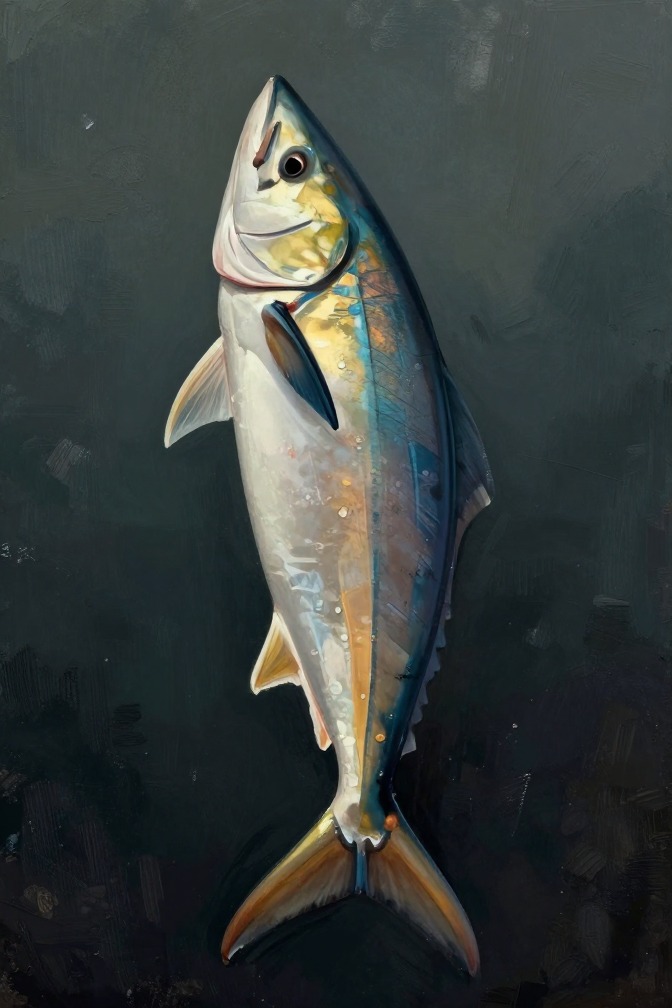
Tarpon are large, powerful game fish that appear in the novel as a symbol of Quint's past as a charter fisherman in Florida, representing both his professional expertise and his utilitarian, unsentimental approach to marine life.
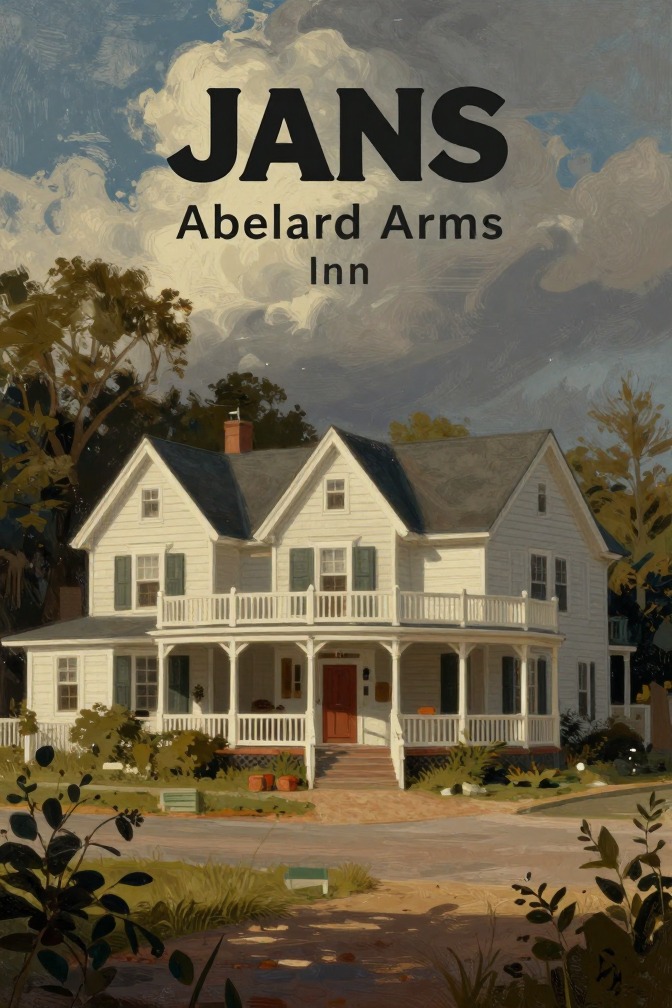
The Abelard Arms Inn is the principal hotel in Amity, a summer resort on Long Island, serving as the temporary residence for visiting characters such as Matt Hooper and Morris Cater, and as a key setting for the novel's social and narrative dynamics.
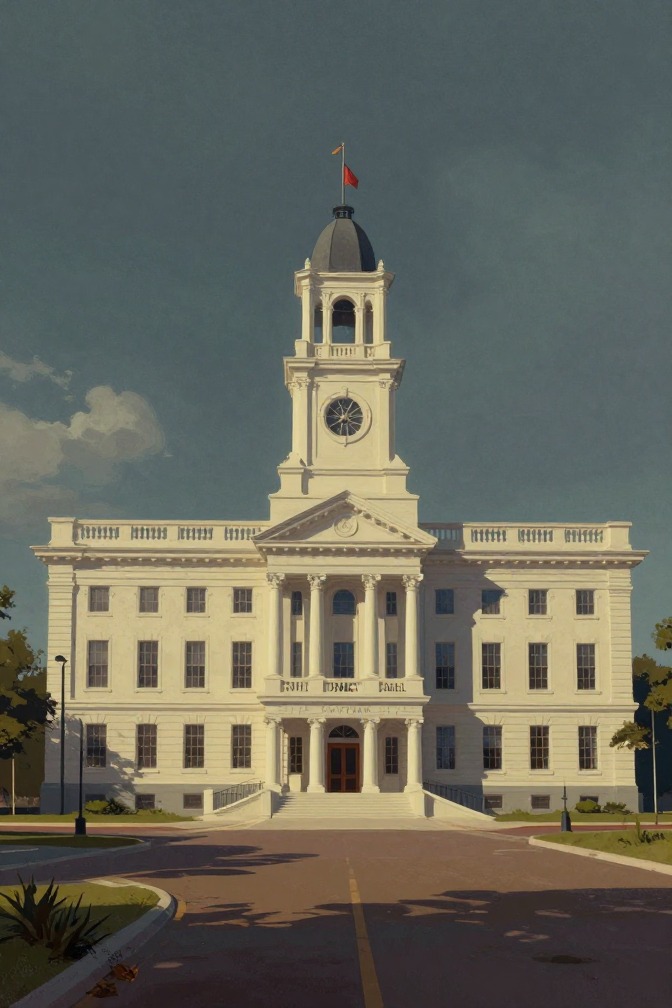
Amity Town Hall is the seat of local government in the fictional resort community of Amity, Long Island, and the central stage for the political conflict that drives the novel's plot. It is a pseudo-Georgian building of imposing grandeur, given to the town in the late 1920s by an investment banker who mistakenly believed Amity would become a commercial hub. Within its high-ceilinged rooms, the mayor, the Board of Selectmen, and Police Chief Martin Brody clash over the economic survival of the town versus public safety during the shark crisis, revealing the corrupting influence of organized crime on local governance.
East Hampton is a wealthy summer resort town on the south shore of Long Island, adjacent to Amity, that serves as a contrasting economic and social benchmark throughout the novel. Its prosperity and desirability as a vacation destination highlight the fragility of Amity's own tourist-dependent economy, and the threat that the shark attacks pose to Amity's survival. The town is frequently mentioned as a place where Amity's merchants, real estate agents, and residents measure their own fortunes against, and as a potential refuge for those fleeing the shark crisis.
The Field Club is an exclusive social club in Amity, Long Island, representing the summer community's elite social milieu. It serves as a symbol of the class divide between the year-round residents and the wealthy summer visitors, and its mention in the novel highlights the social aspirations and tensions that drive character conflicts, particularly for Ellen Brody.
Southampton is a wealthy summer community on Long Island's south shore, adjacent to Amity, that serves as a contrasting backdrop of privilege and normalcy in the novel. It is the location of the Southampton Hospital, where Ellen Brody volunteers, and it represents the social world Ellen left behind when she married Martin Brody. The town also functions as a benchmark for Amity's economic decline, as its beaches remain open and crowded while Amity's are closed due to the shark.
The Woods Hole Oceanographic Institute is the Massachusetts-based marine research center that employs Matt Hooper, the young ichthyologist who becomes the primary scientific authority on the great white shark terrorizing Amity. Hooper's affiliation with the institute gives his expert opinions weight with the town's officials and the press, and it is from Woods Hole that he has the shark cage and other specialized equipment shipped down for the final hunt. The institute thus serves as the institutional anchor for the novel's scientific perspective on the shark, contrasting with Quint's experiential, working-man's knowledge and Brody's pragmatic law-enforcement approach.
The bang stick, also called a power head, is an underwater firearm that Matt Hooper brings aboard the Orca as a last-resort weapon to kill the great white shark. It consists of a metal tube that holds a 12-gauge shotgun shell and is triggered by jabbing it directly against the target. Hooper intends to use it after entering the shark cage, but the weapon fails to save him when the shark attacks the cage before he can deploy it.
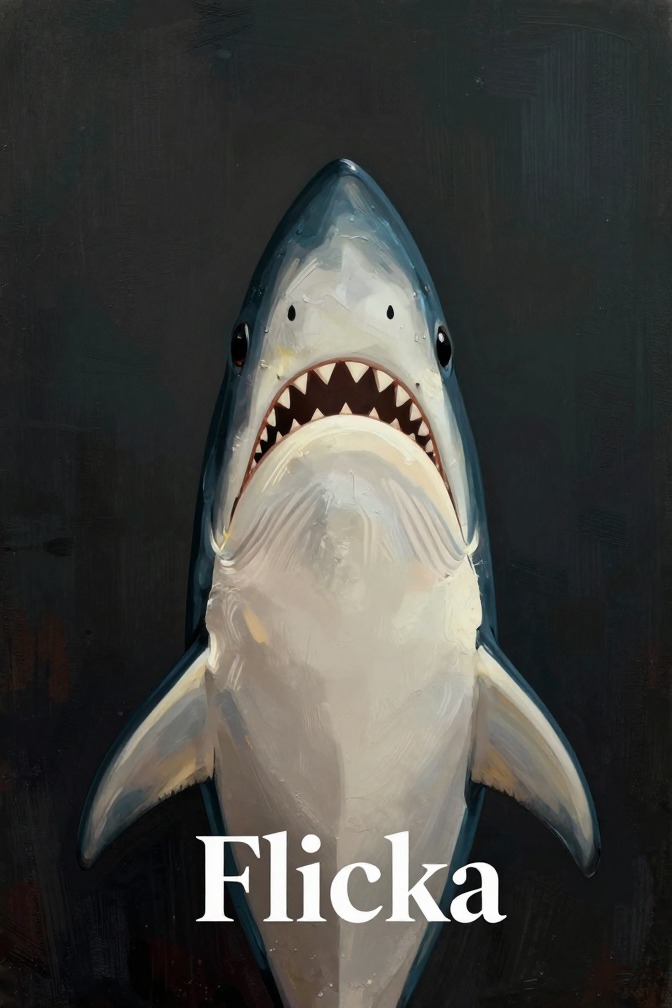
The Flicka is Ben Gardner's fishing boat, which becomes the fourth site of the great white shark's attacks and a key piece of evidence in the Amity shark hunt.
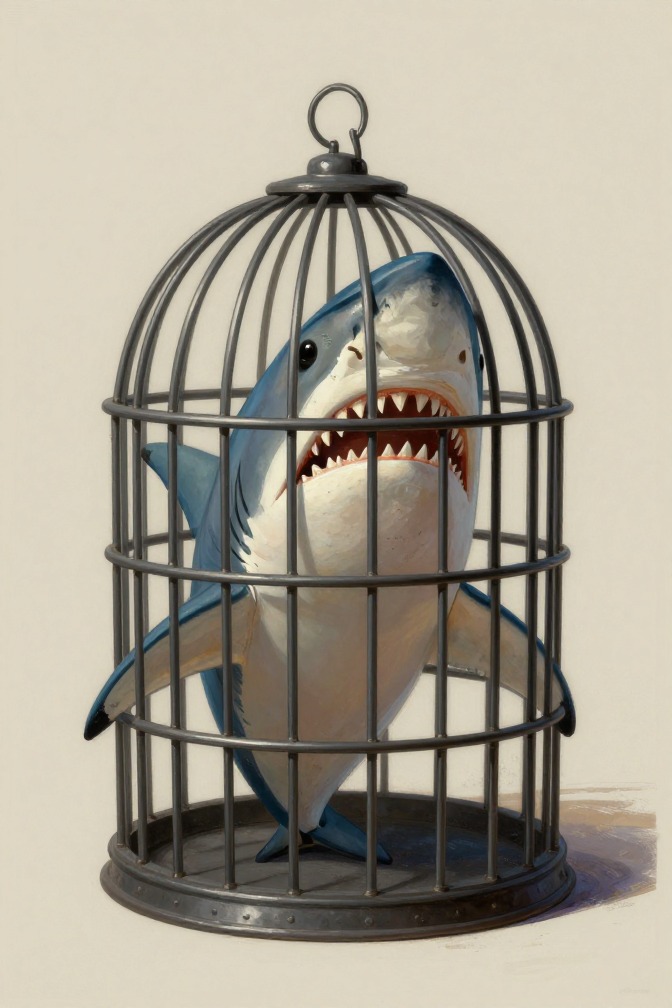
The shark cage is a protective diving device that Matt Hooper brings aboard the Orca to film the great white shark at close range, and it becomes the site of his violent death when the shark breaches the cage and kills him.
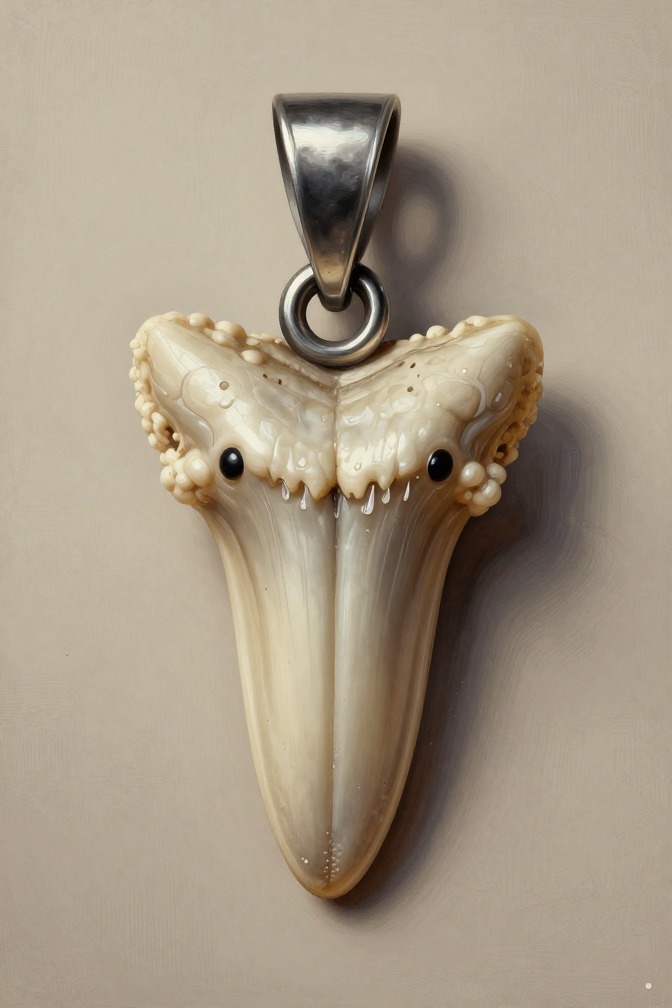
The tiger shark tooth pendant is a small silver-capped charm that Matt Hooper gives to Ellen Brody as a hostess gift during a dinner party, and which he later carries himself as a talisman into the shark cage on his final dive. The object functions as a concrete link between Ellen's past and present, a symbol of Hooper's romanticized view of her, and an ironic counterpoint to the scientific and practical preparations for confronting the great white shark.
Newsday, a major New York newspaper, covered the Amity shark attacks from the outset, with two reporters present on the beach during the second wave of attacks on June 20. Its coverage contributed to the national pressure on the town, and the paper's reporters were among those who pressed Chief Brody for information, highlighting the tension between local suppression of news and the demands of the metropolitan press.
The United States Coast Guard is a federal maritime agency that provides critical support to the Amity police during the shark crisis, conducting searches for the shark and for missing persons, and providing weather reports that influence decisions about beach closures.
Vaughan & Penrose Real Estate is the dominant real estate agency in Amity, Long Island, owned and operated by Mayor Larry Vaughan. The firm's economic interests are deeply intertwined with the town's summer tourism, and its financial pressures—ultimately revealed to be tied to mob-linked debt—drive Vaughan's relentless campaign to suppress news of the shark attacks and keep the beaches open, placing him in direct conflict with Police Chief Martin Brody.
Larry Vaughan and Tino Russo's business relationship is a secret partnership that drives the mayor's desperate campaign to keep Amity's beaches open despite the shark attacks, revealing how organized crime infiltrated the town's real estate market and corrupted its political leadership.
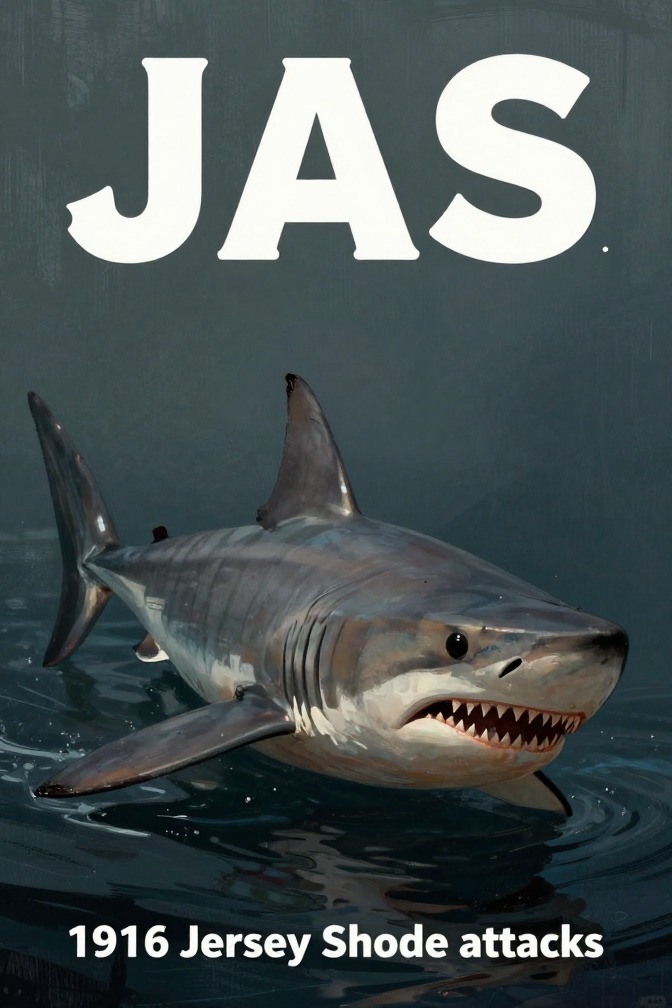
The 1916 Jersey Shore shark attacks are a historical precedent cited within the novel *Jaws* to contextualize the threat posed by the great white shark off Amity, representing the only other recorded instance of multiple shark-attack fatalities in the United States in the 20th century and serving as a benchmark for the characters' understanding of the danger.
The 1942 German spy landing on Amity beach is a widely reported but never fully ascertained historical event, serving as a local legend that underscores the town's insularity and its residents' tendency to mythologize their past. It is one of the major events in Amity's history, as recited by the postmistress Minnie Eldridge, and its uncertain status reflects the town's selective memory and the way it processes threats from the outside world.
Dallas Winston, known as Dally, is the toughest, most hardened member of the greaser gang, a product of a brutal childhood in New York City and a life of crime that has left him cold, bitter, and fiercely loyal to his friends, especially Johnny Cade.
Jerry Wood is a schoolteacher who witnesses the church fire rescue and becomes a compassionate ally to Ponyboy, Johnny, and Dallas, helping to humanize them to the authorities and the public.
Johnny Cade is the gang's pet, a sensitive and abused sixteen-year-old whose violent act of self-defense against a Soc sets the novel's central tragedy in motion, and whose final message of hope and beauty becomes the moral heart of the story.
Keith "Two-Bit" Mathews is the oldest member of the greaser gang, a wisecracking, shoplifting, eighteen-and-a-half-year-old junior whose relentless humor and loyalty define his role as the group's comic relief and moral anchor.
Ponyboy Curtis is the fourteen-year-old narrator and protagonist of S. E. Hinton's *The Outsiders*. A sensitive, bookish greaser from the East Side, he struggles with the loss of his parents, a tense relationship with his oldest brother Darry, and the violent rivalry between the greasers and the Socs. His journey through tragedy, friendship, and self-discovery forms the emotional core of the novel, culminating in his decision to tell his story in the hope of bridging the divide between social classes.
Randy Adderson is a Soc who initially participates in the attack on Ponyboy and Johnny but later undergoes a significant moral crisis, refusing to fight in the rumble and expressing remorse over the death of his best friend, Bob Sheldon.
Sodapop Curtis is the handsome, happy-go-lucky middle brother of Ponyboy Curtis, whose warmth, understanding, and role as the family's emotional center hold the Curtis brothers together after their parents' death.
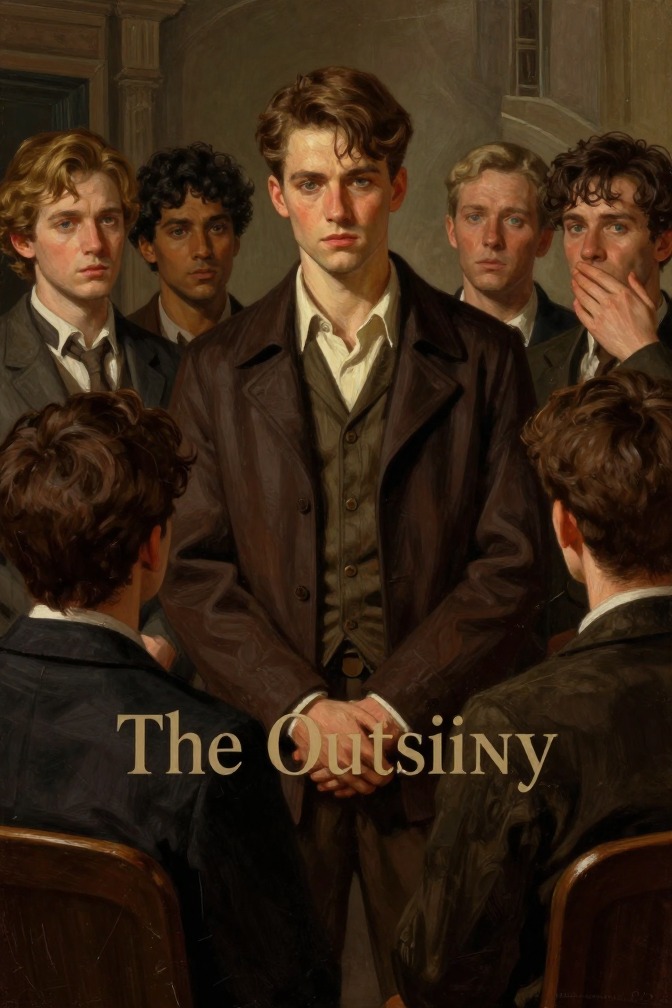
The hearing is the formal juvenile court proceeding that follows Bob Sheldon's death, where Ponyboy Curtis, his brothers, and the Socs involved testify. It resolves the legal consequences of the murder and the running away, ultimately acquitting Ponyboy and closing the case, but it also marks a turning point in Ponyboy's psychological struggle to accept Johnny's death and his own role in the events.
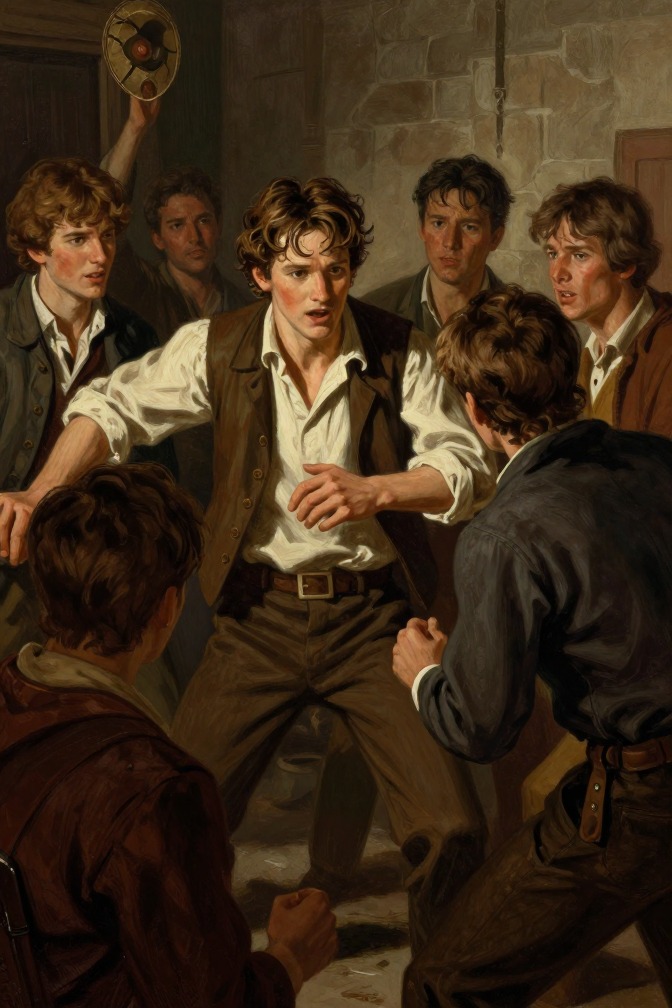
The rumble is the climactic, all-out fistfight between the greasers and the Socs, held in the vacant lot to settle the escalating gang warfare following Bob Sheldon's death. It serves as the story's violent peak, where personal grudges, class hatred, and the desperate need for vindication collide, ultimately leading to the deaths of both Johnny Cade and Dallas Winston.
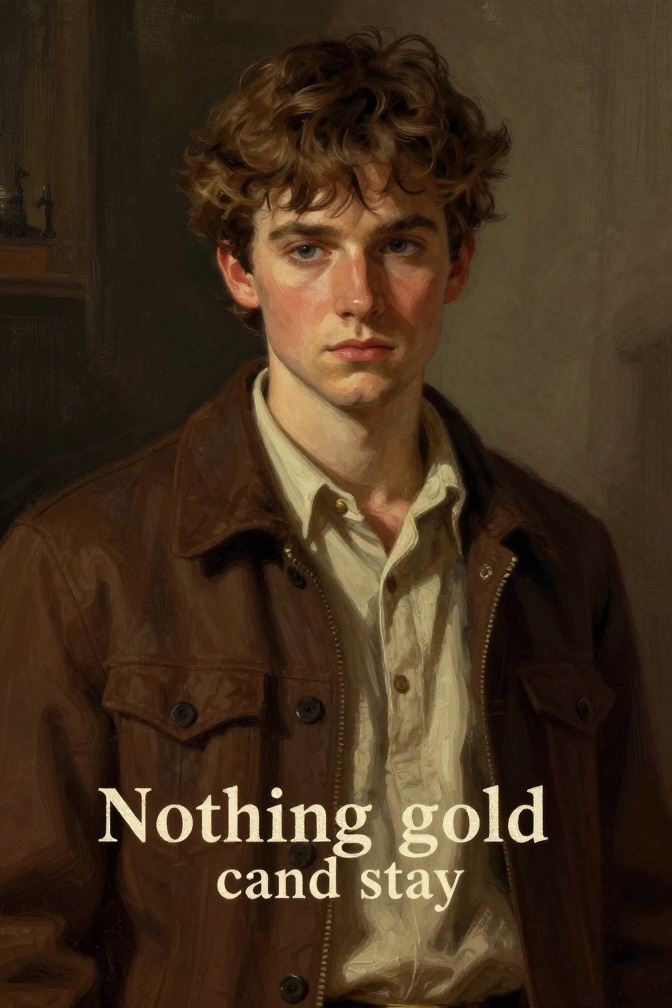
Nothing gold can stay is a poem by Robert Frost that Ponyboy Curtis recites to Johnny Cade while they are hiding in the abandoned church on Jay Mountain. The poem becomes a central motif in The Outsiders, representing the fleeting nature of innocence, beauty, and youth, and it culminates in Johnny's dying words to Ponyboy: "Stay gold."
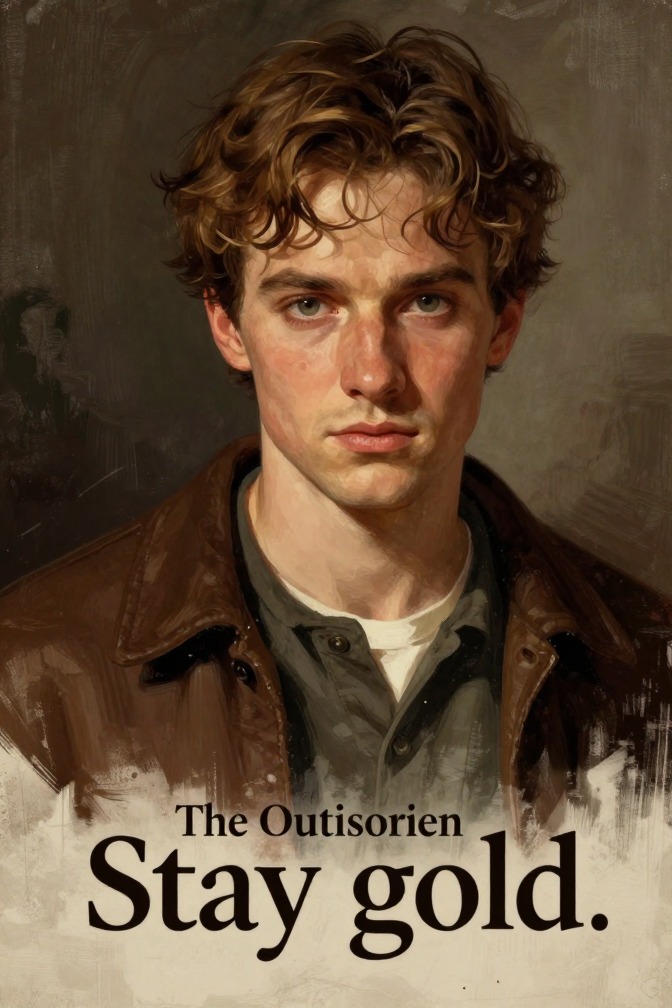
Stay gold is a central thematic expression in S. E. Hinton's The Outsiders, originating from Robert Frost's poem "Nothing Gold Can Stay" and serving as Johnny Cade's final message to Ponyboy Curtis. It encapsulates the novel's meditation on innocence, loss, and the fleeting nature of beauty and hope in a world marked by class conflict and violence.
The expression "There's still lots of good in the world" is the central thematic message of S. E. Hinton's *The Outsiders*, articulated by Johnny Cade in his final letter to Ponyboy Curtis. It serves as a counterweight to the novel's pervasive violence, class conflict, and personal tragedy, offering a fragile but insistent affirmation of hope and human worth that Ponyboy ultimately adopts as his reason for telling the greasers' story.