Grimal is a tanner in Paris who becomes Grenouille's first employer after Madame Gaillard abandons him. He is a brutal, utilitarian man who values Grenouille only for his labor, but his accidental death shortly after selling Grenouille to Baldini marks a turning point in Grenouille's life.
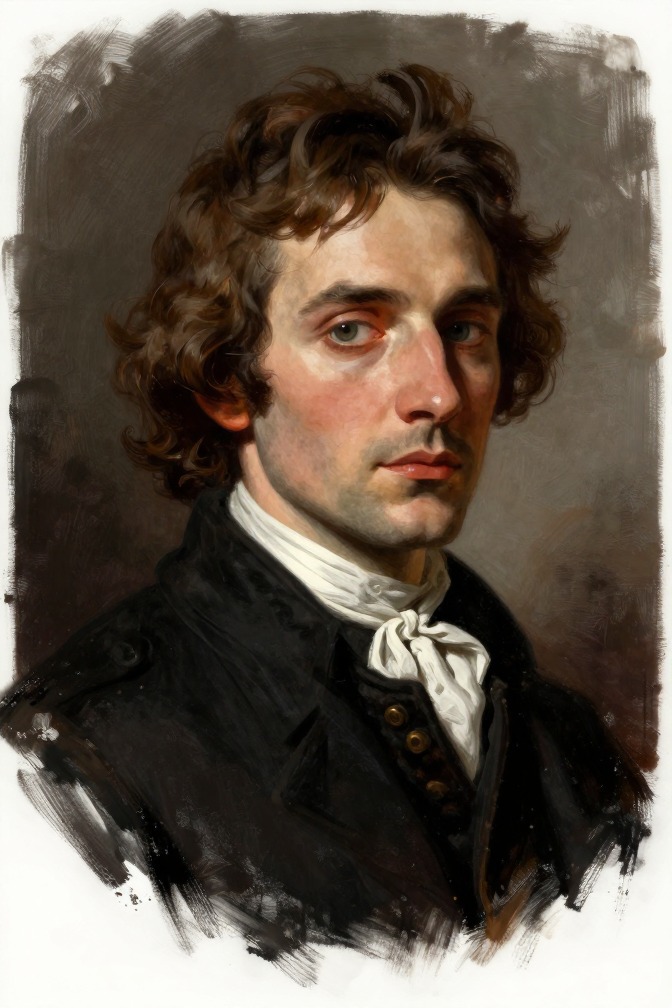
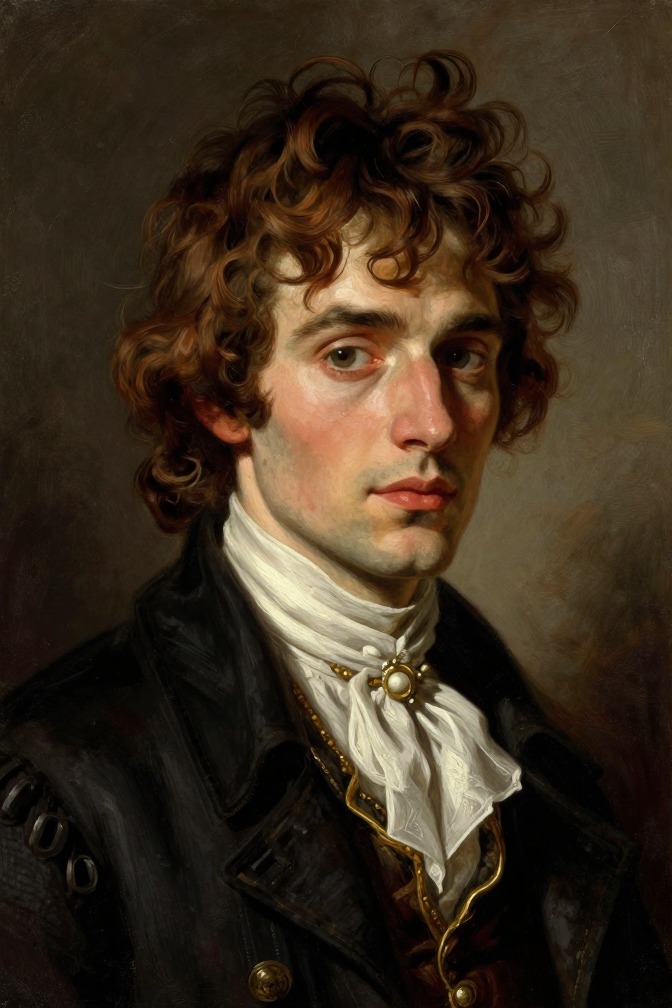
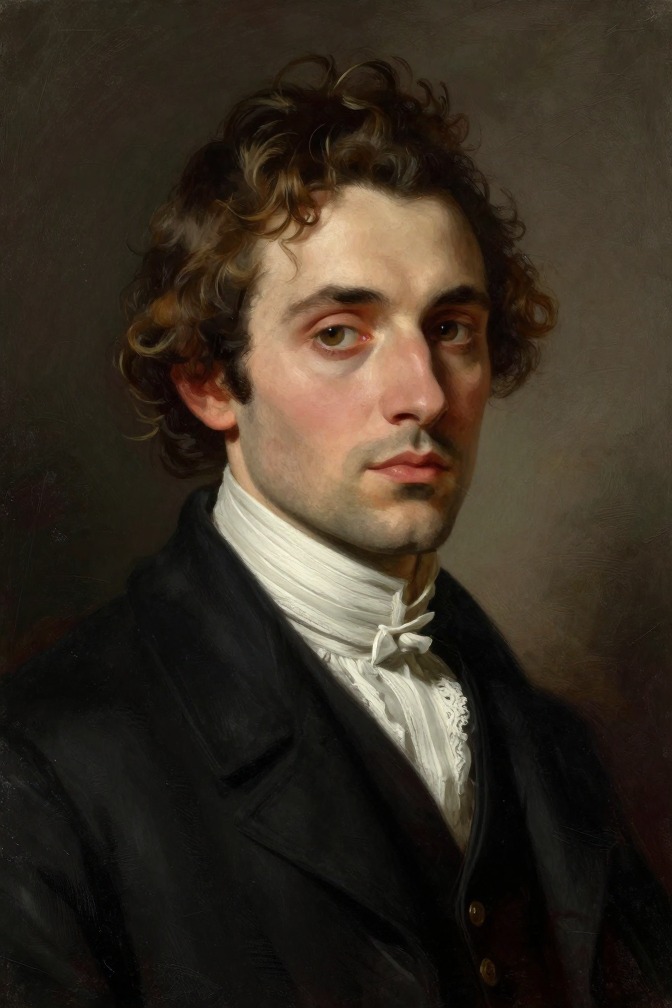
Jean-Baptiste Grenouille is the protagonist of Patrick Süskind's novel *Perfume*, a monstrous genius born in the most putrid spot in eighteenth-century Paris who possesses an unparalleled sense of smell but no body odor of his own. His life is a relentless quest to capture and create the perfect scent, a pursuit that leads him to murder twenty-five young women and ultimately to a horrifying, ironic apotheosis.
Laure Richis is the beautiful sixteen-year-old daughter of Antoine Richis, the wealthiest merchant in Grasse, and the final victim of Jean-Baptiste Grenouille's campaign to steal the scents of young virgins. Her murder, which occurs despite her father's elaborate efforts to protect her, provides the keystone for Grenouille's ultimate perfume and precipitates the novel's climactic scenes of justice, orgy, and transformation.
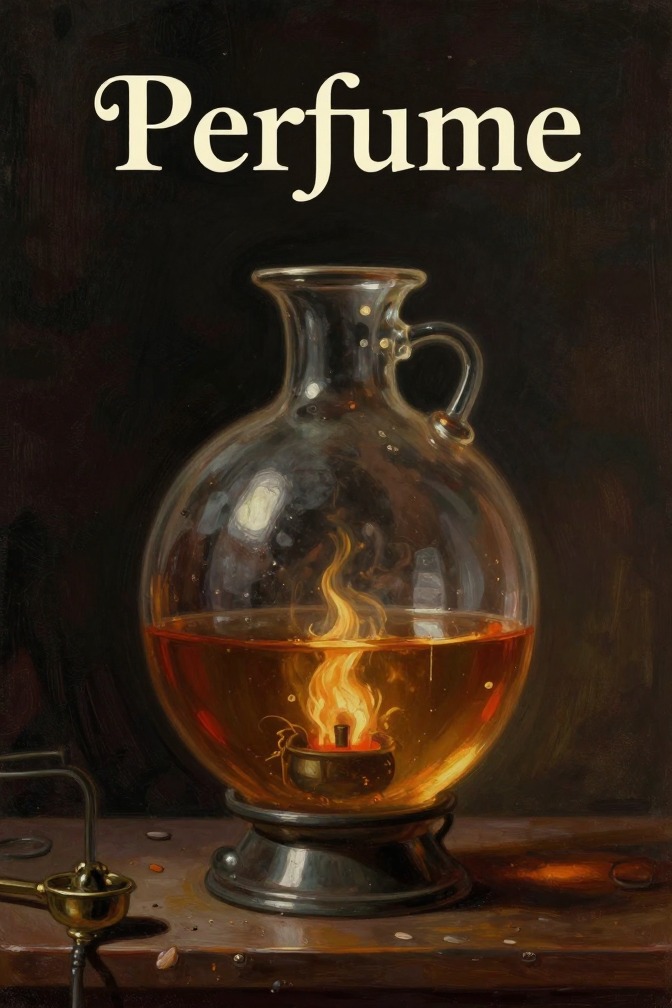
Distillation is the foundational technique of perfumery in the novel, a process that uses fire, water, and a cunning apparatus to snatch the scented soul from matter. For Jean-Baptiste Grenouille, it represents both a gateway to his art and a profound limitation, as he discovers that not every substance yields its essence to this method, forcing him to seek other techniques in Grasse.
Human Odour is a concept in Patrick Süskind's novel *Perfume* that refers to the basic, universal olfactory signature of human beings. Grenouille, who is born without any body odour of his own, becomes obsessed with understanding and replicating this scent, which he perceives as a sour, cheesy, and repulsive yet socially essential effluvium. His successful artificial imitation of human odour in Montpellier marks a turning point, allowing him to pass unnoticed among people for the first time and ultimately to manipulate their emotions on a massive scale.
Grenouille's death occurs on 25 June 1766, when he returns to Paris and is devoured by a pack of thieves, murderers, whores, and desperadoes in the Cimetière des Innocents. After sprinkling himself with his ultimate perfume, he is torn apart and eaten within half an hour, his body disappearing utterly from the earth. The cannibals, who had committed murder and other crimes before, find themselves uncommonly proud, their hearts light, and their faces glowing with a delicate, virginal happiness, for the first time having done something out of love.
Fluidum vitale is the theoretical counterpart to the lethal earth-gas fluidum letale in the Marquis de la Taillade-Espinasse's pseudo-scientific system, representing a life-giving, earth-removed vital essence that he claimed could be restored through ventilation therapy and a special diet. The concept becomes the centerpiece of the marquis's public demonstrations and the foundation of a short-lived occult movement, but it is ultimately exposed as a fraudulent cover for Grenouille's own perfumery-based manipulation.
Nuit Napolitaine is the perfume created by Jean-Baptiste Grenouille on his first night at Giuseppe Baldini's shop, a scent so sublime that it transforms Baldini's failing business and launches his European renown. It represents Grenouille's first public demonstration of his olfactory genius and the beginning of his career as a perfumer.
This expression encapsulates the novel's central thesis: scent possesses an irresistible, pre-rational power that bypasses intellect, will, and emotion, entering the body directly through breath and dictating human responses of love, hate, desire, and disgust. The novel repeatedly demonstrates this principle through Grenouille's manipulation of others via perfume, the crowd's helpless surrender to his crafted aura, and the fundamental vulnerability of all people to olfactory persuasion.
The Bastille is a fortress and prison in Paris that serves as a key geographical marker in Jean-Baptiste Grenouille's life, representing the boundary between the city's oppressive human stench and the possibility of escape, and later becoming a reference point in his olfactory explorations of the capital.
The Charnel house of the Cimetière des Innocents in Paris is the most putrid spot in the kingdom, the site of Grenouille's birth and the ultimate destination of his return, serving as the olfactory and symbolic cradle of his monstrous existence.
Grasse, a small town in Provence, is the uncontested center of perfume production in eighteenth-century France, a place where scent is both a craft and a commodity. It is the destination of Jean-Baptiste Grenouille's journey and the setting for his most ambitious crimes, as he seeks to master the techniques of enfleurage and distillation in order to capture the ultimate human scent.
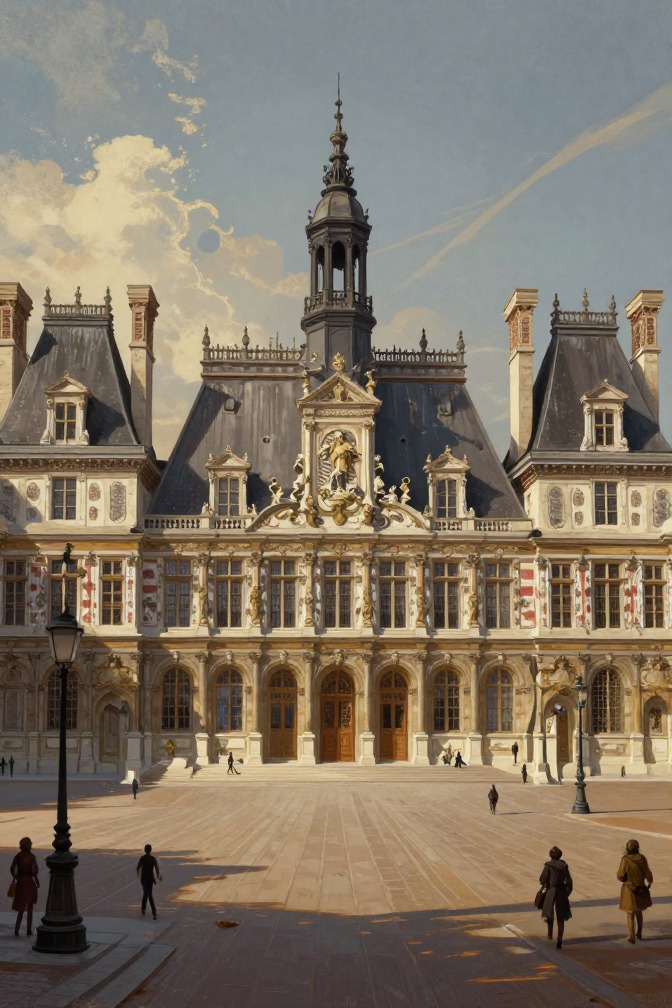
The Hôtel de Ville in Paris serves as a key geographical reference point in the novel, marking the eastern boundary of Grenouille's early olfactory hunting grounds and anchoring the dense, stench-filled urban landscape that defines his formative years.
The Île de la Cité is the historic island at the heart of Paris, serving as the city's medieval and administrative core. In *Perfume*, it is the site of Giuseppe Baldini's renowned perfume shop on the Pont au Change, a bridge connecting the island to the right bank, and it stands as a symbol of the old, established order of craftsmanship that Grenouille's genius will both exploit and ultimately destroy.
The Loire is a major river in France that appears in Patrick Süskind's *Perfume* as a geographical marker of Grenouille's journey away from Paris and toward the south, and later as a site of his return. It represents a transition between the oppressive human stench of the capital and the purer, more rarefied air of the countryside, and ultimately becomes a boundary crossed on his final, fatal return to Paris.
Orléans is a city in north-central France that Grenouille encounters on his journey south from Paris, and it serves as a turning point where he first experiences the liberating effect of distance from human crowds and their oppressive odours.
Pierrefort is a small town in the Auvergne where Grenouille first re-encounters human society after seven years of solitary life on the Plomb du Cantal. It is the site of his initial, shocking reappearance among people, the fabrication of his cave-captivity story, and the beginning of his relationship with the Marquis de la Taillade-Espinasse, who takes him to Montpellier.
The Place de Grève is a Parisian square on the right bank of the Seine that serves as the site of Grenouille's mother's execution and later as a place of olfactory discovery for Grenouille, where he first encounters the scent of the sea and begins to sense the possibility of a world beyond human stench.
The Pont au Change, a bridge in Paris lined with four-storey buildings, was the location of Giuseppe Baldini's renowned perfume shop and residence, serving as the central stage for Grenouille's apprenticeship and the rise and fall of Baldini's business.
Pont Saint-Michel is a bridge in Paris that appears in Patrick Süskind's *Perfume* as a minor but symbolically charged location, serving as an alternative route for the aging perfumer Giuseppe Baldini when he wishes to avoid the sight of his own declining fortunes on the Pont au Change.
The Porte du Cours is the main city gate of Grasse, serving as the site of Grenouille's intended execution and the subsequent mass orgy, and as a key point of departure and return for characters including Antoine Richis and his daughter Laure.
The Pyrenees mountain range serves as the site of the Marquis de la Taillade-Espinasse's final, fatal experiment in his Fluidum Letale theory, where he attempts to prove that high-altitude air can rejuvenate the human body, and later becomes the focus of a legend that he merged with the eternal Fluidum Vitale.
Rue aux Fers is the narrow Parisian street where Jean-Baptiste Grenouille was born in 1738, the most putrid spot in the kingdom, and where he later returned to die in 1766, making it the symbolic axis of his life from birth to death.
Rue de Charonne is the street in the Faubourg Saint-Antoine district of Paris where Madame Gaillard ran her foster home for foundlings and orphans, and where Jean-Baptiste Grenouille spent the formative years of his childhood from the age of eight until he was sold to the tanner Grimal. It was on this street that Grenouille first began to explore the world through scent, learning to speak by naming the odours that overwhelmed him, and where his uncanny olfactory abilities first became apparent to those around him.
Rue de Seine is the Paris street where Grenouille, following the scent of a red-haired girl on the night of 1 September 1753, commits his first murder, an event that crystallizes his ambition to become the greatest perfumer in the world.
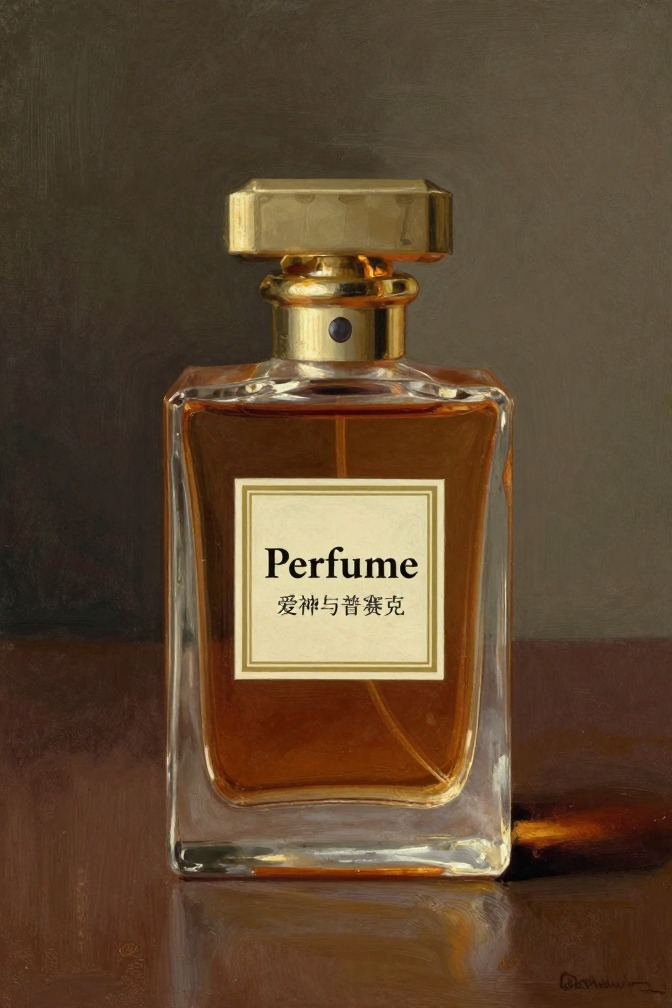
The Amor and Psyche perfume bottle is a small glass flacon containing the eponymous perfume created by the perfumer Pélissier, which becomes the object of Giuseppe Baldini's desperate attempt to copy it and the catalyst for Grenouille's entry into the world of professional perfumery. The bottle itself, a golden-brown liquid in a cut-glass stopper, represents the commercial and artistic threat of the new, fashionable scents that are eclipsing Baldini's traditional craft, and its analysis and eventual imitation by Grenouille mark a turning point in both Baldini's fortunes and Grenouille's career.
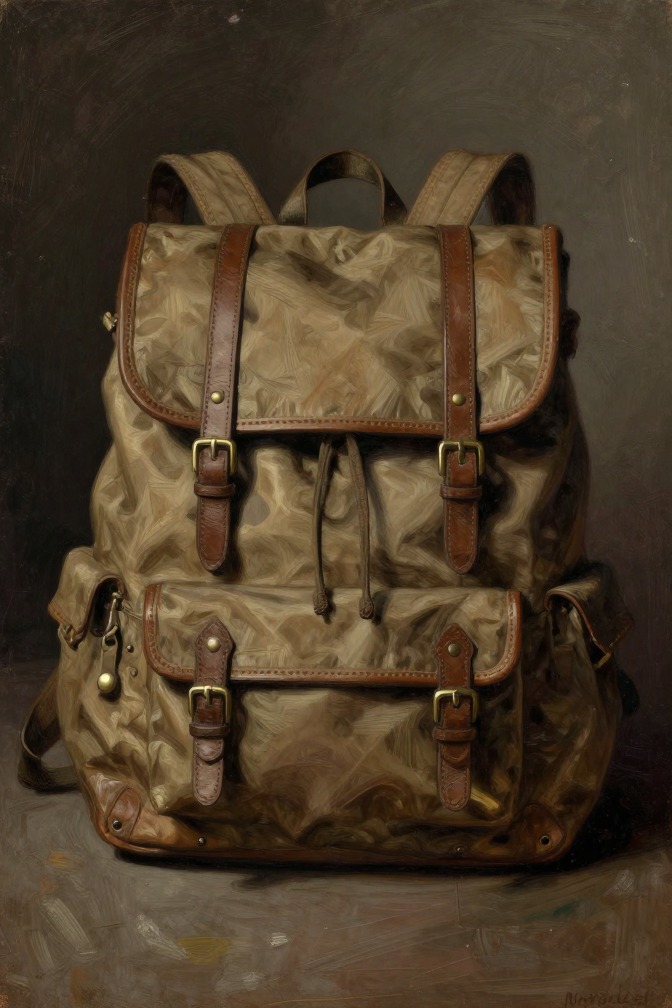
Grenouille's knapsack is a simple, functional object that accompanies him through key stages of his journey, serving as a container for his tools of murder and scent extraction, and ultimately as evidence that seals his conviction.
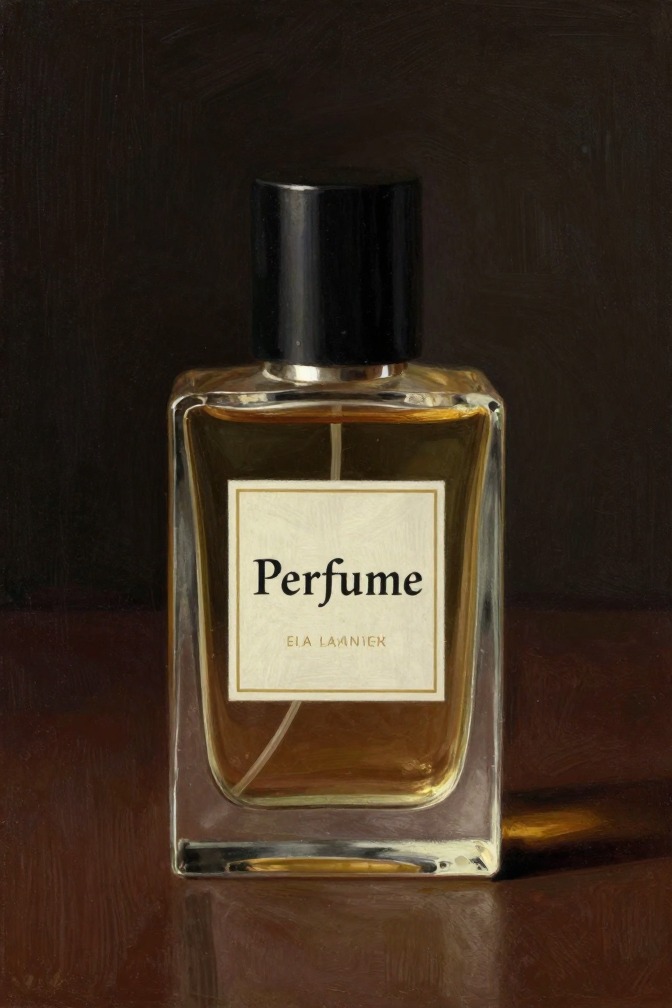
The human-scent perfume is the artificial fragrance Jean-Baptiste Grenouille creates in Montpellier to compensate for his own lack of body odor, allowing him to pass as a normal human being for the first time in his life.
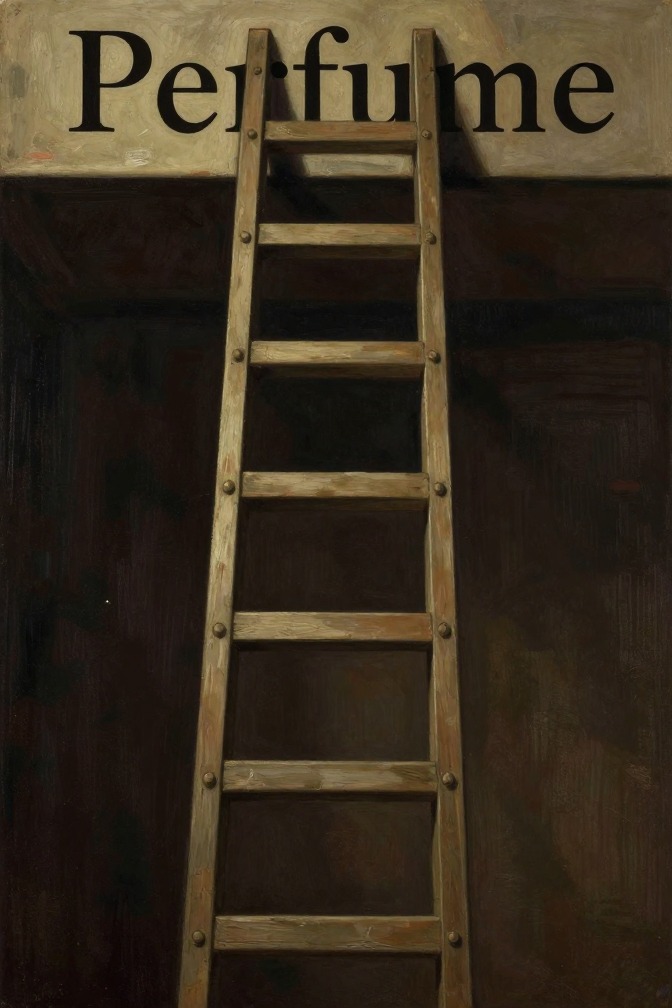
The ladder is a simple wooden object that becomes a crucial tool in Grenouille's final murder, enabling him to climb into Laure Richis's room at the inn in La Napoule. Its appearance marks the culmination of his two-year plan to steal the scent of the most beautiful girl in Grasse, and its use is the last physical step before he achieves his ultimate perfume.
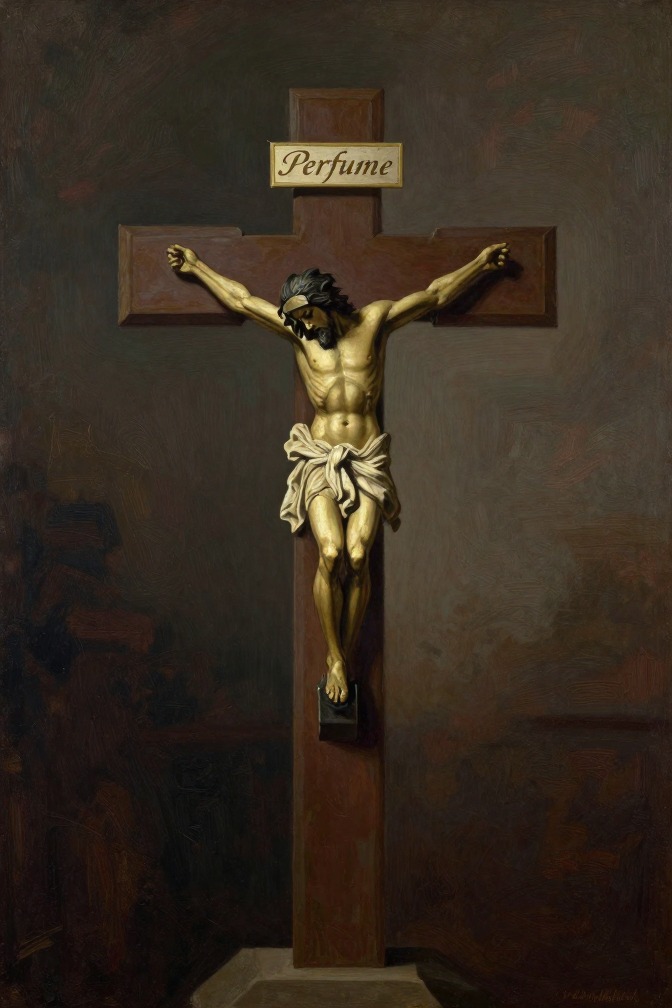
The St Andrew's cross is the wooden execution apparatus built for Jean-Baptiste Grenouille's public execution in Grasse, where he was to be bound and broken with an iron rod; it becomes the central stage for the novel's climactic reversal, as Grenouille's ultimate perfume transforms the scaffold from an instrument of punishment into the focal point of a mass orgy, and later serves as the site where Antoine Richis, instead of avenging his daughter, adopts Grenouille as his son.