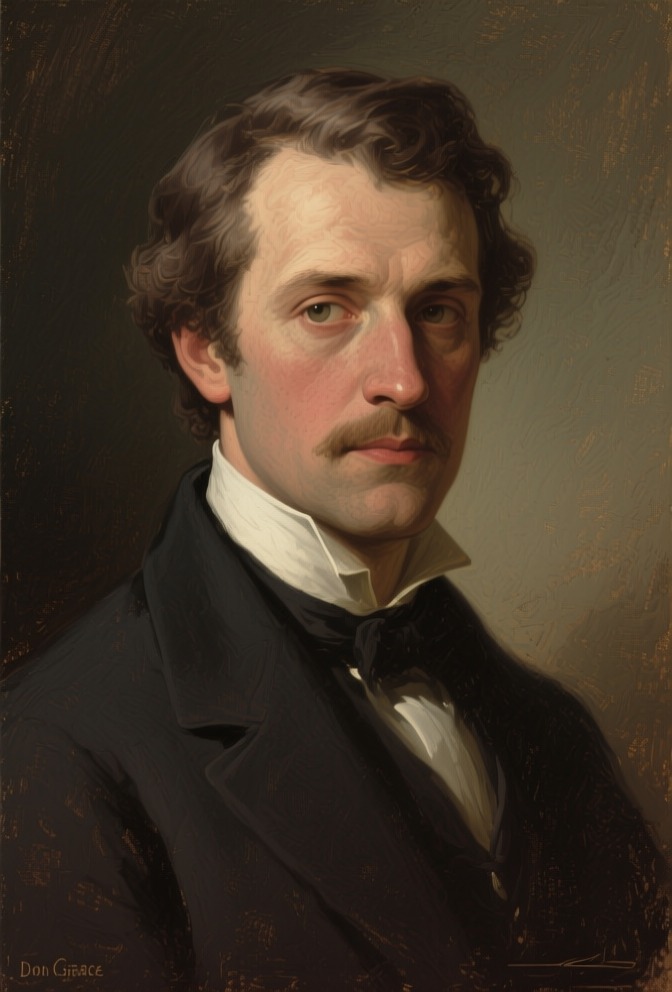
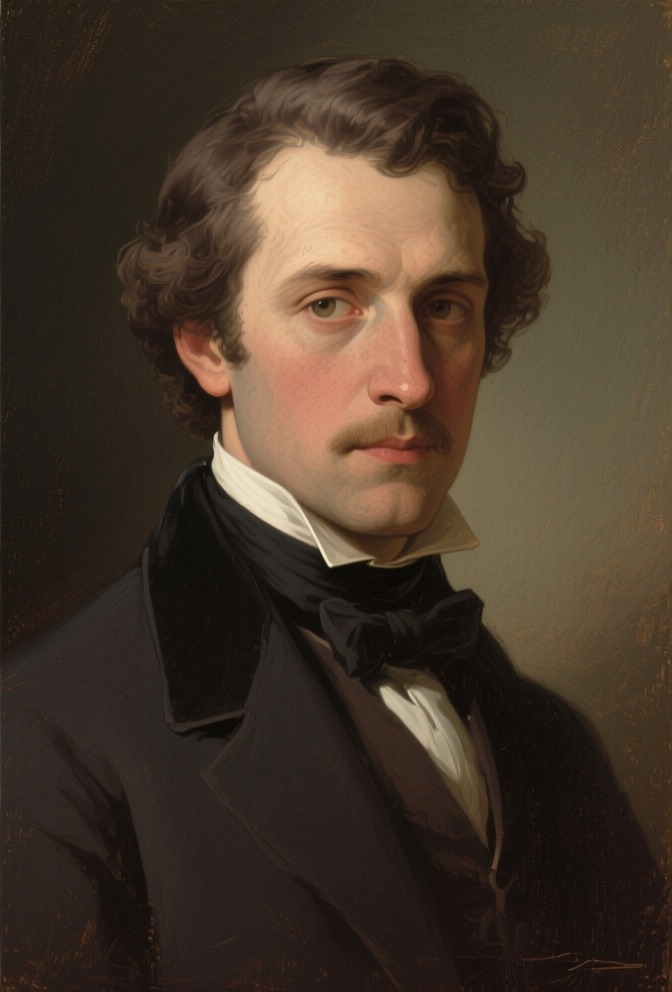
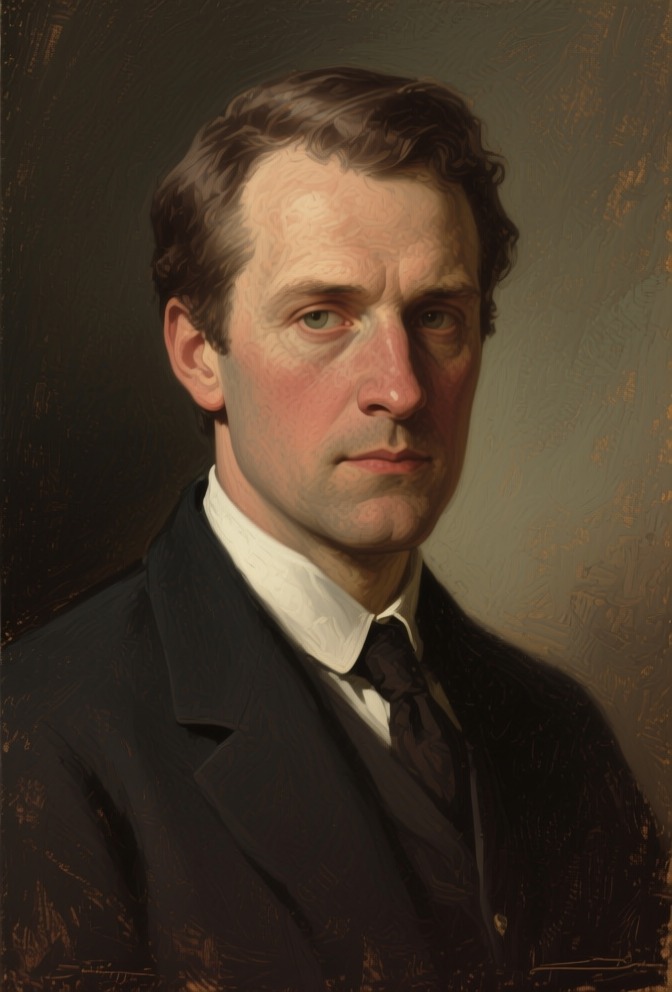
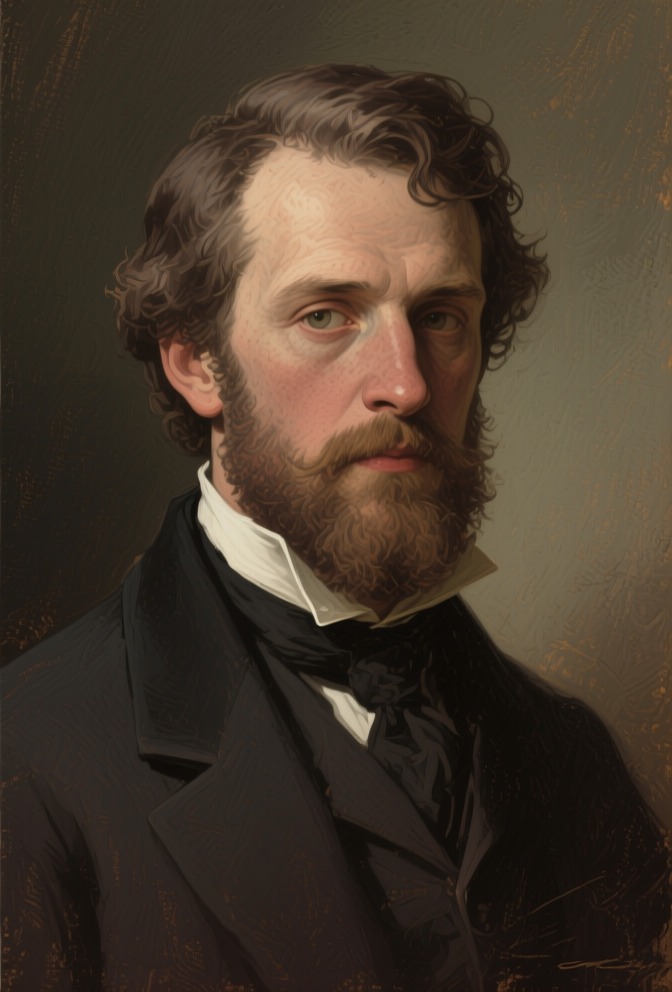
Don Grace is the school psychologist and guidance counselor at Placerville High School who becomes a central figure in the hostage crisis when Charlie Decker forces him into a humiliating psychological interrogation over the intercom, breaking his professional composure and revealing his vulnerability.
George Yannick is a minor but revealing character in the hostage crisis at Placerville High School, whose actions and observations illuminate the group dynamics of the classroom and the psychological unraveling of both the captor and his classmates.
Jerry Mueller is a small-time marijuana dealer in Oldtown, Maine, whose apartment becomes the setting for Charlie Decker's first experience with cannabis during a weekend trip to Bangor with Joe McKennedy and his brother Pete. Jerry's unassuming, friendly demeanor—he is fully clothed, listens to bluegrass music, and wears a button reading "GOLDILOCKS LOVED IT"—contrasts sharply with Charlie's anxious expectations of a stereotypical drug den. The encounter introduces Charlie to marijuana and, through a shared interest in bluegrass, briefly offers him a rare moment of uncomplicated happiness before the weekend's events spiral into a humiliating sexual failure that deepens his psychological isolation.
Scragg Simpson is a minor character in Richard Bachman's novel Rage, a college student at the University of Maine who appears during Charlie Decker's flashback to a weekend trip to Bangor with his friend Joe McKennedy. He serves as a social connector, introducing the narrator to a party scene that leads to a pivotal and traumatic failed sexual encounter, and his brief presence underscores the casual, countercultural atmosphere of the college social world that Charlie observes from the margins.
Ted Jones is a popular, handsome Placerville High School senior whose carefully constructed image of success and moral superiority is systematically dismantled during Charlie Decker's hostage crisis, culminating in a brutal collective assault by his classmates that leaves him catatonic.
Thomas Denver is the principal of Placerville High School, a tall, cadaverous man who represents the institutional authority that Charlie Decker violently rejects. His confrontation with Charlie in the administration office triggers the breakdown of conventional power, as Charlie's personal attacks leave Denver unable to respond, setting the stage for the hostage crisis.
The Emperor of Lilliput is the absolute monarch of the tiny island empire, a figure of immense pride, political cunning, and ultimately ingratitude, whose shifting favor toward Lemuel Gulliver drives the central political drama of the first voyage.
Grildrig is the name given to Lemuel Gulliver by the farmer's daughter Glumdalclitch in Brobdingnag, a term meaning "mannikin" that becomes his public identity throughout his captivity in the land of giants, marking his reduction from the heroic "Man-mountain" of Lilliput to a tiny, exhibited curiosity.
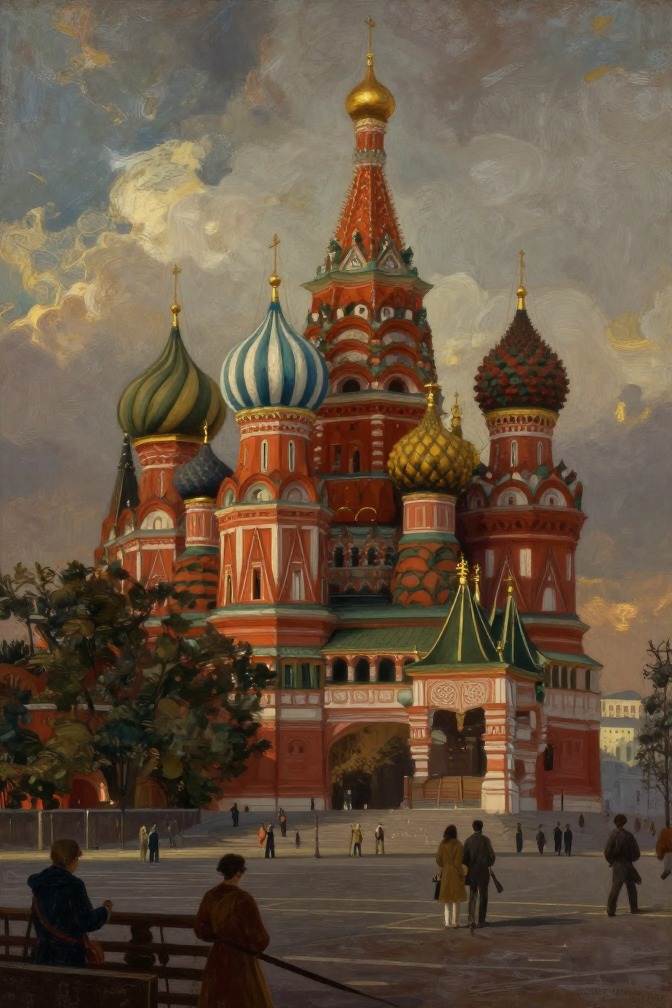
Moscow is a crucial offstage location in Dostoevsky's The Idiot, serving as the site where the prince's unexpected inheritance is confirmed, where the turbulent relationship between Nastasia Philipovna and Rogojin plays out during the six-month gap between Parts I and II, and where the prince's religious and philosophical convictions about Russian identity and Catholicism are most passionately articulated.
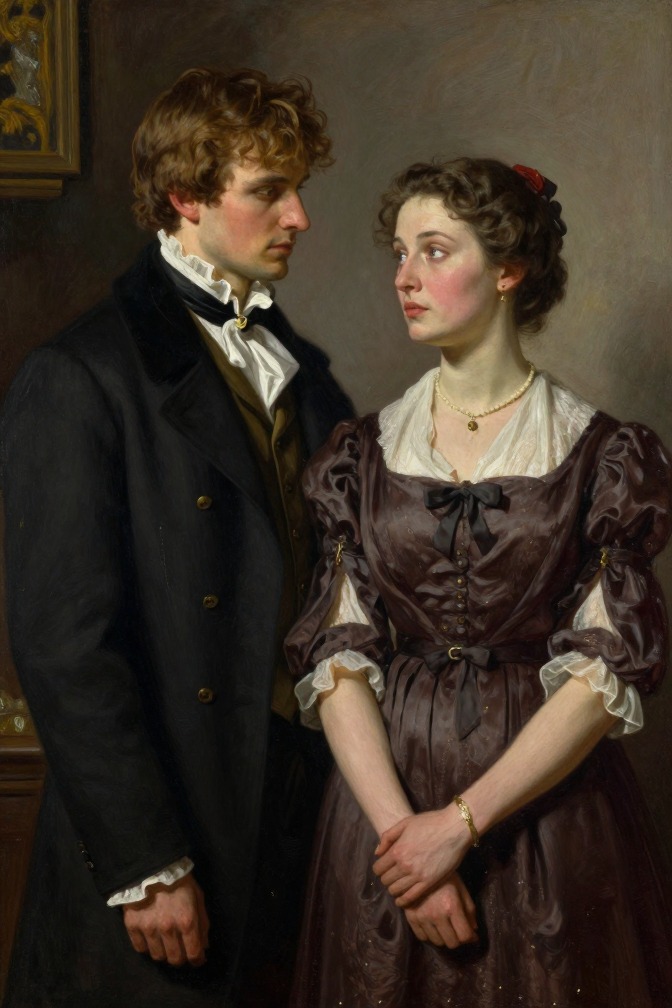
The relationship between Gavrila Ardalionovitch Ivolgin (Gania) and Nastasia Philipovna Barashkoff is a central, corrosive thread in Dostoevsky's *The Idiot*, defined by Gania's mercenary ambition, Nastasia's contemptuous manipulation, and the mutual degradation that culminates in a public scandal. Gania agrees to marry Nastasia not out of love but for the seventy-five thousand roubles offered by her former protector, Afanasy Ivanovitch Totski, while Nastasia uses him as a pawn in her own campaign of humiliation against the society that has wronged her. Their engagement is a transaction that strips both parties of dignity, ending in Nastasia's spectacular rejection of Gania at her birthday party and his subsequent nervous collapse.
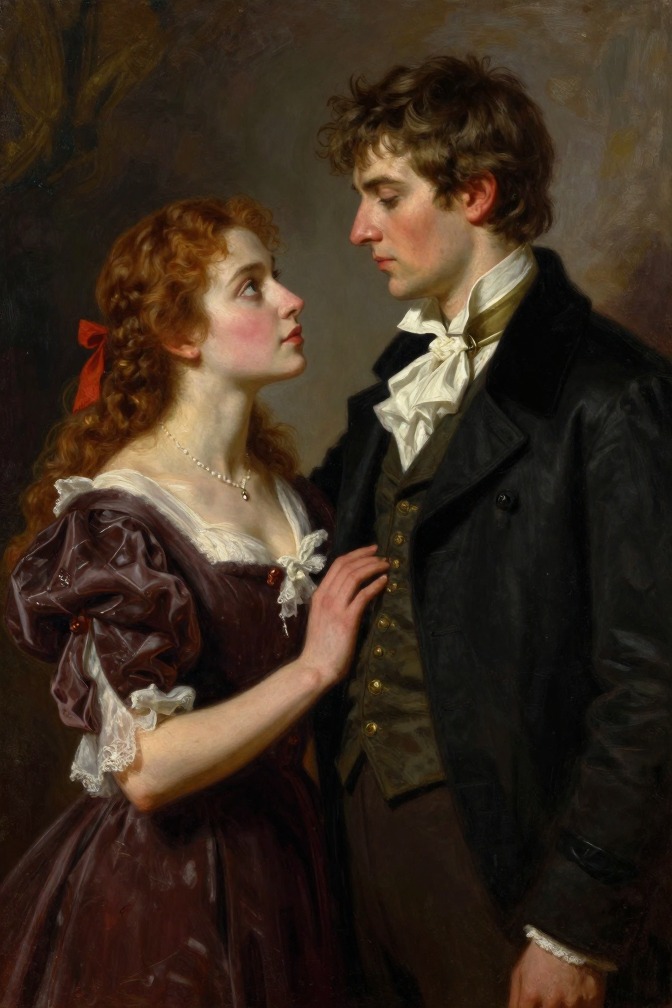
The relationship between Prince Lef Nicolaievitch Muishkin and Aglaya Ivanovna Epanchin is the novel's central romantic thread, a bond defined by mutual idealization, profound misunderstanding, and a final, catastrophic rupture that leaves both characters shattered. Their connection moves from an epistolary declaration of brotherly feeling, through a period of playful but cruel testing by Aglaya, to a brief, intense engagement that is destroyed by the prince's inability to abandon his pity for Nastasia Philipovna Barashkoff.
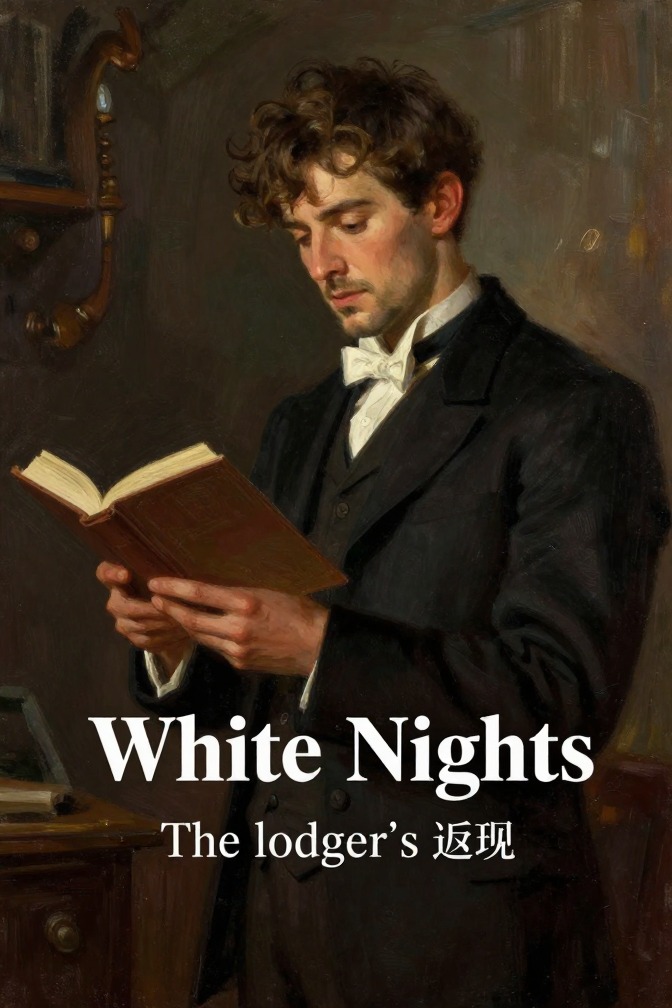
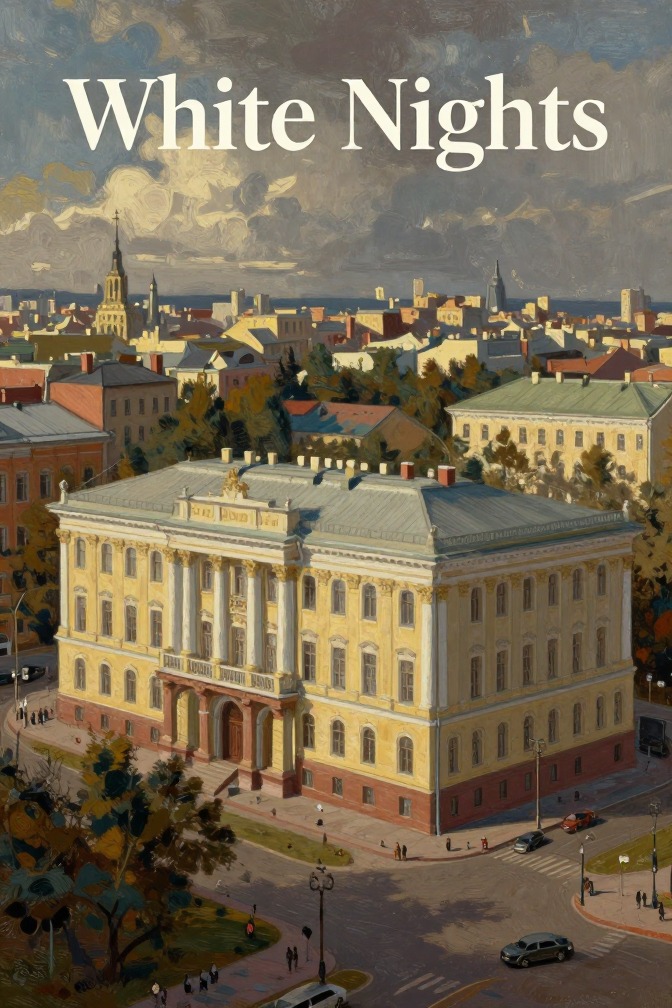
The lodger's return is the climactic event of Fyodor Dostoevsky's "White Nights," in which the young man who had promised to marry Nastenka reappears on the fourth night, abruptly ending her brief romantic attachment to the Dreamer and restoring her to her original love.
Barannikov's Buildings is the large apartment building where the Dreamer lives in Petersburg, serving as the physical and symbolic center of his solitary, dream-filled existence.
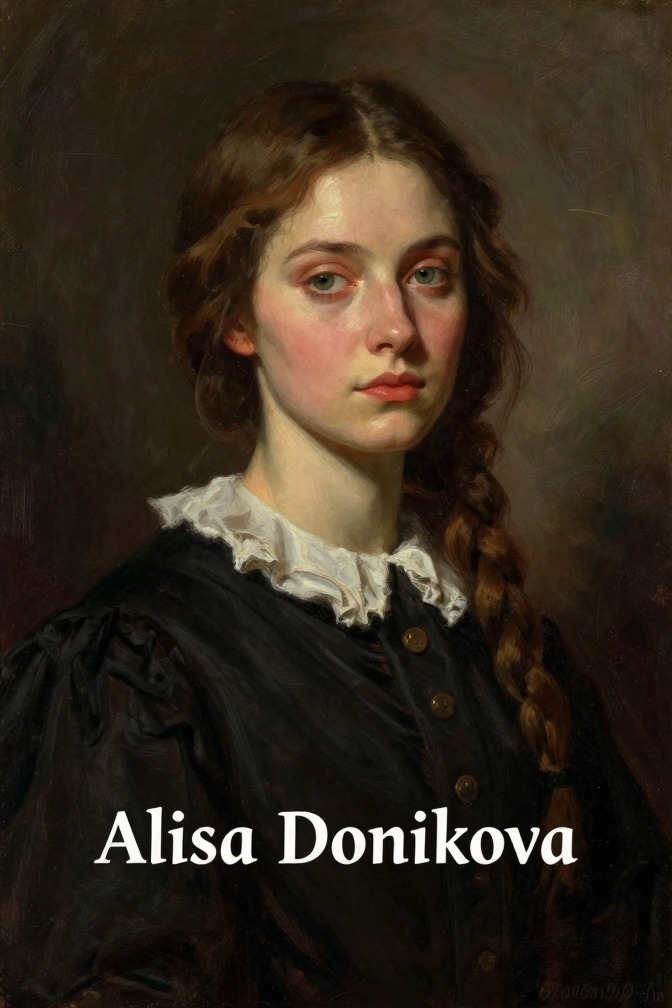
Alisa Donnikova is a witch of the Day Watch, a Dark Other who serves as a field operative in Moscow. She is a young, attractive woman with red hair, known for her sharp intelligence and willingness to use her powers for personal gain. Throughout the novel, she acts as a direct antagonist to Anton Gorodetsky, engaging in magical confrontations and political maneuvering. Her role is pivotal in the complex schemes of the Day Watch, particularly in the plots against Svetlana Nazarova and Anton. She is also revealed to be the lover of Zabulon, the head of the Moscow Day Watch, a relationship that grants her significant influence and protection.
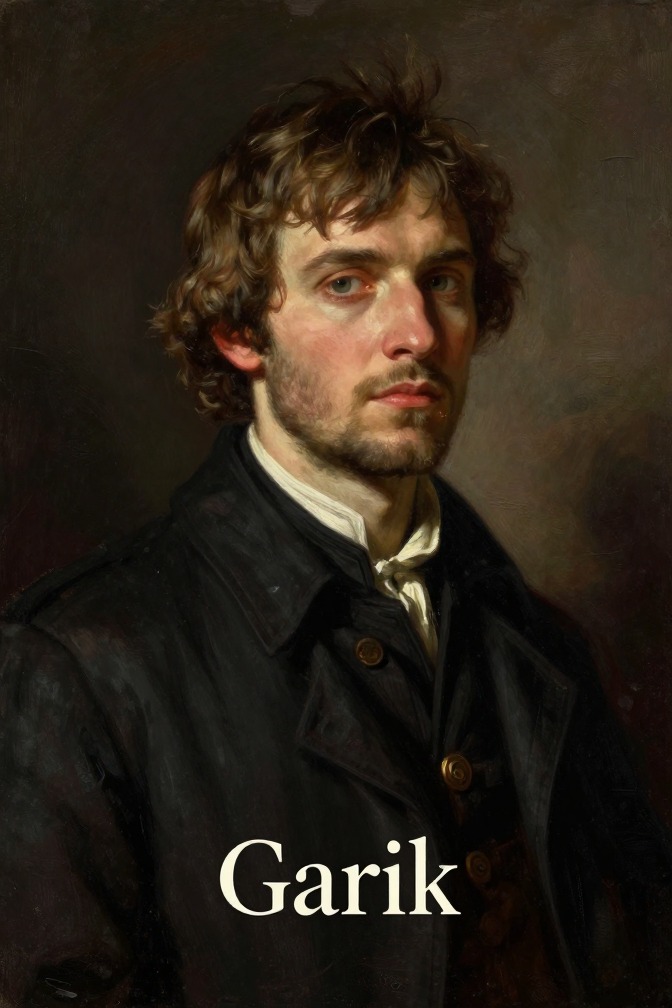
Garik is a Night Watch field operative in Moscow, known for his remarkable bad luck in romantic affairs, which provides occasional comic relief within the Watch's tense operations. He is part of the inseparable duo with Igor, and his role in the story is primarily as a capable but unlucky colleague who participates in key missions, including the pursuit of the rogue vampire and the search for the cursed girl Svetlana.
Aunt Petunia, the Muggle sister of Harry Potter's mother Lily, is the wife of Vernon Dursley and the reluctant guardian of Harry. Throughout the sixth year, she remains a peripheral but significant figure, embodying the Dursleys' persistent rejection of Harry and the magical world, while also being the keeper of the ancient magical protection that keeps Harry safe until he comes of age.
Caractacus Burke is a co-founder of Borgin and Burkes, the Knockturn Alley shop dealing in Dark artifacts, who appears in Dumbledore's Pensieve memory as the man who bought Salazar Slytherin's locket from Merope Gaunt for a mere ten Galleons, an act that reveals both his ruthless business practices and the desperate poverty into which Voldemort's mother had sunk.
Cormac McLaggen is a boastful, overconfident Gryffindor student who briefly serves as Keeper for the Gryffindor Quidditch team, his tenure marked by arrogance, poor teamwork, and a disastrous match that costs Harry Potter a cracked skull and the game.
Katie Bell is a Gryffindor student and Chaser on the Gryffindor Quidditch team who becomes the unintended victim of a cursed opal necklace, an attack orchestrated by Draco Malfoy as part of his mission for Lord Voldemort. Her near-fatal injury, which occurs during a Hogsmeade weekend, exposes the escalating danger within Hogwarts and serves as a key piece of evidence in Harry Potter's investigation into Malfoy's secret activities.
Bill Weasley and Fleur Delacour's engagement is a central romantic relationship in Harry Potter and the Half-Blood Prince, serving as a source of both family tension and a powerful demonstration of loyalty and love that transcends physical appearance, ultimately becoming a symbol of hope and commitment in the face of war.
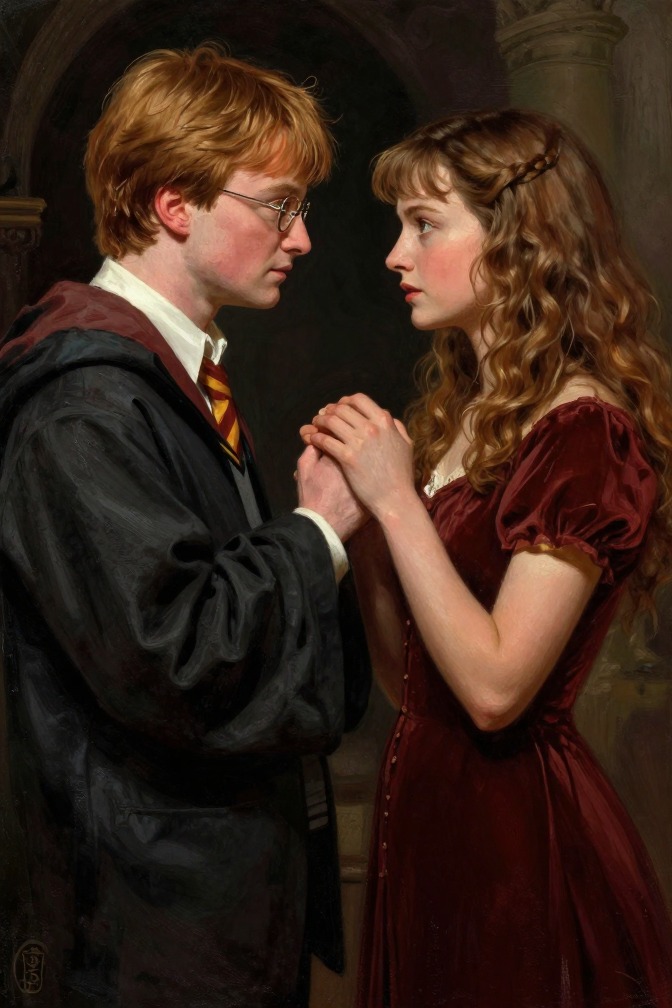
Ron Weasley and Hermione Granger's relationship in Harry Potter and the Half-Blood Prince undergoes a dramatic transformation from close friendship to a bitter rift, triggered by Ron's romantic involvement with Lavender Brown and Hermione's jealousy, before ultimately reconciling in the wake of shared tragedy.
Eunice Hubbell is the upstairs neighbor and landlady of the Kowalski apartment in the French Quarter of New Orleans, a pragmatic, resilient woman whose own volatile marriage to Steve Hubbell mirrors and comments on the central relationship of the play, and who ultimately becomes the voice of harsh necessity when she helps Stella commit Blanche to an institution.
The marriage of Steve and Eunice Hubbell serves as a volatile yet resilient mirror to the central relationship of Stanley and Stella Kowalski in A Streetcar Named Desire, embodying the raw, cyclical nature of domestic conflict and reconciliation within the French Quarter's working-class community.
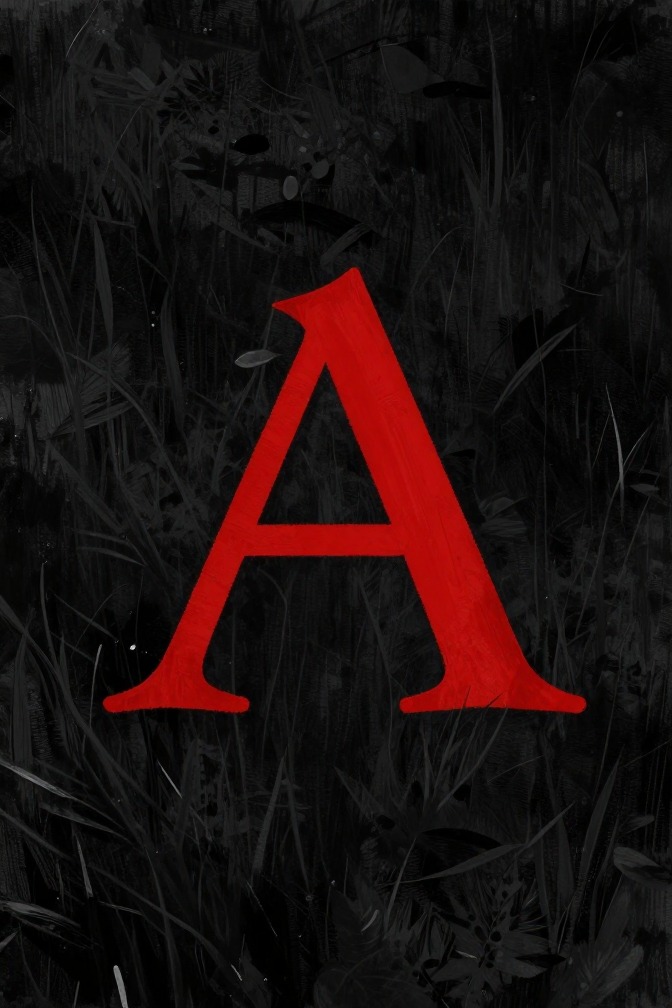
The heraldic epitaph "On a field, sable, the letter A, gules" is the final, condensed symbol of the entire narrative, appearing on the shared tombstone of Hester Prynne and Arthur Dimmesdale. It transforms the scarlet letter from a badge of shame into a permanent, ambiguous emblem of their intertwined sin, sorrow, and strange triumph, serving as the story's ultimate, unflinching motto.
Percy Weasley is the third son of Arthur and Molly Weasley, a prefect and later Head Boy at Hogwarts, whose rigid adherence to rules and ambition for power contrast sharply with his siblings' mischief and his own hidden romantic life. His character arc in this book moves from a distant, rule-obsessed figure to a more complex individual, revealed through his secret relationship with Penelope Clearwater and his emotional reaction to her petrification.
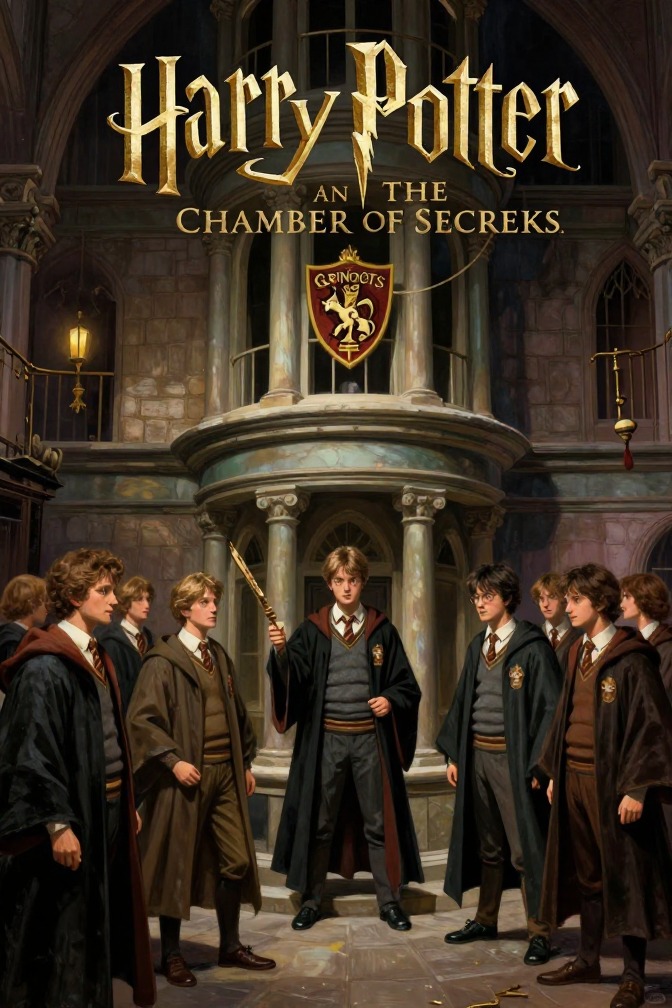
Trolls are a recurring class of monstrous creatures in Harry Potter and the Chamber of Secrets, referenced in the second-year reading list, the legend of the Chamber of Secrets, and the Dueling Club, where they serve as a measure of magical danger and a marker of the wizarding world's darker threats.
The Burrow is the Weasley family's home, a crooked, magical house that serves as a refuge for Harry Potter and a stark contrast to the Dursleys' orderly Privet Drive. It is the setting for Harry's happiest summer, the rescue from the Dursleys, and the launch point for the flying car incident, symbolizing warmth, chaos, and the embrace of the wizarding world.
Gringotts Wizarding Bank is the central financial institution of the wizarding world, a goblin-run establishment that safeguards the wealth of witches and wizards in underground vaults. It is a symbol of both immense fortune and the deep social divisions within magical society, as seen through the contrasting experiences of the wealthy Malfoy family and the struggling Weasleys. The bank's significance extends beyond mere storage, as it is a site of key encounters, a marker of class and blood status, and a place where the consequences of wealth and poverty are starkly revealed.
The Quidditch cancellation rule is a security measure imposed at Hogwarts School of Witchcraft and Wizardry during the crisis of the Chamber of Secrets, suspending all Quidditch training and matches as part of a broader lockdown following a series of attacks on students. It reflects the school's response to mortal danger, disrupts the normal rhythm of school life, and underscores the severity of the threat posed by the Heir of Slytherin.
Little Jammes is a minor but memorable ballet girl in Gaston Leroux's The Phantom of the Opera, notable as the first character to raise the alarm about the Opera Ghost's presence on the night of the managers' farewell gala, and as a recurring voice of superstitious terror whose exclamations punctuate key moments of the novel's early chapters.