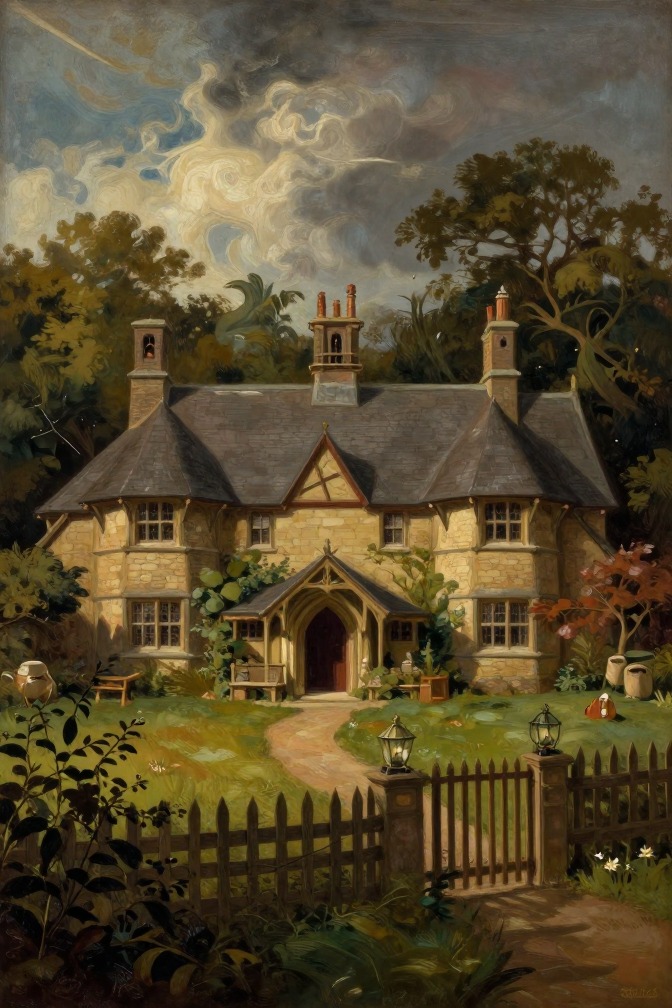
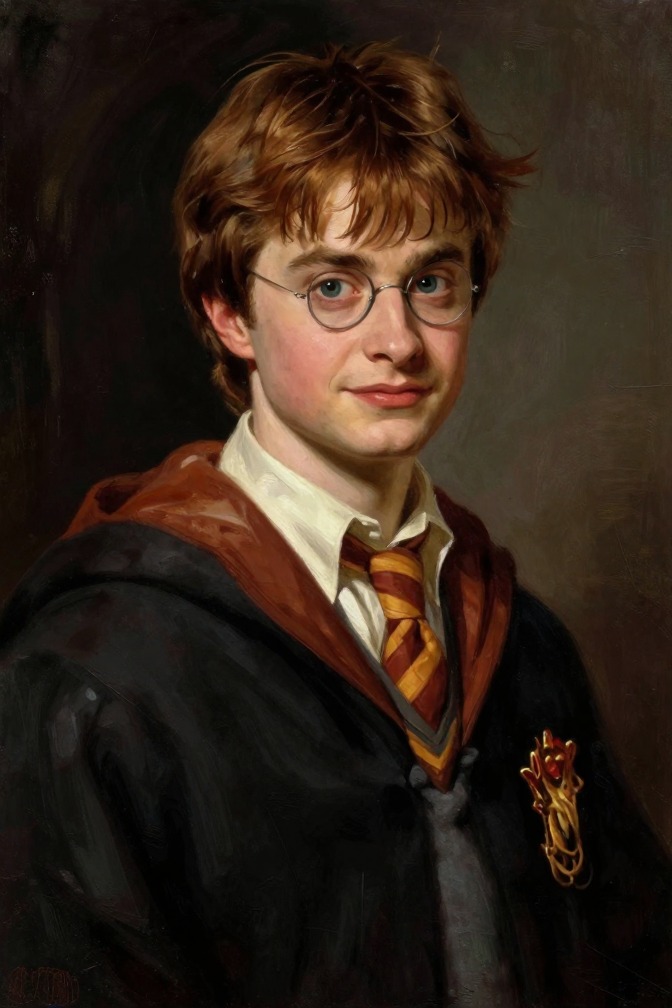
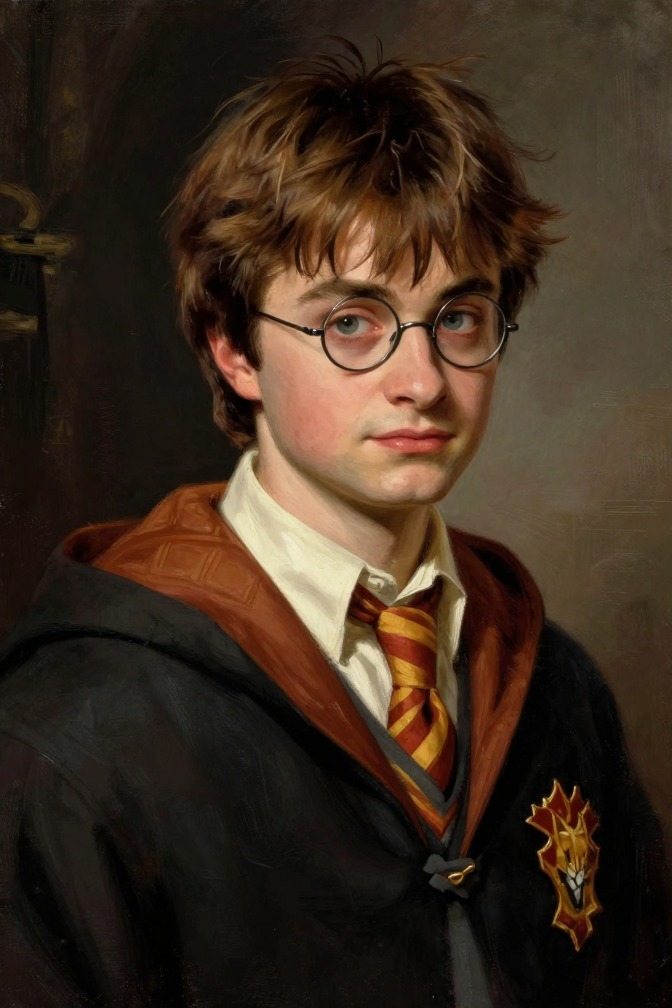
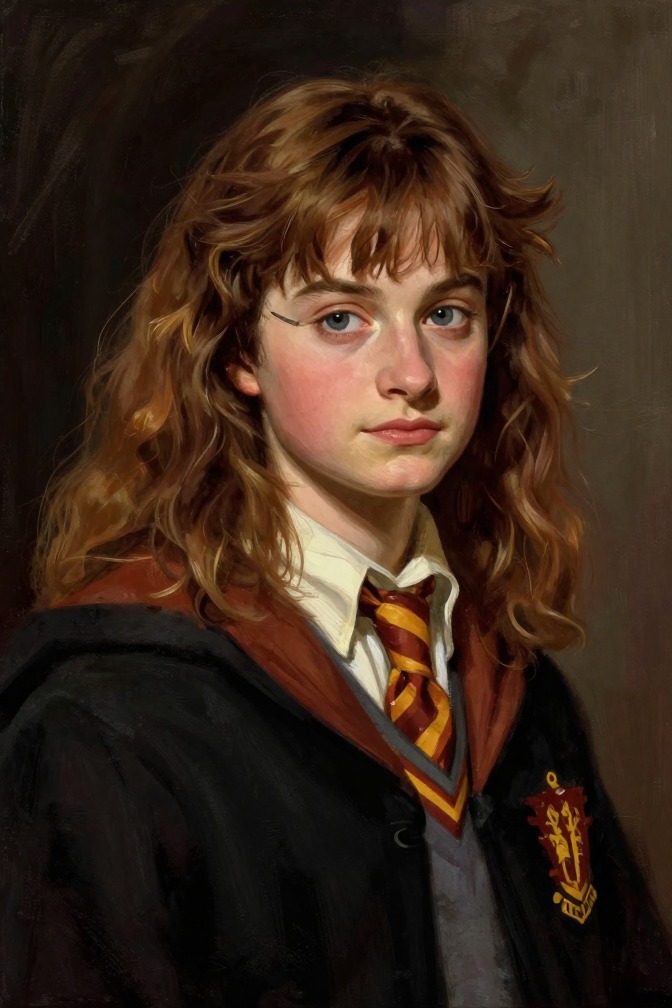
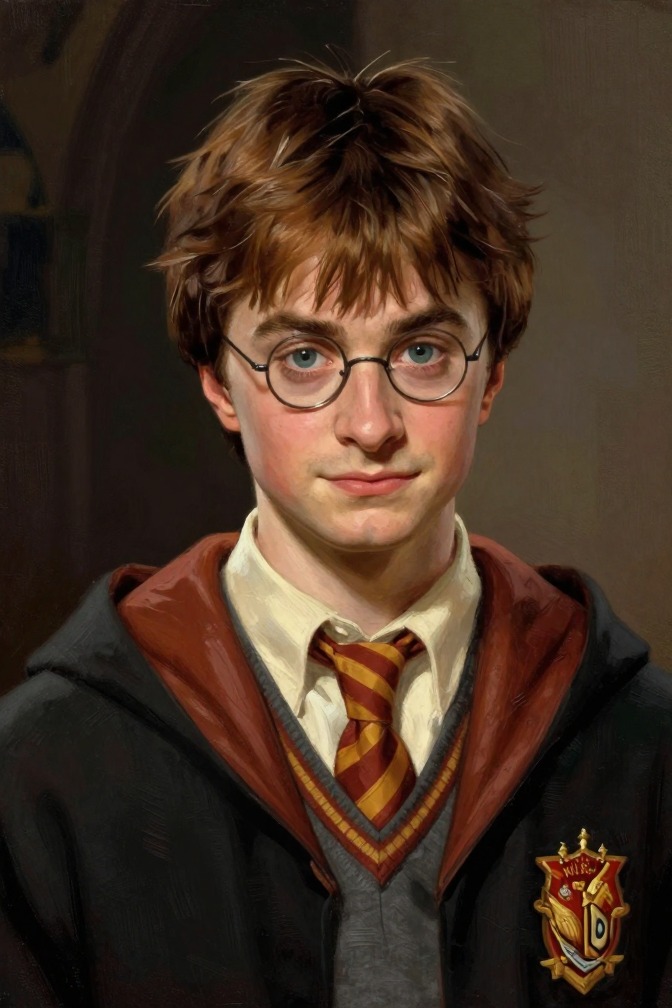
The Burrow is the Weasley family's home, a crooked, magical house that serves as a refuge for Harry Potter and a stark contrast to the Dursleys' orderly Privet Drive. It is the setting for Harry's happiest summer, the rescue from the Dursleys, and the launch point for the flying car incident, symbolizing warmth, chaos, and the embrace of the wizarding world.
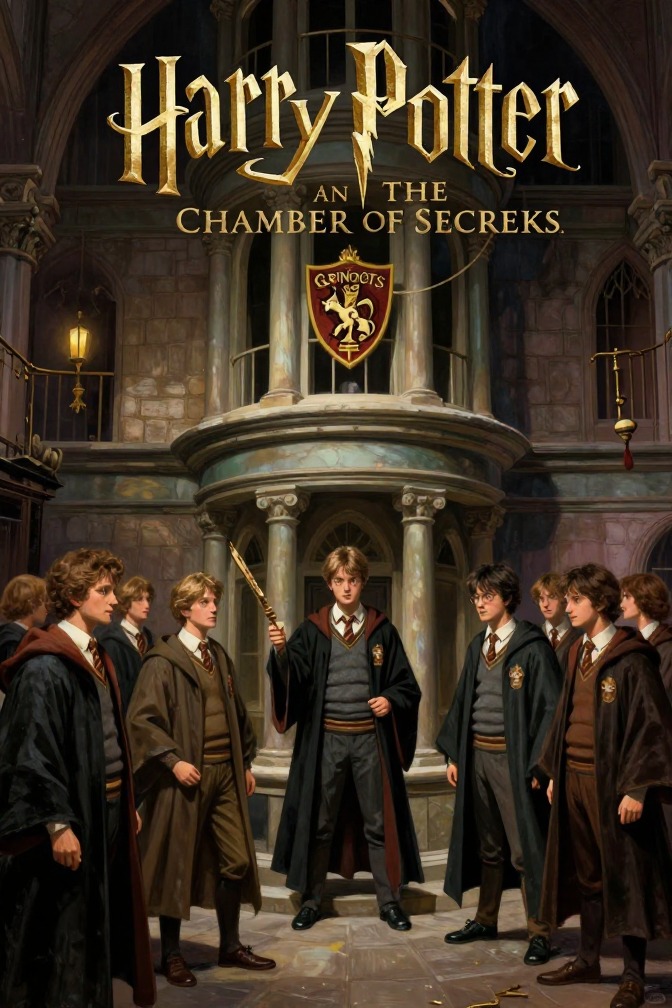
Gringotts Wizarding Bank is the central financial institution of the wizarding world, a goblin-run establishment that safeguards the wealth of witches and wizards in underground vaults. It is a symbol of both immense fortune and the deep social divisions within magical society, as seen through the contrasting experiences of the wealthy Malfoy family and the struggling Weasleys. The bank's significance extends beyond mere storage, as it is a site of key encounters, a marker of class and blood status, and a place where the consequences of wealth and poverty are starkly revealed.
The Quidditch cancellation rule is a security measure imposed at Hogwarts School of Witchcraft and Wizardry during the crisis of the Chamber of Secrets, suspending all Quidditch training and matches as part of a broader lockdown following a series of attacks on students. It reflects the school's response to mortal danger, disrupts the normal rhythm of school life, and underscores the severity of the threat posed by the Heir of Slytherin.
Little Jammes is a minor but memorable ballet girl in Gaston Leroux's The Phantom of the Opera, notable as the first character to raise the alarm about the Opera Ghost's presence on the night of the managers' farewell gala, and as a recurring voice of superstitious terror whose exclamations punctuate key moments of the novel's early chapters.
M. Debienne is one of the two retiring joint managers of the Paris Opera House who, on the night of their farewell gala, first formally warn their successors about the Opera Ghost, revealing the ghost's demands and the memorandum-book clauses that will haunt the new management.
Meg Giry, the daughter of the Opera's box-keeper Mme. Giry, is a young ballet dancer who serves as a conduit for the Opera Ghost's influence and whose mother's ambition for her to become an empress reveals the ghost's manipulative hold over the theater's staff.
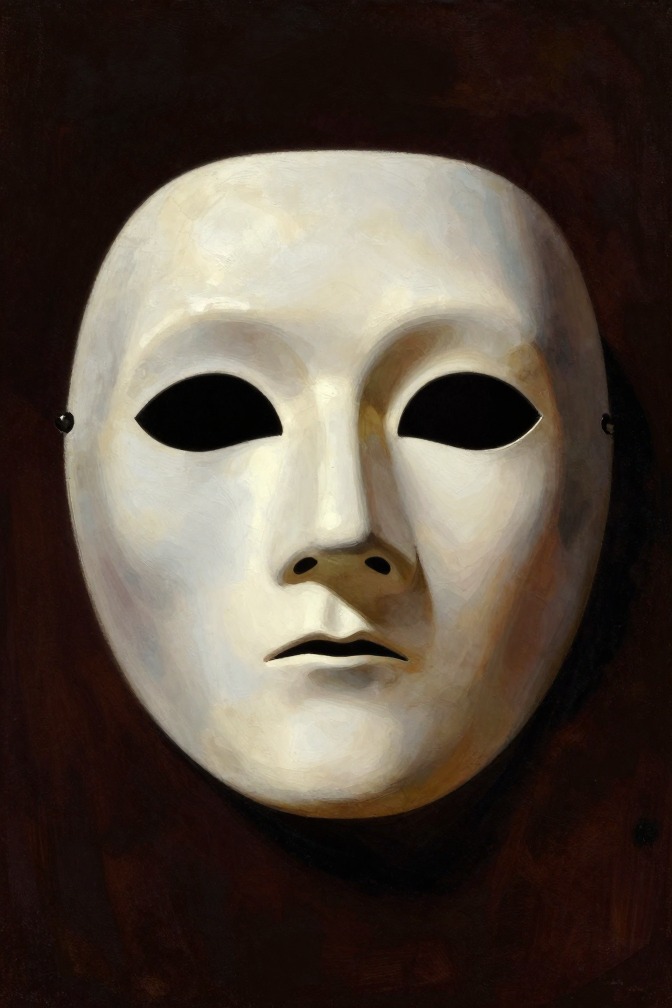
Erik's mask is the central object of concealment and revelation in Gaston Leroux's *The Phantom of the Opera*, functioning both as a practical disguise for the disfigured genius and as a powerful symbol of the boundary between the monstrous and the human. Its removal triggers the novel's most intense scenes of horror, pity, and ethical crisis.
Ned Land is a Canadian harpooner of extraordinary skill and physical strength, whose fierce independence and constant craving for freedom make him the primary antagonist to Captain Nemo's authority aboard the Nautilus. His relentless pursuit of escape and his deep-seated hatred of captivity drive much of the novel's tension, culminating in a dramatic flight from the submarine and a final, desperate struggle against the Maelstrom.
Cedric Diggory is a fifth-year Hufflepuff student and Seeker for the Hufflepuff Quidditch team, introduced as a talented and popular rival to Harry Potter during the 1993–1994 school year at Hogwarts.
Errol is the Weasley family's elderly, gray, and frequently exhausted owl, whose most notable appearance in Harry Potter and the Prisoner of Azkaban involves delivering Harry's birthday presents while unconscious, underscoring the family's warmth and poverty.
Lavender Brown is a Gryffindor student in Harry Potter's year whose defining trait is her intense, uncritical faith in Divination and her teacher, Sybill Trelawney, a belief that sets her apart from the more skeptical Harry, Ron, and Hermione and shapes her reactions to the year's events.
Neville Longbottom is a timid, forgetful Gryffindor student in Harry Potter's year whose journey in Harry Potter and the Prisoner of Azkaban moves from bumbling anxiety to a decisive act of courage against a Boggart, marking a turning point in his self-confidence and his standing among his peers.
Peter Pettigrew, also known as Wormtail and Scabbers, is the wizard who betrayed James and Lily Potter to Lord Voldemort, faked his own death, and spent twelve years disguised as Ron Weasley's pet rat before being exposed in the Shrieking Shack.
Remus Lupin is the Defense Against the Dark Arts teacher at Hogwarts in Harry Potter's third year, a kind, brilliant, but deeply troubled man who secretly suffers from lycanthropy. His arrival marks a turning point for Harry, as he becomes the first competent and trusted instructor in that subject, yet his own past as a member of the Marauders and his hidden condition ultimately force his resignation, making him a figure of tragic integrity and mentorship.
Rubeus Hagrid, the Hogwarts gamekeeper, becomes the Care of Magical Creatures teacher in his third year, a lifelong dream fulfilled through the support of Harry Potter, Ron Weasley, and Hermione Granger, but his first lesson with Hippogriffs nearly ends his career when Draco Malfoy provokes an attack, leading to Buckbeak's death sentence and Hagrid's profound crisis of confidence.
Rachel Creed is the wife of Louis Creed and the mother of Ellie and Gage Creed. Her defining characteristic is a deep, phobic terror of death, rooted in the traumatic experience of watching her sister Zelda die a slow, agonizing death from spinal meningitis when Rachel was eight years old. This unresolved trauma shapes her entire worldview, causing her to react with irrational fury to her daughter's first encounter with mortality and ultimately making her the most vulnerable member of the family when the supernatural forces of the Micmac burying ground are unleashed.
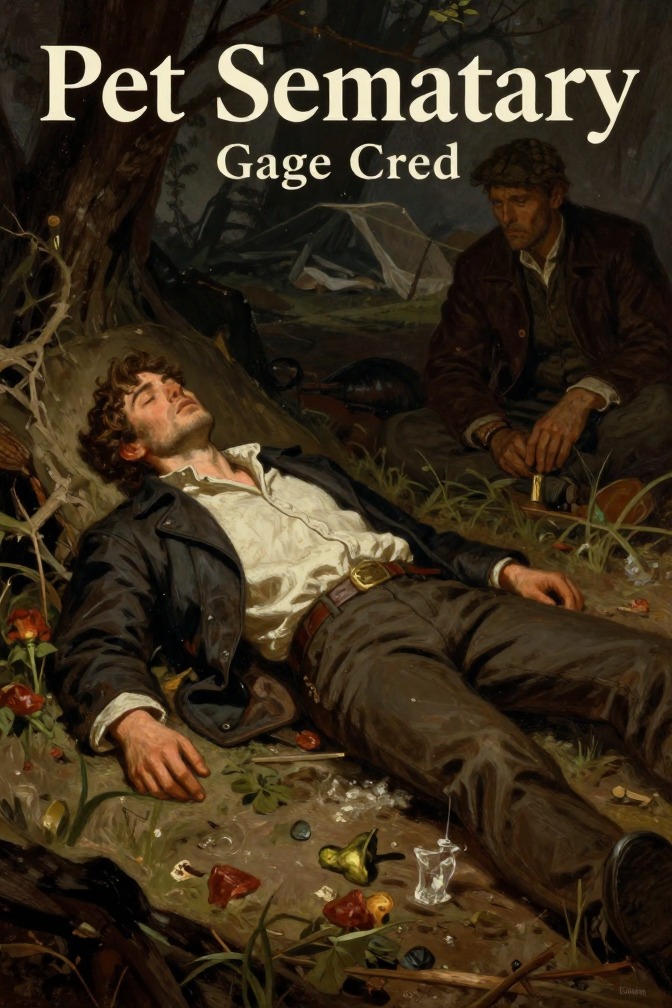
Gage Creed's death is the central catastrophe of Stephen King's *Pet Sematary*, the event that shatters the Creed family and drives Louis Creed into a desperate, blasphemous act of resurrection. The two-year-old boy is struck and killed by an Orinco truck on Route 15 in front of his home in Ludlow, Maine, an accident that transforms grief into obsession and sets in motion a chain of horror that destroys nearly everyone Louis loves.
Elaine Connelly is Paul Edgecombe's close friend and confidante at the Georgia Pines nursing home, a refined, intelligent woman who becomes his ally against the abusive orderly Brad Dolan and the sole reader of his memoir about John Coffey and the Green Mile.
Scrooge and Marley's is the counting-house and firm name of Ebenezer Scrooge and his deceased partner Jacob Marley, located in the City of London. It serves as the central commercial space of the story, symbolizing Scrooge's isolation, miserliness, and the worldly values he must overcome through his supernatural journey.
Captain Frederick Wentworth is a central character in Jane Austen's Persuasion, a naval officer whose brilliant career and enduring love for Anne Elliot drive the novel's plot. His return to Anne's life after eight years of separation, marked by pride and resentment, ultimately leads to a profound reconciliation and marriage.
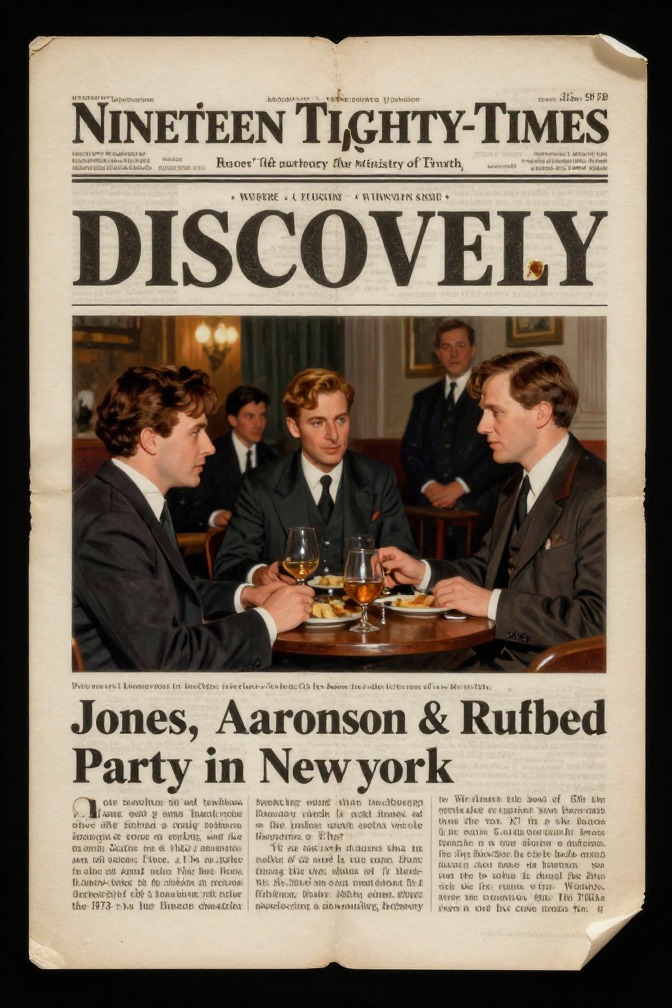
Jones, a founding Party leader purged along with Aaronson and Rutherford in the 1960s, never appears alive in Nineteen Eighty-Four, yet his staged confession, rehabilitation, re-arrest and execution give Winston Smith the novel's only concrete proof that the Party falsifies history. A photograph of the three men in New York, contradicting their confession that they were in Siberia, becomes an emblem of the destroyed past. O'Brien's later claim to have interrogated them, and his destruction of a duplicate photograph, complete the demonstration that the Party converts and annihilates its enemies.
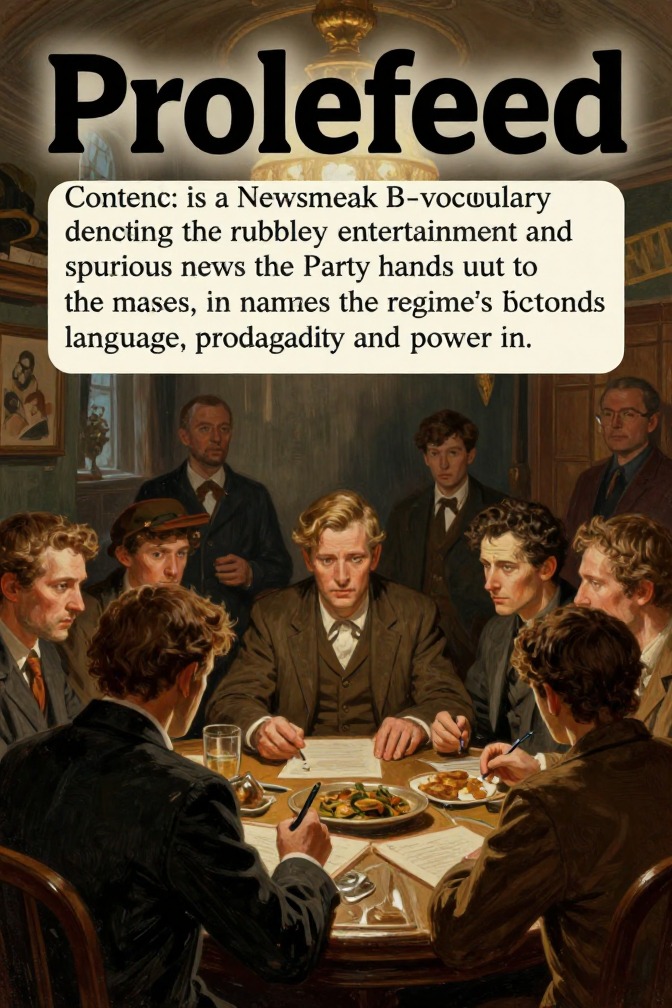
Prolefeed is a Newspeak term for the rubbishy entertainment and spurious news with which the Party of Oceania pacifies the masses; it names the regime's mass-deception apparatus with open contempt and works alongside Newspeak's narrowing of language to make dissent unthinkable.
In 1973, Winston Smith discovered a photograph of Jones, Aaronson and Rutherford in the Records Department, proving that their purge confessions were lies. The only concrete evidence of the Party's falsification of history ever to pass through his hands, it was destroyed out of fear, and later denied by O'Brien in the Ministry of Love.
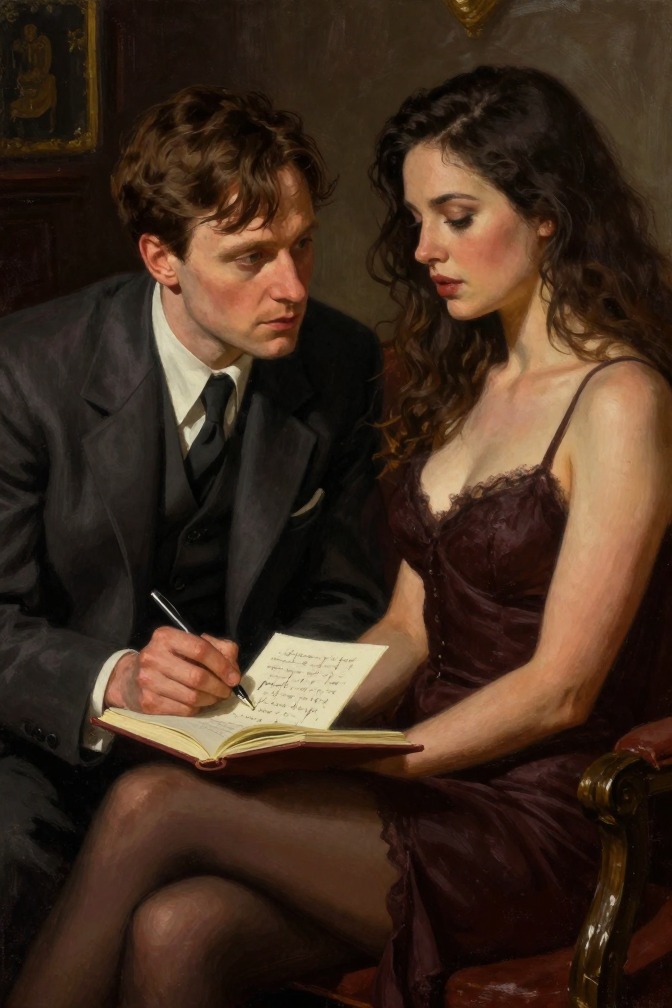
Winston Smith's diary entry about a secret sexual encounter with a prostitute, three years before the novel's present, serves as a confessional act of rebellion against the Party's sexual repression, revealing the sordid reality of the experience and his complex feelings of shame, disgust, and defiance.
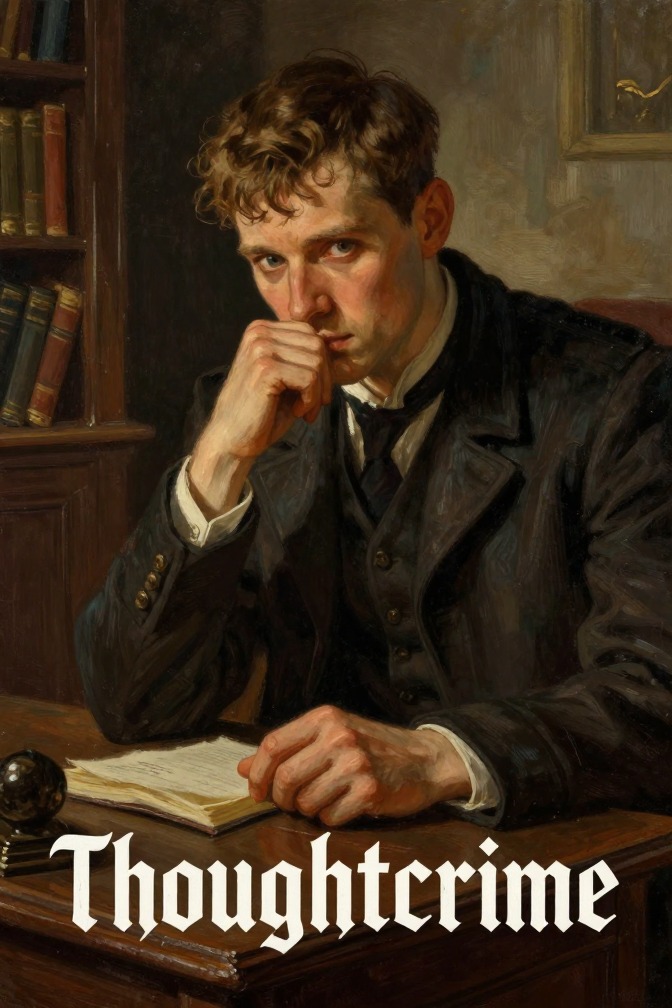
Thoughtcrime is the foundational concept of criminality in Oceania, defined by the Party as the mere possession of heretical thoughts against its doctrines. It is not a statutory offense—there are no laws—but it is the essential crime that contains all others, and carrying it in one's mind is equivalent to death. The existence of Thoughtcrime justifies the omnipresent surveillance of the Thought Police and the brutal punishments of the Ministry of Love, making it the central mechanism through which the Party enforces absolute ideological conformity.
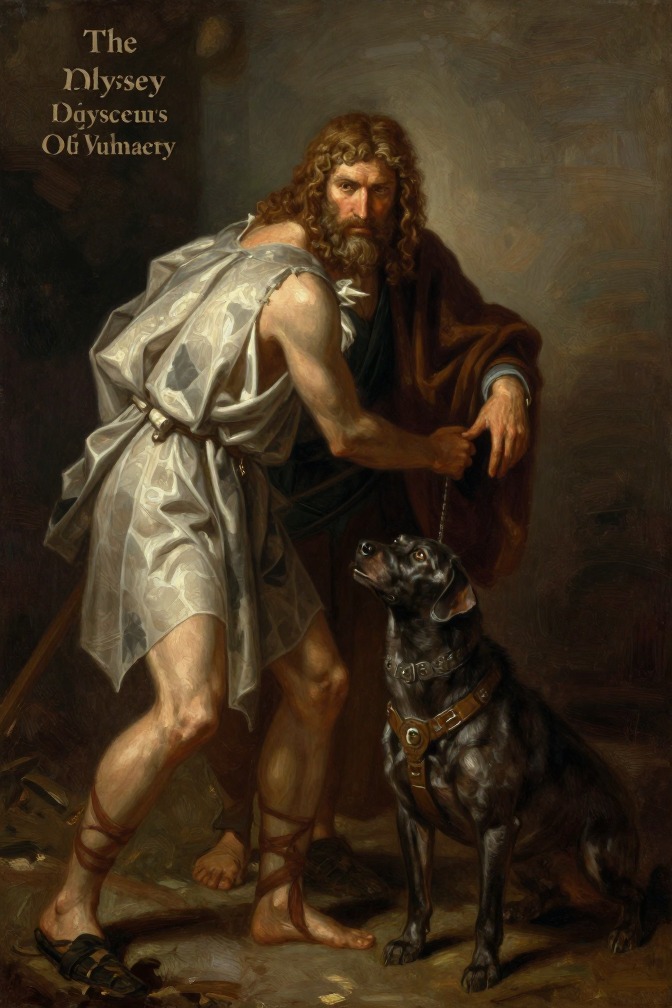
Odysseus's Disguise and Meeting with Eumaeus is the pivotal sequence in which Odysseus, transformed by Athena into a decrepit beggar, first encounters his loyal swineherd Eumaeus upon returning to Ithaca. This episode establishes the foundation for Odysseus's reconnaissance of his household, tests the loyalty of his servants, and initiates the long-deferred process of reclaiming his identity and home.
Clymenus is a minor figure in the Odyssey, mentioned only as the father of Eurydice, the wife of Nestor, and as the father of Iphiclus, a figure in the Cretan false tale told by Odysseus. His appearances are confined to genealogical references that serve to establish the lineage and social standing of other characters within the epic's complex web of family relations.
Crataiis is the mother of the sea monster Scylla, mentioned by Circe in her instructions to Odysseus as the one to whom he should pray in order to prevent Scylla from attacking his ship a second time during the passage of the strait.
Creon is a minor but significant figure in the Odyssey, mentioned as the king of Thebes and the father of Megara, who married Heracles. His brief appearance in Odysseus's catalogue of heroines in the Underworld serves to anchor the Theban cycle within the epic's broader mythological framework, highlighting the interconnectedness of heroic lineages and the poem's engagement with earlier traditions.
Ctesius, father of the loyal swineherd Eumaeus, is a minor but symbolically significant character whose story of lost kingship and a stolen son provides a poignant parallel to Odysseus's own disrupted household and underscores the poem's themes of loss, memory, and the enduring bonds between master and servant.