The summer of 1764 marks a pivotal moment in the aftermath of the Grasse murders, when the Marquis de la Taillade-Espinasse, having achieved fame through his "cure" of Grenouille, founded the first Lodge of the Vital Fluidum in Montpellier, establishing a movement that would outlast his own disappearance and shape occult medical practice in the Pyrenees for generations.
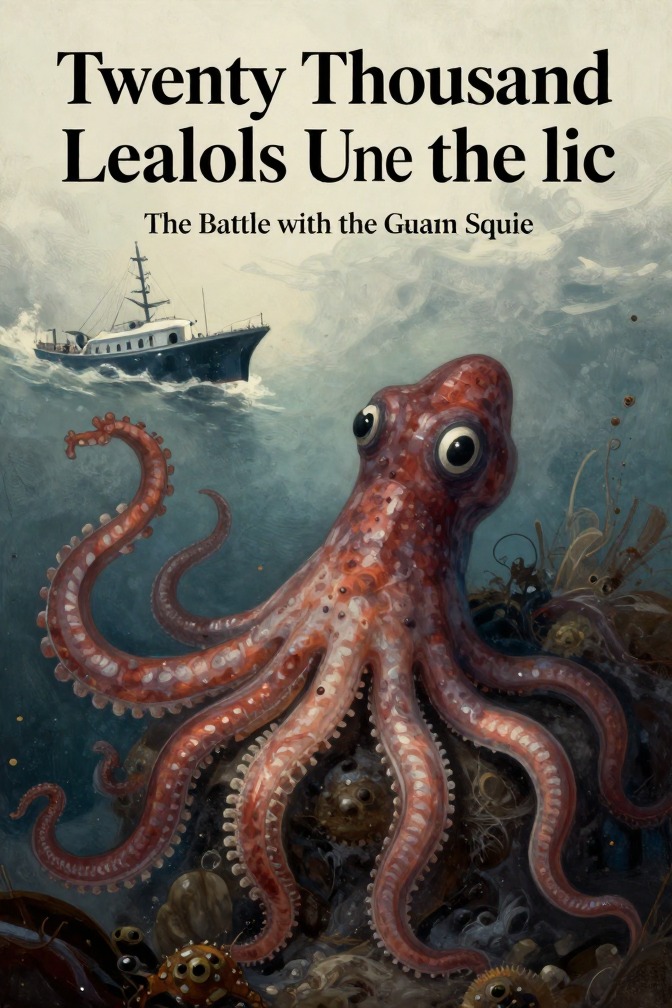
The Battle with the Giant Squid is a pivotal action sequence in which the Nautilus, its propeller jammed by the mandibles of a colossal cephalopod, surfaces to engage in a desperate hand-to-hand struggle. The fight reveals the crew's vulnerability, costs the life of a French crewman, and deepens Captain Nemo's grief and isolation, while also showcasing Ned Land's harpooning skill and the captain's personal courage in a moment of mutual rescue.
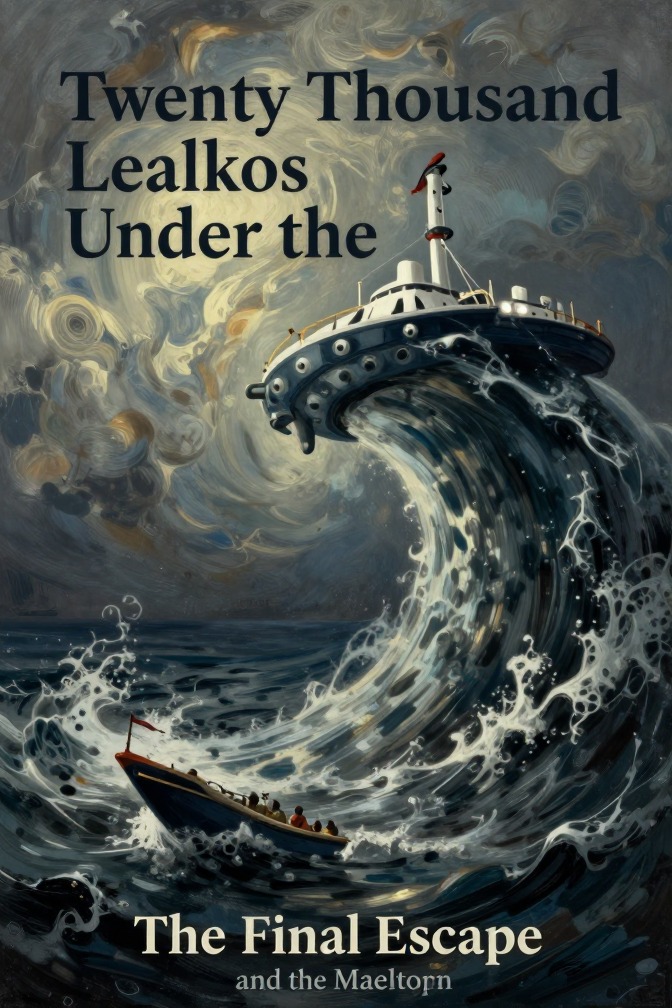
The Final Escape and the Maelstrom is the climactic sequence in which Professor Aronnax, Ned Land, and Conseil finally break free from the Nautilus, only to be caught in the terrifying Moskstraumen whirlpool off the Norwegian coast, an event that ends their imprisonment and nearly costs them their lives.
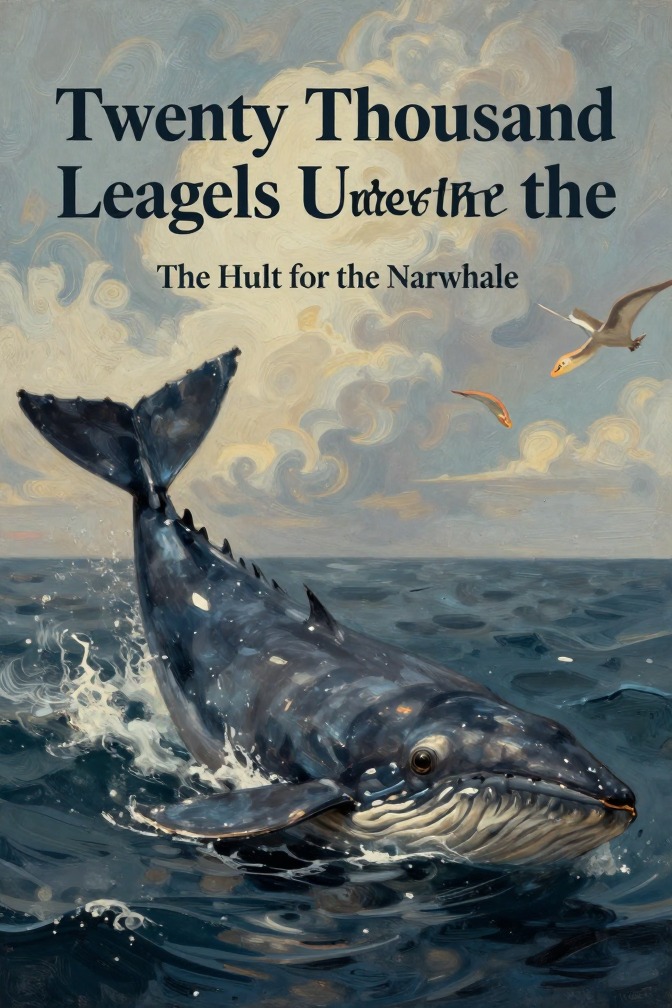
The Hunt for the Narwhale is the opening expedition of the novel, in which the United States government commissions the frigate Abraham Lincoln under Commander Farragut to pursue and destroy a mysterious sea monster that has been terrorizing shipping lanes. This mission brings together Professor Pierre Aronnax, his servant Conseil, and the Canadian harpooner Ned Land, and it culminates in a violent encounter with what they believe to be a gigantic narwhale but is actually Captain Nemo's submarine, the Nautilus. The hunt establishes the central conflict between surface civilization and the hidden underwater world, introduces the key characters and their motivations, and sets the stage for the entire underwater voyage that follows.
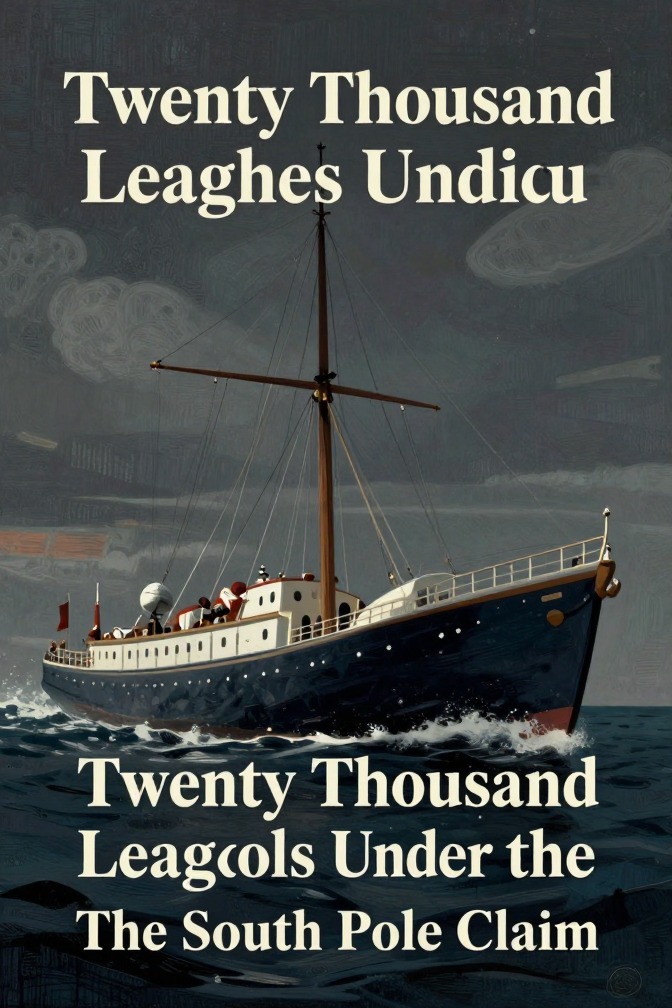
The South Pole Claim is the climactic act of Captain Nemo's assertion of absolute sovereignty, in which he reaches the geographic South Pole on March 21, 1868, plants a black flag bearing a gold 'N', and declares the entire polar region his personal domain, an act that crystallizes his self-conception as a law unto himself and foreshadows his final, catastrophic exercise of vengeance.
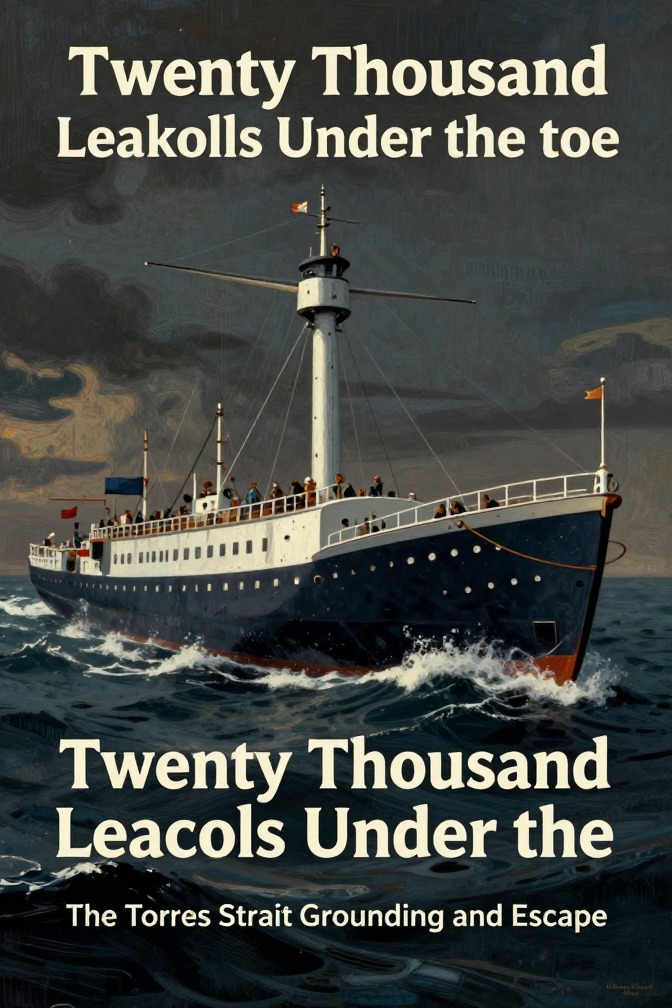
The Torres Strait Grounding and Escape is a pivotal event in which the Nautilus runs aground on the coral reefs of the Torres Strait, leading to a tense standoff with Papuan natives and culminating in a dramatic escape using the ship's electrified hatches.
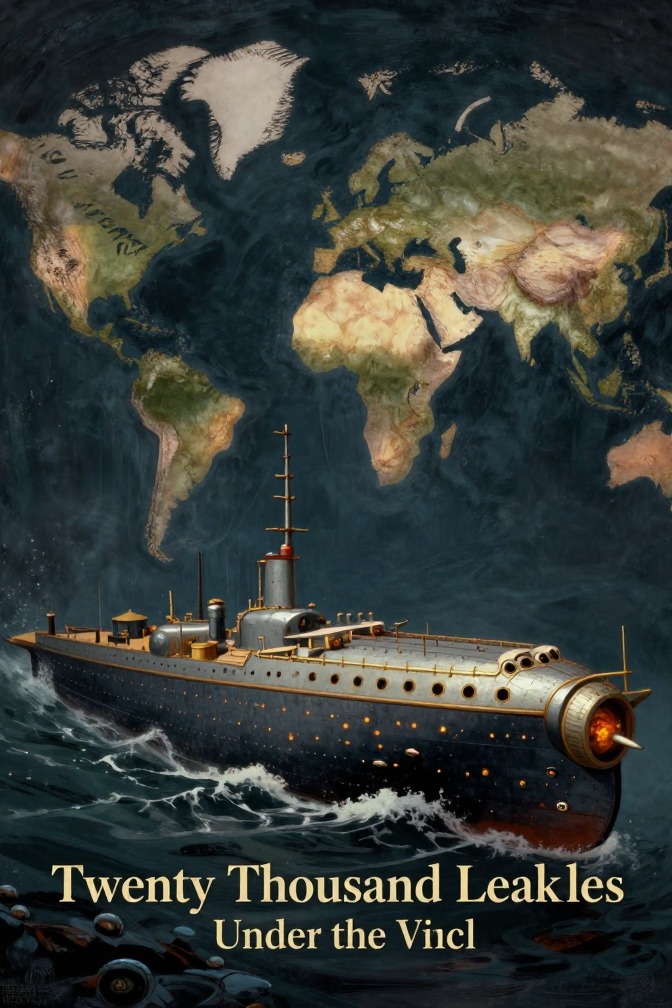
The Nautilus as a Self-Sufficient World is the central concept of Jules Verne's novel, representing Captain Nemo's complete and deliberate separation from terrestrial society. The submarine is not merely a vessel but a fully autonomous ecosystem, a mobile fortress, and a floating archive that supplies all the material, intellectual, and moral needs of its inhabitants. Every element of life aboard—food, clothing, energy, light, medicine, and even the means of defense—is derived from the sea, transforming the ocean into a total environment that sustains a closed, independent civilization. This self-sufficiency is both a practical achievement of engineering and a philosophical statement of radical freedom, yet it also becomes a prison for the unwilling guests, revealing the profound tension between liberation and captivity that defines the Nautilus's world.
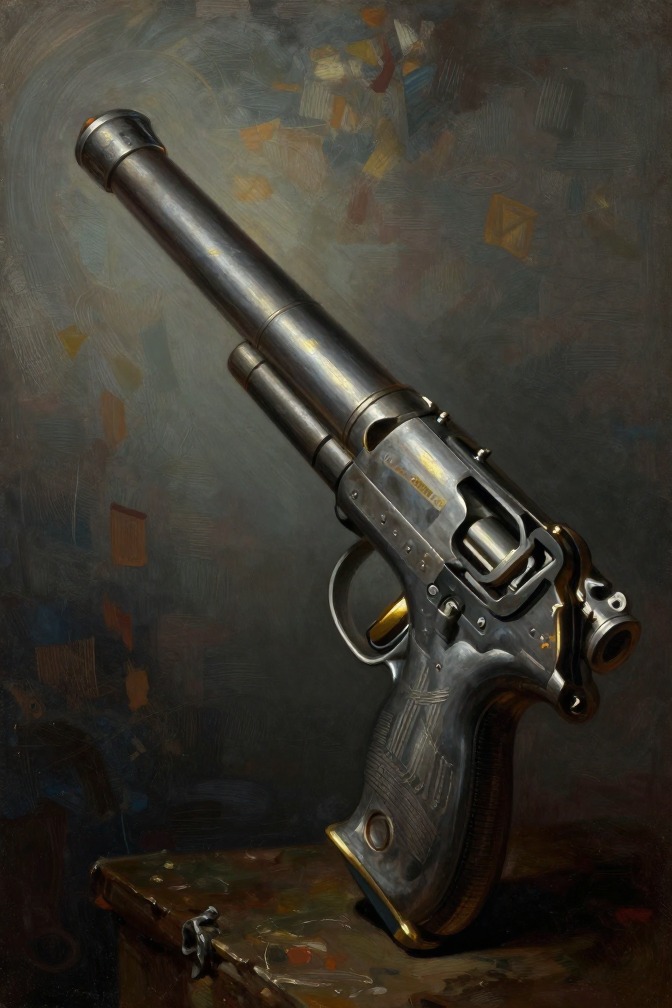
The electric gun is a specialized underwater rifle used aboard the Nautilus, firing glass capsules charged with high-voltage electricity that kill instantly on contact, replacing conventional gunpowder weapons in the submarine's self-contained environment.
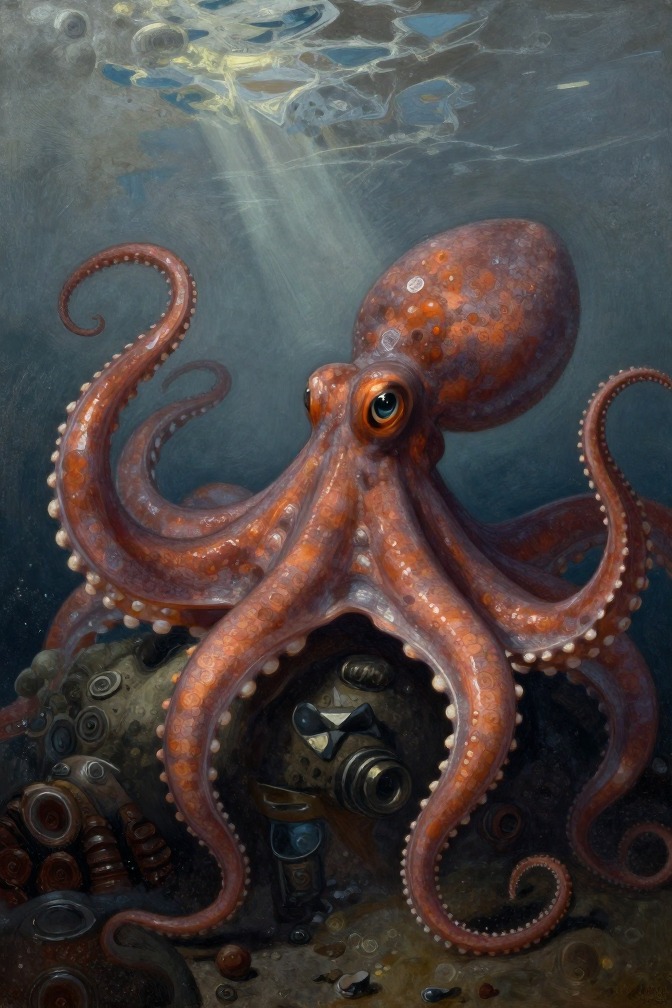
The Battle with Giant Octopuses is a pivotal and harrowing event in Twenty Thousand Leagues Under the Seas, in which the Nautilus is attacked by a school of colossal cephalopods, resulting in the death of a crewman and revealing the depths of Captain Nemo's grief and the crew's vulnerability.
The Treasure of Vigo Bay is a vast hoard of gold, silver, and jewels that Captain Nemo retrieves from the sunken Spanish galleons of 1702, using the Nautilus as his personal treasury to fund his clandestine operations and acts of philanthropy.
The Gulf Stream Current is a powerful, warm oceanic river that plays a central role in the Nautilus's northward journey, serving as both a physical route and a symbolic force of nature that the submarine must navigate and ultimately withstand.
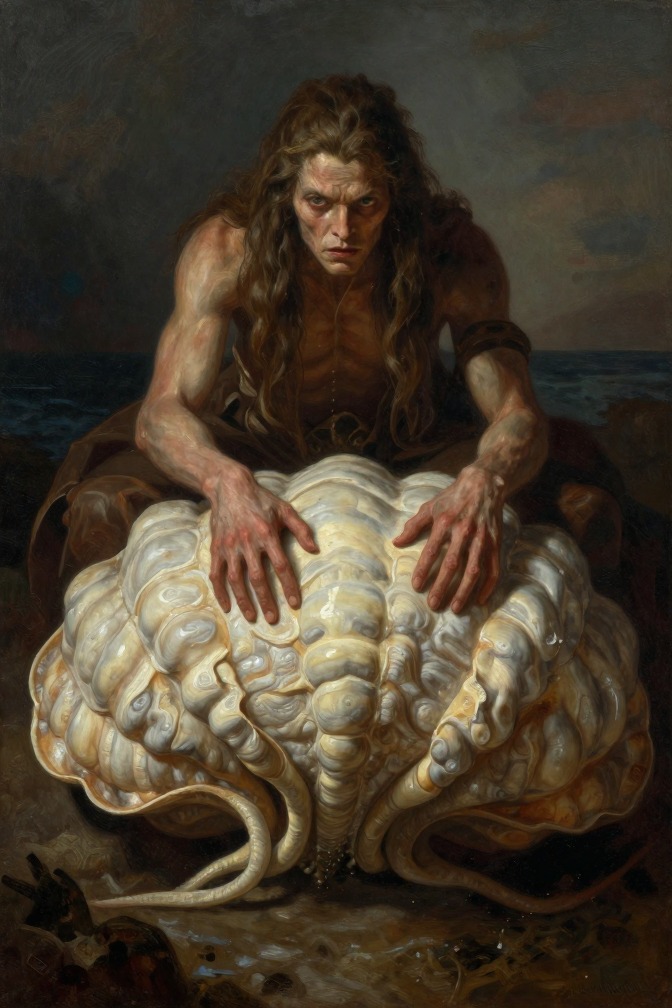
The giant clam is a colossal bivalve mollusk encountered by Professor Aronnax and his companions during their underwater tour aboard the Nautilus. It serves as a symbol of the ocean's hidden, incalculable wealth and of Captain Nemo's intimate, proprietary relationship with the sea's most secret treasures.
The narwhale, or sea unicorn, is the marine creature that Professor Pierre Aronnax hypothesizes as the identity of the mysterious sea monster in his April 30, 1867 article for The New York Herald, a theory that shapes the initial public and scientific understanding of the phenomenon before the true nature of the Nautilus is revealed.
The sea otter is a rare, valuable marine mammal encountered during the Nautilus's underwater hunting expedition near Crespo Island, where Captain Nemo shoots one for its prized pelt, and it later serves as a symbol of the ocean's vulnerable, threatened wildlife.
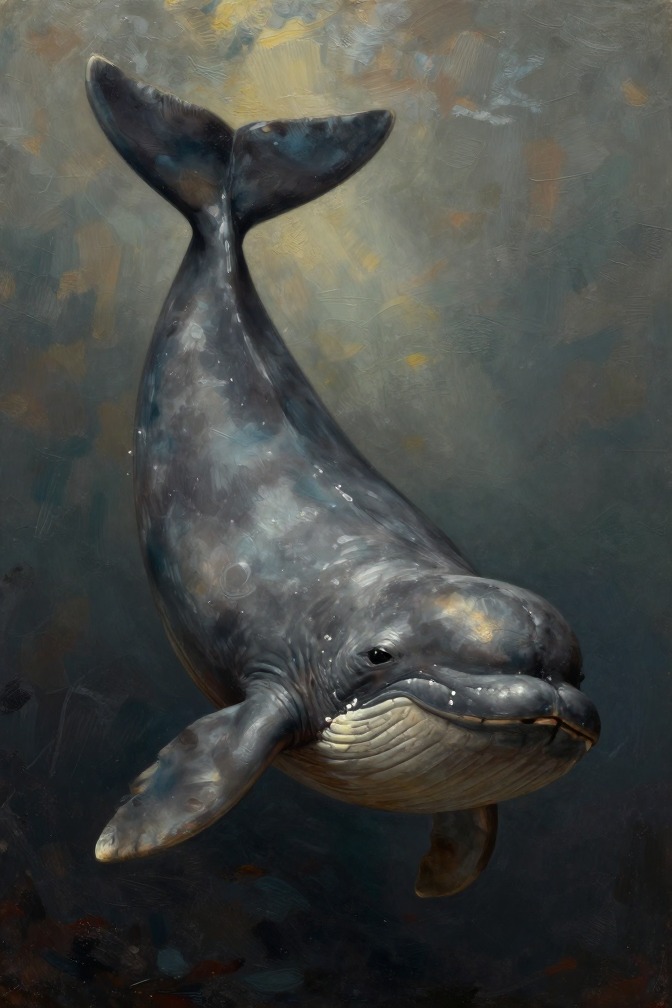
The southern right whale appears in Twenty Thousand Leagues Under the Sea as a hunted, peaceful cetacean that Captain Nemo refuses to kill for sport, defending it against both sperm whales and human whalers. Its presence highlights the novel's ecological and ethical themes.
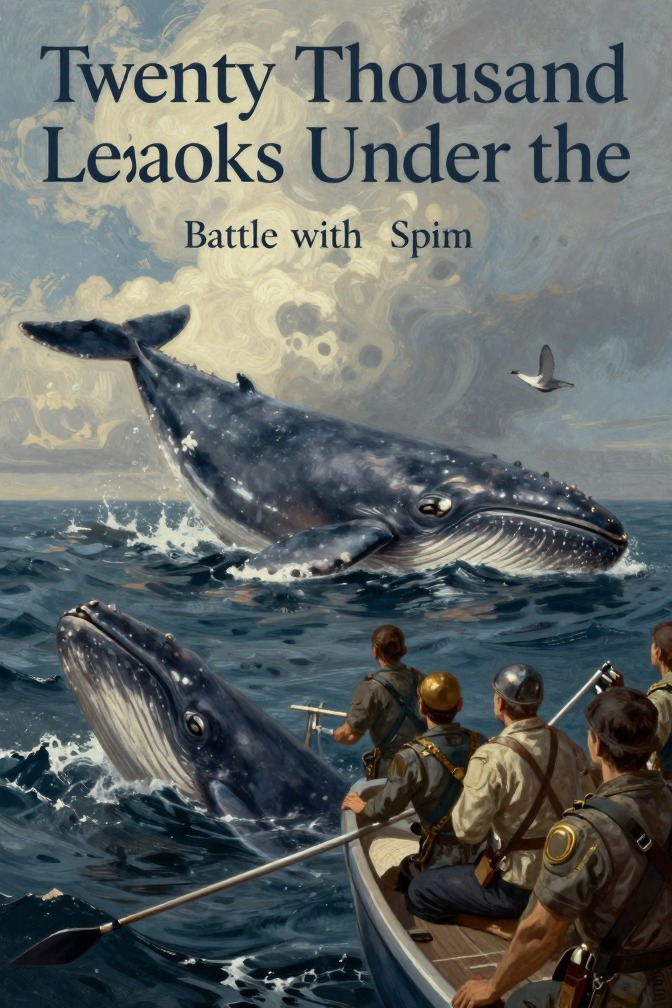
The Battle with Sperm Whales is a pivotal event in Jules Verne's Twenty Thousand Leagues Under the Sea, where Captain Nemo uses the Nautilus as a weapon to massacre a herd of sperm whales that were attacking a group of southern right whales, revealing his complex moral code and foreshadowing his capacity for mass destruction.
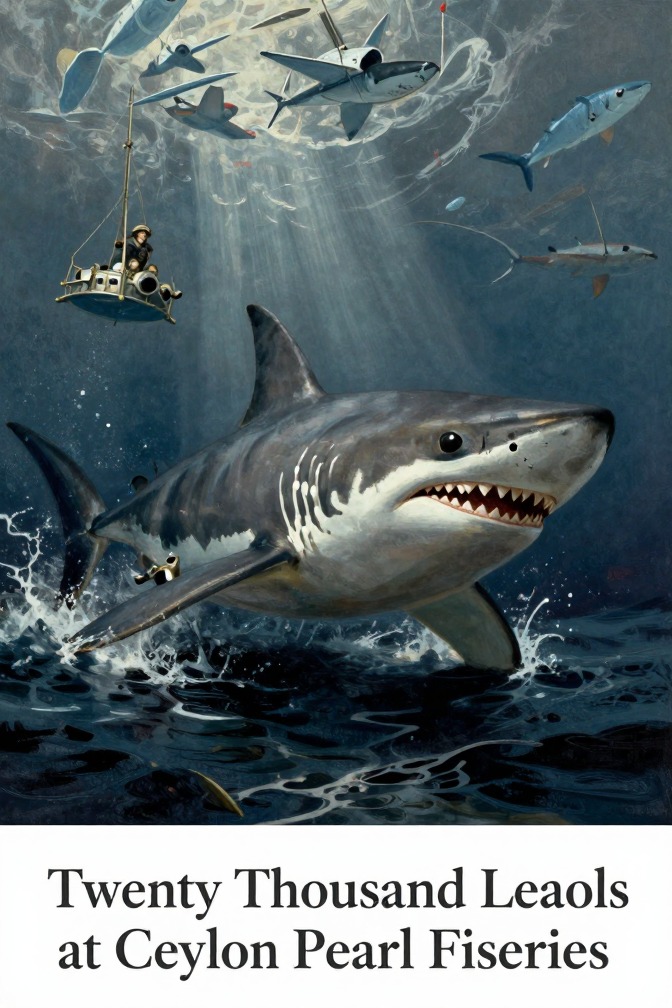
During a visit to the pearl fisheries off Ceylon, Captain Nemo, Professor Aronnax, Conseil, and Ned Land witness a poor Indian diver attacked by a giant shark. Nemo bravely fights the shark, and with Ned Land's help, kills it and rescues the diver, whom he then rewards with a bag of pearls. This event reveals Nemo's hidden compassion and his identification with the oppressed.
Mobilis in Mobili is the Latin motto of Captain Nemo's submarine, the Nautilus, meaning "Moving within the moving element." It encapsulates the ship's ability to navigate the ever-changing ocean and symbolizes Nemo's philosophy of total independence and freedom within the sea's depths.
The Grand Banks of Newfoundland is a vast, shallow underwater plateau in the North Atlantic, renowned as one of the world's richest fishing grounds and a graveyard of ships. For the Nautilus, it serves as a site of ecological observation, a historical archive of maritime disaster, and a final, fateful waypoint before the climax of Captain Nemo's vengeance.
The Cape of Good Hope is a major geographical landmark in the southern Atlantic Ocean, repeatedly referenced in Twenty Thousand Leagues Under the Sea as a navigational waypoint, a boundary between oceans, and a symbolic threshold separating the known world from the unknown polar and southern seas. It marks the southern tip of Africa and serves as a crucial point of passage for ships traveling between the Atlantic and Indian Oceans.
Cape Horn, the southernmost tip of South America, serves as a dramatic geographical and symbolic threshold in Twenty Thousand Leagues Under the Sea, marking the Nautilus's passage from the Atlantic into the Pacific and later its return northward after the Antarctic expedition. The cape is associated with the ship's high-speed navigation, the crew's heightened alertness during the hunt for the supposed narwhale, and the transition between the stormy southern seas and calmer waters. Its appearance in the narrative underscores the vast scale of the voyage and the relentless progress of Captain Nemo's underwater journey.
Cape Wessel is a geographical landmark on the western tip of the Gulf of Carpentaria, Australia, which the Nautilus doubles on January 11, 1868, during its southward journey through the Timor Sea. Its appearance marks a transitional point in the voyage, as the ship leaves the reef-strewn waters of the Coral Sea and enters the open Indian Ocean, signaling a shift toward the more isolated and extreme southern latitudes.
Cape Frio is a coastal landmark on the southeastern coast of Brazil that the Nautilus passes at high speed in early April 1868, marking the point at which Captain Nemo deliberately avoids the populous Brazilian shores and accelerates the submarine's northward journey through the Atlantic.
The Greek Islands, a region of the Mediterranean Sea, serve as a backdrop for several key events in the Nautilus's voyage, including a secret gold delivery to Cretan rebels, a harrowing passage through a volcanic eruption near Santorini, and the revelation of Captain Nemo's deep-seated hatred for oppression, which is linked to the historical sinking of the French warship Avenger.
Mannar Island is a small island off the northwestern coast of Ceylon (modern Sri Lanka), forming the Gulf of Mannar, which is famous for its pearl fisheries. In the novel, it serves as the setting for a dramatic underwater excursion where Captain Nemo, Pierre Aronnax, Conseil, and Ned Land witness the brutal realities of pearl diving and encounter a deadly shark attack, an event that reveals Captain Nemo's profound bravery and his hidden compassion for the oppressed.
The Gulf of Oman is a strategic body of water connecting the Arabian Sea to the Persian Gulf, which the Nautilus briefly explores in early February 1868. Its passage through this gulf marks a key moment of indecision and foreshadows the ship's subsequent entry into the Red Sea via the Gulf of Aden and the Bab el Mandeb strait.
The Bay of Biscay is a gulf of the northeast Atlantic Ocean located south of the Celtic Sea and west of France. In Jules Verne's Twenty Thousand Leagues Under the Seas, it is identified as the true source of the Gulf Stream, a discovery attributed to Commander Maury, and serves as a key geographical reference point in the novel's scientific discourse on ocean currents and global climate regulation.
Réunion Island is a volcanic island in the Indian Ocean, a French protectorate, that serves as a key geographical marker in the Nautilus's underwater voyage, appearing in the narrative as a site of scientific observation and a point of reference for the island's unique geological and biological features.
The Solomon Islands are a Melanesian archipelago in the South Pacific, referenced in Jules Verne's Twenty Thousand Leagues Under the Seas as the final, fatal destination of the Count de La Pérouse's ill-fated expedition. Captain Nemo reveals that La Pérouse and his surviving crew, after being shipwrecked on Vanikoro, built a smaller vessel and sailed to the Solomon Islands, where they perished with all hands on the western coast of the chief island. This revelation transforms the Solomon Islands from a mere geographical location into a site of historical tragedy and a key to one of the novel's central mysteries.
The Sargasso Sea is a vast, calm region of the North Atlantic Ocean, characterized by its dense mats of floating sargassum seaweed. In Jules Verne's *Twenty Thousand Leagues Under the Sea*, it serves as a unique and symbolic setting, representing a natural archive of oceanic debris and a place of eerie stillness, where the Nautilus navigates cautiously and where the crew witnesses the slow accumulation of matter that will one day become coal.