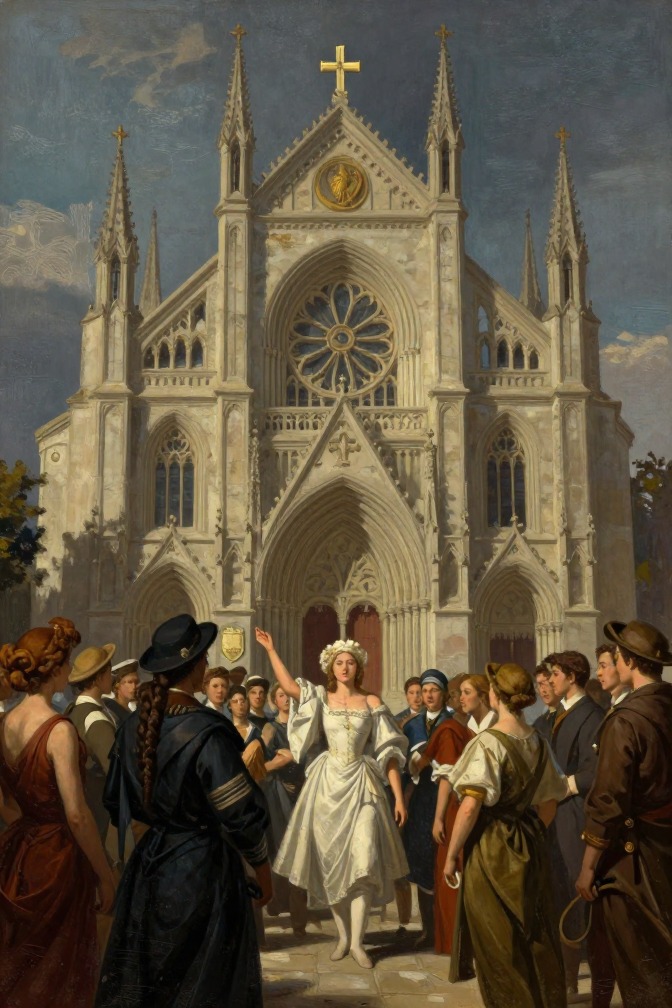
The Church of Saint-Sulpice in Paris is mentioned in Jules Verne's Twenty Thousand Leagues Under the Sea as the recipient of two giant clam shells from the Republic of Venice, which were converted into holy-water fonts, serving as a real-world reference point for the colossal size of the giant clam shell that forms the basin in the Nautilus's main lounge.
Cosmos is a scientific journal mentioned in Jules Verne's Twenty Thousand Leagues Under the Seas, cited as a publication that participated in the public and scholarly debate over the mysterious sea monster that plagued the world's oceans in 1866.
The French Navy is a recurring institutional presence in Twenty Thousand Leagues Under the Sea, serving as both a historical reference point for the novel's events and a symbol of the national authority that Captain Nemo has decisively rejected. Its ships, officers, and expeditions are mentioned in connection with the hunt for the supposed sea monster, the exploration of the Pacific, and the final, catastrophic encounter that reveals the depth of Nemo's personal vendetta.
The Inman Line was a major 19th-century British transatlantic steamship company, and one of its vessels, the Etna, was among the ships that reported encountering the mysterious sea monster in 1866, contributing to the public frenzy that led to the Abraham Lincoln expedition.
Lloyd's List is a British maritime newspaper that, in the world of Twenty Thousand Leagues Under the Sea, serves as a key barometer of public and commercial alarm over the mysterious sea monster, reporting on the creature's threat to shipping and the consequent rise in insurance premiums.
The Paris Museum of Natural History is the professional home and institutional identity of Professor Pierre Aronnax, the narrator of Twenty Thousand Leagues Under the Sea. As an Assistant Professor at the museum, Aronnax is a recognized specialist in marine biology, and his affiliation with this prestigious institution shapes his scientific authority, his motivations, and his narrative perspective throughout the voyage. The museum serves as the anchor of his terrestrial life, the source of his scholarly reputation, and the ultimate intended destination for the knowledge he gathers during his underwater journey.
The Smithsonian Institution is a major American scientific and cultural organization mentioned in Jules Verne's Twenty Thousand Leagues Under the Sea as one of the scholarly bodies that debated the nature of the mysterious sea monster in 1866–1867.
The United States Navy is the naval warfare service branch of the United States, which in the novel dispatches the frigate Abraham Lincoln to hunt the mysterious sea monster, later revealed to be the Nautilus, and whose warship is ultimately rammed and sunk by Captain Nemo in an act of vengeance.
The relationship between Ned Land and Captain Nemo is the central antagonism of the novel, a clash between a freedom-loving, impulsive harpooner and a brooding, autocratic genius who has severed all ties with humanity. From the moment of their first meeting, Ned Land's instinctive defiance and constant desire for escape stand in direct opposition to Nemo's absolute authority and his determination to keep his prisoners forever aboard the Nautilus. This conflict, rooted in incompatible worldviews—one craving the tangible pleasures of the shore, the other seeking a sublime but tyrannical independence beneath the waves—escalates through acts of violence, moral confrontation, and mutual rescue, ultimately defining the limits of Nemo's power and the harpooner's unyielding spirit.
The Condition of Obedience is a foundational rule imposed by Captain Nemo on the passengers of the Nautilus, requiring their unquestioning submission to confinement during certain unforeseen events in exchange for their lives and a limited freedom aboard the vessel.
The year 1794 is a pivotal historical reference point in Jules Verne's Twenty Thousand Leagues Under the Sea, serving as the date of a heroic naval battle in which the French ship Avenger was sunk, an event that profoundly shapes Captain Nemo's identity and his campaign of vengeance.
The 1863 Polish Uprising against Tsarist Russia is the suppressed historical event that originally shaped Captain Nemo's identity and motivation in Jules Verne's novel, though its explicit mention was removed from the published text due to political censorship.
The year 1866 marks the beginning of the extraordinary events that set the entire narrative of Twenty Thousand Leagues Under the Sea in motion, serving as the historical and chronological anchor for the mysterious appearances of the "monster" that would eventually be revealed as the Nautilus.
March 5, 1867, is the date of the first confirmed collision between a steamship and the mysterious underwater object that would later be revealed as the Nautilus, an event that transformed the public perception of the "monster" from a scientific curiosity into a tangible maritime danger and set the stage for the punitive expedition aboard the Abraham Lincoln.
The year 1867 is the central temporal setting for the second half of the narrative in Twenty Thousand Leagues Under the Sea, marking the period when Professor Aronnax and his companions are held captive aboard the Nautilus and witness the most dramatic events of their underwater voyage, including the discovery of Atlantis, the journey to the South Pole, and the final, catastrophic acts of Captain Nemo's vengeance.
April 13, 1867, is the date of the collision between the Cunard steamer Scotia and the mysterious underwater object, an event that transformed the public perception of the "monster" from a scientific curiosity into a tangible maritime danger and directly precipitated the American government's decision to dispatch the Abraham Lincoln on a punitive expedition.
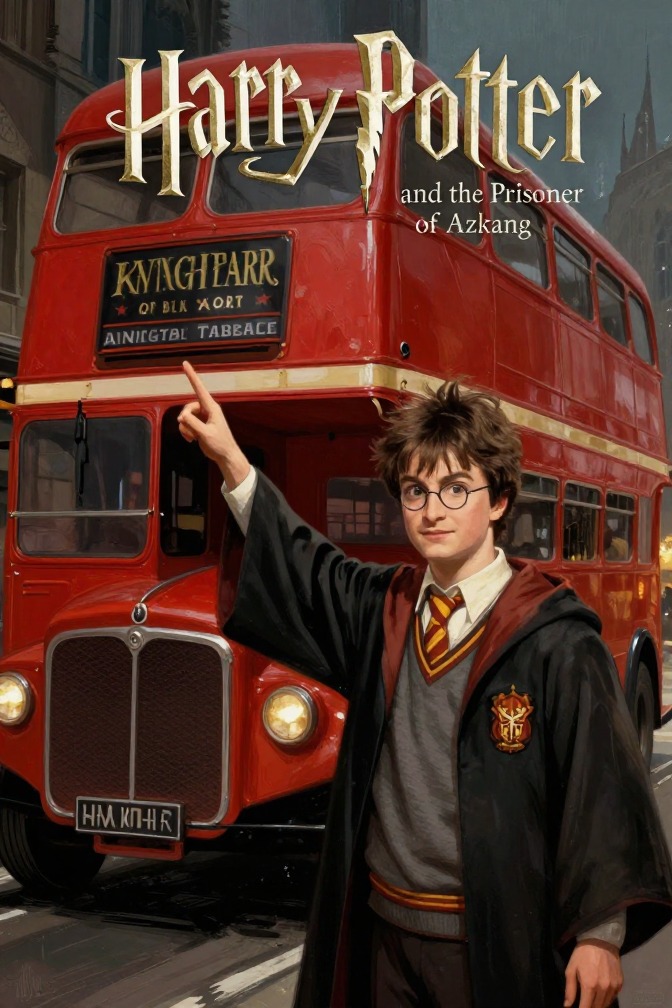
After inflating his Aunt Marge and fleeing the Dursleys' home, Harry Potter, stranded and alone in the Muggle world, flags down the Knight Bus, a magical triple-decker emergency transport for stranded witches and wizards, which takes him to London and the Leaky Cauldron, setting in motion a chain of events that reveals the Ministry of Magic's unusual leniency toward him and the true reason for his newfound freedom: Sirius Black's escape from Azkaban.
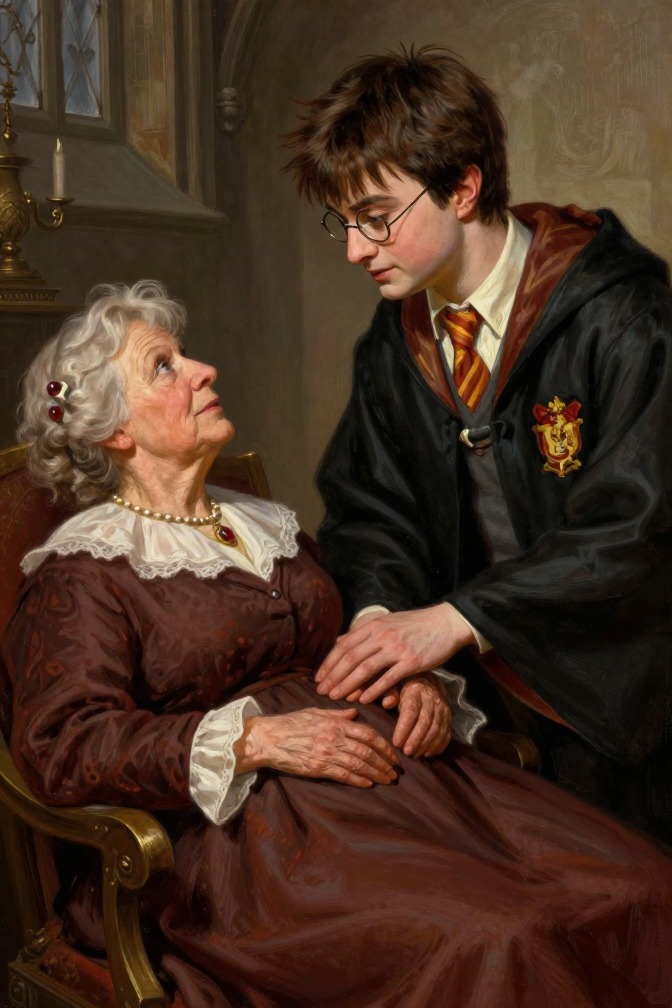
Harry Potter inflates Aunt Marge is a pivotal event in which Harry, provoked beyond endurance by his aunt's insults against his parents, loses control of his magical abilities and causes Marge Dursley to swell like a balloon, an act that forces him to run away from the Dursleys and sets in motion the central conflicts of the novel.
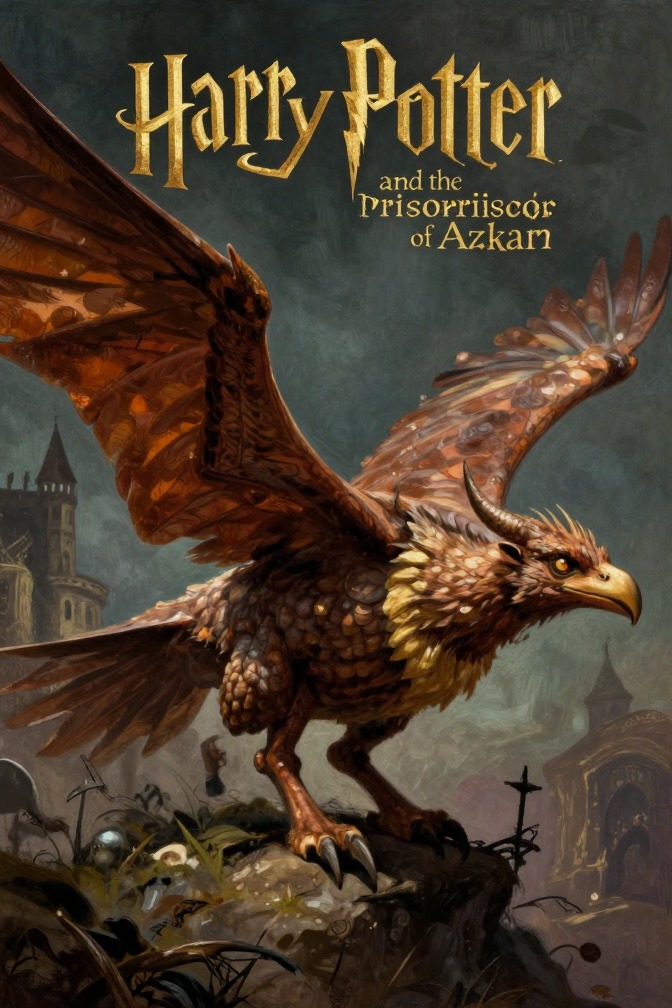
Harry Potter rescues Buckbeak the Hippogriff from execution by the Committee for the Disposal of Dangerous Creatures, using a Time-Turner to travel back three hours and free the creature before the executioner's axe falls.
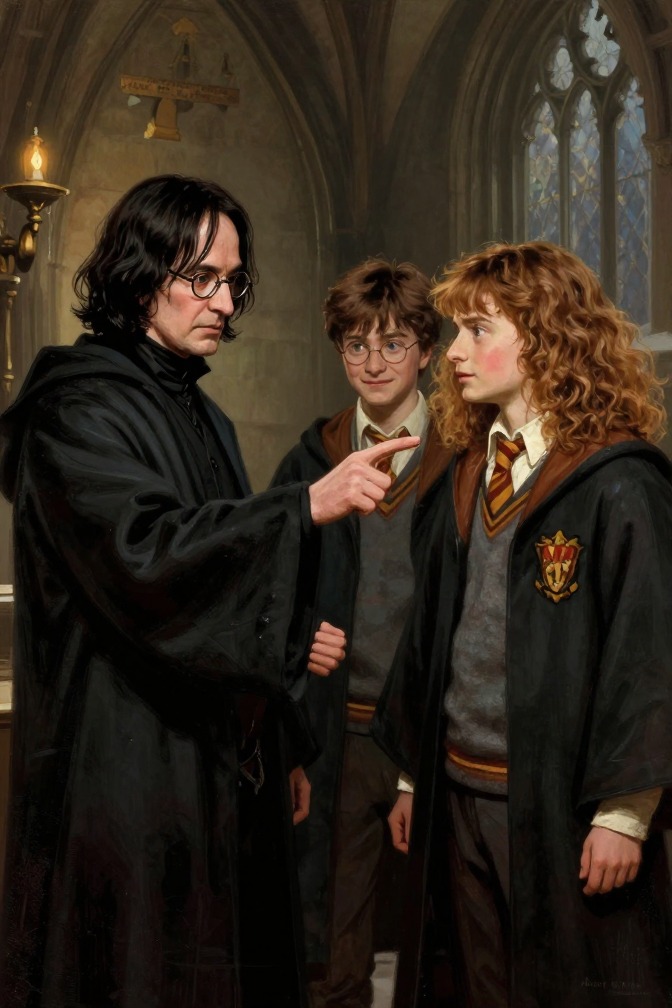
In the Shrieking Shack, Harry, Ron, and Hermione simultaneously disarm and knock out Professor Snape, a desperate act that prevents him from delivering Sirius Black to the Dementors and allows the truth about Peter Pettigrew to be revealed.
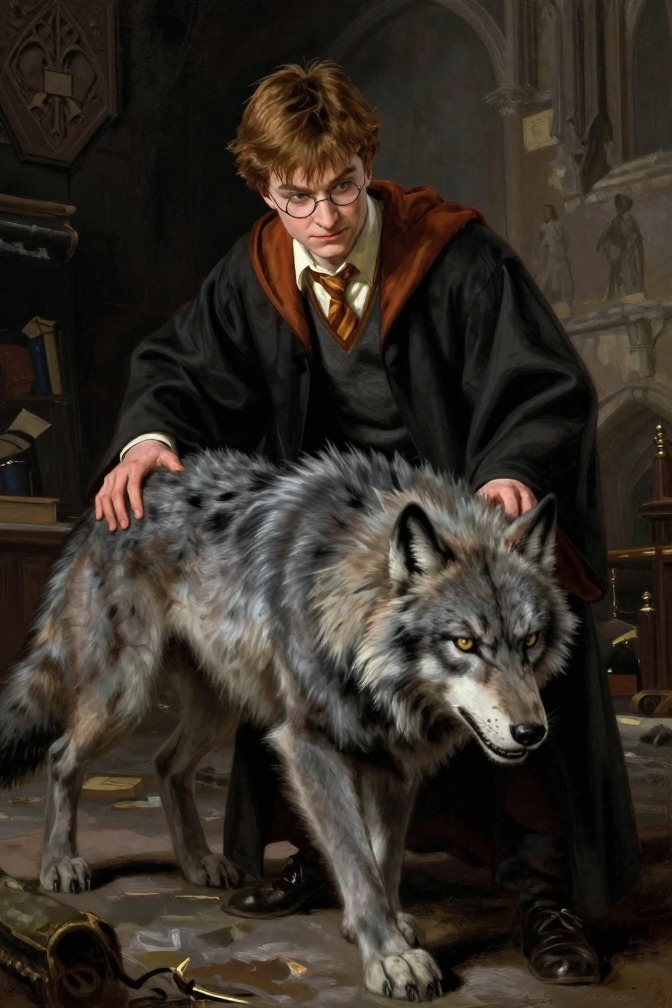
Remus Lupin's transformation into a werewolf under the full moon is the climactic revelation of his hidden identity and the central crisis of the Shrieking Shack confrontation, shattering the trust of Harry, Ron, and Hermione and forcing the truth about Sirius Black's innocence and Peter Pettigrew's survival into the open.
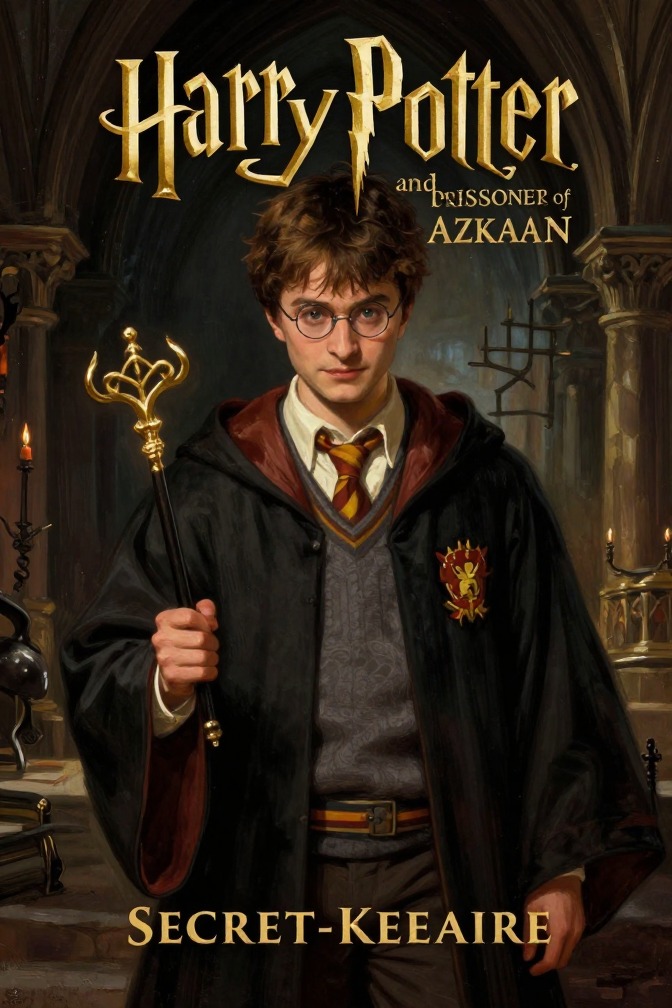
The Secret-Keeper is a central magical concept in the wizarding world, a person entrusted with a secret via the Fidelius Charm, which conceals information within a single living soul, making it impossible to find unless the Secret-Keeper chooses to reveal it. Its most critical role in the story is as the mechanism that was supposed to protect Harry Potter's parents, James and Lily Potter, from Lord Voldemort, but which was fatally betrayed by their chosen Secret-Keeper, Peter Pettigrew, leading to their deaths and setting the entire plot of the third book in motion.
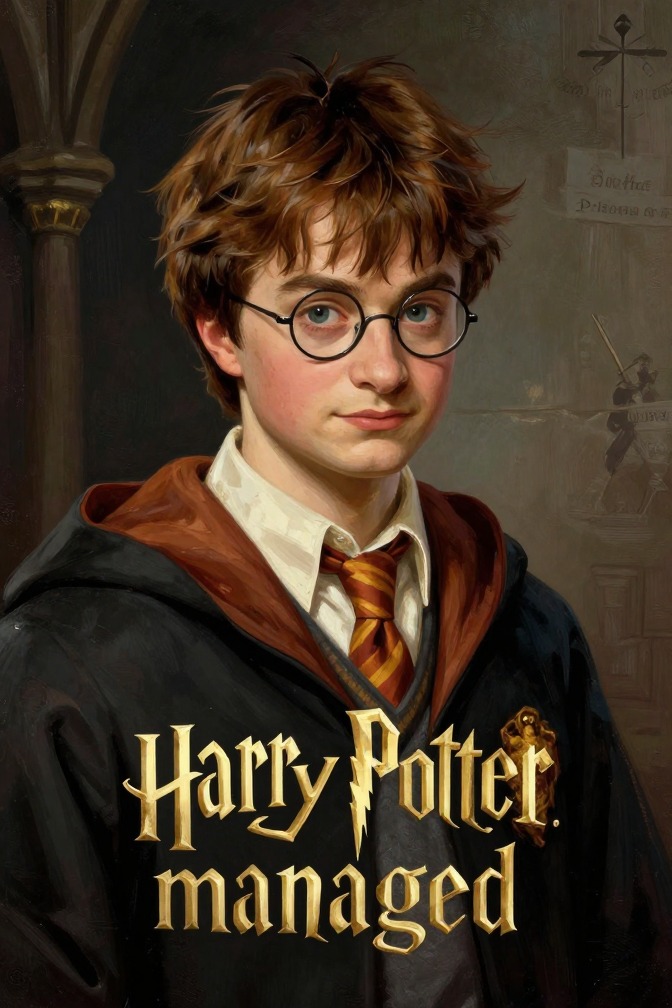
Mischief managed is the deactivation phrase for the Marauder's Map, a magical document that reveals the entire Hogwarts castle and grounds, including the movements of every person within it. Uttered while tapping the parchment with a wand, the phrase instantly erases all the map's ink markings, returning it to the appearance of a blank, innocuous piece of parchment, thereby concealing its true nature from anyone who might confiscate it.
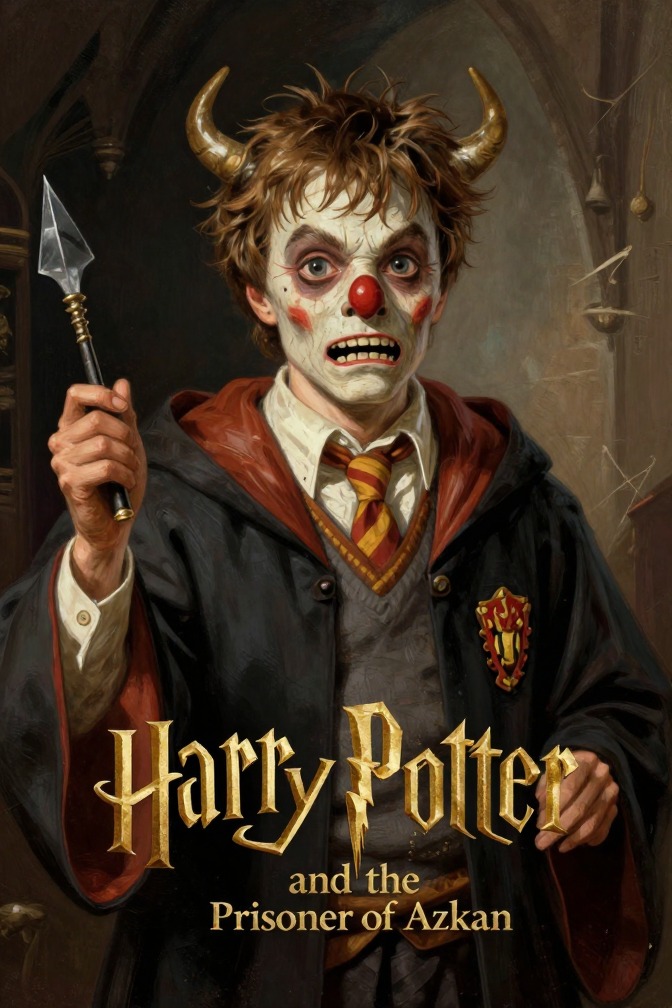
Riddikulus is the incantation for the Boggart-Banishing Charm, a spell taught by Remus Lupin in his third-year Defense Against the Dark Arts class that forces a shape-shifting Boggart to assume a comical form, thereby neutralizing it through laughter.
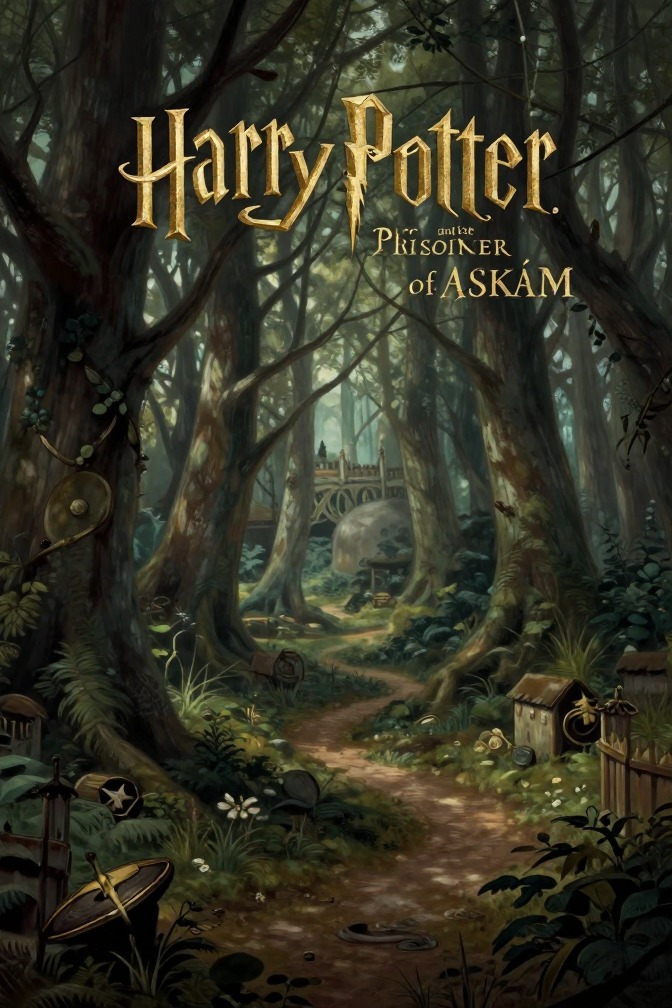
The Forbidden Forest is a dense, dark woodland on the Hogwarts grounds, strictly off-limits to students, that serves as a site of danger, refuge, and magical encounters throughout the story.
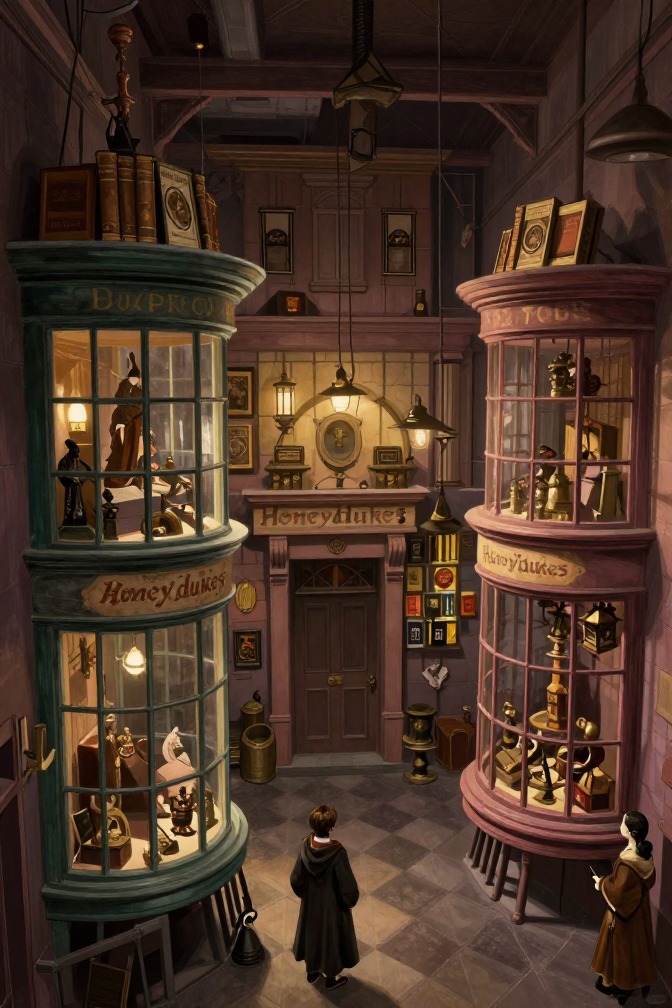
Honeydukes is the premier wizarding sweetshop in Hogsmeade, a destination of intense desire for Hogwarts students and the site of Harry Potter's first illicit visit to the village via the secret passage from Hogwarts Castle.
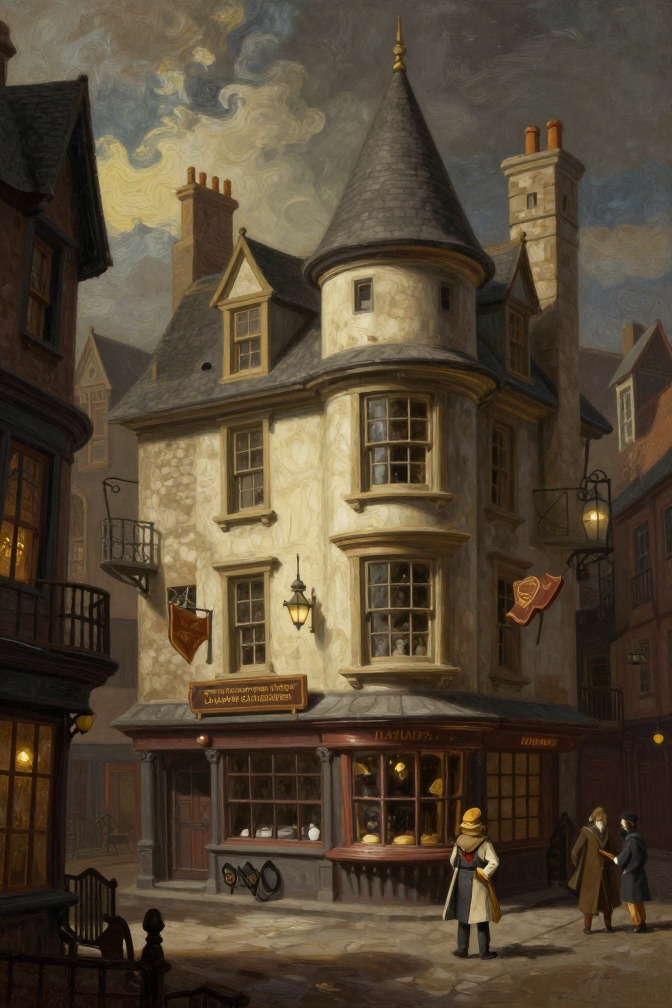
The Leaky Cauldron is a shabby London pub that serves as the concealed gateway between the Muggle world and Diagon Alley, the wizarding shopping district. It becomes Harry Potter's temporary home after he runs away from the Dursleys, offering him his first taste of freedom and a safe haven where he learns the truth about Sirius Black's pursuit of him.
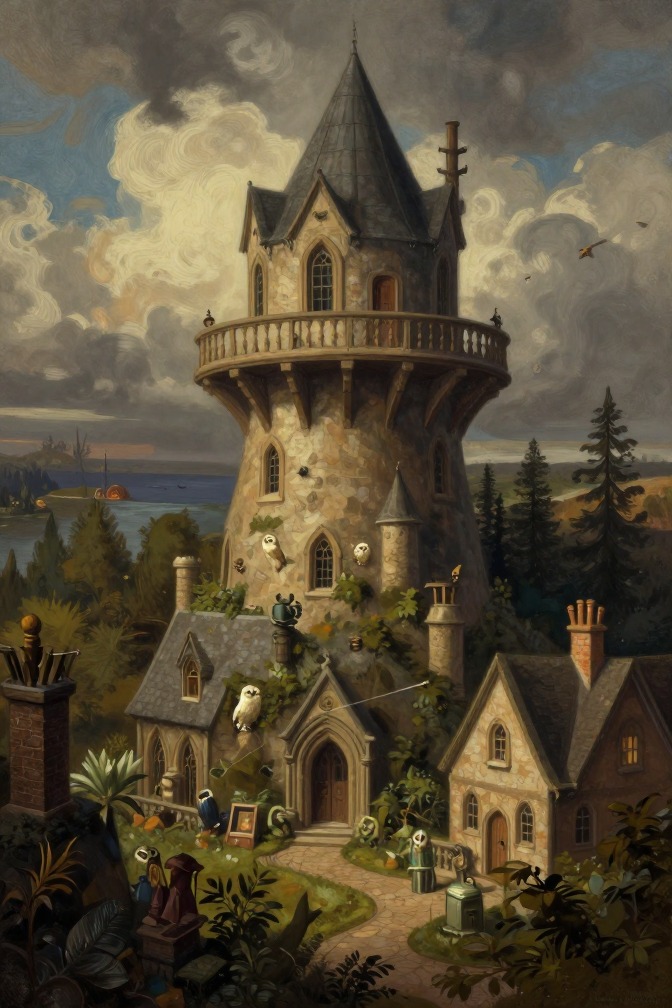
The Owlery is the tower at Hogwarts where the school's owls are housed, serving as the central hub for magical mail delivery and a key location for communication throughout the story.
The Quidditch Pitch is the outdoor stadium at Hogwarts School of Witchcraft and Wizardry where the school's Quidditch matches are played, serving as the central arena for the sport's most dramatic contests and a key site for character conflict, triumph, and crisis throughout the third year.
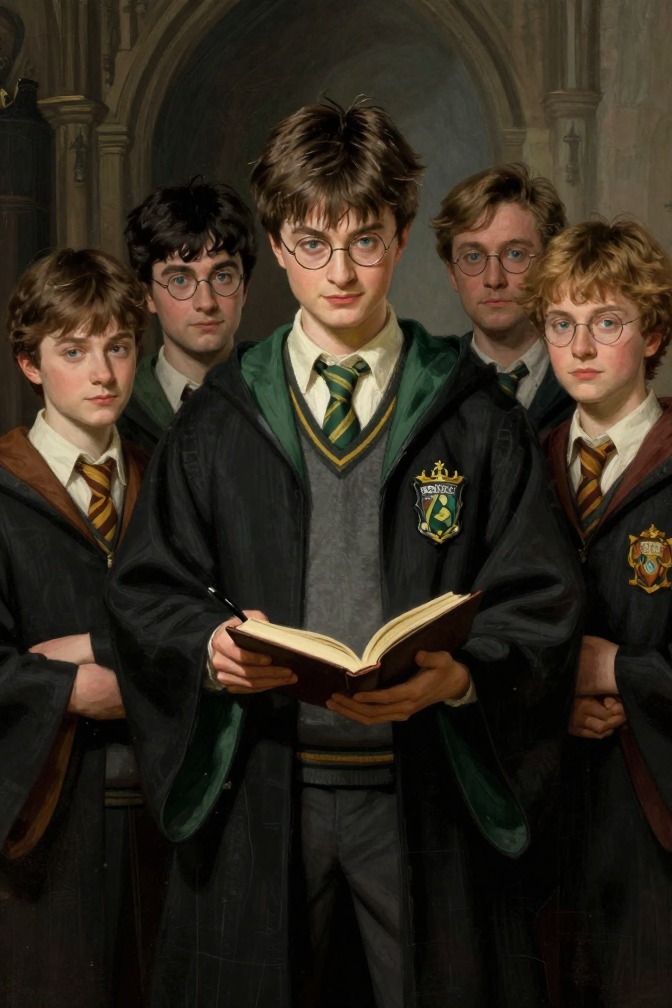
Slytherin is one of the four Houses at Hogwarts School of Witchcraft and Wizardry, traditionally associated with ambition, cunning, and pure-blood supremacy, and serves as the primary rival to Gryffindor throughout the narrative.