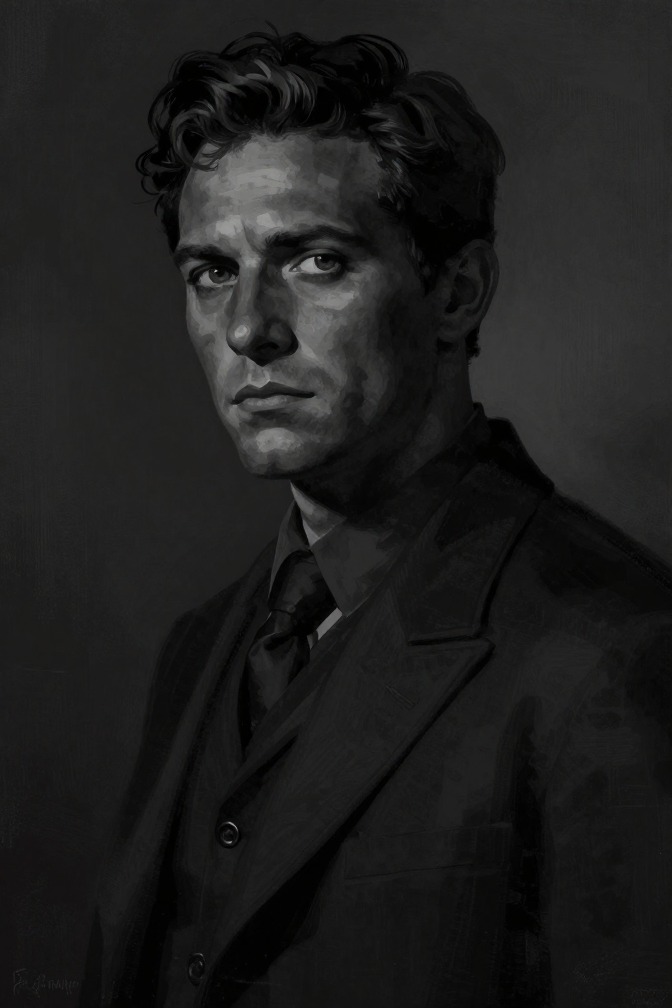
Black is a fireman in the dystopian firehouse of Fahrenheit 451, a silent enforcer who participates in the burning of books and the old woman's house, and who is later knocked unconscious by Montag during his escape.
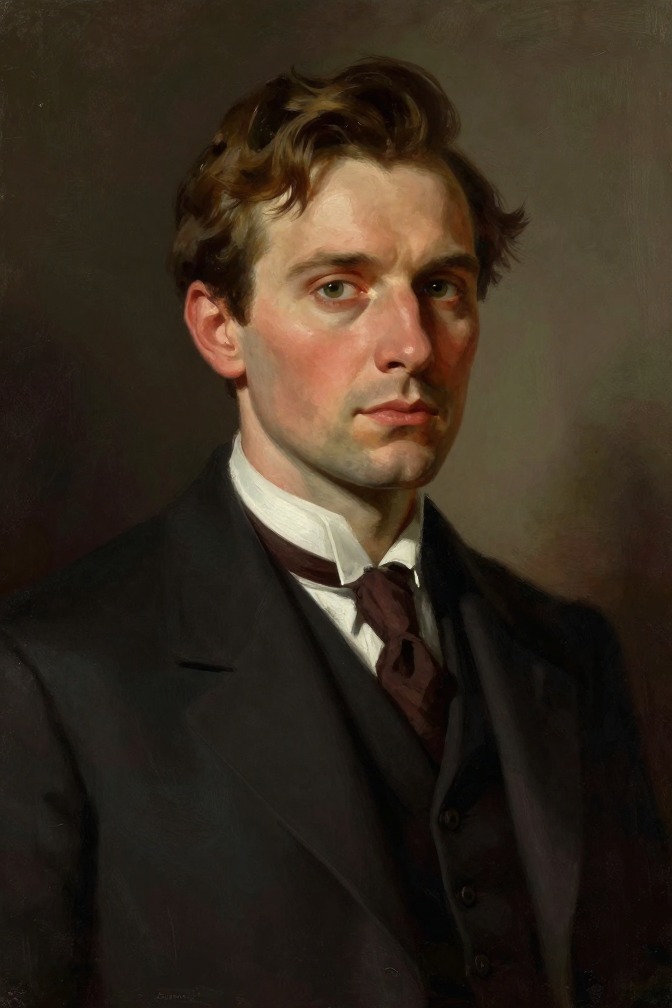
Clarisse McClellan is the seventeen-year-old neighbor whose brief, intense friendship with Guy Montag catalyzes his awakening from a contented fireman into a questioning, rebellious man, making her the moral and emotional catalyst of the novel.
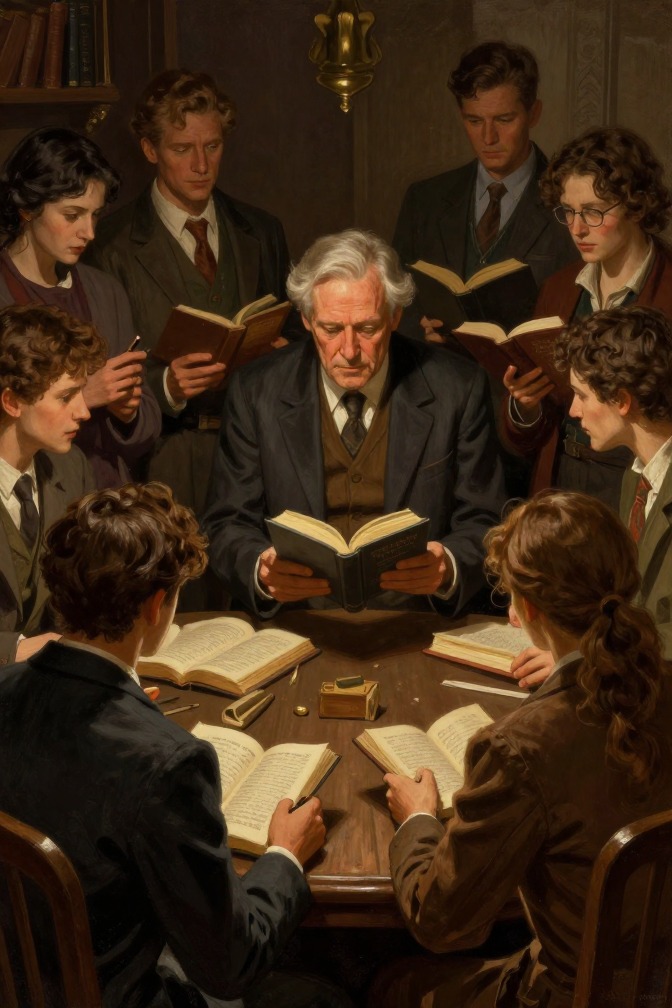
Dr. Simmons is a former UCLA specialist in Ortega y Gasset who, after the collapse of academic freedom, became a wandering book-man, memorizing and preserving Marcus Aurelius's works as part of Granger's group of intellectual refugees.
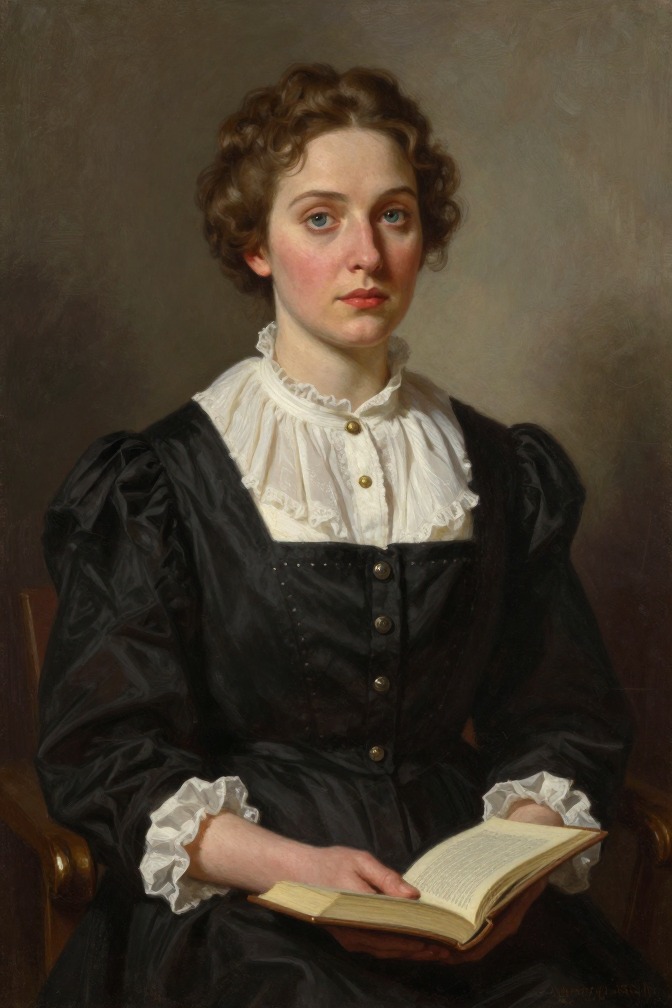
Mrs. Phelps is a minor character in Fahrenheit 451 who embodies the emotional emptiness and social conformity of the novel's dystopian society. Her brief but significant appearance—particularly her uncontrollable weeping during Montag's reading of Matthew Arnold's "Dover Beach"—exposes the suppressed grief and psychological void beneath the culture's enforced cheerfulness, making her a crucial index of the cost of a bookless world.
Professor West is a minor but symbolically significant character in Fahrenheit 451, a former Columbia University ethics professor who, after losing his academic position, joins Granger's wandering community of book-people and becomes a living repository of philosophical knowledge.
Montag, fleeing after killing Captain Beatty, must cross a ten-lane boulevard under police searchlights, a harrowing passage that tests his nerve and nearly kills him, marking his final break from the city and his old life.
After escaping the city and the Mechanical Hound, Guy Montag stumbles upon a campfire in the wilderness where he meets Granger and a group of intellectual wanderers who have preserved books by memorizing them, an encounter that transforms him from a hunted fugitive into a member of a community dedicated to safeguarding human knowledge for a future rebuilding.
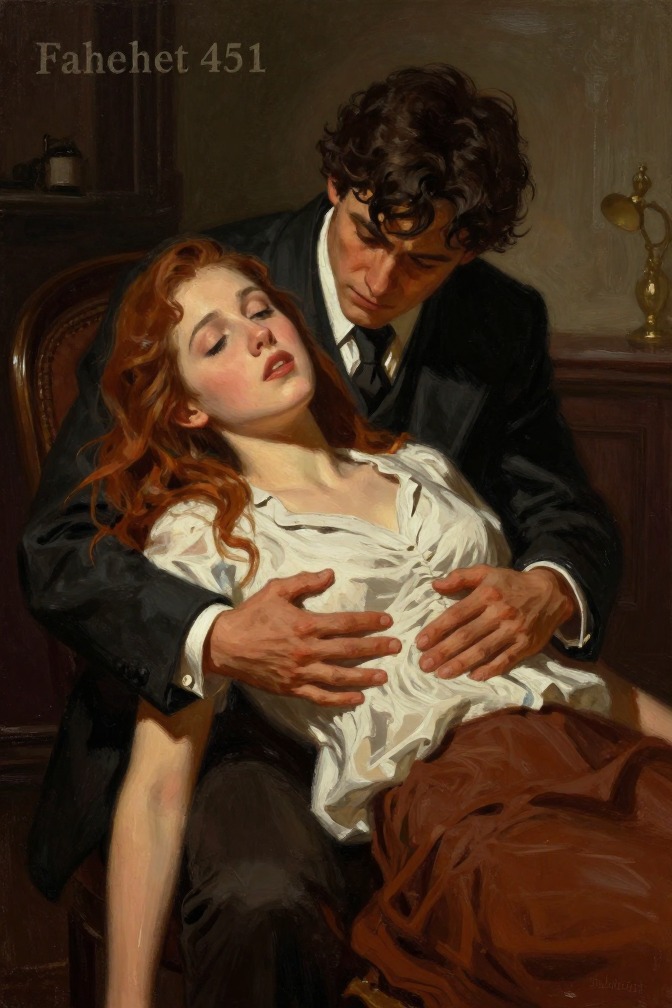
Mildred's overdose is the pivotal domestic crisis that shatters Guy Montag's complacency and exposes the profound emptiness at the heart of his marriage and his society. Returning home after his first unsettling conversation with Clarisse McClellan, Montag discovers his wife has swallowed an entire bottle of sleeping pills. The cold, mechanical response of the two uncaring technicians who pump her stomach and replace her blood with a fresh supply reveals a world where human life has been reduced to a routine, disposable procedure. This event forces Montag to confront his own unhappiness and sets him on the path toward questioning his role as a fireman and the values of his civilization.
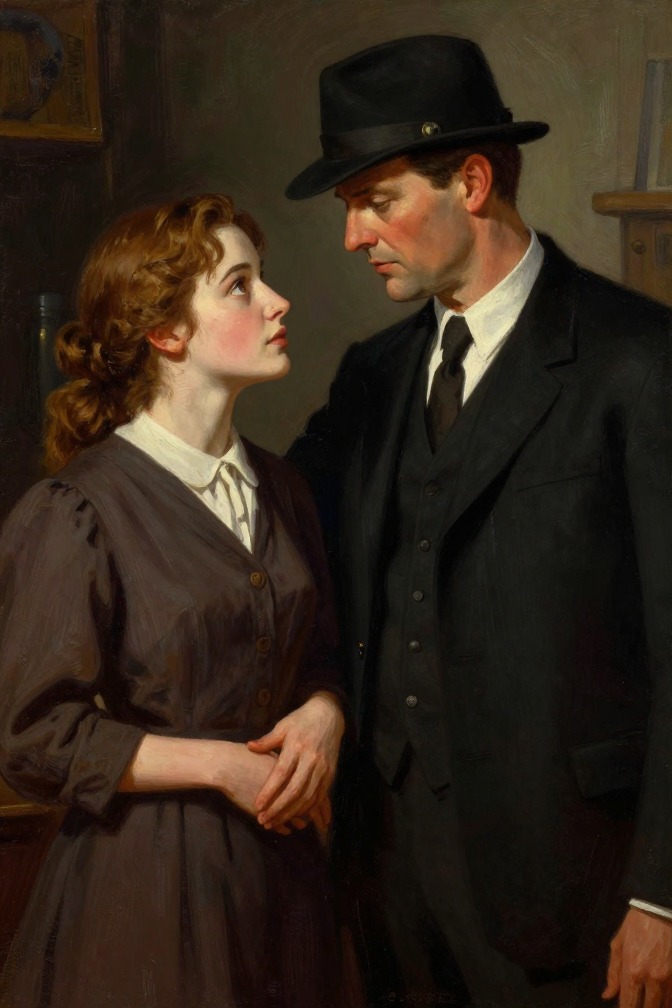
Montag meets Clarisse McClellan is the pivotal first encounter that shatters fireman Guy Montag's unexamined contentment and sets him on a path of questioning, rebellion, and eventual transformation. On a moonlit autumn night, the seventeen-year-old neighbor's relentless curiosity, her simple questions about happiness and the past, and her refusal to be intimidated by his profession force Montag to confront the emptiness of his marriage, his work, and his soul, initiating the psychological crisis that drives the entire novel.
The Reading of Dover Beach is a pivotal event in Fahrenheit 451 in which Guy Montag, in a desperate act of defiance, reads Matthew Arnold's poem aloud to his wife Mildred and her friends, Mrs. Phelps and Mrs. Bowles, triggering an emotional breakdown and exposing the profound emptiness of their society.
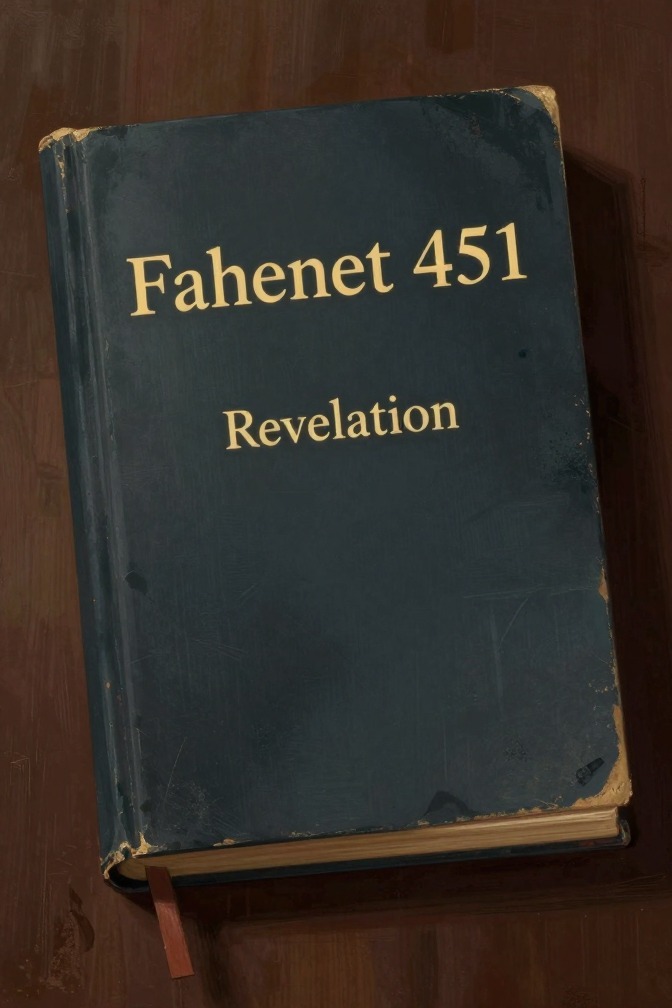
Revelation is the final book of the Christian Bible, which Montag steals from a burning house and attempts to memorize during his flight from the firemen; its closing vision of a tree of life whose leaves heal the nations becomes the last words he carries into the post-war dawn, symbolizing the possibility of renewal after destruction.
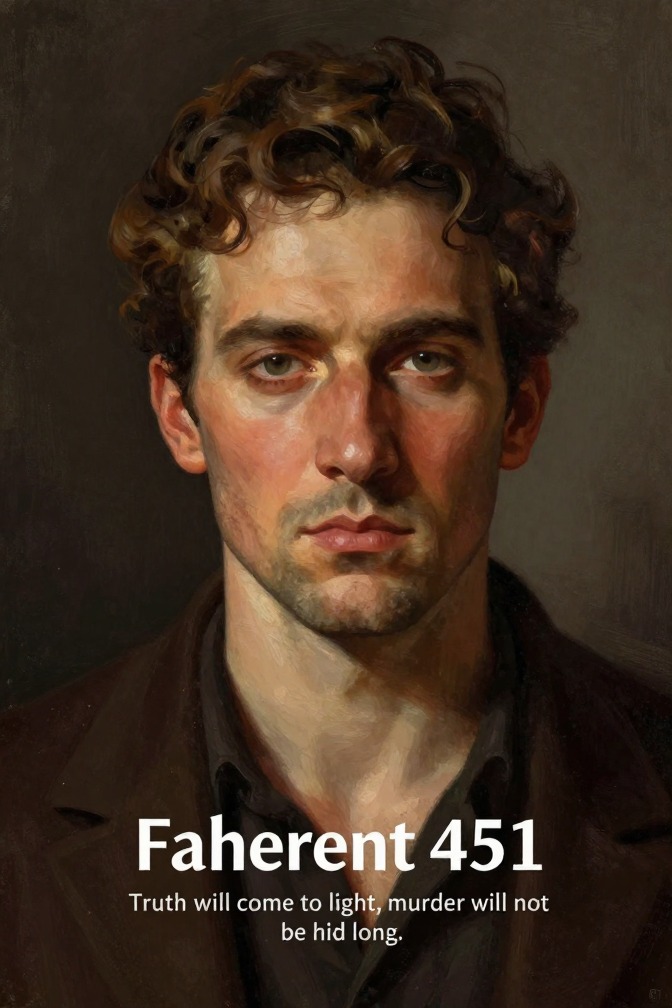
The proverb "Truth will come to light, murder will not be hid long" is a key quotation deployed by Captain Beatty in his psychological duel with Guy Montag, serving as a weapon of intellectual intimidation rather than a statement of moral conviction. Its appearance crystallizes the novel's central conflict between the oppressive regime's cynical manipulation of knowledge and the protagonist's desperate search for authentic meaning.
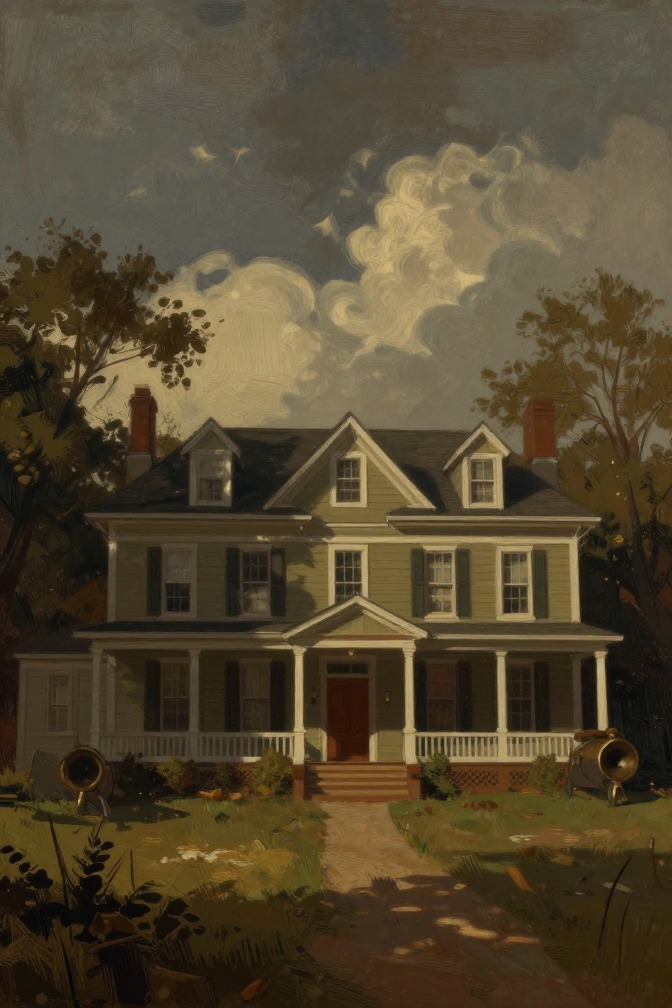
Montag's house is the central domestic setting of Fahrenheit 451, the site where the protagonist's marriage, his wife's overdose, his hidden books, and his final confrontation with his former life all unfold before it is burned down by Montag himself under Captain Beatty's orders.
The Sky Room of the Hotel Lux is a location that appears only briefly in the final pages of Fahrenheit 451, serving as the setting for a televised announcement that falsely declares the death of Guy Montag, thereby exposing the media's willingness to manufacture a satisfying conclusion for its audience rather than admit the failure of the manhunt.
The back yard of Montag's house is a private, liminal space where he hides books, confronts his own transformation, and ultimately loses everything to fire.
The bank is a minor but symbolically significant location in Fahrenheit 451, appearing as a fully automated, robot-staffed institution that operates around the clock, embodying the novel's themes of technological convenience, emotional emptiness, and the commodification of human life.
The brass pole is the central vertical axis of the firehouse, a golden or brass sliding pole that connects the upper living quarters to the ground floor apparatus bay. It is the primary means of rapid descent for the firemen, and its use is a recurring ritual that marks the transition from idle waiting to urgent action. The pole is also a site of personal significance for Guy Montag, reflecting his changing relationship with his profession and his growing alienation from the firemen's world.
The campfire is a central symbol in the novel's final section, representing a fundamental redefinition of fire from a tool of destruction to a source of warmth, community, and the preservation of knowledge. It is around this fire that Montag meets Granger and the other book people, who have memorized entire texts to keep them alive, and where he begins to understand his new role as a living book.
The Car Wrecker place is a recreational facility in the dystopian society of Fahrenheit 451 where citizens, particularly young people, can vent aggression by destroying automobiles with a large steel ball, reflecting the culture's emphasis on violent, mindless entertainment.
The drop-hole is the central vertical passage in the firehouse, a brass pole that firemen slide down to reach the ground floor from their upper-level quarters. It serves as a threshold between the firemen's private, reflective space and the public, action-oriented world of alarms and burning, and becomes a site of tension and self-consciousness for Montag as his loyalties shift.
The incinerator (house) is a domestic appliance in the Montag household that serves as a symbol of the society's systematic destruction of knowledge and the personal conflicts that arise when that system is challenged.
The phone booth is a minor but symbolically charged location in Fahrenheit 451, serving as the site where Montag makes a crucial phone call to Faber and later plants a false alarm to incriminate a fellow fireman, marking his transition from passive fireman to active saboteur.
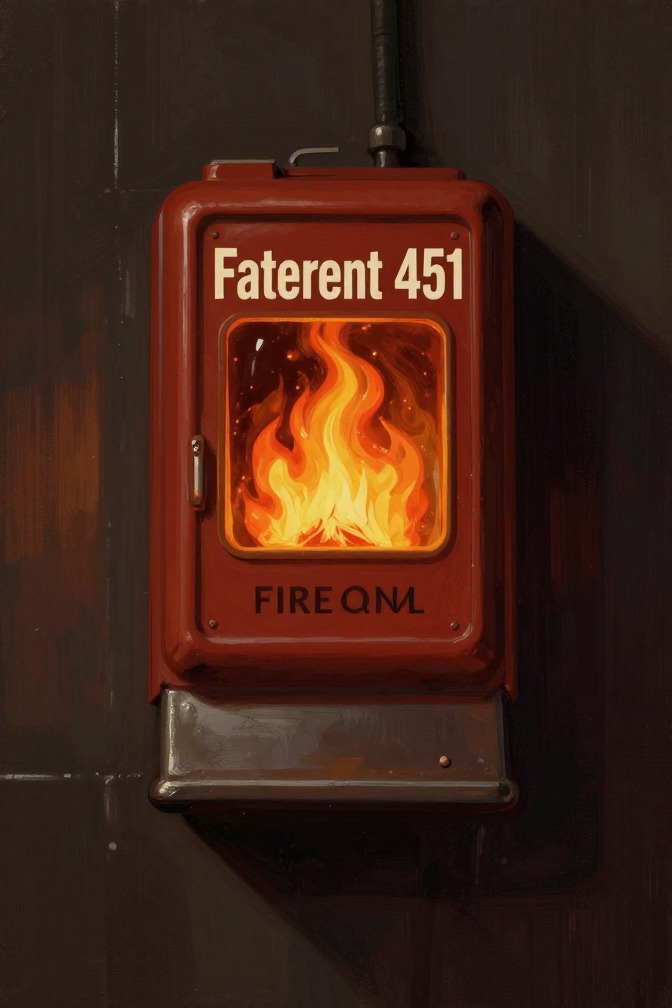
The Fire Alarm is the central triggering mechanism of Fahrenheit 451, a system that summons the firemen to burn books and, in the novel's climax, is used to betray Montag, transforming the device from a tool of state control into an instrument of personal destruction.
Helicopters in Fahrenheit 451 are the primary instruments of aerial surveillance and pursuit, transforming the manhunt for Guy Montag into a citywide media spectacle and ultimately delivering the bombs that annihilate the city.
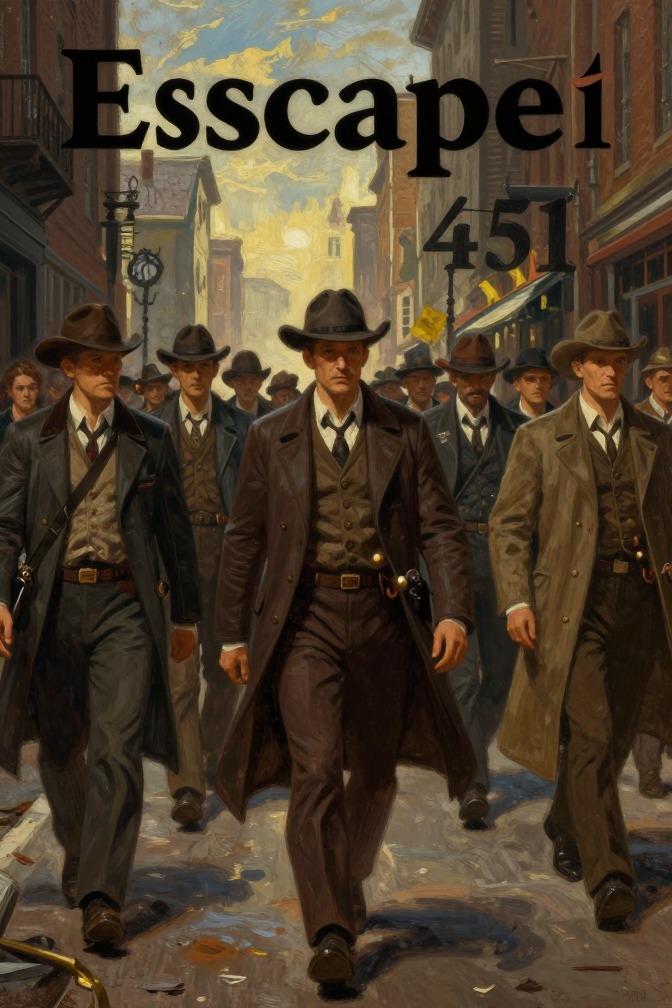
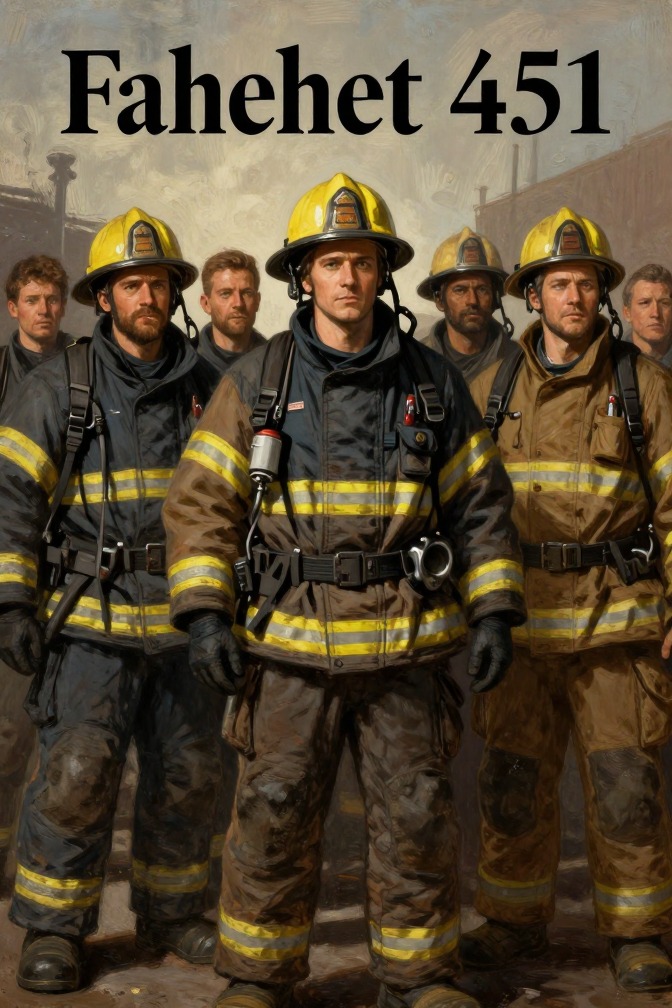
The Firemen (Fire Department) in Fahrenheit 451 are the state's official censors and enforcers of intellectual conformity, transformed from historical fire-suppressors into arsonists who burn books and the homes that harbor them. Led by Captain Beatty, they operate under a fabricated history tracing their origins to Benjamin Franklin and the year 1790, and they enforce a set of five rules that mandate swift, total destruction. The organization is a central instrument of the dystopian society's suppression of dissent, but it ultimately becomes the target of Montag's rebellion and the symbolic focus of the book people's plan to sow seeds of doubt.
Guy Montag and Professor Faber form a mentor-student relationship that becomes the intellectual and moral backbone of Montag's transformation from a compliant fireman into a seeker of knowledge and, ultimately, a keeper of books. Faber, a retired English professor living in fear, provides Montag with the critical framework to understand what books offer—quality, leisure, and the right to act—and equips him with a two-way radio that allows Faber to guide him through the dangerous final hours of his old life. Their bond, forged in a park a year before the novel's main events and rekindled at a moment of crisis, represents the transmission of endangered knowledge from one generation to the next and the courage that can arise when an isolated individual dares to reach out to another.
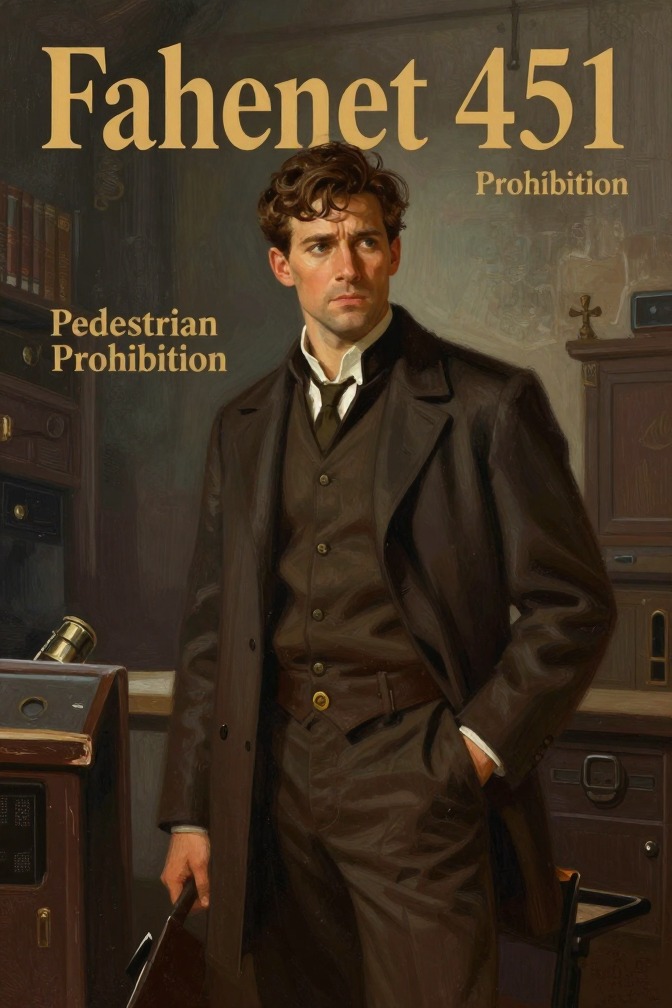
The Pedestrian Prohibition is a law in the dystopian society of Fahrenheit 451 that criminalizes walking as a mode of transportation, reflecting the regime's control over leisure, thought, and social interaction.
The resurrected Gage Creed murders his mother Rachel in Jud Crandall's upstairs hallway, using a scalpel stolen from Louis's medical bag, in a scene that collapses the novel's central horror into a single, intimate act of familial destruction.
The resurrected Gage Creed murders Jud Crandall in his kitchen at dawn, using a scalpel stolen from Louis's medical bag, after the old man fails to stop the child's reanimated corpse from entering his house.
Jud Crandall leads Louis Creed on a night hike to the Micmac burying ground beyond the Pet Sematary, where they bury Louis's daughter's cat, Church, in a ritual that initiates Louis into the forbidden power of the place.