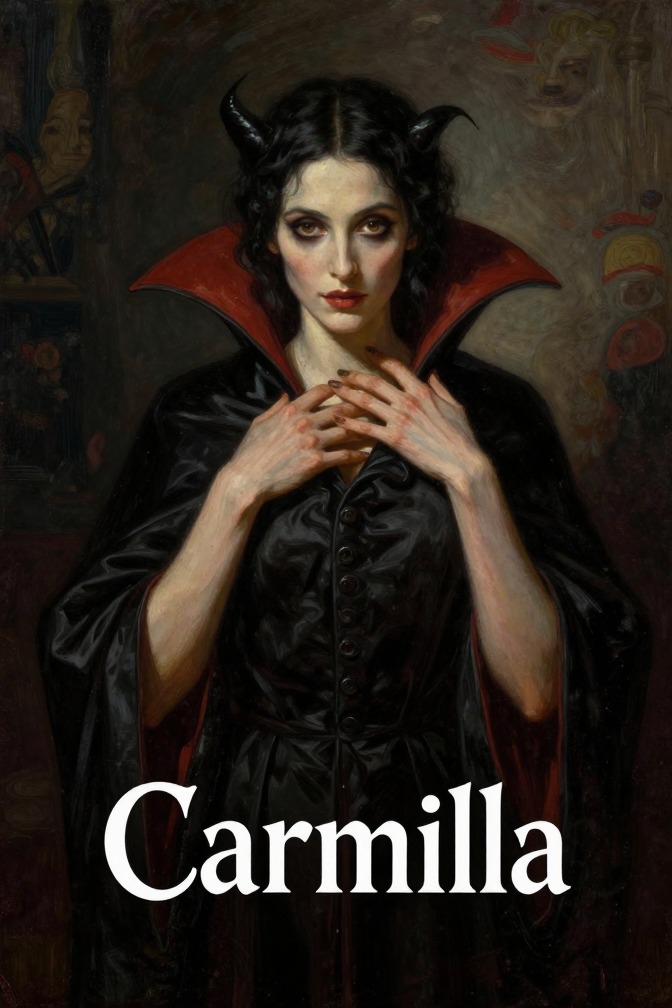
Vampirism in Sheridan Le Fanu's *Carmilla* is presented not as a mere superstition but as a meticulously documented, legally adjudicated, and physically manifested condition with specific symptoms, behaviors, and a defined lifecycle, supported by scholarly research and official records.
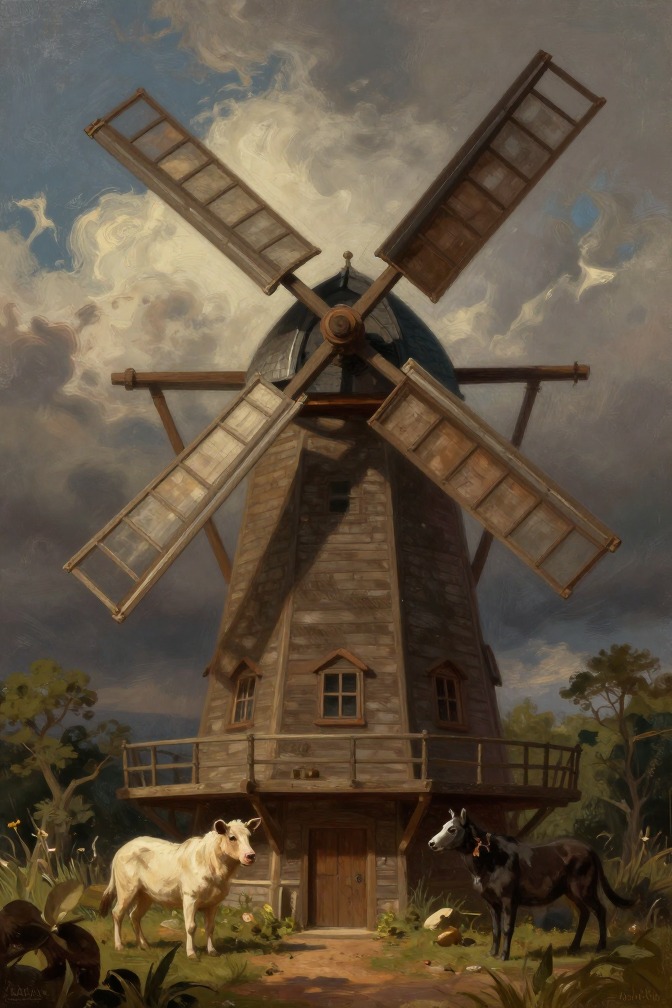
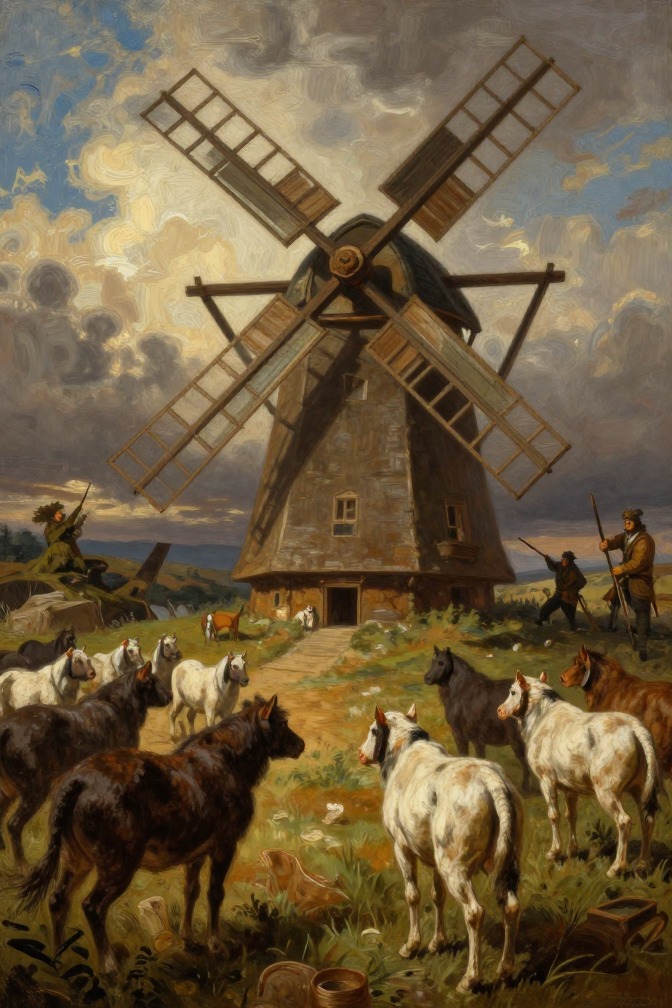
The Windmill Project is the central, multi-year construction effort on Animal Farm that begins as Snowball's visionary scheme for electrification and labor-saving, becomes a symbol of the pigs' broken promises and the animals' exploited labor, and ends as a purely commercial mill that enriches the pigs while the other animals remain hungry and overworked.
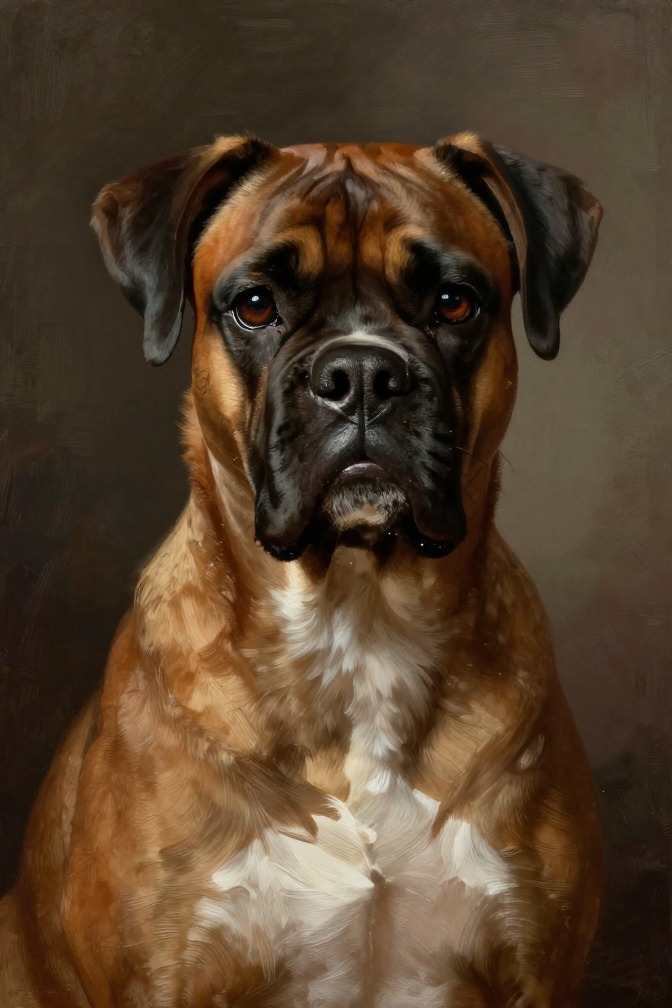
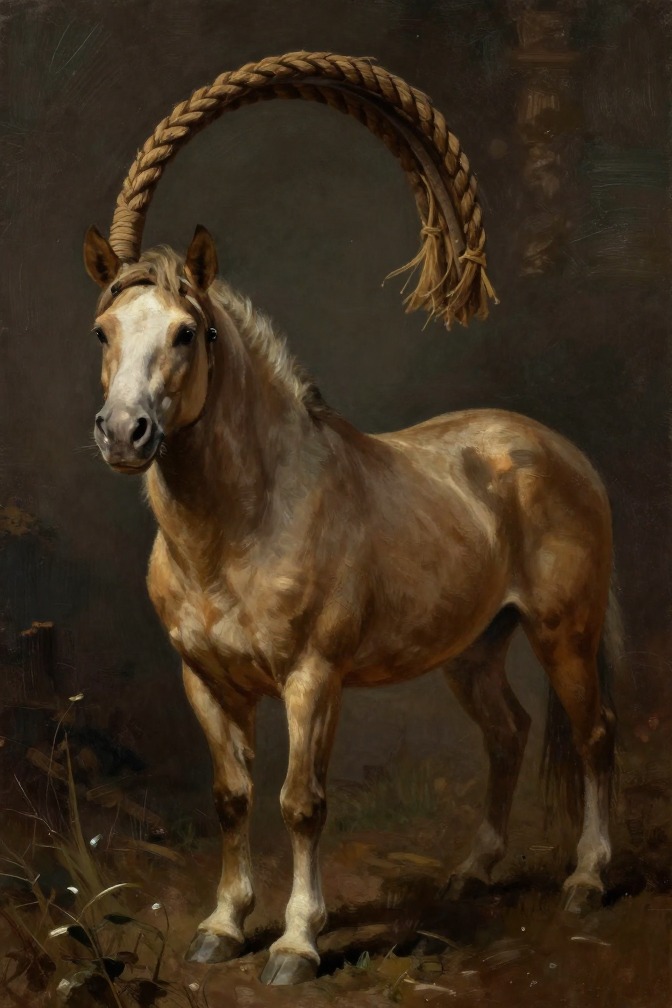
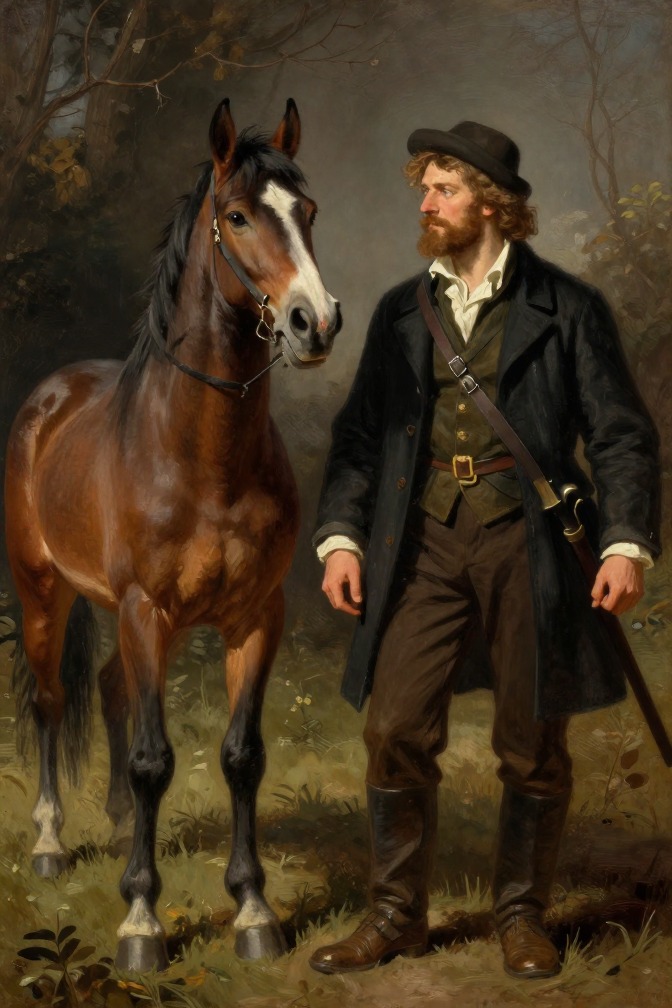
Boxer, the enormous and loyal cart-horse, is the embodiment of unwavering dedication and physical strength on Animal Farm, whose tragic fate reveals the brutal exploitation and betrayal at the heart of the pigs' regime.
Clover is a stout, motherly mare who serves as the moral center of Animal Farm, embodying the initial ideals of the Rebellion and the quiet, growing disillusionment as those ideals are betrayed.
Mr. Frederick is the shrewd, ruthless owner of Pinchfield Farm, a neighboring farm to Animal Farm, who serves as a key antagonist through his cunning business dealings and violent military attack.
Mr. Jones, the original human owner of Manor Farm, is a drunken, neglectful farmer whose incompetence and cruelty provoke the animal rebellion that establishes Animal Farm, and whose fate—dying forgotten in an inebriates' home—marks the complete erasure of the old order.
Snowball is a young boar who, alongside Napoleon, becomes a leader of the Animal Farm rebellion, but is expelled by Napoleon's dogs and transformed into a scapegoat for all the farm's misfortunes.
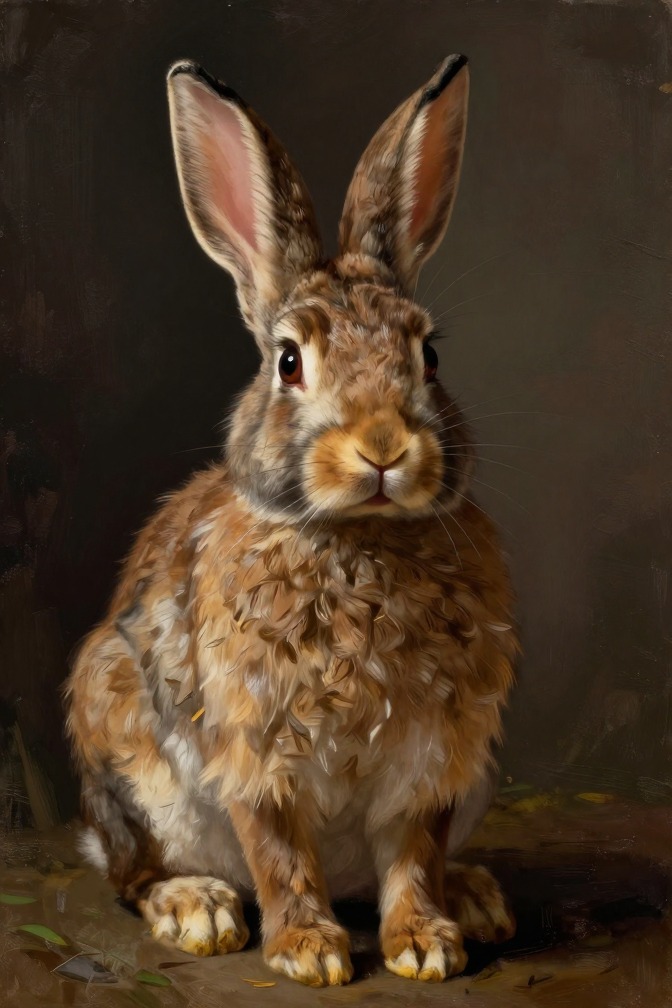
Rabbits are wild creatures on Animal Farm whose status as comrades is formally established by a vote during Old Major's speech, and who later become subjects of a failed re-education program and are repeatedly invoked as allies of the traitor Snowball.
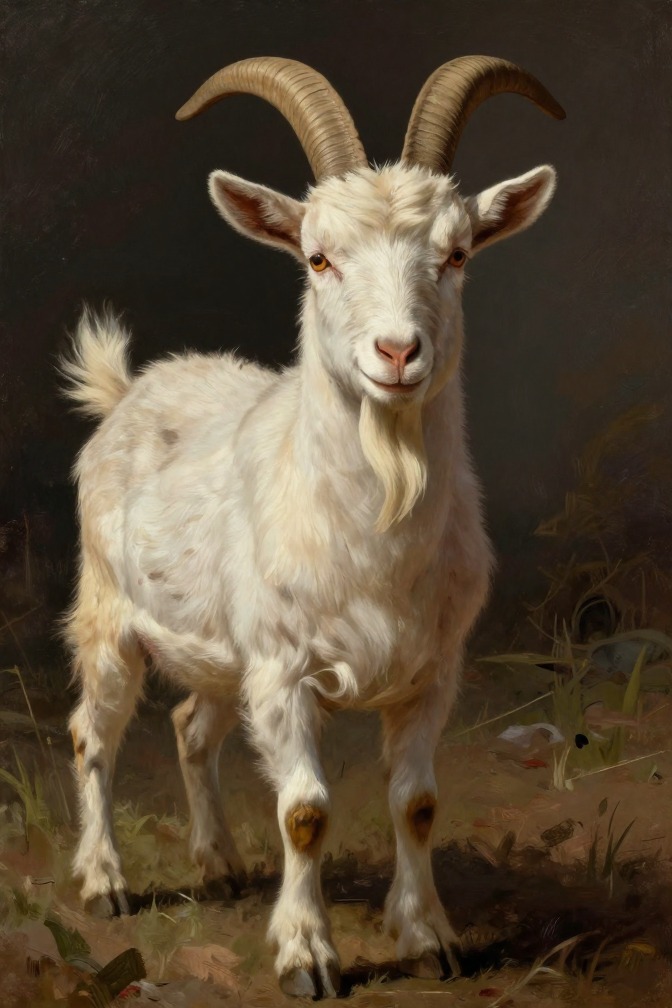
The goat is a minor but recurring presence on Animal Farm, appearing in several key scenes that illustrate the collective life of the animals and the gradual erosion of the original revolutionary ideals.
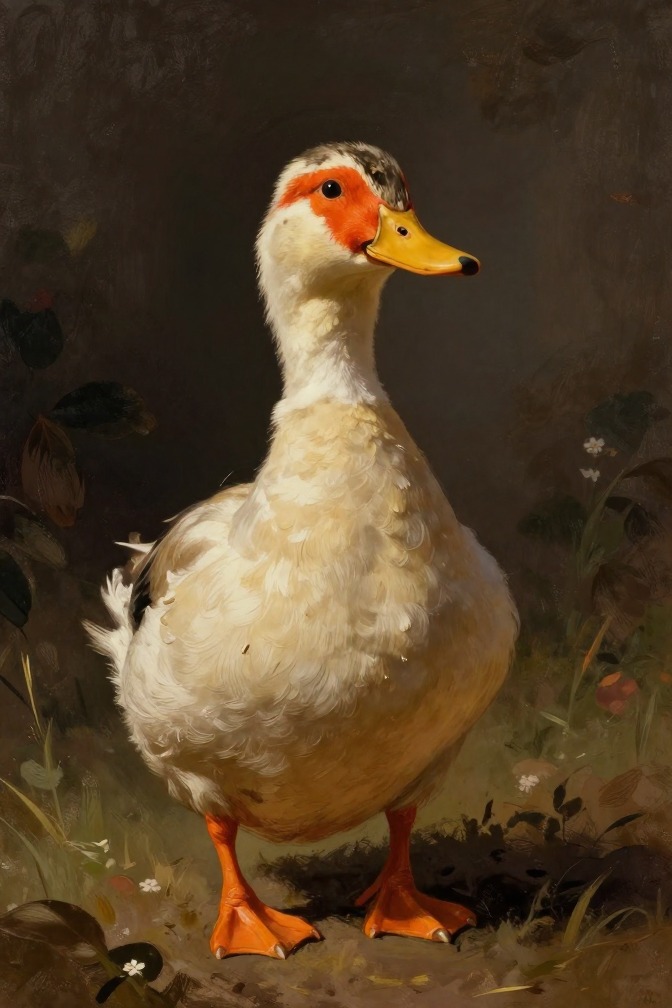
The ducks are a minor but persistent presence on Animal Farm, appearing in scenes that span from the earliest days of the Rebellion through the final years of the pigs' tyranny. They are among the humblest of the farm's creatures, yet their appearances—as lost ducklings, as diligent harvesters, as hungry observers of the pigs' privileges, and as silent witnesses to the regime's final transformation—serve as a quiet index of the farm's moral and material decline. Their story is one of marginality, labor, and the slow erosion of the revolutionary promise.
The Battle of the Windmill is the second and far more destructive military engagement between the animals of Animal Farm and the human forces of Mr. Frederick of Pinchfield Farm, occurring shortly after Frederick's fraudulent purchase of the farm's timber. Unlike the swift and triumphant Battle of the Cowshed, this battle is a savage, costly affair that results in the complete demolition of the windmill by explosives, the deaths of several animals, and the revelation that the pigs' leadership has led the farm into a cycle of exhausting reconstruction and ideological betrayal.
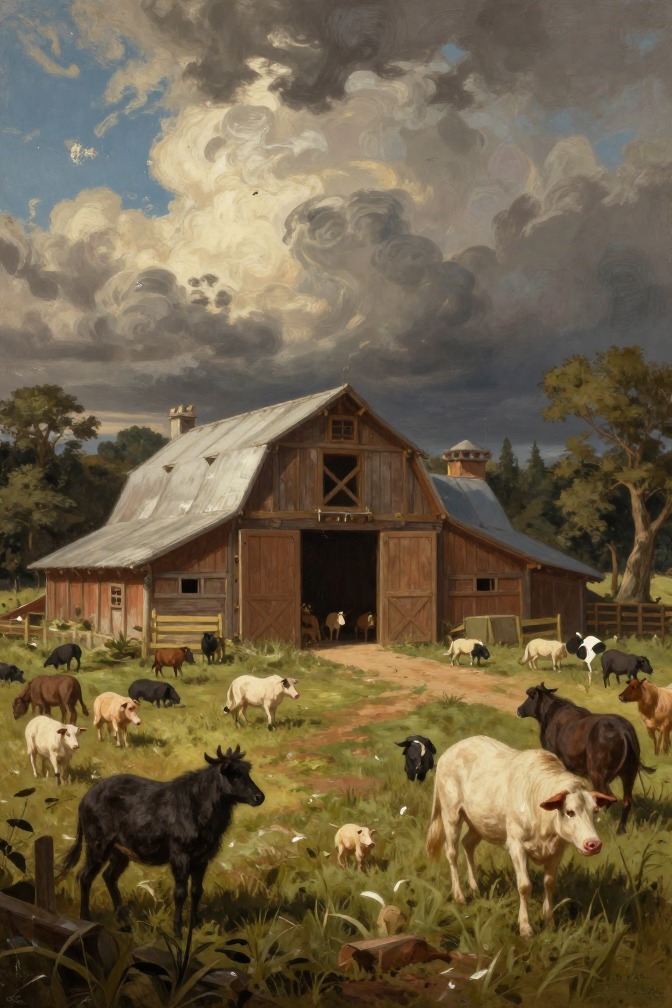
The Big Barn is the central gathering space on Animal Farm, serving as the site of Old Major's revolutionary speech, the weekly Meetings, the inscription of the Seven Commandments, and the violent expulsion of Snowball, making it the symbolic and literal heart of the farm's political life and its transformation from democratic assembly to authoritarian spectacle.
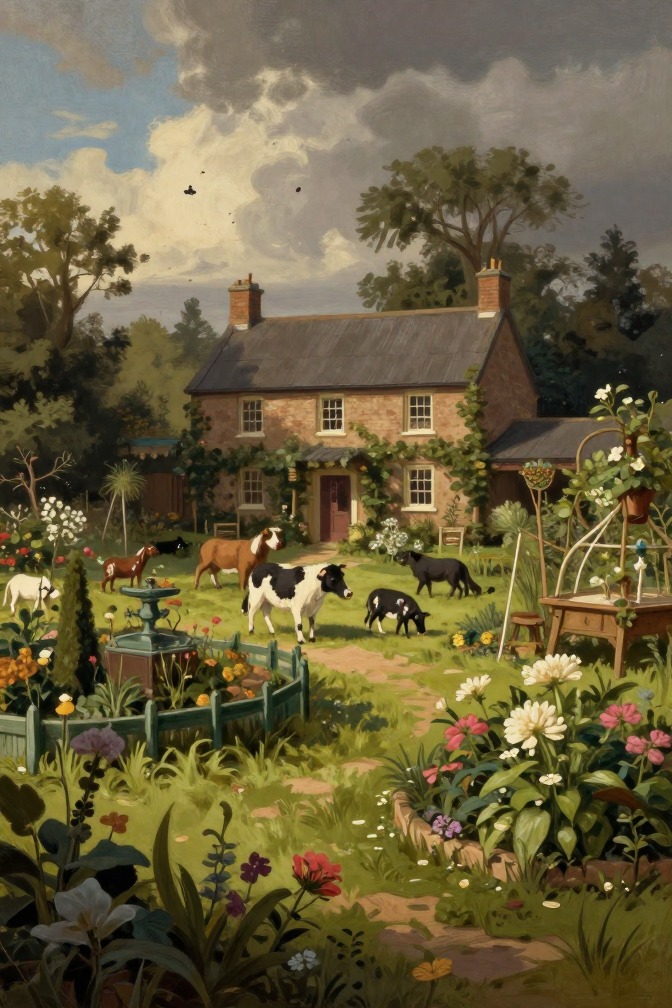
The Farmhouse Garden is the enclosed plot of land attached to the farmhouse on Animal Farm, a space that evolves from a site of revolutionary ceremony and agricultural planning into a stage for the pigs' final, complete assumption of human habits and identity.
The whip is a recurring object in Animal Farm that symbolizes the pigs' gradual adoption of human tyranny, transforming from a tool of Mr. Jones's oppression into an instrument of Napoleon's rule, ultimately marking the complete betrayal of the Rebellion's ideals.
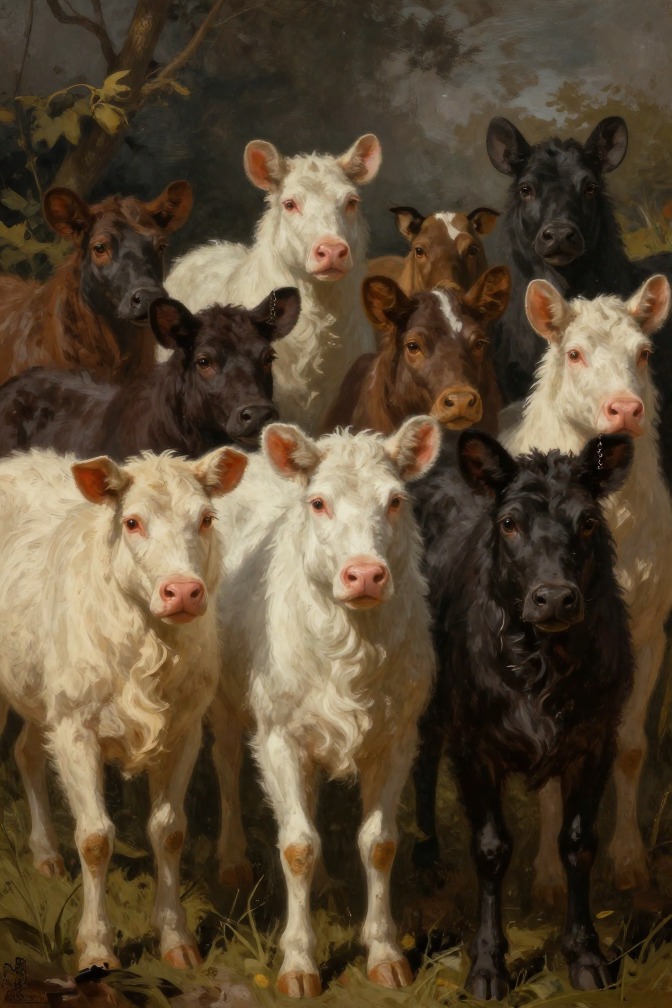
The Clean Tails League was one of the Animal Committees organized by Snowball in the early days of Animal Farm, intended to promote cleanliness among the cows, but it ultimately failed like most of Snowball's projects, reflecting the broader decline of revolutionary ideals.
The friendship between Benjamin and Boxer is one of the few genuine, unspoken bonds of loyalty and affection on Animal Farm, a quiet counterpoint to the farm's escalating tyranny. Benjamin, the cynical, taciturn donkey, is devoted to the powerful but simple-minded horse Boxer, and this devotion is expressed through silent companionship, protective care, and a shared, wordless understanding that endures until Boxer's tragic death.
The rivalry between Napoleon and Snowball is the central political conflict of Animal Farm, a struggle for power and ideological direction that determines the fate of the farm. From the earliest days of the Rebellion, the two pigs clash over every major decision, with Snowball advocating for windmills, committees, and education while Napoleon maneuvers to consolidate absolute control, ultimately expelling his rival through violence and rewriting history to brand him a traitor.
The relationship between Napoleon and the dogs is the central mechanism of authoritarian control on Animal Farm, transforming the puppies he seizes after the hay harvest into a private guard that enforces his rule, silences dissent, and ultimately makes him indistinguishable from a human tyrant.
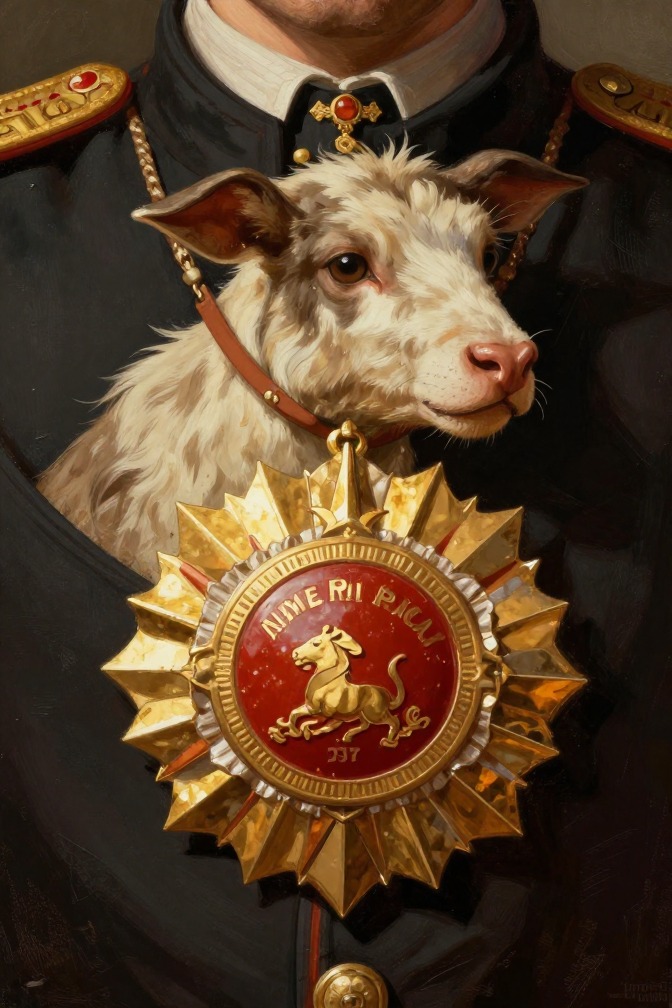
The Animal Hero medal system is a military decoration created by the animals of Animal Farm to recognize bravery and service in battle, initially awarded to Snowball and Boxer after the Battle of the Cowshed, but later corrupted by Napoleon into a tool of self-aggrandizement and political control.
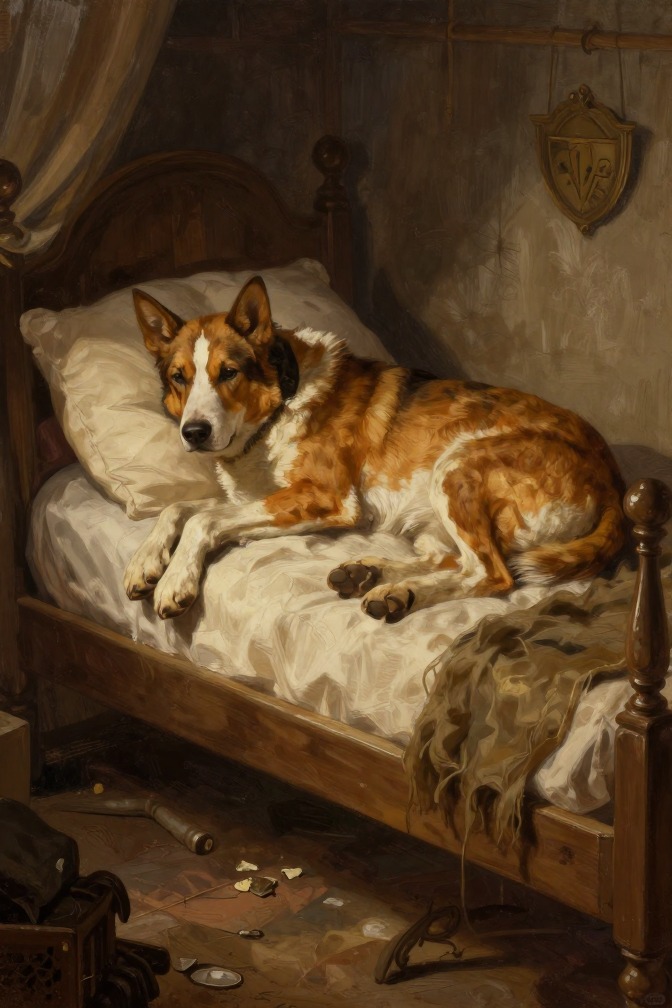
The Fourth Commandment, originally inscribed as "No animal shall sleep in a bed," is one of the Seven Commandments of Animalism, established after the Rebellion to prohibit the pigs from adopting human habits. Over time, it is quietly amended to "No animal shall sleep in a bed with sheets," allowing the pigs to occupy the farmhouse beds while maintaining the appearance of adherence to the law, illustrating the erosion of revolutionary principles.
The abolition of 'Beasts of England' is a decisive act of ideological suppression on Animal Farm, marking the completion of the Rebellion's narrative and the consolidation of Napoleon's totalitarian control by silencing the song that embodied the animals' revolutionary hope.
The Fifth Commandment, originally inscribed as "No animal shall drink alcohol," is one of the Seven Commandments that form the unalterable law of Animal Farm. Over the course of the story, the commandment is quietly amended to "No animal shall drink alcohol TO EXCESS," a modification that allows the pigs to indulge in whisky and beer while maintaining the appearance of adherence to the original principle. This alteration exemplifies the pigs' systematic rewriting of the farm's founding laws to justify their own privileges and consolidate power.
The Retiring age for animals was a policy established in the early days of Animal Farm, promising old-age pensions and a dignified retirement for animals who had served the farm. It was never implemented, and the promise was quietly abandoned as the pigs consolidated their power and prioritized their own comfort over the welfare of the other animals.
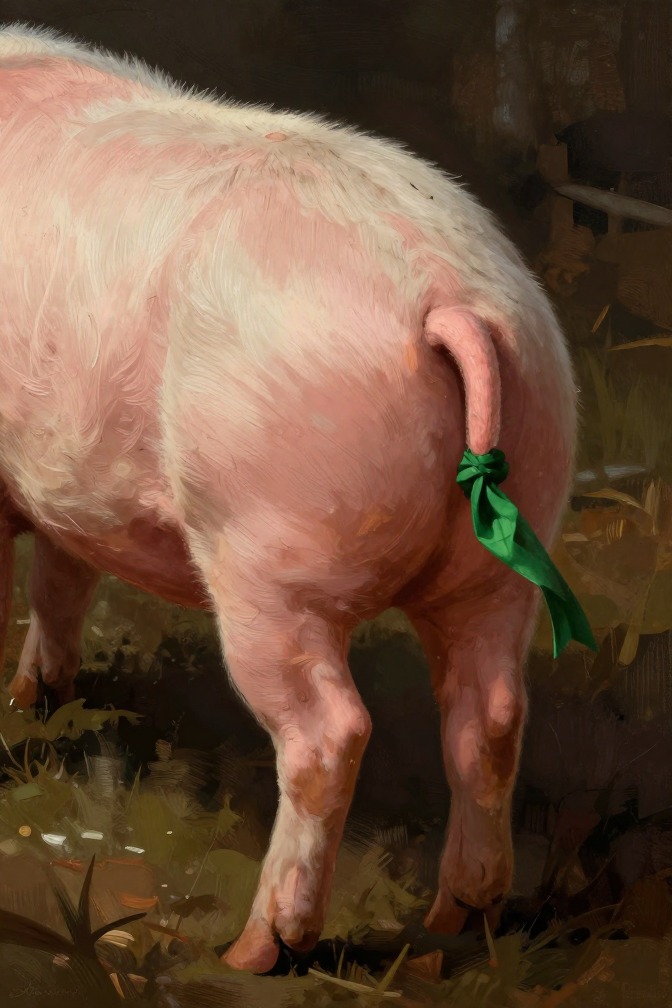
The rule that pigs may wear green ribbons on their tails on Sundays was one of several privileges that gradually distinguished the pigs from the other animals on Animal Farm, marking the erosion of the original principle of equality and the establishment of a hierarchical class system.
The rule that pigs receive a daily pint of beer, with Napoleon receiving half a gallon, represents the final, open institutionalization of class privilege on Animal Farm, transforming a revolutionary society into a hierarchical one where the pigs openly consume luxuries denied to other animals.
The rule that barley is reserved for pigs represents a key step in the consolidation of privilege by the ruling pigs on Animal Farm, transforming a shared resource into a marker of class distinction and directly contradicting the founding principle of equality.
Midsummer Day is the anniversary of the Rebellion that expelled Mr. Jones and established Animal Farm, and it becomes one of the farm's three official annual celebrations, marked by the firing of the gun.
October the twelfth is the anniversary of the Battle of the Cowshed, one of the two annual dates on which the gun at Animal Farm is fired to commemorate a foundational event of the Rebellion.
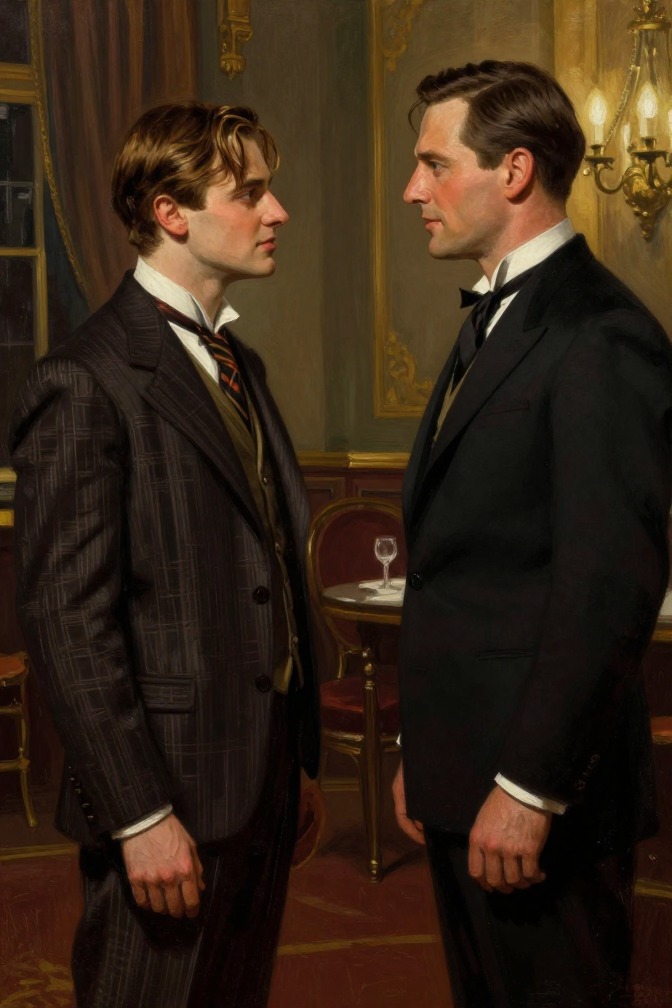
Gatsby confronts Tom Buchanan at the Plaza Hotel, a climactic scene where Gatsby demands Daisy declare she never loved Tom, leading to a devastating emotional collapse and the destruction of Gatsby's dream.
Tom Buchanan is a wealthy, physically imposing, and aggressively arrogant former Yale football star from an enormously rich family, whose brutish sense of entitlement, racist pseudo-intellectualism, and violent infidelity drive the novel's central conflicts and ultimately contribute to the tragic deaths of Myrtle Wilson and Jay Gatsby.