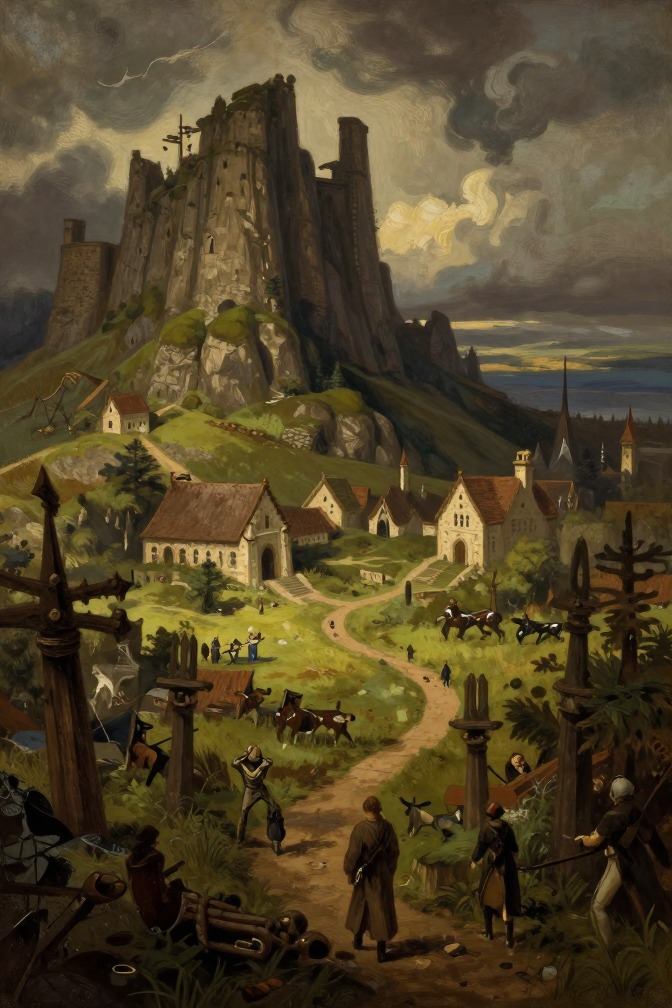
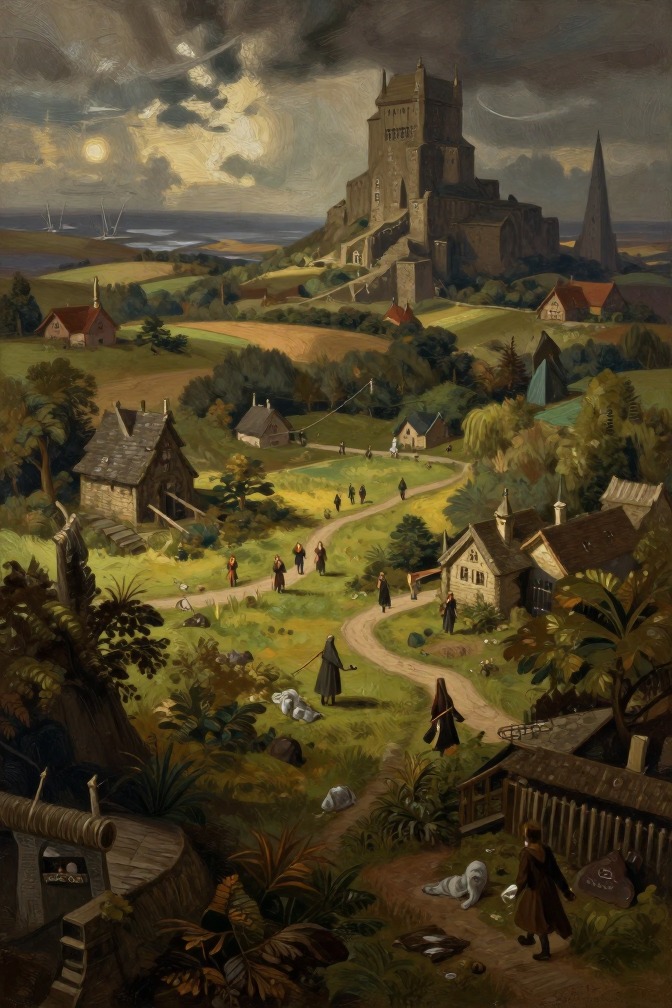
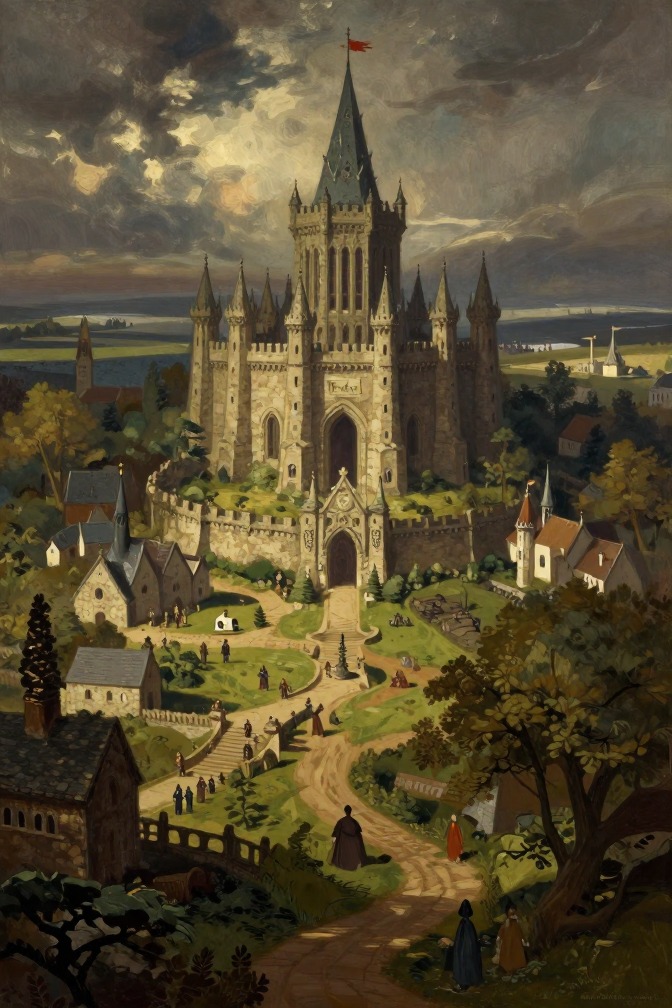
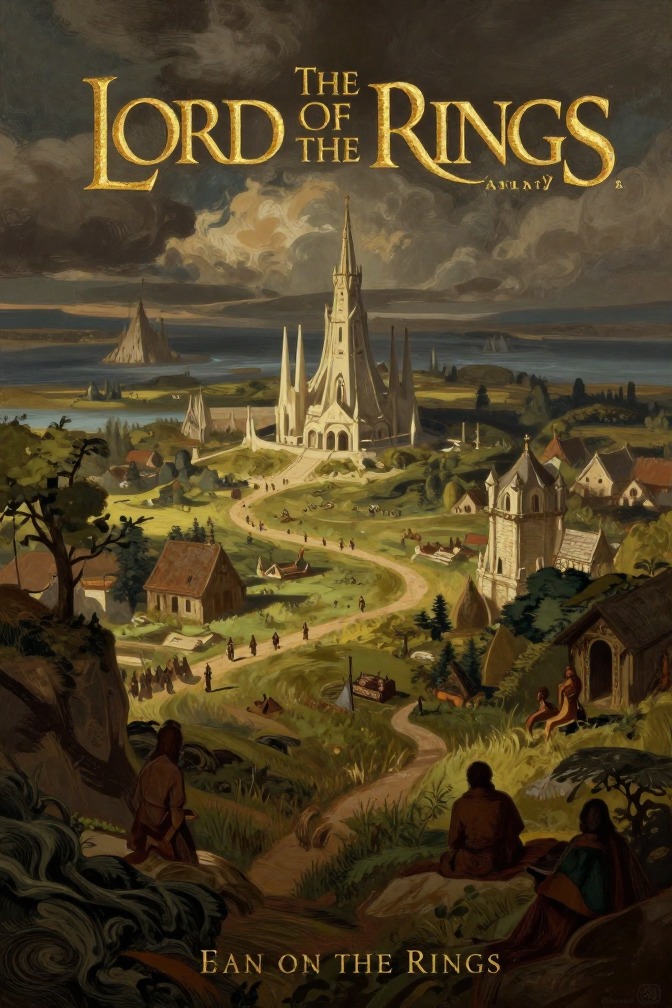
Esgaroth, also called Lake-town, is a human settlement built upon the Long Lake near the Lonely Mountain. It is the town from which Bard the Bowman launched the arrow that killed the dragon Smaug, and it serves as a key trading hub between the Dwarf-realm of Erebor and the surrounding lands. In the aftermath of the dragon's destruction, the town was rebuilt and prospered under King Bard and his descendants.
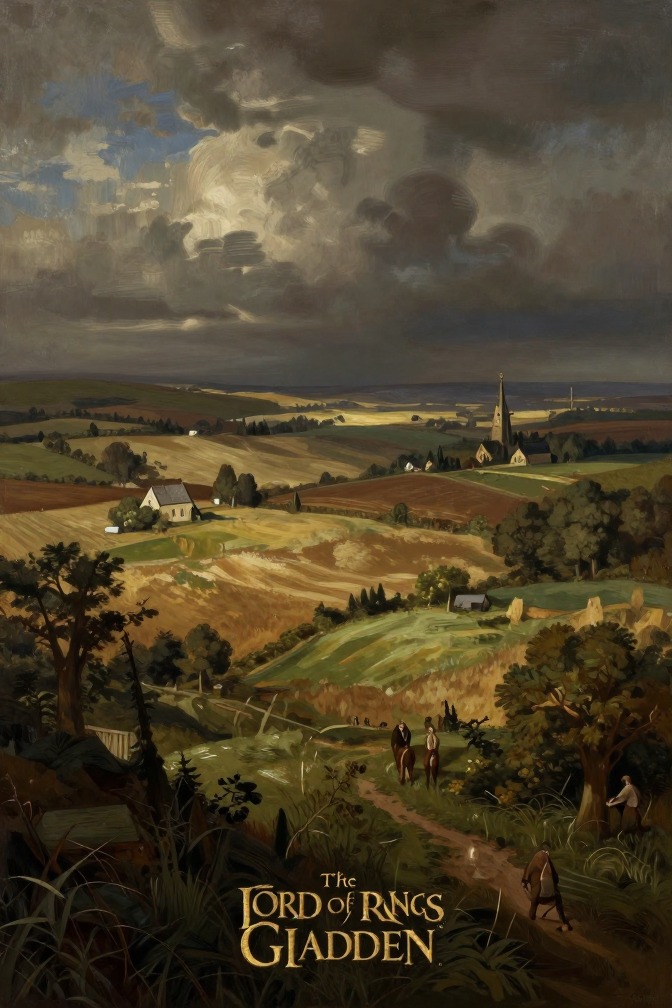
The Gladden Fields are the marshy region along the upper Anduin where Isildur was ambushed and slain by Orcs after cutting the One Ring from Sauron's hand, and where the Ring lay lost for more than two millennia until it was found by Déagol and claimed by Sméagol (Gollum).
Harlond is the harbour district of Minas Tirith, located on the Anduin River at the southern end of the Pelennor Fields. It serves as the primary landing-place for ships coming upriver from the southern fiefs of Gondor and, during the War of the Ring, becomes the site of Aragorn's dramatic arrival with the black fleet of Umbar, a turning point in the Battle of the Pelennor Fields.
Himring is a hill in the far north of Beleriand, the fortified realm of Maedhros, son of Fëanor, during the First Age. It is remembered in the Third Age primarily through the Lay of Leithian, recited by Aragorn to the hobbits on Weathertop, which recounts Beren's journey past its slopes into the haunted region of Dorthonion. The name appears in the table of contents of *The Lord of the Rings* as a chapter title within Book One, and the hill's strategic position and tragic history—as a bastion of the Noldor that ultimately fell to Morgoth—are evoked in the narrative's allusions to the ancient wars of Beleriand.
Hithlum is a region in the northwest of Middle-earth during the First Age, known for its cold climate and as the dwelling place of the Ñoldor Elves under Fingolfin and later Fingon. It was a key battleground in the Wars of Beleriand against Morgoth, and its name, meaning 'Mist-shadow', reflects its often overcast and misty weather. The region is primarily referenced in the appendices and historical summaries of The Lord of the Rings, serving as a geographical and historical touchstone for the ancient conflicts that shaped the world.
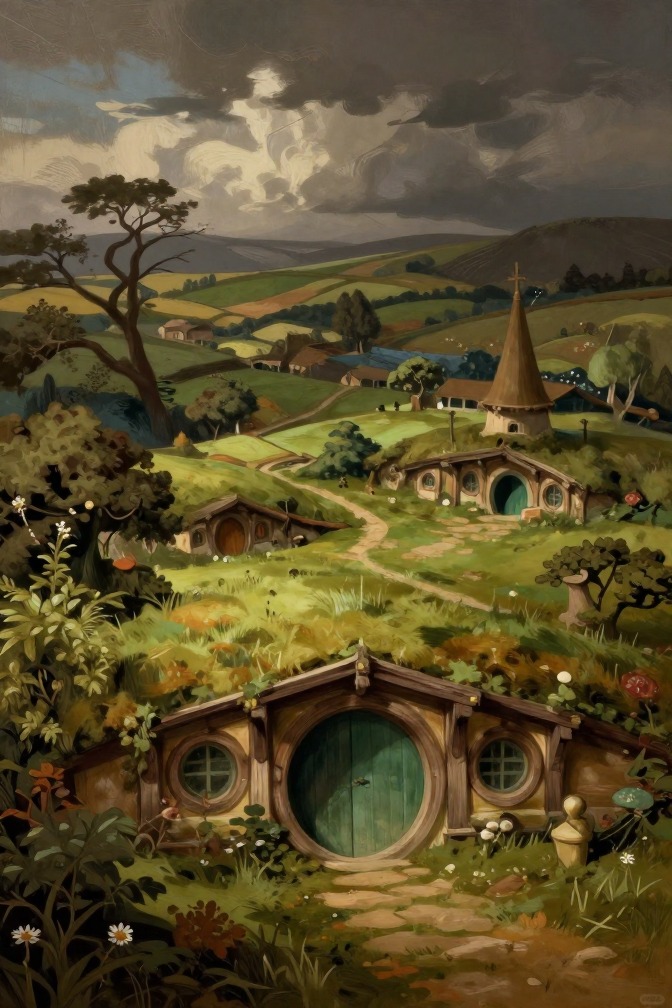
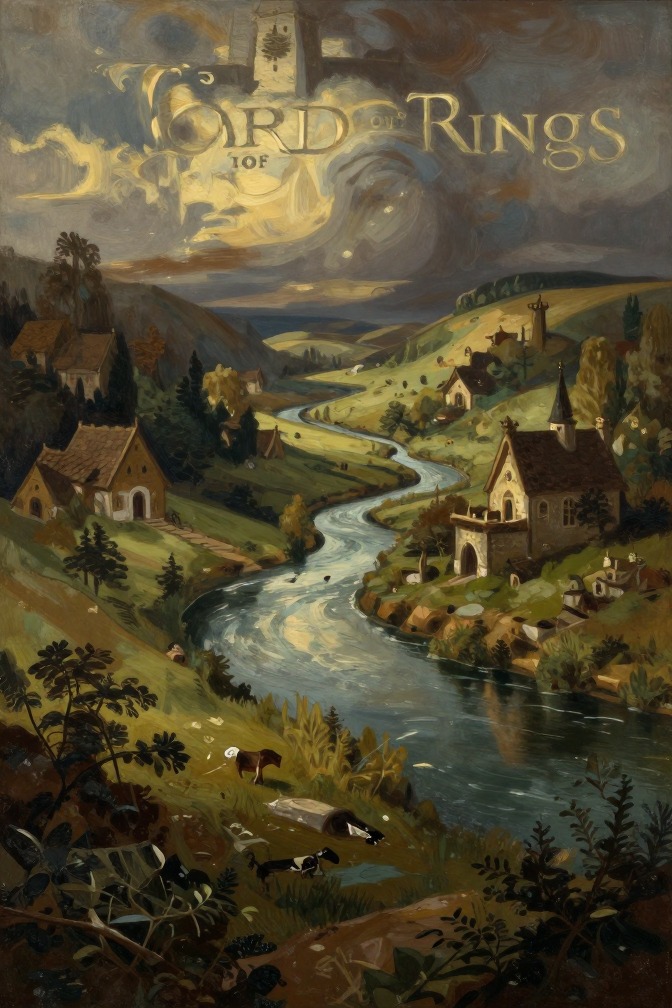
Hobbiton is the principal village of the Shire, located in the Westfarthing on the River Water. It is the home of Bilbo and Frodo Baggins at Bag End, and the setting for the novel's opening chapters, including Bilbo's Farewell Party and Frodo's departure on the Quest. The village is characterized by its rolling hills, hobbit-holes, and the Party Field, and it serves as the symbolic heart of the Shire's pastoral peace, which is later violated by Saruman's agents during the Scouring.
The Isen is a major river in the west of Middle-earth, forming the boundary between the realm of Rohan and the lands beyond, including Isengard and Dunland. It is a site of significant battles and strategic crossings, and its course and character are altered by the actions of Saruman and the Ents during the War of the Ring.
The Last Bridge, also known as the Bridge of Mitheithel, is a key crossing point on the East Road over the River Hoarwell (Mitheithel) in Eriador. It marks a critical threshold in the journey of the Fellowship of the Ring, where the Company crosses from the relative safety of the wild into the more perilous lands eastward, and where Glorfindel leaves a token of hope.
The Loudwater (Bruinen) is a major river in eastern Eriador, flowing from the Misty Mountains through Rivendell to join the Hoarwell and eventually the Greyflood. It serves as a critical geographical and narrative boundary, most famously as the site of the Ford of Bruinen where Frodo escapes the Nazgûl, and as the defining feature of the valley of Rivendell, the Last Homely House east of the Sea.
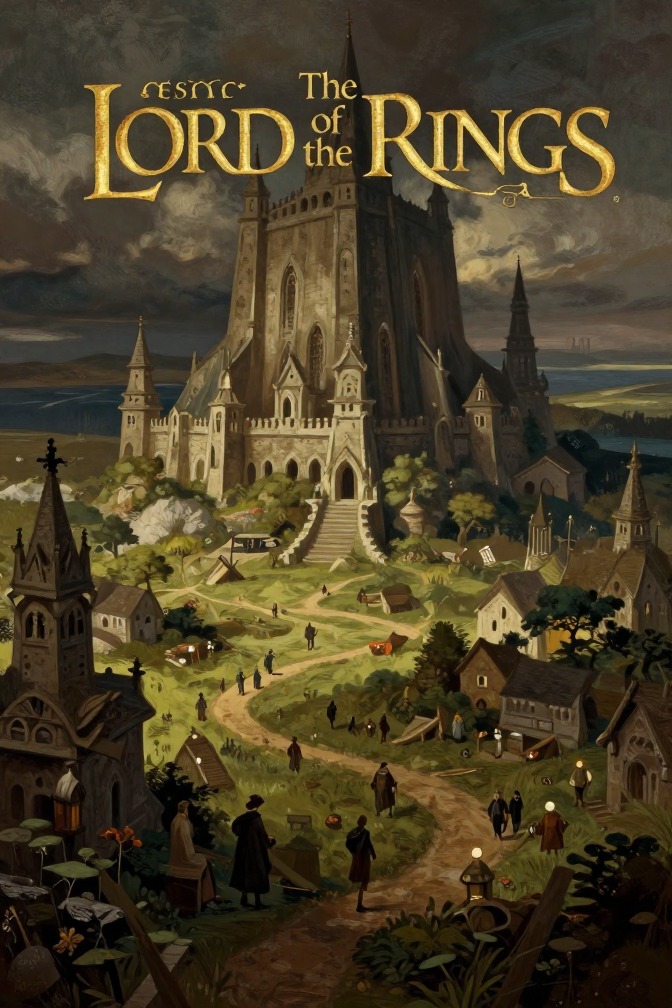
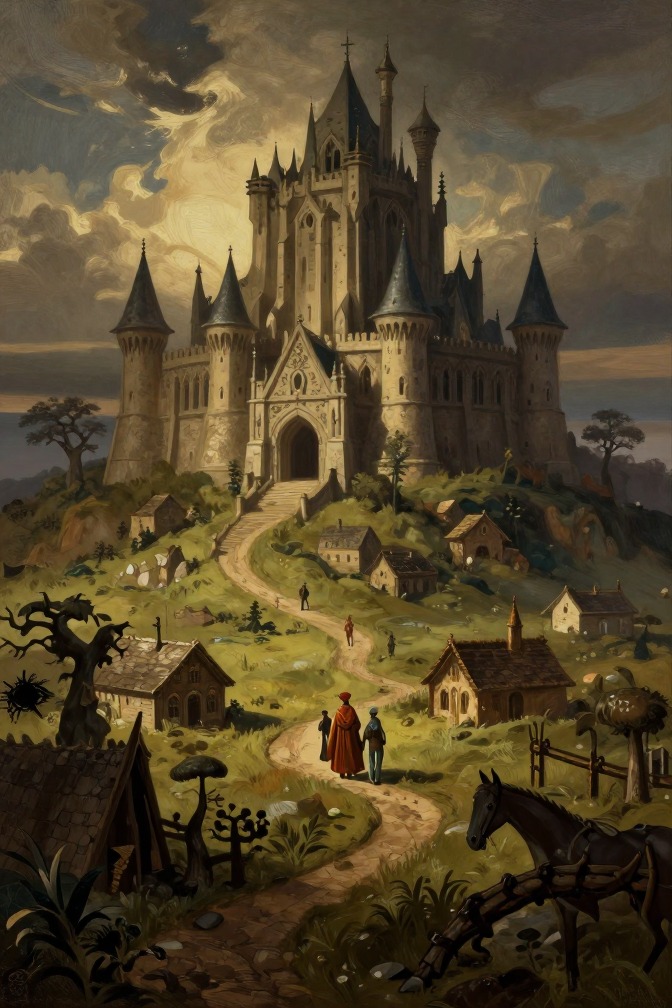
Minas Tirith, the Tower of Guard, is the seven-walled capital of Gondor, a fortress-city carved into the eastern spur of Mount Mindolluin. It serves as the last great bastion of the Dúnedain in the South against the power of Mordor, and its fate is the central military concern of the War of the Ring. The city is a layered symbol of fading glory, desperate resistance, and the hope of a restored kingship, culminating in the coronation of Aragorn as King Elessar.
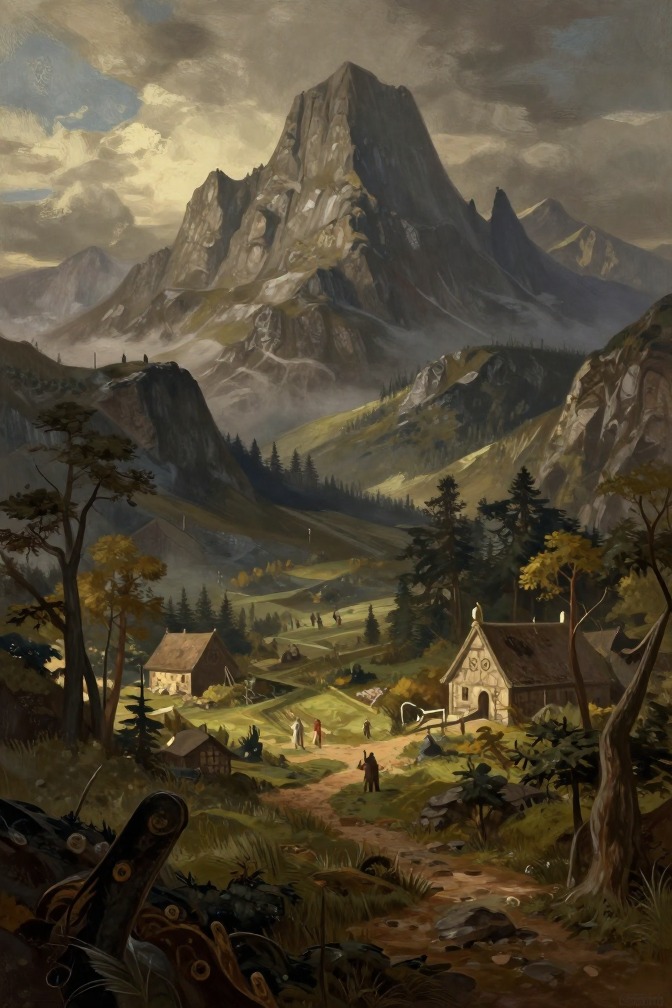
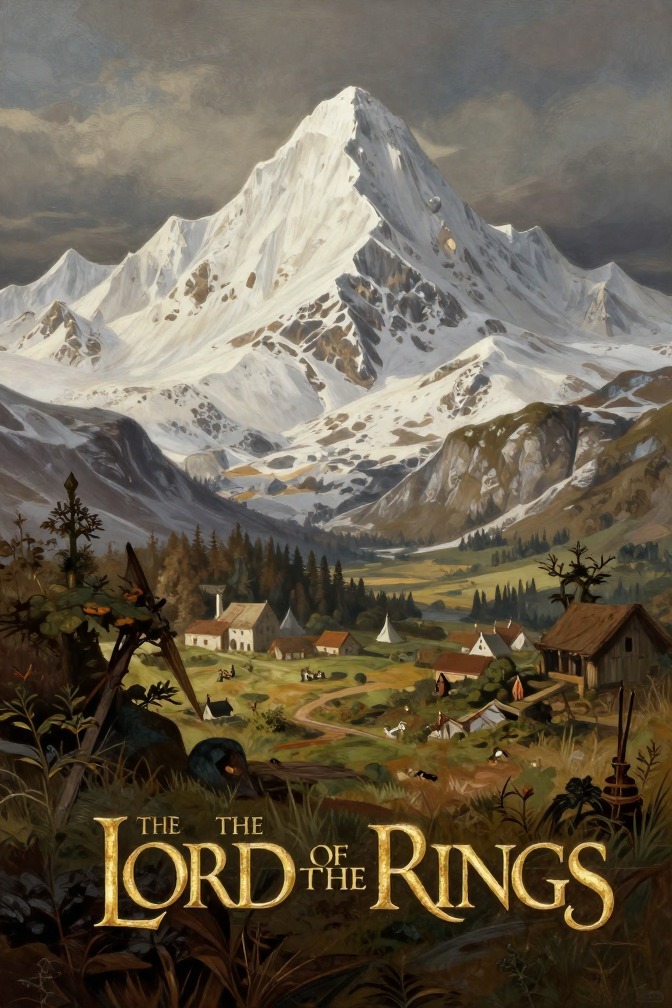
The Misty Mountains are a vast, ancient mountain range in Middle-earth, forming a formidable natural barrier that shapes the geography, history, and narrative of The Lord of the Rings. They are the site of the perilous journey through Moria, the failed attempt to cross the Redhorn Pass, and the home of many dangers, including Orcs, Wargs, and the Balrog, while also serving as a boundary between the western lands of Eriador and the eastern realms of Wilderland and beyond.
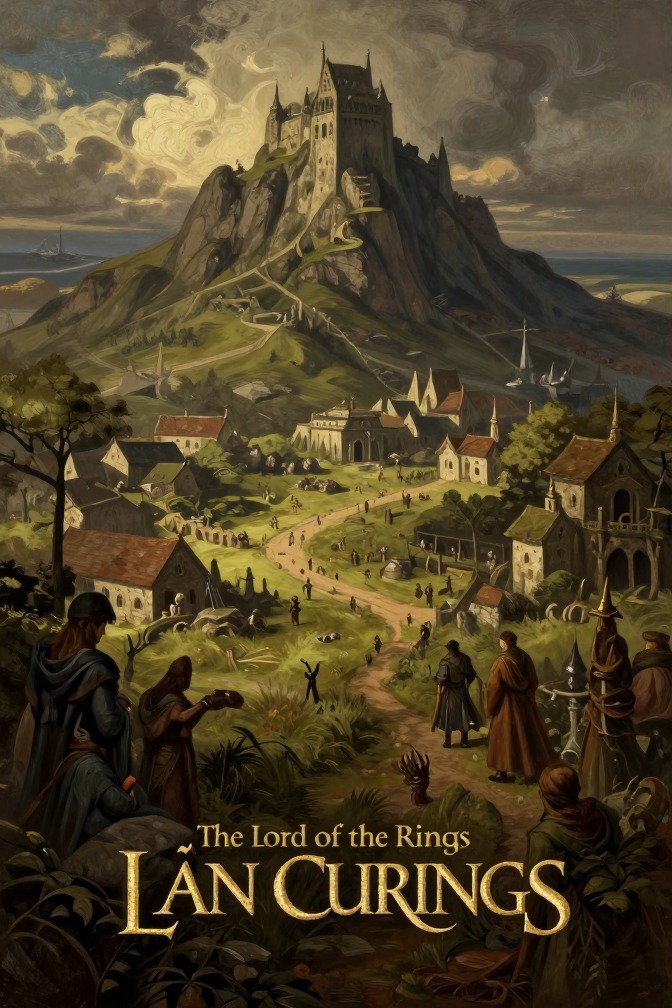
Nan Curunír, the Wizard's Vale, is the deep valley at the southern end of the Misty Mountains that contains Isengard and the tower of Orthanc. Once a fair and fertile land, it was transformed by Saruman into a polluted industrial wasteland of pits, forges, and dark smoke, and later became the site of the Ents' devastating flood that drowned the valley and destroyed Saruman's power.
The Narog is a major river of West Beleriand in the First Age, flowing from the Pools of Ivrin through the hidden realm of Nargothrond to join the Sirion. It is the setting for key events in the tales of Beren and Lúthien and of Túrin Turambar, and its deep gorge and the underground fortress of Nargothrond carved into its banks make it a defining geographical and narrative feature of the Elder Days.
Neldoreth is a forest in the ancient realm of Doriath, the setting for the first meeting of Beren and Lúthien Tinúviel, a foundational romance in the legendarium that echoes through the Third Age in the love of Aragorn and Arwen.
The Orocarni, or Red Mountains, are a mountain range in the far east of Middle-earth, mentioned only in passing in The Lord of the Rings. They are the easternmost of the great mountain ranges of the continent, and are associated with the origins of the Dwarves, though they play no direct role in the narrative of the War of the Ring.
Pelargir is the ancient Númenórean haven and chief port of Gondor, located on the western shore of the Anduin estuary. It served as the primary landing-point for the Faithful after the Downfall of Númenor, the base of the Ship-kings' naval power, and the site of Aragorn's decisive victory over the Corsairs of Umbar, where he summoned the Dead Men to fulfil their oath and seized the black fleet that turned the tide of the War of the Ring.
Pinnath Gelin, the Green Hills of Gondor, is a region of rolling, forested highlands in the southern realm of Gondor, known for its hardy, green-clad people and its lord Hirluin the Fair, who led three hundred of his folk to the defense of Minas Tirith during the War of the Ring.
The Snowbourn is a swift river in Rohan that flows from the White Mountains through Harrowdale and past Edoras, eventually joining the Entwash. It serves as a key geographical marker for the Rohirrim, a source of water and life, and the site of the Muster of Rohan before the Battle of the Pelennor Fields.
Tirion is the city of the Elves upon the hill of Túna in the Calacirya, the pass of light in the Pelóri Mountains of Valinor, built by the Noldor in the Elder Days. It is the city of the High Elves, where the White Tree Telperion once grew in the courts of the King, and where the lamps of the city are mirrored in the Shadowmere. It appears in the narrative of *The Lord of the Rings* only in memory, song, and vision, most notably in Bilbo Baggins's lay of Eärendil and in the lament of Galadriel, serving as a symbol of the lost bliss of the Eldar in the Undying Lands, a place of light and beauty forever beyond the reach of mortal Middle-earth.
Valinor, also known as the Undying Lands or Aman, is the blessed realm of the Valar in the far West of the world, a land of timeless beauty and peace from which mortals are generally barred. In *The Lord of the Rings*, it functions as the ultimate destination for the Elves and the Ring-bearers, representing a return to a primordial state of grace and the end of the Third Age.
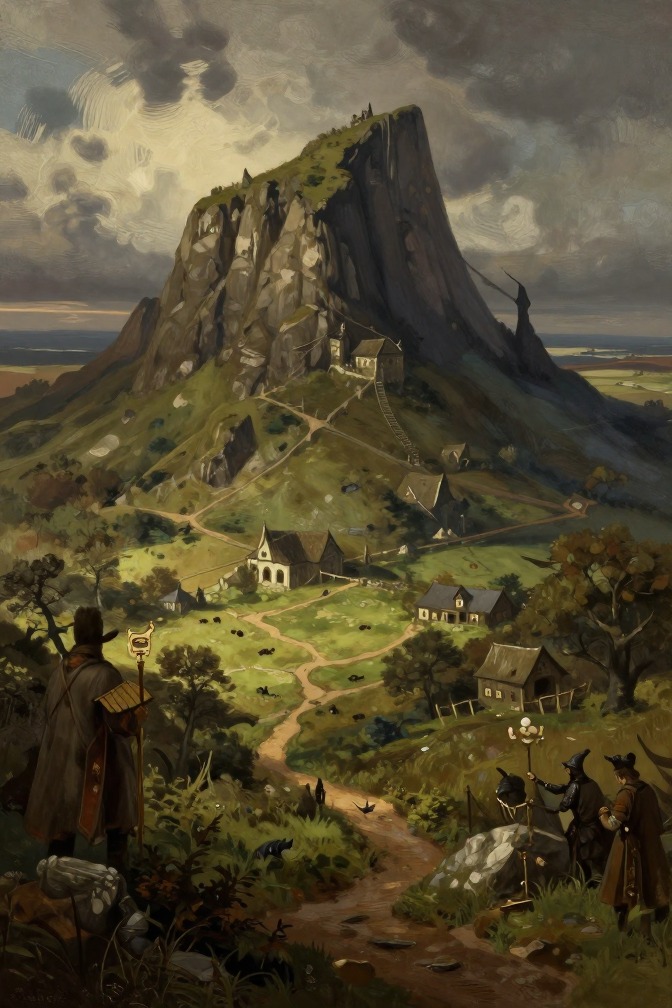
Weathertop, also known by its Elvish name Amon Sûl, is a prominent hill in Eriador that serves as a key landmark and site of a pivotal attack on the Ring-bearer Frodo Baggins during his flight from the Shire. Its strategic importance as a watchtower of the ancient North-kingdom and its role as the location of the first direct confrontation between the hobbits and the Nazgûl make it a decisive turning point in the early narrative.
The White Mountains (Ered Nimrais) are a vast mountain range in Middle-earth, forming the southern and western boundary of Gondor and the northern border of Rohan. They are a dominant geographical feature, a source of rivers, a site of ancient fortresses and refuges, and a symbolic boundary between the realms of Men.
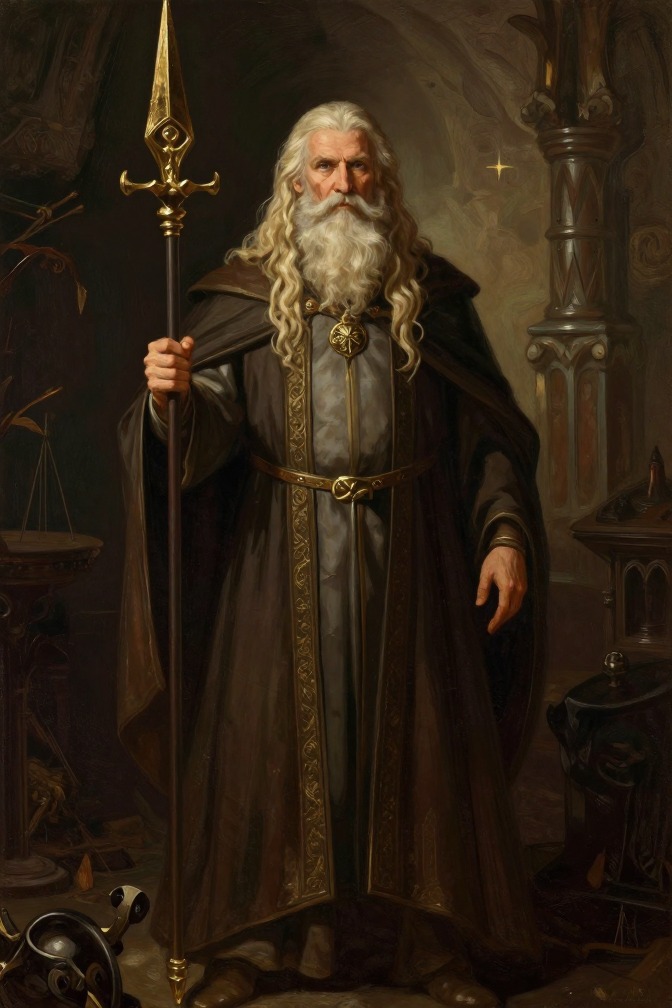
Narya, the Ring of Fire, is one of the Three Rings of the Elves, created by Celebrimbor in Eregion during the Second Age. Unlike the One Ring, it was never touched by Sauron and was hidden from him. Its power is not for war or domination but for kindling hearts and inspiring resistance against despair and the chill of the world. In the Third Age, Narya was entrusted to Círdan the Shipwright, who later gave it to Gandalf the Grey, recognizing the wizard's heavy labors and his need to rekindle hope in a fading age. Gandalf bore Narya openly only at the very end of the Age, when he departed from Middle-earth from the Grey Havens.
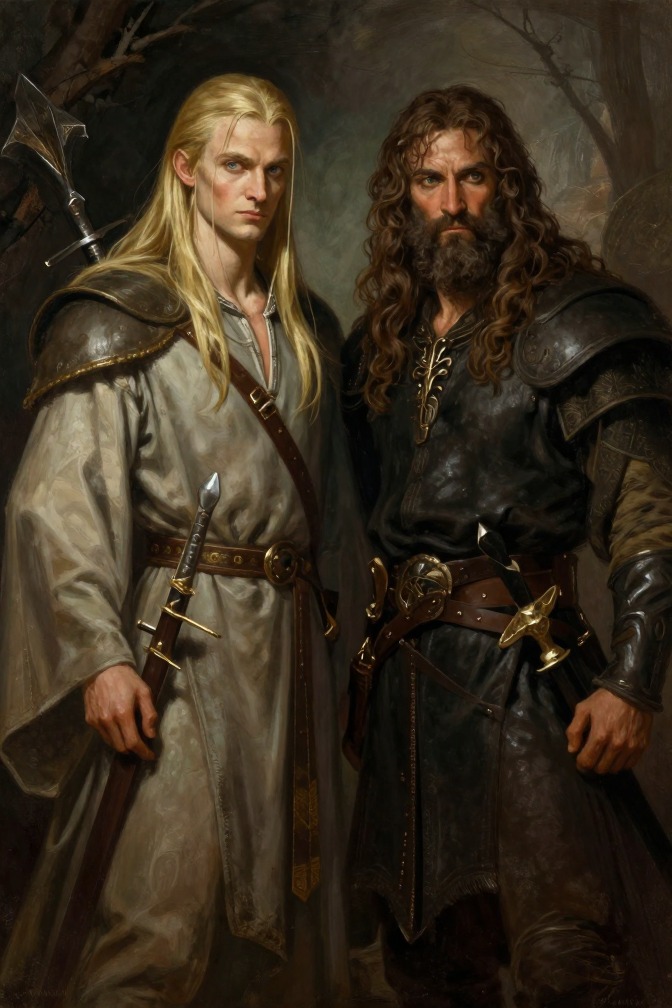
The friendship between Legolas the Elf and Gimli the Dwarf, forged during the War of the Ring, is a central relationship in *The Lord of the Rings* that transcends the ancient enmity between their two races. Beginning with mutual suspicion and sharp words, their bond deepens through shared peril, mutual respect, and a series of personal vows, culminating in a legendary journey together after the war's end. Their friendship serves as a powerful symbol of unity against the Shadow, demonstrating that even the deepest historical divisions can be overcome by common purpose and personal loyalty.
Meriadoc Brandybuck, a hobbit of the Shire, becomes the sworn esquire of King Théoden of Rohan, serving him faithfully in the War of the Ring and receiving the king's blessing and a horn of the Mark as a parting gift.
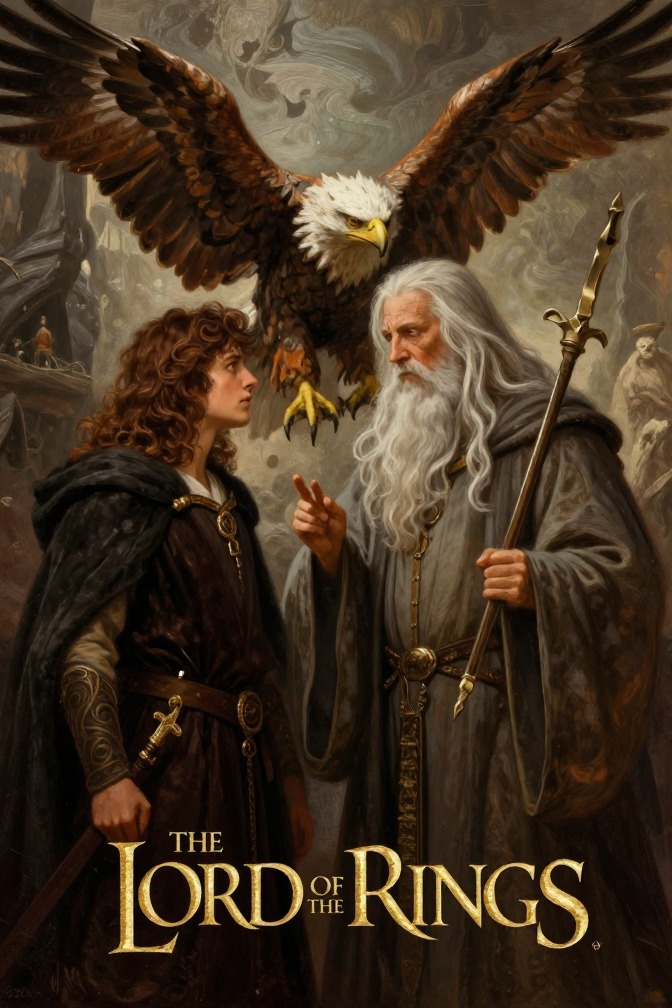
The Eagles and Gandalf form a recurring bond of rescue and mutual aid across the War of the Ring, with Gwaihir the Windlord as the chief agent who carries Gandalf from Orthanc, finds him on the peak of Celebdil after the Balrog's fall, and later bears him to the Field of Cormallen to save Frodo and Sam.
The Wargs and the Fellowship is a conflict event in The Lord of the Rings in which a pack of Wargs, wolves in the service of Sauron, attacks the Company of the Ring on the night after their failed attempt to cross the Redhorn Gate, forcing them to fight for their lives and ultimately driving them toward the decision to enter Moria.
The Watcher in the Water, a nameless tentacled entity dwelling in the dark lake before the West-gate of Moria, attacked the Fellowship as they attempted to enter the Mines, seizing Frodo by the ankle and dragging him toward the water before being driven back by Sam's knife and Gandalf's command, then slammed the doors shut behind them, trapping the Company inside.
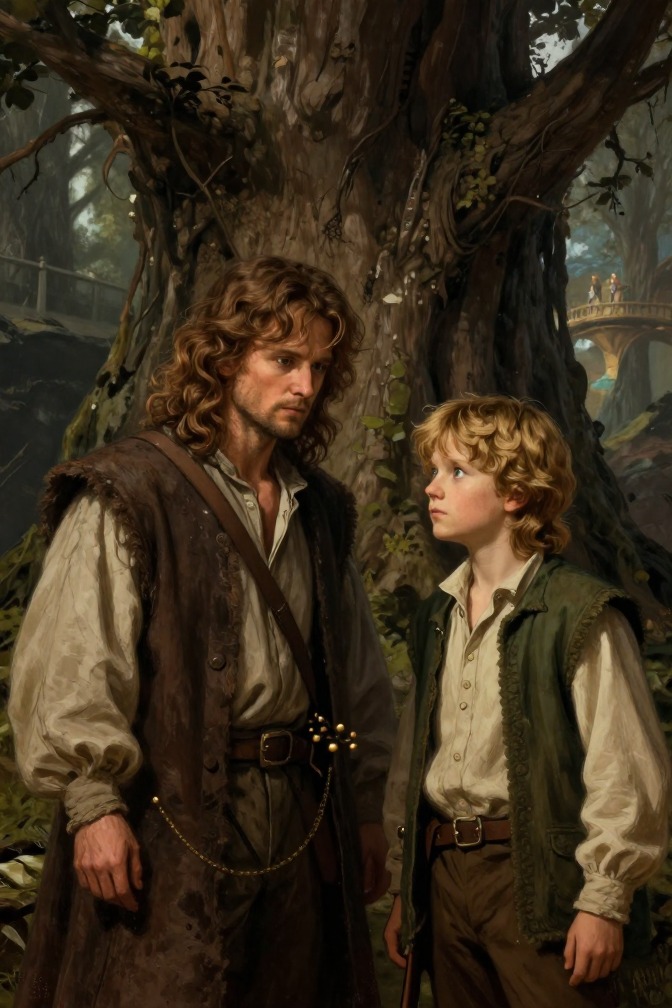
The friendship between Treebeard, the ancient Ent, and the hobbits Meriadoc Brandybuck and Peregrin Took begins with a chance meeting in Fangorn Forest and deepens through their shared journey to destroy Isengard, culminating in a bond that Treebeard marks by adding the hobbits to his Long List and entrusting them with the search for the Entwives.
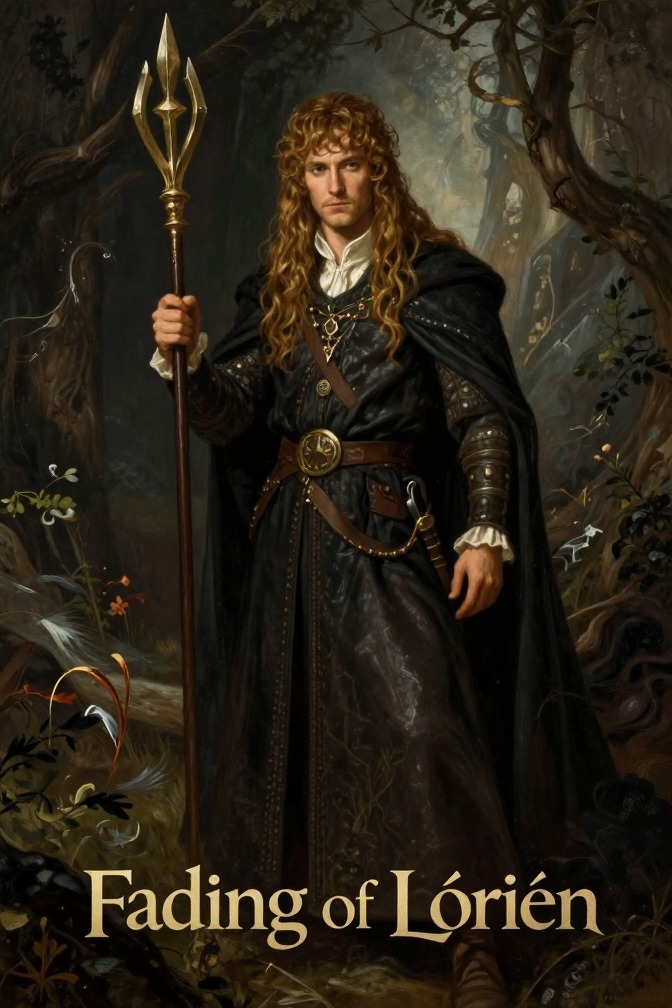
The Fading of Lórien is the process by which the realm of the Galadhrim, the Golden Wood of Lothlórien, loses its timeless, enchanted character and passes into history, a fate sealed by the destruction of the One Ring and the departure of its Lady, Galadriel. This fading is not a sudden collapse but a gradual, sorrowful decline, foreseen by its rulers and mourned by its visitors, marking the end of the Third Age and the beginning of the Dominion of Men.