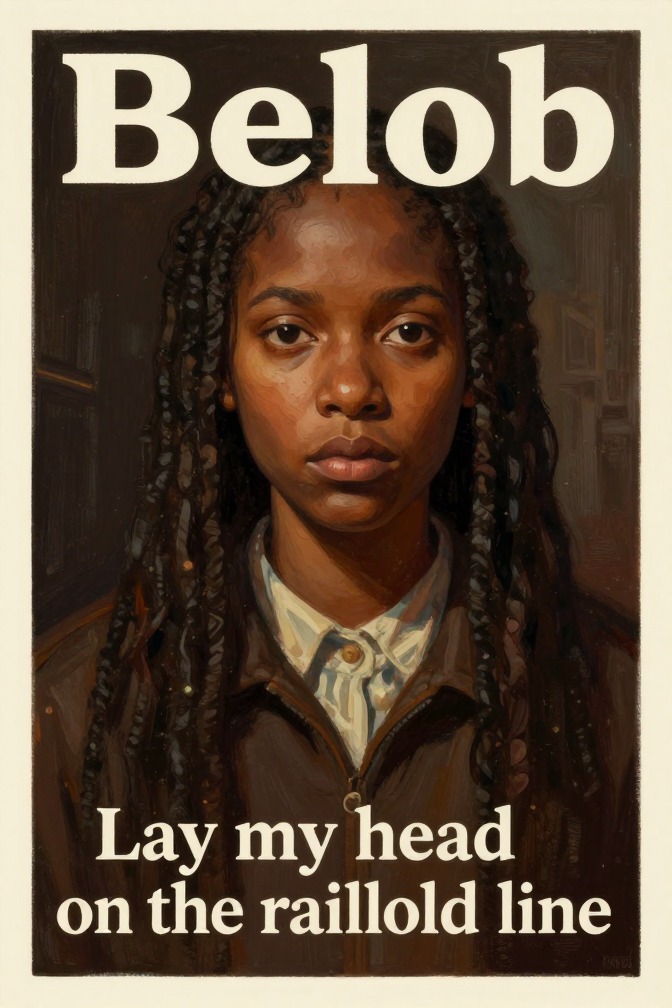
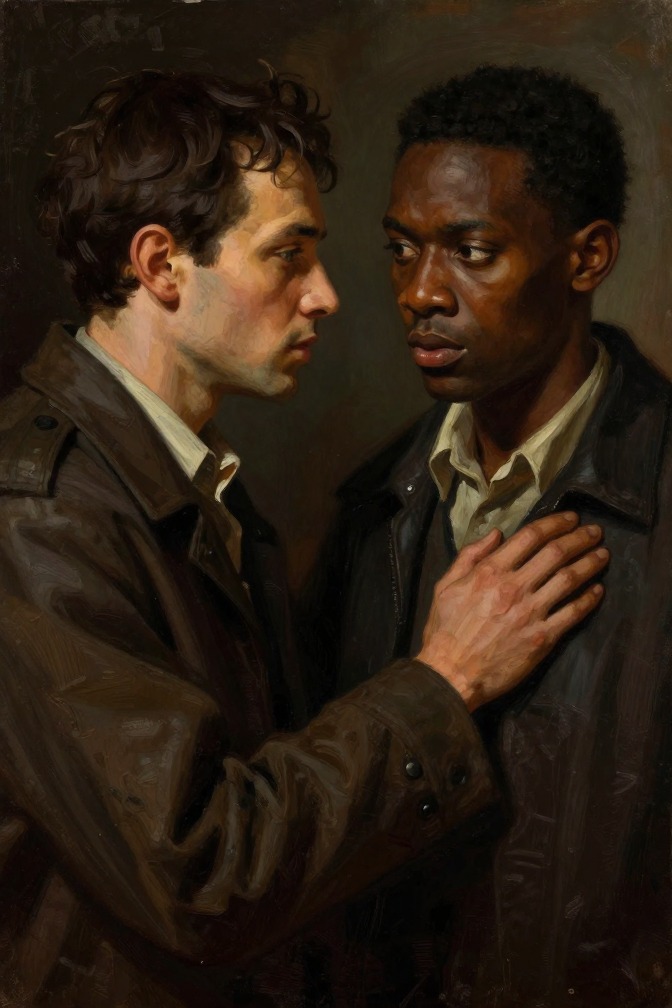
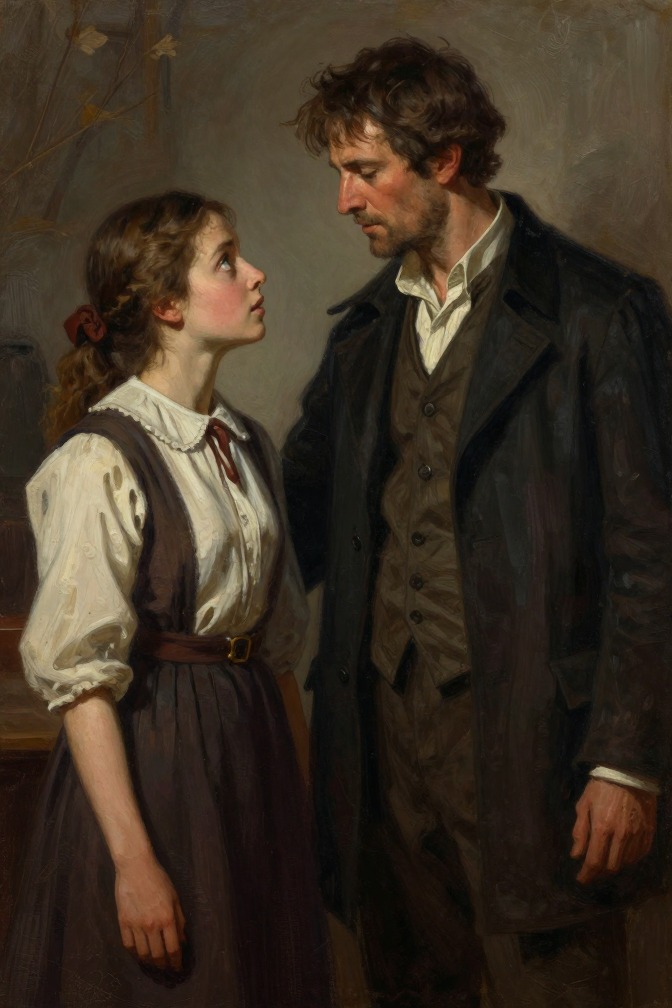
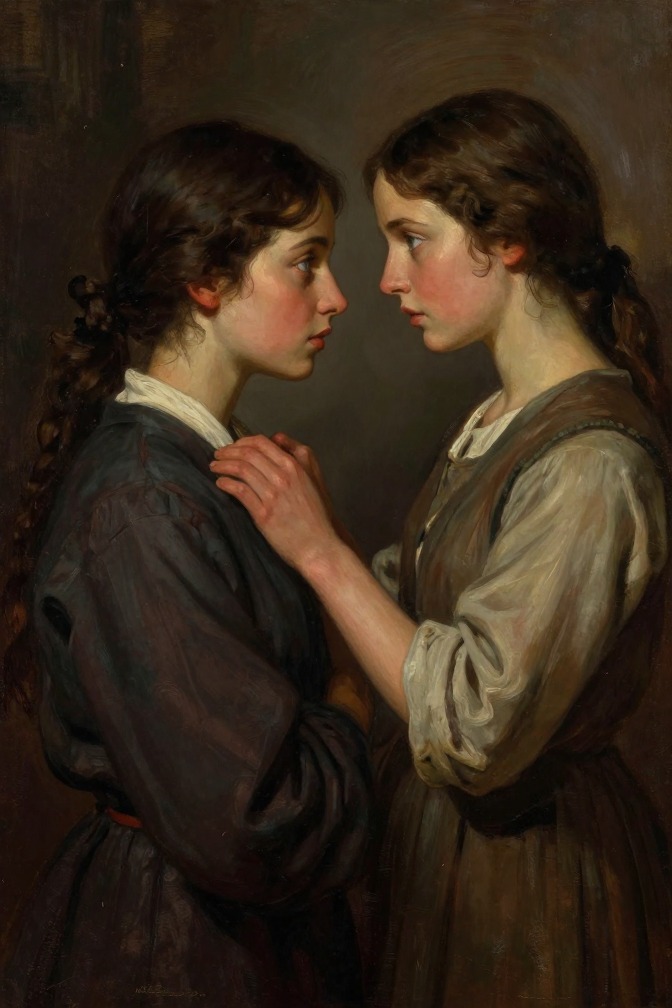
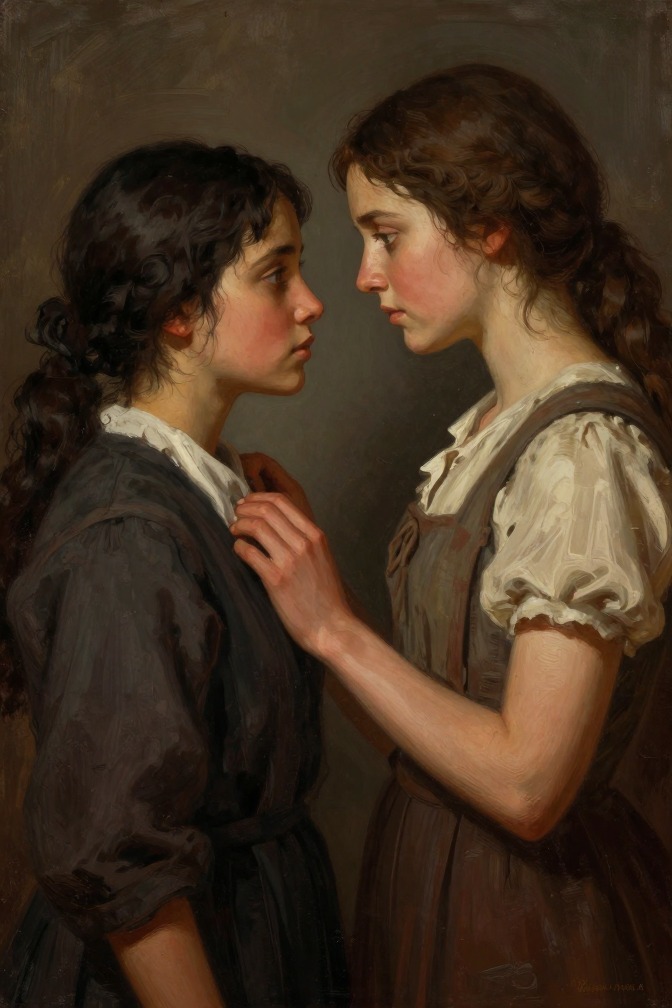
Lay my head on the railroad line is a work song Paul D sings after arriving at 124 Bluestone Road, one of the flat-headed Georgia prison songs he learned on the chain gang in Alfred, Georgia. It embodies the pounding rhythm of forced labor and the death wish of the enslaved, contrasting sharply with the yearning melodies of Sweet Home and marking Paul D's psychological state as he begins to rebuild a life with Sethe.
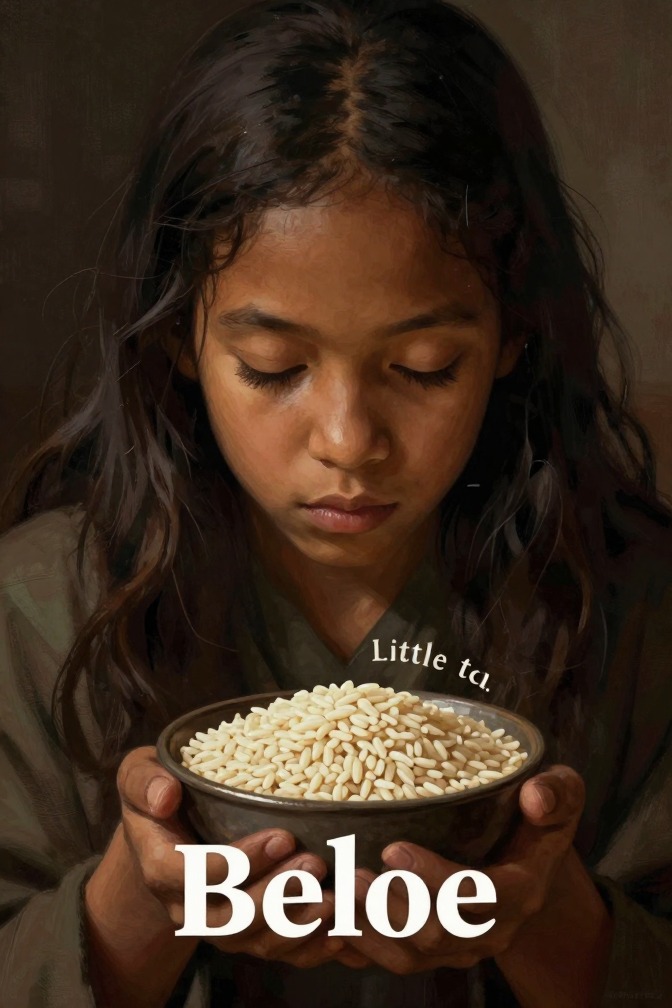
Little rice, little bean is a work song sung by Paul D in Toni Morrison's Beloved, contrasting the yearning melodies of Sweet Home with the flat, pounding rhythms of his prison labor in Alfred, Georgia. It embodies his survival through song and the novel's themes of memory, labor, and the commodification of Black bodies.
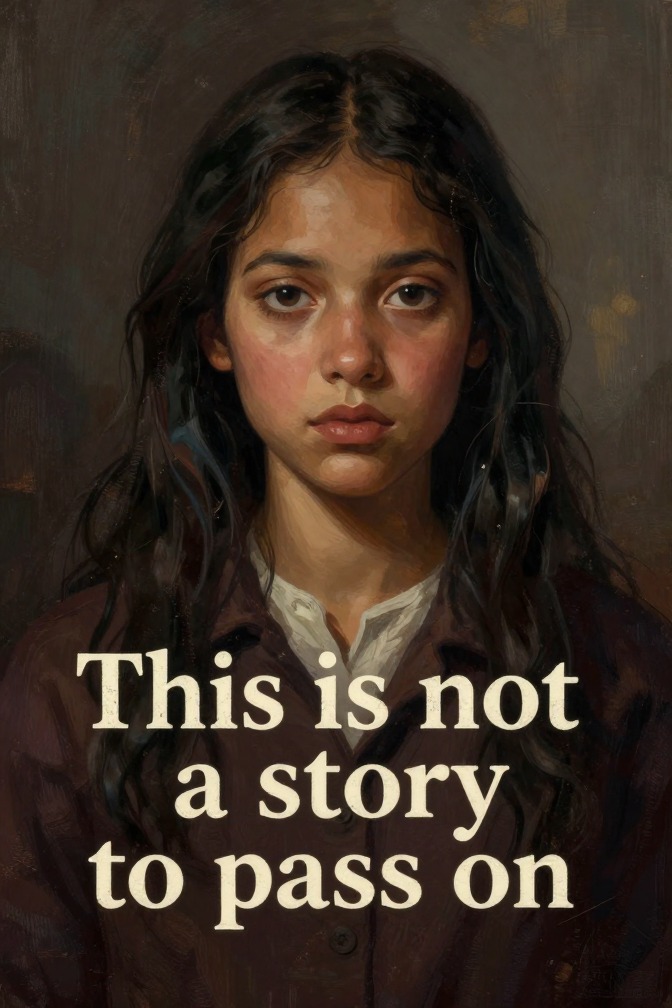
This is not a story to pass on is the recurring refrain that closes Toni Morrison's Beloved, appearing three times in the novel's final pages. It encapsulates the novel's central meditation on the ethics of remembering and transmitting traumatic history, suggesting that some stories are too painful to be told yet too significant to be forgotten. The phrase underscores the tension between the need to bear witness and the impossibility of fully articulating or passing on such profound loss.
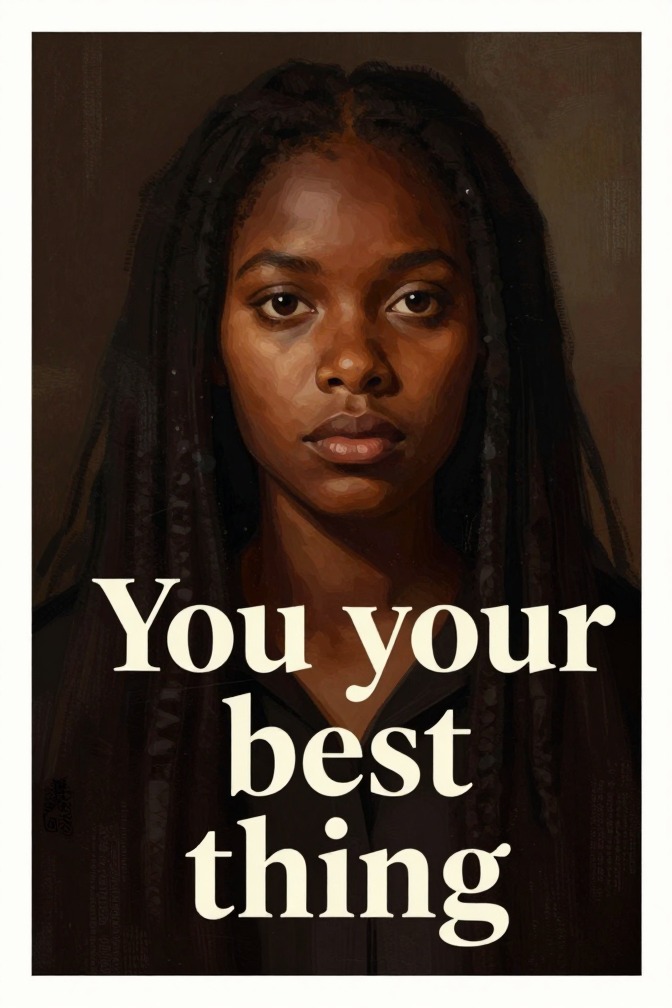
You your best thing is the novel's climactic affirmation, spoken by Paul D to Sethe in the final chapter, which redefines her identity and offers a path toward healing.
The Licking River is a river in Kentucky that flows into the Ohio River near Cincinnati, serving as a boundary and a site of memory and trauma in Toni Morrison's Beloved. It is where Paul D, after escaping from the chain gang in Alfred, Georgia, hears the restless spirits of the dead Miami people who are disturbed by the encroachment of roads and houses. The river is also associated with the broader landscape of slavery and freedom, as it marks the edge of the slave state Kentucky and the free state Ohio, and it is where Stamp Paid finds a red ribbon knotted around a curl of woolly hair, a haunting reminder of the violence inflicted on Black people.
The root cellar is a small, dark underground space at 124 Bluestone Road, mentioned in Toni Morrison's Beloved as the place where Amy Denver was once imprisoned by her master, Mr. Buddy, and where she was forced to work off her mother's passage. It is a site of confinement and suffering, but also of resilience, as Amy's experience there shapes her determination to escape to Boston. The cellar is also the place where Sethe, after her escape from Sweet Home, is hidden by Stamp Paid, and where she gives birth to Denver with Amy's help. It symbolizes the hidden, oppressive spaces of slavery and the endurance of those who survive them.
The Bodwins' house is the Cincinnati residence of the abolitionist siblings Edward and Miss Bodwin, which serves as a site of charity, employment, and historical memory in Toni Morrison's Beloved. It is where Baby Suggs first received help after gaining freedom, where Sethe secured her job at Sawyer's Restaurant, and where Denver later seeks work, marking the family's enduring, if complicated, relationship with white benefactors.
The handsaw is the instrument Sethe uses to kill her crawling-already? baby daughter, an act that defines her character and the novel's central trauma. It appears in the narrative as the tool of her desperate, protective love, and its memory haunts her relationship with Beloved and her own sense of self.
The ice skates in Toni Morrison's Beloved are a pivotal object that enables a rare moment of communal joy and physical freedom for Sethe, Denver, and Beloved, and later serve as a haunting reminder of the past and the family's fractured state.
Ink is a recurring object in Toni Morrison's Beloved, symbolizing the intersection of literacy, power, and identity. Sethe's homemade ink becomes a tool of oppression when schoolteacher uses it to document her 'animal' characteristics, yet it also represents her creative agency and the potential for self-definition. The ink's presence in the narrative underscores the tension between oral and written culture, and its legacy persists in the novel's final images of forgetting and remembrance.
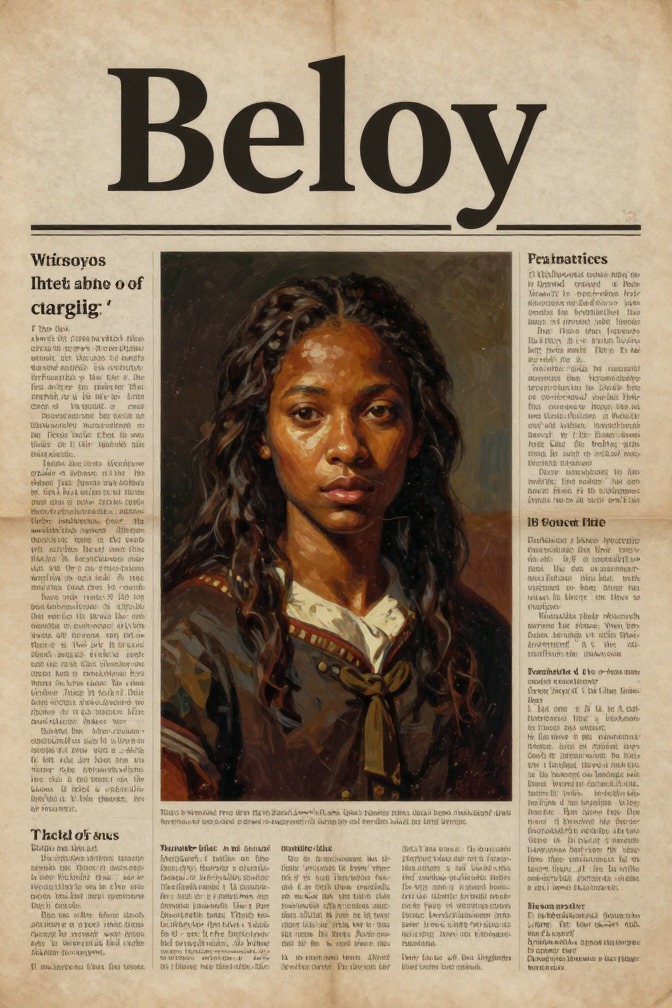
The newspaper clipping is a pivotal object in Toni Morrison's Beloved, a printed account of Sethe's infanticide that Stamp Paid shows to Paul D, shattering his understanding of Sethe and driving him from 124 Bluestone Road. It embodies the community's judgment, the power of written records over oral testimony, and the novel's meditation on how stories are told, remembered, and passed on.
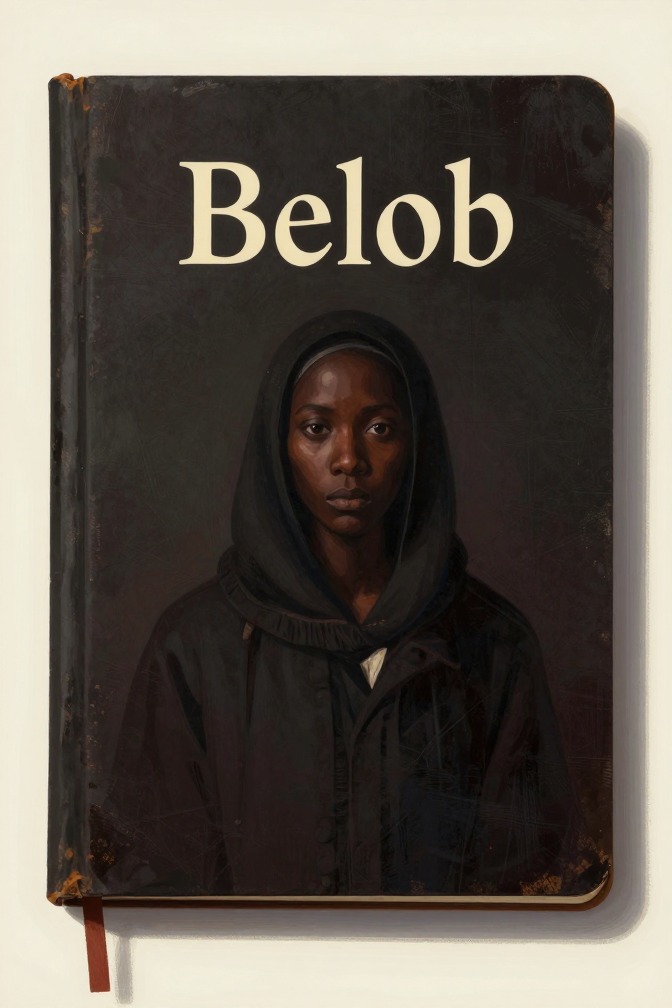
The notebook is schoolteacher's record of the Sweet Home slaves, in which he classifies their human and animal characteristics, a document that exposes the dehumanizing logic of slavery and becomes a catalyst for Sethe's escape and her later confrontation with her past.
The red ribbon is a small but devastating object in Toni Morrison's Beloved, discovered by Stamp Paid on the bank of the Licking River. It is a knotted curl of wet woolly hair, still clinging to its bit of scalp, and it becomes a physical embodiment of the era's racial violence, the 'skin smell' that haunts him, and a catalyst for his confrontation with Paul D and his own past.
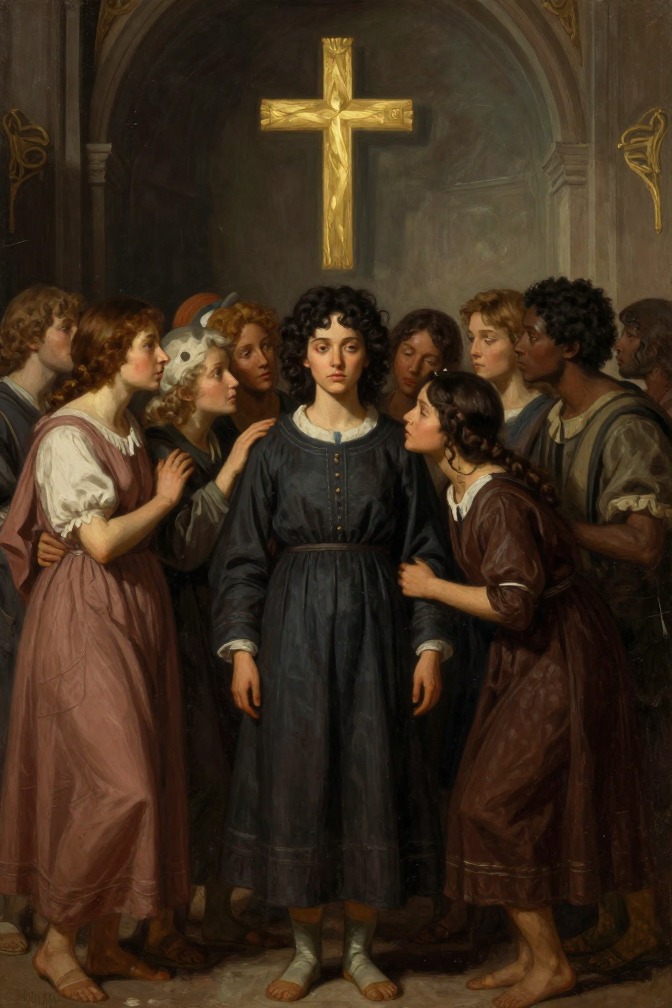
The Church of the Holy Redeemer is a small African American church in Cincinnati that serves as a refuge and gathering place for the community, notably housing Paul D during his time of crisis and symbolizing the tension between institutional religion and the spiritual practices of the formerly enslaved.
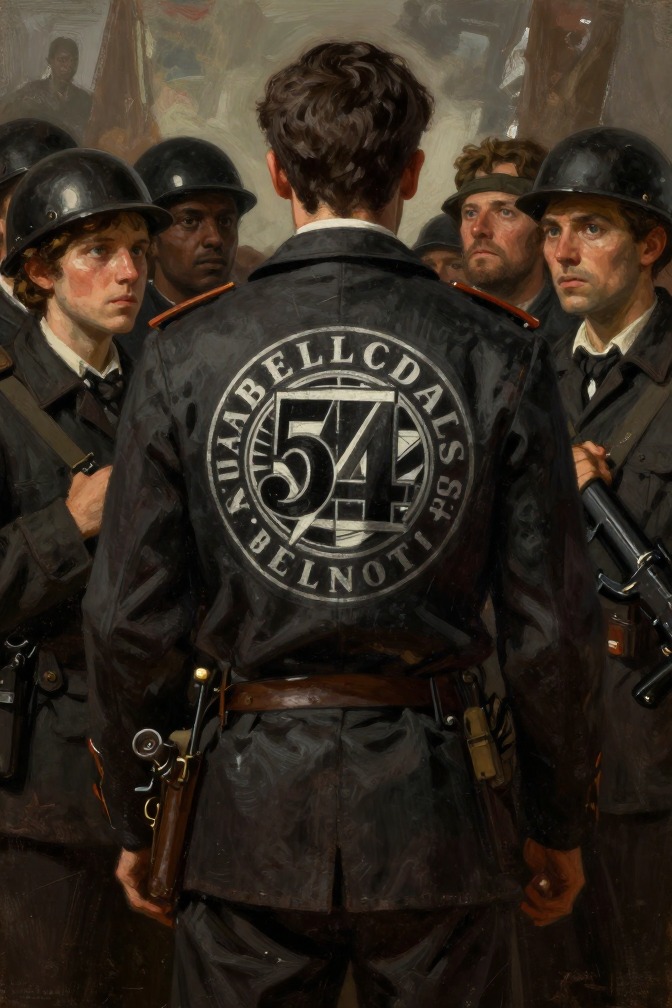
The Massachusetts 54th is a Union Army regiment of Black soldiers that appears in Beloved as a reference point for Paul D's wartime experience and his reflections on freedom, manhood, and the value of Black life. Though the regiment itself is not a setting in the novel, its mention anchors Paul D's postwar wanderings and his encounter with Private Keane, who tells him about the regiment's fight for equal pay. The 54th thus functions as a symbol of Black military service and the ongoing struggle for dignity within the broader context of the Civil War and Reconstruction.
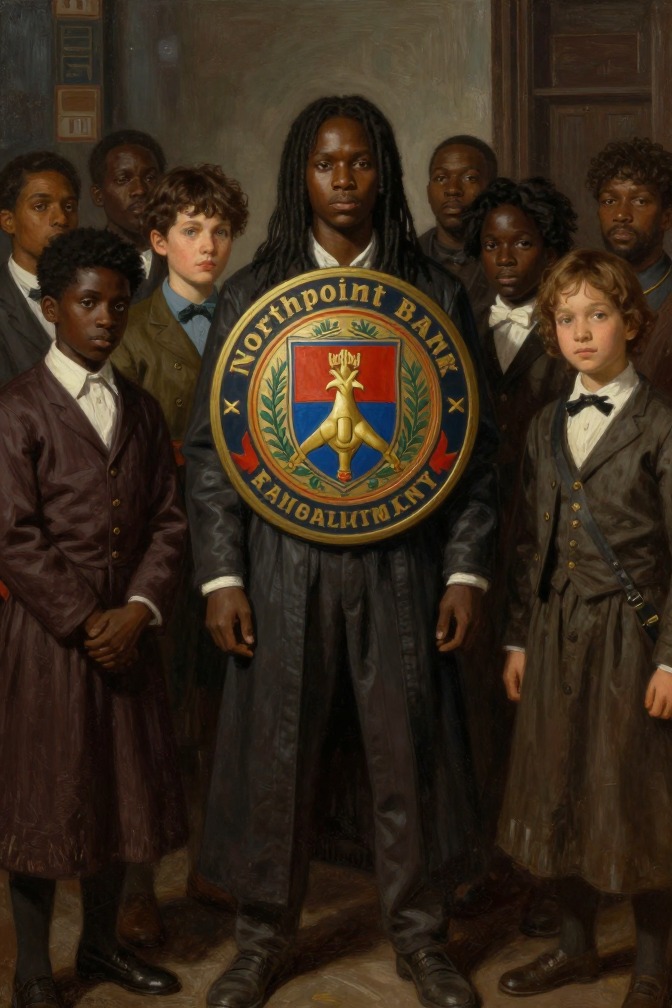
Northpoint Bank and Railroad Company is the institution that purchased Paul D from Brandywine and later sold his labor to Alabama, embodying the commodification of Black bodies within the capitalist economy of slavery and its aftermath.
The North Star is an abolitionist newspaper that circulates among the free Black community of Cincinnati in Toni Morrison's Beloved, serving as a vital conduit of news about racial violence and resistance during the Reconstruction era. Its presence in the novel underscores the precariousness of Black life and the community's collective memory of atrocity.
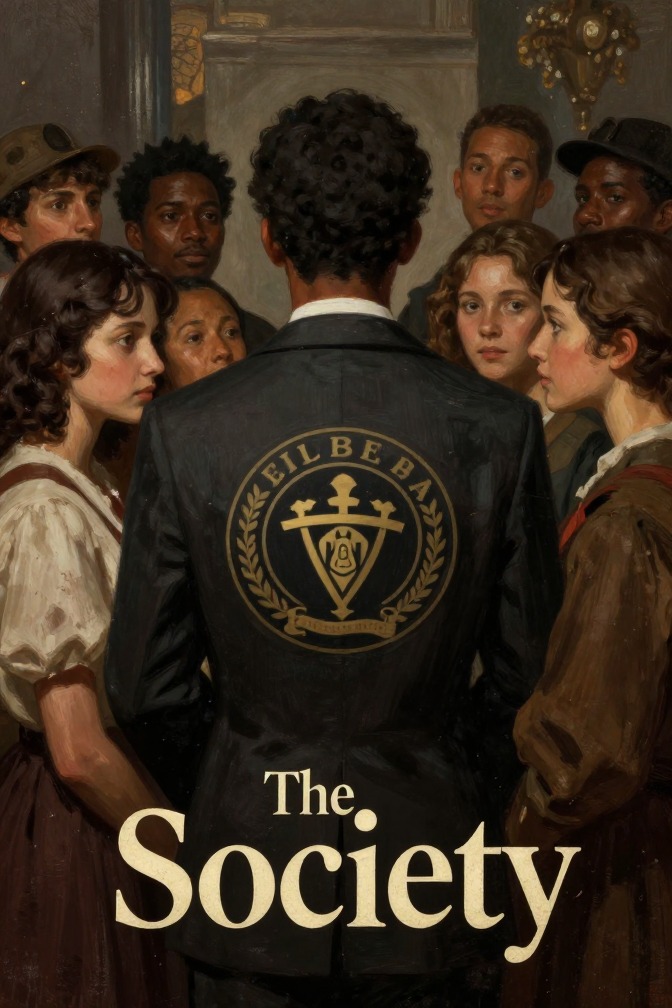
The Society is the abolitionist organization in Cincinnati that, through the Bodwin siblings, provided crucial support to the fugitive slave community, including housing, legal defense, and employment, and whose legacy shapes the novel's climax when Sethe attacks Edward Bodwin.
Baby Suggs and Sethe are mother-in-law and daughter-in-law whose relationship anchors the emotional and spiritual core of Toni Morrison's Beloved. Baby Suggs, an unchurched preacher, becomes Sethe's mentor and healer after Sethe's harrowing escape from Sweet Home, offering her a philosophy of self-love and bodily grace. Their bond is tested by the community's shunning and the trauma of Sethe's infanticide, leading to Baby Suggs' collapse and eventual death. The relationship ultimately shapes Sethe's understanding of motherhood, love, and redemption, and its legacy persists through Denver and the novel's final reconciliation.
Paul D and Halle are fellow enslaved men at Sweet Home whose bond is defined by shared suffering, loyalty, and the traumatic events surrounding Sethe's escape. Their relationship is marked by Halle's mysterious disappearance and Paul D's guilt-ridden memory of witnessing Halle's breakdown, which he reveals to Sethe years later.
Schoolteacher and Sethe is the central master-slave relationship in Toni Morrison's Beloved, embodying the dehumanizing logic of slavery and the violent rupture that drives Sethe to infanticide. Their conflict—from schoolteacher's arrival at Sweet Home to his pursuit of Sethe in Cincinnati—exposes the brutal mechanisms of racial classification and ownership, culminating in the tragic act that defines Sethe's life and the novel's haunting.
Sethe and Beloved are mother and daughter in Toni Morrison's Beloved, their relationship forming the novel's emotional and thematic core. Beloved, the ghost of the baby Sethe killed to save from slavery, returns as a young woman to claim her mother's love, exposing the trauma of infanticide and the consuming nature of motherlove.
Sethe and Denver's relationship is the central mother-daughter bond of Beloved, defined by fierce protection, traumatic silence, and eventual separation and growth. Sethe's desperate love for her children, which led her to attempt infanticide, creates a legacy of fear and devotion that Denver must navigate. Over the course of the novel, Denver evolves from a sheltered, isolated girl into a young woman who must leave her mother to save them both, ultimately forging her own identity.
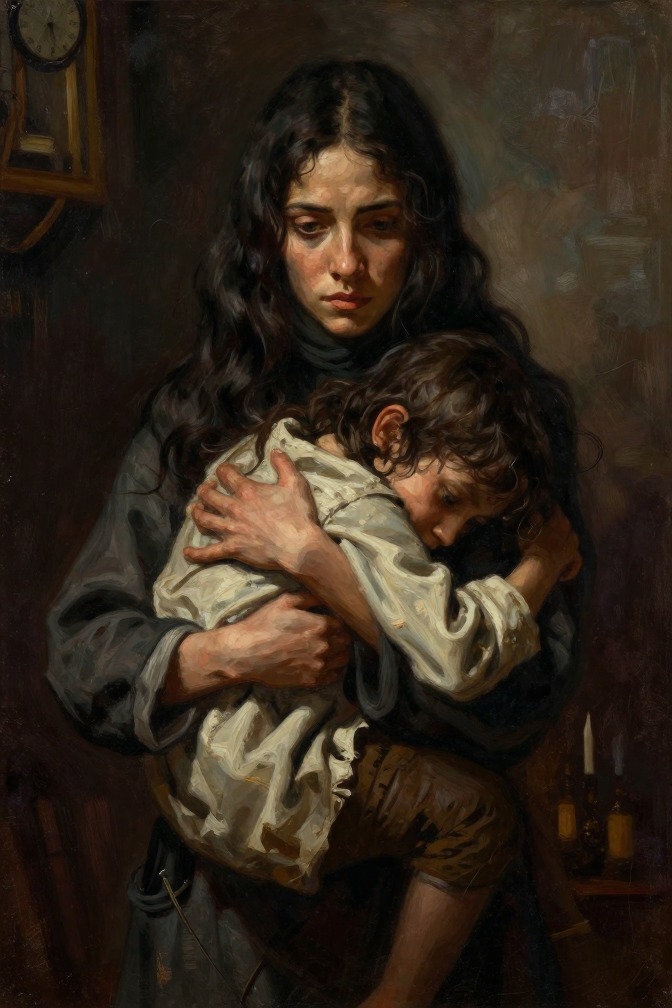
Sethe and her mother (Ma'am) share a relationship defined by absence, trauma, and the struggle for identity within the brutal system of slavery. Their bond is marked by separation, a haunting memory of a mother who could not nurture, and a legacy of loss that shapes Sethe's own fierce, protective motherhood.
Baby Suggs' Body Love Commandment is the central sermon delivered by Baby Suggs, holy, in the Clearing, where she instructs her formerly enslaved congregation to love their own flesh as an act of spiritual resistance against the dehumanization of slavery.
Schoolteacher's Classification Rule is the pseudoscientific doctrine by which the slaveholder schoolteacher categorizes enslaved people into human and animal characteristics, recording them in a notebook. This rule is the ideological engine of the novel's central trauma: it dehumanizes Sethe, drives her to escape Sweet Home, and ultimately leads to the infanticide that haunts 124 Bluestone Road. The rule's power lies in its claim to objective knowledge, making it a tool of white supremacy that reduces Black humanity to a ledger of animal traits.
Stamp Paid's Debtlessness is the ethical principle by which Joshua, after renaming himself Stamp Paid, declares that by surrendering his wife Vashti to his master's son without killing anyone, he has paid off all moral obligations to the world, freeing himself from debt and enabling him to spend his life helping others settle their own accounts of misery.
Slavery in *Beloved* is not a background condition but a lived, traumatic system that dehumanizes, commodifies, and fragments its victims, shaping every character's identity, memory, and capacity for love. The novel relentlessly exposes slavery's economic logic—the valuation of Black bodies as property, the theft of milk and labor, the classification of human beings into animal and human traits—while also depicting the psychological and spiritual violence that persists long after emancipation. Through the experiences of Sethe, Paul D, Baby Suggs, and others, Morrison shows how slavery destroys families, distorts love, and creates a haunting that no legal freedom can cure.
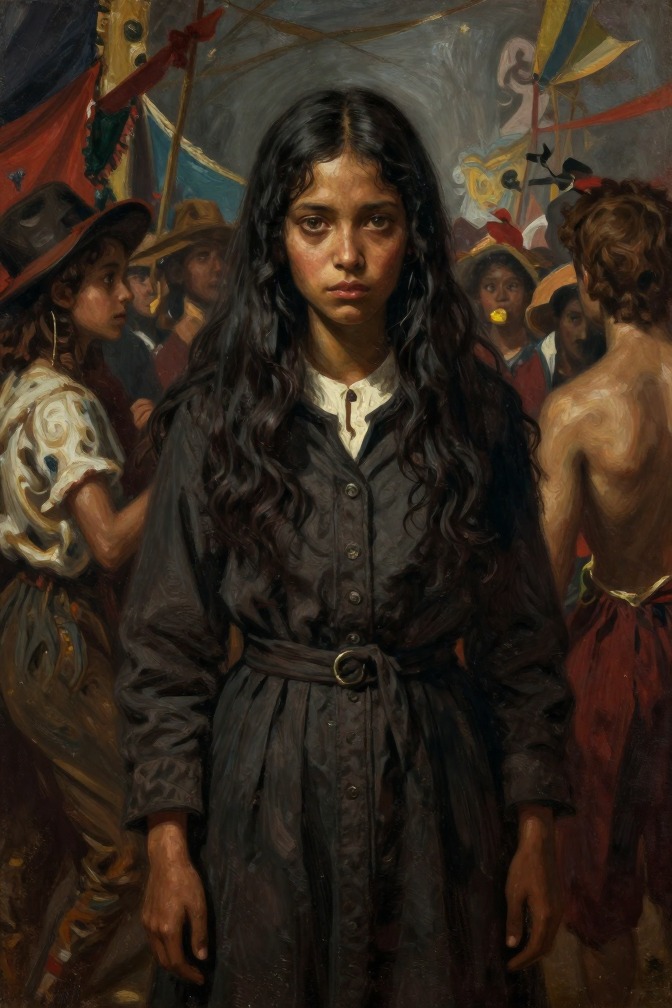
The carnival is a pivotal social event in Toni Morrison's Beloved, marking the first time in eighteen years that Sethe, Denver, and Paul D venture out together as a family. It is a day of tentative joy and public reconnection, where the community's warmth briefly embraces them, and it sets the stage for Beloved's mysterious arrival.
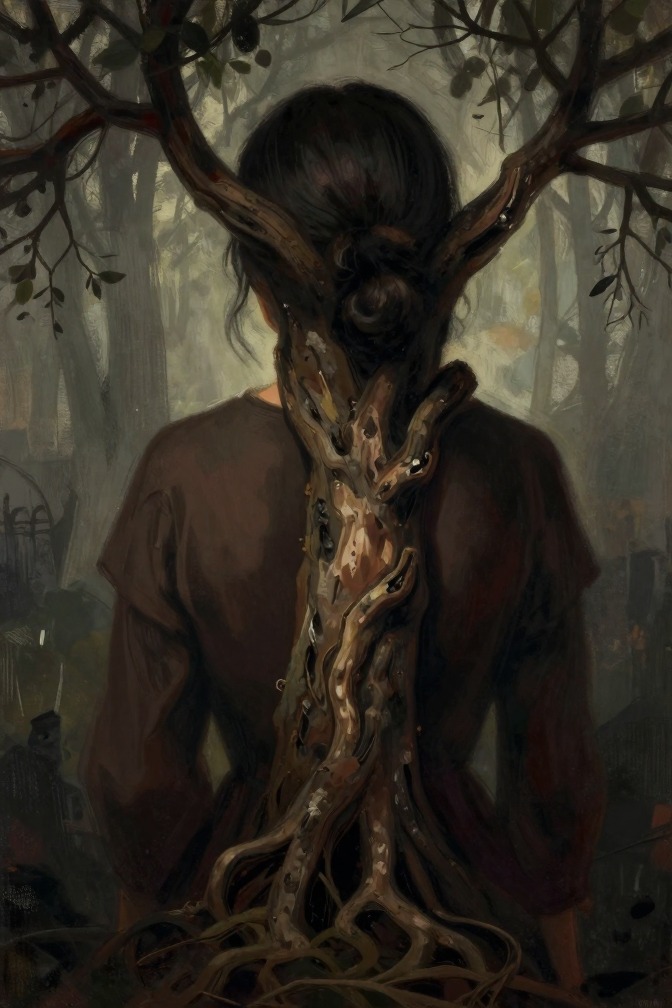
The tree on Sethe's back is the scar tissue left by a brutal whipping at Sweet Home, which Amy Denver names a chokecherry tree. It is a central symbol of Sethe's trauma, her motherhood, and her body's history, and it becomes a site of intimacy and conflict between Sethe and Paul D.