The five years refers to the period Halle Suggs spent working extra on Sundays and at night to buy his mother Baby Suggs out of slavery at Sweet Home, a sacrifice that defines his character and shapes the novel's understanding of love, labor, and freedom.
The War is the American Civil War, a historical conflict that frames the lives of the formerly enslaved characters in Toni Morrison's Beloved, marking both the promise of freedom and the persistent violence that follows emancipation.
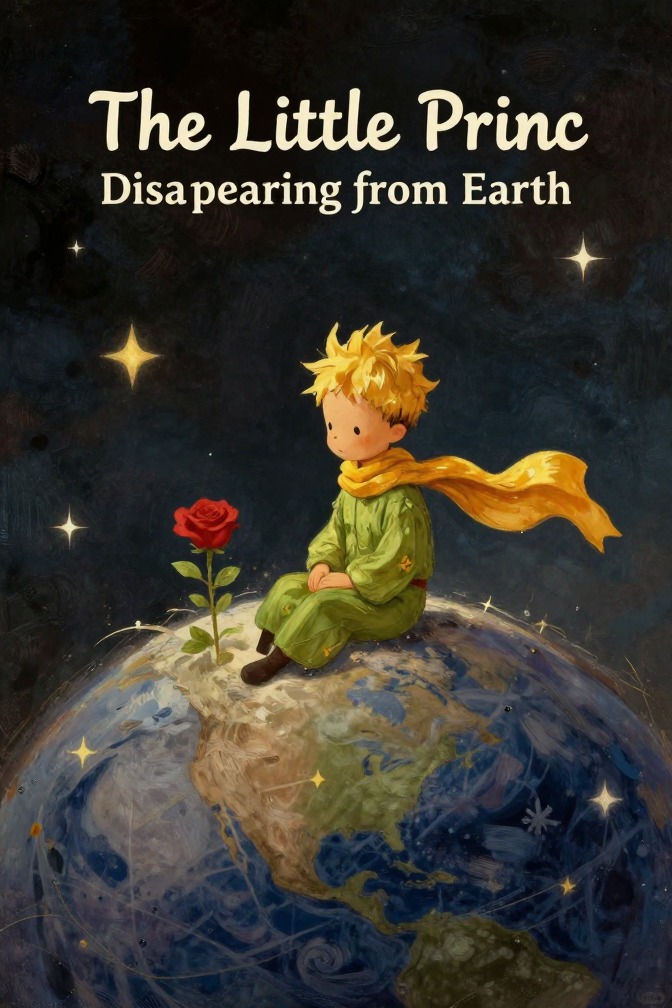
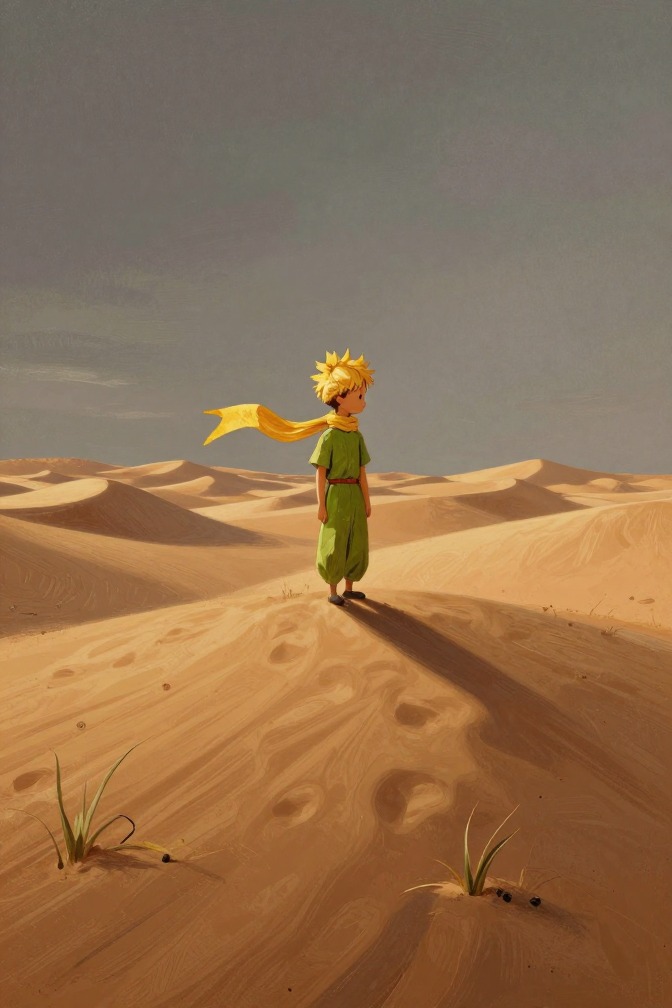
The Little Prince's disappearance from Earth is the central mystery and emotional climax of the story, transforming the narrator's grief into a cosmic uncertainty about whether the sheep has eaten the rose, and leaving the desert landscape as the loveliest and saddest place in the world.
The Narrator is the pilot and first-person teller of the story, who encounters the Little Prince in the African desert and, six years later, recounts the tale. His narrative is marked by grief, uncertainty, and a profound sense of responsibility, as he struggles with the unresolved fate of the Little Prince and the sheep he drew. His account frames the book's central mystery and its emotional weight, making him the essential conduit between the reader and the Little Prince's world.
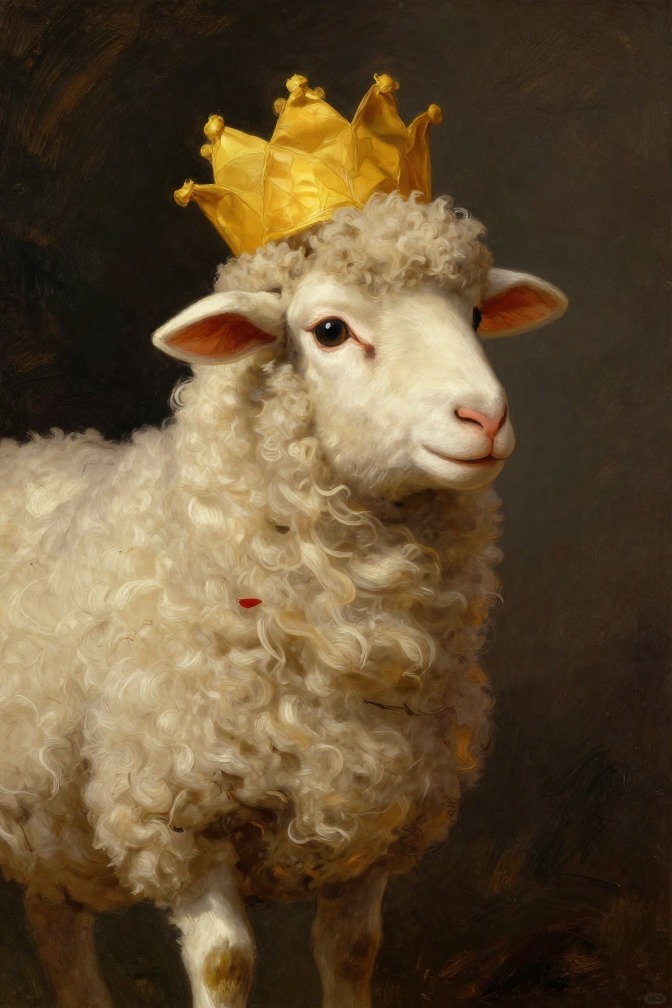
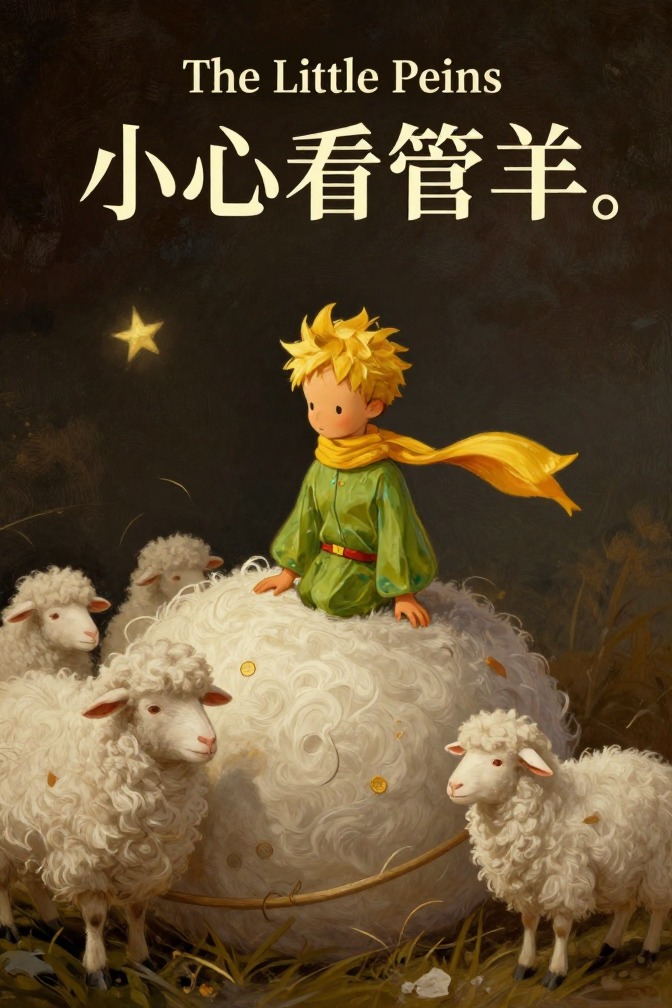
The Sheep is a central non-human character in The Little Prince, whose potential actions—eating the Little Prince's rose—become the story's ultimate source of uncertainty and emotional weight, transforming the narrator's grief into a cosmic question that only children can truly understand.
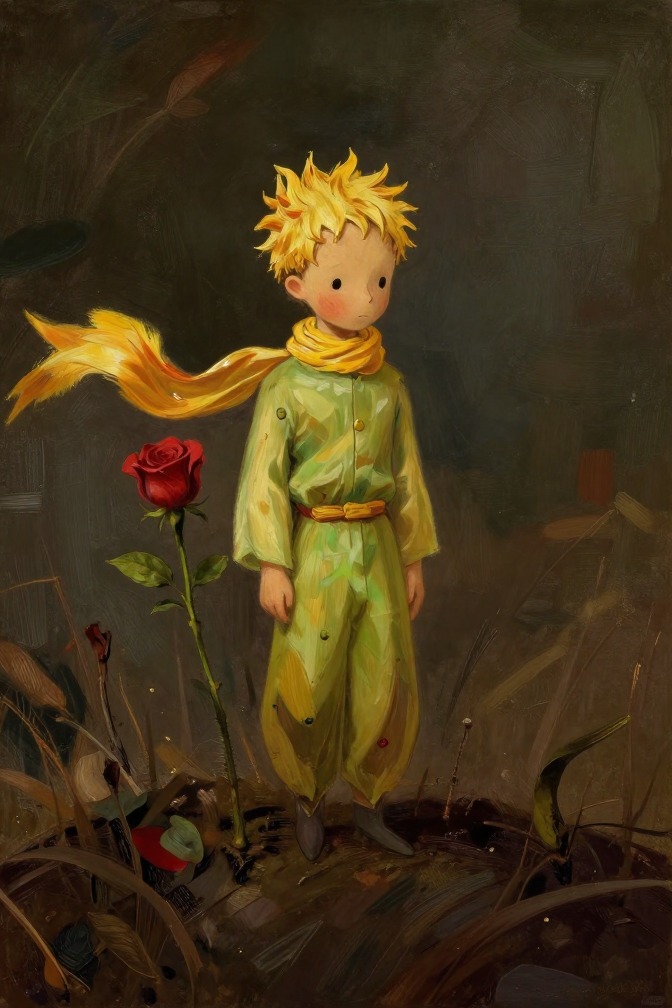
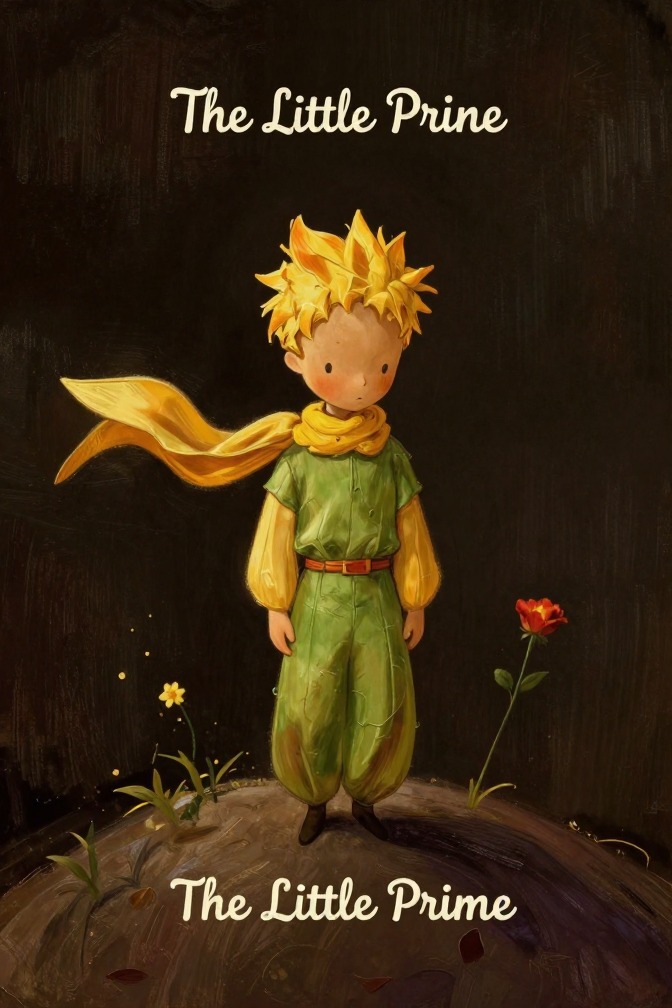
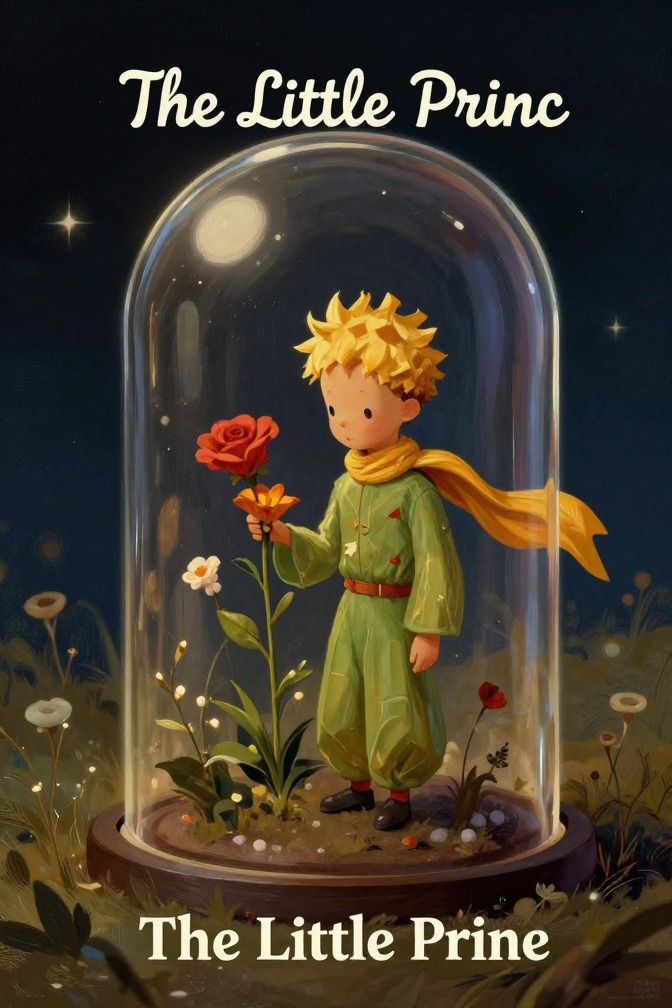
The Little Prince's Rose is the unique, beloved flower the Little Prince leaves behind on his planet, whose fate after his departure becomes the central unresolved mystery of the story, transforming the narrator's perception of the universe and embodying the book's deepest themes of love, responsibility, and loss.
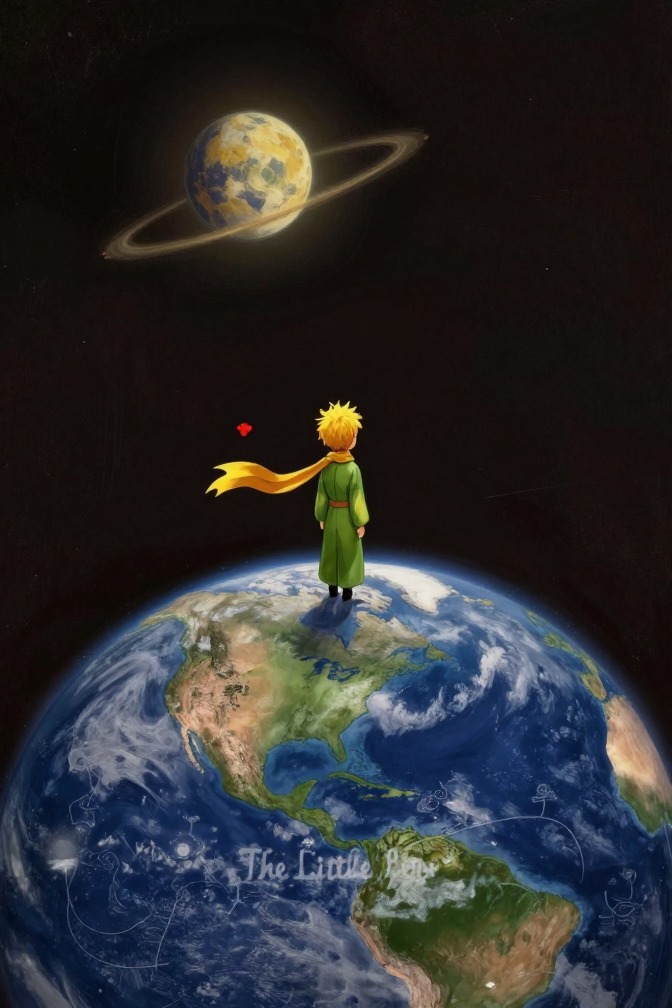
The Little Prince appears on Earth and returns to his planet, an event that frames the entire narrative as a mystery of love, loss, and cosmic consequence. The narrator, six years after the prince's disappearance, still lives with the unresolved question of whether the sheep has eaten the rose, a doubt that transforms the stars from bells to tears and makes this landscape the loveliest and saddest in the world.
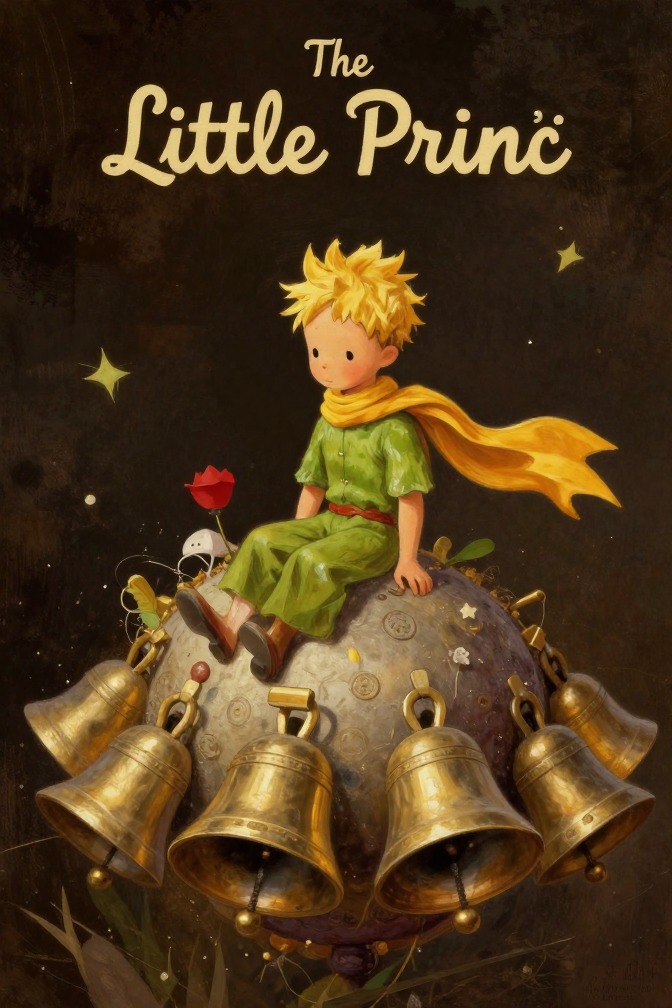
The phrase 'five hundred million little bells' is a central auditory image in the closing pages of Antoine de Saint-Exupéry's The Little Prince, transforming the night sky into a vast, ringing presence that embodies the narrator's grief, hope, and enduring bond with the Little Prince. It recurs as a motif that oscillates between sweetness and sorrow, depending on the narrator's fluctuating certainty about whether the Sheep has eaten the Rose.
The African desert is the sacred, sorrowful site where the Little Prince first appeared on Earth and later vanished, a landscape the Narrator redraws and hallows as the loveliest and saddest in the world, binding the story's central mystery of the sheep and the rose to a place of waiting and remembrance.
The flower, also called the rose, is the Little Prince's beloved and fragile companion on his home planet. Its fate—whether the sheep has eaten it—becomes the central, unresolved mystery of the book, a question that transforms the entire universe for the narrator and for every reader who loves the Little Prince.
The muzzle is a small but crucial object in the story, drawn by the Narrator for the Little Prince's sheep. Its missing leather strap becomes a source of profound uncertainty, symbolizing the fragility of care and the unknowable consequences of a single absent-minded moment.
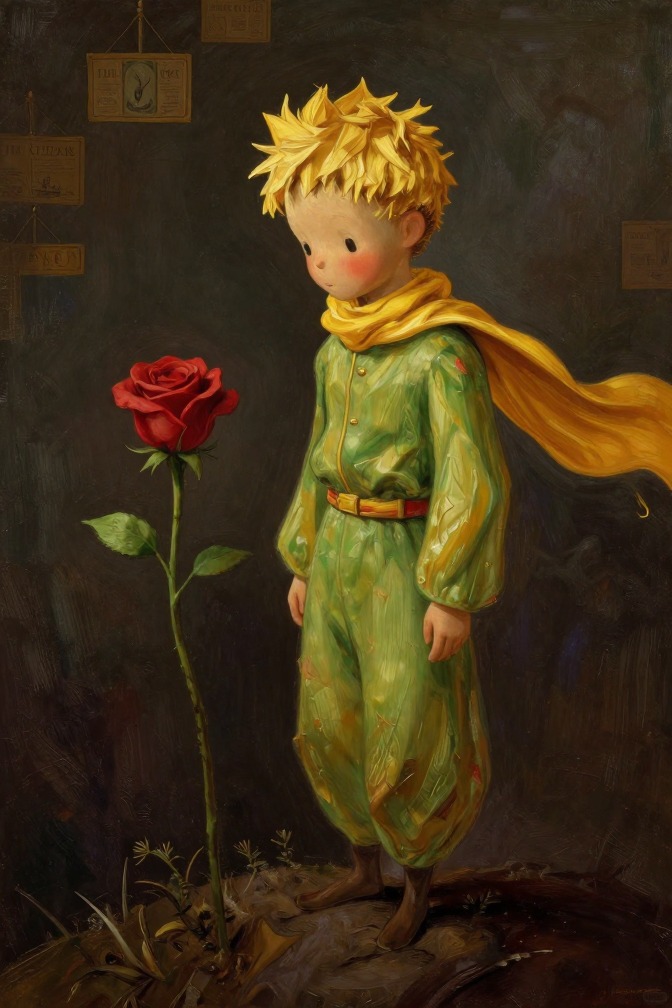
The relationship between the Little Prince and his Rose is the emotional and philosophical core of the book, defined by the prince's devoted care and the narrator's anxious uncertainty about its fate. This bond, expressed through nightly protection and the constant threat of the sheep, becomes a cosmic mystery that changes the meaning of the universe for those who love the prince.
The rule of watching over the sheep carefully is a central, unresolved anxiety in the aftermath of the Little Prince's departure, as the Narrator's forgotten leather strap on the muzzle leaves the fate of the Little Prince's rose uncertain, transforming the stars from bells of joy into tears of sorrow.
Cover the flower with glass globe every night is the Little Prince's nightly ritual of protecting his beloved rose, a practice that becomes the central uncertainty of the narrator's grief after the prince's departure. The rule's fragility—the possibility of forgetting the globe or the sheep escaping—transforms the cosmos into a question of whether the flower has been eaten, making it the story's most poignant emblem of love, responsibility, and the stakes of care.
Lolita is the central concept and object of desire in Vladimir Nabokov's novel, representing both a specific girl, Dolores Haze, and the narrator Humbert Humbert's idealized, demonic, and ultimately destructive obsession with a type of pre-adolescent girl he terms a "nymphet." The name itself becomes a private incantation, a vessel for his artistic and sexual fantasies, and the novel's entire narrative is structured around his attempt to possess and immortalize her, an endeavor that leads to her ruin and his own damnation.
The antelope appears in Humbert Humbert's memoir as a brief but resonant image during the cross-country road trip with Lolita, when he records seeing a herd of antelopes in a wildlife refuge. This fleeting encounter, embedded in the vast catalog of American landscapes and tourist attractions they consume, underscores the tension between Humbert's obsessive, predatory gaze and the natural world that remains indifferent to his drama.
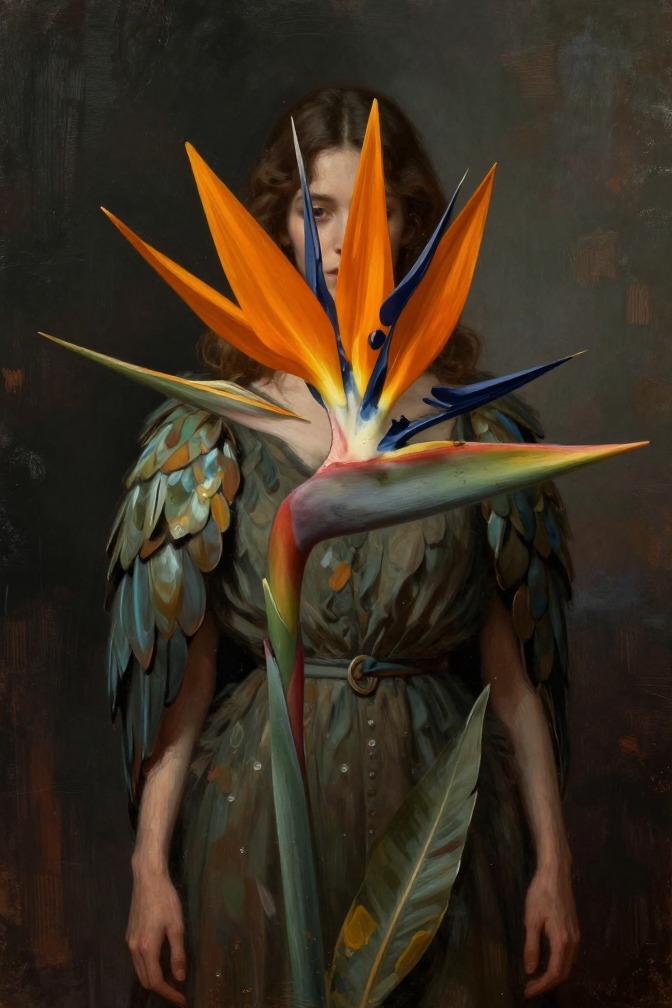
The bird of paradise appears in Humbert Humbert's imagined murals for the dining room of The Enchanted Hunters, where a tiger pursues it, serving as a vivid emblem of the predatory, aestheticized violence that pervades his narrative.
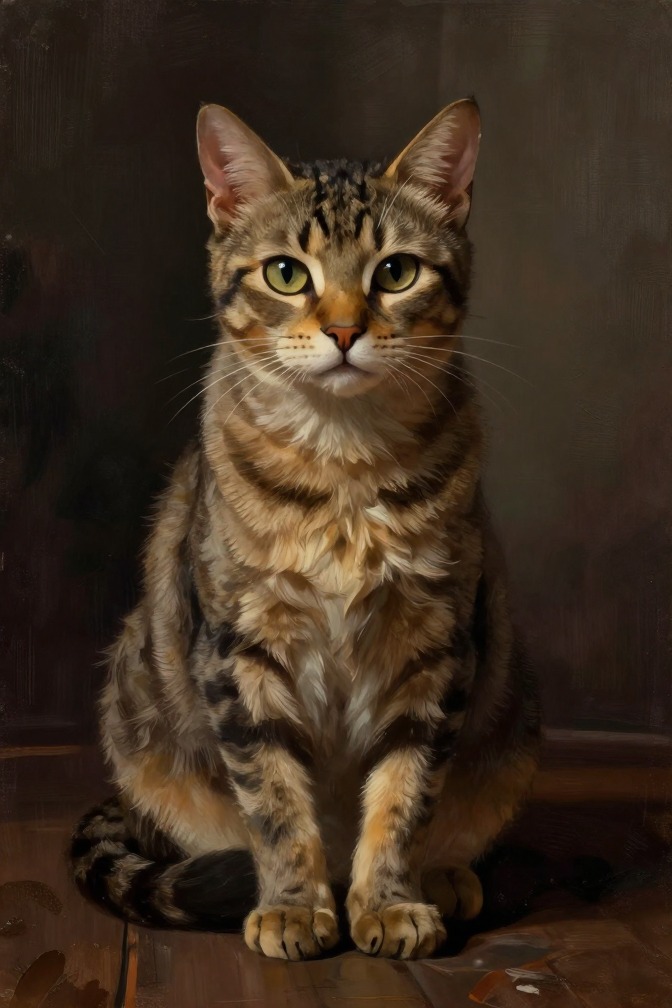
The cat appears in Humbert Humbert's memoir as a minor but recurring motif, associated with moments of interruption, domestic tension, and the intrusion of ordinary life into his obsessive world. Its appearances are brief but strategically placed, often coinciding with critical junctures in his pursuit of Lolita.
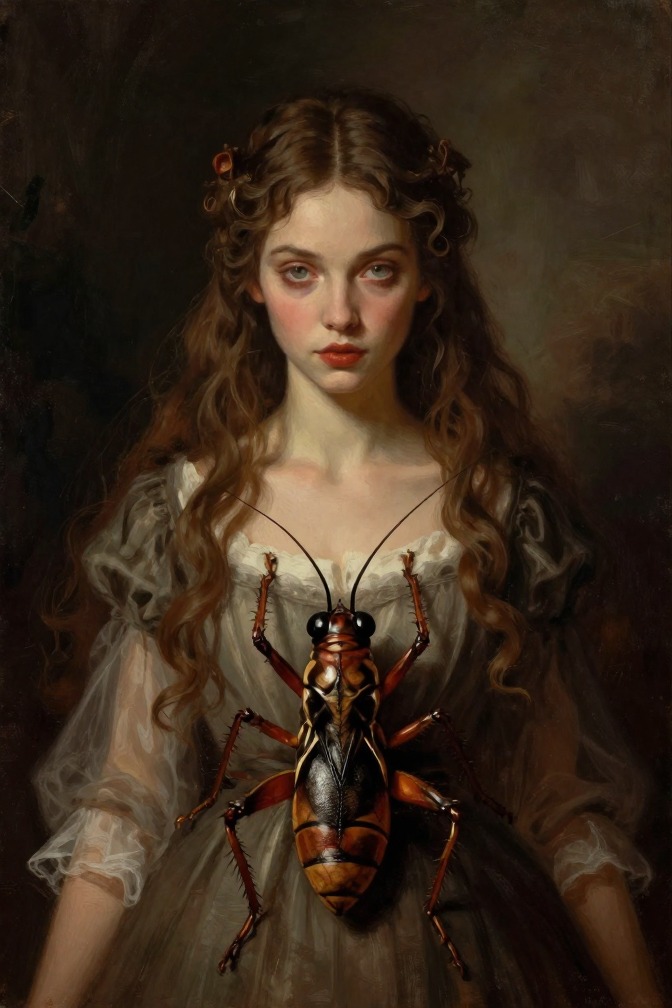
The cricket appears as a single, poignant auditory image in the final pages of Humbert Humbert's confession, where it becomes a symbol of the lost, ordinary world of childhood from which Lolita has been irrevocably severed.
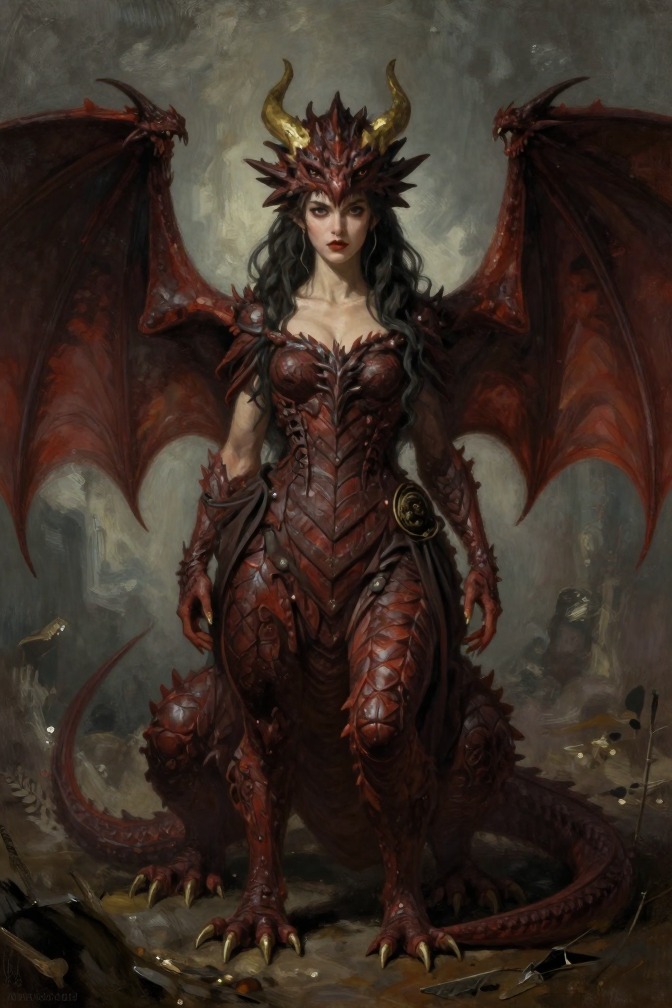
In Vladimir Nabokov's Lolita, dragons appear only as a passing simile in the narrator's complaint about the practical difficulties of outdoor lovemaking in the American wilderness, where he claims that the landscape is so inhospitable that it seems to harbor 'semi-extinct dragons' alongside snakes and stinging insects. The reference is brief, ironic, and entirely metaphorical, serving to underscore Humbert Humbert's frustrated sense that the natural world refuses to cooperate with his romantic and predatory designs.
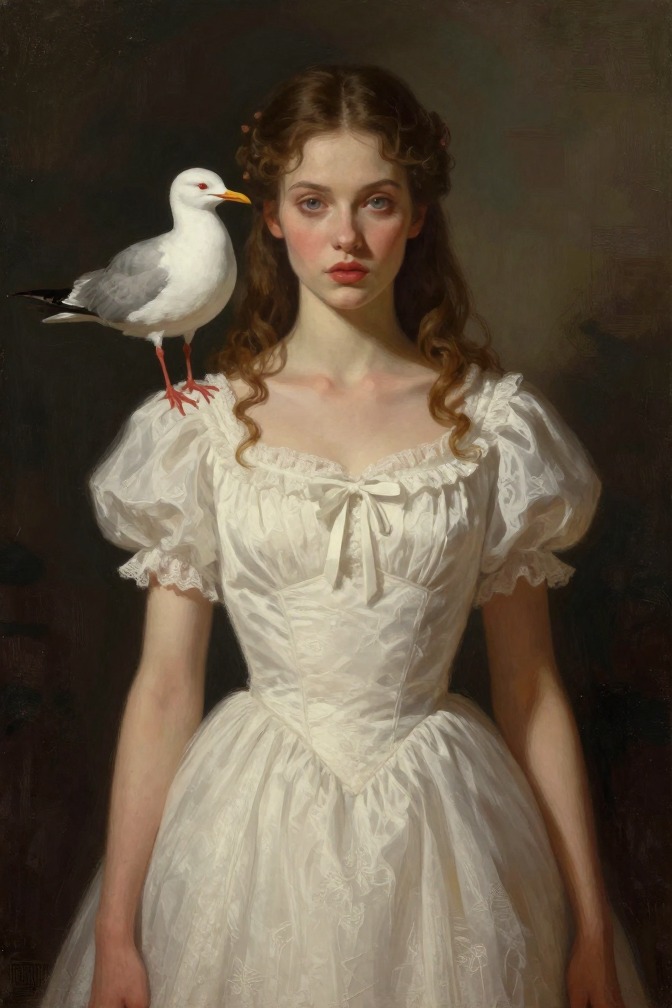
The gull appears as a brief but resonant image in Humbert Humbert's cross-country narrative, a creature glimpsed in the margins of his obsessive journey with Lolita. Its presence, though fleeting, crystallizes the tension between the natural world's indifferent beauty and the narrator's predatory, solipsistic gaze.
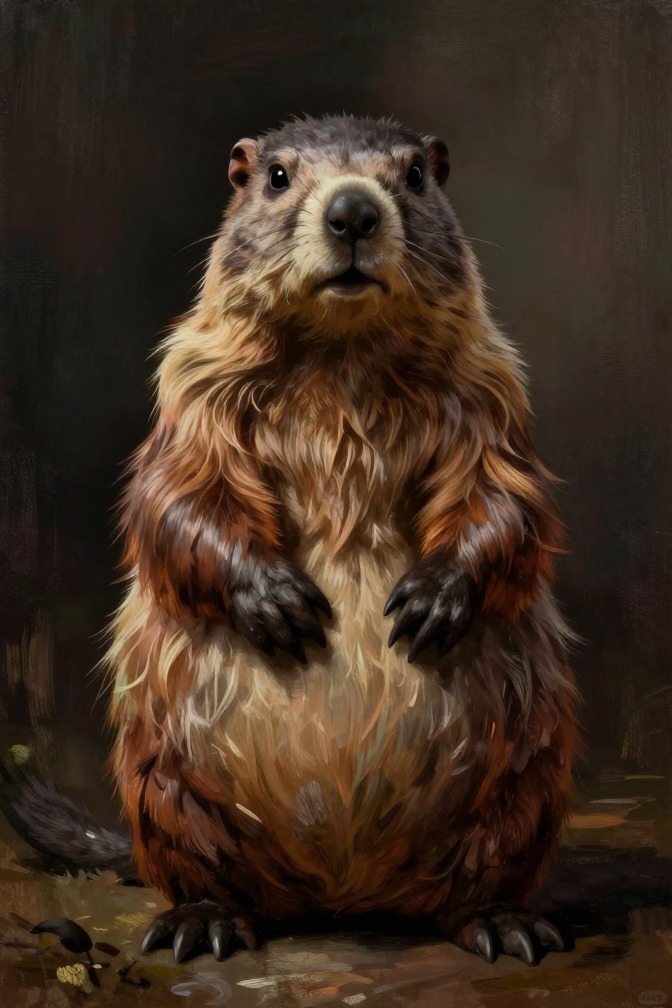
The marmot appears in a single, vivid scene during Humbert and Lolita's cross-country journey, serving as a brief but resonant marker of the natural world's indifference to human transgression. Whistling and withdrawing as the couple trespasses into a secluded alpine spot, the animal punctuates a moment of false pastoral security that immediately collapses into near-discovery, exposing the fragility of Humbert's paradise.
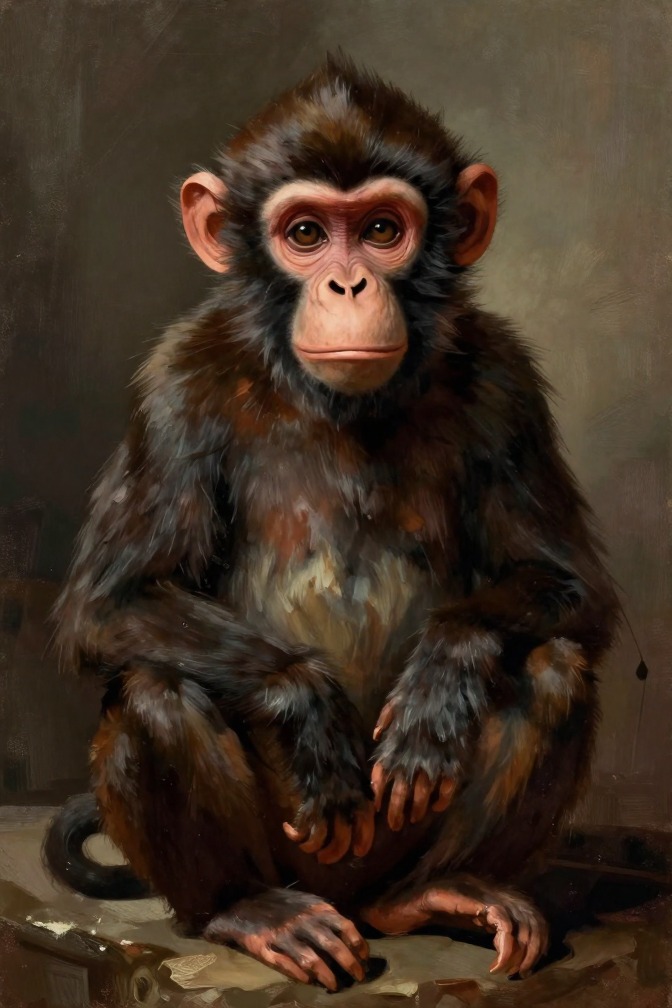
The monkey appears only once in Lolita, as a brief exhibit in a zoo during Humbert and Lolita's cross-country road trip, where a large troop of monkeys lives on a concrete replica of Christopher Columbus' flagship. This fleeting image functions as a minor but telling detail within the novel's vast catalogue of American roadside attractions, underscoring the kitsch, the absurd, and the commodified spectacle that define their journey.
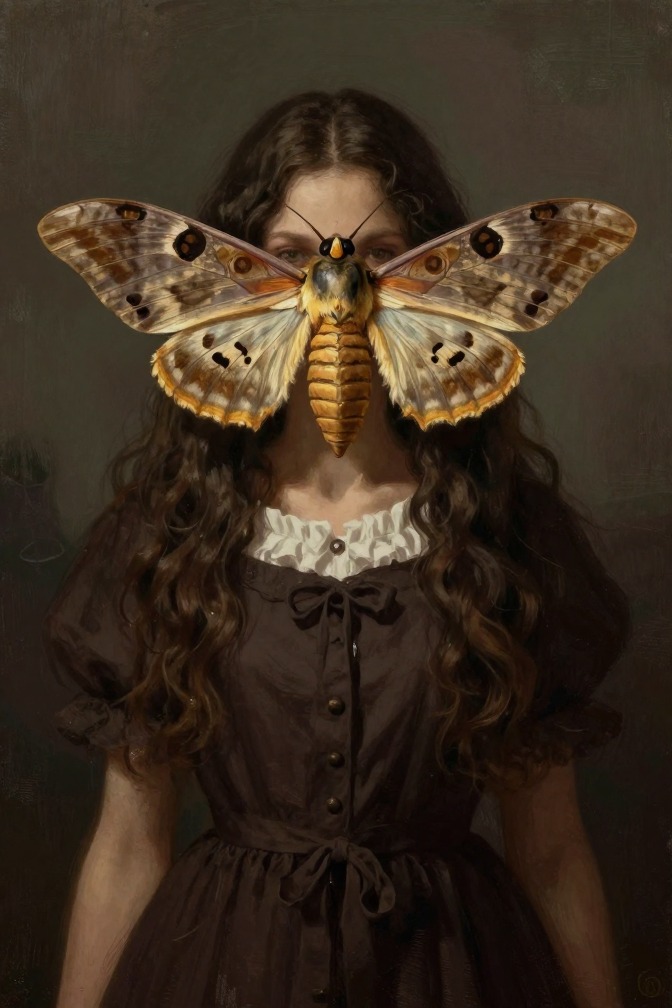
In Vladimir Nabokov's Lolita, moths appear as recurring atmospheric presences that mark moments of transition, menace, and the narrator's altered perception, particularly during the final approach to Clare Quilty's house and in the aftermath of the murder.
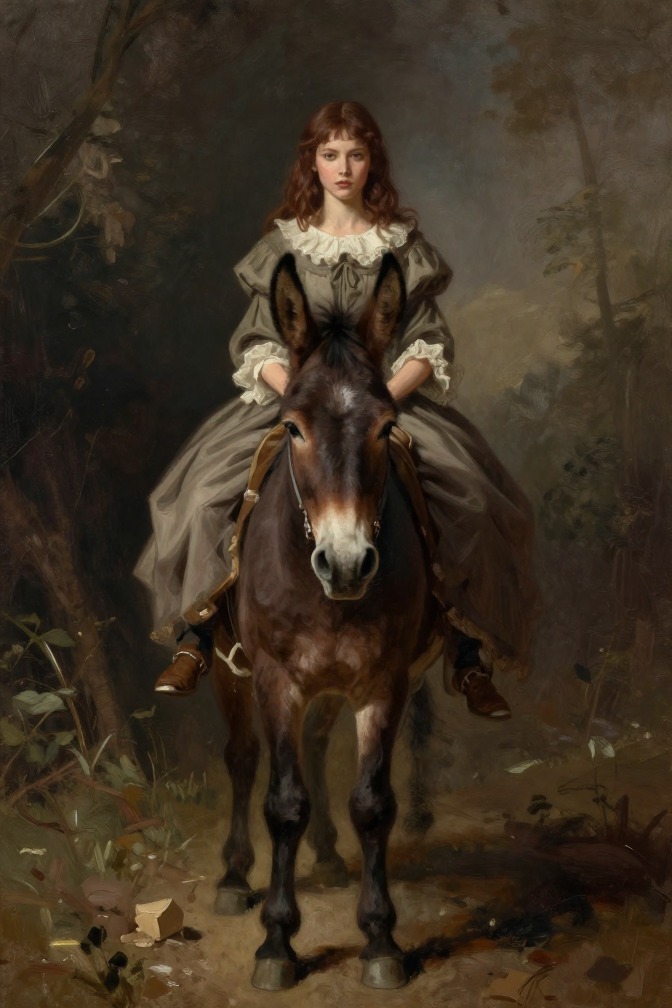
The mule appears in a single, brief mention during Humbert Humbert's final visit to Elphinstone, where it is glimpsed grazing in a pasture within the town's neat, model-like layout, serving as a minor detail in the landscape that underscores the surreal, dreamlike quality of his desperate search for Lolita.
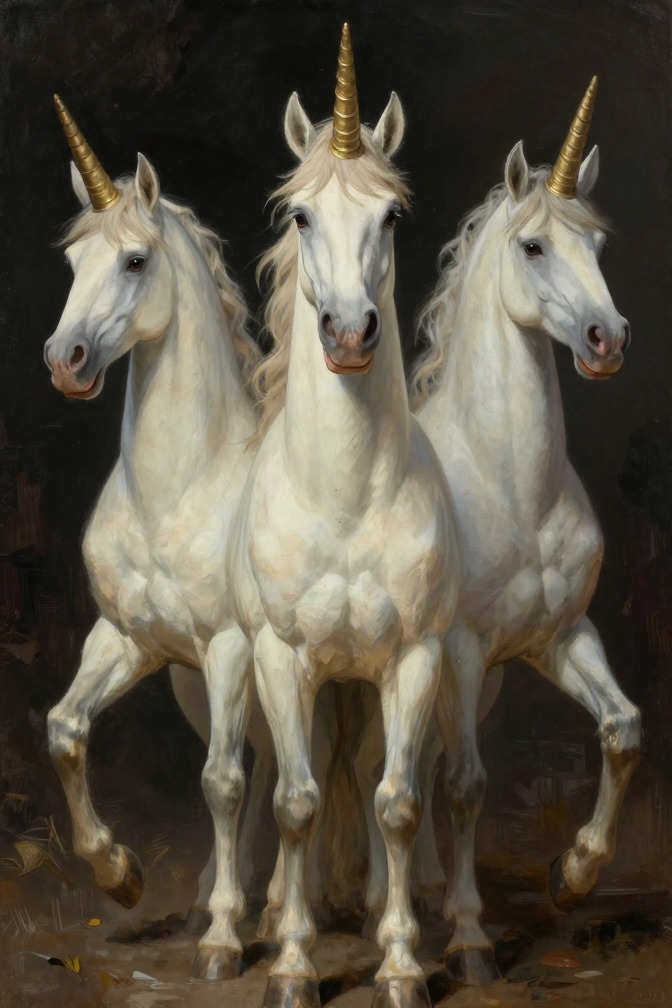
Unicorns appear in Lolita as a fleeting, ironic image within the narrator's description of the American landscape, specifically in the town of Elphinstone, where Humbert Humbert, in a state of drunken despair after Lolita's escape from the hospital, perceives a unicorn grazing in a pasture, blending the mythical creature with the mundane reality of a small Western town.
Annabel Leigh's death from typhus in Corfu, four months after the summer of 1919, is the foundational trauma of Humbert Humbert's life, crystallizing his frustrated desire for a preadolescent girl into a permanent psychological wound that he later seeks to heal by incarnating her in Lolita.
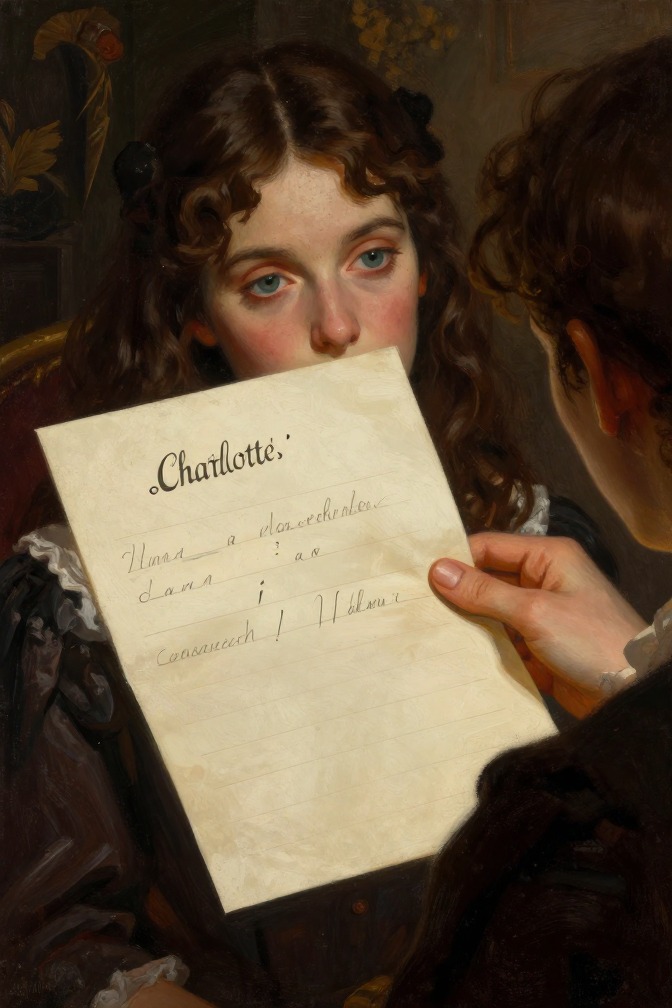
Charlotte Haze's confession letter is the pivotal event that transforms Humbert Humbert from a scheming lodger into a calculating husband, setting the stage for his legal access to Lolita. Written after the davenport scene and left for him on the morning she drives Lolita to Camp Q, the letter declares Charlotte's love, orders him to leave, and paradoxically offers him marriage—a proposal he seizes as the key to possessing her daughter.
Charlotte Haze's sudden death in a car accident is the pivotal event that transforms Humbert Humbert from a frustrated lodger into the sole guardian of his beloved Lolita, removing the primary obstacle to his predatory desires and setting the entire subsequent narrative of abuse, travel, and tragedy in motion.
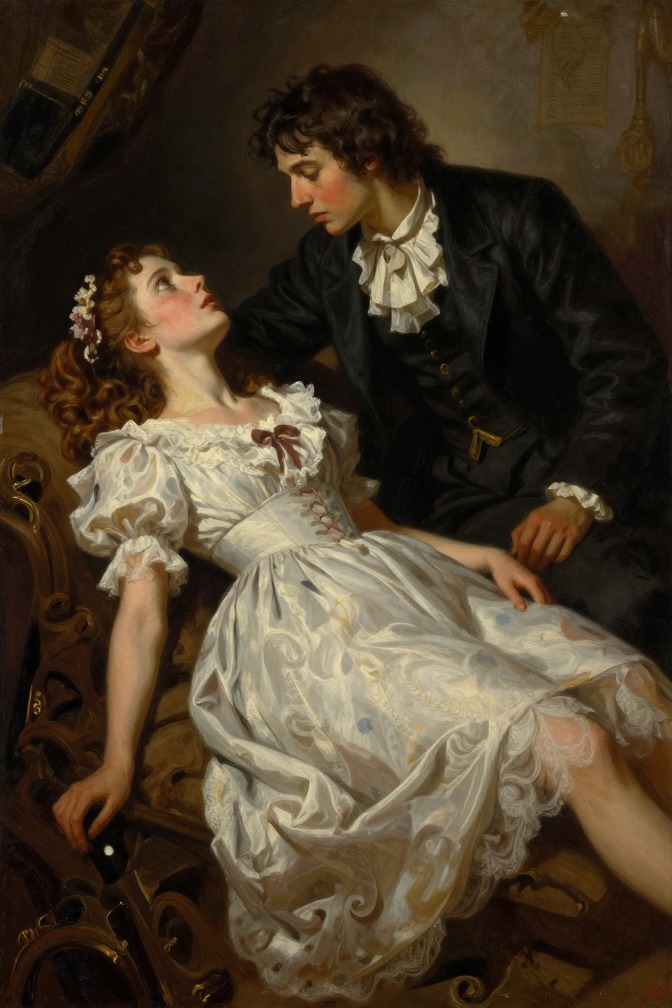
The first night at The Enchanted Hunters is the pivotal event in which Humbert Humbert, having drugged twelve-year-old Dolores Haze with a sedative, attempts to consummate his long-nurtured obsession but is repeatedly thwarted by the drug's failure and Lolita's restless sleep, culminating in her seduction of him at dawn—a reversal that exposes the gap between his fantasy of passive possession and the reality of her active, corrupted complicity.