A paradise whose skies were the color of hell-flames is Humbert Humbert's paradoxical description of the bliss he experiences while possessing Lolita, a state of ecstatic fulfillment that is simultaneously a moral inferno. The phrase crystallizes the central oxymoron of the novel: the rapturous, transcendent joy of his nymphet obsession is inseparable from the damnation, corruption, and suffering it entails. It represents the ultimate self-deception of a narrator who insists on the beauty of his perdition while the narrative itself exposes its horror.
Humbert Humbert's self-justifying declaration 'I am nature's faithful hound' crystallizes his attempt to frame his pedophilic obsession with Dolores Haze as a natural, almost biological compulsion, thereby evading moral responsibility while simultaneously revealing the predatory rationalization at the core of his narrative.
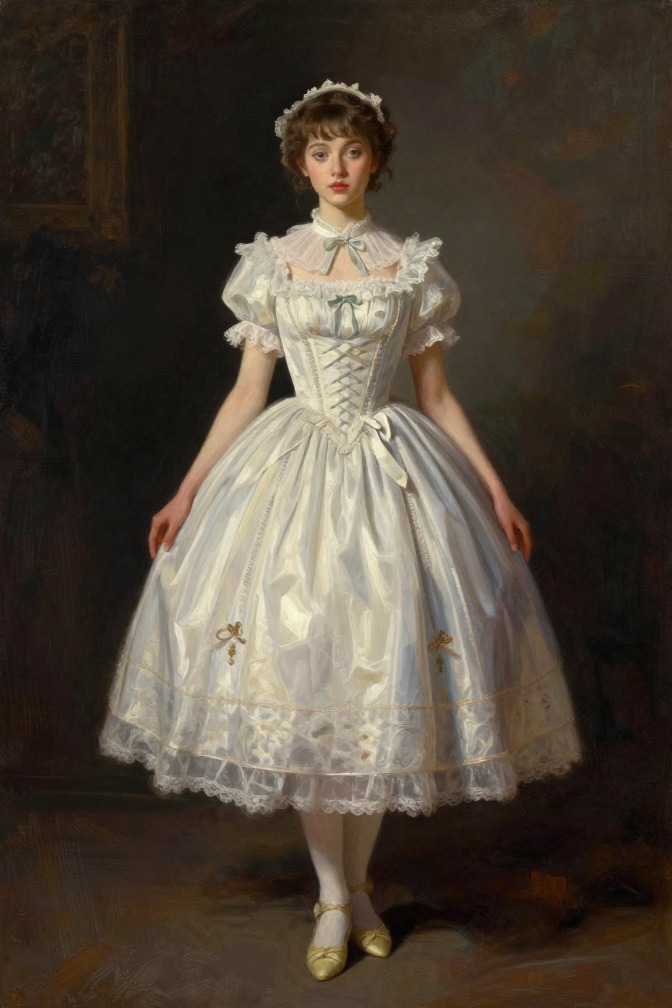
The phrase "Lo, plain Lo" appears in the opening paragraph of Humbert Humbert's confession, where he distinguishes the many names of Dolores Haze according to context and mood, reserving "Lolita" for the private, eroticized image he possesses in his arms. This naming system establishes the central tension of the novel: the gap between the real girl and Humbert's solipsistic creation.
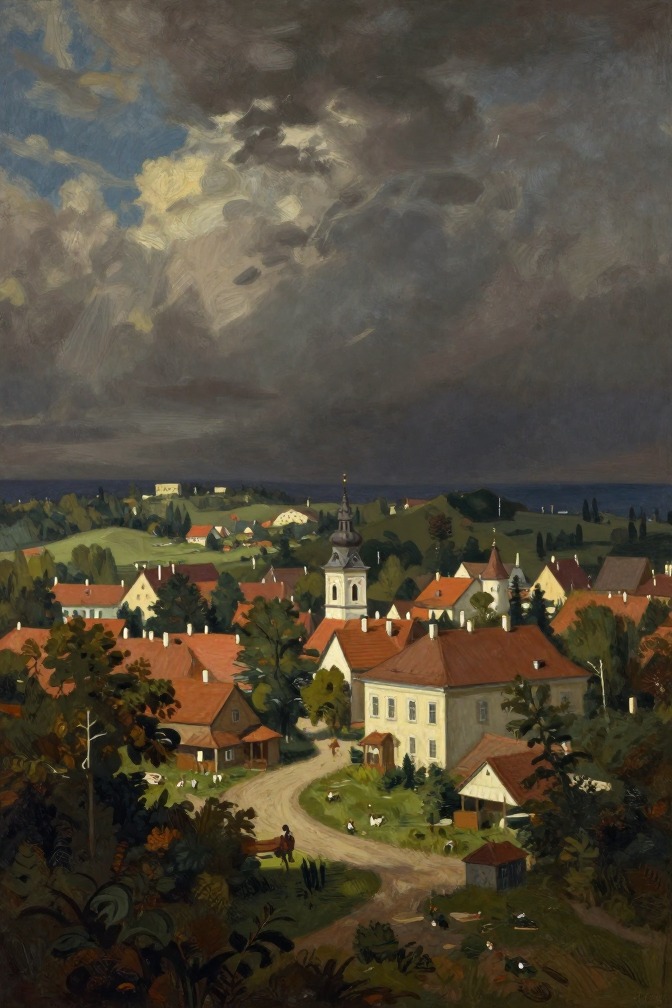
Coalmont is the bleak, industrial town where Humbert Humbert finds Dolores Haze (now Dolly Schiller) in September 1952, living in poverty with her husband Richard Schiller and pregnant. It is the site of their final meeting, where Humbert learns the identity of the man who took Lolita from him—Clare Quilty—and where he gives her money before departing to murder Quilty. The town represents the degraded terminus of Humbert's quest and the irreversible loss of the nymphet he once possessed.
Gray Star is a remote settlement in the farthest Northwest where Dolores Haze, under her married name Mrs. Richard F. Schiller, died in childbirth on Christmas Day 1952, giving birth to a stillborn girl. This location marks the tragic, final endpoint of Lolita's life, a stark contrast to the vibrant nymphet Humbert Humbert had pursued across America, and its mention in the foreword by John Ray, Jr. provides the only concrete information about her fate outside Humbert's own narrative.
Lyon is the French city where Humbert Humbert was sent to attend a lycée in the autumn of 1923, marking a pivotal transition from his childhood on the Riviera into a period of isolation and sexual awakening. The city appears in the memoir as a site of abandonment and frustrated desire, where the adolescent Humbert, lacking parental guidance after his father's departure for Italy, first confronts the rift that will define his life.
Paris is the European city where Humbert Humbert lives, studies, works, and marries during his early adulthood, and it serves as the geographical and psychological origin of his European identity, his literary ambitions, and his first failed marriage before he emigrates to America.
Parkington is a mid-sized American city, located forty miles from Ramsdale, that serves as a commercial and professional hub for the region. It is the site of John Farlow's sporting goods office, a major shopping expedition by Humbert Humbert, and a crucial telephone call that sets in motion the final stage of his journey to retrieve Lolita from Camp Q.
Pisky is the Haze family's former hometown in the Middle West, a place that functions as a geographic and emotional anchor for Charlotte Haze's past and as a site of nostalgic ambivalence for Dolores Haze. Though never visited in the narrative, Pisky represents the ordinary, rooted American life that both mother and daughter have left behind, and its mention reveals key tensions in their relationship and in Humbert Humbert's control over Lolita.
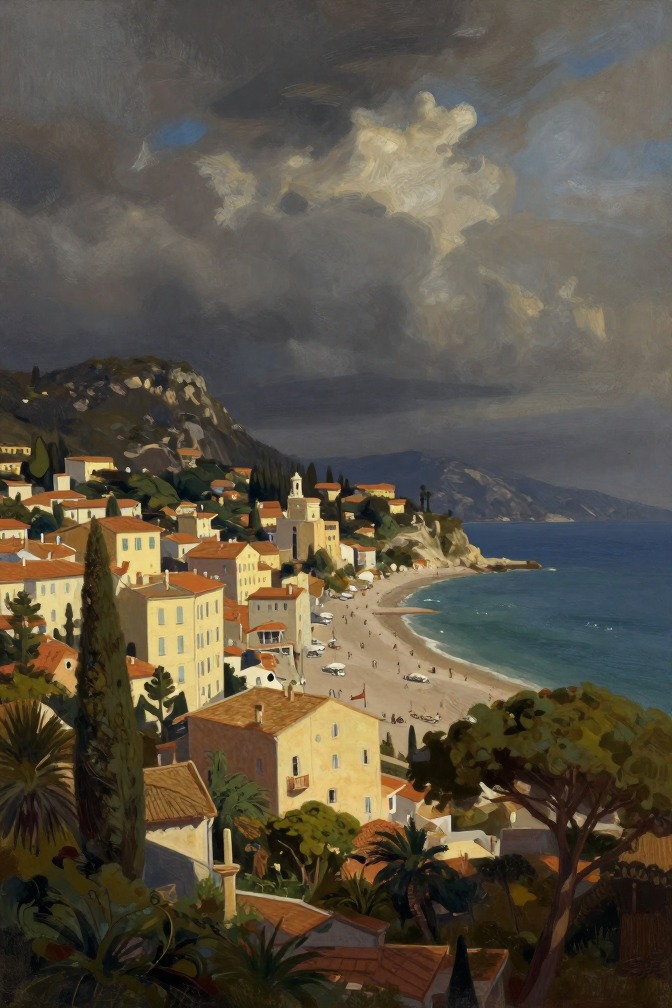
The Riviera is the coastal region of southeastern France where Humbert Humbert spent his childhood and first encountered Annabel Leigh, the precursor to his obsession with Lolita. It functions as the geographical and emotional origin of his lifelong nympholepsy, a sun-drenched, paradisiacal backdrop that becomes permanently fused with the trauma of Annabel's death and the unfulfilled desire she left behind.
The Arlésienne painting is a reproduction of van Gogh's work that hangs in the front hall of the Haze house, serving as a marker of the family's pretensions to middlebrow artistic taste and as a silent witness to Humbert Humbert's first, fateful arrival at 342 Lawn Street.
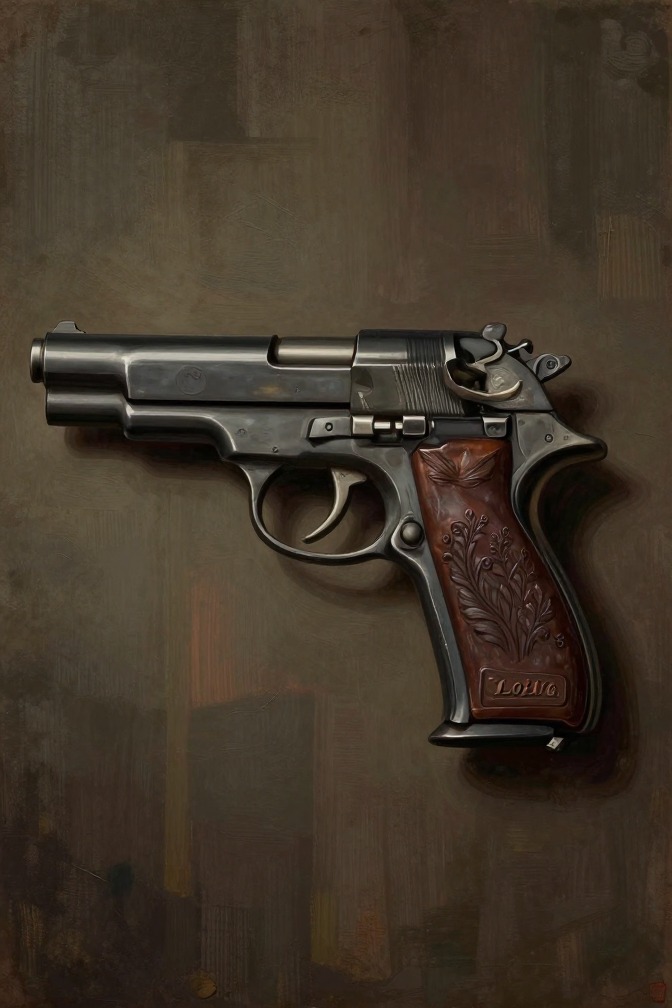
The automatic pistol, inherited from Harold Haze and kept by Humbert Humbert throughout his cross-country journey with Lolita, serves as the instrument of both symbolic menace and literal murder. It is the weapon Humbert uses to kill Clare Quilty in the climactic scene at Pavor Manor, and its presence throughout the narrative marks the intersection of Humbert's fantasies of violence, his paranoia, and his eventual, deliberate act of revenge.
The bicycle in Lolita is a recurring object that marks Dolores Haze's fleeting youth, her moments of freedom, and the narrator's obsessive surveillance. It appears in key scenes of transition and loss, serving as a silent witness to the girl's passage from childhood into a constrained adulthood.
The blue sedan, a modest and aging vehicle, serves as the primary mode of transportation for Humbert Humbert and Dolores Haze during their year-long cross-country journey. More than a mere conveyance, it becomes a mobile prison, a stage for their illicit relationship, and a silent witness to Humbert's obsession, jealousy, and eventual despair. Its breakdowns, near-escapes, and final abandonment mark key turning points in the narrative, embodying the physical and moral decay of their journey.
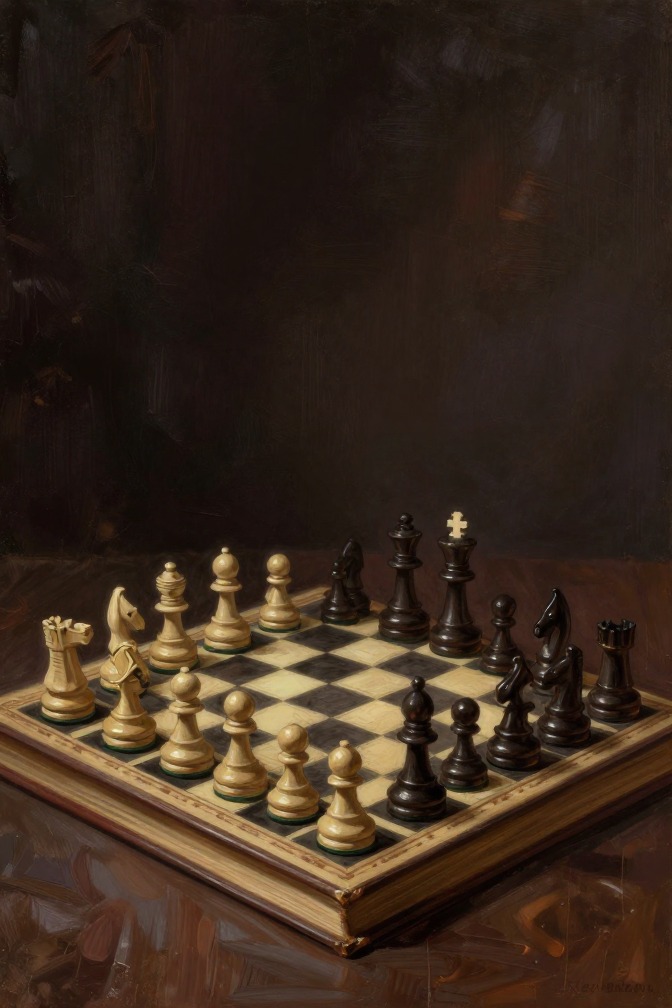
The chess set in Lolita is a recurring object that serves as a symbol of intellectual competition, psychological manipulation, and the deceptive calm that masks Humbert Humbert's predatory obsession. It appears most prominently in the Beardsley section, where Humbert plays against Gaston Godin, a closeted pederast whose presence provides Humbert with a false sense of security. The chessboard becomes a stage for Humbert's self-deception, his strategic cunning, and his inability to see the true threats closing in on him.
Humbert Humbert's black imitation-leather pocket diary, covering most of June 1947, is the central textual artifact through which he records his obsessive pursuit of Dolores Haze during his first weeks as a lodger at 342 Lawn Street. The diary functions both as a secret confessional for his ungovernable lust and as a tactical logbook for his predatory schemes, and its eventual discovery by Charlotte Haze precipitates the chain of events that leads to her death and Humbert's assumption of control over Lolita.
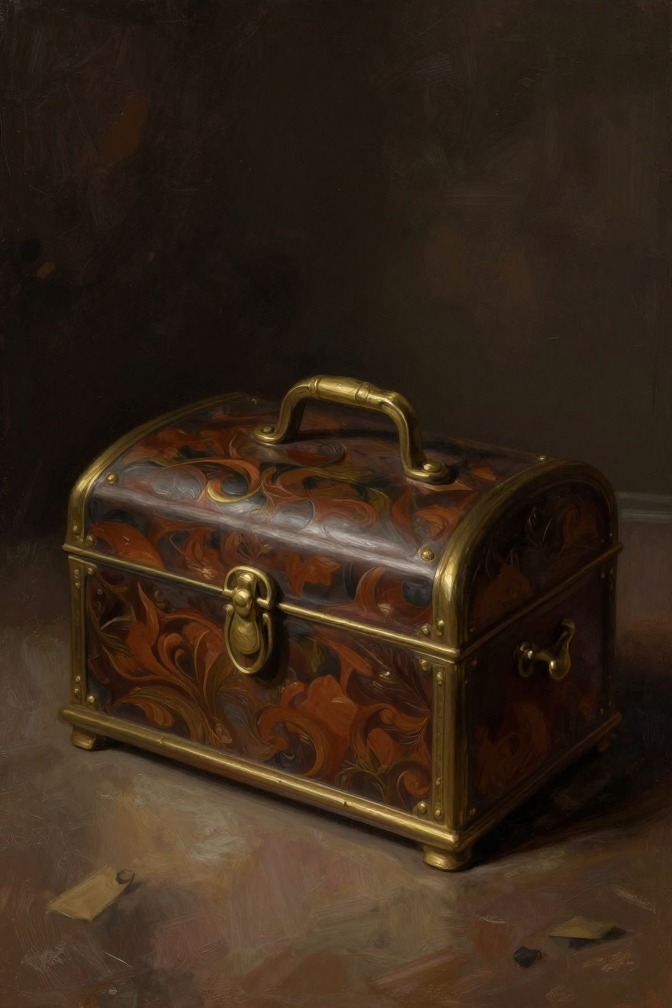
The luizetta money box is a small copper case with an Oriental design, given to Humbert Humbert by Gaston Godin, which Humbert repurposes to conceal his loaded .32 caliber automatic pistol during the cross-country journey with Lolita, symbolizing the lethal secret and paranoid vigilance that define his tenure as her captor.
The Mexican knickknacks in the Haze household are a recurring decorative motif that signals the family's middlebrow taste and the ersatz exoticism of American suburban life, while also serving as a silent backdrop to Humbert Humbert's first encounter with Lolita and to the charged domestic scenes that follow.
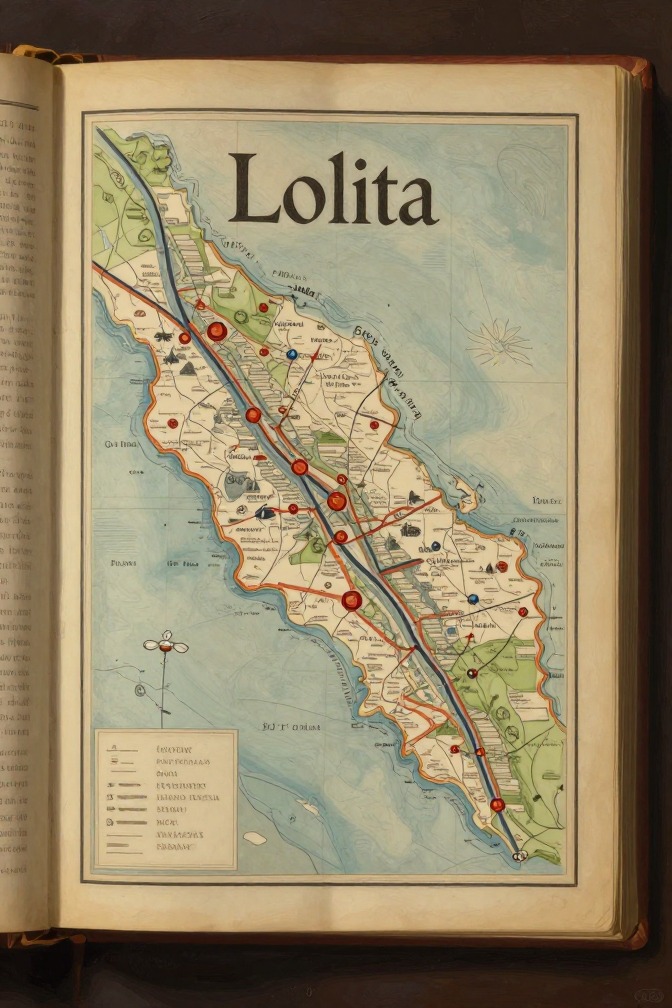
The road map is a recurring object in Humbert Humbert's cross-country journey with Lolita, serving both as a practical navigation tool and as a symbol of the couple's aimless, predatory itinerary. It appears most prominently during the second year of their travels, when Lolita uses it to trace their route with deliberate enthusiasm, and later when Humbert discovers that the map's markings have been manipulated to facilitate her secret communications with Clare Quilty. The map thus becomes an emblem of Humbert's deluded control and of Lolita's hidden agency within their grotesque partnership.
Humbert Humbert and Clare Quilty are locked in a rivalry that defines the novel's final act: Quilty, a playwright and sexual predator, seduces and abducts Lolita from Humbert, triggering a three-year manhunt that culminates in Humbert's vengeful murder of Quilty. Their conflict is a grotesque mirror of each other's obsessions, exposing the predatory nature beneath Humbert's romantic self-justification.
Humbert Humbert's marriage to Valeria Zborovski was a calculated but disastrous attempt to find a legal outlet for his pedophilic desires, lasting from 1935 to 1939 in Paris. The union was founded on deception: Humbert was attracted to Valeria's imitation of a little girl, while she was actually a woman in her late twenties. The marriage ended when Valeria revealed she had a lover, the White Russian ex-colonel Maximovich, and left Humbert, who later learned of her degrading fate in a California experiment.
Incest is the central, structuring taboo of Lolita, defining the relationship between Humbert Humbert and his stepdaughter Dolores Haze. Humbert's narrative both confesses and rationalizes this transgression, framing it as a perverse form of love while the text relentlessly exposes the coercion, power imbalance, and destruction it entails. The word itself is spoken aloud by Lolita, marking a moment of brutal clarity that punctures Humbert's self-serving romanticism.
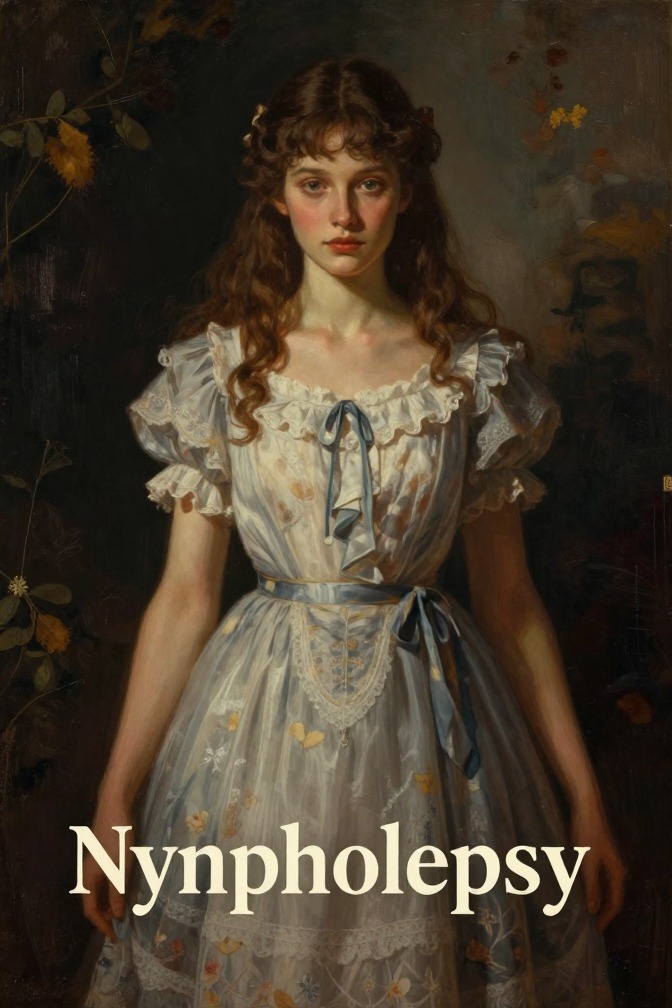
Nympholepsy is the term Humbert Humbert coins in his memoir to describe the obsessive, quasi-demonic attraction he feels toward a specific class of pre-adolescent girls he calls 'nymphets,' a condition that he presents as both an aesthetic and a pathological state, and which he traces back to his childhood romance with Annabel Leigh.
Statutory rape is the legal concept that defines the crime of sexual intercourse with a minor under the age of consent, regardless of whether the minor consents. In *Lolita*, this legal framework is the invisible cage that traps both Humbert Humbert and Dolores Haze, shaping every action, threat, and rationalization in the narrative. Humbert's obsessive awareness of the law—its definitions, penalties, and loopholes—drives his strategy of secrecy, his manipulation of Lolita through fear of reform school, and his ultimate self-justification as a man who merely 'followed nature' rather than violated a statute.
The phrase "White widowed male" is the second of two titles under which the manuscript of "Lolita, or the Confession of a White Widowed Male" was received by its editor, John Ray, Jr., and it serves as a self-designation by the narrator Humbert Humbert that encapsulates his strategic self-presentation as a bereaved, respectable, and victimized figure—a mask that the novel systematically exposes as a piece of unreliable narration.
The period from 1935 to 1939 marks Humbert Humbert's disastrous first marriage to Valeria, a woman chosen for her imitation of a little girl, and the subsequent collapse of that union when she leaves him for a Russian taxi driver, an event that deepens his isolation and sets the stage for his later obsession with Lolita.
The 1940s form the temporal backbone of Lolita, encompassing the novel's central events: Humbert Humbert's arrival in America, his marriage to Charlotte Haze, the cross-country journey with Dolores Haze, and the eventual murder of Clare Quilty. This decade provides the historical and cultural context for the story's exploration of obsession, morality, and the American landscape.
1944 is the year recalled by Dolores Haze when, as a child of nine or ten, she spent a rainy summer under the supervision of Miss Phalen at a dilapidated Appalachian farmhouse belonging to the Haze family, a memory that later becomes a threat Humbert Humbert uses to control her.
The period of 1945 or 1946 marks a crucial interval in Humbert Humbert's life, bridging his return from an Arctic expedition and his subsequent institutionalization, during which he published a spurious scientific report and honed his skill at manipulating psychiatrists, all while his obsessive desires remained unaltered.
1949 is the year in which Humbert Humbert, after losing Lolita to Clare Quilty, descends into a period of obsessive grief, guilt, and revenge fantasies, culminating in his institutionalization and the symbolic destruction of her belongings.