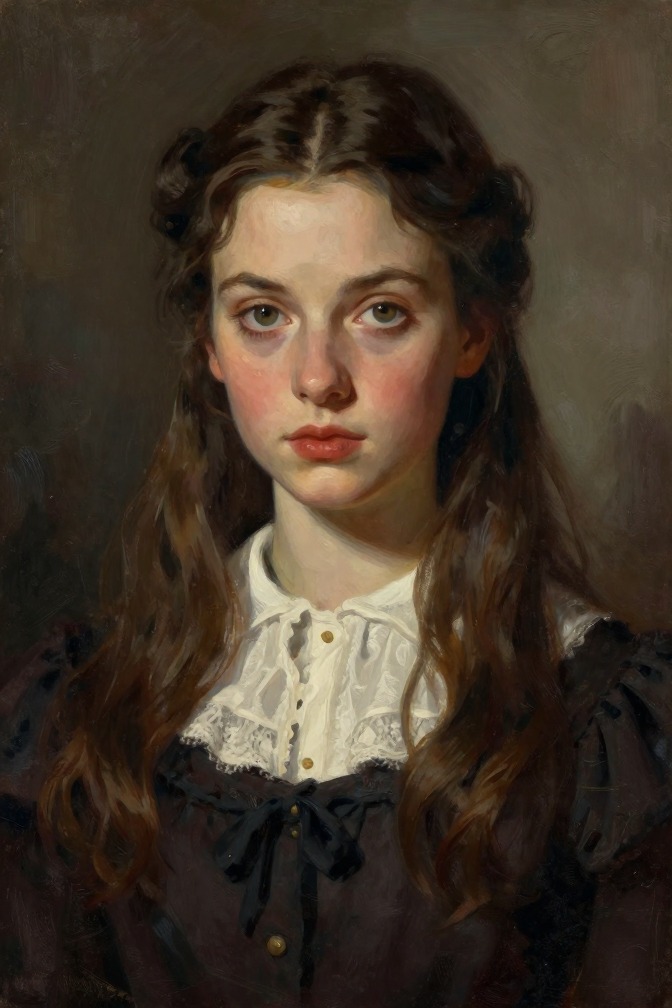
September 18, 1952, is the date on which Dolores Haze (now Mrs. Richard F. Schiller) writes to Humbert Humbert, breaking three years of silence and revealing her marriage, pregnancy, and desperate financial need, thereby setting in motion the final act of the narrative.
The summer of 1939 marks a decisive rupture in Humbert Humbert's European life: his uncle's death in America bequeaths him an income on condition he emigrate, and his wife Valeria's sudden confession of an affair with a Russian ex-colonel destroys his marriage, forcing him to confront his own impotent rage and setting him on a path toward the New World where he will eventually meet Lolita.
The summer of 1947 is the pivotal season in which Humbert Humbert, having recently arrived in the small town of Ramsdale, first encounters twelve-year-old Dolores Haze and becomes consumed by an obsessive passion that will determine the course of the entire narrative. This period, lasting roughly from late May through August, encompasses Humbert's arrival at the Haze house, his first sight of Lolita in the garden, the weeks of diary-keeping and furtive caresses that follow, the davenport scene of solitary climax, Charlotte Haze's declaration of love and subsequent marriage to Humbert, and finally Charlotte's sudden death—events that together transform Humbert from a lodger into a stepfather and then into a kidnapper. The summer of 1947 is thus the crucible in which the novel's central relationship is forged and its tragic trajectory set.
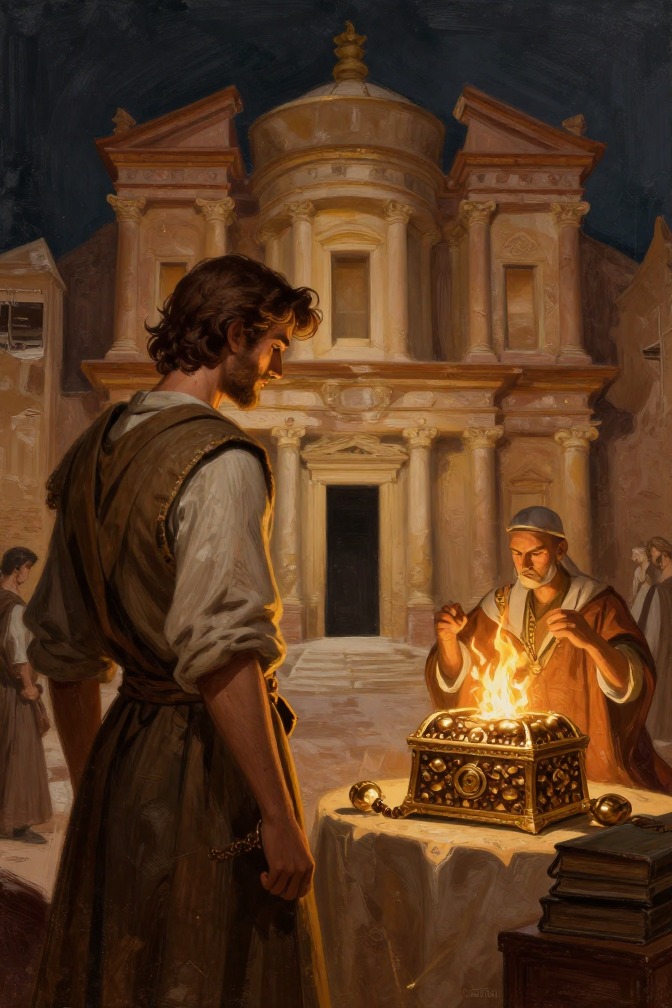
Santiago returns to the abandoned church in Andalusia where his journey began and, digging at the roots of the sycamore tree, discovers the chest of gold and jewels that was the true destination of his quest, completing the circular structure of his Personal Legend.
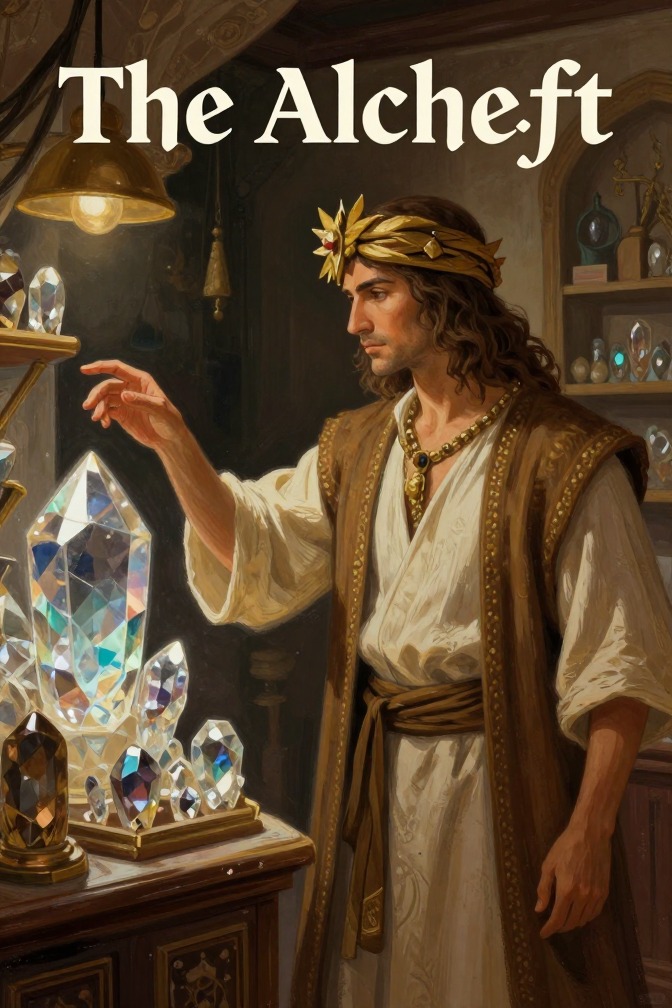
Santiago's decision to leave the crystal shop marks the moment he recommits to his quest for the treasure, abandoning the security of a prosperous business and the comfortable dream of returning to his old life as a shepherd.
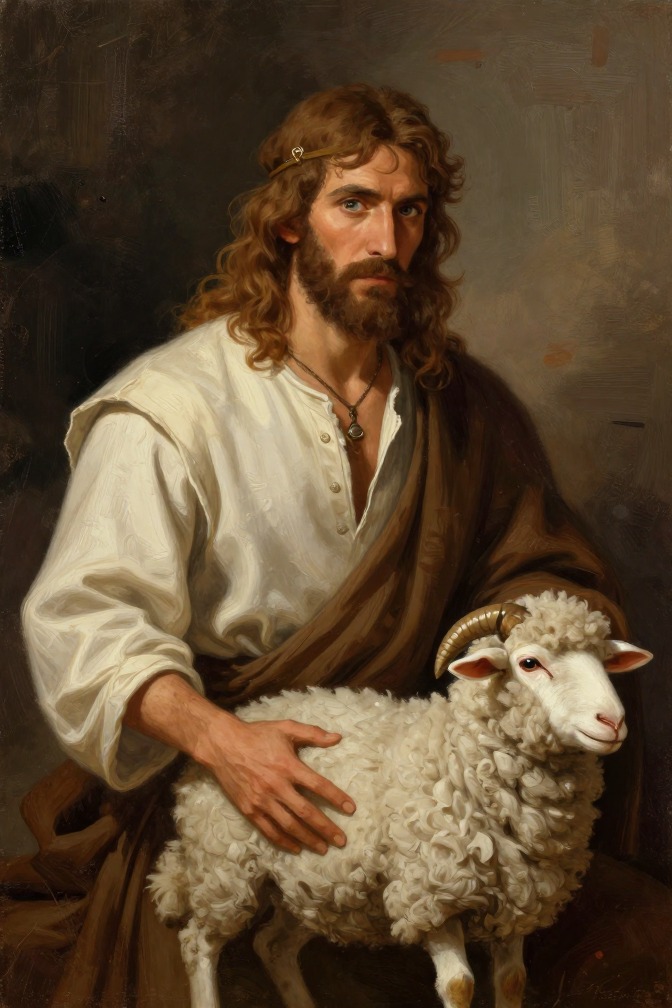
Santiago sells his flock of sheep to Melchizedek, the king of Salem, as payment for guidance to his treasure, a decisive act that crosses the threshold from his old life as a shepherd into the unknown journey of his Personal Legend.
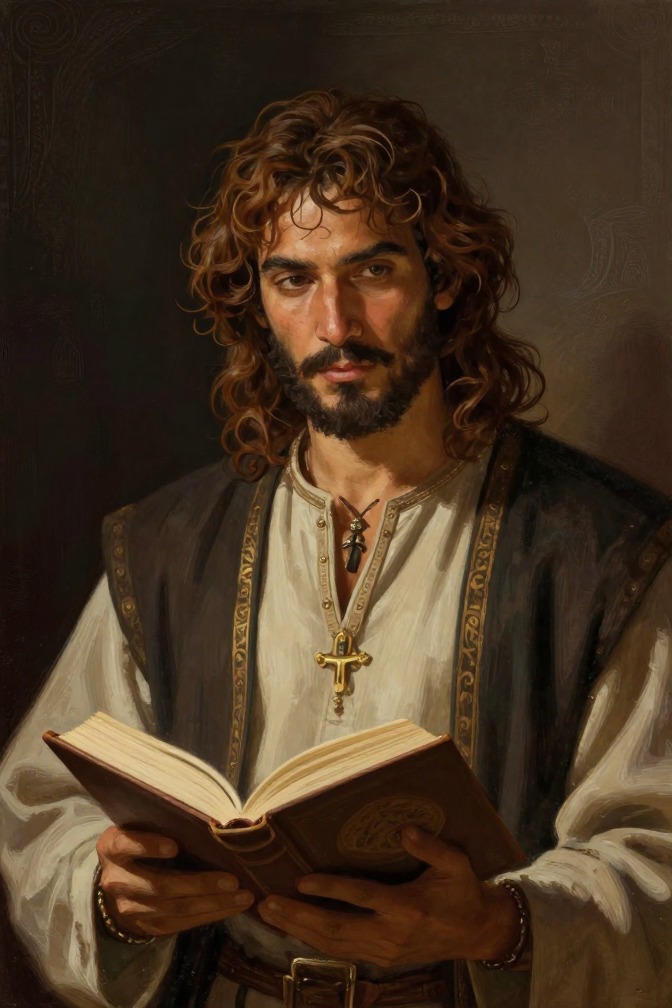
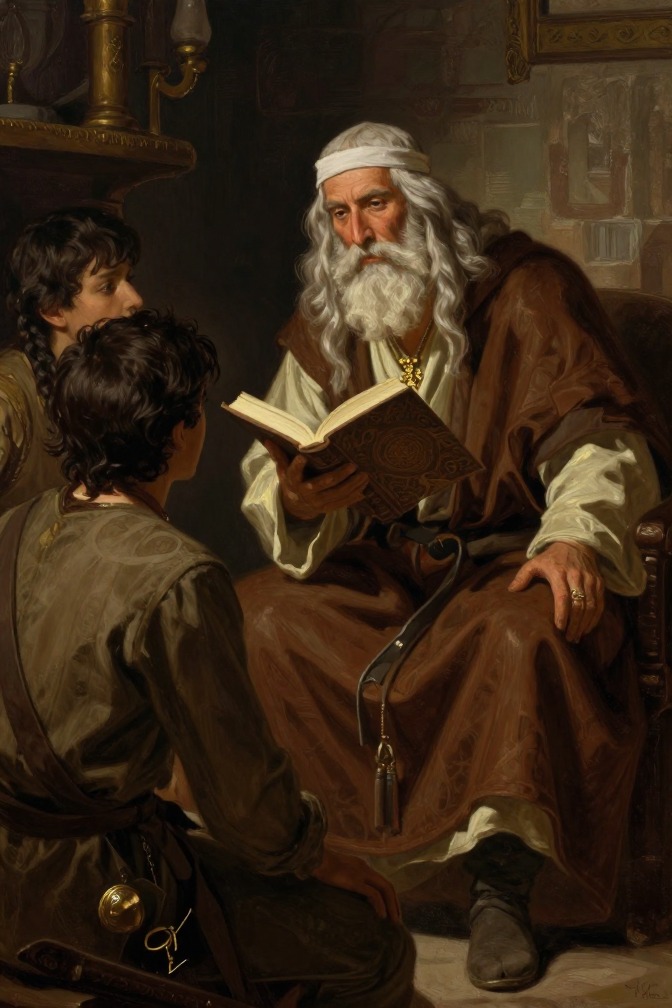
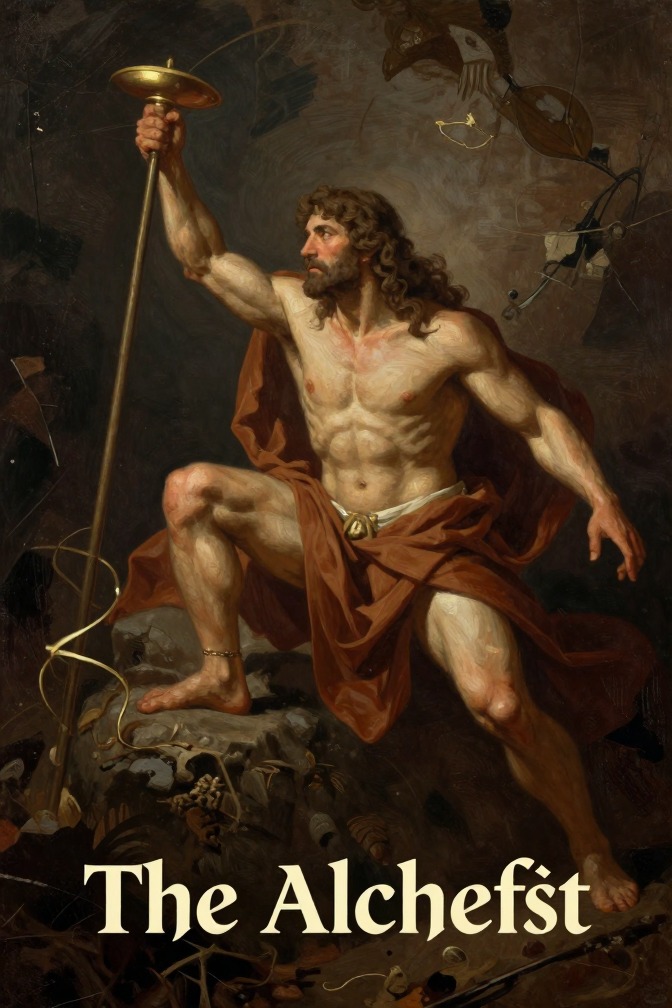
The alchemist is a mysterious, centuries-old figure who serves as Santiago's final mentor, guiding him across the desert to his treasure and teaching him to listen to his heart and understand the Soul of the World.
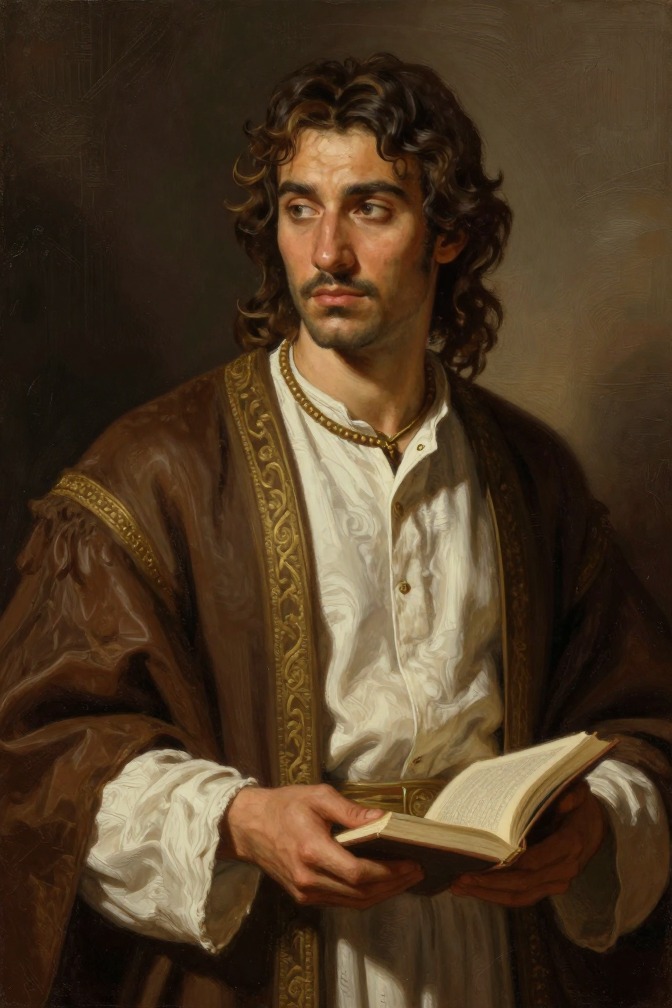
The baker is a minor character in Paulo Coelho's *The Alchemist* who serves as a cautionary example of someone who abandons his Personal Legend for security and social respectability, and whose unfulfilled life haunts Santiago's own decisions.
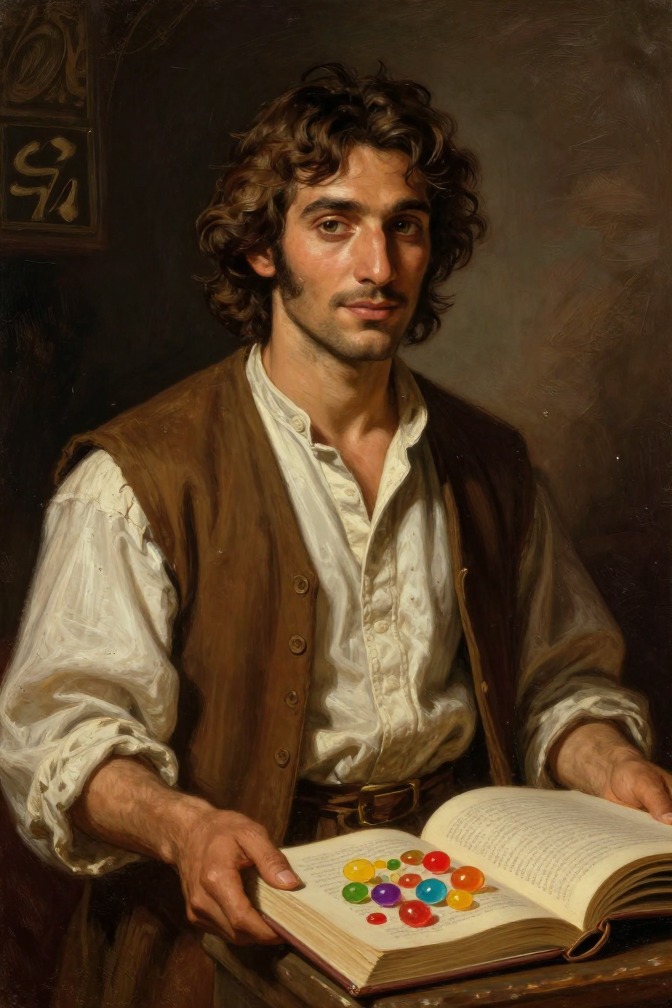
The candy seller is a minor but symbolically resonant character in Paulo Coelho's *The Alchemist*, whose brief encounter with Santiago in the Tangier marketplace provides the boy with his first meal in Africa and a crucial lesson in recognizing the Language of the World. His cheerful, purposeful demeanor—working not for future reward but for the joy of the work itself—serves as a living example of someone living in harmony with his destiny, and his smile later echoes the smile of Melchizedek, reinforcing the novel's theme that those who pursue their Personal Legend are guided by unseen forces.
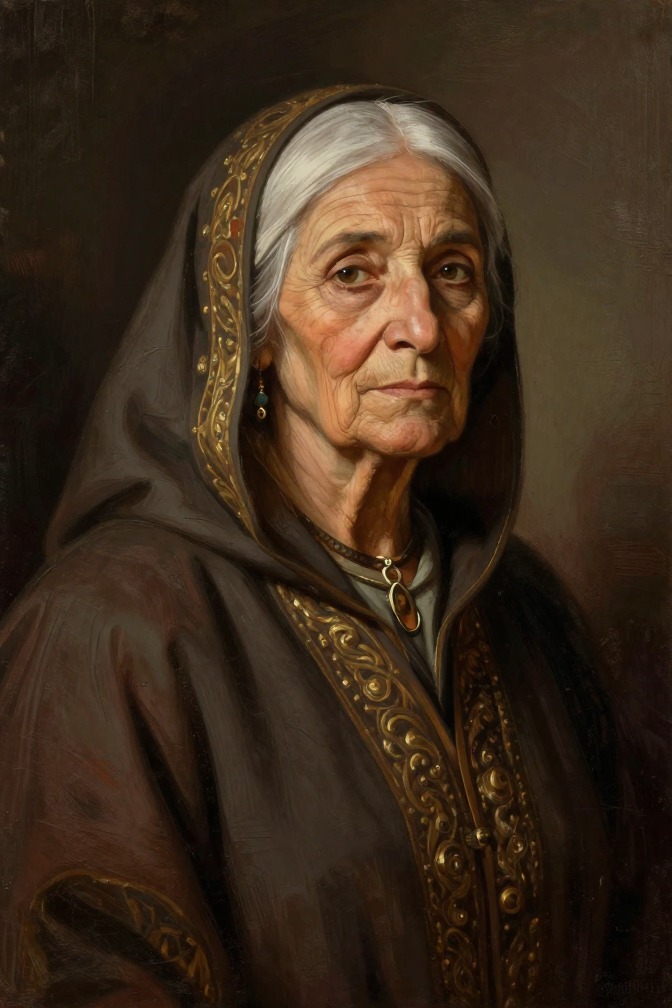
The old woman is a Gypsy dream interpreter in Tarifa whom Santiago consults about his recurrent dream of a treasure near the Egyptian Pyramids. She interprets the dream as a command to go to the Pyramids, demands one-tenth of any treasure found, and sets Santiago on the path of his Personal Legend, though her role is brief and she offers no practical guidance for the journey.
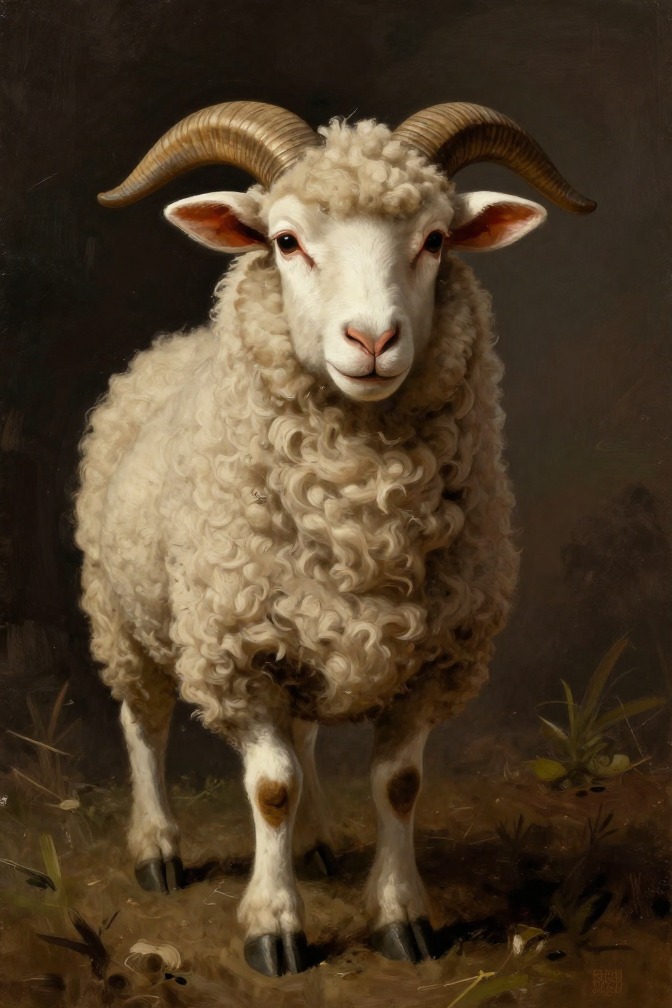
The sheep are Santiago's first flock, the initial embodiment of his simple shepherd's life, and the currency he sacrifices to begin his quest for the treasure. They represent the comfortable, predictable existence he must leave behind, and their sale marks the decisive crossing of the threshold into his journey. The sheep also serve as a recurring symbol of the ordinary life that is abandoned for a Personal Legend, and their fate is ultimately mirrored in the final discovery of the treasure.
The wolf is a recurring symbol in *The Alchemist*, representing the external dangers and predatory threats that a shepherd must guard against, but it also serves as a metaphor for the internal fears and the 'mysterious force' that can deter a person from pursuing their Personal Legend.
The Battle of the oasis is a decisive military engagement at Al-Fayoum Oasis in which the oasis's defenders, acting on Santiago's prophetic vision of a hawk attack, ambush and annihilate five hundred invading tribesmen, thereby upholding the oasis's neutral status and elevating Santiago to the position of counselor.
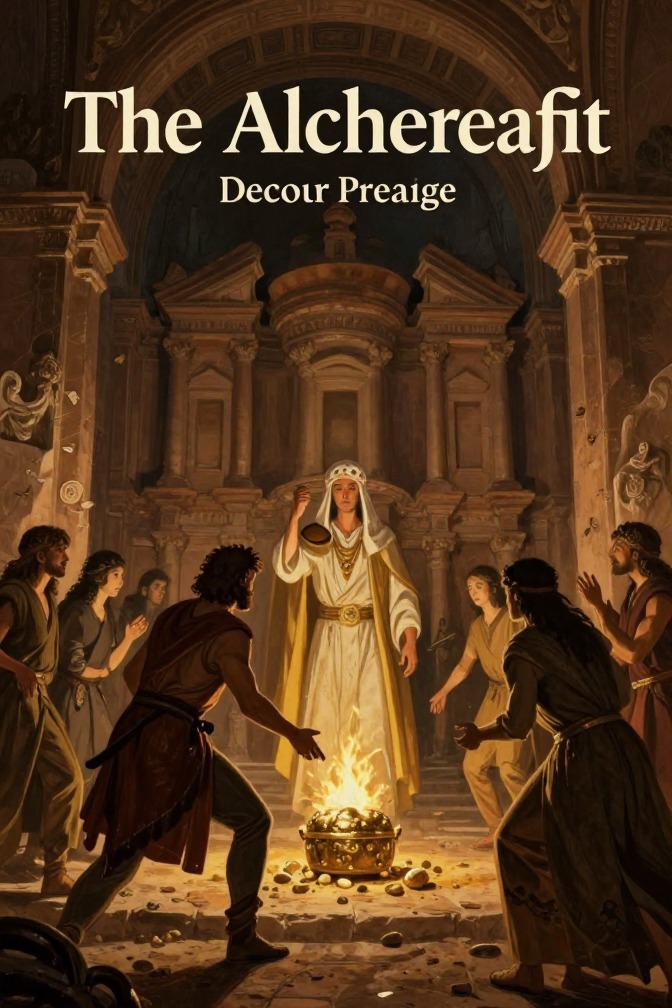
Santiago returns to the abandoned church in Andalusia where his journey began and, after digging at the base of the sycamore tree, discovers the treasure chest of gold coins, precious stones, and artifacts that was the true destination of his quest, completing the circular structure of his Personal Legend.
Santiago's encounter with the alchemist is the decisive turning point of his quest, where the mysterious horseman tests his courage, confirms his connection to the Soul of the World, and becomes his guide across the desert toward the Pyramids.
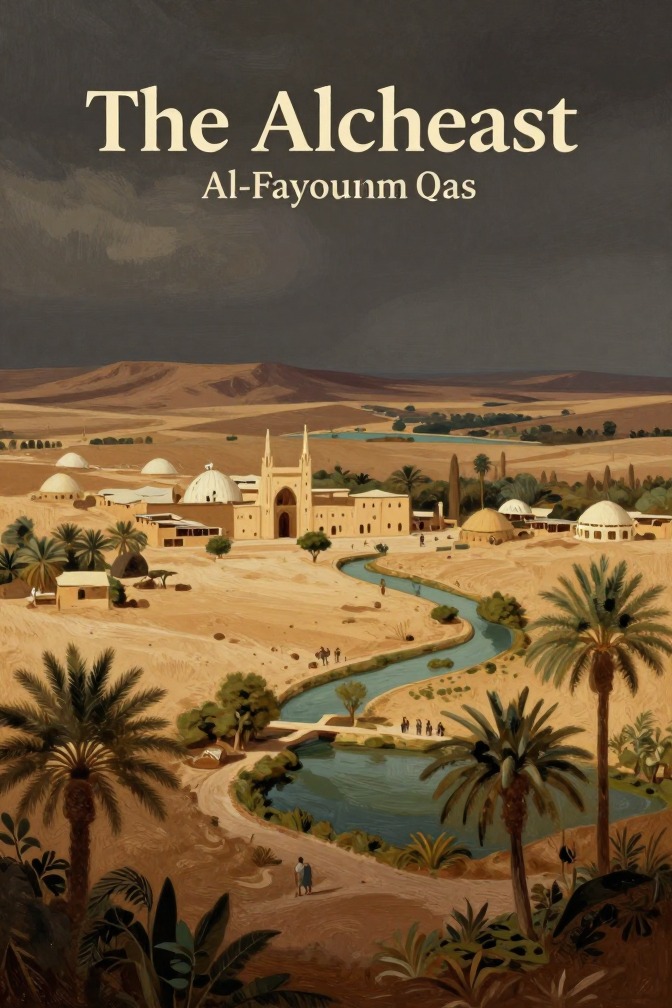
Al-Fayoum Oasis is the pivotal desert refuge in Paulo Coelho's *The Alchemist*, where Santiago's journey reaches its emotional and spiritual turning point. It is a vast, neutral territory of fifty thousand date palms and three hundred wells, serving as both a sanctuary from tribal warfare and the setting for Santiago's encounter with Fatima, his vision of an invading army, and his first meeting with the alchemist. The oasis transforms from a mere waypoint into a crucible of love, destiny, and the Language of the World.
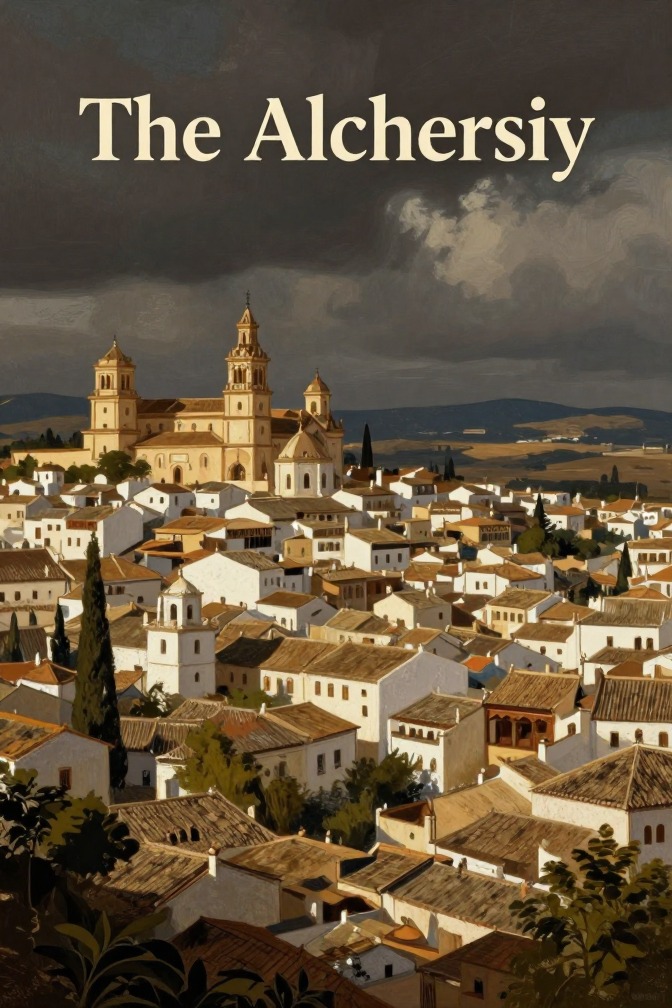
Andalusia is the southern Spanish region where Santiago begins his journey as a shepherd, and it serves as the story's point of departure, a landscape of familiar fields and pastures that he must leave behind to pursue his Personal Legend.
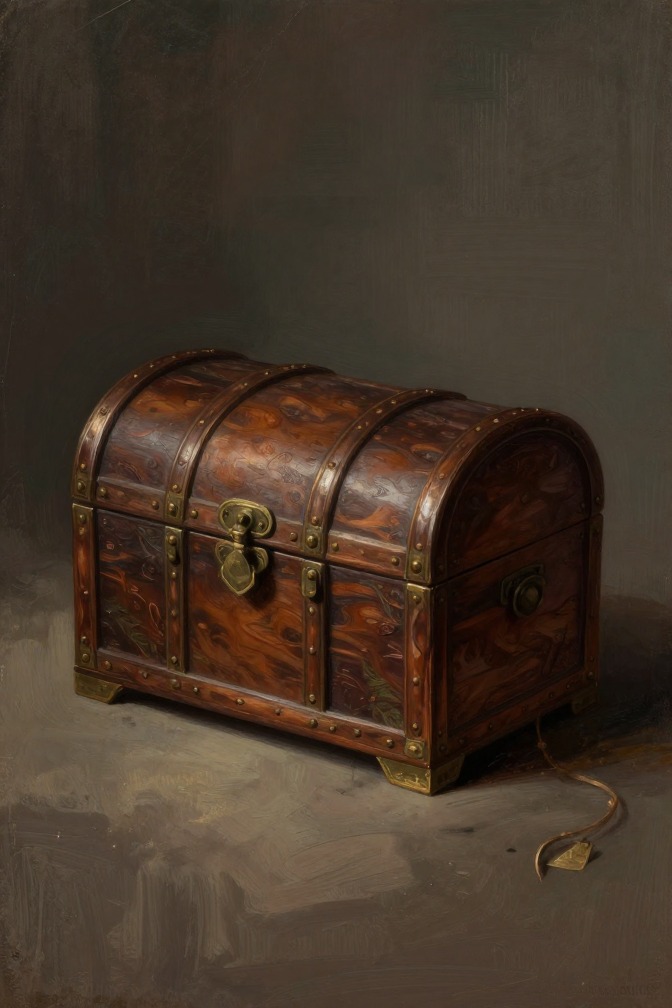
The treasure chest is the physical culmination of Santiago's quest, a chest of Spanish gold coins, precious stones, and artifacts buried at the abandoned church in Andalusia, whose discovery confirms the novel's central philosophy that the journey itself is the true reward.
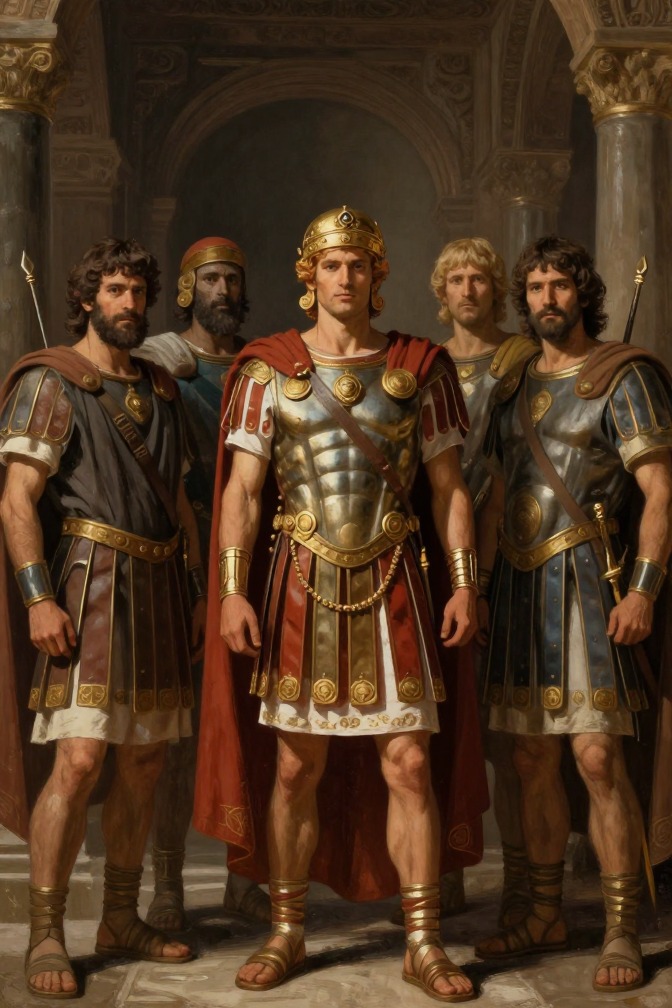
The Roman Empire appears in *The Alchemist* as a distant historical and cultural reference point, primarily through a parable told by the alchemist about a Roman centurion whose words of faith become immortal, and through the novel's broader engagement with the legacy of ancient civilizations in the Mediterranean world.
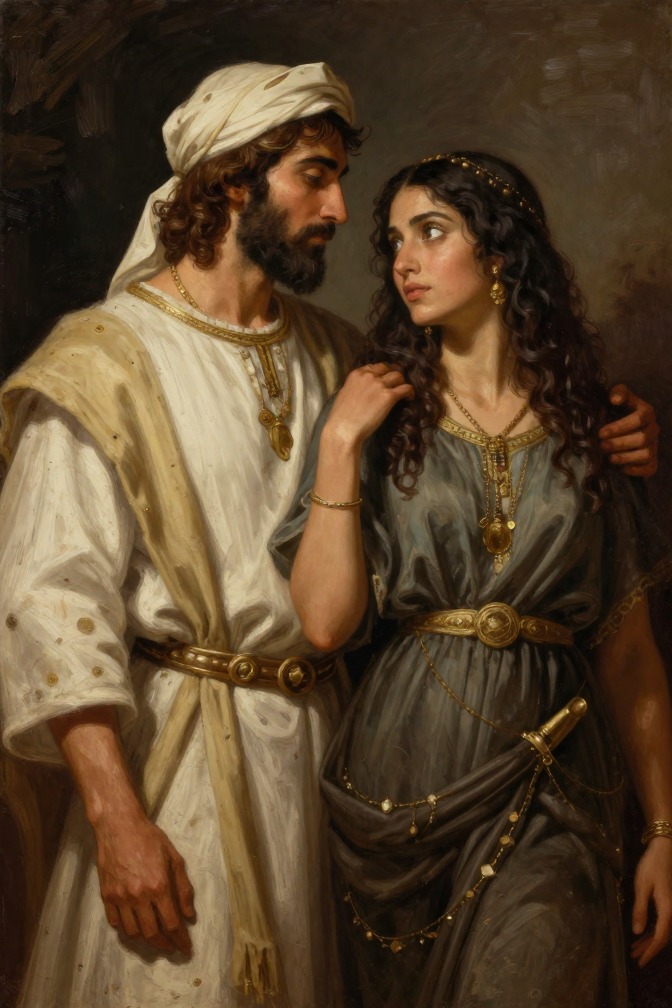
Santiago and Fatima meet at the well of Al-Fayoum Oasis and fall in love, but their relationship is tested when Santiago must choose between staying with her and continuing his quest for the treasure at the Pyramids. Fatima, a woman of the desert, urges him to pursue his Personal Legend, promising to wait for him, and their love becomes a central force that sustains Santiago through the final trials of his journey.
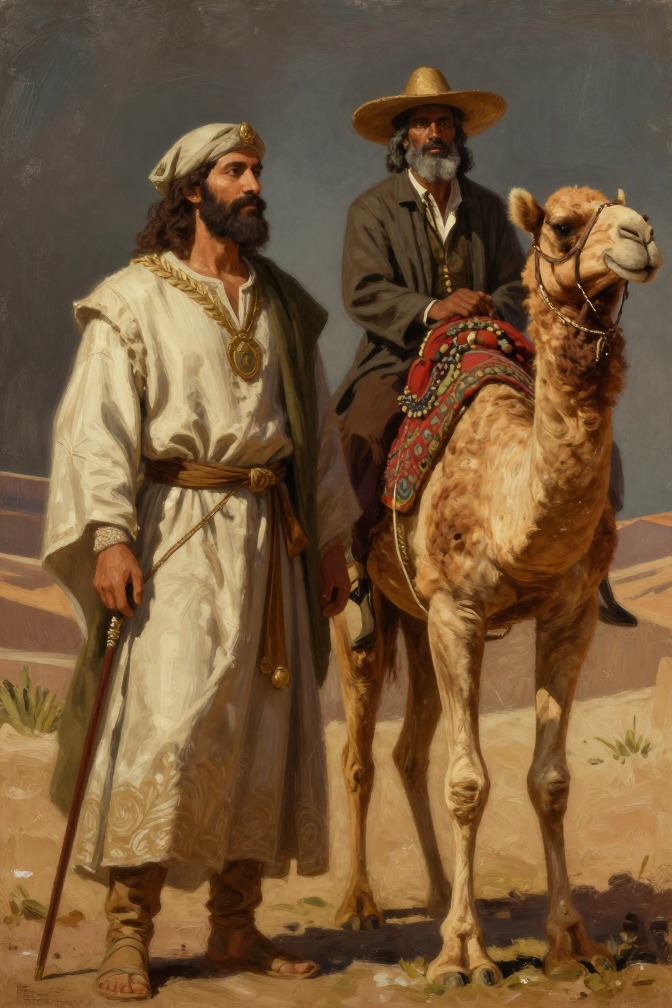
Santiago and the camel driver form a friendship during the caravan crossing of the Sahara, with the camel driver serving as a key teacher of the philosophy of living in the present and trusting in destiny, a relationship that deepens Santiago's understanding of the Language of the World and prepares him for the trials ahead.
Beginner's luck, also called the principle of favorability, is a recurring concept in Paulo Coelho's The Alchemist that describes the initial success and encouragement the universe grants to someone who has just committed to pursuing their Personal Legend. It is presented as a universal law: when a person first decides to follow their destiny, forces conspire to give them a taste of success, whetting their appetite and confirming that the path is correct. This principle is introduced by Melchizedek, the king of Salem, and is later invoked by Santiago as he navigates the challenges of his journey, serving both as a motivational tool and as a foreshadowing of the severe tests that await at the end of every quest.
The Caravan leader's rule is the absolute authority of the caravan leader over the lives and deaths of all travelers under his command during a desert crossing, a principle established at the outset of the journey and enforced through a collective oath of obedience sworn by each traveler to their own God.
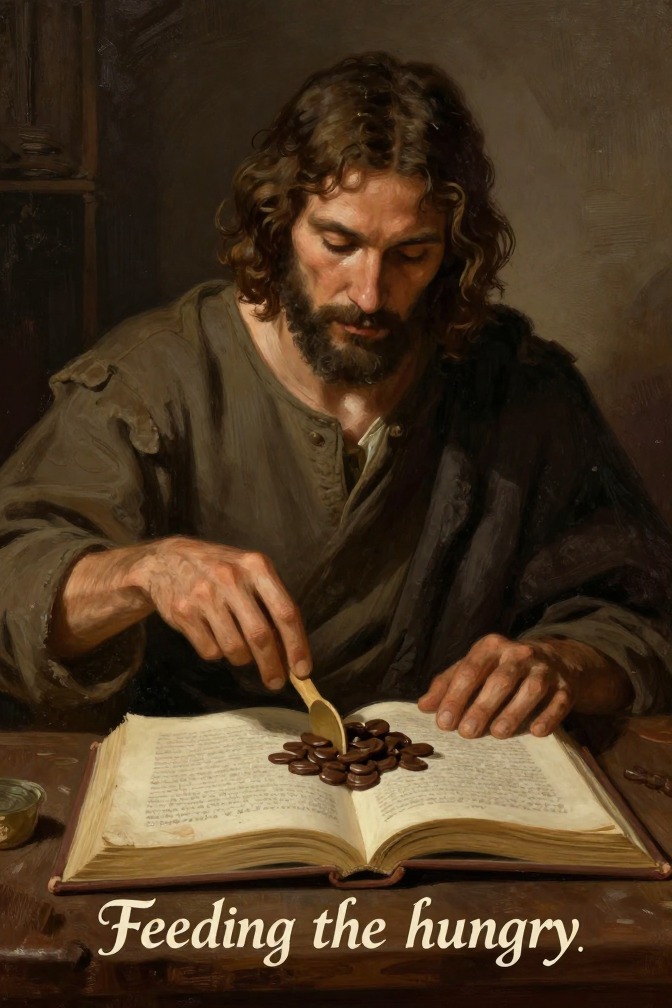
Feeding the hungry is a religious obligation in Islam, one of the five pillars, that the crystal merchant invokes when he first encounters Santiago in Tangier, revealing a tension between duty and personal desire that runs through the novel.
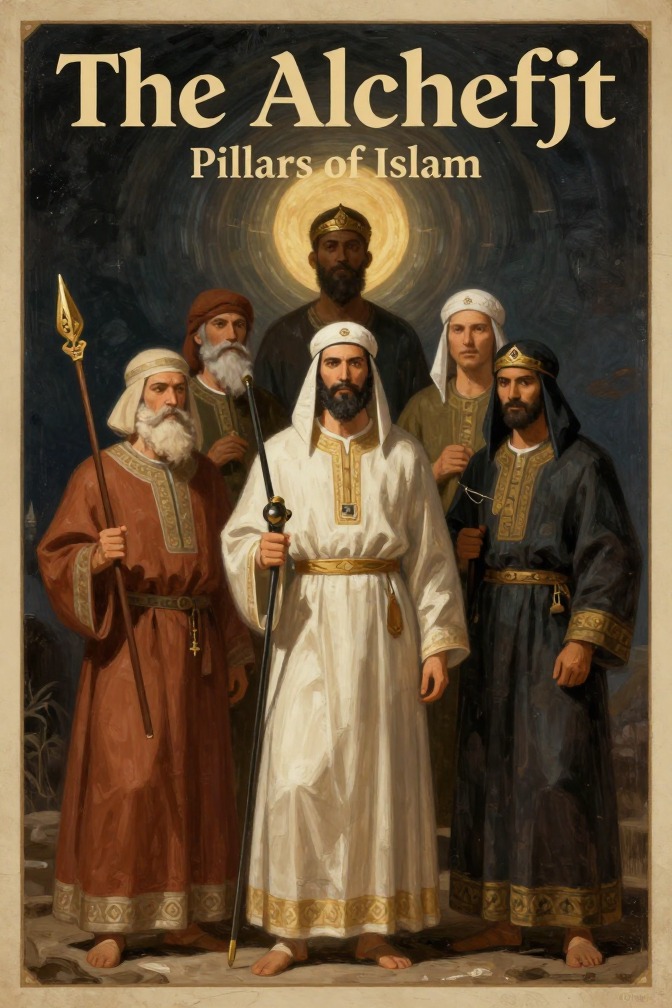
The Five Pillars of Islam are the five core obligations that every Muslim must fulfill, as articulated by the crystal merchant in Paulo Coelho's *The Alchemist*. They serve as a framework for the merchant's life and a foil to Santiago's pursuit of his Personal Legend, highlighting the tension between dreaming of a destiny and actively realizing it.
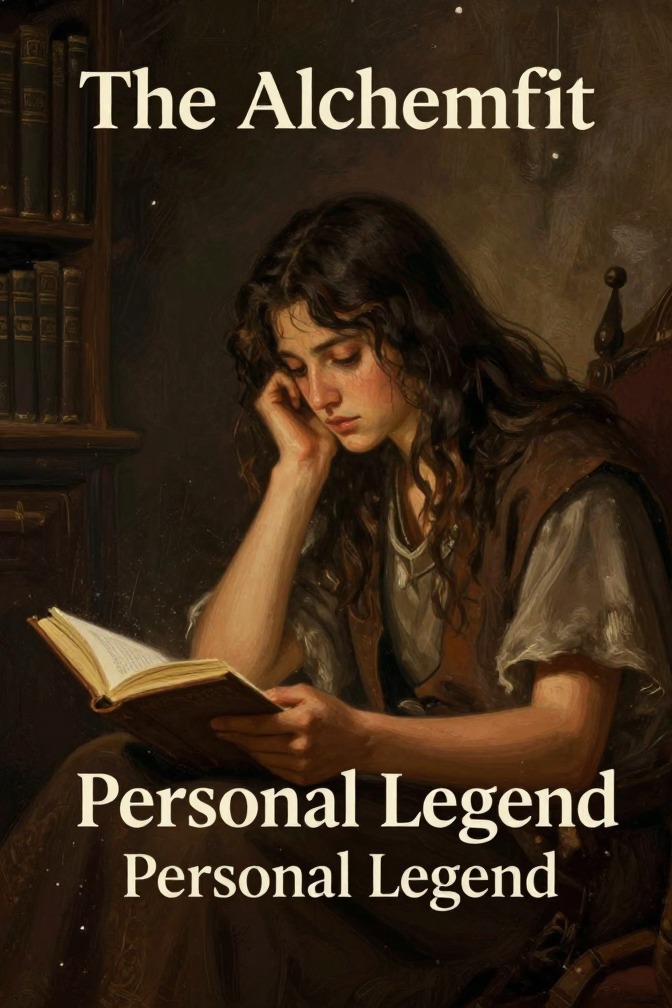
The Personal Legend is the central philosophical concept of Paulo Coelho's *The Alchemist*, defined as the unique destiny or life's purpose that every person knows as a child but often abandons under social pressure. The entire narrative of Santiago's journey is structured around the discovery, pursuit, and fulfillment of his Personal Legend, with the novel asserting that realizing this destiny is a person's only real obligation and that the universe conspires to help those who seek it.
The sixth day of creation is the day on which, according to the cosmology of The Alchemist, humanity was created, introducing the capacity for conscious transformation and love into a world that had previously been a perfect, static harmony of minerals and vegetables.
Louisa Mary Clees is the patient whose death on the operating table in 1925, caused by Dr. Edward Armstrong while he was intoxicated, forms the basis of the murder accusation against him in Agatha Christie's And Then There Were None, and her case exemplifies the novel's theme of crimes that escape legal punishment.
Thomas Rogers is the butler and manservant on Indian Island, whose quiet professionalism masks a deep complicity in the death of his former employer, Jennifer Brady, and whose own murder by the judge completes the seventh stanza of the nursery rhyme.
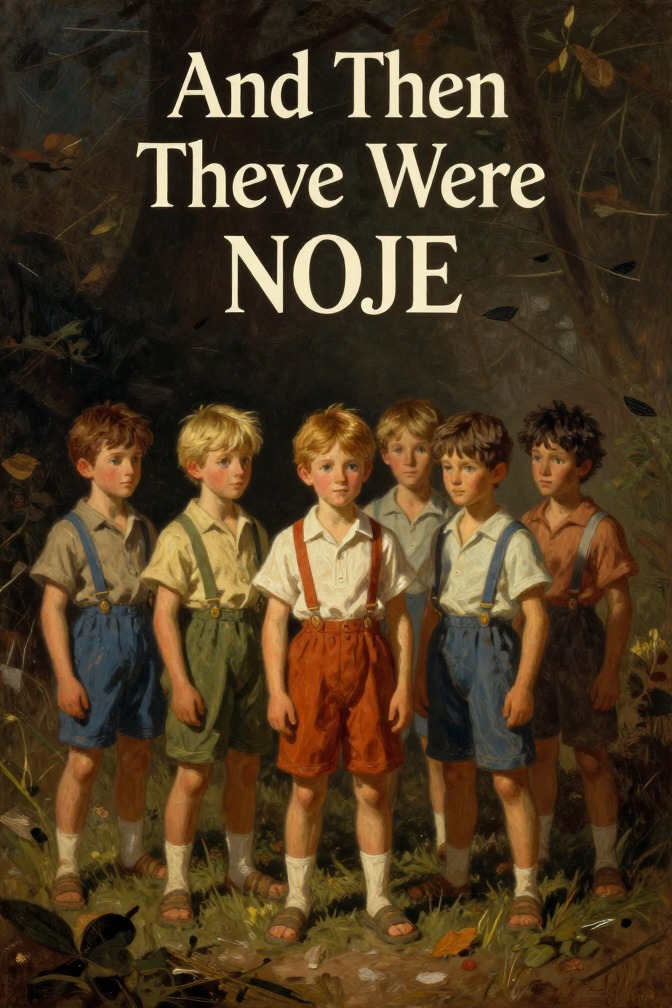
The Ten Little Indian Boys figurines are a set of ten small china figures placed on the dining table of the house on Indian Island, which serve as a macabre tally of the guests' deaths, each disappearance corresponding to a verse of the nursery rhyme that frames the entire plot.