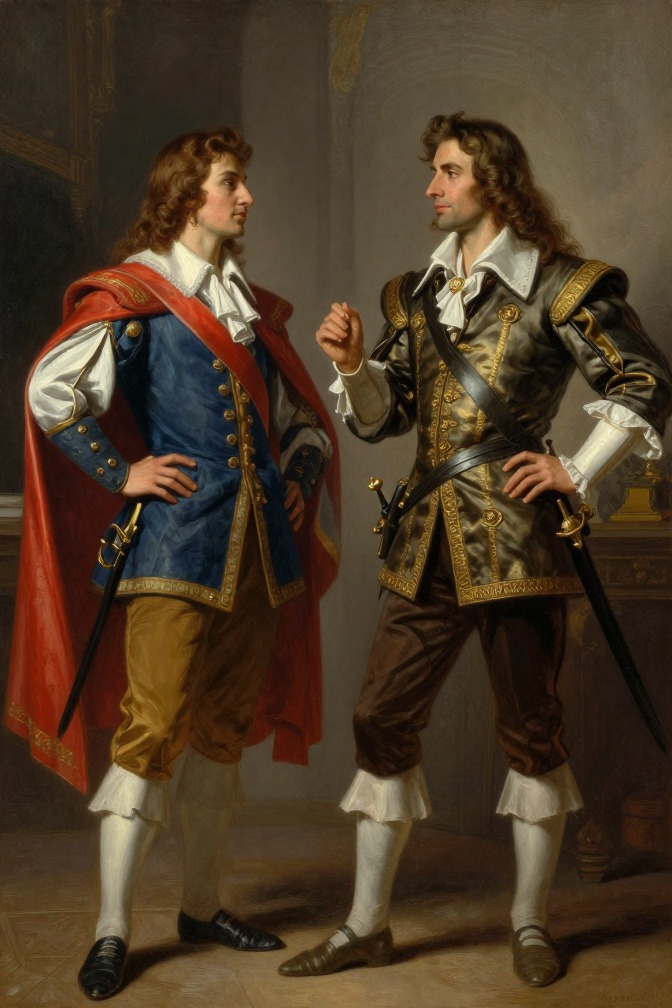
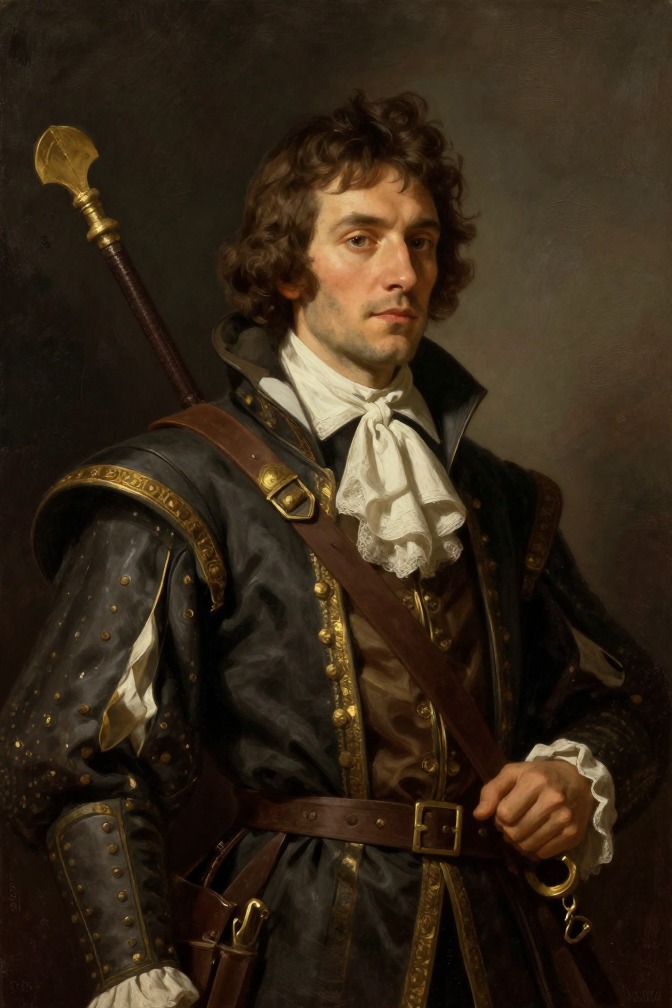
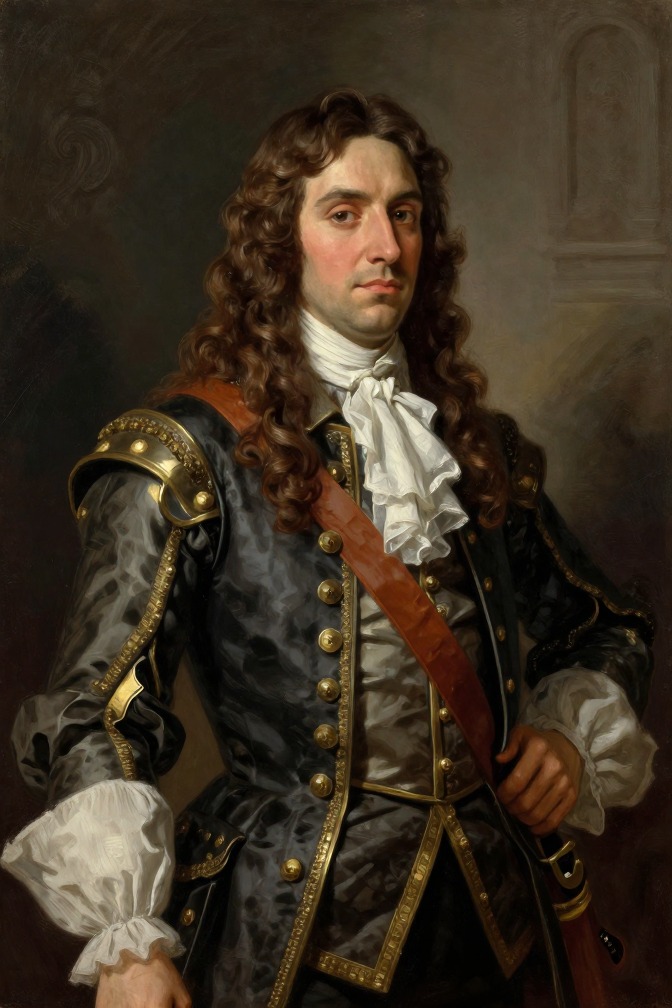
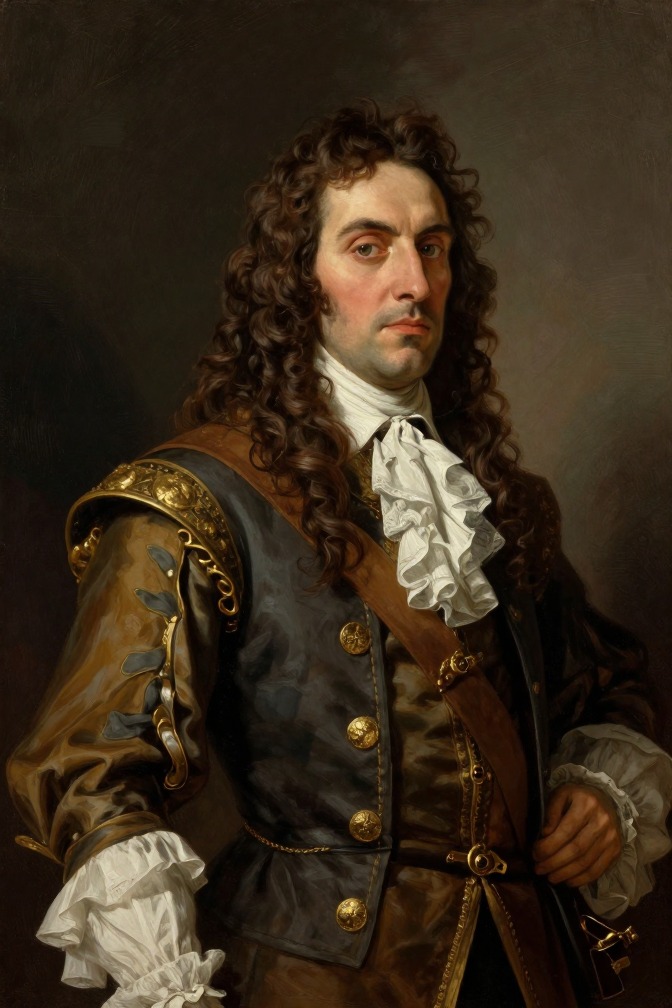
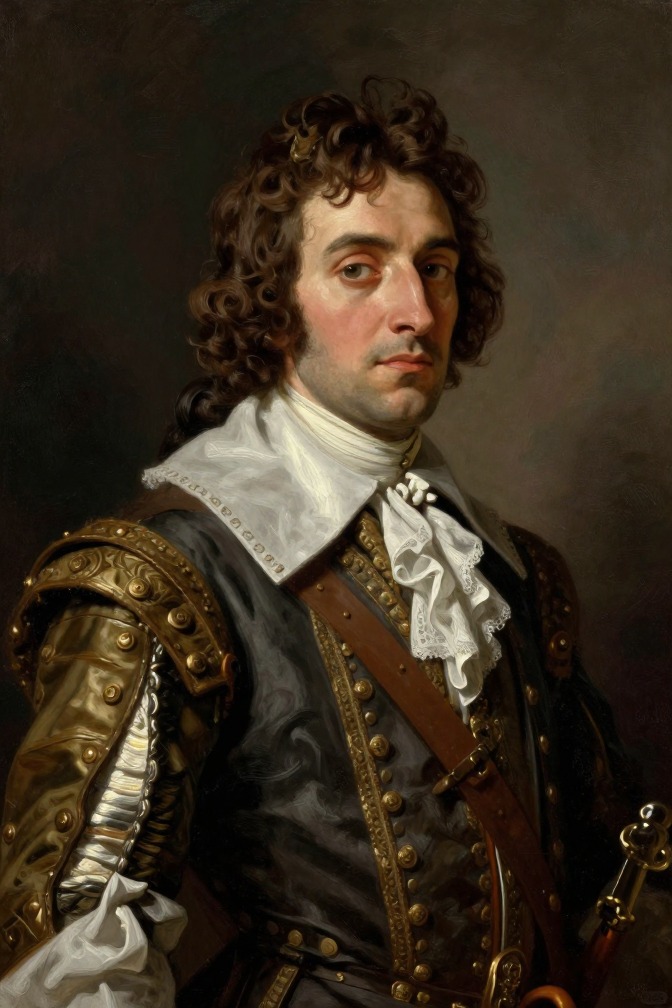
The enmity between Cardinal Richelieu and Madame de Chevreuse is a central political and personal conflict in the novel, rooted in Chevreuse's role as the queen's closest confidante and her involvement in the queen's secret correspondence and amorous intrigues, which Richelieu relentlessly persecutes.
The marriage between Athos and Milady (Comtesse de la Fere) is a catastrophic union that forms the dark, traumatic core of Athos's character and the central engine of the novel's revenge plot. This secret marriage, contracted by a young, noble count to a beautiful woman he believed to be innocent, ended in horror when he discovered she was a branded criminal, leading him to execute her himself—a deed that haunts him throughout the story and ultimately sets the stage for the final confrontation with Milady.
Milady's calculated seduction of the Puritan officer John Felton is a pivotal psychological campaign in which she transforms his religious fervor and personal loyalty into a weapon for her own vengeance, ultimately securing his aid in her escape and his commission to assassinate the Duke of Buckingham.
The sister-in-law relationship between Milady and Lord de Winter is a central antagonistic bond in the novel, defined by mutual hatred, legal entanglement, and a struggle for power and survival. Milady, having married Lord de Winter's brother, becomes his sister-in-law and the sole heir to the family fortune, a position that makes her a target of his suspicion and a threat to his life. Their relationship is marked by Lord de Winter's successful capture and imprisonment of Milady, her subsequent escape through the seduction and manipulation of his officer John Felton, and her ultimate trial and execution, in which Lord de Winter acts as both accuser and judge.
The War between England and France in *The Three Musketeers* is a historical conflict that serves as the backdrop for the personal vendettas of Cardinal Richelieu and the Duke of Buckingham, whose rivalry over Queen Anne of Austria transforms a political struggle into a private war that drives the novel's central plot.
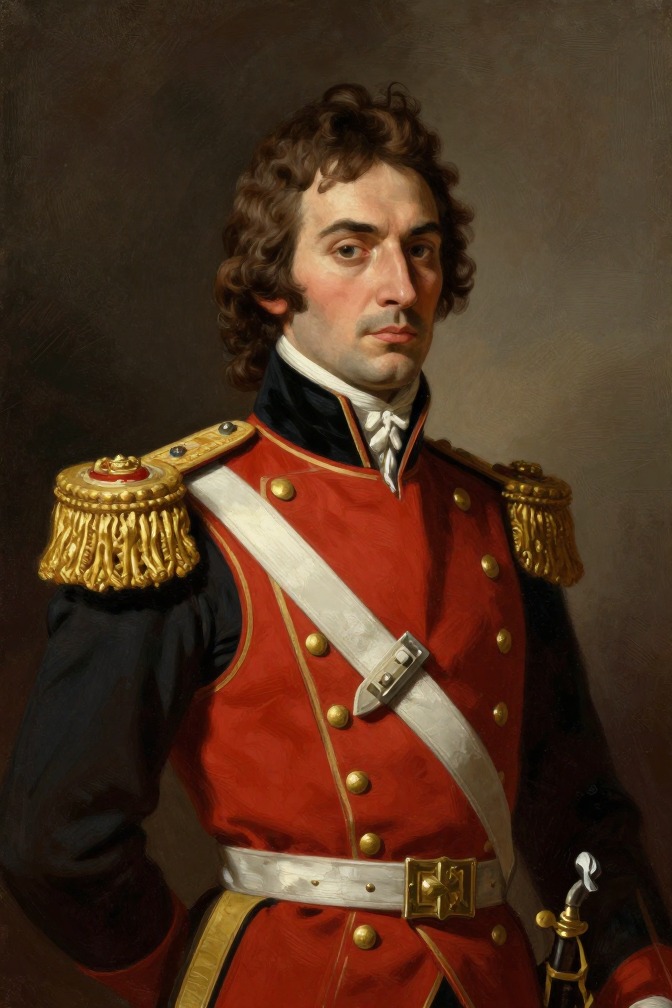
Military discipline in *The Three Musketeers* is a contested and selectively enforced code that governs the behavior of soldiers, particularly the King's Musketeers and the Cardinal's Guards, and serves as a tool of power for both King Louis XIII and Cardinal Richelieu, while the four friends—d'Artagnan, Athos, Porthos, and Aramis—repeatedly test, manipulate, and ultimately redefine its boundaries through their oath of mutual loyalty.
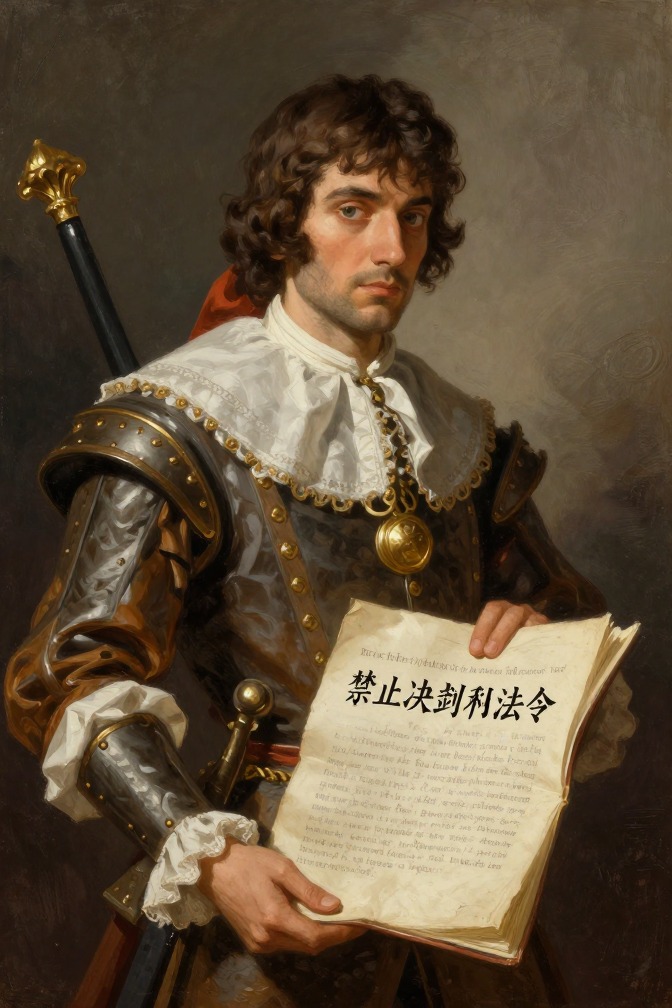
The Edicts against dueling, repeatedly proclaimed by King Louis XIII and Cardinal Richelieu, are the official legal prohibition that the four friends—d'Artagnan, Athos, Porthos, and Aramis—systematically violate in nearly every major action of the novel, transforming the law from a tool of royal discipline into a foil for their courage, loyalty, and defiance.
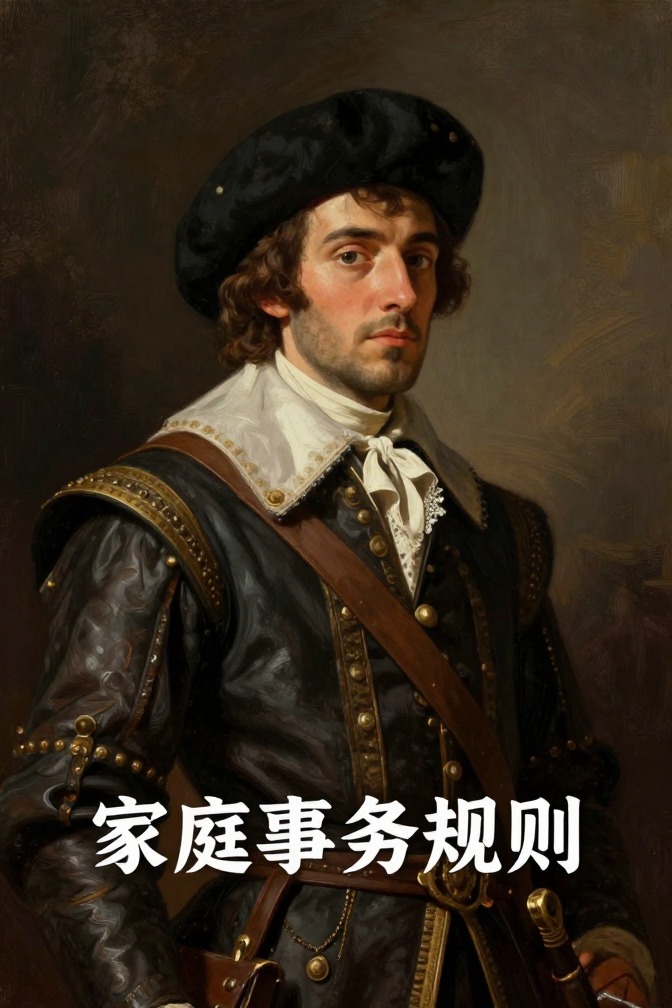
The Family affair rule is a strategic principle invented by Athos to allow the four friends to discuss and act upon their private vendetta against Milady without attracting the scrutiny of Cardinal Richelieu or his spies, by framing their actions as a purely personal matter outside the realm of state politics.
Religious rules in *The Three Musketeers* function as a powerful ideological force that shapes character identity, motivates action, and provides a framework for both sincere devotion and cynical manipulation, most notably in the Puritan fanaticism of John Felton and the feigned piety of Milady.
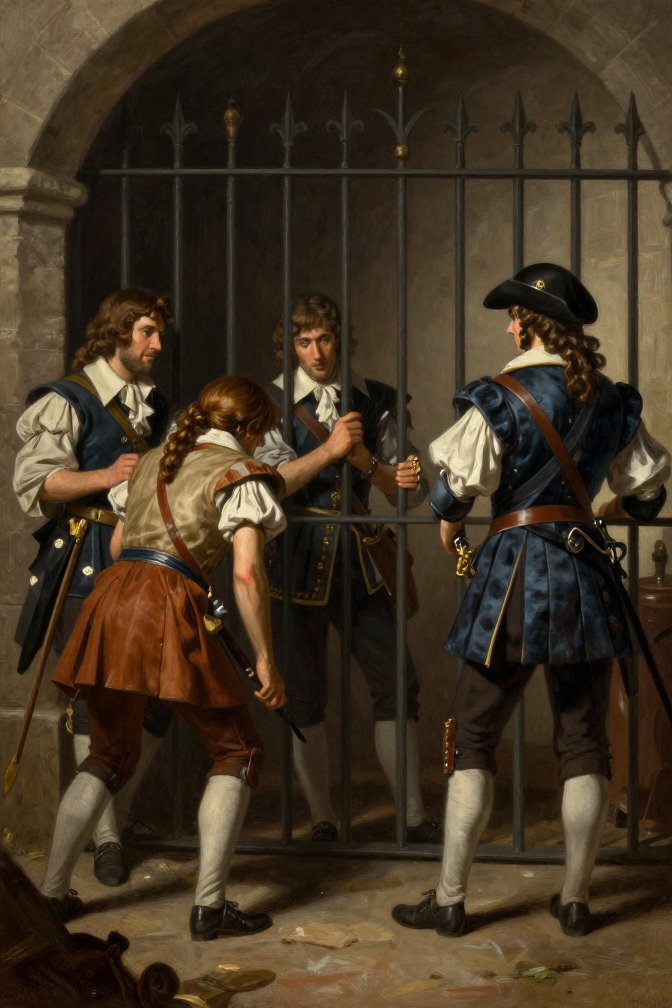
Imprisonment in the Bastille is a recurring state of confinement in Alexandre Dumas's *The Three Musketeers*, used by Cardinal Richelieu and his agents to detain enemies of the state, suspects, and inconvenient witnesses. The Bastille functions as a symbol of absolute royal and ministerial power, where prisoners are subjected to harsh conditions, psychological terror, and the threat of torture, yet it also becomes a site where characters like Athos and Monsieur Bonacieux demonstrate resilience, cunning, or abject fear, shaping the novel's exploration of justice, power, and individual agency.
10 August 1628 is the date on which Queen Anne of Austria signed the order authorizing the release of Constance Bonacieux from the Carmelite convent at Bethune, a document that became the legal instrument for the rescue attempt that ended in Constance's murder by Milady.
10 September 1627 marks the arrival of d'Artagnan at the camp before La Rochelle, a pivotal moment that shifts the narrative from the intrigues of Paris to the military campaign and sets the stage for the final confrontations with Milady and the resolution of the siege.
September 20, 1628, is the date on which Cardinal Richelieu, during the Siege of La Rochelle, calculates the timing for the arrival of his agent Milady from London and proposes to King Louis XIII that a ball be held on October 3, setting in motion the final phase of the diamond studs affair.
August 23, 1628, is the day the Duke of Buckingham was assassinated in Portsmouth by John Felton, a Puritan naval officer whom Milady had seduced and manipulated into carrying out the murder. This event removes the English threat to La Rochelle, secures Cardinal Richelieu's political victory, and marks the culmination of Milady's mission for the cardinal—while simultaneously setting in motion the final confrontation between the four friends and their nemesis.
23 December 1628 marks the triumphant entry of King Louis XIII into Paris after the surrender of La Rochelle, a moment that concludes the novel's central military campaign and sets the stage for the final disposition of its characters.
June 28, 1628, is the date on which King Louis XIII, rising from his Bed of Justice, fell ill with a fever, a moment that delayed his departure for the Siege of La Rochelle and reshaped the military and political dynamics of the campaign, leaving the cardinal to act with greater independence and the Musketeers to operate under a looser command structure.
October 3, 1628, is the date of the grand ball at the Hotel de Ville in Paris, the climactic public event at which Queen Anne of Austria, wearing the diamond studs that Cardinal Richelieu had schemed to prove she had given to the Duke of Buckingham, triumphs over the cardinal's plot and vindicates her honor, thanks to d'Artagnan's successful mission to London.
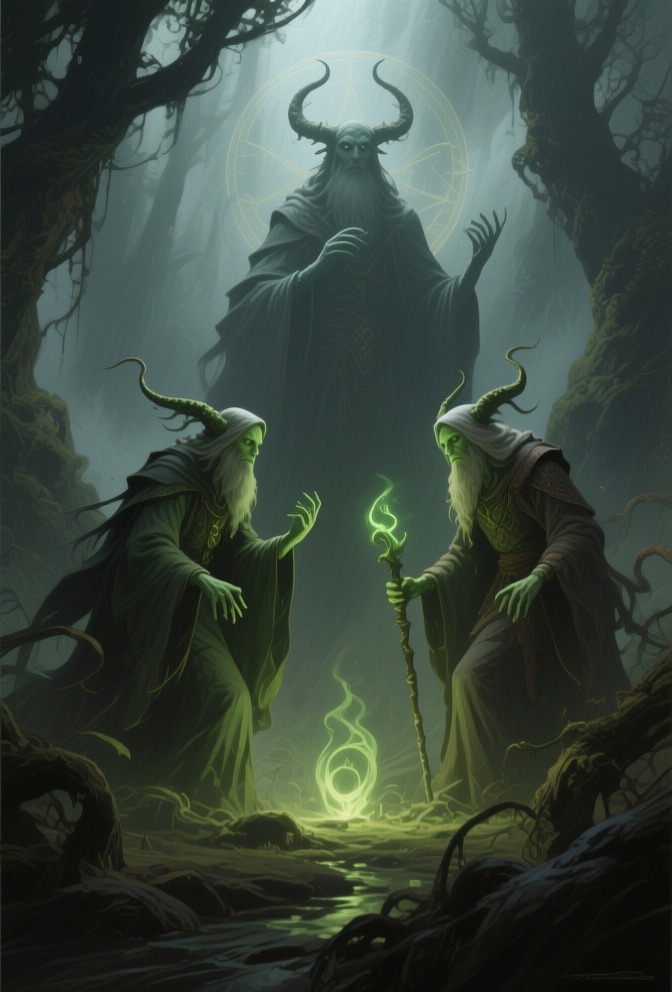
The greenseers were the wise men of the children of the forest, a race of small, dark, beautiful people who dwelt in the deep woods of Westeros during the Dawn Age. They carved faces into weirwood trees to keep watch, and their ancient magic—including the ability to see through the eyes of the trees and to command the forces of nature—shaped the history of the continent. Though long vanished from the lands south of the Wall, their legacy endures in the weirwoods, the old gods, and the prophetic dreams that visit the Stark children, most notably Bran Stark, who is drawn toward a destiny that echoes their power.
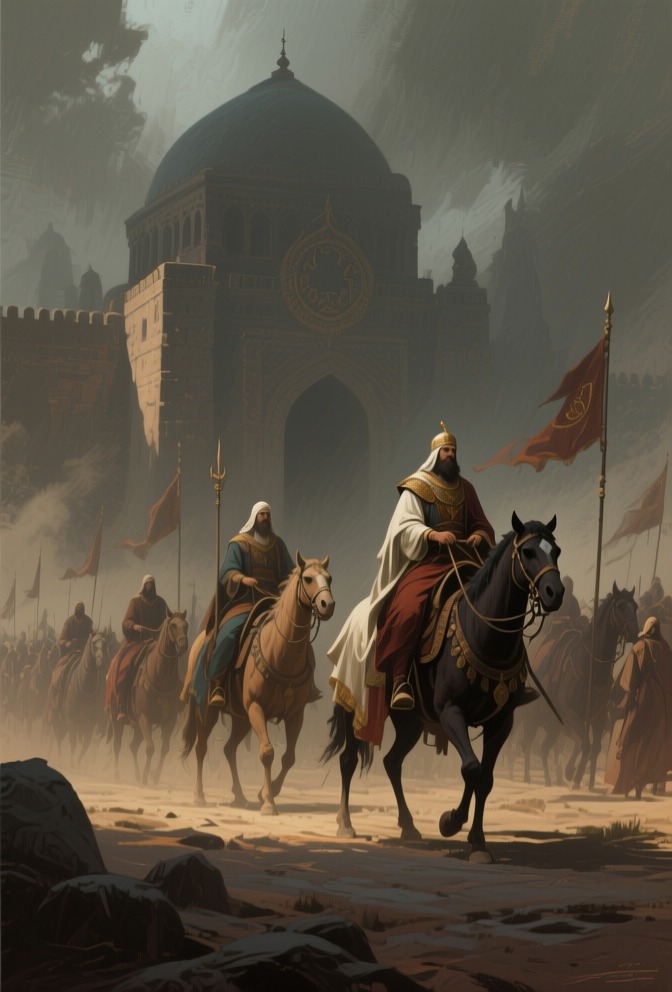
The khalasar is the fundamental social, military, and political unit of the Dothraki people, a nomadic horde bound by blood, oath, and the absolute authority of its khal. More than an army, it is a mobile city of warriors, women, children, and slaves, whose size, loyalty, and internal structure determine the power of its leader and the fate of all who ride within it.
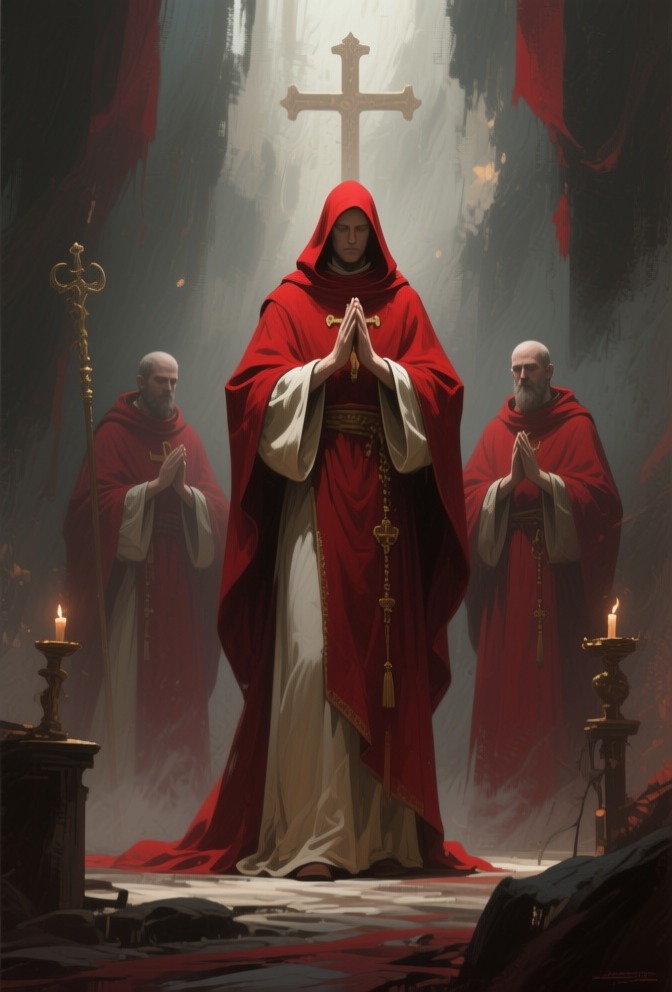
The Red Priests are the clergy of the Lord of Light, a faith centered on the worship of R'hllor, the god of fire, light, and life. In A Game of Thrones, they appear as a marginal but thematically significant presence, their rituals and prophecies contrasting sharply with the dominant Faith of the Seven and the old gods of the North, and their influence foreshadows the religious conflicts that will shape the later books.
Valyrian steel is a legendary metal forged in the lost Freehold of Valyria, prized throughout the Seven Kingdoms for its unmatched sharpness, lightness, and strength. In A Game of Thrones, it functions as a marker of ancient power, a weapon of execution and justice, and a clue in the central mystery of Jon Arryn's murder.
The Battle of the Green Fork is a diversionary engagement in which Lord Tywin Lannister's main army defeats a northern host commanded by Roose Bolton, while Robb Stark's cavalry secretly crosses the Green Fork at the Twins to relieve Riverrun.
The death of Lady, Sansa Stark's direwolf, is a pivotal event in which the innocent wolf is executed as a substitute for Nymeria, Arya's wolf, after Prince Joffrey is attacked. The execution is ordered by Queen Cersei and reluctantly carried out by Eddard Stark himself, marking a profound injustice that shatters Sansa's innocence, deepens the Stark-Lannister enmity, and foreshadows the violent unraveling of the realm's peace.
Eddard Stark, Lord of Winterfell and former Hand of the King, is publicly beheaded on the steps of the Great Sept of Baelor by order of King Joffrey Baratheon, an act that shatters the fragile peace of the realm and ignites a full-scale war between the Starks and the Lannisters.
The Sack of King's Landing was the brutal climax of Robert Baratheon's rebellion, in which Lord Tywin Lannister, professing loyalty to the Mad King Aerys II Targaryen, treacherously opened the city gates to his army, resulting in the massacre of the royal family and the fall of the Targaryen dynasty.
Growing Strong is the official motto of House Tyrell of Highgarden, one of the Great Houses of the Seven Kingdoms. The words appear in the appendix of A Game of Thrones, where they are listed alongside the Tyrell sigil of a golden rose on a grass-green field. Unlike the martial boasts of other houses, the Tyrell words evoke patient, organic growth—a promise of power accumulated not through sudden conquest but through steady cultivation of alliances, wealth, and influence. The motto reflects the house's historical rise from stewards to lords paramount and its characteristic strategy of indirection and long-term consolidation.
Eddard Stark's reply to his son Bran's question about whether a man can still be brave if he is afraid, establishing that true courage exists only in the presence of fear.
The Mountains of the Moon are a formidable and lawless range that separates the Vale of Arryn from the riverlands, serving as a treacherous barrier and a haven for violent mountain clans whose raids and ambushes shape the journeys of several key characters.
The golden crown for Viserys is the instrument of his death: molten gold poured over his head by Khal Drogo, fulfilling the promise of a crown while simultaneously executing the man who had demanded it.
Eddard Stark's appointment as Hand of the King by his old friend Robert Baratheon is the pivotal political event that uproots him from Winterfell, thrusts him into the lethal intrigues of King's Landing, and sets him on a collision course with the Lannisters that ends in his imprisonment and execution.