Yelda is the first night of the month of Jadi, the longest night of the year in the Afghan calendar, and a recurring motif in The Kite Runner that marks the protagonist Amir's experience of tormented love, guilt, and sleepless vigil.
The Arg, the royal palace in Kabul, is the symbolic and political center of Afghan monarchy and power, whose changing occupants and the events surrounding it mark the decisive shifts in the country's modern history as experienced by the characters in The Kite Runner.
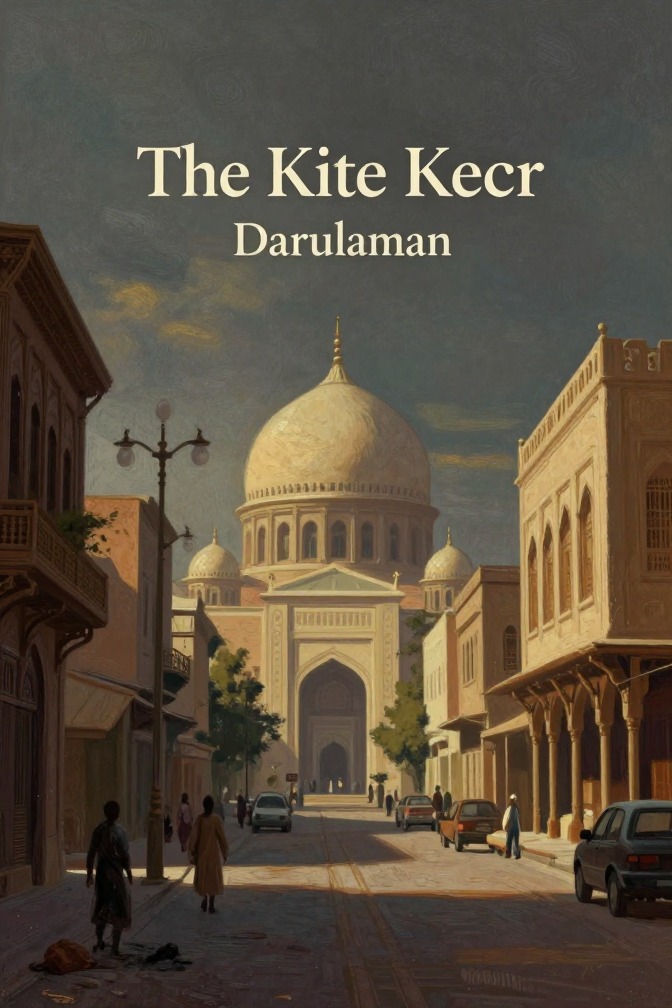
Darulaman Boulevard is a major thoroughfare in Kabul, Afghanistan, that serves as a key landmark in the novel, representing both the city's former grandeur and its devastation under war and Taliban rule. It is the street where the orphanage housing Sohrab is located, and its condition mirrors the broader collapse of Afghan society.
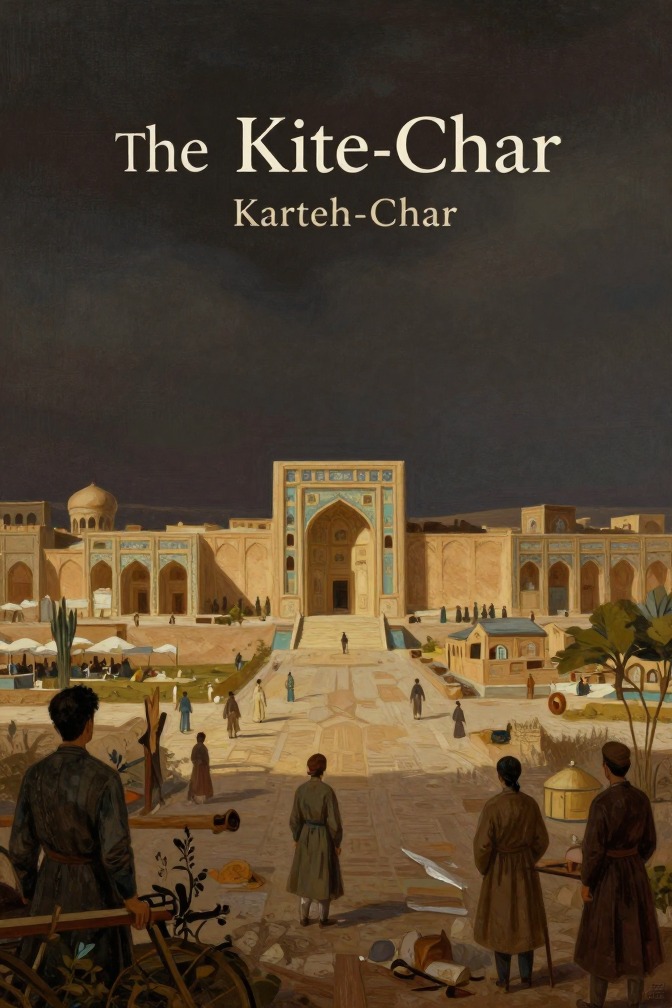
Karteh-Char is a district in Kabul, Afghanistan, that appears in the novel as a neighborhood associated with Assef's violent acts and the broader social divisions of the city, and its decline mirrors the destruction of the city itself.
The Khyber Pass is the historic mountain pass connecting Afghanistan and Pakistan, serving as the primary route for Amir's escape from Soviet-occupied Kabul in 1981 and again for his return journey to rescue Sohrab in 2001, marking the threshold between his American exile and his confrontation with the past.
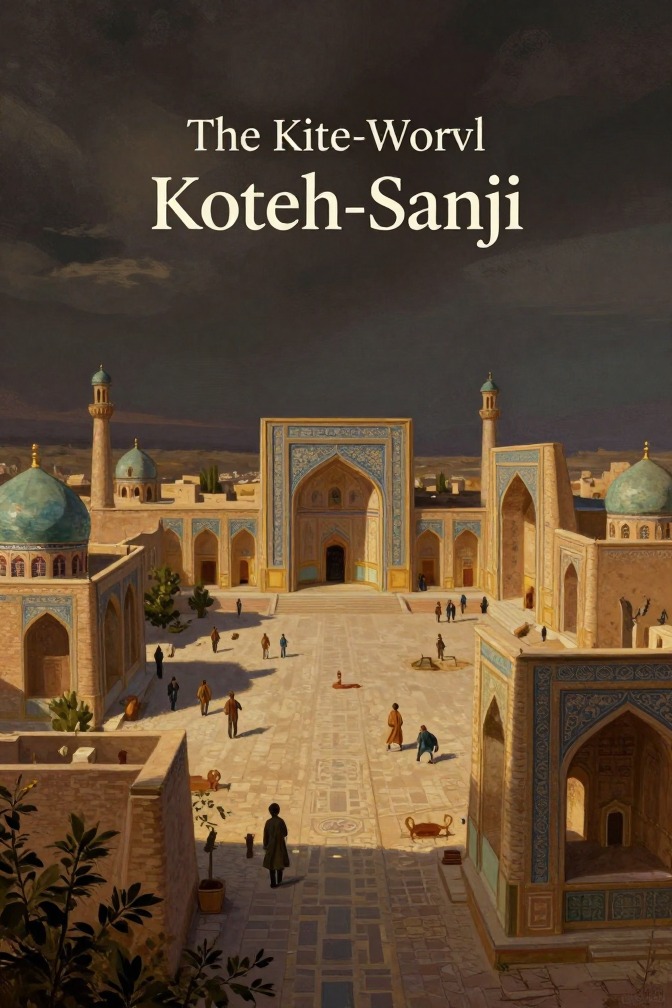
Koteh-Sangi was one of several Kabul districts invited to the 1975 kite-fighting tournament in Wazir Akbar Khan, a competition that became the catalyst for the novel's central betrayal. Though mentioned only in passing, its inclusion in the tournament roster marks the event's citywide scale and underscores the social geography of pre-war Kabul, where distinct neighborhoods—from affluent Wazir Akbar Khan to working-class Koteh-Sangi—converged in a shared winter tradition that would soon be shattered by history.
Mazar-i-Sharif is a city in northern Afghanistan that serves as a recurring symbol of both the Taliban's genocidal violence against Hazaras and the fragile beauty of Sohrab's lost childhood. It is the site of the 1998 massacre in which the Taliban, including Assef, went door to door killing Hazara men and boys, and it is also the city where Sohrab once visited the Blue Mosque with his family, feeding pigeons with his grandmother Sasa. The city thus embodies the novel's central tension between unspeakable atrocity and the memory of innocence.
The Panjsher Valley is a rugged, strategically vital region in northeastern Afghanistan where Farid and his father fought alongside the Tajik commander Ahmad Shah Massoud against the Soviet Army during the 1980s jihad, and where Farid's father was killed by helicopter gunfire. The valley functions in the novel as a symbol of resistance, sacrifice, and the brutal cost of war, contrasting sharply with the relative safety and privilege of Amir's American life.
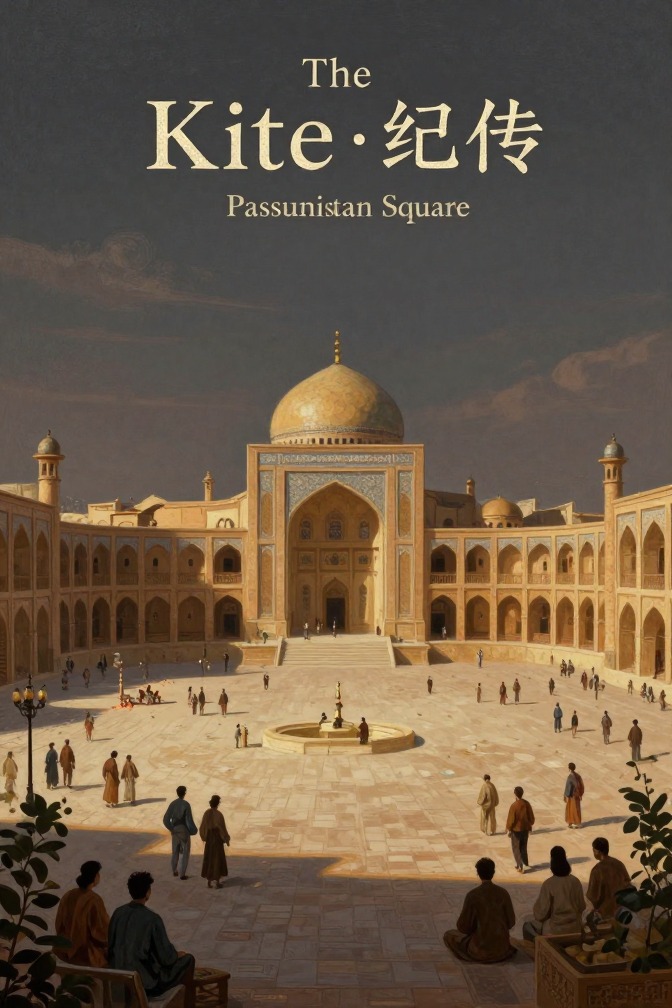
Pashtunistan Square is a major public square in Kabul, Afghanistan, that serves as a central landmark in the city's geography and a recurring site of memory in the novel. It is the location of the Khyber Restaurant, where Baba once took Amir for kabob, and it becomes a place of profound loss and desolation when Amir returns to Kabul in 2001, finding the restaurant padlocked and shattered, and witnessing a public hanging nearby. The square also marks the boundary of the Wazir Akbar Khan district, anchoring the geography of Amir's childhood and the stark contrast between the Kabul he remembers and the city devastated by war.
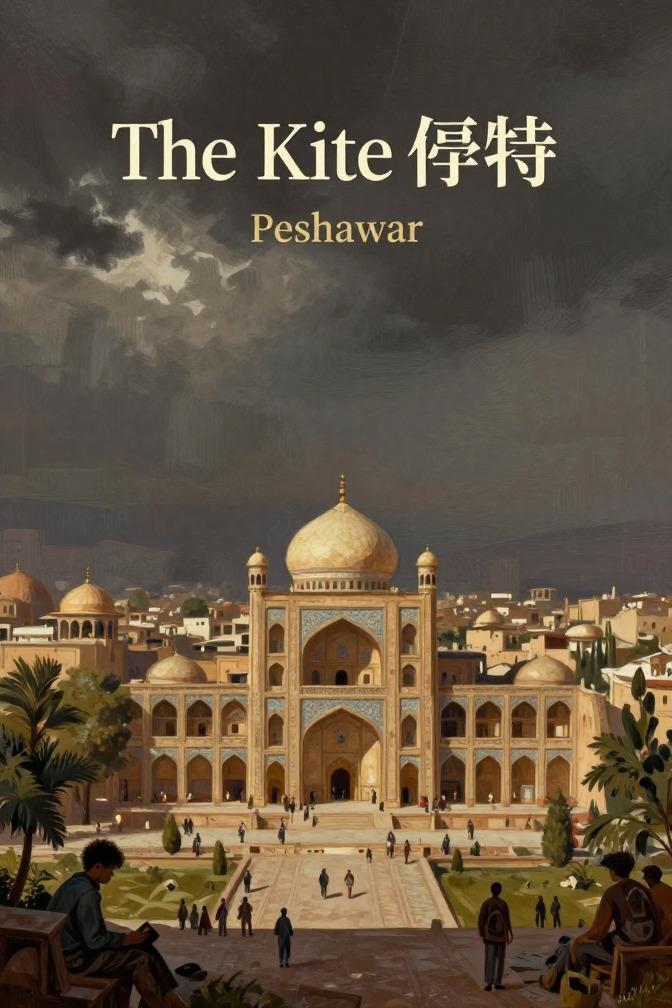
Peshawar is the Pakistani city where Amir and Baba first seek refuge after fleeing Soviet-occupied Kabul in 1981, and where, twenty years later, Amir returns to meet the dying Rahim Khan, learns the truth about Hassan, and begins his journey to rescue Sohrab. It functions as a transitional space between the lost homeland and the new life in America, a place of waiting, revelation, and moral reckoning.
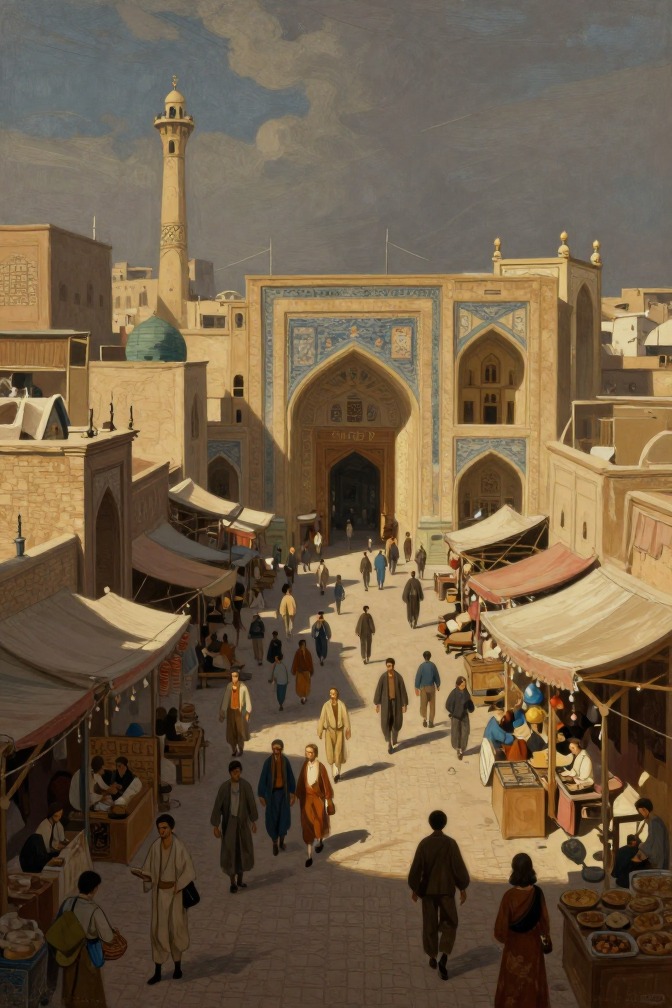
Shor Bazaar is a bustling marketplace in Kabul that appears in Amir's memories as a site of commerce, social encounter, and the casual racism of the old city, and later as a place where the violence of the Taliban era intrudes upon everyday life.
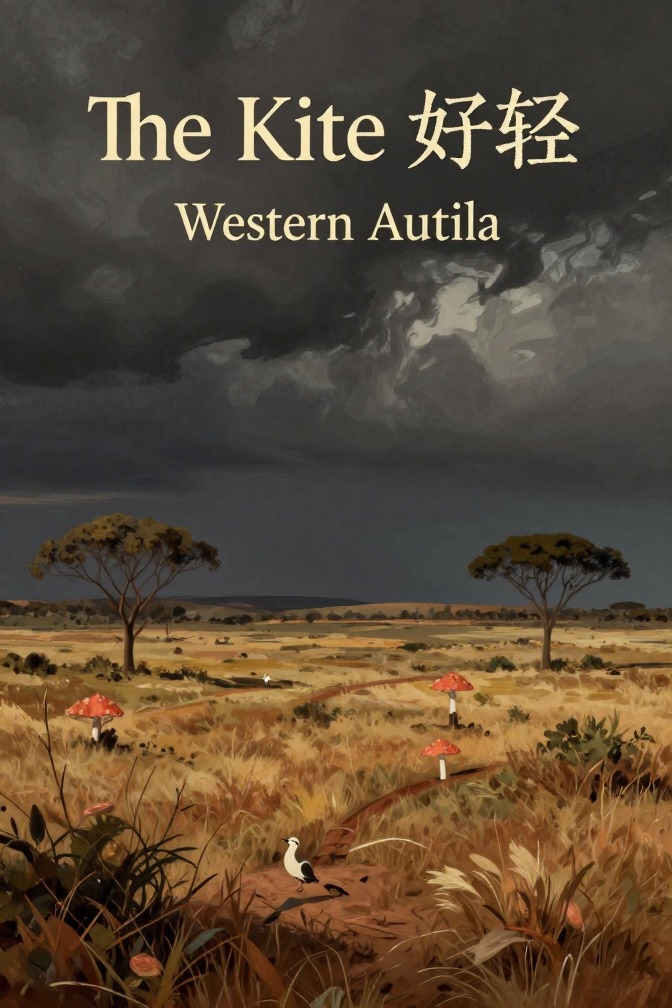
Western Australia is the Australian state where Assef's parents live in a beachfront villa, a location that Assef invokes during his confrontation with Amir in Kabul to demonstrate that he does not need money and to underscore the gulf between his comfortable family life abroad and the violence he perpetrates in Afghanistan.
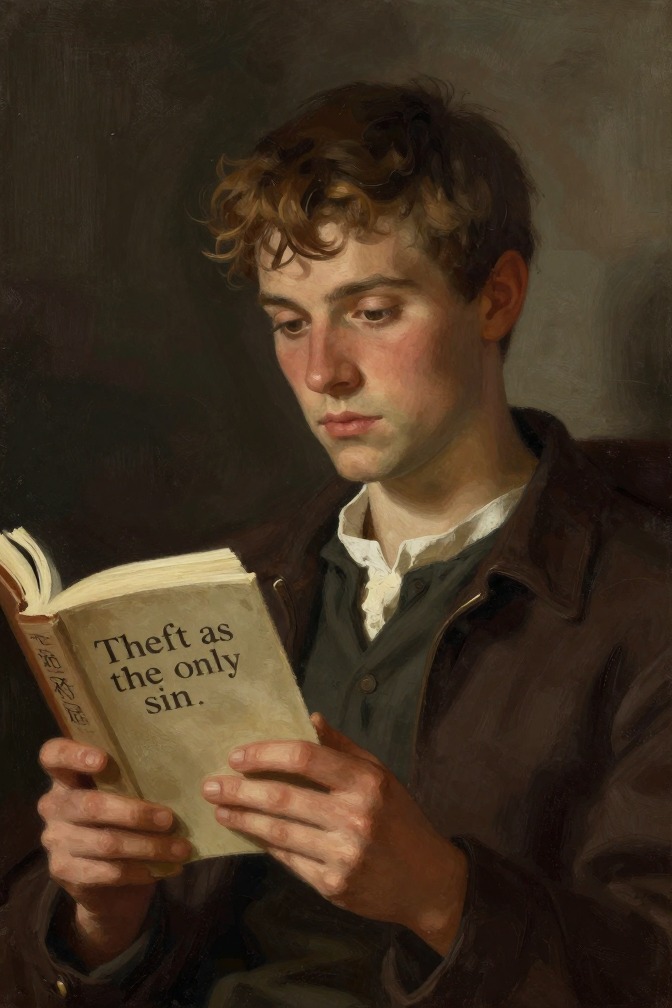
Baba's principle that theft is the only sin, and that all other sins are variations of theft, is a foundational moral rule in The Kite Runner. Baba articulates this rule to his son Amir during a conversation about sin, and it becomes a central, ironic touchstone for the novel's exploration of guilt, betrayal, and redemption. The rule is first stated in Baba's study, then later invoked by Amir in his own moral reasoning, and ultimately shattered by the revelation of Baba's own lifelong deception.
The Taliban regime, which ruled Afghanistan from 1996 to 2001, is depicted in The Kite Runner as a brutal theocracy that enforces a violent interpretation of Shari'a law, systematically oppresses Hazaras, bans cultural traditions like kite fighting, and ultimately destroys the lives of Hassan and his family, serving as the final, catastrophic expression of the ethnic and religious hatreds that have haunted the country.
1989 was a year of significant personal and historical milestones for Amir, marked by the publication of his first novel, the Soviet withdrawal from Afghanistan, and the beginning of his and Soraya's struggle with infertility.
1990 is a pivotal year in the novel, marked by the birth of Sohrab, the return of Sanaubar, and the deepening of the family bonds within the household in Kabul, set against the backdrop of the ongoing civil war.
August 1998 marks the Taliban's massacre of Hazaras in Mazar-i-Sharif, a genocidal event that Assef later boasts about to Amir, revealing the regime's ethnic cleansing and the culmination of decades of anti-Hazara violence.
Dhul-Hijjah is the last month of the Islamic lunar calendar, the month of the Hajj pilgrimage and Eid al-Adha (Eid-e-Qorban), the Festival of Sacrifice. In The Kite Runner, the month is invoked at two crucial, contrasting moments: first, as the backdrop for the annual sheep sacrifice in Baba's backyard, a ritual that Amir watches with a mixture of fascination and dread, and second, as the theological justification used by a Taliban cleric at Ghazi Stadium for the public stoning of adulterers. The month thus serves as a narrative hinge between the secular, ritualized Islam of Baba's household and the brutal, politicized Islam of the Taliban regime, marking the transformation of a shared religious calendar into a tool of oppression.
Eid, the three-day celebration after Ramadan, is a recurring marker of tradition and community in the novel, observed in Kabul with new clothes, family visits, and dyed eggs. Its significance deepens as the narrative contrasts the peaceful Eids of Amir's childhood with the loss of that world under Soviet occupation and Taliban rule, and as the festival's rituals of charity and reunion echo the novel's themes of redemption and the search for a lost home.
Eid Al-Adha, or Eid-e-Qorban, is the Islamic festival commemorating the prophet Ibrahim's willingness to sacrifice his son. In *The Kite Runner*, the ritual slaughter of a sheep during this holiday becomes a recurring symbol of sacrifice, guilt, and the acceptance of fate, most powerfully echoing the sexual assault of Hassan in the alley.
New Year's Day in Afghanistan, the first day of spring, is marked by the annual Buzkashi tournament, a violent national sport. For Amir, this day becomes a recurring symbol of his childhood trauma, his father's disappointment, and the lost innocence of his homeland.
September 2001 marks the moment when the global political landscape shifts dramatically, and for Amir, it becomes the backdrop against which his personal redemption and the fate of Sohrab unfold. The attacks on the World Trade Center trigger the American bombing of Afghanistan and the fall of the Taliban, events that directly intersect with Amir's life as he struggles to connect with the traumatized boy he has brought home.
The summer of 1984, when Amir turned twenty-one, marked a period of profound transformation and deepening guilt. During this season, Baba sold his Buick and bought a dilapidated Volkswagen bus, and the two of them began working the garage sale and flea market circuit in the Bay Area. It was at the San Jose flea market that Amir first saw Soraya Taheri, the woman who would become his wife, and began a courtship shadowed by his unconfessed past. The summer also saw Amir grappling with the aftermath of his betrayal of Hassan, a guilt that the new rhythms of American life could not erase.
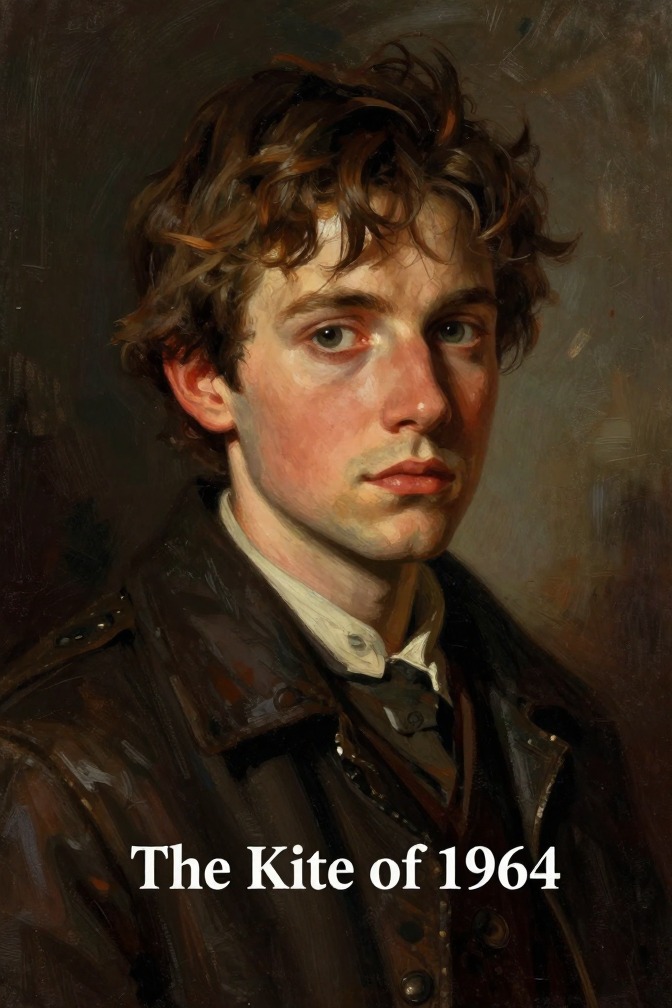
The winter of 1964 is the season of Hassan's birth in a mud hut behind Baba's mansion in Kabul, an event that immediately defines his place in the household and sets the stage for the intertwined lives of Amir and Hassan. Born to Ali and Sanaubar, Hassan enters the world with a cleft lip and a smile, only to be abandoned by his mother days later, while Amir is born in the same year after his mother dies in childbirth. This temporal coincidence binds the two boys from the start, establishing the foundational contrasts—legitimacy versus servitude, presence versus absence of a mother—that will shape their relationship and the novel's central conflicts.
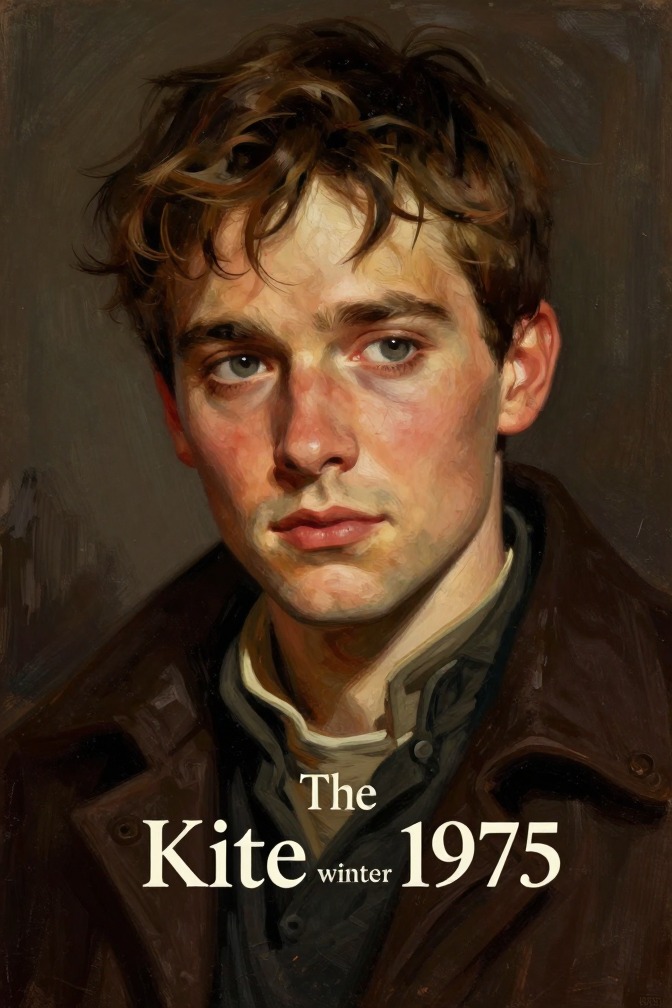
The winter of 1975 is the pivotal season in Amir's childhood, during which he wins the annual kite-fighting tournament in Kabul but then witnesses and fails to stop the rape of his friend Hassan, an act of cowardice that shapes his identity and drives the novel's central conflict of guilt and redemption.
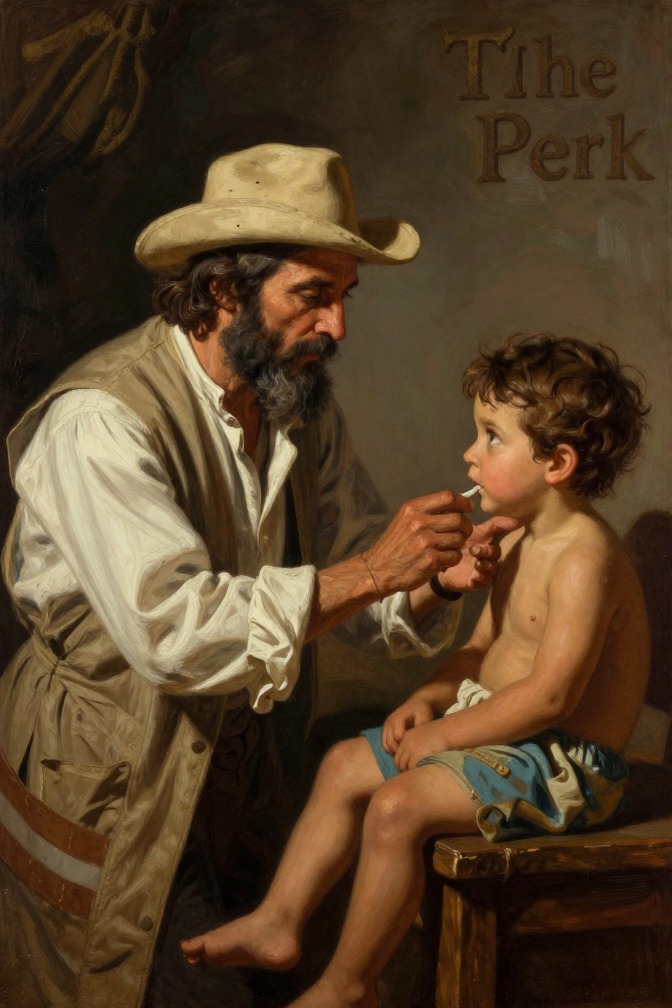
The Doctor's visit and treatment of Coyotito is a pivotal event in John Steinbeck's The Pearl, in which the physician, who earlier refused to treat the scorpion-stung baby because Kino was poor, reverses course after learning of the great pearl and administers a fraudulent cure designed to create a debt and locate the jewel. The episode exposes the colonial power structure that traps Kino's people, deepens Kino's suspicion and isolation, and sets in motion the escalating violence that will destroy the family.
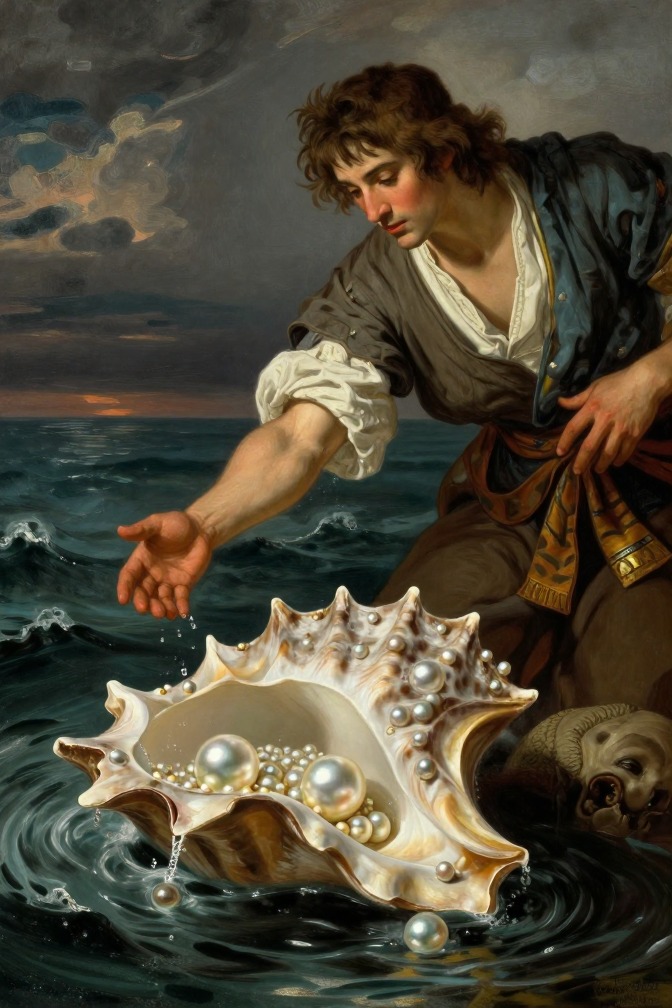
Kino and Juana return to La Paz with their dead son Coyotito, and Kino throws the great pearl back into the sea, ending the cycle of violence and greed the pearl had unleashed.
The Song of the Family is the internal musical motif that represents Kino's sense of safety, warmth, and wholeness in his domestic life, and it serves as the emotional and thematic counterpoint to the Song of Evil throughout the novella.
The Song of the Pearl That Might Be is an internal melody that arises in Kino's mind as he dives for oysters, representing the hope and desire for a life-changing pearl. It evolves throughout the novella from a sweet, secret promise into a sinister, obsessive force that mirrors Kino's moral corruption and the tragic consequences of his ambition.
Kino's pursuit by the trackers is the final, desperate phase of his flight from La Paz after he kills a man in defense of the great pearl, a chase that forces him into the barren mountains and culminates in a violent nocturnal confrontation that costs him his son.