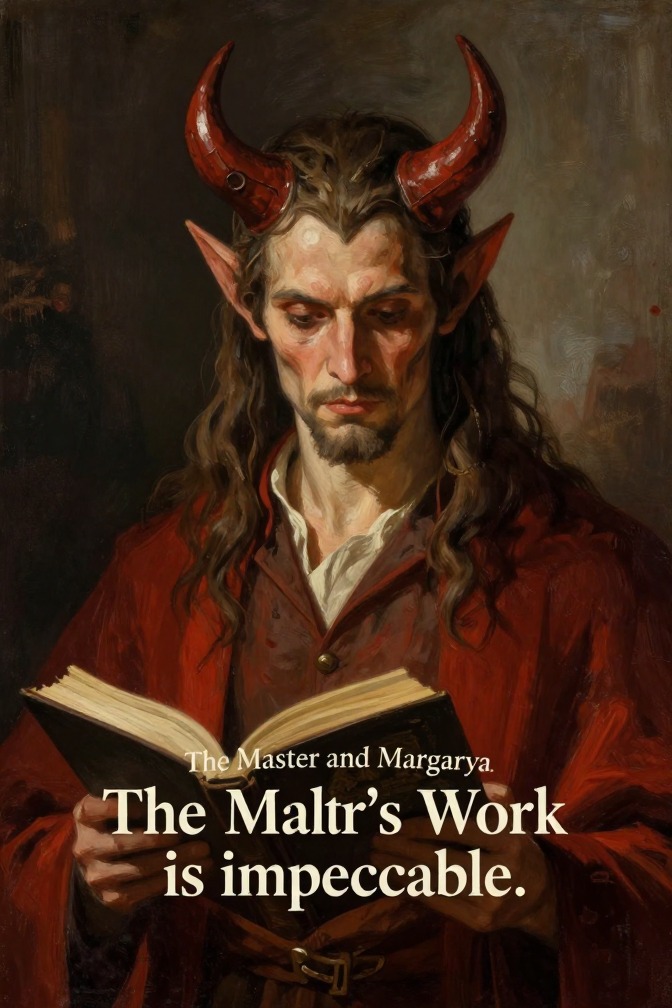
Woland's remark 'Abaddon's work is impeccable' is a chilling expression of the novel's vision of a world governed by a terrifying, impartial violence, where the 'prince of this world' presides over a reality of war and suffering with a detached, aesthetic appreciation.
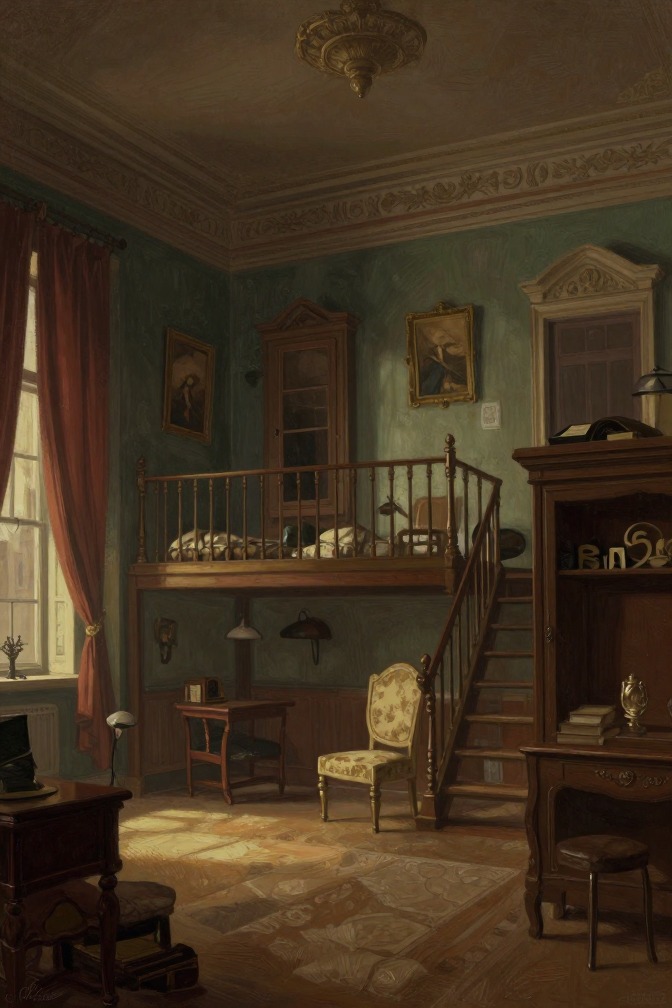
Apartment No. 50, a six-room flat on Sadovaya Street in Moscow, is a locus of supernatural activity and moral decay in The Master and Margarita. Its strange reputation precedes it: tenants vanish without a trace, and after the deaths of Berlioz and the disappearance of Likhodeev, it becomes the Moscow headquarters for Woland and his retinue, serving as the stage for their satirical judgments on Soviet life.
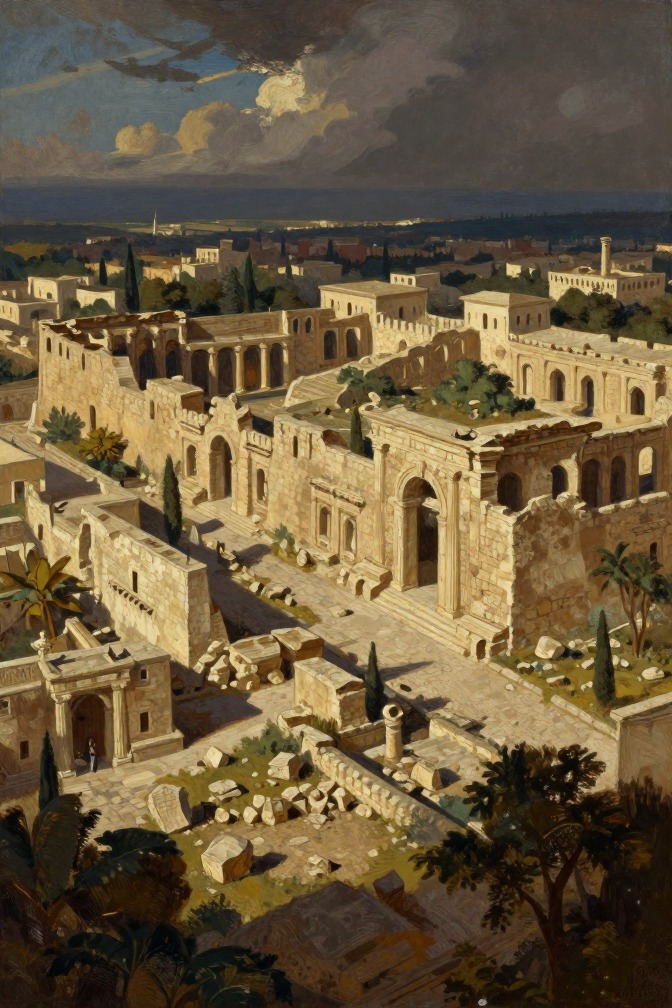
Stratonian Caesarea is the Mediterranean coastal city where Pontius Pilate, the procurator of Judea, maintained his official residence, and it serves as the intended place of confinement for Yeshua Ha-Nozri after Pilate's initial attempt to acquit him. The city represents a threshold between justice and capitulation, a place of exile that never materializes, and a geographical anchor for the novel's exploration of authority, cowardice, and the failure of dialogue.
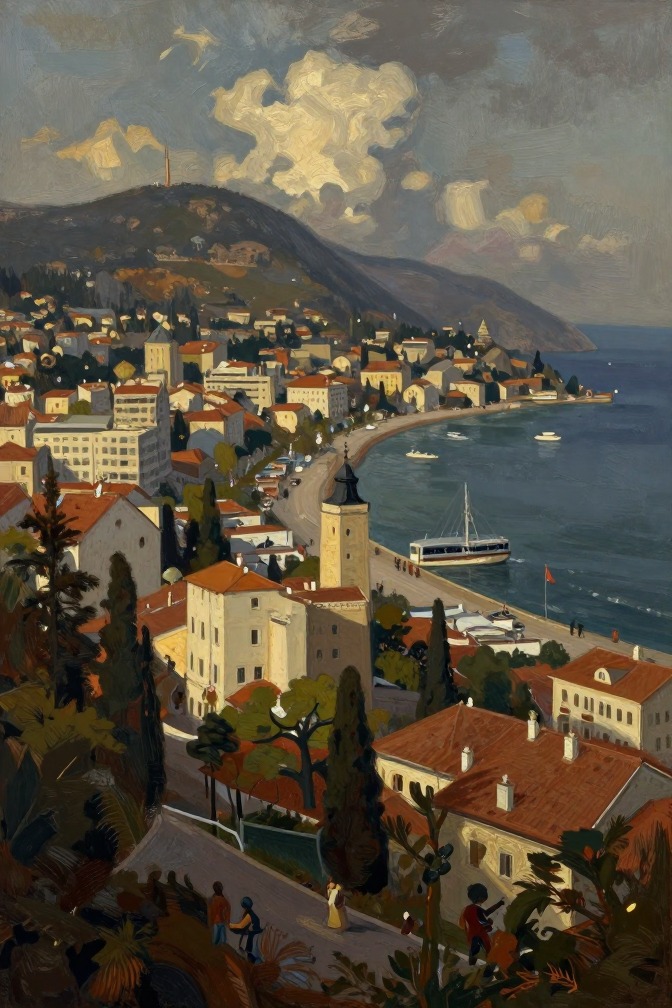
Yalta is the Crimean coastal city to which Stepan Likhodeev, director of the Variety Theatre, is mysteriously teleported by Woland's retinue, becoming the site of a bewildering series of telegrams that plunge the theatre into chaos and expose the supernatural power of the black magician.
The Sanhedrin is the supreme religious and judicial council of ancient Judea, which in Bulgakov's novel condemns Yeshua Ha-Nozri to death and, under the high priest Joseph Kaifa, insists on freeing the rebel Bar-Rabban instead, thereby setting in motion the crucifixion and Pilate's eternal torment.
Berlioz and Ivan Homeless are the two writers whose conversation at the Patriarch's Ponds opens the novel, establishing the ideological conflict between Soviet atheism and the supernatural. Their relationship is defined by a professional hierarchy—Berlioz as editor and mentor, Homeless as a young poet—that collapses catastrophically when Berlioz is killed exactly as the mysterious stranger Woland predicted, leaving Homeless to grapple alone with the reality of the devil's existence and his own shattered worldview.
The relationship between the master and Ivan Homeless is a central bond in the novel, transforming the poet from a confused victim of supernatural events into the master's disciple and the keeper of his story. Their nocturnal meeting in Stravinsky's clinic, where the master reveals his identity, his love for Margarita, and his novel about Pontius Pilate, establishes a profound intellectual and spiritual kinship that reorients Ivan's life and ensures the survival of the master's work.
The relationship between Pontius Pilate and Joseph Kaifa is the central political and moral confrontation of the Yershalaim chapters, a clash between Roman imperial authority and Jewish religious leadership over the fate of Yeshua Ha-Nozri. Their tense dialogue on the terrace of Herod's palace, conducted in Greek, reveals Pilate's doomed attempt to save Yeshua and Kaifa's unyielding determination to secure the release of Bar-Rabban instead, a decision that seals Yeshua's execution and condemns Pilate to two thousand years of anguished immortality.
Hella is a female vampire in Woland's retinue, a naked red-haired girl with phosphorescent eyes and icy-cold hands who appears in the Variety Theatre's backstage and in Apartment No. 50. She serves as a silent, terrifying enforcer, attacking the administrator Varenukha and later menacing the financial director Rimsky, embodying the demonic power that Woland's group wields over the corrupt Soviet bureaucracy.
The Great Terror is the pervasive, invisible system of state violence and ideological control that forms the oppressive background of Mikhail Bulgakov's The Master and Margarita, shaping the lives of characters in both the contemporary Moscow narrative and the ancient Yershalaim story. It is not merely a historical setting but a structural principle of the novel, manifesting as an imposed normality of fear, censorship, and arbitrary power that the novel's satire, fantasy, and moral inquiry are designed to expose and resist.
The period 1937-8 marks the final major reworking of Mikhail Bulgakov's novel The Master and Margarita, during which he removed the characterized first-person 'chronicler' narrator, found the definitive title for the novel, and established the fluid, ironic narrative voice that is the novel's finest artistic achievement.
1939 was the year of Mikhail Bulgakov's final revisions to The Master and Margarita, a period in which he dictated additions to his wife Elena Sergeevna, notably the opening paragraph of Chapter 32, and made crucial alterations to the typescript that determined the definitive fate of the master and Margarita—shifting their reward from following Pilate up the path of moonlight to an eternal refuge with Schubert's music and blossoming cherry trees, a resolution that crystallized the novel's thematic distinction between light and peace.
1940 is the year of Mikhail Bulgakov's death, marking the end of his work on The Master and Margarita and the beginning of the novel's posthumous journey toward publication. It is also the year the Soviet magazine The Godless ceased publication, a detail that frames the novel's anti-religious satire. The year functions as a threshold between the novel's creation in a climate of terror and its eventual emergence as a landmark of twentieth-century literature.
November 1966 marks the first publication of Mikhail Bulgakov's novel *The Master and Margarita* in the Soviet Union, an event of extraordinary literary and cultural significance that electrified readers and became a symbol of artistic freedom.
The Joad family's decision to leave their Oklahoma farm marks the inciting event of the novel, transforming them from rooted tenant farmers into migrants on the road to California. Driven by the tractor eviction, the Dust Bowl's destruction, and the collapse of the sharecropping system, the family gathers at Uncle John's place, sells their possessions, slaughters their pigs, and loads their Hudson Super-Six truck for the westward journey. This decision, made collectively in a family council and propelled by Ma Joad's quiet authority, sets in motion the novel's central narrative of displacement, loss, and the search for a new home.
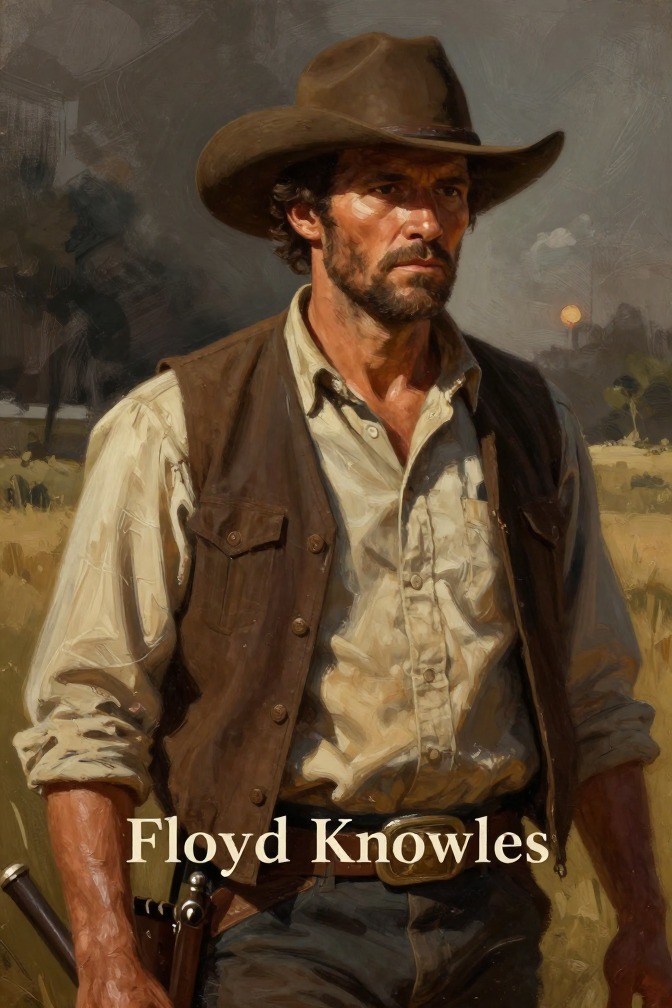
Floyd Knowles escapes is a pivotal action in The Grapes of Wrath in which a migrant worker, after being falsely accused of inciting trouble by a labor contractor and a deputy sheriff, punches the deputy and flees into the willows, triggering a chain of violence that leads to Jim Casy's arrest and Tom Joad's fatal assault on a vigilante.
Ivy Wilson is a migrant from Galena, Kansas, who, along with his wife Sairy, joins the Joad family on their journey to California, forming a bond of mutual assistance that deepens through shared hardship and the death of Grampa Joad.
Jim Casy, a former preacher who has lost his calling, undergoes a profound spiritual transformation that leads him from individual guilt and sexual hypocrisy to a pantheistic belief in the holiness of collective humanity. He becomes a labor organizer and is martyred, but his philosophy of social unity is inherited by Tom Joad, shaping the novel's central message of communal action.
Ruthie Joad is the second-youngest child of the Joad family, a twelve-year-old girl who, over the course of the journey from Oklahoma to California, undergoes a rapid and often painful transition from a mischievous, boastful child into a fiercely protective and increasingly hardened young person, her development marked by acts of cruelty, loyalty, and a growing awareness of the family's precarious social standing.
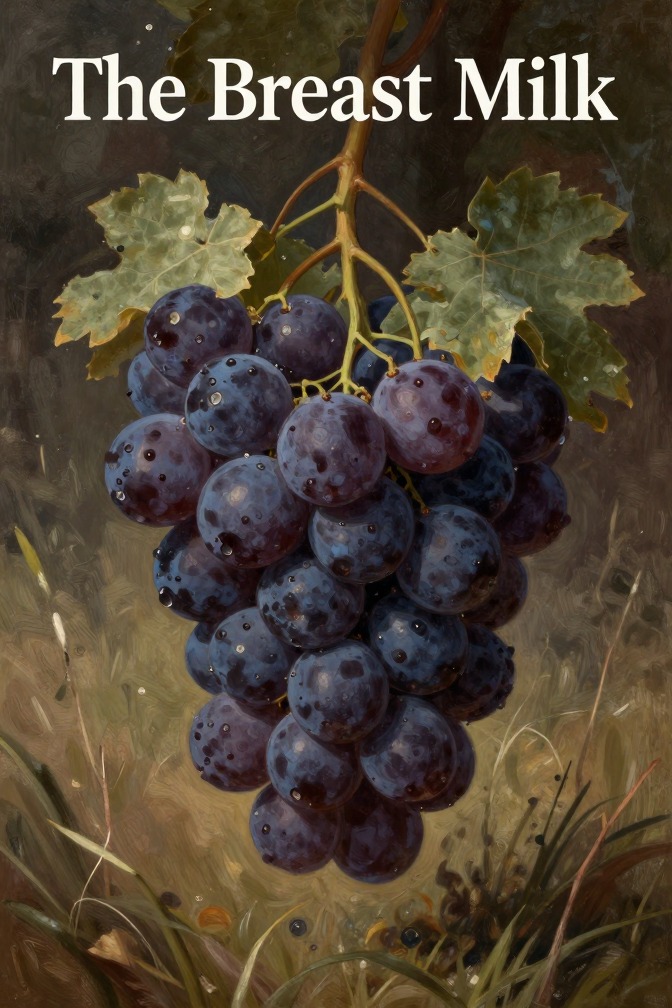
The Breast Milk is the central symbolic act of John Steinbeck's The Grapes of Wrath, occurring in the novel's final scene when Rose of Sharon, having just given birth to a stillborn child, nurses a starving stranger with her breast milk. This gesture, at once maternal, erotic, and sacrificial, transforms personal tragedy into a radical act of communal sustenance, crystallizing the novel's movement from individual loss to collective survival and from the broken family to the larger human family.
The Dance is a central social institution in the Weedpatch government camp, representing the migrants' capacity for self-governance, communal joy, and organized resistance against external repression. It functions as a ritual of solidarity and a site where the camp's democratic structures are tested and affirmed.
The Land is the central, contested entity in John Steinbeck's The Grapes of Wrath, functioning as both the physical ground of the Joad family's identity and the object of a systemic dispossession that drives the novel's plot. It is the source of life, labor, and belonging, and its loss—through drought, dust, and the mechanized violence of corporate agriculture—propels the family into exile. The Land is not merely a setting but an active presence: it is loved, fought over, stolen, and mourned, and its fate is inextricably linked to the fate of the people who work it.
The ant lion is a small predatory insect that appears in the opening intercalary chapter of The Grapes of Wrath, where it is depicted setting traps for other insects in the dust of the drought-stricken Oklahoma landscape. Its brief but precise inclusion establishes the novel's ecological register, illustrating a world in which every creature, from the smallest predator to the largest landowner, is locked in a struggle for survival amid environmental collapse.
The blackbird appears in The Grapes of Wrath as a recurring natural image that marks the passage of time, the changing seasons, and the emotional state of the displaced Joad family. Its presence is most notable in a moment of shared memory between Ma and Pa Joad, where the sight of blackbirds sitting on wires triggers a reflection on home and loss.
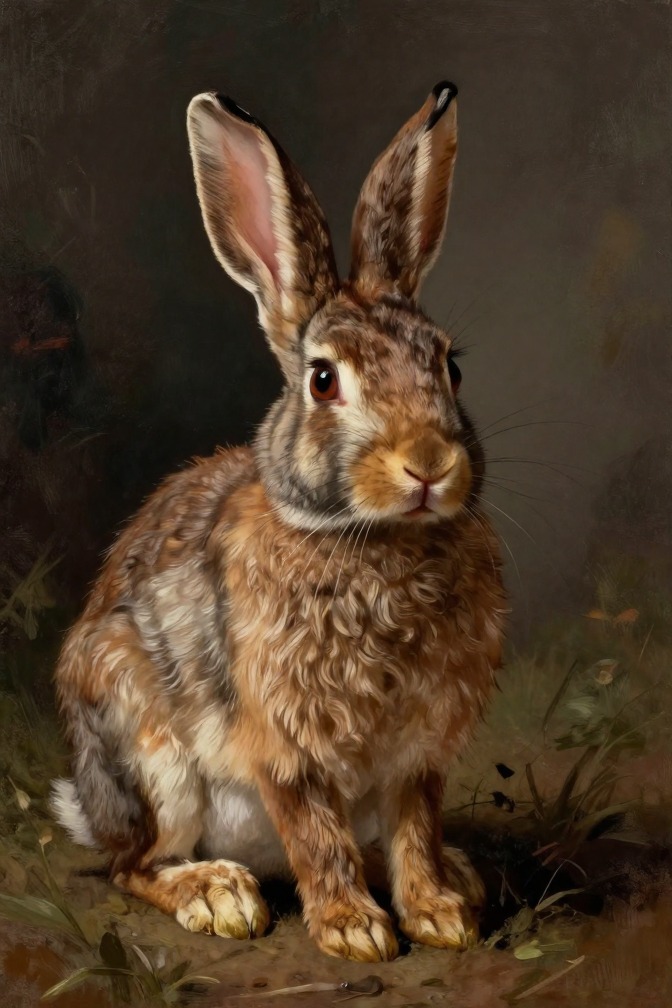
The cottontail rabbit appears in The Grapes of Wrath as a creature of the Oklahoma landscape, a source of food for displaced families, and a symbol of the fragile, hunted life that the migrant people themselves come to lead.
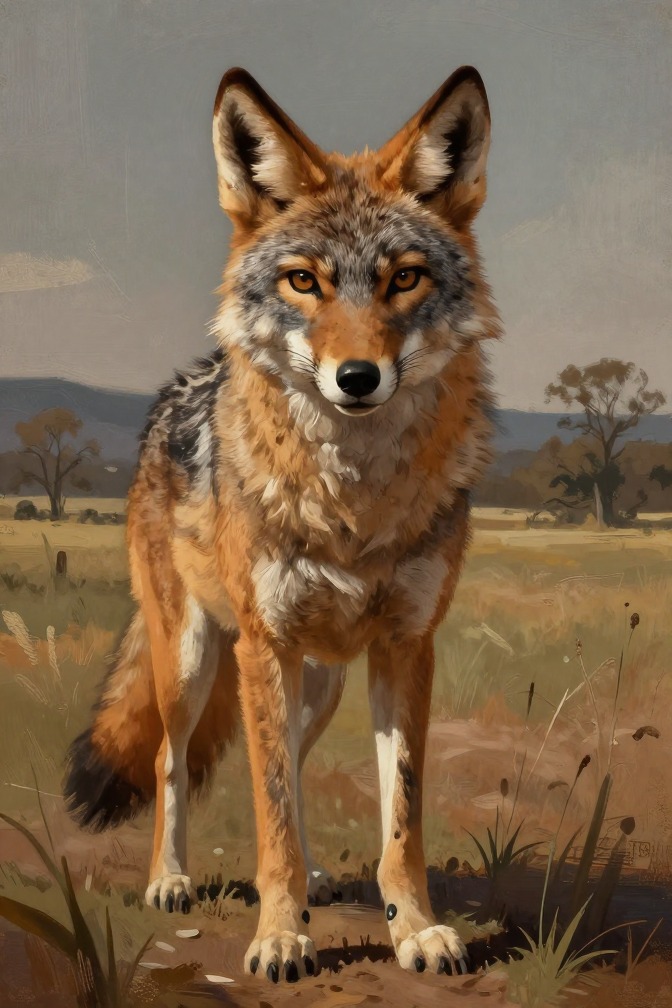
The coyote appears in The Grapes of Wrath as a recurring creature of the marginal spaces, its howls and movements marking the loneliness and wildness that press against the migrant camps and the lives of the displaced.
Ducks appear in The Grapes of Wrath as a recurring natural image that marks seasonal change and the passage of time, particularly through Pa Joad's observation of migrating flocks and the family's traditional saying that early ducks mean an early winter.
The gopher is a small burrowing rodent that appears in the opening chapter of The Grapes of Wrath as a minor but significant element of the natural world, its presence marking the early stages of ecological collapse. In the drought-stricken Oklahoma landscape, gophers trigger small avalanches in the water-cut gullies, their movements contributing to the erosion that foreshadows the larger disaster. The creature recurs in the novel as a point of comparison for human behavior, linking the dispossessed migrants to the animal kingdom's instinct for survival and concealment.
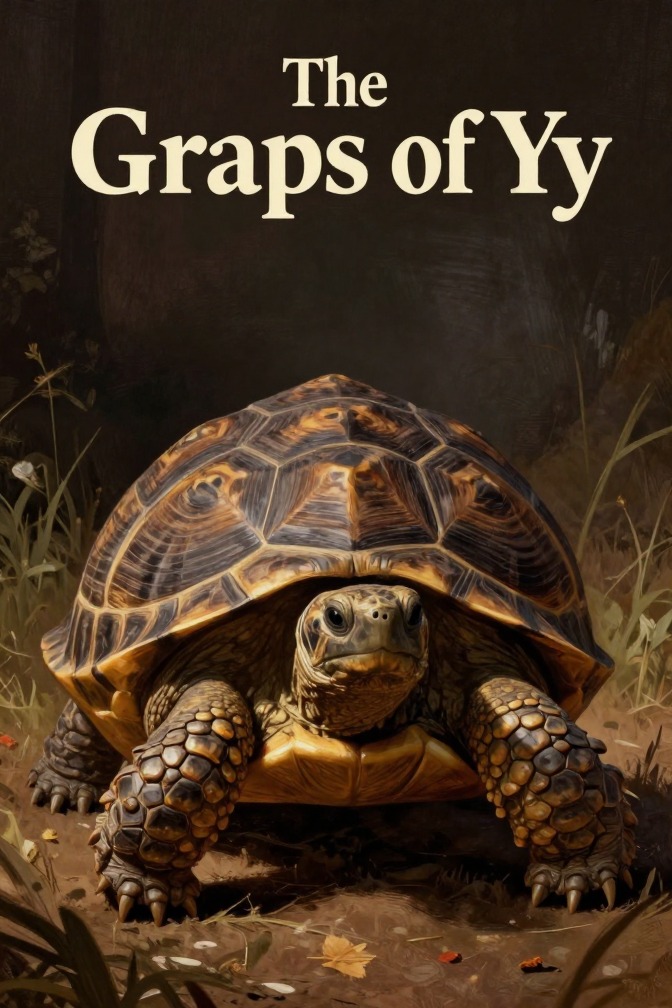
The land turtle is a recurring symbolic figure in John Steinbeck's The Grapes of Wrath, appearing in the intercalary Chapter 3 and in the narrative of Tom Joad's journey home. Its slow, determined, southwestward crawl across a hostile landscape—climbing a highway embankment, surviving a deliberate hit by a truck, and continuing on—establishes a central motif of persistence against overwhelming odds. The turtle's journey mirrors the migrant exodus, and its unyielding progress, even after being flipped and rolled, becomes a touchstone for the novel's themes of endurance, the instinct to move, and the natural world's quiet resistance to human cruelty and indifference.
The sow bug, a small crustacean resembling an armadillo, appears in the opening chapter of The Grapes of Wrath as part of the intricate web of life on the Oklahoma plains, its presence underscoring the novel's ecological themes and the slow violence of environmental degradation.