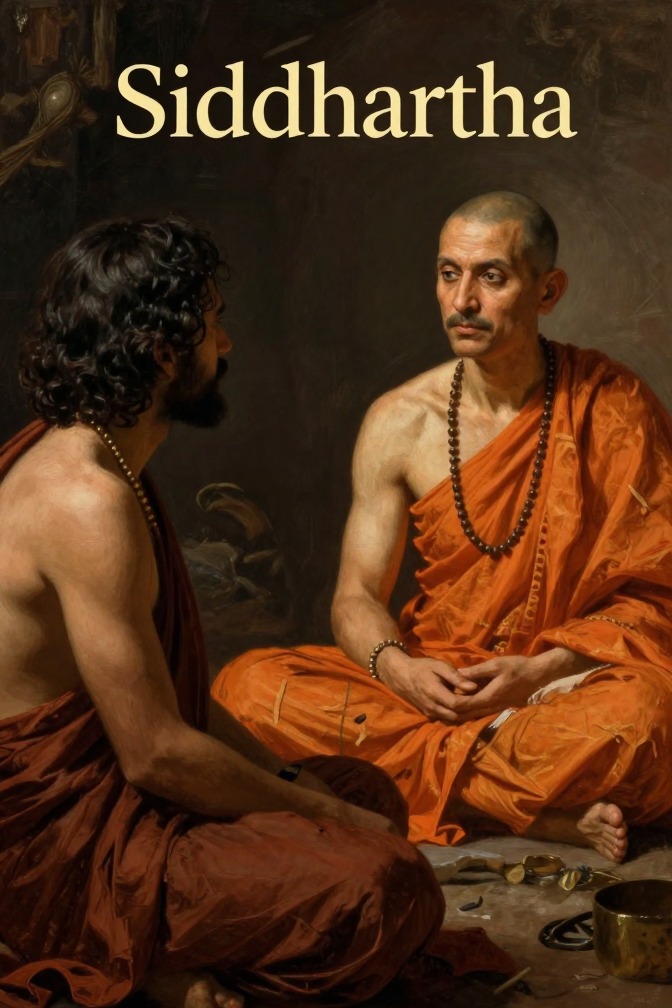
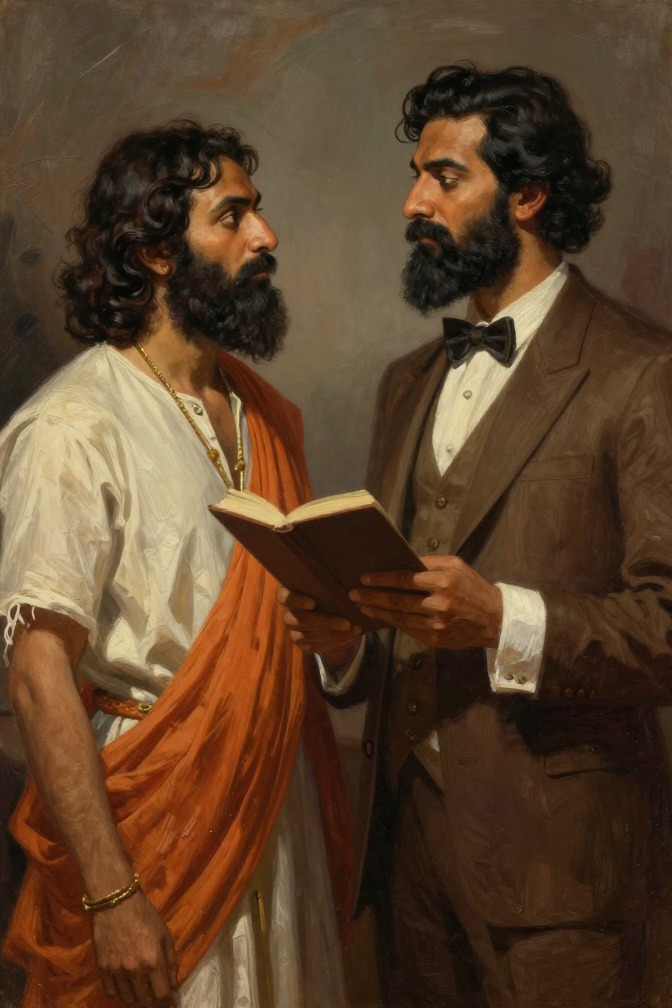
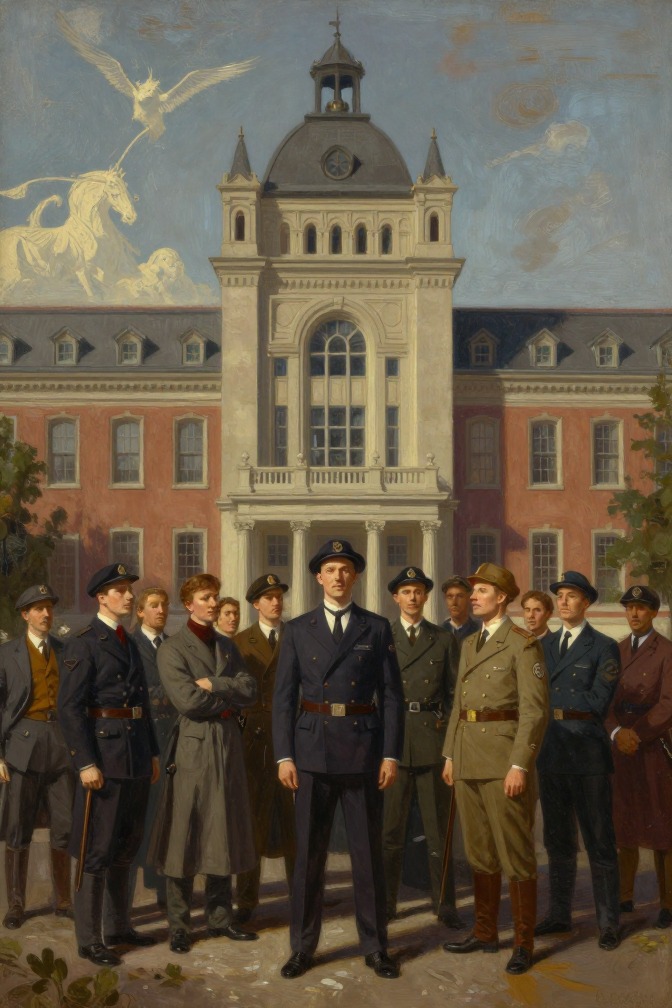
Siddhartha's Conversation with Gotama is the pivotal intellectual and spiritual confrontation in Hermann Hesse's novel, where the young seeker, having heard the Buddha's teachings, respectfully articulates his fundamental objection to all doctrines and receives the Buddha's enigmatic blessing, an encounter that crystallizes Siddhartha's decision to abandon teachers and pursue his own path.
The Bird in the Chest is a central metaphor in Hermann Hesse's *Siddhartha*, representing the protagonist's innermost spiritual voice, his capacity for joy, and his authentic self. Its death and resurrection mark the critical turning points in Siddhartha's journey from asceticism through worldly indulgence to final enlightenment.
The Path of Paths is a key expression in Hermann Hesse's Siddhartha, representing the ultimate, unteachable way to enlightenment that the protagonist seeks beyond all doctrines and ascetic practices.
The River is the central symbolic entity in Hermann Hesse's Siddhartha, serving as the protagonist's ultimate teacher and the embodiment of the novel's core philosophical insights: the unity of all existence, the illusion of time, and the attainment of wisdom through direct experience rather than doctrine.
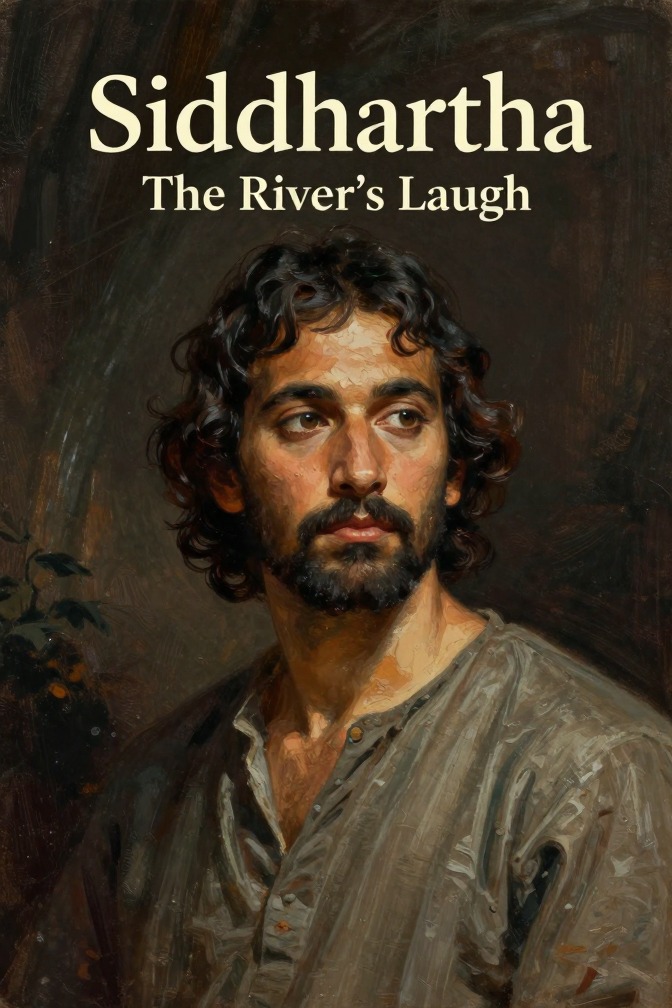
The River's Laugh is a pivotal symbolic expression in Hermann Hesse's Siddhartha, representing the moment when the river's voice becomes a clear, mocking, and revelatory force that forces Siddhartha to confront the cyclical nature of his own suffering and the folly of his attachments, ultimately guiding him toward a deeper understanding of oneness and the cessation of his personal struggle.
Savathi is the city in the kingdom of Kosala where the Buddha Gotama resided during the time of Siddhartha's encounter with him, serving as the setting for the pivotal meeting that redirects Siddhartha's spiritual quest away from teachings and toward self-discovery.
The hut is a central, recurring physical and symbolic space in Siddhartha's journey, serving first as a temporary shelter during his early wanderings and later as the permanent home where he achieves his final enlightenment as a ferryman.
The Samanas are a wandering order of ascetics in Hermann Hesse's Siddhartha, whose practices of self-denial, meditation, and physical mortification provide the protagonist with his first formal spiritual training outside the Brahmanic tradition, yet ultimately prove insufficient for his quest for enlightenment.
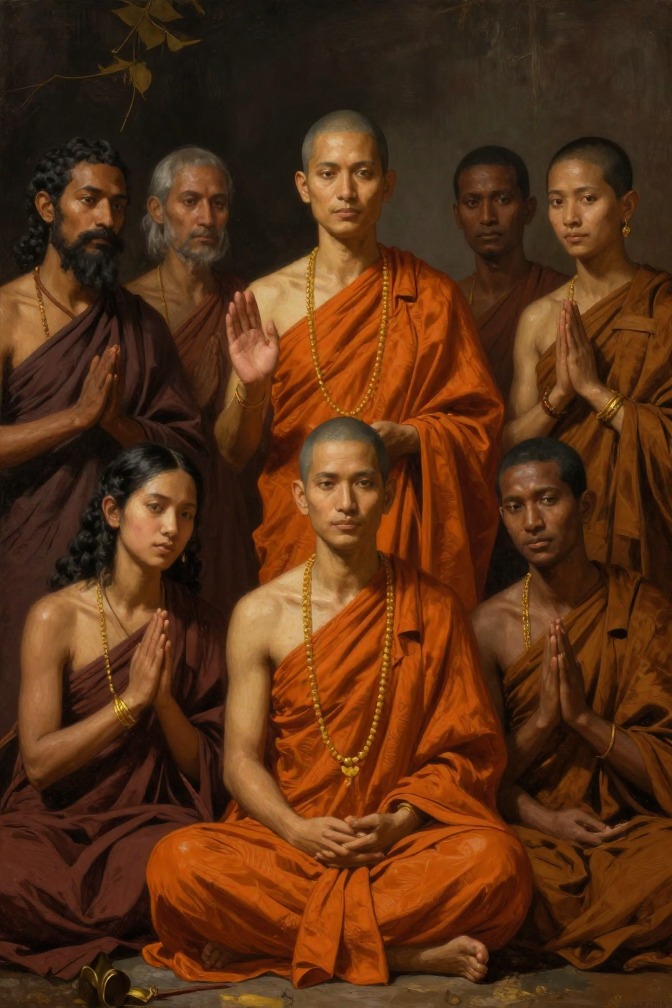
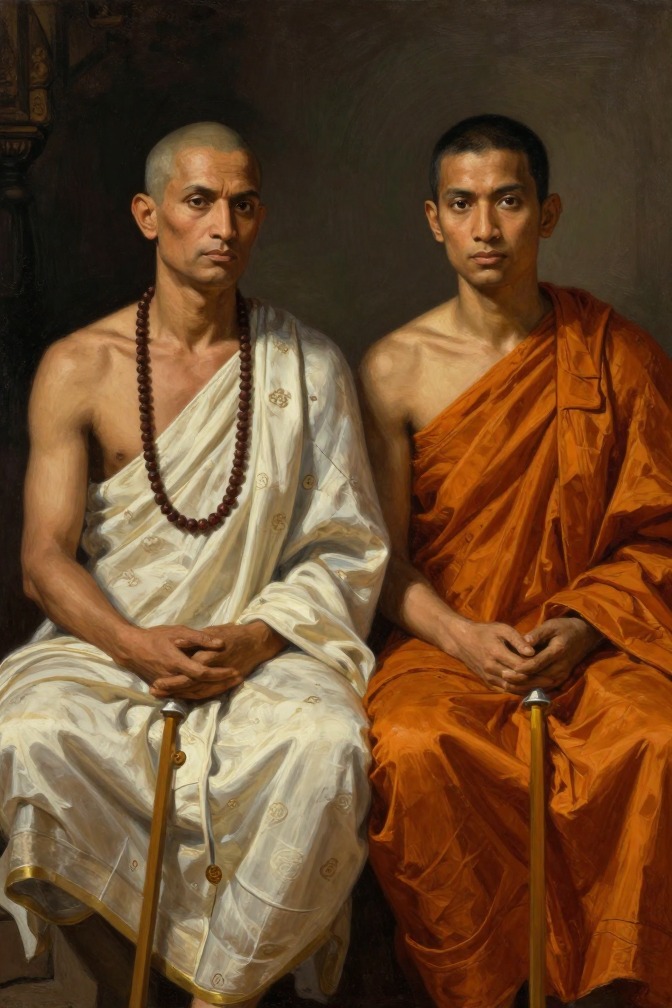
The relationship between Govinda and Gotama is a central axis of loyalty and discipleship in the novel, representing the path of faith, communal practice, and adherence to teachings that Siddhartha ultimately rejects. Govinda's decision to take refuge in Gotama at the grove of Jetavana marks a permanent divergence from his childhood friend, yet his lifelong devotion to the Buddha's order does not extinguish his inner search, and his final reunion with Siddhartha reveals the limits of a teacher-centered path.
Siddhartha and Kamaswami's business relationship is a transactional, hierarchical arrangement that serves as the vehicle for Siddhartha's immersion into the worldly life of commerce, wealth, and spiritual decay, ultimately revealing the profound incompatibility between the merchant's anxious pursuit of profit and Siddhartha's detached, game-like approach to business.
Vasudeva and his wife's relationship is a brief but deeply significant marriage that ended with her death long before the main events of the novel, yet it shapes Vasudeva's character as a listener, a ferryman, and a spiritual guide. The relationship is defined by its absence in the present narrative, but its memory provides a parallel to Siddhartha's own losses and becomes a foundation for Vasudeva's serene wisdom and his ability to offer comfort to others.
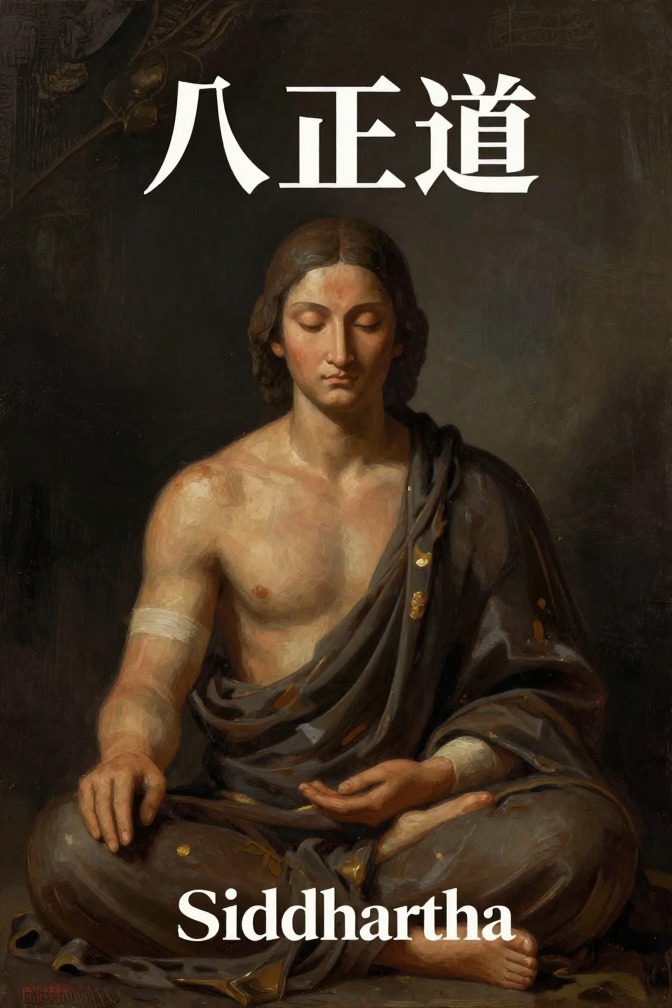
The Eightfold Path, also known as the Noble Eightfold Path, is a core teaching of Buddhism that Gotama the Buddha expounds as the way to achieve salvation from suffering. In Siddhartha, the path is presented as a structured doctrine, but the protagonist ultimately finds it insufficient for his personal quest, leading him to seek wisdom through direct experience rather than prescribed teachings.
The SD raid on the Nippon Times Building is the violent climax of the novel's espionage plot, where the Sicherheitsdienst attempts to seize Rudolf Wegener during his secret meeting with General Tedeki, only to be repelled by Nobusuke Tagomi's desperate gunfire, an act that shatters his Buddhist worldview and triggers his subsequent spiritual crisis and heart attack.
Betty Kasoura is a young Japanese woman living in San Francisco under the Pacific States of America, whose brief but pivotal interactions with Robert Childan reveal the deep cultural and racial chasms of the novel's alternate history. As the wife of Paul Kasoura, she embodies the refined, ascetic aesthetic of Japanese culture, yet her quiet defiance and perceptive observations challenge the era's assumptions about race, art, and power.
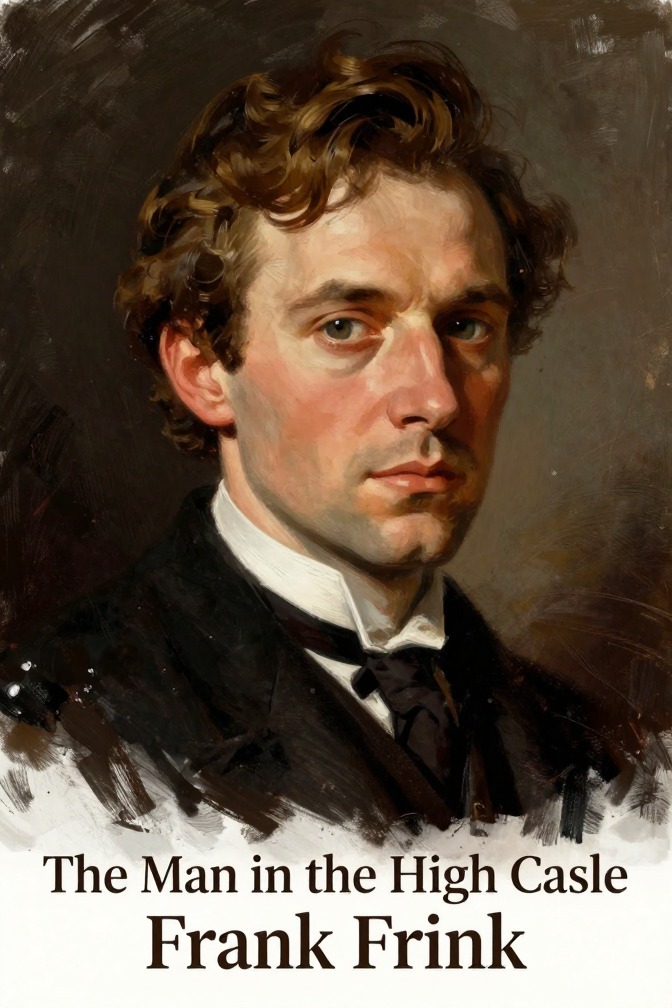
Frank Frink is a Jewish metalworker in Axis-occupied San Francisco whose life is upended when he is fired from his job forging fake American artifacts, leading him to co-found a contemporary jewelry business, face arrest as a Jew, and ultimately be released through the intervention of Nobusuke Tagomi. His story traces the arc from despair to creative hope, and his handmade jewelry becomes a symbol of authentic American renewal in a world dominated by historical forgery and racial persecution.
General Tedeki, a retired fire-eater of the Imperial Japanese Army and former Chief of Staff, travels incognito to San Francisco under the alias Shinjiro Yatabe to receive intelligence from Rudolf Wegener, a German Abwehr captain, about Operation Dandelion, a planned nuclear attack on Japan. His meeting with Wegener and Nobusuke Tagomi reveals the high-stakes espionage at the heart of the novel, and his presence triggers a violent SD raid that forces Tagomi to kill two agents, an act that shatters Tagomi's worldview and leads to his eventual heart attack.
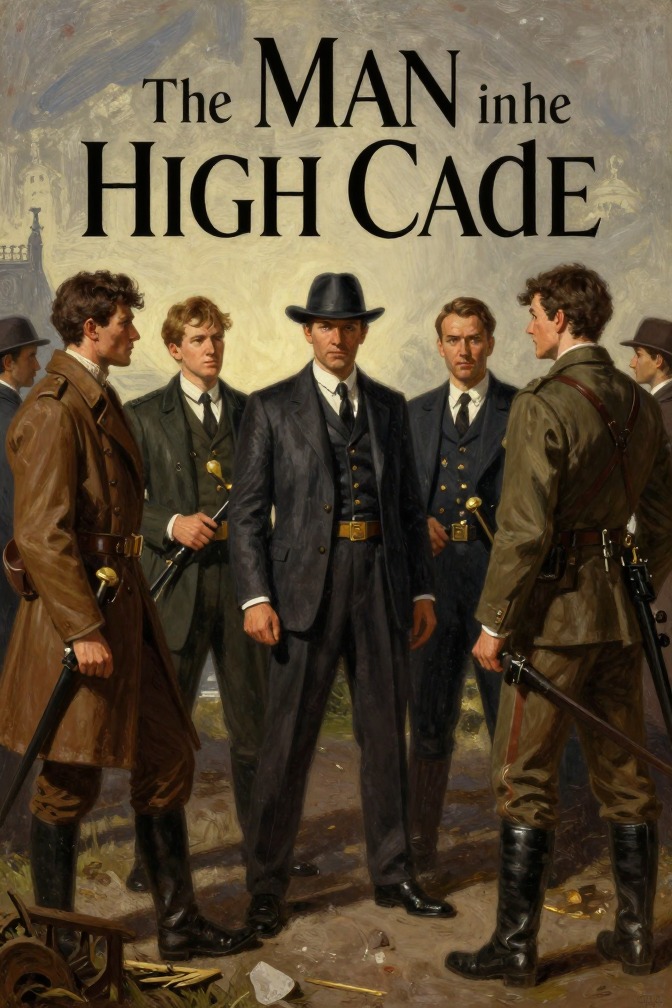
Hawthorne Abendsen is the reclusive author of The Grasshopper Lies Heavy, the banned alternate-history novel at the center of Philip K. Dick's The Man in the High Castle. His book, which imagines a world where the Axis lost World War II, circulates secretly throughout the Pacific States and the Reich, provoking both fascination and fear. Abendsen's life and work become the focal point of the novel's climax when Juliana Frink, a reader who has killed an SD assassin sent to murder him, confronts him with the revelation that his book is not fiction but truth.
Rudolf Wegener is a German naval counter-intelligence officer who travels to San Francisco under the cover name Mr. Baynes, posing as a Swedish plastics salesman, to warn the Japanese about Operation Dandelion, a planned nuclear attack on the Home Islands. His mission, complicated by the death of Martin Bormann and the rise of a new Reichs Chancellor, culminates in a secret meeting with General Tedeki, an SD raid, and his eventual return to Germany, where he is taken into custody by the Waffen-SS.
The Shooting of the SD Men is the pivotal violent confrontation in which Nobusuke Tagomi, a ranking official of the Pacific Trade Mission, kills two armed SD agents who storm his office to seize Rudolf Wegener, the Abwehr captain posing as the Swedish businessman Mr. Baynes. The event transforms Tagomi from a ceremonial bureaucrat into a killer, shatters his Buddhist-influenced worldview, and forces him to confront the moral horror of his act, marking a decisive turn in the novel's exploration of violence, guilt, and the impossibility of moral clarity under totalitarian power.
Inner Truth (Chung Fu) is the I Ching hexagram that recurs at the novel's most decisive moments, serving as the oracle's final verdict on the truthfulness of Hawthorne Abendsen's banned novel The Grasshopper Lies Heavy and as the guiding principle for Nobusuke Tagomi's moral crisis after he kills two SD agents. It is the hexagram that Juliana Frink draws when she confronts Abendsen, and the one Tagomi consults in the aftermath of violence, marking it as the book's central symbol of authentic, unmediated reality.
The Hangman is a recurring epithet in Philip K. Dick's The Man in the High Castle, used to refer to Reinhard Heydrich, the feared SS general whose brutal efficiency and cold, game-like mentality make him the most terrifying figure in the Nazi power structure. The name appears in the novel as a shorthand for the regime's capacity for ruthless violence, and it carries a weight of dread that shapes the characters' political anxieties and moral reflections.
The small departs, the great approaches is the judgment of Hexagram Eleven, T'ai, Peace, in the I Ching, the ancient Chinese oracle that pervades Philip K. Dick's The Man in the High Castle. In the novel, this judgment is cast by Frank Frink at a pivotal moment when he is deciding whether to follow Ed McCarthy's advice and start his own creative jewelry business. The hexagram's favorable judgment, promising that 'the small departs, the great approaches' and bringing 'Good fortune. Success,' is immediately complicated by a moving line at the top that warns of doom, creating a profound tension between hope and catastrophe that defines Frink's venture and echoes the novel's larger themes of chance, fate, and the possibility of change in a world ruled by the Axis powers.
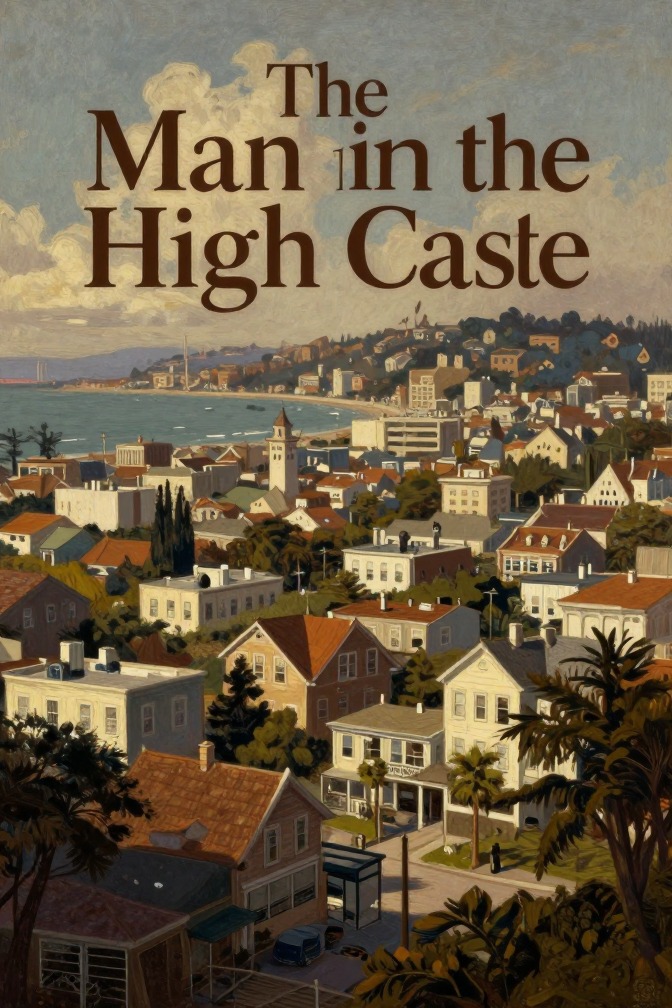
San Francisco is the central setting of Philip K. Dick's The Man in the High Castle, a city under Japanese occupation following the Axis victory in World War II. It is the primary stage for the novel's exploration of colonial power, cultural anxiety, and the commodification of history, serving as the home of key characters like Robert Childan, Nobusuke Tagomi, and Frank Frink, and as the site of pivotal events including the Trade Mission meeting and the SD raid.
The Colt .44 revolver is a recurring object in Philip K. Dick's The Man in the High Castle, serving as a symbol of the contested nature of historical authenticity in a world where the Axis powers won World War II. It appears first as a forged artifact sold by Robert Childan, then as a genuine collector's item owned by Nobusuke Tagomi, and finally as a weapon used in a violent confrontation, embodying the novel's central themes of historicity, authenticity, and the moral weight of objects.
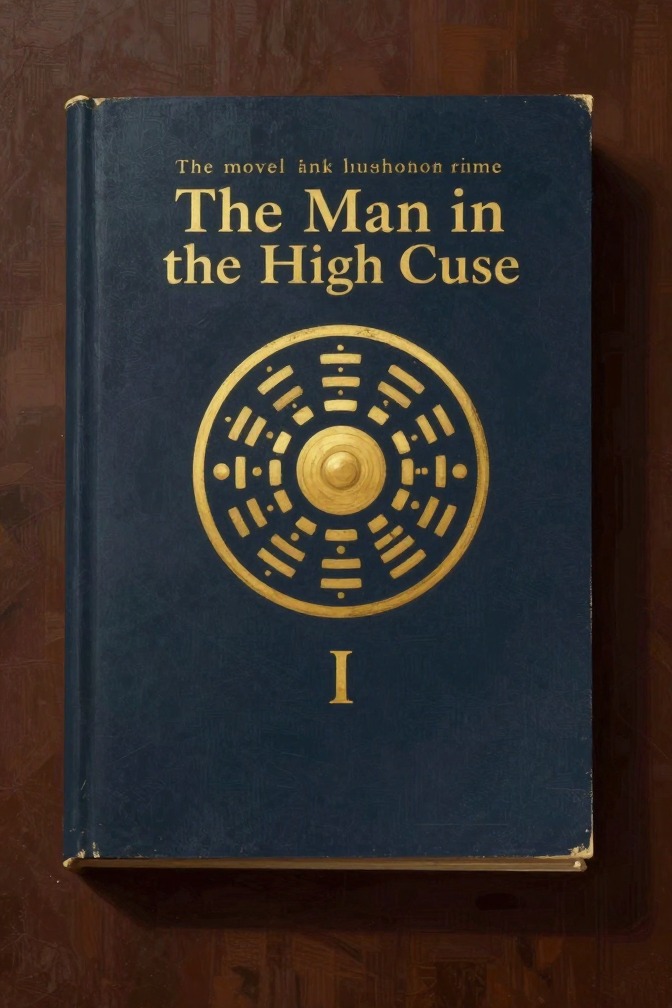
The I Ching, or Book of Changes, is the ancient Chinese divination text that serves as the novel's central philosophical and structural device, guiding characters' decisions and revealing the novel's themes of fate, chance, and the search for meaning in a world shaped by totalitarian power.
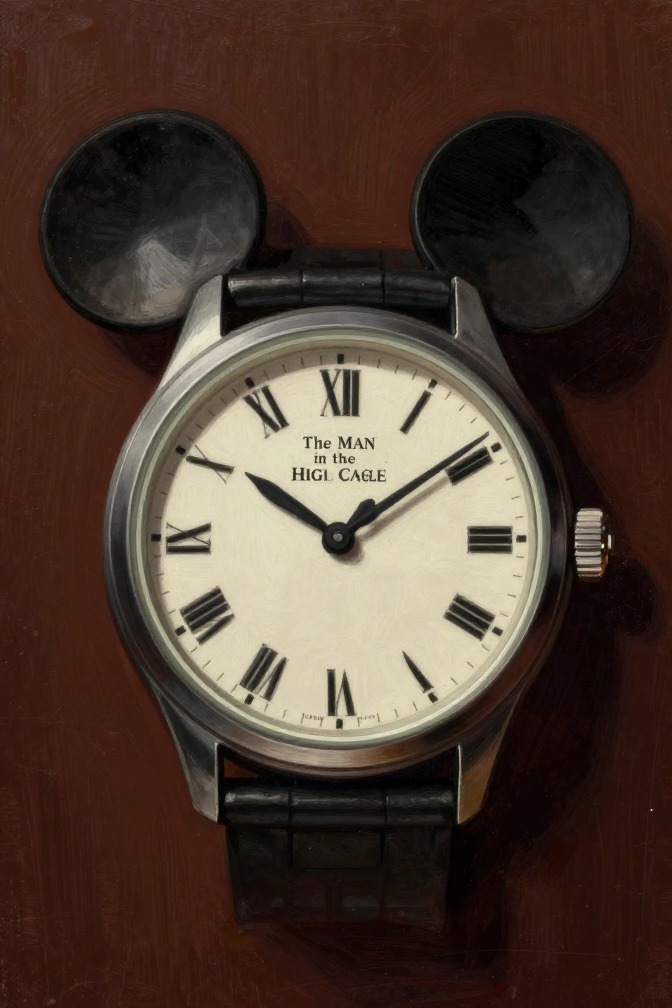
The Mickey Mouse wristwatch is a pivotal object in Philip K. Dick's novel, serving as the quintessential example of the 'historicity' that defines the value of American artifacts in a world ruled by Japan and Germany. Gifted by Nobusuke Tagomi to the supposed Swedish industrialist Mr. Baynes, the watch is a rare 1938 original, one of perhaps ten in existence, and its authenticity stands in stark contrast to the forgeries that flood the market. Its presence in the narrative underscores the themes of authenticity, cultural appropriation, and the constructed nature of historical value.
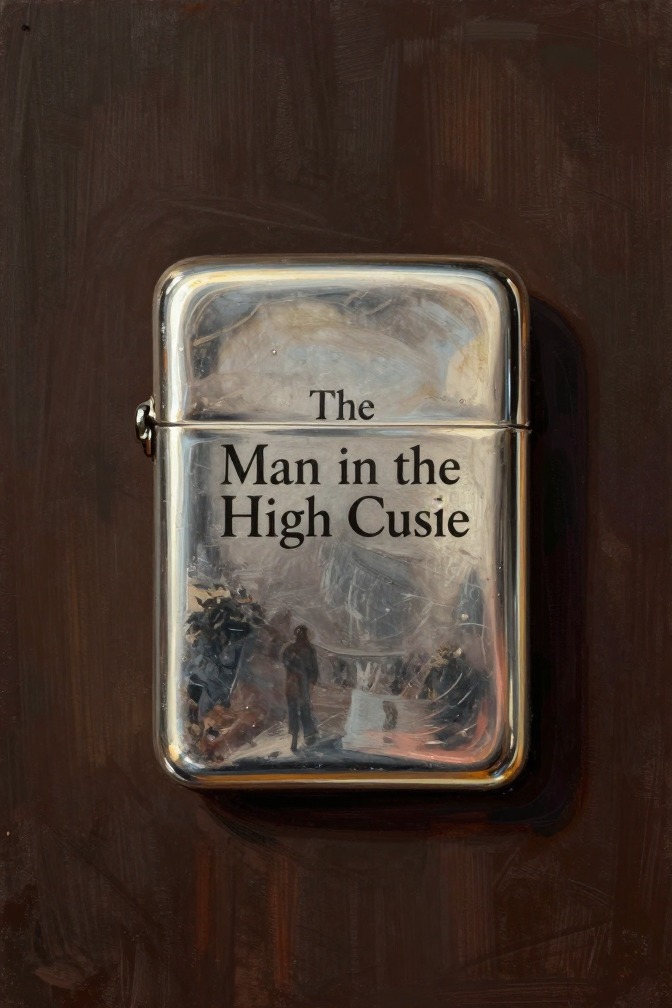
Wegener's silver cigarette case is a deceptively ordinary object that conceals the most sensitive intelligence of the novel: each cigarette is a hollow container for microfilm documenting secret Nazi discussions about Operation Dandelion. Passed from Rudolf Wegener to General Tedeki during their clandestine meeting in Nobusuke Tagomi's office, the case becomes the physical conduit through which the warning of a planned nuclear attack on Japan is delivered, embodying the novel's central meditation on authenticity, concealment, and the material carriers of truth.
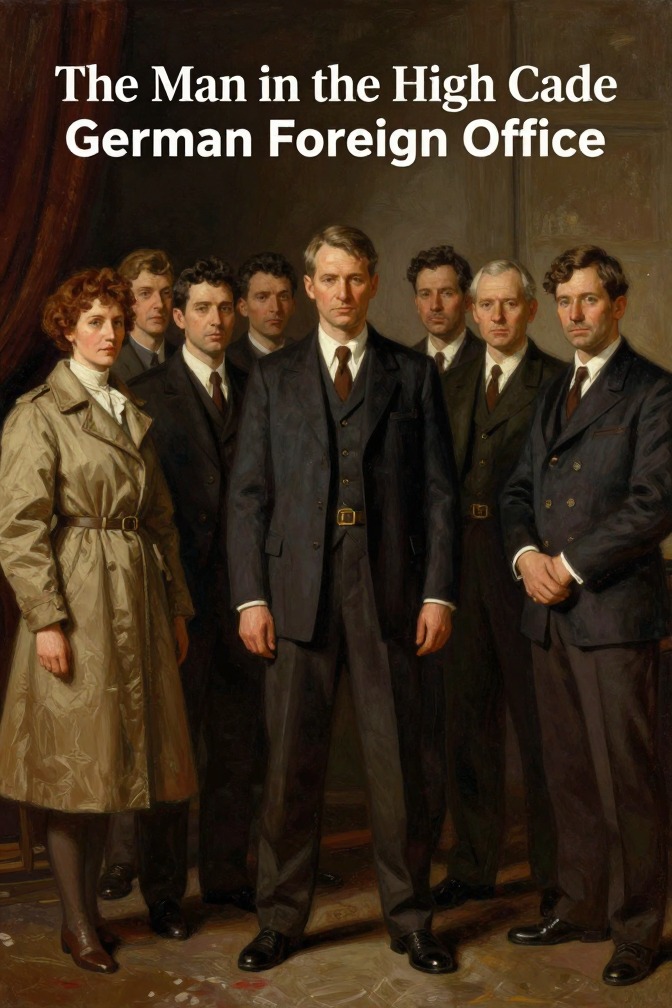
The German Foreign Office is the Reich's diplomatic arm in the Pacific States of America, headquartered in San Francisco under Consul Hugo Reiss. It manages official relations with the Japanese occupation authorities, handles coded communications from Berlin, and becomes entangled in the power struggle between the SD and the Abwehr over the fate of Rudolf Wegener. Its role reveals the bureaucratic and moral decay of the Nazi regime, as Reiss navigates between cooperation with the SD and his own resentment, ultimately witnessing the regime's descent into greater vileness.
The Reich Chancellery is the seat of executive power in the German Reich, the institution through which the Nazi Party governs its vast empire. In the novel, it is the epicenter of a succession crisis following the death of Chancellor Martin Bormann, a crisis that reverberates across the Pacific States of America and shapes the fate of characters from San Francisco to Cheyenne. The Chancellery's decisions—or the rumors of them—drive the plot's central tensions, from the SD's attempt to capture a spy to the existential threat of Operation Dandelion.
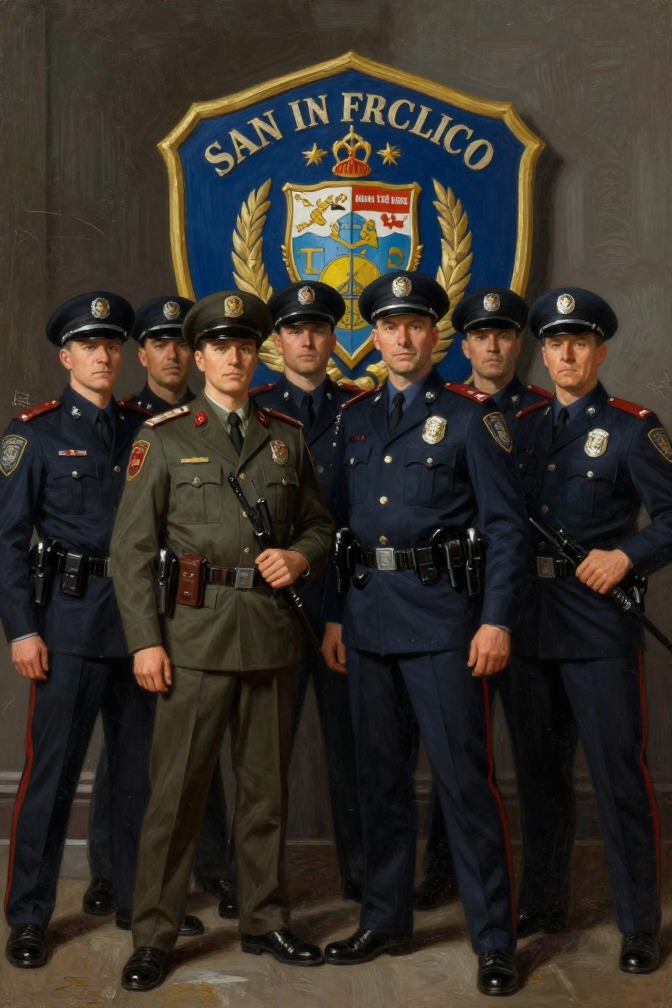
The San Francisco Police Department (SFPD) operates as a local law enforcement agency within the Japanese-dominated Pacific States of America, tasked with maintaining order but ultimately subordinate to the higher authorities of the Kempeitai and the Japanese occupation. Its role in the novel reveals the compromised nature of local institutions under colonial rule, as it enforces the will of the occupiers and participates in the persecution of marginalized individuals, most notably in the arrest of Frank Frink.