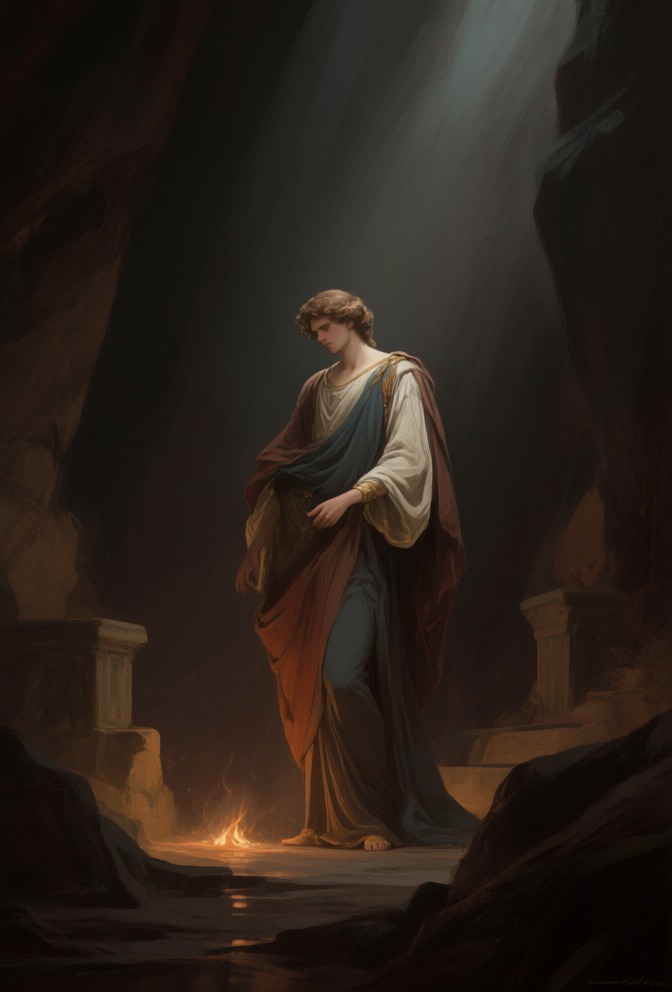
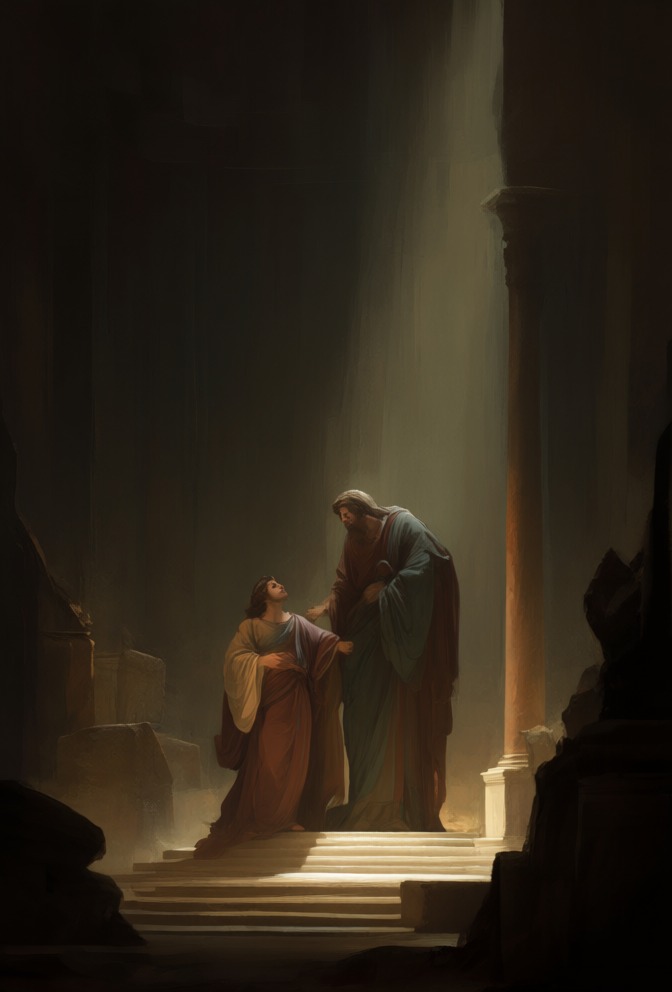
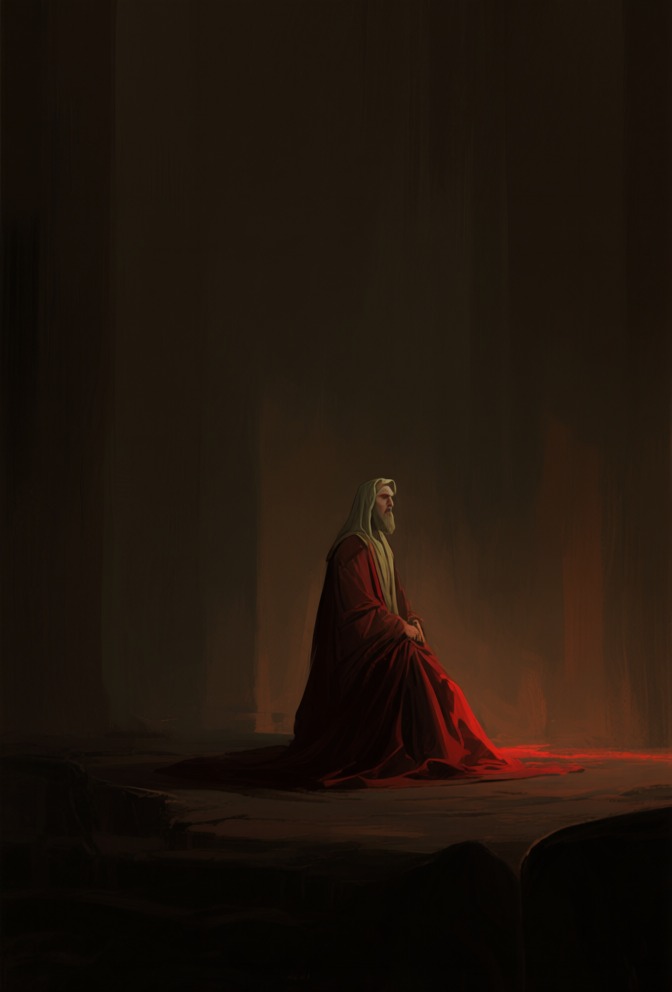
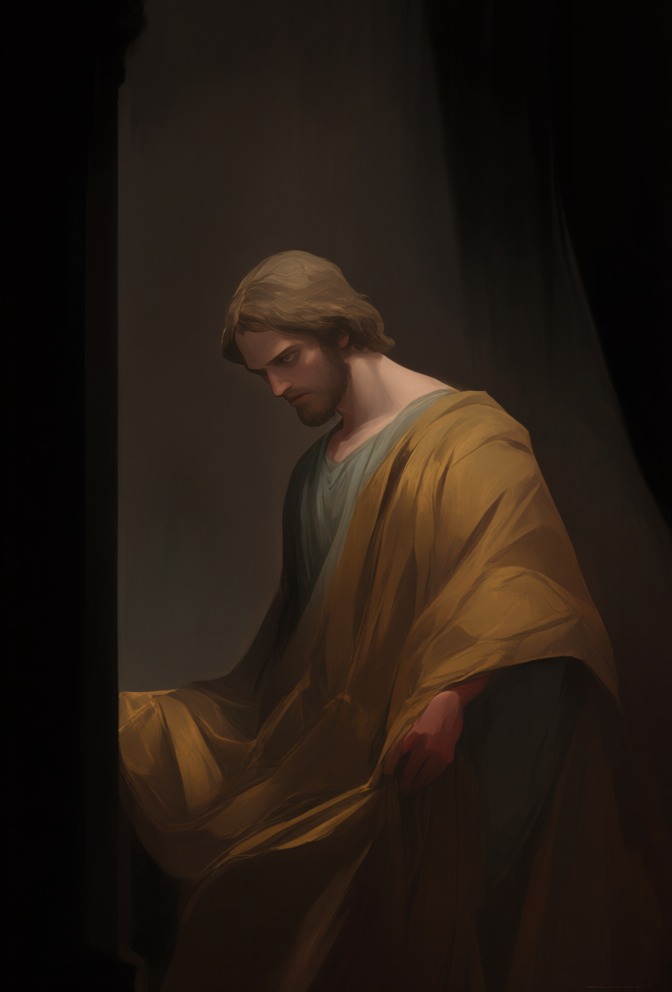
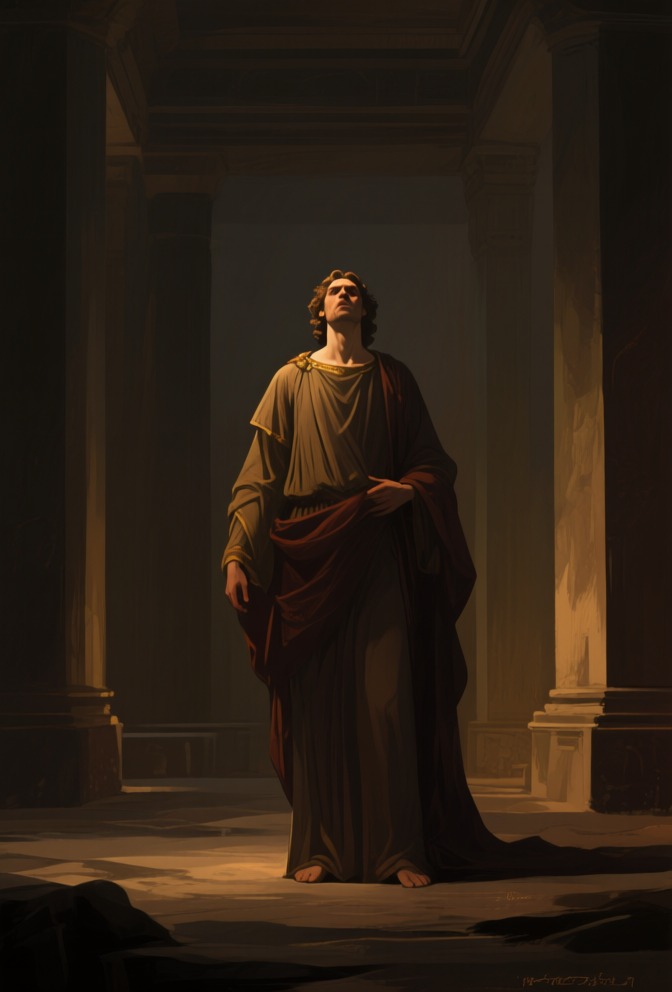
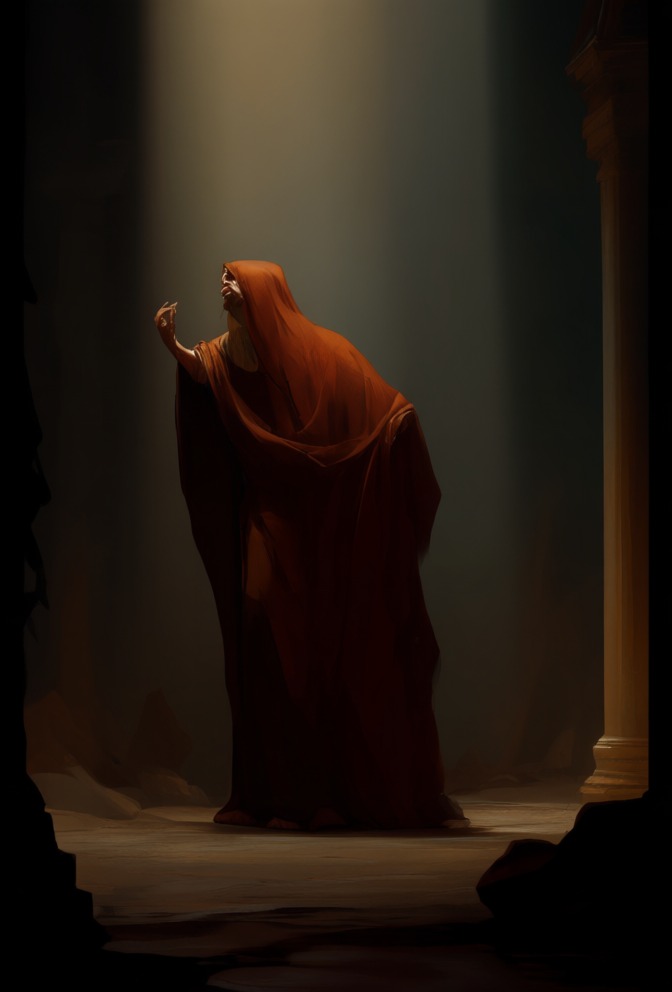
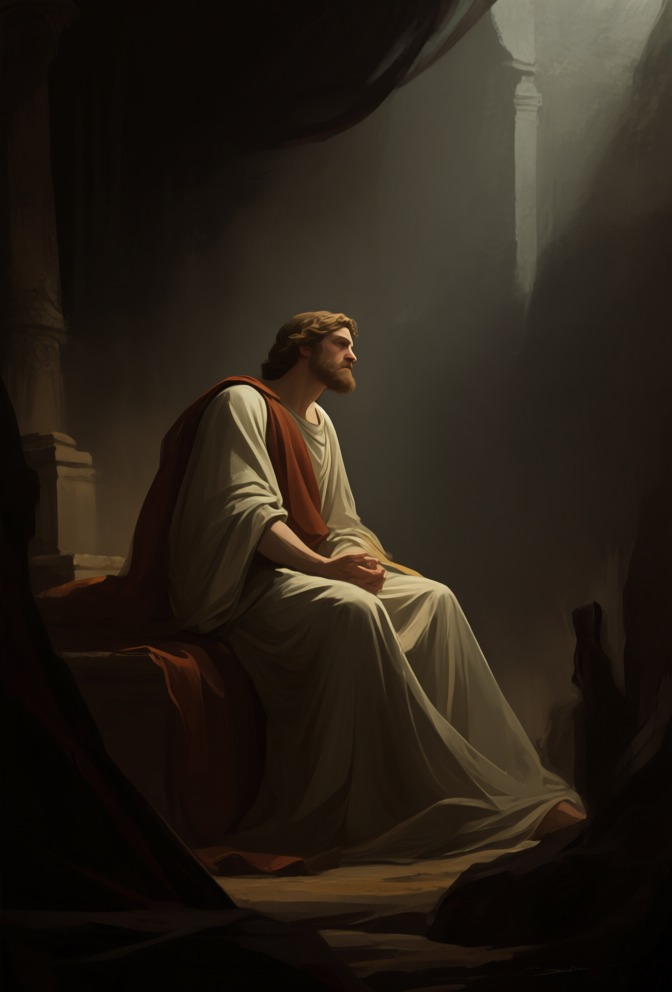
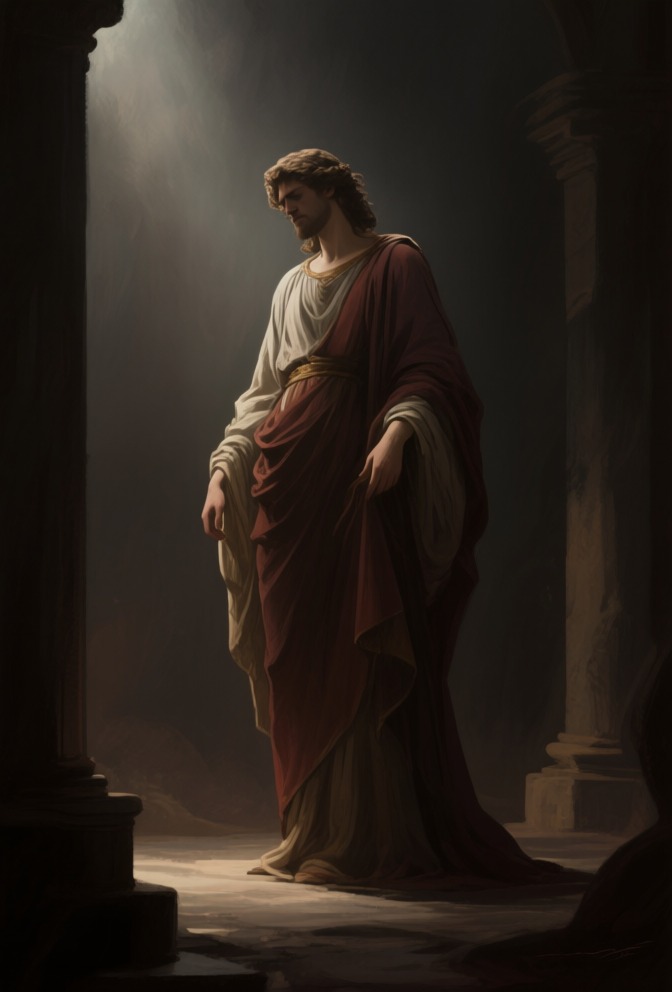
The Lord of Bones is the fearsome alias of a wildling raider who leads a war band beyond the Wall, known for his distinctive armor made from the bones of his enemies. He is captured by Stannis Baratheon after the battle beneath the Wall and later becomes a pawn in Melisandre's glamor, his identity used to conceal Mance Rayder's survival.
The Lord of the Dreadfort is the title held by the head of House Bolton, a noble house of the North known for its ancient enmity with the Starks and its brutal traditions of flaying its enemies. In A Dance with Dragons, the title is borne by Roose Bolton, the Warden of the North, a cold, calculating, and ruthlessly pragmatic lord who orchestrated the Red Wedding and now maneuvers to secure his family's power against the threats of Stannis Baratheon and his own unstable son, Ramsay.
The Magnar is the title used by the chieftain of the Thenns, a distinct and ancient people among the free folk north of the Wall. Unlike most wildlings, the Thenns have lords, laws, and a rigid hierarchy, and the Magnar's authority is absolute, making him closer to a god than a mere chief to his people. The title passes through blood, and its holders are formidable warriors clad in bronze, wielding great authority in war and peace.
The Many-Faced God is the central deity of the Faceless Men, a guild of assassins based in the House of Black and White in Braavos. The god is understood as a single divine entity that manifests in many forms, corresponding to the myriad death-gods of different cultures; its servants believe that all deaths are offerings to this one god, and they administer the 'gift' of death to those who are marked and chosen, without personal judgment or preference.
The Mermaid's Lament is a song mentioned in George R. R. Martin's A Dance with Dragons, sung by the bard Abel at Winterfell during the wedding feast of Ramsay Bolton and the false Arya Stark. Its inclusion in the narrative underscores the pervasive atmosphere of sorrow and loss that hangs over the besieged castle, serving as a melancholic counterpoint to the forced merriment of the occasion and foreshadowing the violence and betrayal to come.
The Mother of Mountains is a sacred peak in the Dothraki religion, located in Vaes Dothrak, where the crones of the dosh khaleen reside and where the Stallion Who Mounts the World is prophesied to lead the khalasars.
The phrase "The night is dark and full of terrors" is a central prayer and mantra of the followers of R'hllor, the Lord of Light, recurring throughout A Dance with Dragons as a ritual acknowledgment of the world's dangers and a plea for divine protection. It serves as both a communal invocation and a thematic refrain, underscoring the pervasive fear of the supernatural threats—the Others, wights, and the long winter—that loom over the narrative.
The Night's King is a legendary figure from the Age of Heroes, the thirteenth Lord Commander of the Night's Watch who fell to darkness, declared himself a king, and ruled the Wall as a tyrant until he was overthrown by the King-Beyond-the-Wall and the King in the North. His story serves as a cautionary tale about the corruption of power and the seduction of forbidden love, and his legacy haunts the Night's Watch as a warning of the dangers that lurk within their own ranks.
The Old Bear is the affectionate nickname for Jeor Mormont, the former Lord Commander of the Night's Watch, a figure of paternal authority and grim wisdom whose murder by mutineers at Craster's Keep haunts his successor, Jon Snow, as a symbol of the Watch's internal decay and the weight of command.
The Perfumed Seneschal is a cryptic warning given to Daenerys Targaryen by the masked shadowbinder Quaithe, cautioning her against a trusted advisor whose identity remains ambiguous throughout the narrative.
The Seven are the dominant faith of the Seven Kingdoms of Westeros, a pantheon of seven deities—the Father, the Mother, the Maiden, the Crone, the Warrior, the Smith, and the Stranger—each representing a distinct aspect of divinity. Introduced by the Andals thousands of years before the events of the story, the Faith of the Seven stands in tension with the older gods of the North and, in the present narrative, becomes a central political force under the leadership of the High Sparrow, whose militant piety reshapes the power dynamics of King's Landing.
The Shrouded Lord is a legendary figure who rules the mists of the Sorrows on the Rhoyne River, a mythic embodiment of greyscale and death. He is said to be the first of the stone men, a king of the grey plague whose kiss brings a slow, calcifying doom. The legend is treated with both fear and skepticism by the characters, serving as a dark counterpoint to the political and martial struggles of the narrative.
The Sky Cells are the highest prison cells in the Eyrie, open to the sky on one side, used to confine prisoners through psychological terror and exposure rather than physical restraint.
The Song of the Crows is a recurring motif in A Dance with Dragons, associated with the ravens that serve as messengers and spies for the greenseer Brynden Rivers, also known as the Three-Eyed Crow. The song represents the collective memory and communication network of the children of the forest and the old gods, woven into the narrative through Bran Stark's journey and the ravens' cryptic utterances.
The Song of the Dragon is a recurring motif in A Dance with Dragons, appearing in Tyrion Lannister's dreams and in the prophecies of the red priests, symbolizing the return of House Targaryen's power and the central role of Daenerys Targaryen's dragons in the coming war for Westeros.
The Song of the Earth is the name the children of the forest give themselves in the True Tongue, meaning "those who sing the song of earth." It defines their identity as a people who live in deep, pre-verbal connection with the natural world, a connection that persists after death when they become part of the weirwood trees. The phrase stands in stark contrast to the human name "children of the forest," which the children regard as a misnomer imposed by the First Men.
The Song of the Everything is a legendary song of the children of the forest, sung in the True Tongue that no human can speak. It represents the deepest form of their wisdom and connection to the world, a song that encompasses all of existence—earth, water, stone, tree, wind, fire, ice, life, and death. The song is not merely a melody but a fundamental expression of the children's identity and their understanding of the universe as an interconnected, living whole. Its significance lies in its contrast to human ways: where men would fight and kill, the singers sing sad songs. The song embodies a worldview that is passing from the world, a form of knowledge that is being lost as the children of the forest dwindle and the age of men ascends.
The Song of the Griffins is a traditional song of House Connington, associated with their sigil and history. It appears in the narrative as a battle cry and a symbol of identity for Jon Connington and the Golden Company during their invasion of the stormlands.
The Song of the Living is a thematic expression within George R. R. Martin's A Dance with Dragons, representing the precarious and often desperate struggle for survival, hope, and continuity in a world dominated by war, death, and the encroaching winter. It is not a literal song but a conceptual motif that emerges from the actions and choices of characters who cling to life, nurture the next generation, and seek to build a future amidst the ruins of the old order. The expression encapsulates the fundamental conflict between the forces of life—growth, love, duty, and resilience—and the pervasive threats of death, decay, and despair that define the narrative landscape of the novel.
The Song of the Moon is a lyrical expression within the world of A Song of Ice and Fire, referenced in the context of Braavosi culture as one of the many songs sung by the courtesans and common folk of the city. Its specific lyrics and melody are not detailed in the text, but it is mentioned as part of the rich musical tapestry of Braavos, a city of exiles and merchants where music and poetry flourish alongside trade and intrigue.
The Song of the Rebirth is a thematic expression within George R. R. Martin's A Dance with Dragons, representing the recurring motif of characters being destroyed and remade through fire, blood, and suffering, often emerging with a new identity or purpose. It is not a literal song but a conceptual pattern that applies to several key characters, most notably Daenerys Targaryen, Jon Snow, and Theon Greyjoy, whose transformations are central to the novel's narrative arc.
The Song of the Seven Kingdoms is a recurring metafictional motif in A Dance with Dragons, invoked by singers, characters, and narrative voice to frame the sprawling conflicts of the realm as a single, epic composition whose verses are still being written. It functions as both a diegetic song title and a structural metaphor for the novel itself, emphasizing that the wars, betrayals, and personal tragedies of the Seven Kingdoms constitute a unified story that will outlast any single king or battle.
The Song of the Stag is a recurring motif in A Song of Ice and Fire, most notably associated with the Baratheon dynasty and the royal hunt that killed King Robert I Baratheon. The song itself is never quoted in full, but its title and thematic resonance echo through the narrative, particularly in the context of the Baratheon brothers' claims to the Iron Throne and the symbolic weight of the stag as a heraldic beast. The song's presence is felt most acutely in the aftermath of Robert's death, as the realm descends into the War of the Five Kings, and in the persistent, haunting refrain of the stag's fate that shadows the Baratheon line.
The Song of the Time is a recurring motif in A Dance with Dragons, a phrase that appears in the appendix as one of many song titles listed among the cultural artifacts of Westeros and Essos. It functions as a marker of the world's depth, suggesting a body of oral tradition that chronicles the passage of seasons, reigns, and generations, though the song itself is never quoted or performed within the narrative. Its inclusion underscores the series' preoccupation with history, memory, and the cyclical nature of time, particularly as winter descends and the long night threatens.
The Stone Men are the afflicted inhabitants of the Sorrows on the Rhoyne River, victims of greyscale whose flesh has calcified into stone-like hardness. They are a recurring peril encountered by Tyrion Lannister and the crew of the Shy Maid during their journey downriver, embodying the physical and moral decay of the drowned city of Chroyane and serving as a tangible threat that tests the courage and resolve of the travelers.
The Three Fires is a prophecy delivered to Daenerys Targaryen by the Undying Ones of Qarth, foretelling three fires she will kindle: one for life, one for death, and one for love. The prophecy is part of a larger set of three triads—three mounts, three fires, and three treasons—that together define the arc of her queenship. The fires are never explicitly fulfilled in the narrative but resonate through her major acts: the funeral pyre that hatched her dragons (life), the burning of Astapor's slavers (death), and the ambiguous fire of her bond with Daario or her dragonridership (love).
The Three Mounts is a prophecy delivered to Daenerys Targaryen by the Undying Ones of Qarth, foretelling three mounts she will ride: one to bed, one to dread, and one to love.
The Warden of the South is a title held by the Lord of Highgarden, the head of House Tyrell, granting authority over the Reach in the name of the Iron Throne. The title is first mentioned in the context of Mace Tyrell, who holds it during the War of the Five Kings and its aftermath, using it to assert his power and influence in King's Landing.
The Weeping Water is a river in the north of Westeros, flowing through lands contested by the Starks and Boltons, and serves as a site of escape, pursuit, and memory for Theon Greyjoy.
The Weirwood is a sacred tree species in the world of A Song of Ice and Fire, central to the religion of the old gods and the magic of the greenseers. Its pale bark, red sap, and carved faces serve as both a living record of the past and a conduit for supernatural perception, linking the children of the forest, the First Men, and the Starks of Winterfell to a timeless, watchful consciousness.