The Kingsmoot Tradition is the ironborn custom of electing a king by popular acclaim at a gathering of captains and kings, a practice that dates back to the Age of Heroes and was revived after the Greyjoy Rebellion. Its legitimacy hinges on the presence of all claimants, as demonstrated by the precedent of Torgon the Latecomer, who overturned an earlier kingsmoot because he had not been present to make his claim.
The autumn is the current season in A Dance with Dragons, a time of transition and decay that sets the stage for the coming winter. The narrative repeatedly emphasizes the season's chill, the dying of crops, and the sense of impending doom, using the autumn as both a literal and metaphorical backdrop for the political and personal crises unfolding across Westeros and Essos.
The dragons of Daenerys Targaryen, once symbols of her power and hope, are chained in darkness beneath the Great Pyramid of Meereen, growing wild and dangerous as their mother struggles to control them and the city she conquered.
The kingsmoot is the ancient ironborn tradition of electing a king by acclamation of the captains and kings of the Iron Islands, a custom revived after the death of King Balon Greyjoy during the War of the Five Kings. In A Dance with Dragons, the kingsmoot becomes the decisive mechanism by which Euron Greyjoy seizes the Seastone Chair, outmaneuvering his brother Victarion and his niece Asha through a combination of audacious promises, a terrifying dragon horn, and the sheer force of his will, thereby setting the Iron Islands on a collision course with the rest of Westeros and Slaver's Bay.
The spring is a distant, almost mythical promise of renewal and warmth that haunts the narrative of A Dance with Dragons, serving as a stark counterpoint to the relentless onset of winter. It represents the hope for an end to suffering, a return to life and growth, and the possibility of a future that seems increasingly unattainable for the war-torn and frozen realms of Westeros and Essos. The book's characters, from the starving wildlings to the besieged rulers of Meereen, measure their struggles against the looming winter, making the spring a symbol of survival, peace, and the ultimate, uncertain prize of their conflicts.
The war in A Dance with Dragons is a sprawling, multi-front conflict that encompasses the struggle for the Iron Throne, the defense of the Wall against the Others, and the fight for survival in Slaver's Bay. The narrative follows the campaigns of Stannis Baratheon in the North, the political machinations in King's Landing, the siege of Meereen, and the arrival of the Golden Company in Westeros, all while the threat of winter and the return of the dragons looms over every faction.
The Warrior's Sons, a military order of the Faith of the Seven, were re-established by the High Sparrow during the power vacuum following the War of the Five Kings, serving as the armed enforcers of the Faith's authority in King's Landing and playing a central role in the imprisonment and trial of Queen Regent Cersei Lannister.
Winter is the central climatic and symbolic force in A Dance with Dragons, marking the end of a long summer and the onset of a harsh, deadly season that reshapes every plotline. The book's final image—a white raven from the Citadel arriving at King's Landing to formally announce winter's arrival—crystallizes the novel's pervasive themes of decay, scarcity, and existential threat. Throughout the narrative, winter manifests not merely as weather but as a relentless antagonist: it freezes armies in place, starves populations, drives desperate migrations, and accelerates the return of the Others. The season's approach transforms political calculations, military strategy, and personal survival into a single, overriding imperative.
The Field of Fire was the decisive battle of Aegon's Conquest, where Aegon the Conqueror and his sister-wives Rhaenys and Visenya, mounted on their dragons Balerion, Meraxes, and Vhagar, annihilated the combined host of the Kings of the Reach, House Gardener, and the Rock, House Lannister, ending the age of independent kingdoms in the south and establishing Targaryen hegemony over most of Westeros.
Robert's Rebellion was the civil war that overthrew the Targaryen dynasty and placed Robert Baratheon on the Iron Throne, a conflict whose unresolved grievances and legitimized lies continue to shape every major plotline in A Dance with Dragons.
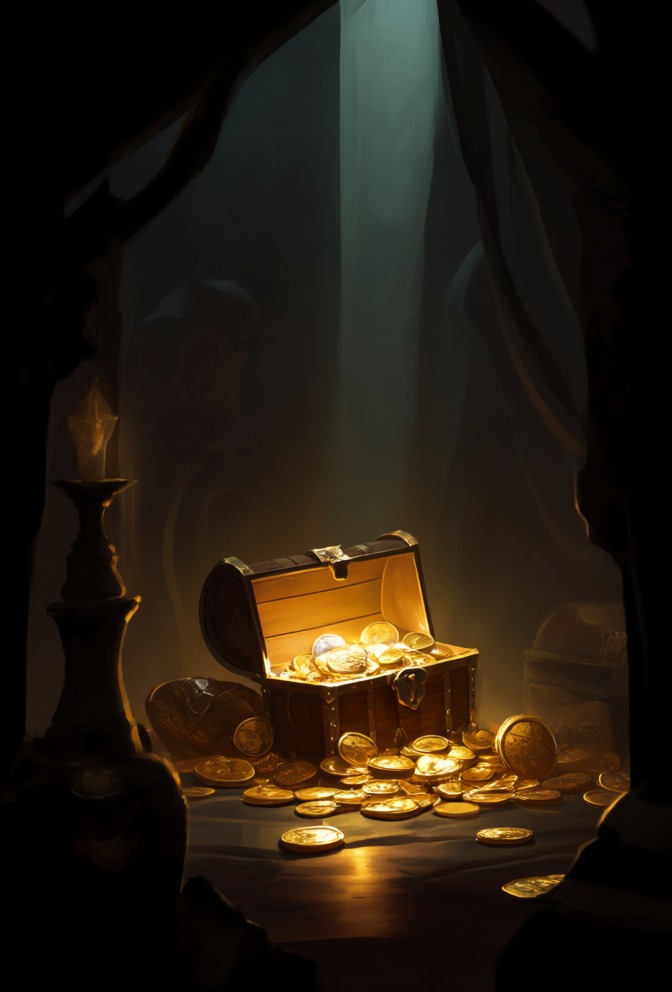
The Discovery of the Treasure is the climactic action in which Tom Sawyer and Huckleberry Finn, following the cross-mark left by Injun Joe, locate and retrieve the robbers' hidden gold from a secret cavern within McDougal's Cave, transforming their fortunes and cementing their legendary status in St. Petersburg.
The Pinchbug in Church is a comic episode in which Tom Sawyer releases a large black beetle during a tedious Sunday sermon, causing a poodle to chase the insect through the church and disrupt the service, revealing the tension between religious solemnity and boyish mischief.
Tom Sawyer takes the blame for Becky Thatcher when she tears Mr. Dobbins's anatomy book, confessing to the act in open school and enduring a severe whipping, an act that transforms their relationship and cements his heroic status.
Witnessing the Graveyard Murder is the pivotal event in which Tom Sawyer and Huckleberry Finn, hiding in the St. Petersburg graveyard at midnight, observe the exhumation of Hoss Williams's body by Muff Potter, Injun Joe, and Doctor Robinson, and then see Injun Joe murder Doctor Robinson and frame the unconscious Potter for the crime. This secret knowledge becomes the central moral and psychological burden of the novel, driving the boys' terror, their blood oath of silence, and ultimately Tom's courtroom testimony that frees the innocent Potter and sets the final confrontation with Injun Joe in motion.
Ben Rogers is a minor but recurring character in Mark Twain's *The Adventures of Tom Sawyer*, a boy of St. Petersburg who first appears as the target of Tom's legendary whitewashing scheme and later participates in the town's social and legal dramas. He embodies the typical village boy—easily impressed, eager for adventure, and subject to the same peer pressures and moral ambiguities that define Tom's world.
Peter is Aunt Polly's yellow cat, who becomes the unwitting victim of Tom Sawyer's mischievous administration of Pain-killer, an incident that exposes the cruelty of Aunt Polly's medical regimen and prompts a moment of remorse and reconciliation between aunt and nephew.
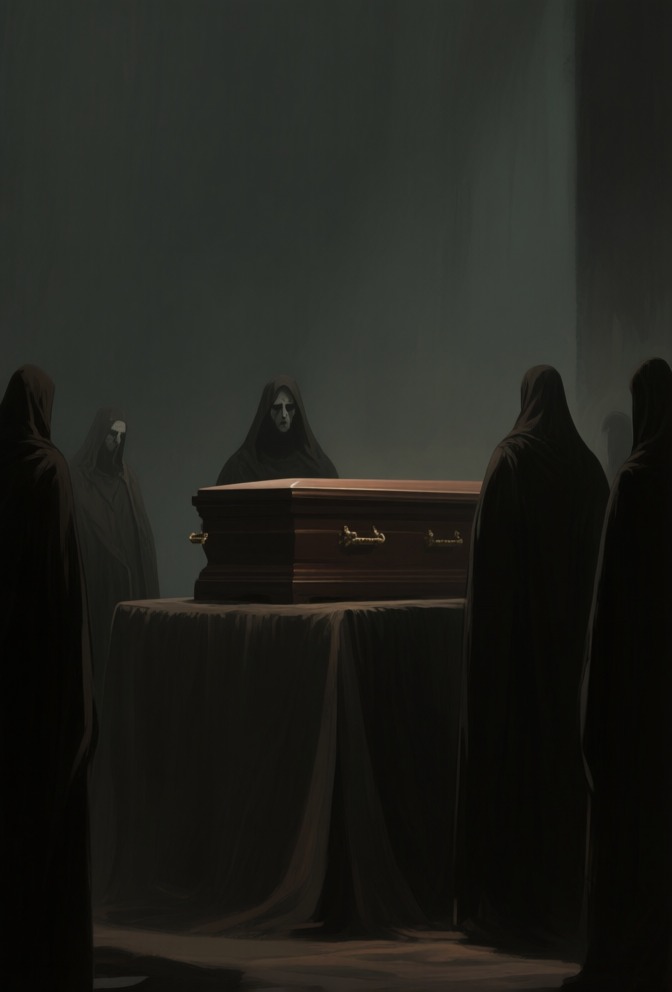
The funeral is a pivotal event in the novel where Tom, Joe, and Huck, presumed dead, secretly attend their own memorial service, transforming collective grief into triumphant reunion and cementing Tom's heroic status.
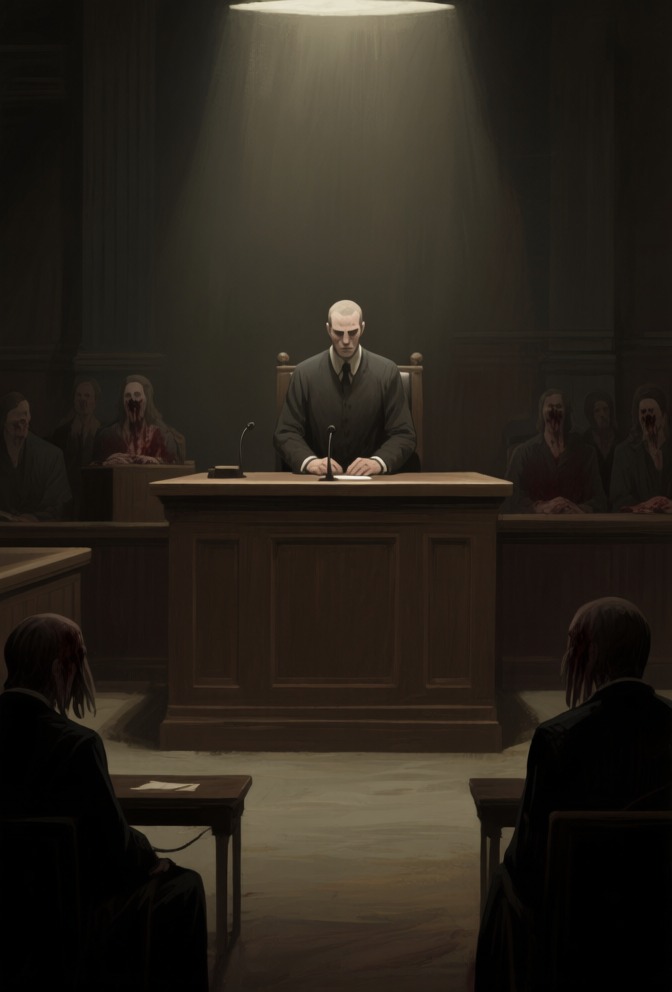
The murder trial of Muff Potter is the central legal and moral crisis of the novel, a formal proceeding that transforms the boys' secret knowledge of the graveyard murder into a public ordeal. It forces Tom Sawyer to break a blood oath and testify against Injun Joe, leading to the half-breed's dramatic flight and Tom's emergence as a hero, while exposing the gap between community prejudice and actual guilt.
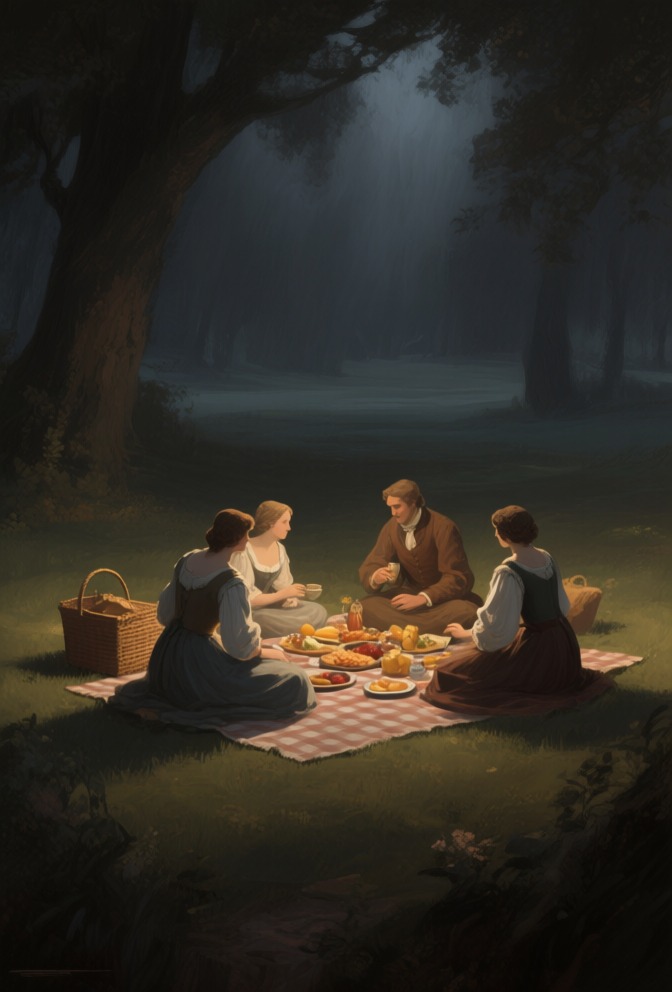
The picnic is a pivotal social event in The Adventures of Tom Sawyer, organized by Becky Thatcher and attended by the village children, which leads directly to Tom and Becky becoming lost in McDougal's Cave, triggering a massive search and ultimately the discovery of Injun Joe's treasure.
The Sunday-school prize is a Bible awarded by the superintendent to pupils who accumulate ten yellow tickets, each representing the memorization of two thousand verses, and serves as a central symbol of institutional reward, social status, and the gap between appearance and genuine piety in St. Petersburg.
The treasure is a box of gold coins discovered by Injun Joe and his accomplice in the haunted house, later recovered by Tom Sawyer and Huckleberry Finn from McDougal's Cave, which transforms the boys' social standing and economic fortunes in St. Petersburg.
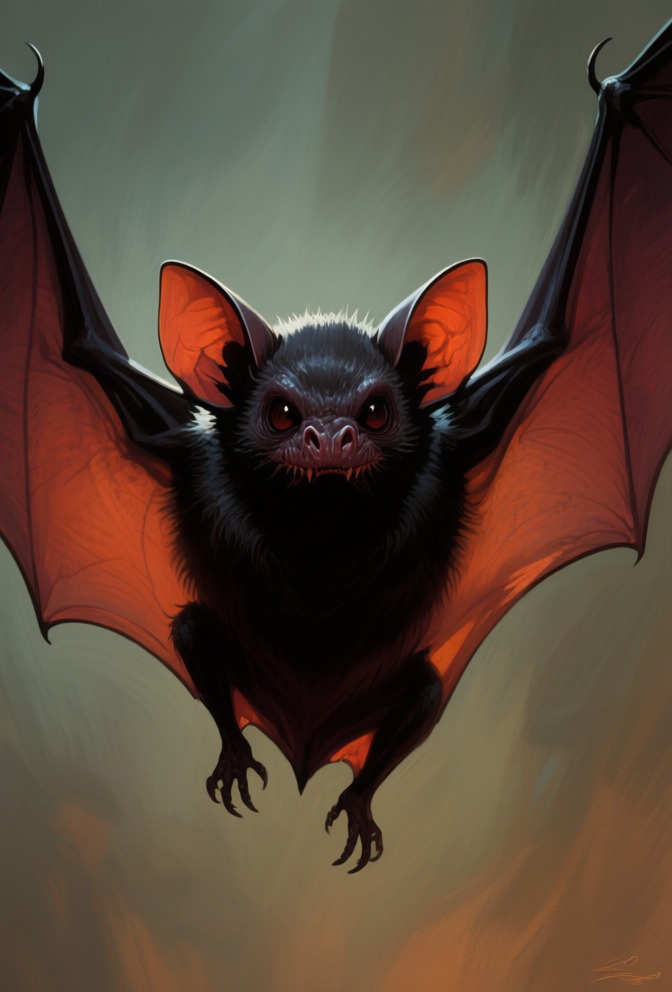
Bats appear in McDougal's Cave as a significant natural hazard, attacking the children when their candles disturb the creatures, and later serve as a desperate food source for the trapped Injun Joe, who eats them to survive.
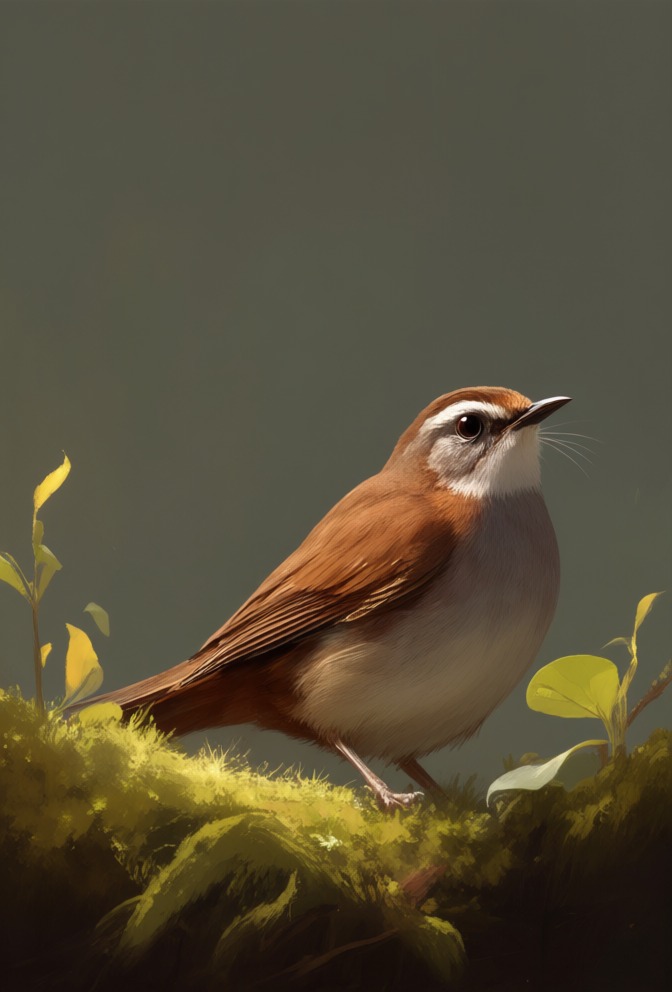
The catbird is a bird species that appears in the natural landscape of St. Petersburg, notably during Tom Sawyer's sojourn on Jackson's Island, where its song and behavior contribute to the idyllic and awakening atmosphere of the wilderness.
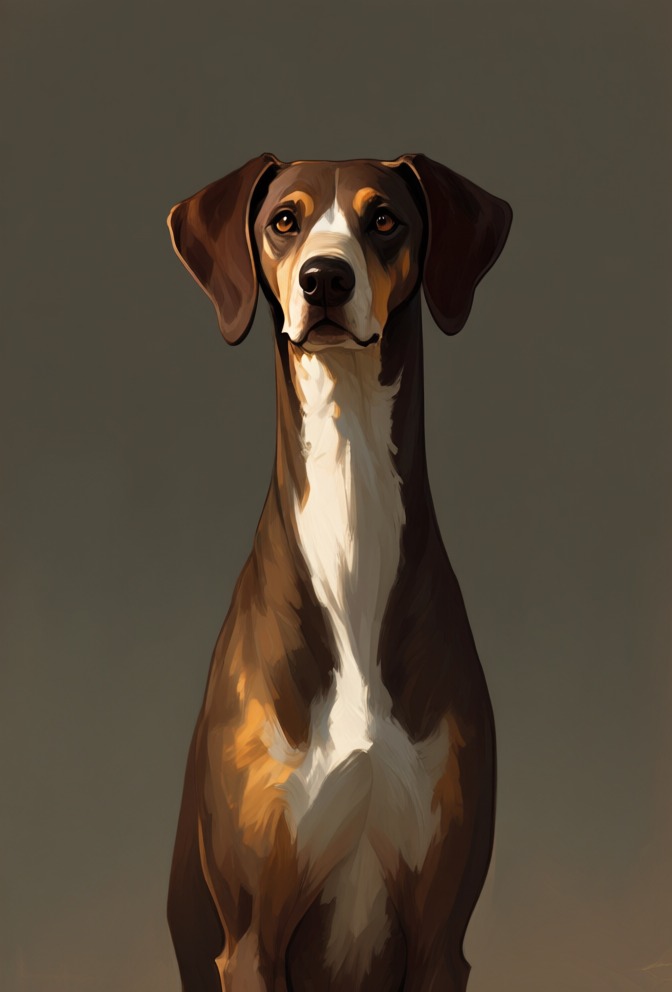
The dog appears in multiple episodes of Tom Sawyer, serving as a companion, a source of superstition, and a participant in comic and ominous scenes. Its most notable role is as a stray dog whose howling is interpreted as a portent of death, reflecting the boys' superstitious beliefs and their terror after witnessing the graveyard murder.
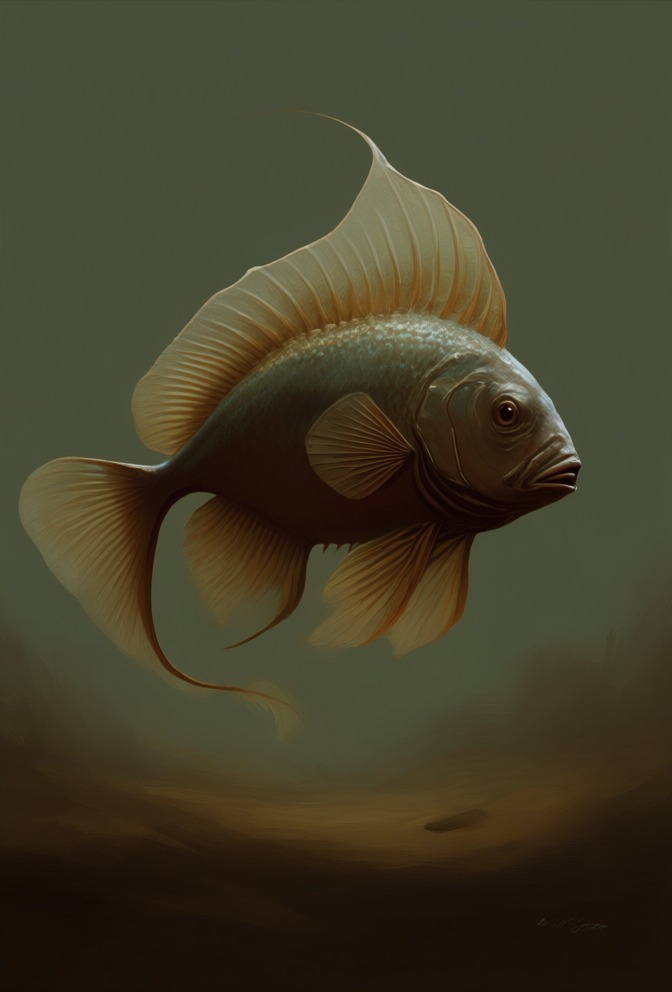
Fish in *The Adventures of Tom Sawyer* are a recurring element of the natural world, primarily serving as a source of food and a marker of the boys' self-sufficient, idyllic life on Jackson's Island, where the act of catching and eating fish becomes a measure of their freedom and competence.
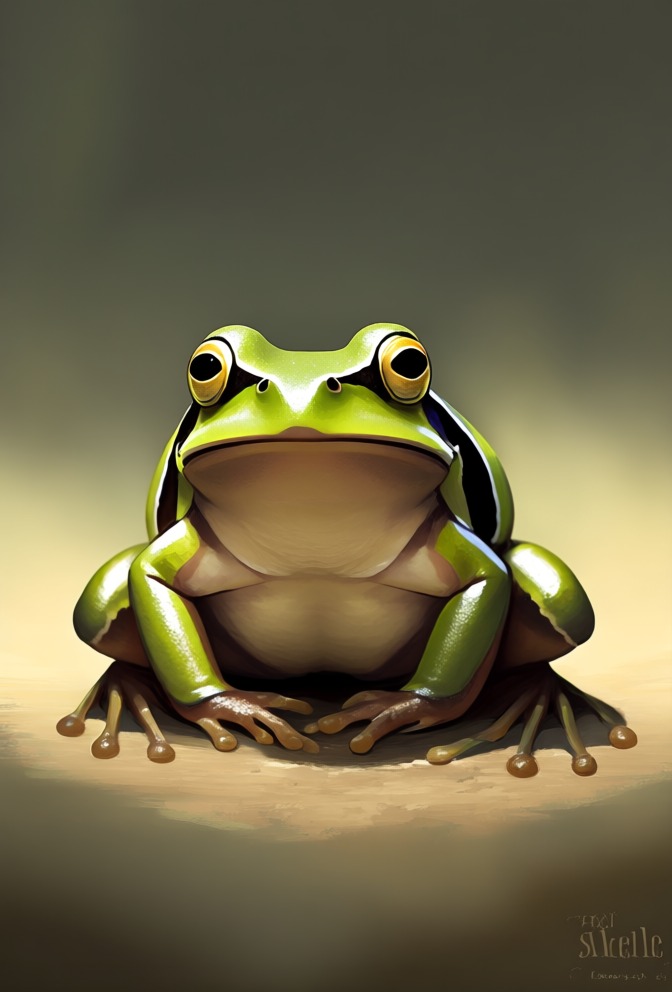
The frog appears in Tom Sawyer's world as a creature associated with the boy's frequent warts, which he treats using folk remedies, and as a subject of his playful experiments with superstition and natural observation.
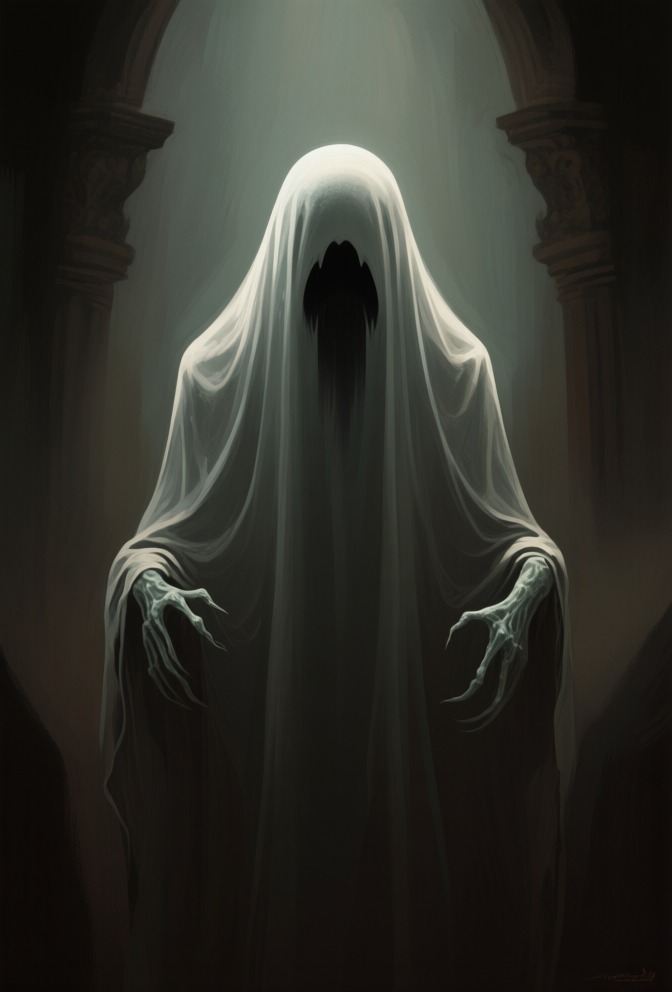
Ghosts and spirits pervade the world of Tom Sawyer, functioning as a central element of the boys' superstitions, a source of both terror and fascination, and a narrative device that shapes their actions and moral dilemmas. The graveyard, the haunted house, and the cave are all sites where the boundary between the natural and the supernatural is tested, and the boys' beliefs about ghosts directly influence their decisions, from treasure-hunting to oath-taking.
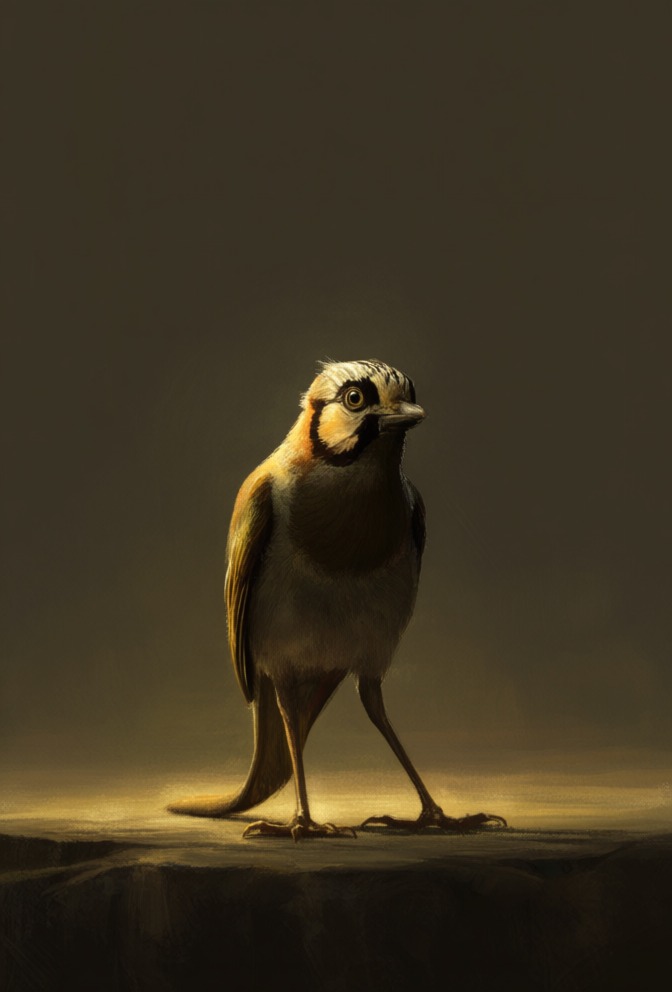
The jay appears in a single vivid scene during the boys' stay on Jackson's Island, where it is described as a 'shrill jay' that 'swept down, a flash of blue flame,' embodying the wild, untamed vitality of the natural world that contrasts with the civilized life the boys have fled.
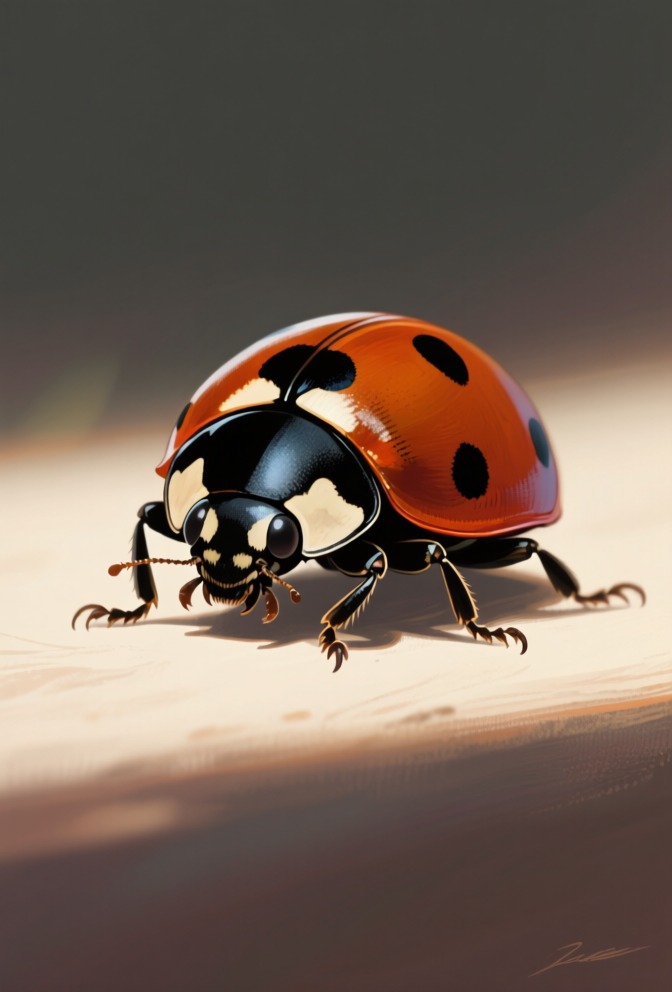
The ladybug is a small insect that appears in a single, vivid scene during Tom Sawyer's solitary morning on Jackson's Island, where he tests its credulity with a traditional rhyme, revealing his playful, superstitious nature and his deep attunement to the natural world.
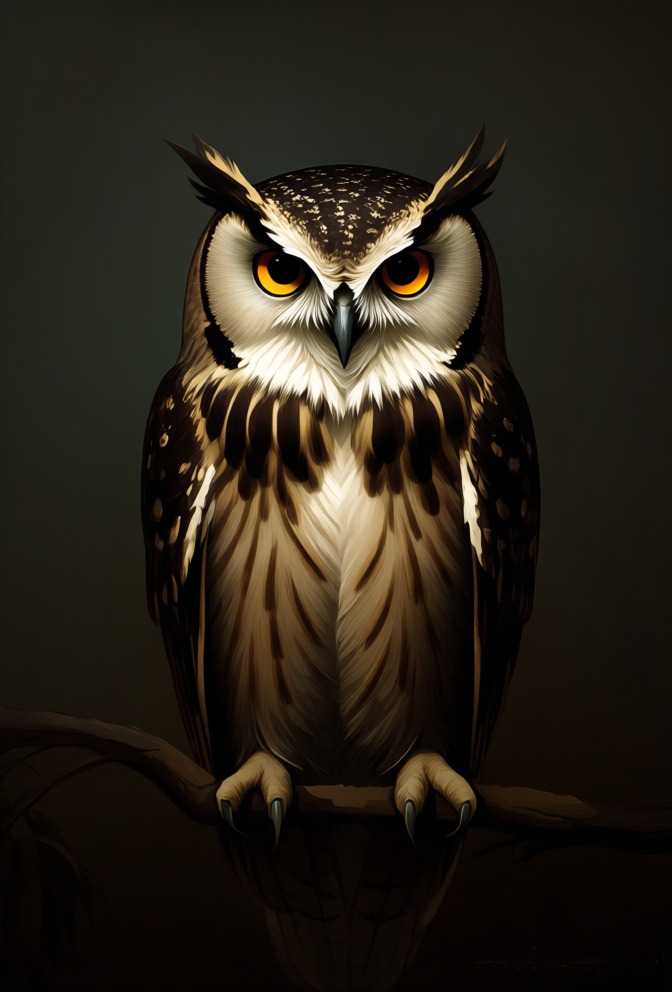
The owl appears in The Adventures of Tom Sawyer as a recurring auditory symbol of dread, solitude, and supernatural foreboding, its hooting marking the graveyard, the haunted house, and the cave as spaces of mortal danger and psychological terror.