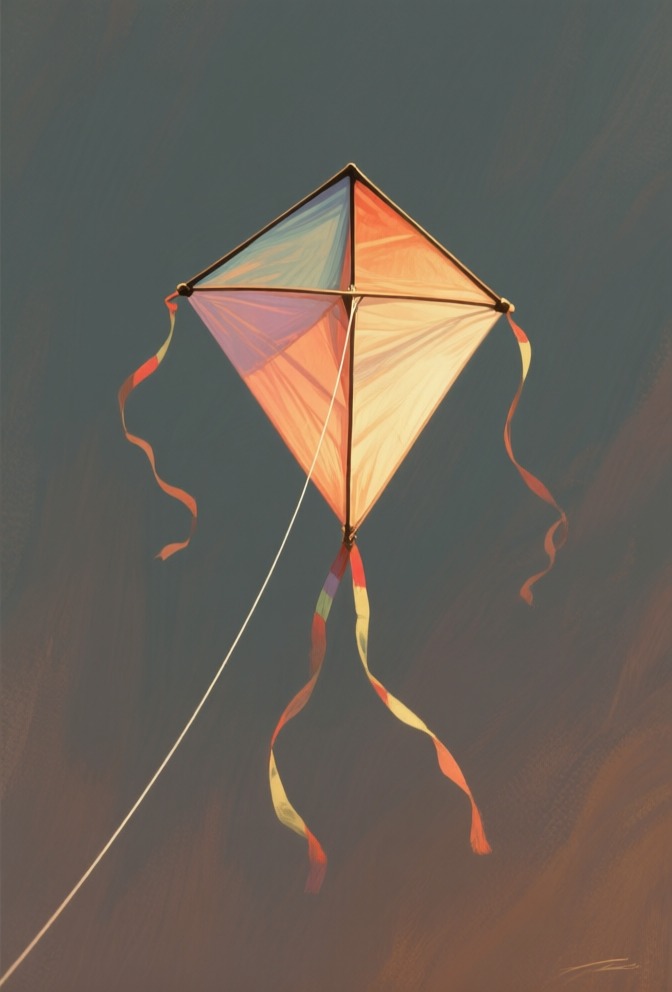
The kite-line is a practical object that Tom Sawyer uses during his and Becky Thatcher's ordeal in McDougal's Cave, serving as a lifeline for navigation and exploration in the dark labyrinth.
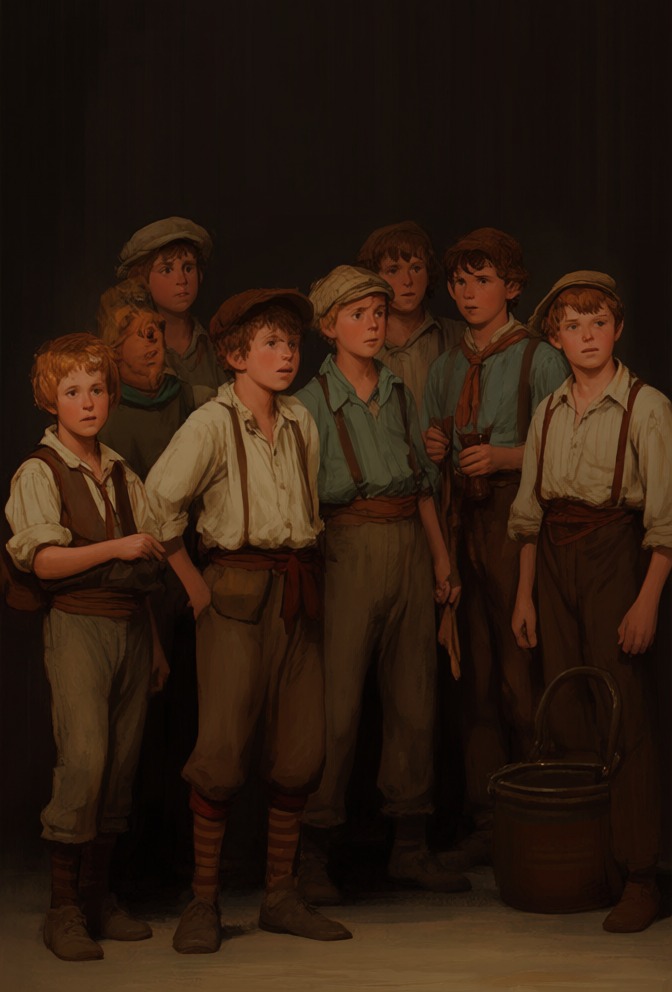
Tom Sawyer's Gang is the robber band that Tom Sawyer founds near the end of the novel, conceived as a more prestigious and high-toned alternative to piracy, with initiation rituals, a code of secrecy, and a cave hideout, representing Tom's final and most ambitious attempt to impose romantic outlawry onto the mundane world of St. Petersburg.
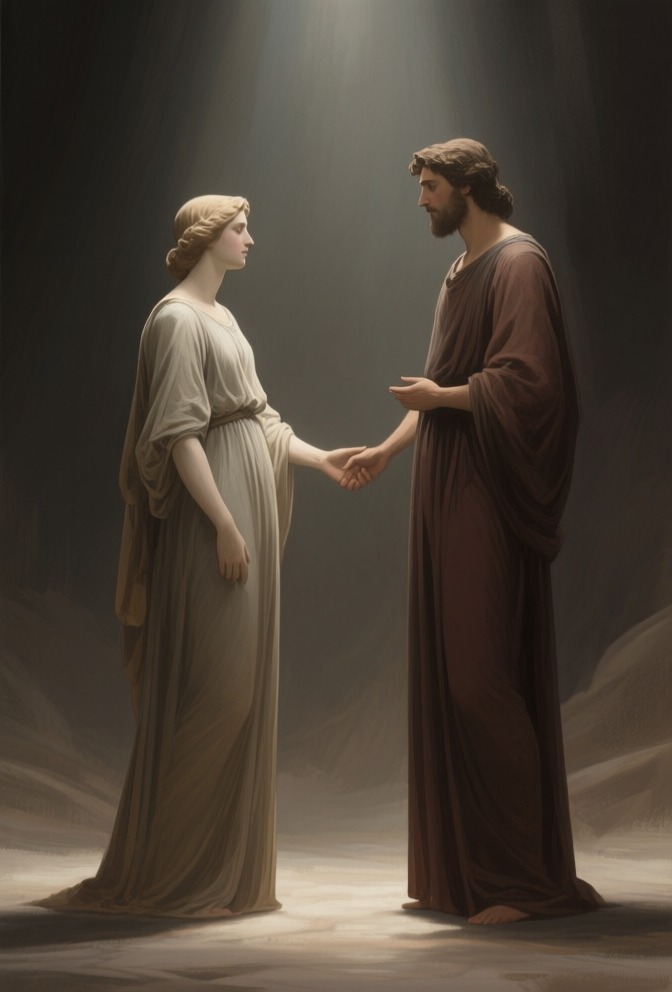
Tom Sawyer and Judge Thatcher's relationship evolves from a formal, awe-filled encounter during a Sunday-school prize ceremony into a deep mutual respect, culminating in the Judge's admiration for Tom's courage and his ambition to sponsor the boy's future career.
The bread and quicksilver superstition is a folk belief in St. Petersburg that loaves of bread weighted with quicksilver, when set afloat on a river, will drift to and stop over the spot where a drowned person lies, a practice the boys discuss while stranded on Jackson's Island.
The social rule against Huckleberry Finn is a central, unwritten code of St. Petersburg that forbids respectable boys from associating with the town's juvenile pariah, reflecting the community's rigid class and moral hierarchies and serving as a constant source of tension for Tom Sawyer, who both envies Huck's freedom and is compelled to defy the prohibition.
The Sabbath in St. Petersburg is the central day of religious observance, a time of enforced piety, social performance, and moral hypocrisy that Tom Sawyer endures with restless rebellion, and it becomes the stage for the town's most dramatic collective rituals, including the funeral service for the supposedly drowned boys.
Laila's journey to Herat and the kolba is a pilgrimage of mourning and closure, where she physically returns to Mariam's origins, confronts the legacy of her friend's suffering, and receives a final, redemptive letter from Jalil that transforms her understanding of the past.
Tahamul, meaning "endure," is the central concept of survival and resignation that Nana teaches Mariam as the only skill a woman like her needs in life, a philosophy that shapes Mariam's decades of suffering under Rasheed and contrasts with Laila's eventual resistance and hope.
The phrase "the thousand splendid suns" originates from a seventeenth-century poem by Saib-e-Tabrizi, quoted by Hakim as a farewell ode to Kabul. In the novel, it becomes a resonant symbol of the city's hidden beauty and enduring spirit, and ultimately a metaphor for Mariam's inner radiance as remembered by Laila.
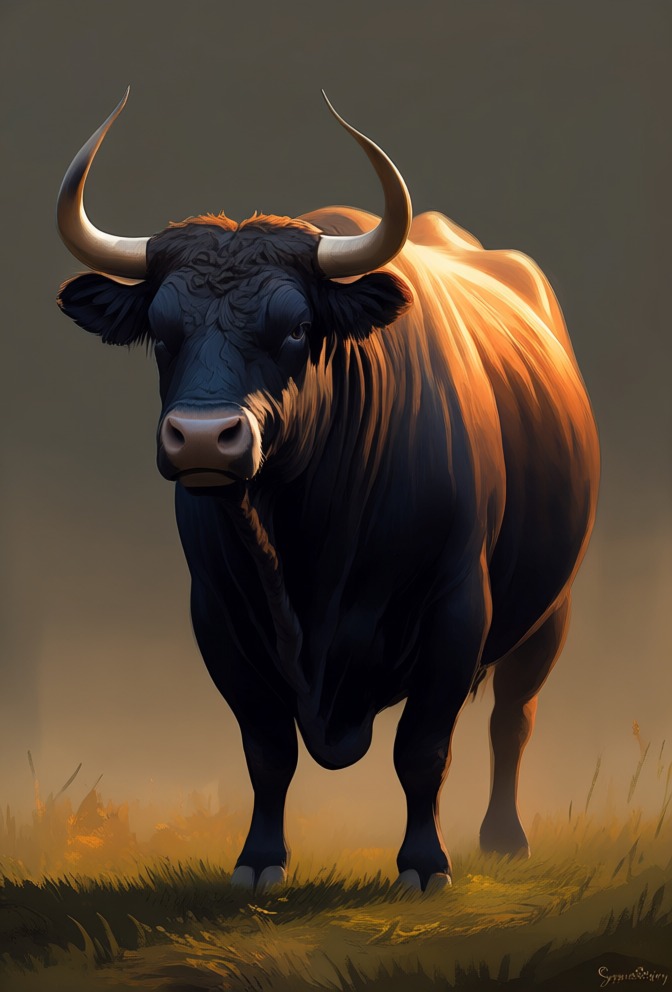
Cattle appear throughout the novel as a marker of rural subsistence, economic hardship, and the precariousness of life in Afghanistan. They are present in the daily routines of the kolba, in the pastoral landscape of Gul Daman, and later as a symbol of the drought's devastation, when farmers lose their livestock and are forced to migrate to Kabul.
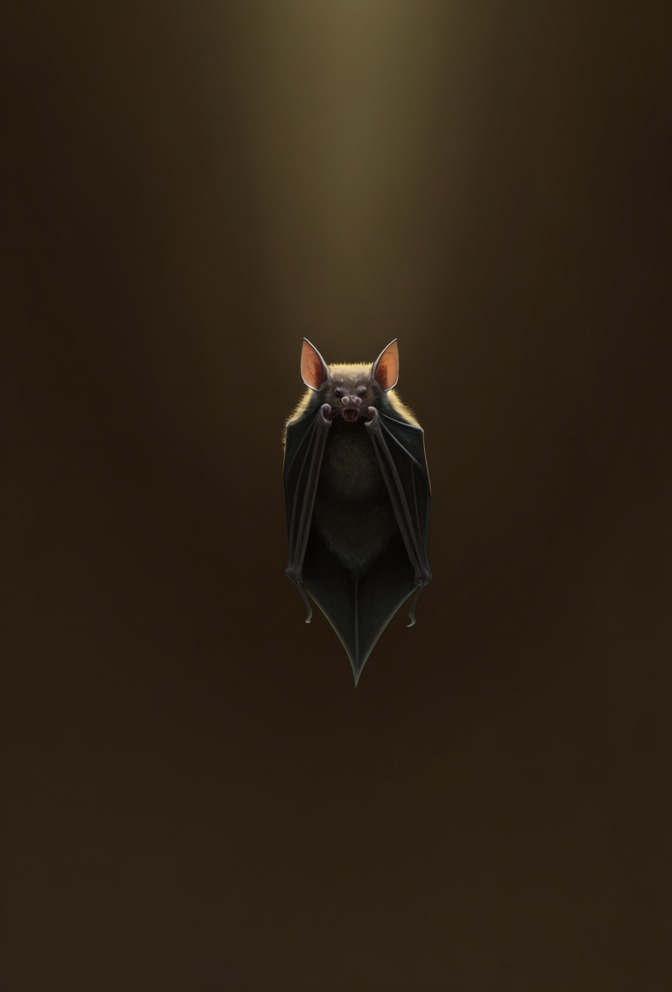
The bat appears as a minor but symbolically resonant creature in Khaled Hosseini's *A Thousand Splendid Suns*, appearing in two distinct contexts: as a nocturnal inhabitant of the abandoned kolba where Mariam spent her childhood, and as a creature associated with the dark, confined spaces that define the lives of the novel's female protagonists.
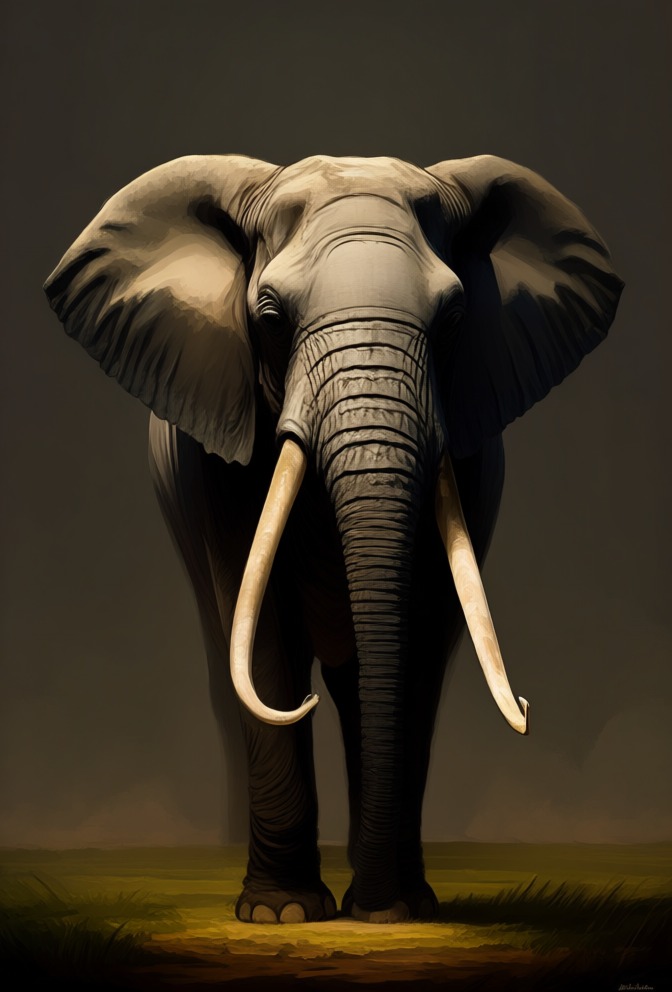
The elephant is a recurring motif in A Thousand Splendid Suns, appearing in drawings, memories, and symbolic gestures that connect characters across generations and underscore themes of innocence, loss, and the fragile transmission of love.
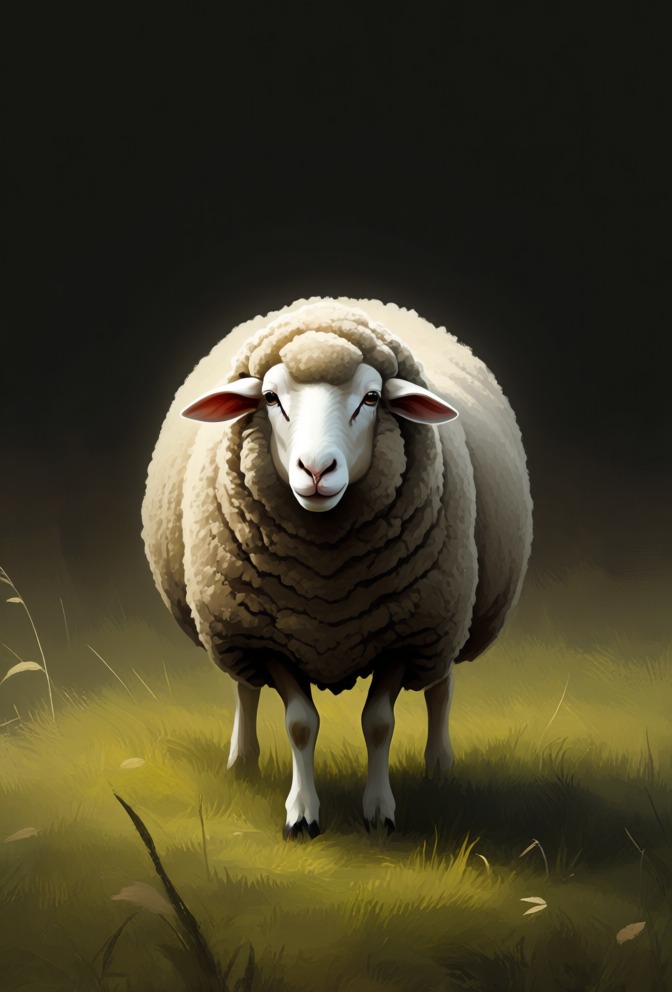
Sheep appear throughout A Thousand Splendid Suns as a recurring element of rural Afghan life, symbolizing livelihood, pastoral tradition, and the harsh realities of survival. They are present in Mariam's early life at the kolba, in the landscape of the Bamiyan Valley, and in the desperate migrations caused by drought, serving as a quiet but persistent marker of the characters' connection to the land and their vulnerability to its changes.
Babaloo is a bedtime prayer ritual that Laila performs with her son Zalmai, a nightly incantation meant to ward off the night-terror figure Babaloo. The ritual, which involves reciting the Bismallah a set number of times and a casting-away gesture, becomes a site of grief and deception after Rasheed's murder, as Laila must lie to Zalmai about his father's disappearance while performing the familiar prayer.
Rocket flowers are a Kabuli term for flowers potted in the empty shells of spent Mujahideen rockets, a symbol of resilience and the transformation of instruments of war into objects of beauty in post-conflict Afghanistan.
The whistling is the sound of an incoming rocket or mortar shell, a recurring auditory motif in the novel that embodies the terror of random, impersonal violence during the civil war in Kabul. It becomes a central symbol of the psychological trauma endured by Laila and the other characters, representing the unbearable suspense between the start of the sound and the moment of impact, and the constant, unpredictable threat of death that defines their daily existence.
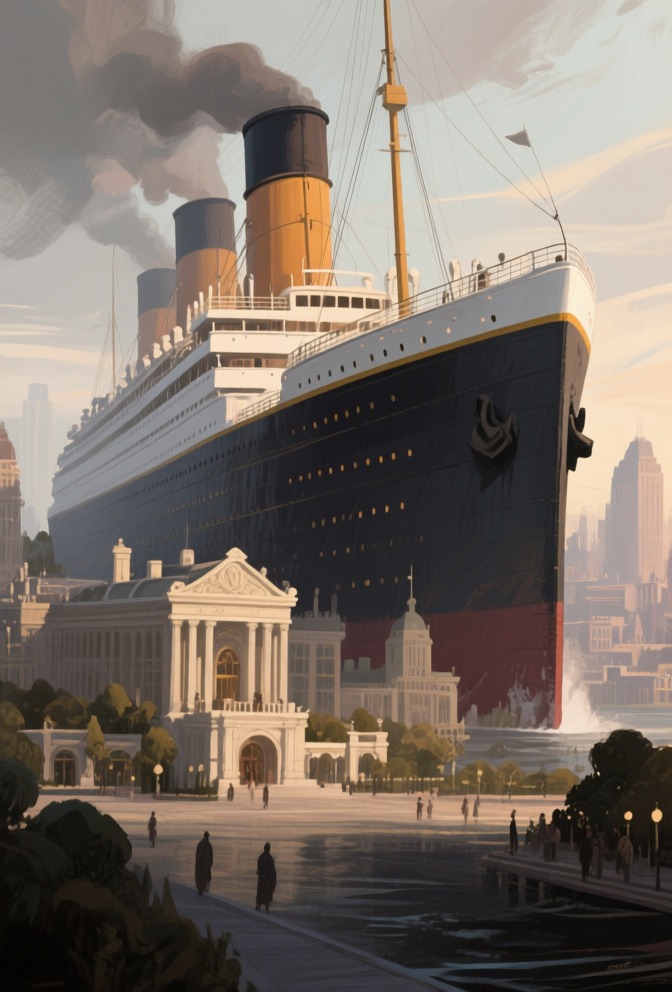
In Khaled Hosseini's *A Thousand Splendid Suns*, the 1997 Hollywood film *Titanic* becomes a pervasive cultural phenomenon in Taliban-era Kabul, serving as a symbol of forbidden joy, collective escapism, and the resilience of human connection amid oppression.
Deh-Mazang is a south-western district of Kabul where Rasheed's house is located, serving as the primary domestic setting for the second half of the novel. It is the site of Mariam's married life, Laila's forced marriage, and the central struggles of both women under Rasheed's rule, making it a symbol of confinement, endurance, and eventual resistance.
Murree is a hill station in Pakistan where Laila, Tariq, and their children find refuge after escaping Kabul, a place of safety and new beginnings that contrasts sharply with the violence of their past.
Rasheed's house in the Deh-Mazang district of Kabul is the central domestic space for much of the novel, serving as a site of confinement, violence, and, eventually, a fragile female alliance. It is a two-story structure with a small, unkempt yard, a well, a toolshed, and an outhouse, and its rooms—from the living room with a pistachio green leather couch to the upstairs bedrooms—become the stage for Mariam's and later Laila's marriages to Rasheed. The house is a physical manifestation of Rasheed's control, a prison from which the women attempt to escape, and the location of the novel's climactic act of violence and liberation.
The kolba is the mud-and-straw hut on the outskirts of Gul Daman where Mariam lives for the first fifteen years of her life, built by her father Jalil and his sons as a remote prison for her mother Nana. It is the central space of Mariam's childhood, a site of isolation, maternal instruction, and longing for the father who visits only on Thursdays, and it becomes the place where Nana hangs herself after Mariam leaves for Herat. The kolba embodies the shame of Mariam's illegitimate birth and the confinement that defines her early existence, yet it also contains her only memories of love, from Mullah Faizullah's lessons to the weekly anticipation of Jalil's arrival.
Titanic City was a sprawling, improvised bazaar that emerged in the dry bed of the Kabul River during the drought of 2000, named after the smuggled film Titanic that captivated the city. It became a symbol of Kabul's resilience and desperation under Taliban rule, a place where vendors sold everything from carpets to burqas bearing the Titanic name, and where ordinary families like Laila's could briefly escape their hardships.
Junbish-i-Milli is a faction led by the Uzbek commander Abdul Rashid Dostum, known for its shifting allegiances during the Afghan civil wars of the 1990s. Its repeated defections between the Mujahideen, the communist regime, and various warlord coalitions made it a decisive and destabilizing force in the conflict that devastated Kabul after the Soviet withdrawal.
Aziza and Tariq's father-daughter relationship is a late-blooming, deeply redemptive bond that forms after Tariq returns to Kabul following years of separation, false reports of his death, and Aziza's traumatic childhood in an orphanage. It is defined by Tariq's patient, gentle persistence in winning over a wary and grieving child, and by Aziza's gradual, guarded acceptance of a father she never knew she had. The relationship becomes the emotional cornerstone of the family's new life in Murree and later in Kabul, offering Aziza stability and Tariq a chance to reclaim a lost paternal role.
Laila and Fariba's mother-daughter relationship is a central, painful thread in the novel, defined by Fariba's profound grief over the loss of her sons, which leaves Laila feeling neglected, overshadowed, and ultimately responsible for a mother who cannot see her. Their bond is a landscape of missed connections, resentment, and a love that is expressed only in fragments, until Fariba's death in the rocket attack that destroys their home.
The relationship between Laila and her father, Hakim (whom she calls Babi), is the most stable and nurturing bond in her life, defined by mutual intellectual respect, gentle affection, and a shared dream of escape from war. Hakim is a gentle, bookish man who prioritizes Laila's education above all else, seeing her as his only remaining hope after the loss of his sons. Their bond is tested by the violence of Kabul and the emotional withdrawal of Laila's mother, Fariba, but it remains the emotional anchor that shapes Laila's values and her eventual decision to return to Afghanistan.
Laila and Rasheed's marriage is a coercive union born from Laila's desperation after the false report of Tariq's death and her pregnancy with Tariq's child, and it becomes a central site of domestic violence, psychological abuse, and gendered oppression in the novel. The marriage, which Laila enters at age fourteen to a man decades older, is marked by Rasheed's escalating physical brutality, his manipulation of Laila's isolation, and his exploitation of the Taliban's patriarchal laws to control her. It ultimately collapses when Laila and Mariam unite against Rasheed's murderous rage, leading to his death and Mariam's execution, but also to Laila's eventual liberation and return to Kabul.
Mariam and Mullah Faizullah's relationship is the most formative bond of Mariam's early life, providing her with literacy, spiritual grounding, and the only unconditional acceptance she knows before her marriage to Rasheed. The elderly Koran tutor serves as Mariam's teacher, confidant, and moral compass, and his influence echoes through her final acts of love and sacrifice.
Mariam and Rasheed's marriage is a central, oppressive relationship in the novel, defined by a vast age gap, Rasheed's initial paternalism that curdles into violent control, and Mariam's endurance of decades of physical and emotional abuse, culminating in her act of killing him to save Laila.
Zalmai and Rasheed's father-son relationship is a central, deeply ambivalent bond in the novel, defined by Rasheed's fierce, possessive love for his son and Zalmai's adoring, exclusive devotion to his father, which together create a powerful dynamic that marginalizes Laila and Mariam and ultimately shapes the tragedy of the family's collapse.