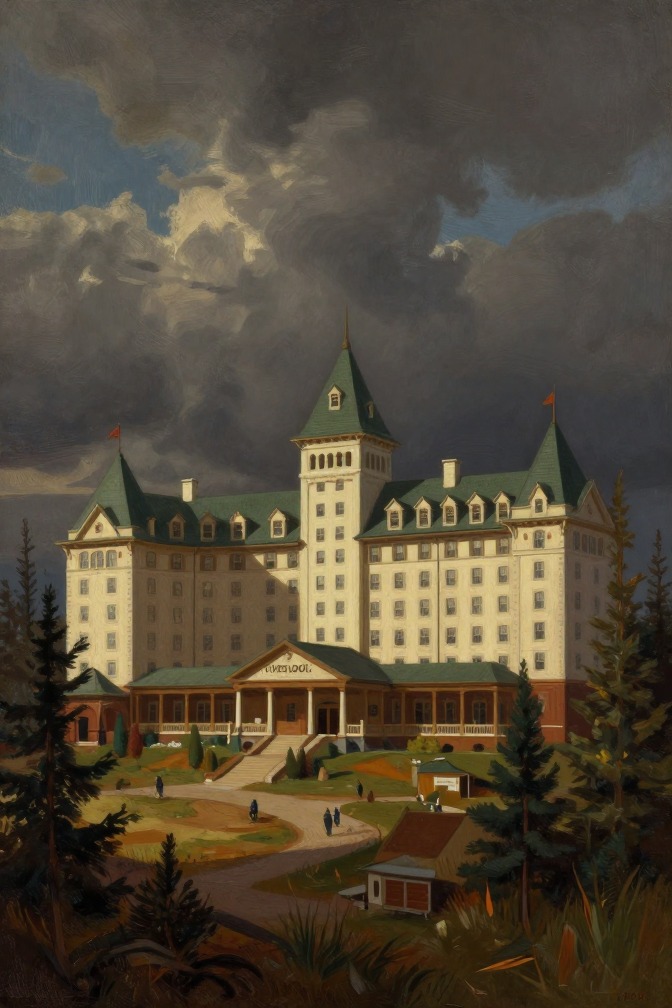
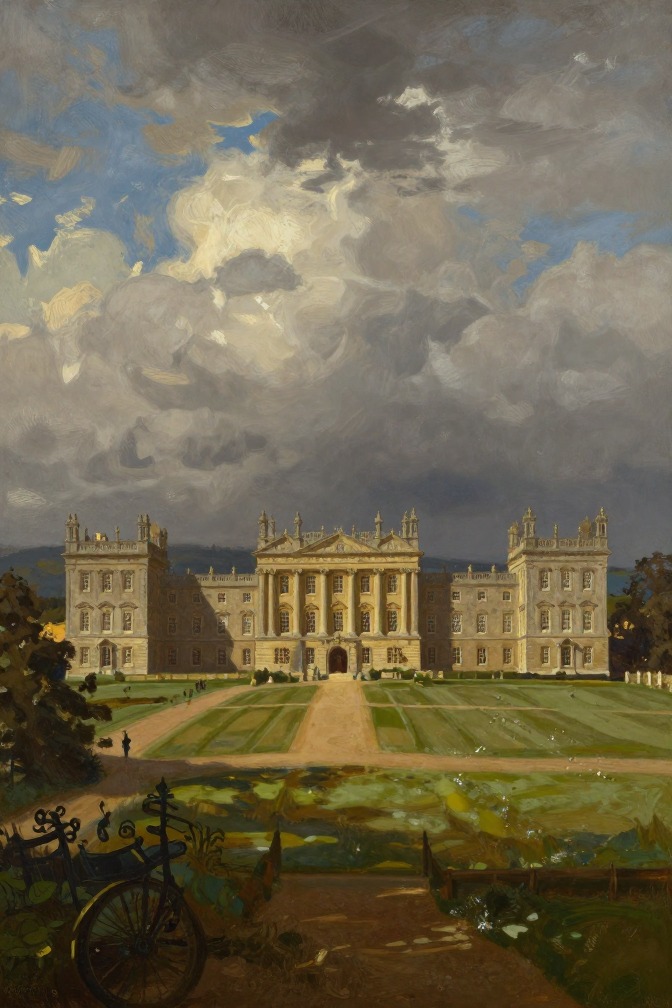
The Overlook Hotel is a vast, isolated resort in the Colorado Rockies, built between 1907 and 1909, that serves as the primary setting and antagonist of the novel. Its long history of violence, corruption, and tragedy has imbued the building with a malevolent, semi-sentient force that preys on the psychic vulnerability of its inhabitants, particularly the Torrance family, whom it seeks to absorb and destroy.
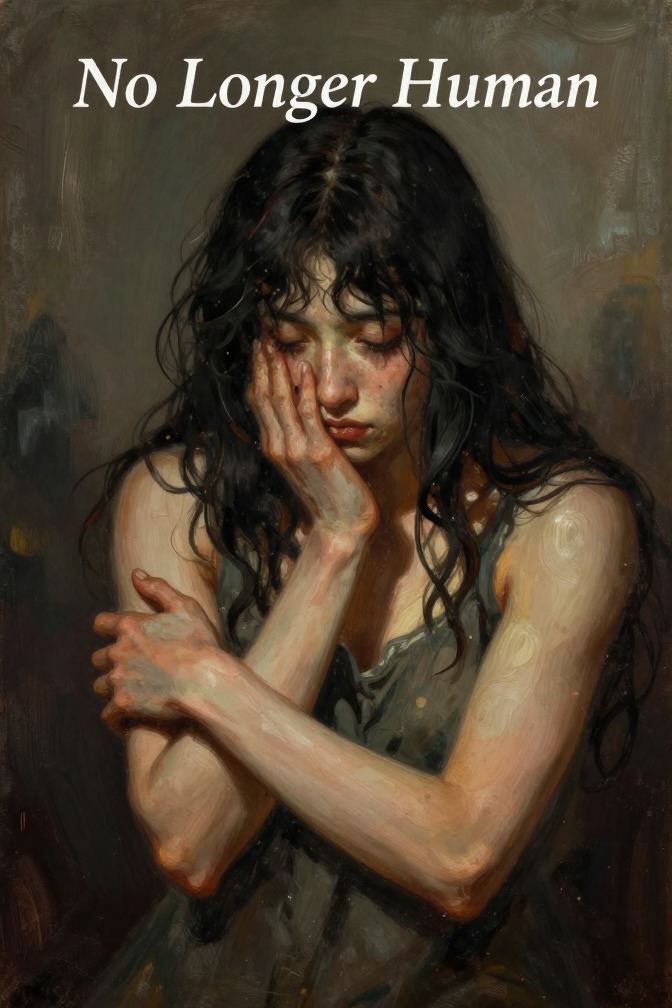
Shame is the central, defining emotional state of Yozo's life in No Longer Human, a pervasive and inescapable condition that shapes his every action and relationship. It is not merely a feeling of embarrassment but a profound, existential conviction of being fundamentally flawed and disqualified from the human race, a 'life of much shame' that drives his clowning, his self-destructive behavior, and his ultimate alienation.
Dr. Huld is a defense lawyer who represents Josef K. in his mysterious trial, but his methods—relying on personal connections with court officials, endless delays, and psychological manipulation—prove ineffective and ultimately harmful, embodying the court's corrupt and inscrutable nature.
Titorelli is a painter and court trustee in Franz Kafka's The Trial who offers Josef K. a cynical education in the court's inner workings, presenting the only concrete—if deeply compromised—pathways for a defendant to avoid conviction.
The Court presumes guilt is the foundational operating principle of the legal system in Franz Kafka's The Trial, dictating that every accused person is considered guilty from the moment of arrest, that this presumption cannot be overturned by evidence or argument, and that the entire machinery of the court is designed to confirm rather than test this assumption.
Everett is Pippa Blackwell's boyfriend, a music librarian from London who accompanies her on a visit to Hobie's house in New York. He is described as a slight, wide-eyed, blandly cheerful Englishman whose presence triggers intense jealousy and despair in Theo, who is hopelessly in love with Pippa. Everett is a vegetarian, financially dependent on Pippa's inheritance, and represents the stable, conventional life that Pippa has chosen—a life from which Theo feels permanently excluded.
Grisha is a Russian-Jewish mover and storage worker who becomes a trusted ally and confidant to Theo Decker during his years working at Hobart and Blackwell. A blunt, cynical, and fiercely loyal figure, Grisha serves as a bridge between the workshop's artistic ideals and the harsh realities of the antiques trade, offering Theo both practical help and unsentimental advice about the business's precarious finances.
James Hobart, known as Hobie, is a master furniture restorer and the business partner of Welton Blackwell. After Welty's death in the museum bombing, Hobie becomes a surrogate father to Theo Decker, taking him in and teaching him the antique trade, while also caring for Welty's orphaned niece, Pippa. His workshop and home on West Tenth Street become a sanctuary for Theo, a place of safety, craftsmanship, and moral grounding.
Jerome is a drug dealer in New York City who supplies Theodore Decker with prescription opioids and other narcotics for years, becoming a central figure in Theo's addiction and a marker of his descent into dependency.
Mandy Quaife is a minor character at Theo Decker's Upper West Side school, remembered primarily for her reaction to Tom Cable's public shunning of Theo after the museum bombing that killed Theo's mother.
Mr. Beeman is the headmaster of Theo Decker's Upper West Side school, whose decision to suspend Theo for smoking on school property sets in motion the chain of events that leads to Theo and his mother visiting the Metropolitan Museum of Art on the day of the terrorist bombing that kills her. Though he later attempts to offer support, his officious manner and his role as the catalyst for the tragedy make him a figure Theo comes to hate irrationally.
Myriam is a lean, steely-eyed woman who works as Boris Pavlikovsky's right-hand operative, handling logistics and intelligence for his criminal network. She is introduced when Boris and Theo Decker reunite on St. Mark's Place in New York, and she later facilitates the Amsterdam operation to recover The Goldfinch. Her cold competence, serpentine elegance, and unspoken authority mark her as a key figure in the underworld that surrounds Boris.
Phil Lefkow is a minor character in Theo Decker's early-college program, known only through a single text message sent to Theo via Andy Barbour's phone during Theo's visit to Hobie's house in Greenwich Village.
Pippa Blackwell is the red-haired girl Theo Decker meets at the Metropolitan Museum of Art on the day of the bombing that kills his mother and her uncle Welty. She is the niece of Welton Blackwell, the old man who dies beside Theo in the wreckage, and the ward of James Hobart. Her survival of the explosion, her severe injuries, and her subsequent removal to Texas and then to a Swiss boarding school for traumatized children create a permanent, unfulfilled longing in Theo that shapes his entire adult life. She is the living embodiment of the lost world of that day, and the object of a love so consuming that it prevents him from fully committing to anyone else.
Welton Blackwell, known as Welty, is the elderly antiques dealer who dies beside Theo Decker in the museum bombing, but whose final act—entrusting Theo with his signet ring and the painting The Goldfinch—sets the entire plot in motion. A half brother to Pippa’s mother Juliet and to Margaret Blackwell Pierce, Welty was a hunchbacked, charming, and deeply humane man who raised Juliet as his own child and later became Pippa’s guardian. His death in the explosion is the catalyst for Theo’s flight from the wreckage, his concealment of the painting, and his eventual arrival at the home of Welty’s business partner, James Hobart.
Boris Pavlikovsky and Horst are connected through a shadowy network of black-market art and drug dealings, with Horst serving as a sophisticated, drug-addicted dealer in stolen Old Master paintings and Boris as a former associate who later turns against him to recover The Goldfinch. Their relationship is defined by mutual wariness, shared criminal history, and a violent rupture when Boris orchestrates the painting's recovery without Horst's knowledge, leading to a deadly confrontation with Horst's enforcers.
Theo Decker and his mother Audrey Decker share an extraordinarily close, loving bond that defines Theo's childhood and shapes the rest of his life. Her sudden death in a terrorist bombing at the Metropolitan Museum of Art when Theo is thirteen is the central trauma of the novel, a dividing mark between Before and After that leaves him orphaned, guilt-ridden, and adrift. Their relationship is characterized by mutual adoration, playful intimacy, and a deep emotional attunement that Theo spends the rest of his life trying, and failing, to replicate.
Theo Decker and James Hobart (Hobie) form a profound, father-son-like bond that begins when Theo, orphaned and homeless after the museum bombing, arrives at Hobie's doorstep with Welty Blackwell's ring. Hobie takes Theo in, teaches him the craft of antique restoration, and becomes his anchor, business partner, and moral compass. Their relationship is the emotional and structural center of Theo's adult life, providing him with a home, a trade, and a fragile sense of stability, even as Theo's secrets and deceptions threaten to destroy everything they have built together.
Theo Decker and Welty Blackwell share a brief but profound connection in the aftermath of the museum bombing that kills Theo's mother. Dying in the rubble, Welty entrusts Theo with his signet ring and, crucially, the priceless painting The Goldfinch, an act that binds their fates and sets the course of Theo's life. This relationship, forged in a moment of shared catastrophe, becomes the hidden keystone of Theo's identity, linking him to a world of beauty, loss, and moral ambiguity that he will spend his life trying to understand and reconcile.
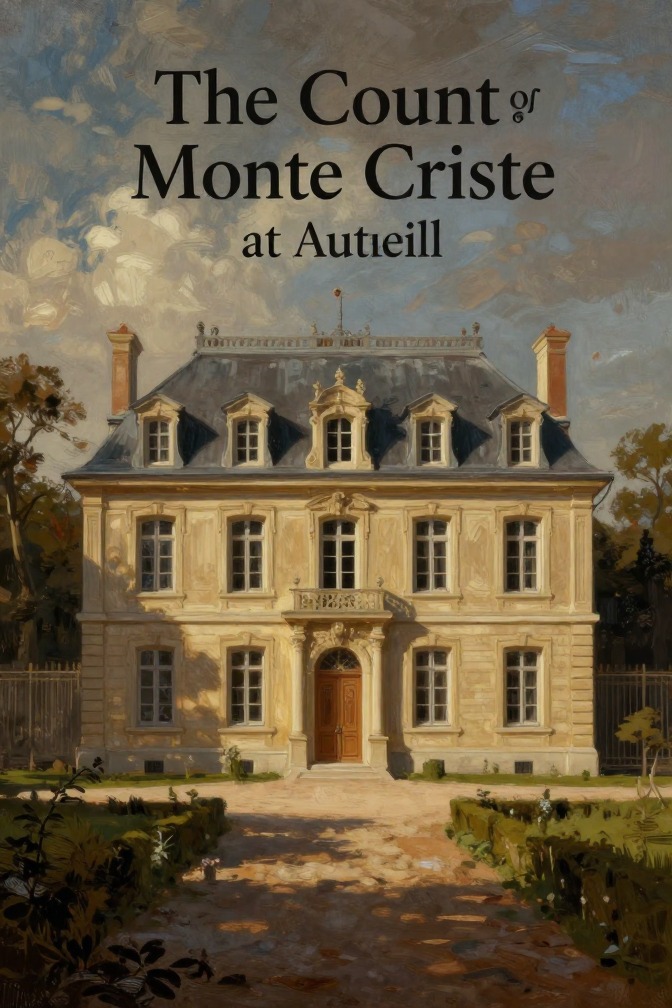
The House at Auteuil, a secluded property at 28 Rue de la Fontaine, is the site of the novel's most concentrated crimes and revelations. Purchased by the Count of Monte Cristo through his steward Bertuccio, the house was originally the property of the Marquis de Saint-Meran and was the scene of Villefort's secret affair with Madame Danglars, the burial of their illegitimate infant, and Bertuccio's subsequent stabbing of Villefort. The house becomes the stage for Monte Cristo's climactic dinner party, where he exposes the buried infant's skeleton and terrifies the guilty parties, and later for the poisoning of Valentine de Villefort and the final confrontation between Monte Cristo and Villefort.
The enmity between Edmond Dantes and Danglars originates in professional rivalry and personal jealousy aboard the *Pharaon*, and is cemented by Danglars' pivotal role in the anonymous denunciation that leads to Dantes' fourteen-year imprisonment. This hatred, initially one-sided, becomes the foundation of Danglars' rise to fortune and, after Dantes' transformation into the Count of Monte Cristo, the target of a meticulously orchestrated financial and psychological revenge.
The friendship between Edmond Dantes and Abbé Faria is the emotional and intellectual core of Dantes' imprisonment, transforming a despairing prisoner into a learned, purposeful man and providing the key to the treasure that funds his later identity as the Count of Monte Cristo.
The marriage of Fernand Mondego and Mercedes is a pivotal event in *The Count of Monte Cristo*, marking the culmination of Fernand's long pursuit of Mercedes after Edmond Dantes' imprisonment and serving as a key element in Dantes' eventual revenge. The union, born from Mercedes' despair and Fernand's opportunistic persistence, transforms the Catalan fisherman into the Count of Morcerf and sets the stage for the revelation of his treachery.
The 28th of February, 1829, is the day Edmond Dantes escapes from the Chateau d'If after fourteen years of imprisonment, marking the pivotal moment when the prisoner becomes the free agent who will transform himself into the Count of Monte Cristo.
Colonel Fitzwilliam is a younger son of an earl, a co-guardian of Georgiana Darcy, and a key secondary character in Pride and Prejudice whose conversations with Elizabeth Bennet inadvertently reveal Darcy's role in separating Charles Bingley from Jane Bennet, catalyzing Elizabeth's confrontation with Darcy and her subsequent re-evaluation of his character.
Edward Gardiner, Mrs. Bennet's brother, is a sensible, gentlemanlike man of trade who, with his wife, provides crucial moral and practical support to the Bennet family, most notably by orchestrating Lydia's marriage to Wickham and by facilitating Elizabeth's pivotal visit to Pemberley.
Mrs. Forster is the young, recently married wife of Colonel Forster, the commander of the militia regiment quartered in Meryton. She becomes Lydia Bennet's intimate friend and, by inviting Lydia to accompany her to Brighton, inadvertently sets the stage for Lydia's disastrous elopement with George Wickham.
Rosings Park is the grand Kent estate of Lady Catherine de Bourgh, a symbol of aristocratic power, wealth, and social dominance that serves as a key setting for Elizabeth Bennet's visit to Hunsford Parsonage and the site of Darcy's first, disastrous proposal.
St. Clement's is the London church where Lydia Bennet and George Wickham are married, a location that becomes the site of a crucial revelation about Fitzwilliam Darcy's secret role in securing the match.
Charlotte Lucas and William Collins enter into a marriage of practical convenience that starkly illustrates the economic pressures on women in Regency England, transforming a friendship and exposing the divide between romantic and pragmatic views of matrimony.