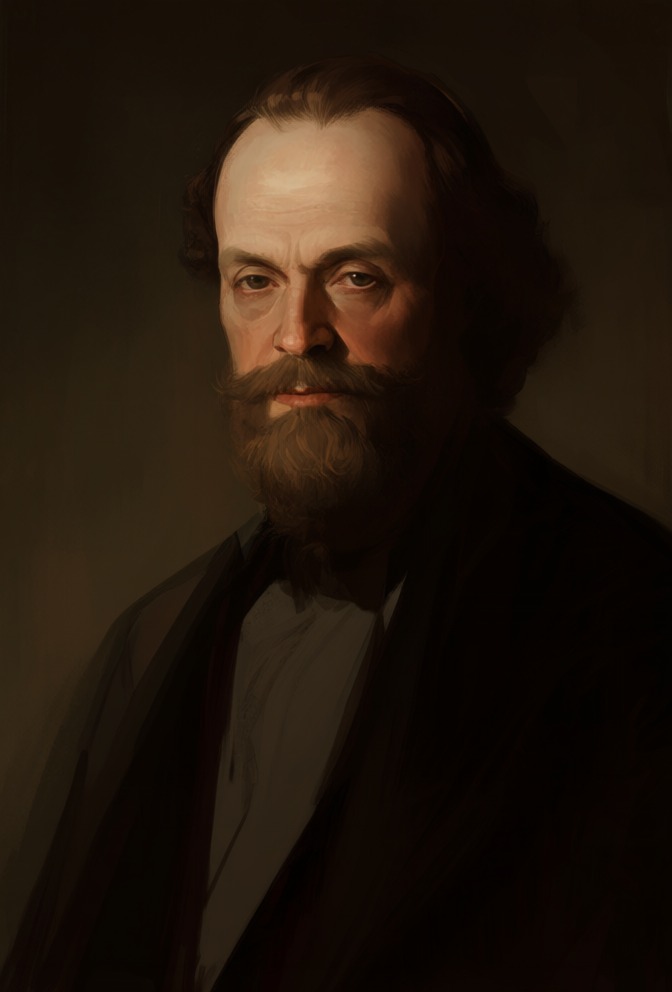
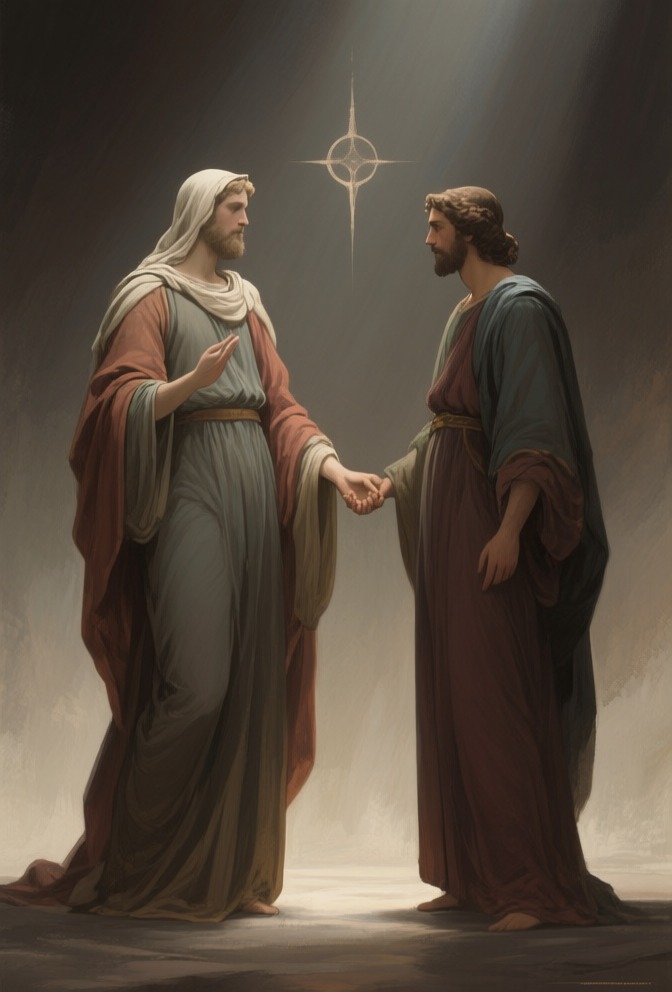
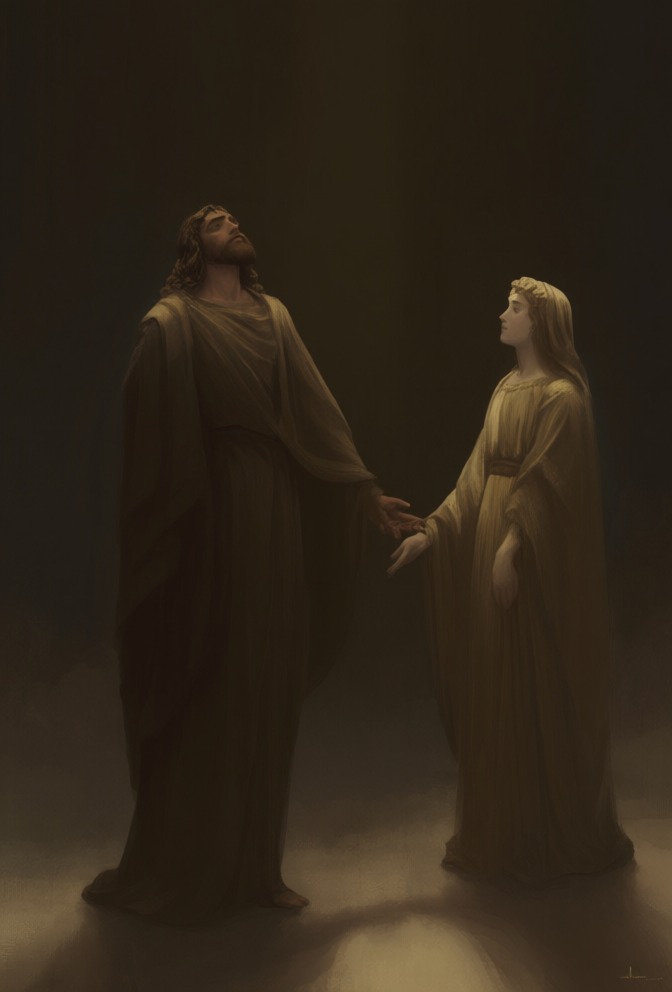
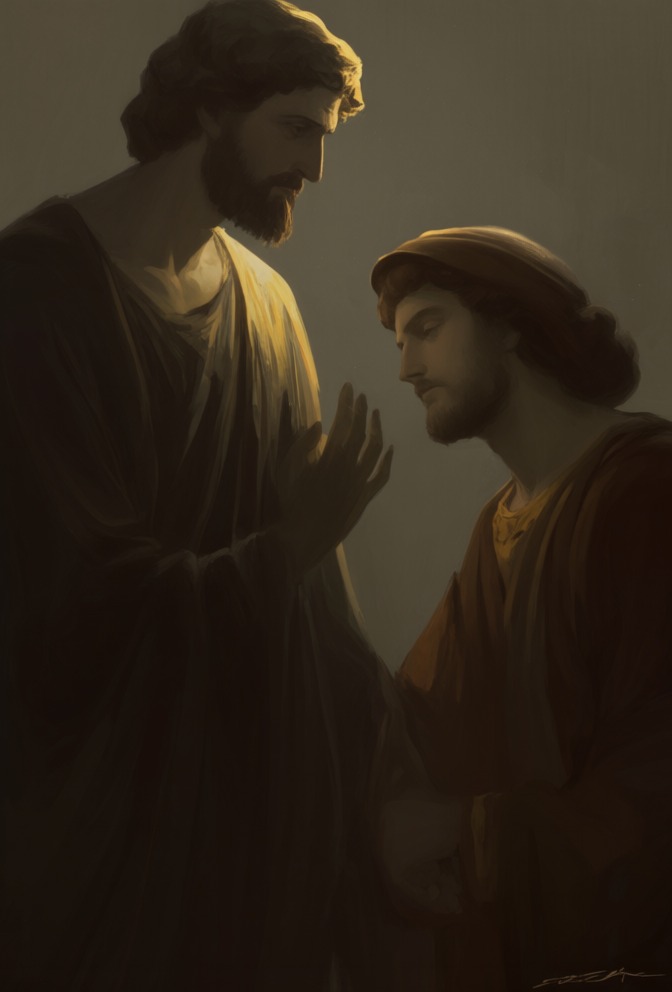
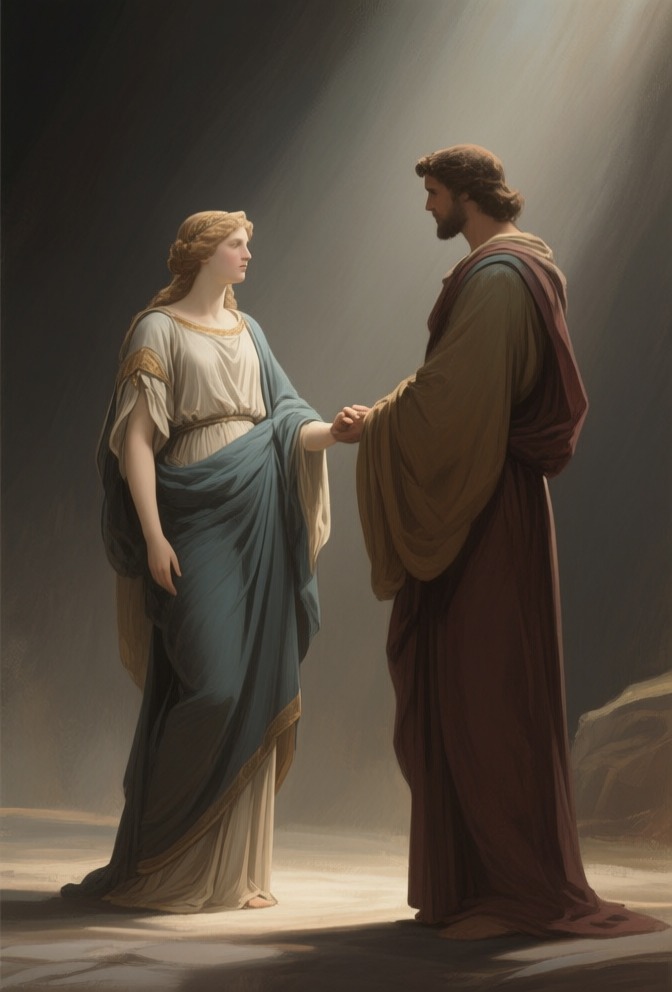
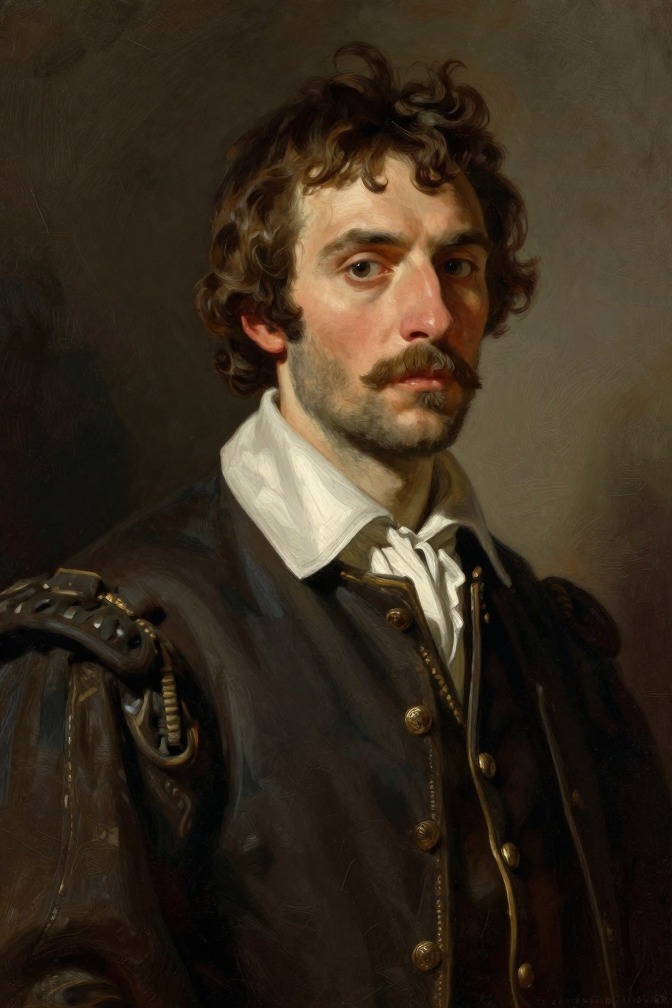
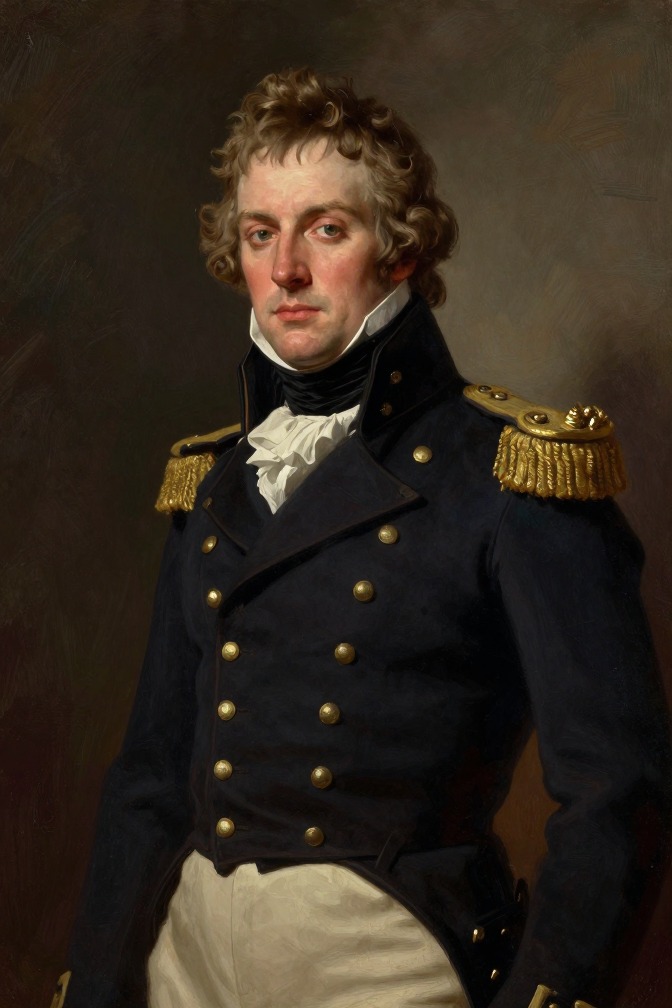
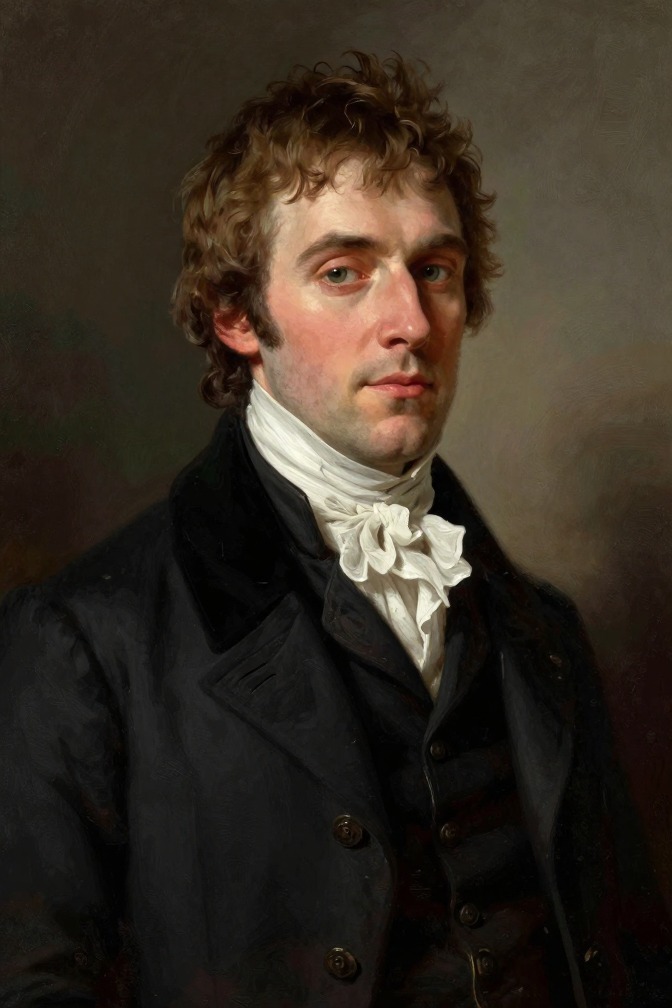
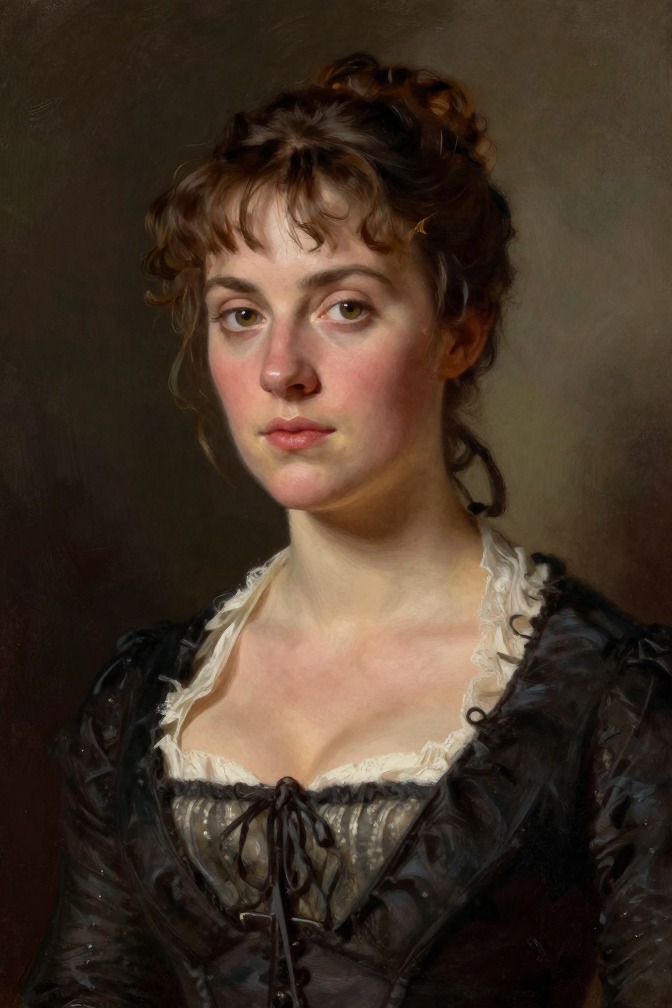
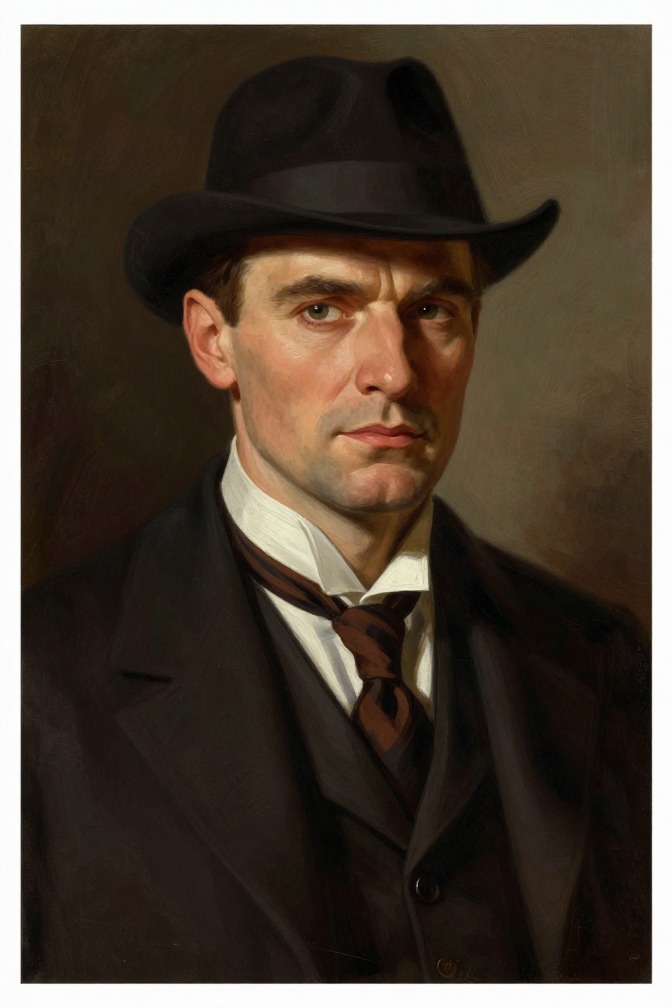
Phil Lefkow is a minor character in Theo Decker's early-college program, known only through a single text message sent to Theo via Andy Barbour's phone during Theo's visit to Hobie's house in Greenwich Village.
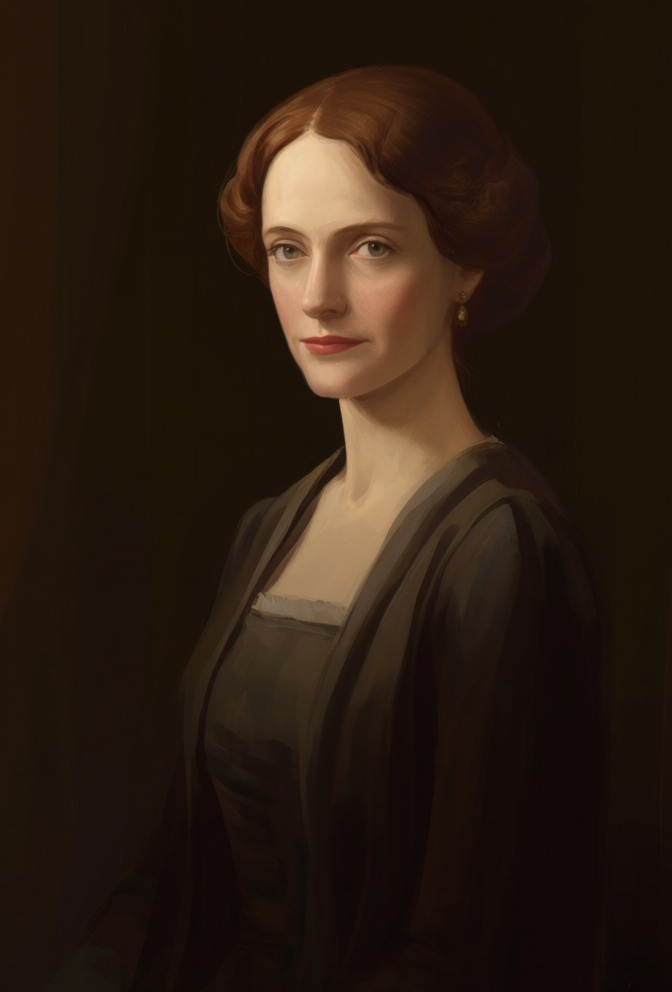
Pippa Blackwell is the red-haired girl Theo Decker meets at the Metropolitan Museum of Art on the day of the bombing that kills his mother and her uncle Welty. She is the niece of Welton Blackwell, the old man who dies beside Theo in the wreckage, and the ward of James Hobart. Her survival of the explosion, her severe injuries, and her subsequent removal to Texas and then to a Swiss boarding school for traumatized children create a permanent, unfulfilled longing in Theo that shapes his entire adult life. She is the living embodiment of the lost world of that day, and the object of a love so consuming that it prevents him from fully committing to anyone else.
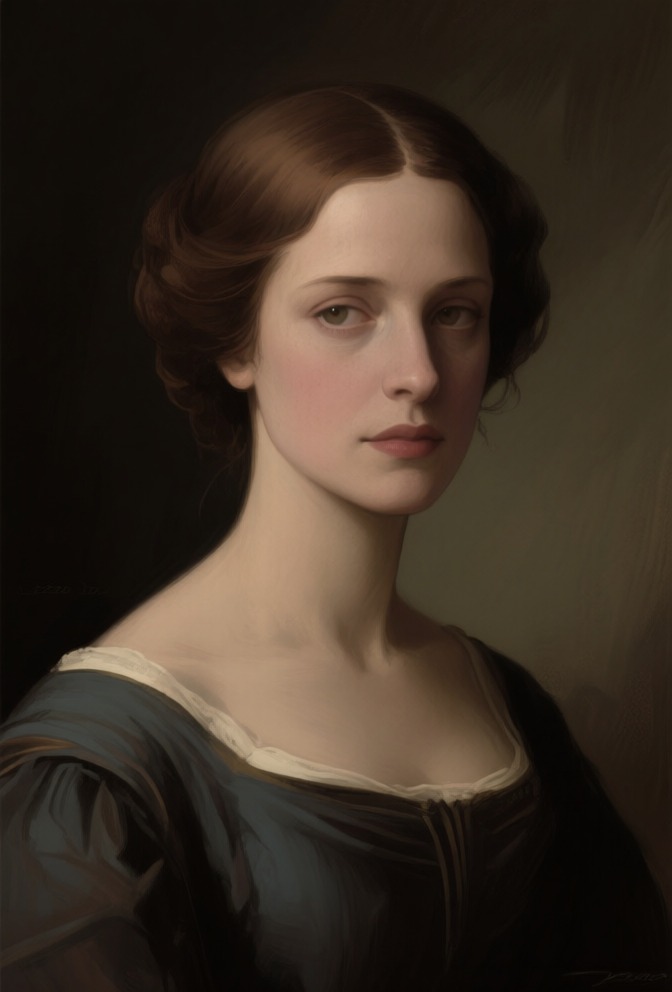
Tessa Margolis is a minor character from Theo Decker's past who, years later, becomes a source of gossip that exposes his drug addiction to his fiancée Kitsey Barbour, contributing to the unraveling of their engagement.
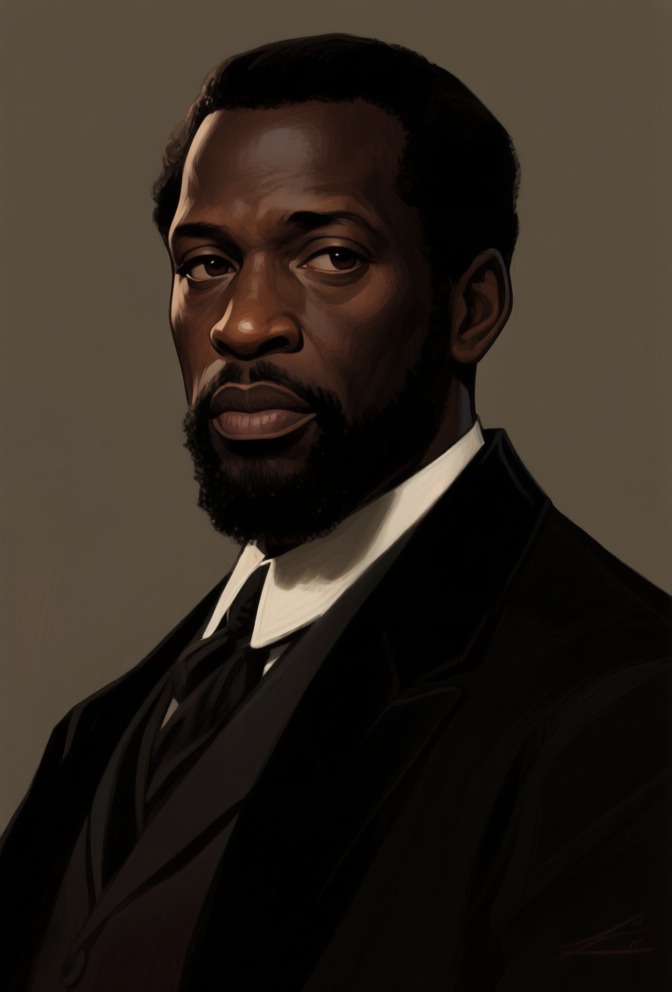
Welton Blackwell, known as Welty, is the elderly antiques dealer who dies beside Theo Decker in the museum bombing, but whose final act—entrusting Theo with his signet ring and the painting The Goldfinch—sets the entire plot in motion. A half brother to Pippa’s mother Juliet and to Margaret Blackwell Pierce, Welty was a hunchbacked, charming, and deeply humane man who raised Juliet as his own child and later became Pippa’s guardian. His death in the explosion is the catalyst for Theo’s flight from the wreckage, his concealment of the painting, and his eventual arrival at the home of Welty’s business partner, James Hobart.
Boris Pavlikovsky and Horst are connected through a shadowy network of black-market art and drug dealings, with Horst serving as a sophisticated, drug-addicted dealer in stolen Old Master paintings and Boris as a former associate who later turns against him to recover The Goldfinch. Their relationship is defined by mutual wariness, shared criminal history, and a violent rupture when Boris orchestrates the painting's recovery without Horst's knowledge, leading to a deadly confrontation with Horst's enforcers.
Theo Decker and his mother Audrey Decker share an extraordinarily close, loving bond that defines Theo's childhood and shapes the rest of his life. Her sudden death in a terrorist bombing at the Metropolitan Museum of Art when Theo is thirteen is the central trauma of the novel, a dividing mark between Before and After that leaves him orphaned, guilt-ridden, and adrift. Their relationship is characterized by mutual adoration, playful intimacy, and a deep emotional attunement that Theo spends the rest of his life trying, and failing, to replicate.
Theo Decker and James Hobart (Hobie) form a profound, father-son-like bond that begins when Theo, orphaned and homeless after the museum bombing, arrives at Hobie's doorstep with Welty Blackwell's ring. Hobie takes Theo in, teaches him the craft of antique restoration, and becomes his anchor, business partner, and moral compass. Their relationship is the emotional and structural center of Theo's adult life, providing him with a home, a trade, and a fragile sense of stability, even as Theo's secrets and deceptions threaten to destroy everything they have built together.
Theo Decker and Welty Blackwell share a brief but profound connection in the aftermath of the museum bombing that kills Theo's mother. Dying in the rubble, Welty entrusts Theo with his signet ring and, crucially, the priceless painting The Goldfinch, an act that binds their fates and sets the course of Theo's life. This relationship, forged in a moment of shared catastrophe, becomes the hidden keystone of Theo's identity, linking him to a world of beauty, loss, and moral ambiguity that he will spend his life trying to understand and reconcile.
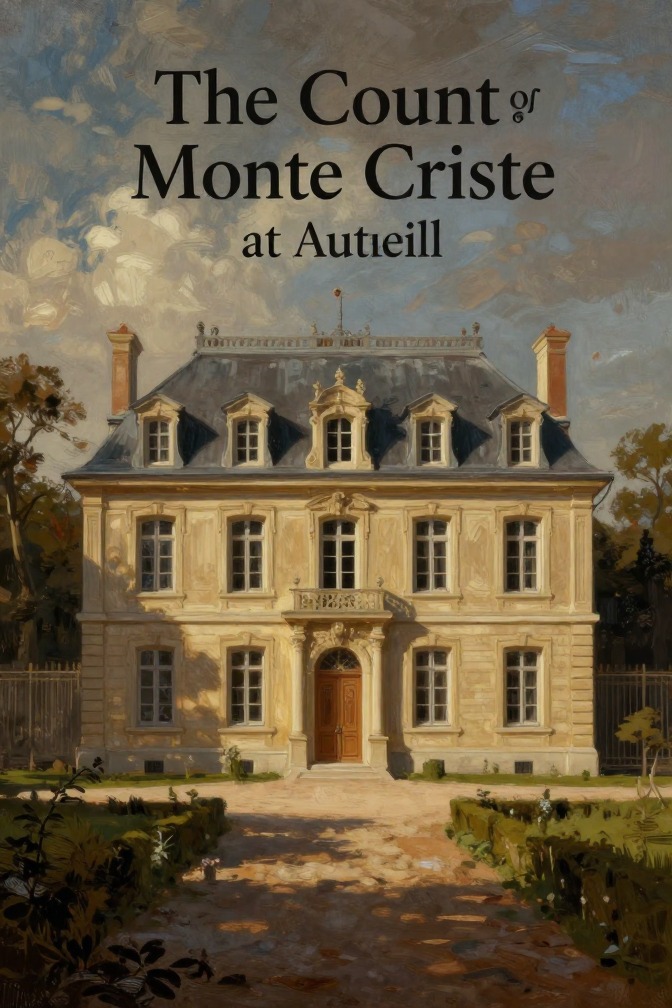
The House at Auteuil, a secluded property at 28 Rue de la Fontaine, is the site of the novel's most concentrated crimes and revelations. Purchased by the Count of Monte Cristo through his steward Bertuccio, the house was originally the property of the Marquis de Saint-Meran and was the scene of Villefort's secret affair with Madame Danglars, the burial of their illegitimate infant, and Bertuccio's subsequent stabbing of Villefort. The house becomes the stage for Monte Cristo's climactic dinner party, where he exposes the buried infant's skeleton and terrifies the guilty parties, and later for the poisoning of Valentine de Villefort and the final confrontation between Monte Cristo and Villefort.
The enmity between Edmond Dantes and Danglars originates in professional rivalry and personal jealousy aboard the *Pharaon*, and is cemented by Danglars' pivotal role in the anonymous denunciation that leads to Dantes' fourteen-year imprisonment. This hatred, initially one-sided, becomes the foundation of Danglars' rise to fortune and, after Dantes' transformation into the Count of Monte Cristo, the target of a meticulously orchestrated financial and psychological revenge.
The friendship between Edmond Dantes and Abbé Faria is the emotional and intellectual core of Dantes' imprisonment, transforming a despairing prisoner into a learned, purposeful man and providing the key to the treasure that funds his later identity as the Count of Monte Cristo.
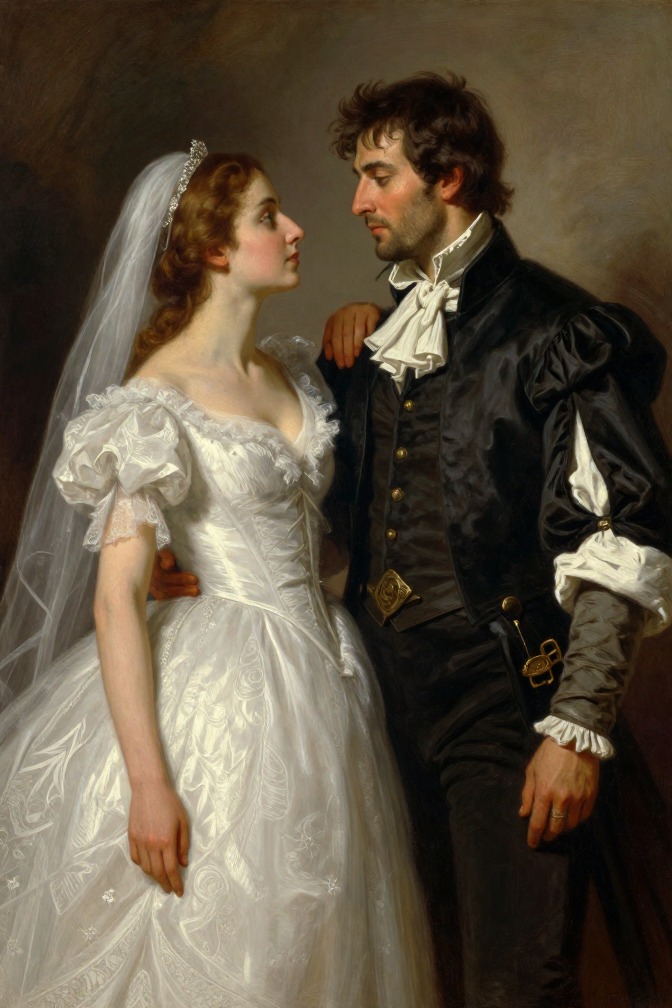
The marriage of Fernand Mondego and Mercedes is a pivotal event in *The Count of Monte Cristo*, marking the culmination of Fernand's long pursuit of Mercedes after Edmond Dantes' imprisonment and serving as a key element in Dantes' eventual revenge. The union, born from Mercedes' despair and Fernand's opportunistic persistence, transforms the Catalan fisherman into the Count of Morcerf and sets the stage for the revelation of his treachery.
The 28th of February, 1829, is the day Edmond Dantes escapes from the Chateau d'If after fourteen years of imprisonment, marking the pivotal moment when the prisoner becomes the free agent who will transform himself into the Count of Monte Cristo.
Colonel Fitzwilliam is a younger son of an earl, a co-guardian of Georgiana Darcy, and a key secondary character in Pride and Prejudice whose conversations with Elizabeth Bennet inadvertently reveal Darcy's role in separating Charles Bingley from Jane Bennet, catalyzing Elizabeth's confrontation with Darcy and her subsequent re-evaluation of his character.
Edward Gardiner, Mrs. Bennet's brother, is a sensible, gentlemanlike man of trade who, with his wife, provides crucial moral and practical support to the Bennet family, most notably by orchestrating Lydia's marriage to Wickham and by facilitating Elizabeth's pivotal visit to Pemberley.
Mrs. Forster is the young, recently married wife of Colonel Forster, the commander of the militia regiment quartered in Meryton. She becomes Lydia Bennet's intimate friend and, by inviting Lydia to accompany her to Brighton, inadvertently sets the stage for Lydia's disastrous elopement with George Wickham.
Rosings Park is the grand Kent estate of Lady Catherine de Bourgh, a symbol of aristocratic power, wealth, and social dominance that serves as a key setting for Elizabeth Bennet's visit to Hunsford Parsonage and the site of Darcy's first, disastrous proposal.
St. Clement's is the London church where Lydia Bennet and George Wickham are married, a location that becomes the site of a crucial revelation about Fitzwilliam Darcy's secret role in securing the match.
Charlotte Lucas and William Collins enter into a marriage of practical convenience that starkly illustrates the economic pressures on women in Regency England, transforming a friendship and exposing the divide between romantic and pragmatic views of matrimony.
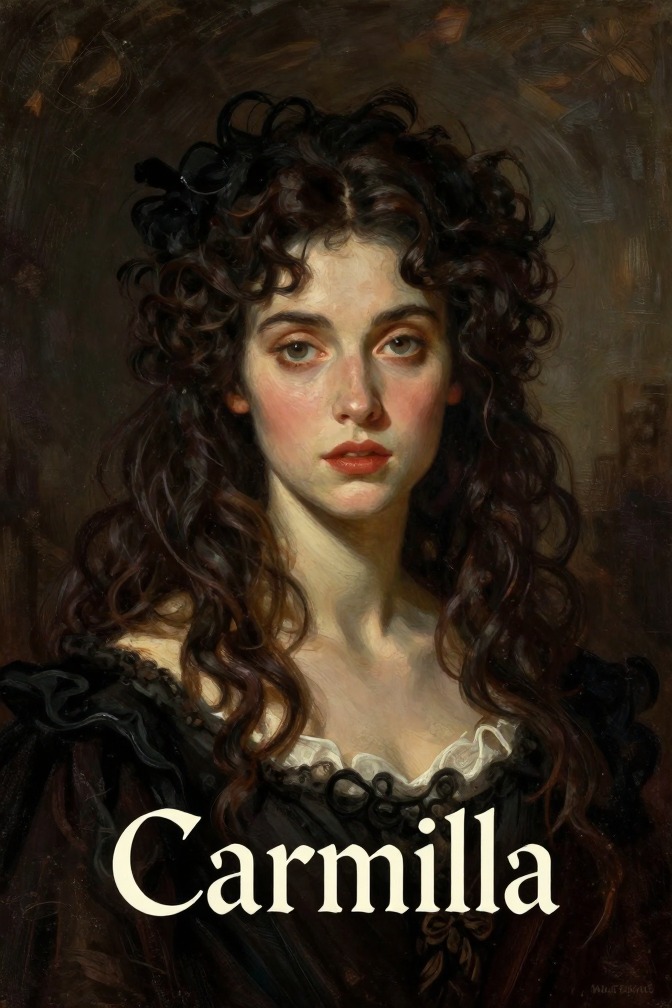
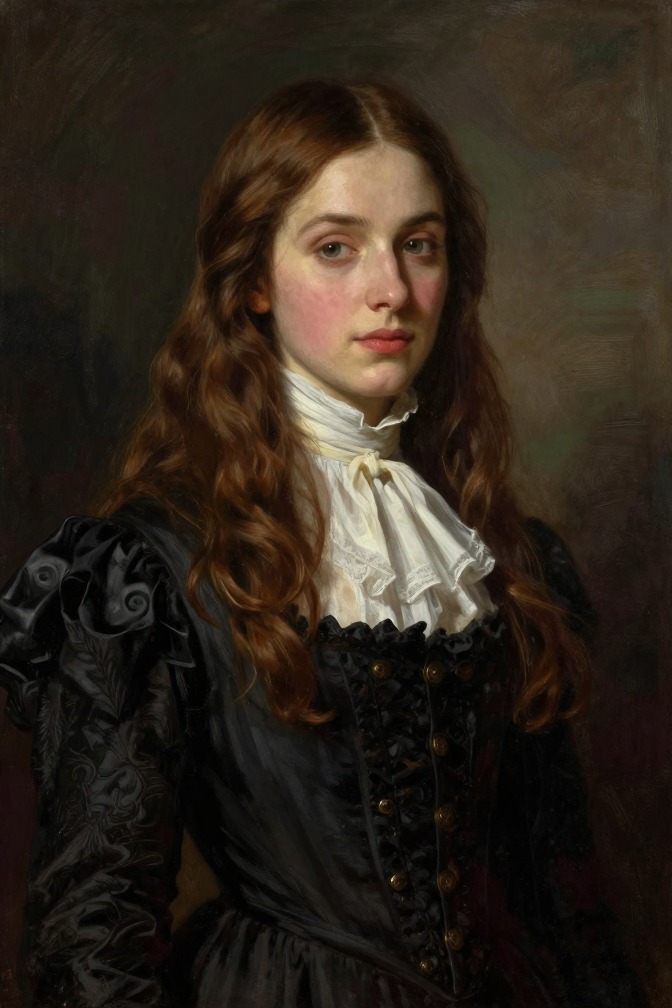
The Portrait Discovery is the pivotal scene in Sheridan Le Fanu's Carmilla in which a long-obscured family portrait, newly restored and unpacked at the schloss, is revealed to be the exact living image of the guest Carmilla, and the inscription identifies the subject as Mircalla, Countess Karnstein, dated 1698. This moment transforms the supernatural from private dread into visible, historical fact, linking Carmilla to the extinct Karnstein line and foreshadowing the vampire revelations to come.
Laura's father is the English-born, retired Austrian officer who owns the schloss in Styria, whose hospitality and trusting nature inadvertently enable Carmilla's predatory access to his daughter.
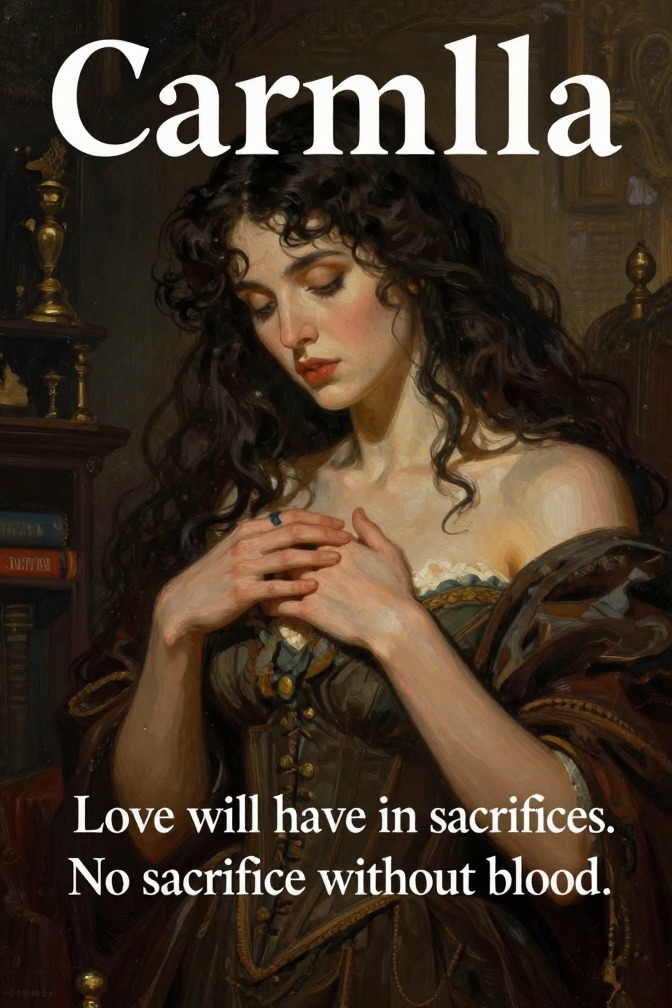
In Carmilla, the vampire Carmilla articulates a chilling philosophy of love and sacrifice, declaring that love demands blood and that her victims must die into her, a doctrine that frames her predation as a form of erotic union.
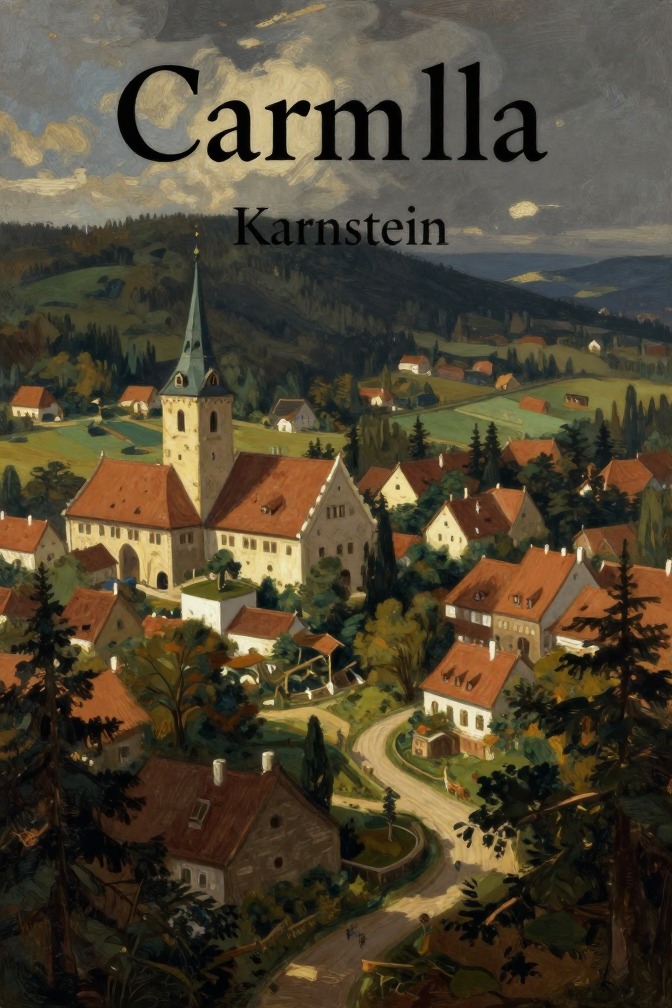
Karnstein is the ruined castle and extinct noble family at the heart of the vampire legend in Sheridan Le Fanu's Carmilla. The desolate chateau and its roofless village, located three miles from Laura's schloss, are the ancestral seat of the Karnstein family, whose last known member is the vampire Mircalla, Countess Karnstein. The site serves as the story's dark origin point: the place where the vampire's tomb is finally discovered, her body exhumed and destroyed, and the centuries-old plague ended.
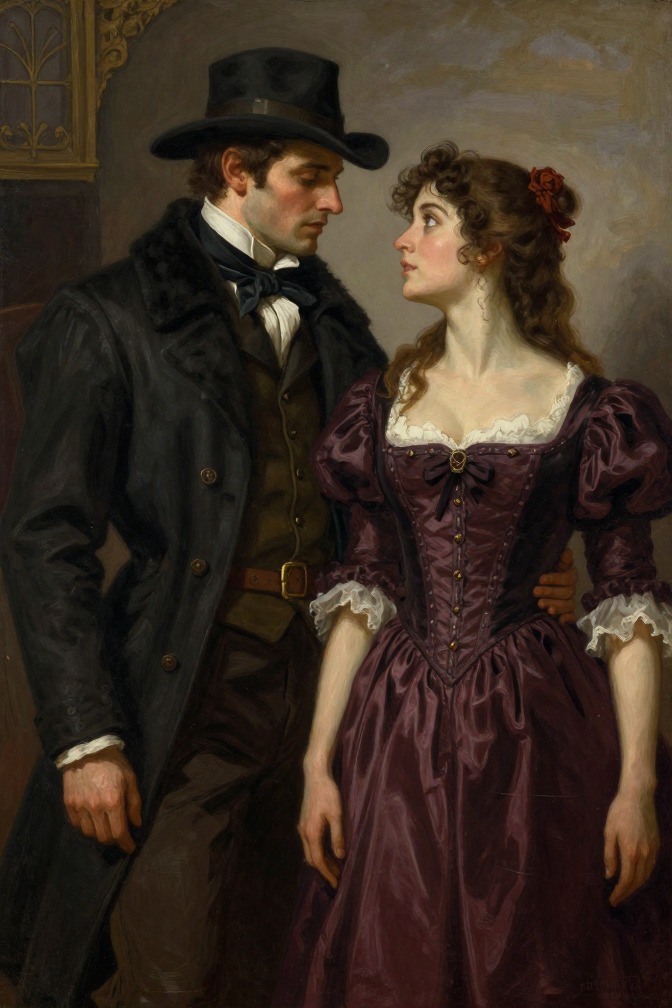
General Spielsdorf and Carmilla are locked in a hunter-prey relationship that drives the novel's climactic confrontation: the General, having lost his ward Bertha Rheinfeldt to a vampire, dedicates himself to tracking and destroying the creature, whom he recognizes as the same being who has insinuated herself into Laura's home under the name Carmilla.
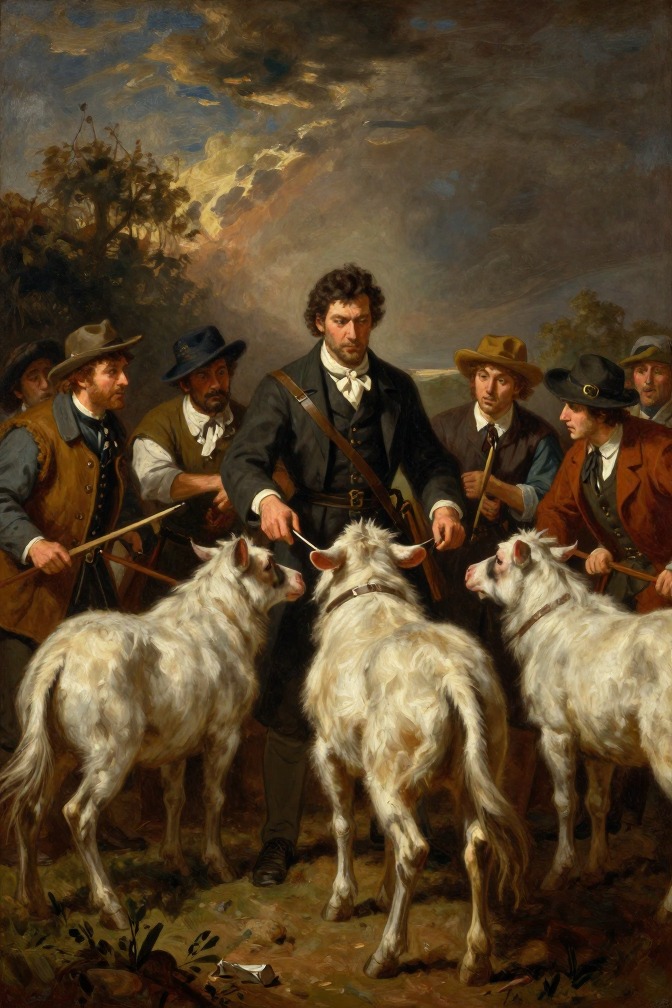
The Executions mark the point at which Napoleon's regime on Animal Farm descends into open terror, as a staged purge of confessed traitors—four pigs, three hens, a goose, and several sheep—is carried out by his dogs, shattering the founding principle that no animal shall kill another and replacing revolutionary hope with fear.
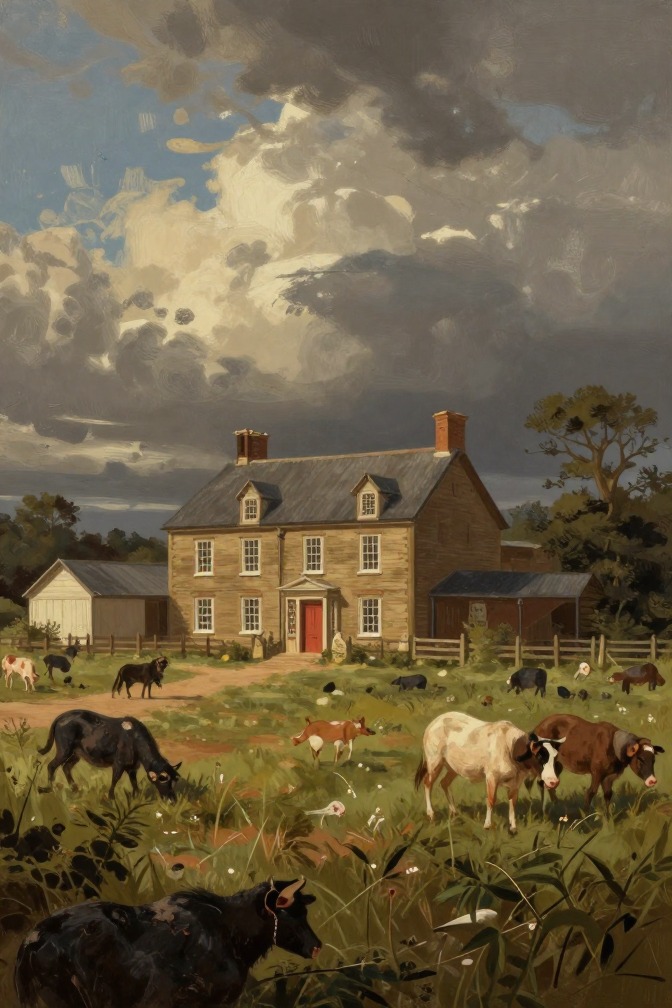
The Farmhouse on Animal Farm is the central domestic building of the farm, originally the home of the human owner Mr. Jones. After the Rebellion, it is preserved as a museum and no animal is permitted to live there, but this resolution is soon broken when the pigs, led by Napoleon, move in and take over the house for their own exclusive use. The Farmhouse becomes the physical symbol of the pigs' growing privilege, their adoption of human habits, and the final erasure of the line between animal and human rule.
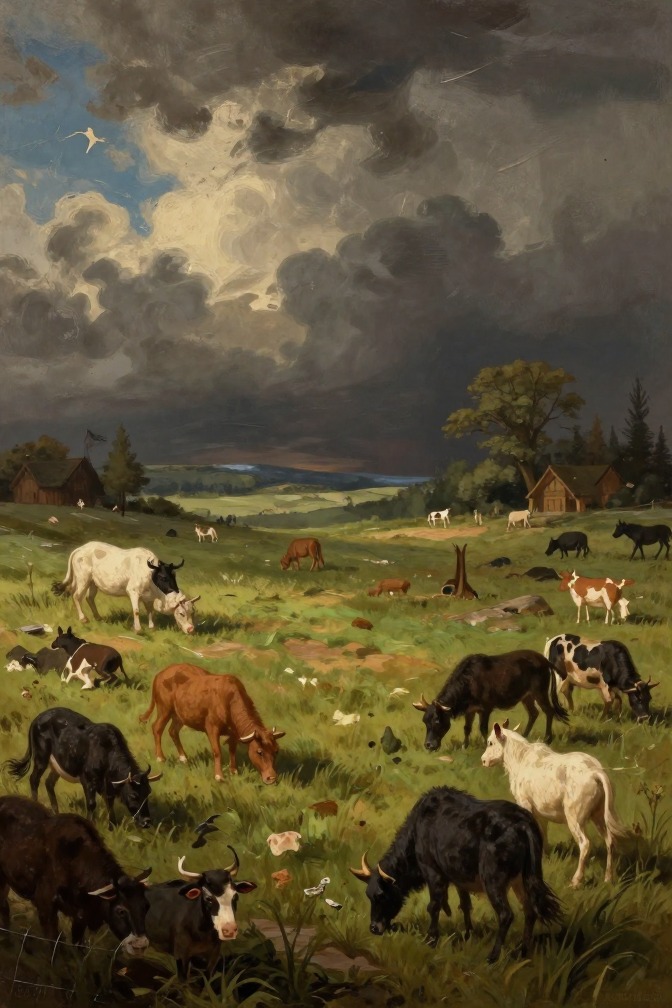
The Long Pasture is the largest and most prominent grazing field on Animal Farm, serving as the site of the windmill project, the climactic Battle of the Windmill, and a recurring symbol of the animals' labor, hope, and ultimate disillusionment.
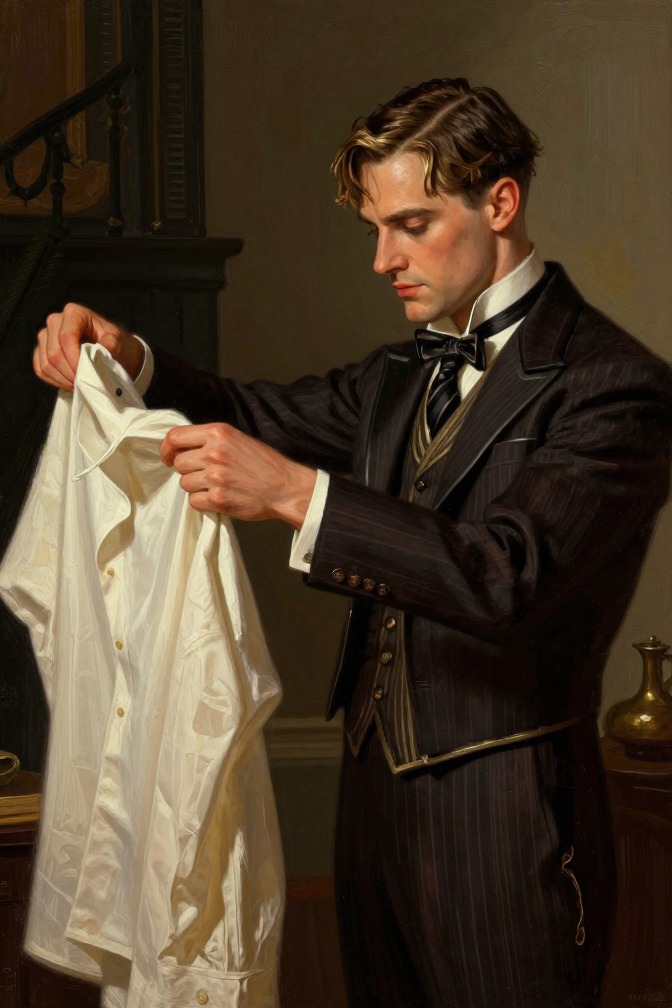
In a pivotal scene of emotional display, Jay Gatsby throws piles of his luxurious shirts before Daisy Buchanan, an act that triggers her tears and reveals the profound gap between his material dream and the reality of their reunion.
Meyer Wolfsheim is a Jewish gambler and underworld figure who fixed the 1919 World Series, serves as Gatsby's business partner and mentor, and embodies the criminal foundation of Gatsby's wealth. His refusal to attend Gatsby's funeral reveals the cold pragmatism of the criminal world.
East Egg is the fashionable, old-money enclave on Long Island where Tom and Daisy Buchanan live, representing established wealth and social privilege in stark contrast to the nouveau riche West Egg.