The Dramatists Play Service is the professional organization that controls the licensing of amateur performance rights for Tennessee Williams's A Streetcar Named Desire, ensuring that no amateur production may be given without its written permission.
Greyhound is the bus company whose ticket Stanley Kowalski purchases for Blanche DuBois, forcing her to leave New Orleans after he has exposed her past and destroyed her prospects. The bus ticket represents the final, irreversible expulsion of Blanche from the Kowalski household and from any remaining illusion of a genteel future.
The friendship between Stanley Kowalski and Harold Mitchell (Mitch) is a central relationship in A Streetcar Named Desire, rooted in shared military service, work, and leisure, but ultimately fractured by Stanley's exposure of Blanche DuBois's past.
The Napoleonic code is a legal principle invoked by Stanley Kowalski in A Streetcar Named Desire to assert his right to investigate the financial affairs of his wife Stella and her sister Blanche DuBois, serving as a symbol of the clash between the old Southern aristocracy and the new industrial working class.
1909 is the year of the birth of Rose Isabelle Williams, the sister of playwright Tennessee Williams, whose life and mental illness profoundly influenced his work, and it also marks the historical context of the Napoleonic Code in Louisiana, which shapes the legal and social dynamics in A Streetcar Named Desire.
1918 is a pivotal year in the life of Tennessee Williams and the historical backdrop of A Streetcar Named Desire, marking the Williams family's relocation to St. Louis, Missouri, a move that profoundly shaped the playwright's sensibility and the social tensions dramatized in his work.
1938 was a pivotal year in Tennessee Williams's early career, marked by his graduation from the University of Iowa with a degree in English and the completion of his prison play *Not About Nightingales*, a work that would not reach Broadway until 1999. This year also saw the first printed use of his professional name, "Tennessee Williams," in *Story* magazine, and the receipt of a Group Theatre award for a collection of short plays titled *American Blues*, which led to his long association with agent Audrey Wood. The year thus represents the moment when Williams's formal training ended and his professional identity as a playwright began to crystallize, even as the social and political concerns that would later animate *A Streetcar Named Desire*—class conflict, the Napoleonic code, and the fate of outsiders in American society—were already taking shape in the broader culture.
1940 was a pivotal year in Tennessee Williams's early career, marked by his formal study of playwriting in New York City and the disastrous out-of-town premiere of his first major play, Battle of Angels. The year also saw the legal and social landscape that would later shape A Streetcar Named Desire, including the Napoleonic Code of Louisiana and the racial dynamics of New Orleans.
1942 was a pivotal year in Tennessee Williams's early career, marked by his meeting with publisher James Laughlin and his first Hollywood screenwriting contract, which led to the creation of The Glass Menagerie.
1953 was a pivotal year in Tennessee Williams's career, marked by the Broadway premiere of *Camino Real*, a play that received harsh critical reception and closed within two months, contrasting sharply with the triumph of *A Streetcar Named Desire* six years earlier.
1978 is a year in the chronology of Tennessee Williams's life and career, marked by the premiere of his play Tiger Tail and the continued publication of his works, set against the broader historical context of the late 1940s in which A Streetcar Named Desire is set.
The Depression year, the era of the Great Depression in the 1930s, forms the economic and social backdrop against which Tennessee Williams's early career and the thematic tensions of A Streetcar Named Desire are set, shaping the material conditions of both the playwright's struggle and the characters' conflicts.
Roger Chillingworth's death and bequest mark the final dissolution of his vengeful purpose and the material liberation of Pearl, transforming the demon-child into the richest heiress in New England and severing the last legal tie binding Hester to her past.
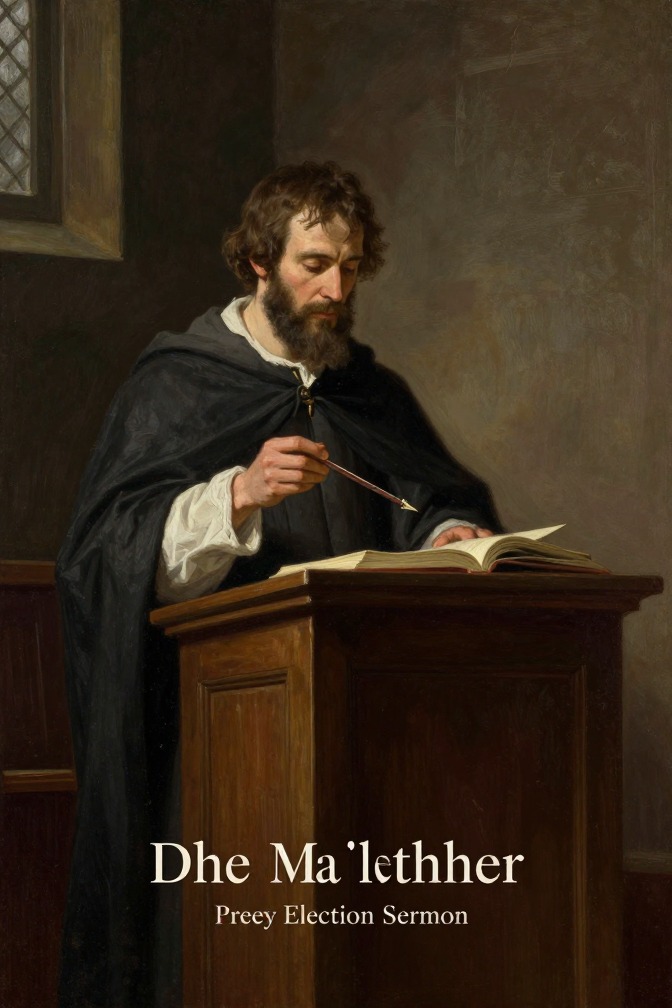
Arthur Dimmesdale delivers his Election Sermon, the culminating public performance of his ministry, on the same day he and Hester Prynne had planned to flee Boston. The sermon, heard by the entire assembled community, is received as the most inspired and holy discourse ever uttered from a New England pulpit, yet it is delivered by a man on the verge of physical and spiritual collapse, and its power is inseparable from the secret anguish it both conceals and, in its final moments, compels him to reveal.
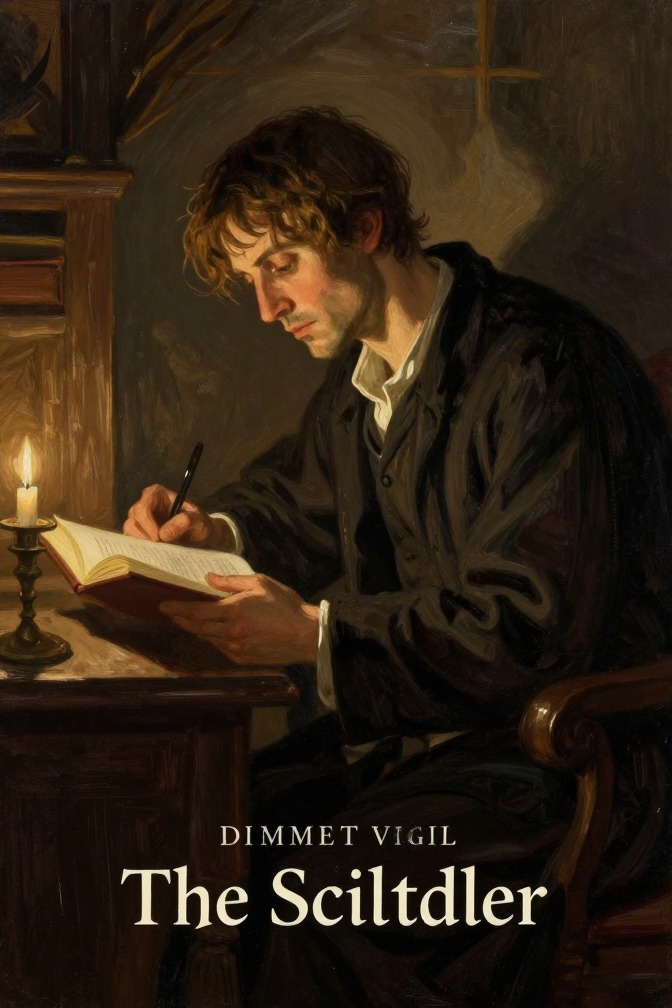
Dimmesdale's Midnight Vigil is a pivotal nocturnal event in which the Reverend Arthur Dimmesdale, driven by unbearable guilt, secretly ascends the scaffold where Hester Prynne was publicly shamed seven years earlier, experiencing a profound psychological crisis, a supernatural meteor, and a reunion with Hester and Pearl that foreshadows his eventual public confession.
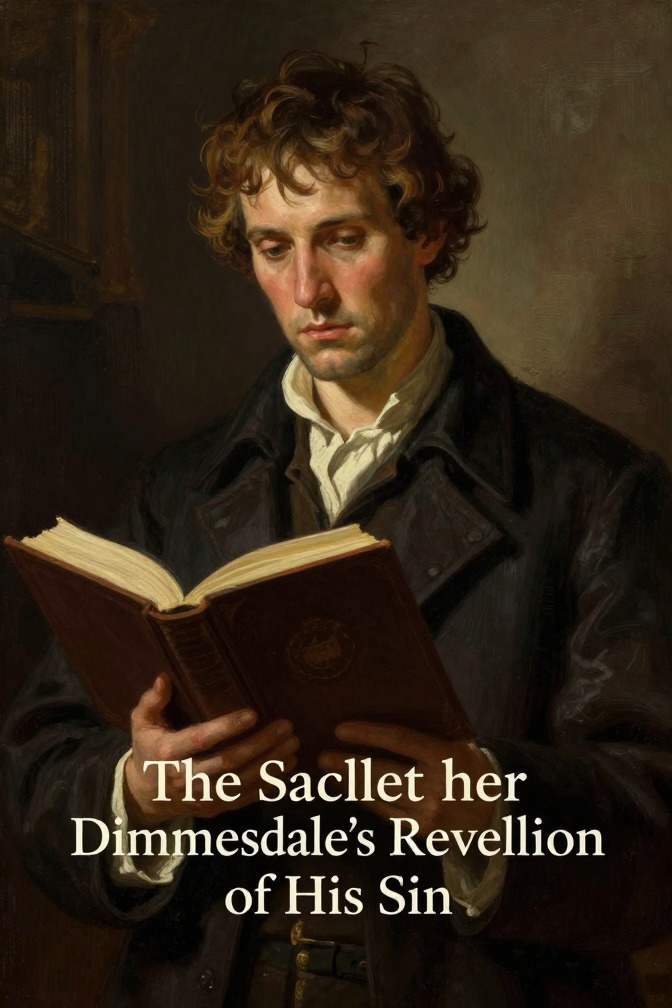
Dimmesdale's Revelation of His Sin is the climactic scene of The Scarlet Letter, in which the Reverend Arthur Dimmesdale, after delivering the Election Sermon, ascends the scaffold, reveals a scarlet letter imprinted on his own breast, confesses his guilt, and dies in Hester Prynne's arms, finally achieving truth and liberation.
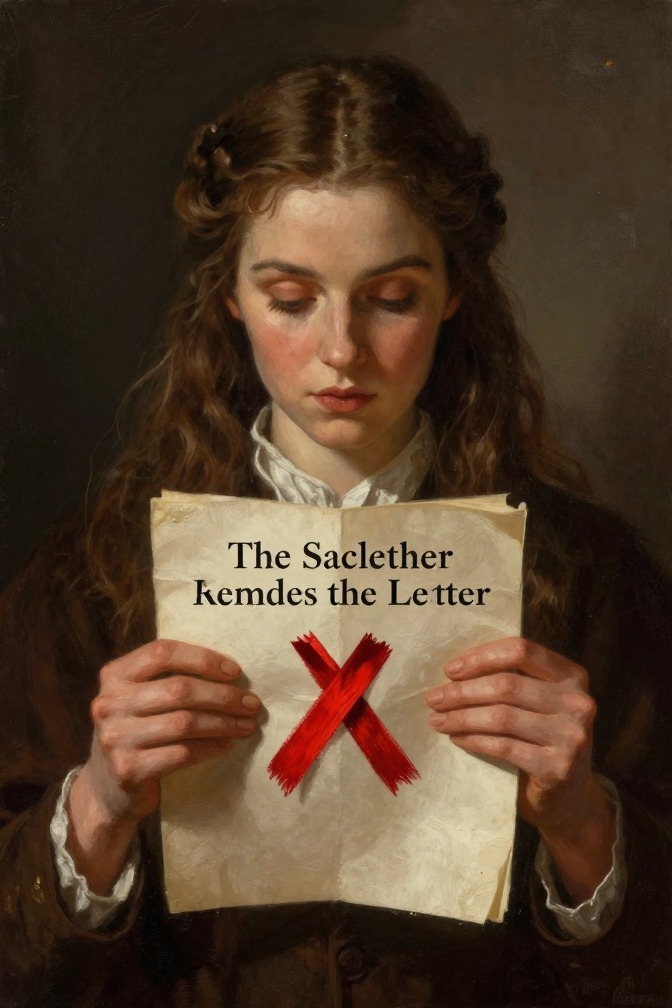
Hester Prynne removes the scarlet letter from her bosom during a forest meeting with Arthur Dimmesdale, an act that symbolizes a temporary liberation from shame and social condemnation, but which also triggers a crisis of identity and maternal authority when her daughter Pearl refuses to recognize her without the symbol.
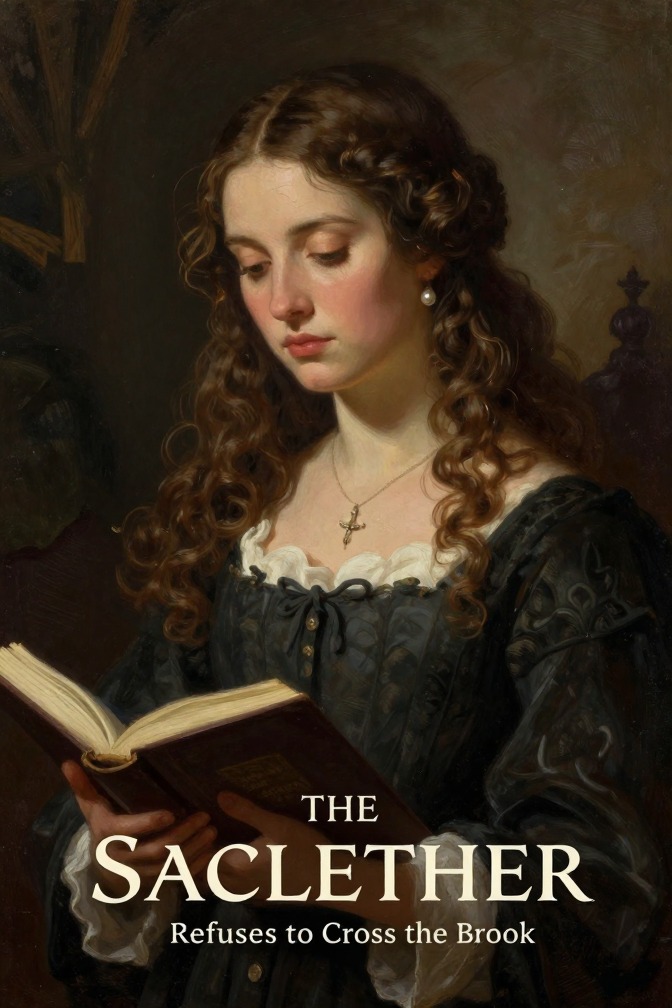
Pearl Refuses to Cross the Brook is a pivotal scene in which the child, after her mother Hester Prynne has removed the scarlet letter during a forest meeting with Arthur Dimmesdale, refuses to cross a stream to join them until Hester refastens the symbol of her shame. The episode dramatizes Pearl's role as the living embodiment of the scarlet letter, enforcing the moral law that the mother cannot discard her identity without the child's recognition.
Arthur Dimmesdale is the young, revered Puritan minister of Boston whose secret sin—his adulterous affair with Hester Prynne—drives the central conflict of Nathaniel Hawthorne's The Scarlet Letter. His anguished concealment of guilt, his physical and psychological deterioration under the hidden torment, and his ultimate public confession on the scaffold form the novel's moral and emotional core, making him a profound study of hypocrisy, conscience, and the cost of hidden truth.
John Wilson is the eldest clergyman of Boston, a great scholar and a man of kind and genial spirit, who plays a key role in the public shaming of Hester Prynne and later in the attempt to take away her child, Pearl. He is a representative of the Puritan establishment's stern but not unkind authority, and his character serves to highlight the contrast between the harsh public face of Puritanism and its more benevolent private possibilities.
Pearl is the illegitimate daughter of Hester Prynne and Arthur Dimmesdale, a wild, elfish child who serves throughout the novel as the living embodiment of the scarlet letter—at once her mother's treasure and her torture, and the agent who finally breaks the spell of secrecy by kissing her dying father on the scaffold.
The jelly-fish appears in a single, vivid moment during Pearl's seaside play, where she lays one out to melt in the warm sun, a small act that crystallizes the child's wild, experimental, and unfeeling relation to the natural world.
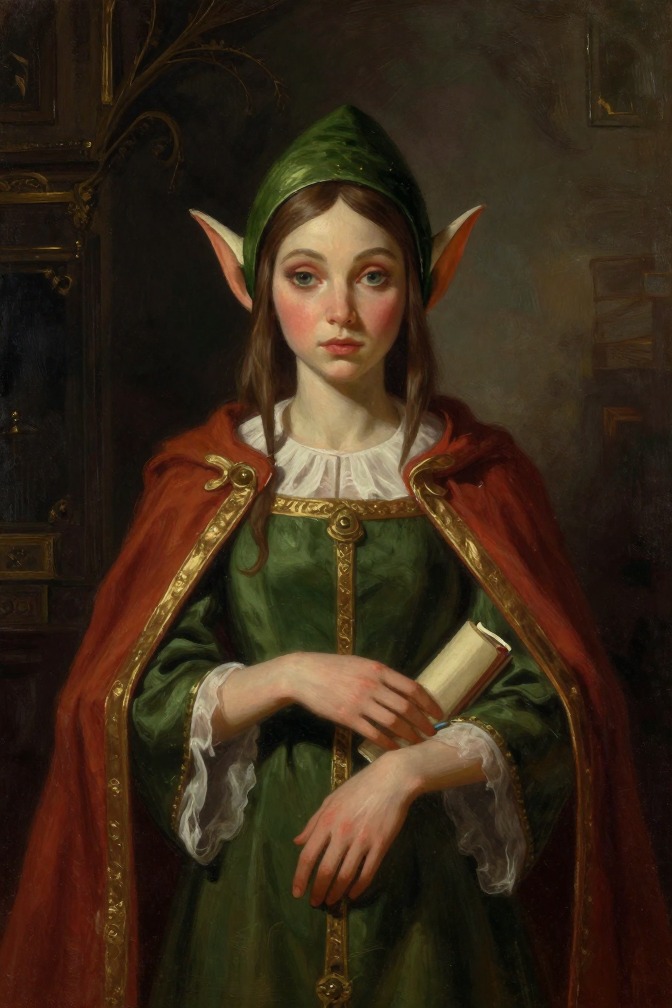
The elf-child is the recurring epithet for Pearl, Hester Prynne's daughter, who is consistently described throughout The Scarlet Letter as a preternatural, elfin being—a living embodiment of the scarlet letter and a constant, often tormenting reminder of her mother's sin. The term captures Pearl's otherworldly beauty, her capricious and often malicious behavior, her isolation from the Puritan community, and her function as a symbolic link between Hester and Arthur Dimmesdale, ultimately serving as both a punishment and a potential source of redemption.
The leech is the epithet for Roger Chillingworth, the physician who systematically torments Arthur Dimmesdale under the guise of medical care, embodying the novel's exploration of revenge, hidden sin, and moral corruption.
The Democratic Party is the political party to which the narrator of The Scarlet Letter belongs, and its electoral defeat in the 1848 presidential election leads directly to his dismissal from the Salem Custom-House, an event that paradoxically frees him to write the novel.
The Whig Party, as depicted in Nathaniel Hawthorne's "The Scarlet Letter," represents the political force that disrupts the narrator's secure tenure as Surveyor of the Salem Custom-House, embodying the partisan ruthlessness and ideological conflict that define the novel's framing narrative and its exploration of power, revenge, and institutional hypocrisy.
Hester Prynne and Arthur Dimmesdale share a secret, adulterous bond that forms the central relationship of The Scarlet Letter. Their connection, forged in passion and hidden for seven years, drives the novel's exploration of guilt, hypocrisy, and the possibility of redemption. From the scaffold where Hester alone bears public shame to the forest where they briefly reclaim their love, and finally to the deathbed confession that reunites them in truth, their relationship traces a trajectory from concealment to revelation, from isolation to a shared, if tragic, authenticity.
Pearl and Arthur Dimmesdale are father and daughter, a relationship that remains hidden until the novel's climax. Their bond is marked by instinctive recognition, mutual testing, and a final, redemptive embrace that breaks the spell of secrecy and suffering.
Harry Potter destroys Tom Riddle's diary by stabbing it with a basilisk fang in the Chamber of Secrets, an act that annihilates the memory of the sixteen-year-old Voldemort, ends Ginny Weasley's possession, and proves decisive in defeating the Heir of Slytherin.
Freeing Dobby is the climactic act of Harry Potter and the Chamber of Secrets, in which Harry tricks Lucius Malfoy into giving his house-elf a sock, thereby liberating Dobby from lifelong servitude. This action, born from Harry's gratitude and quick thinking, not only secures Dobby's freedom but also exposes Lucius Malfoy's role in the Chamber of Secrets plot and delivers a final, personal victory over the Malfoy family.