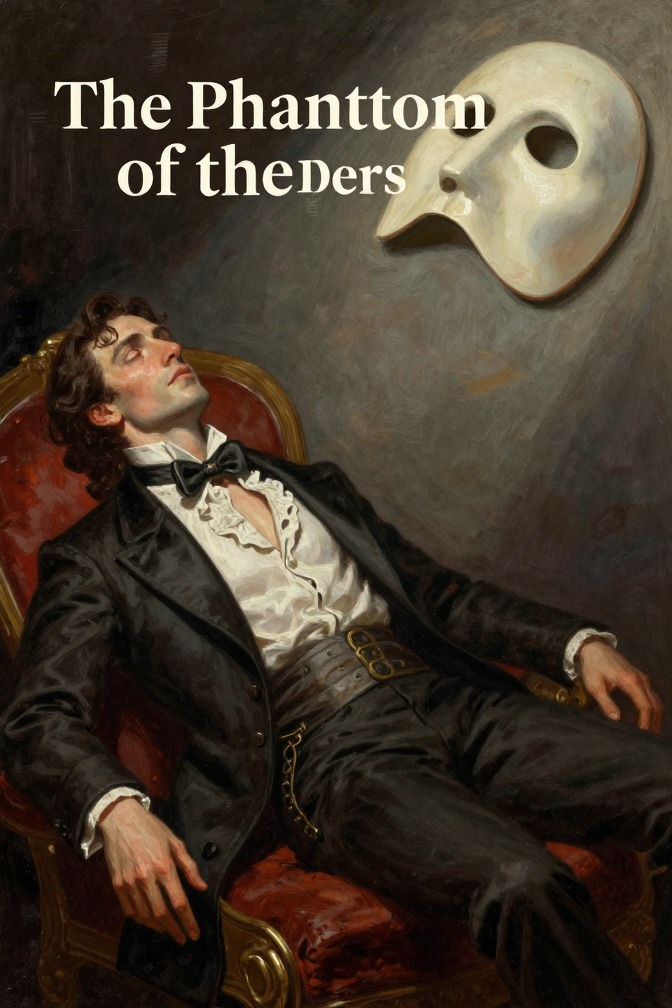
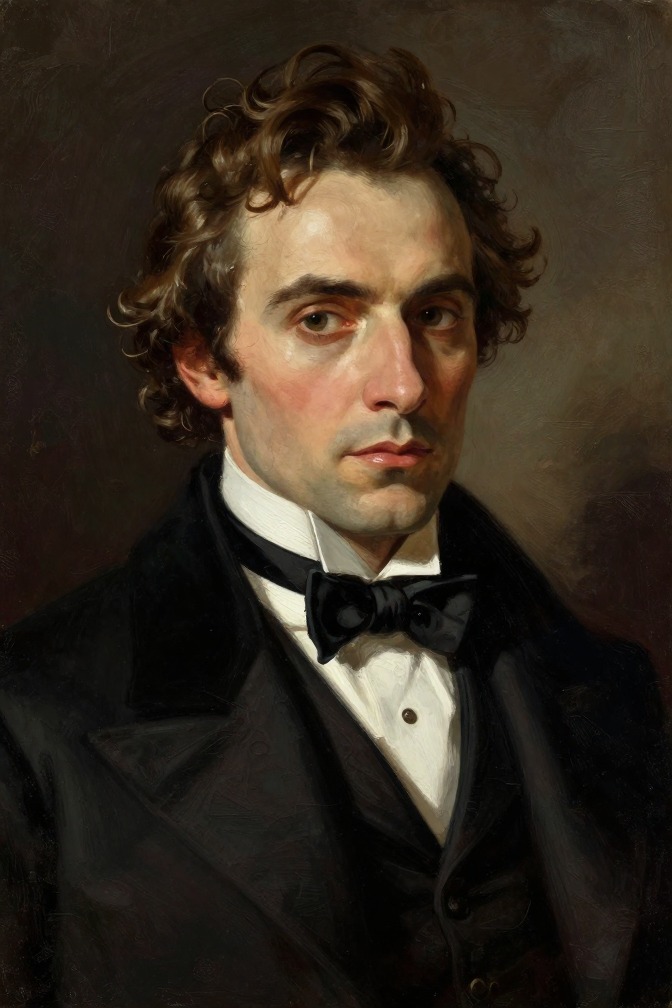
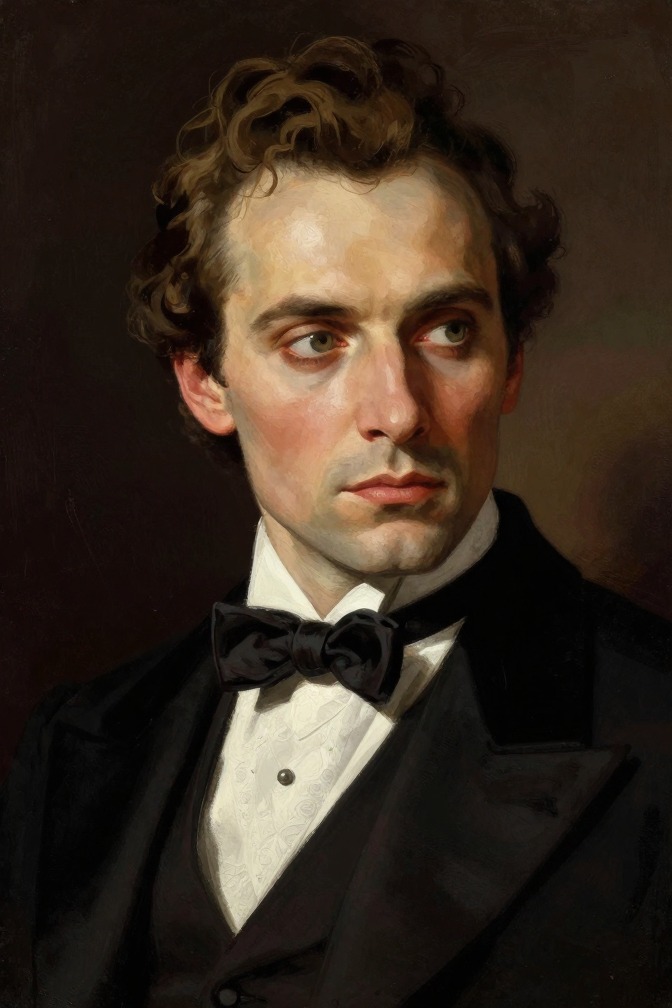
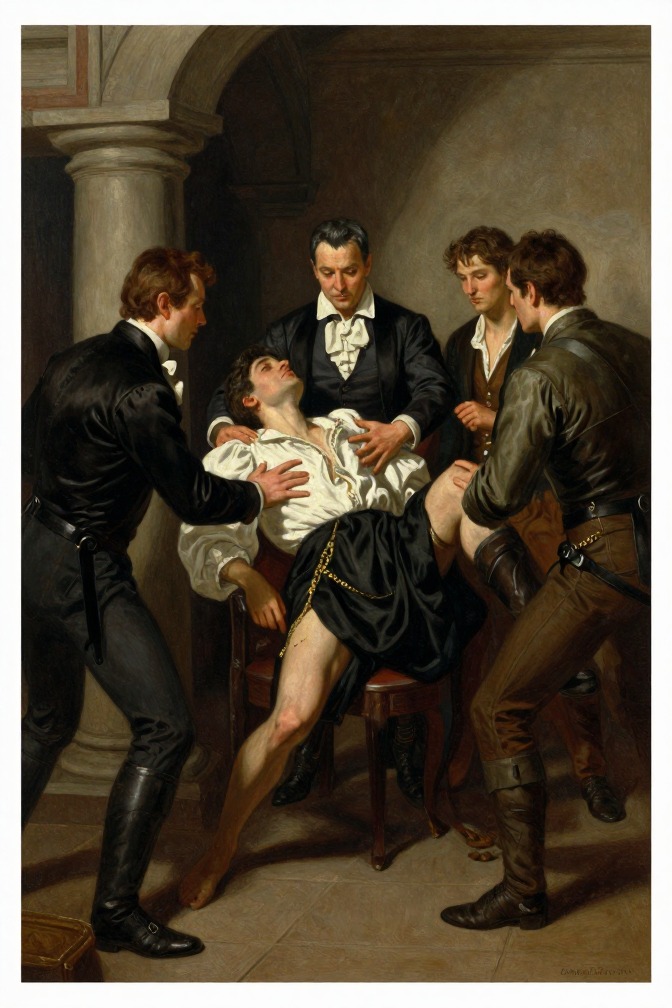
Joseph Buquet's death is the pivotal early event in Gaston Leroux's The Phantom of the Opera, a mysterious hanging that transforms the Opera ghost from a rumor into a lethal presence and sets the tragic machinery of the novel in motion.
Mercier is the acting-manager of the Paris Opera House in Gaston Leroux's The Phantom of the Opera, a practical and increasingly exasperated administrator who serves as a conduit between the mysterious events plaguing the theater and the bewildered joint managers, Firmin Richard and Armand Moncharmin. He is notable for his attempts to maintain order and communication during crises, from the discovery of Joseph Buquet's body to the disappearance of Christine Daae, and for his role in the managers' ill-fated scheme to trap the Opera Ghost.
Sorelli is a principal dancer at the Paris Opera House whose dressing-room becomes the focal point for the ballet girls' terror on the night of the managers' farewell gala, and whose romantic connection to Count Philippe de Chagny places her at the periphery of the novel's central tragedy.
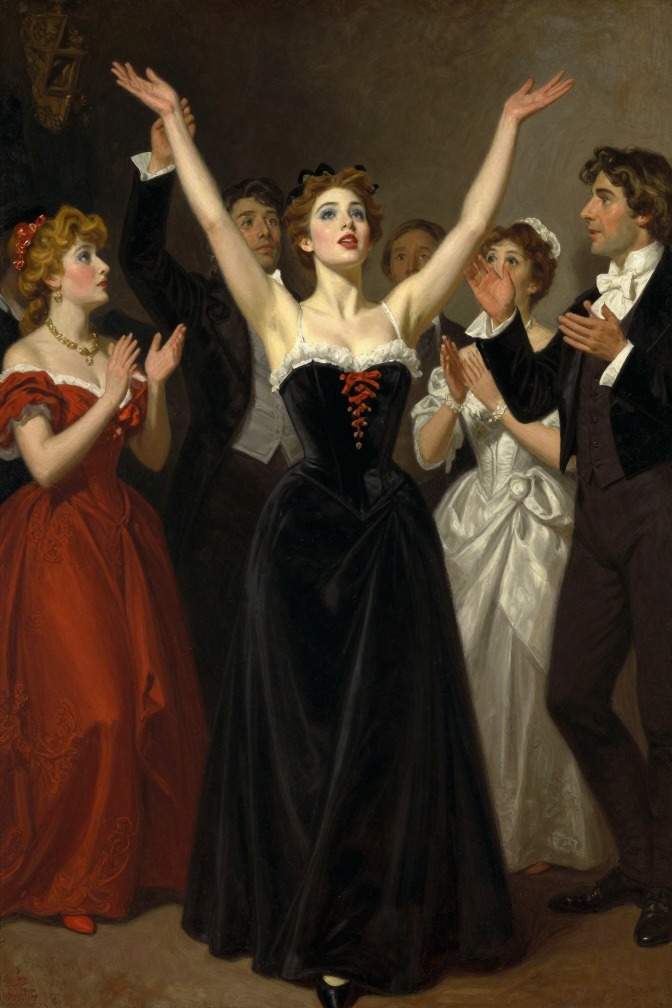
Christine Daae's triumph at the retirement gala is the pivotal event in Gaston Leroux's The Phantom of the Opera, the night when the unknown understudy reveals her hidden genius and sings the role of Margarita in Faust, astonishing the audience and setting the entire tragedy in motion. It is the moment that exposes her secret connection to the Angel of Music, ignites Raoul de Chagny's love, and provokes the jealousy of Carlotta and the Opera Ghost, leading directly to the chandelier's fall and the novel's central conflicts.
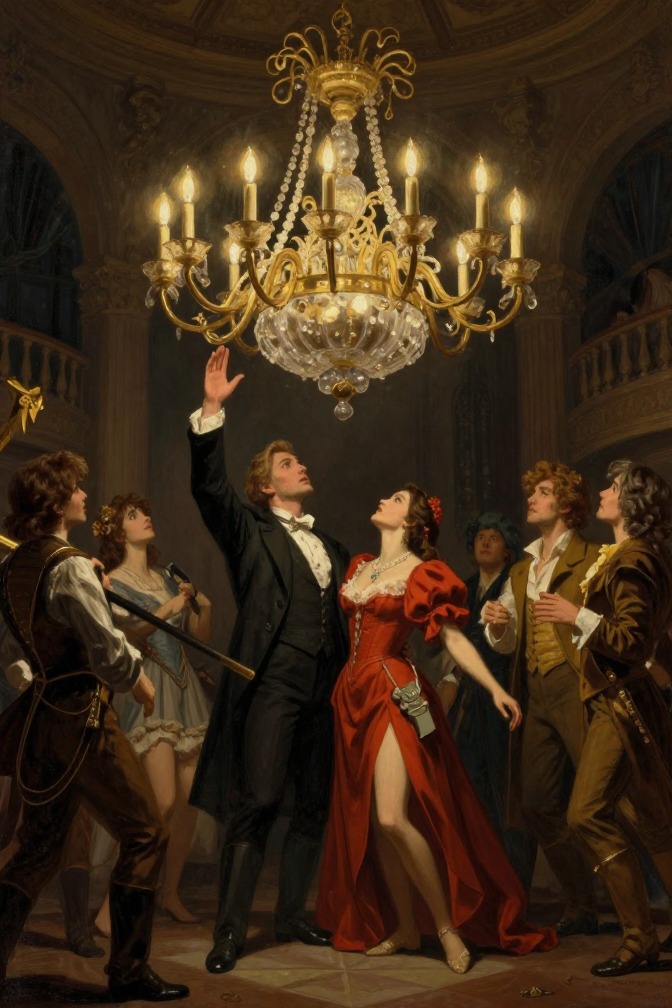
The fall of the chandelier at the Paris Opera House is the catastrophic climax of the ghost's campaign against the new managers, Firmin Richard and Armand Moncharmin. Occurring during a performance of Faust, the crash kills the concierge who had replaced Mme. Giry as keeper of Box Five, injures many, and marks the first public manifestation of the Opera Ghost's power, transforming him from a legend into a deadly reality.
The torture-chamber ordeal is the central crisis of the novel, in which the Persian and Raoul de Chagny, trapped inside Erik's six-sided room of mirrors, endure a sequence of hallucinatory landscapes—an equatorial forest, a starlit desert, and a mirage of water—designed to drive them mad, until they discover a hidden trapdoor leading to a cellar filled with gunpowder barrels, revealing Erik's plan to destroy the entire Opera if Christine refuses to marry him.
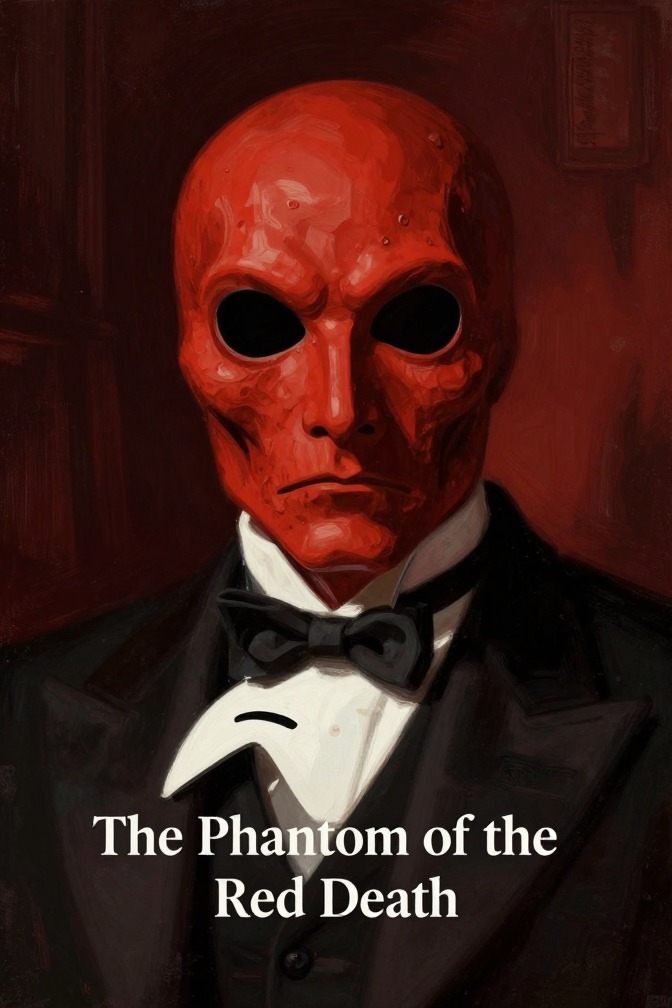
Red Death is the macabre masquerade costume worn by Erik at the Opera's masked ball, a disguise that both conceals his identity and reveals his monstrous nature, linking him to the death's head of Perros and the terror of the unseen.
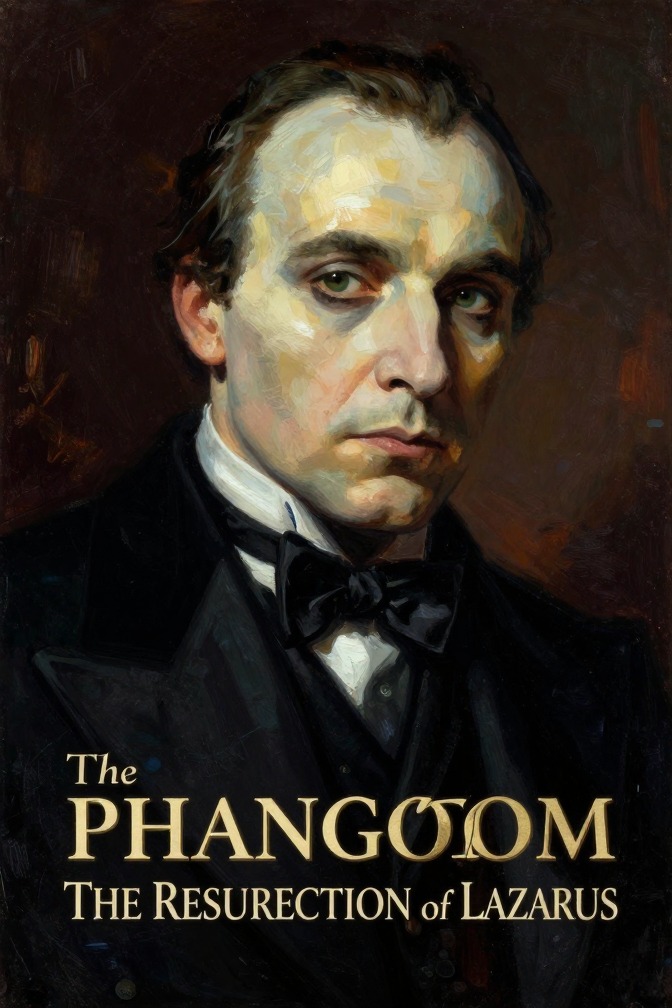
The Resurrection of Lazarus is a musical piece that recurs throughout The Phantom of the Opera as a sacred, supernatural link between Christine Daae, her dead father, and the mysterious Angel of Music. It first appears as a childhood memory of Daddy Daae's playing, then becomes the phantom Erik's chosen medium for proving his identity as the promised Angel, and finally serves as the auditory bridge that lures Christine into the underground world. The piece functions as a ritual invocation of the dead, a test of faith, and the sonic signature of Erik's claim over Christine's soul.
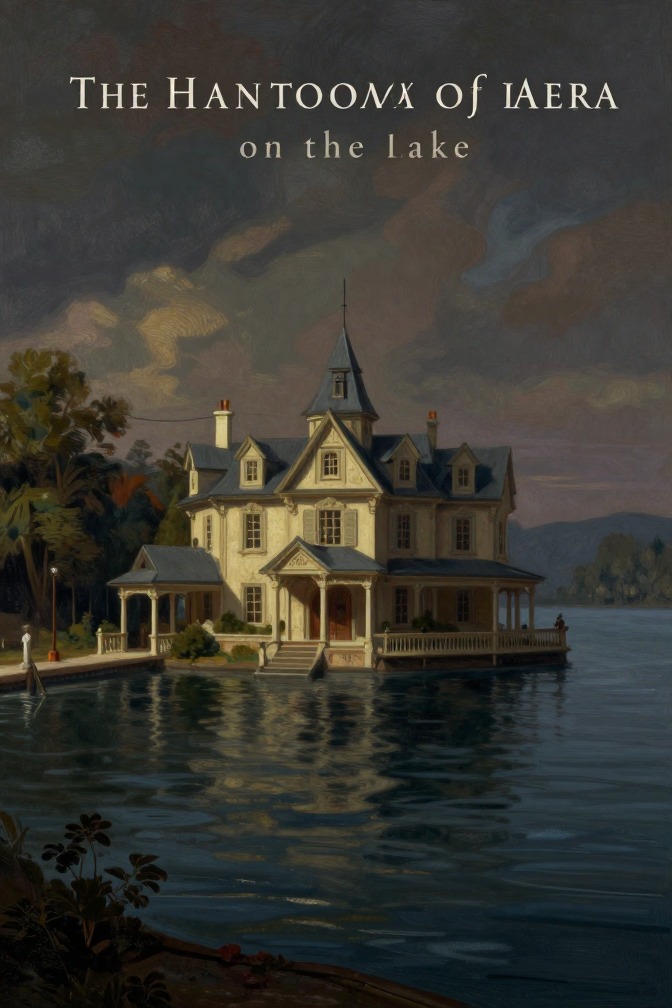
The House on the Lake is Erik's hidden dwelling, built within the double foundation walls of the Paris Opera House, five stories below ground. It is the private kingdom where the Opera Ghost imprisons Christine Daae, where he reveals his true identity and his love, and where the novel's central crisis—the torture-chamber ordeal and the choice between the scorpion and the grasshopper—unfolds. This underground home is the physical and symbolic heart of Erik's tragedy: a lavishly furnished but suffocating sanctuary that embodies his isolation, his genius, and his desperate longing to be loved for himself.
The Setting Sun is the inn at Perros-Guirec where Christine Daae stays on the anniversary of her father's death and where Raoul de Chagny finds her, setting the stage for their reunion and the revelation of the Angel of Music.
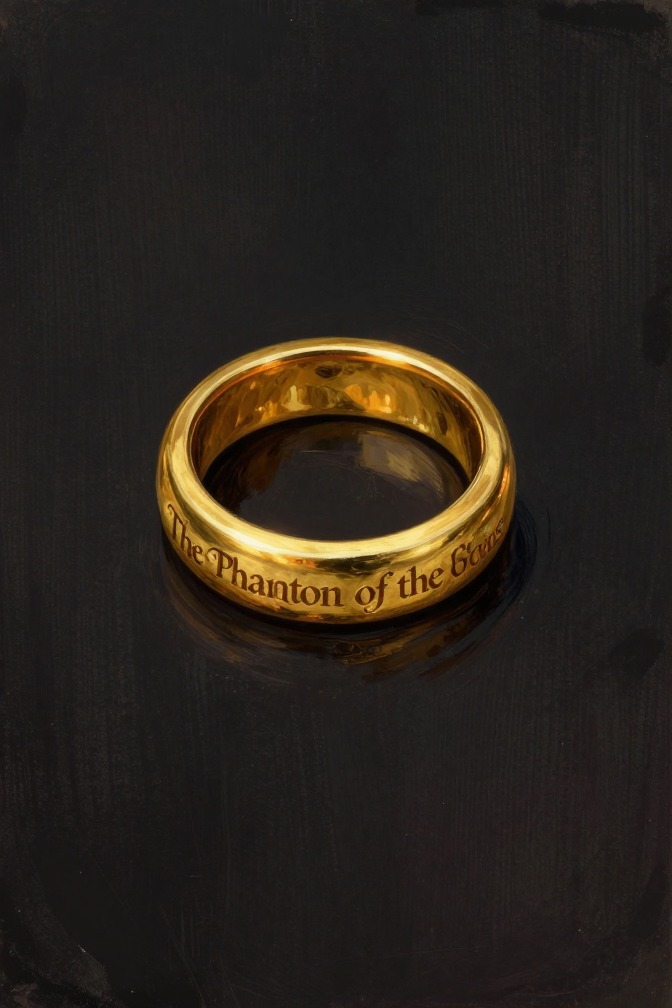
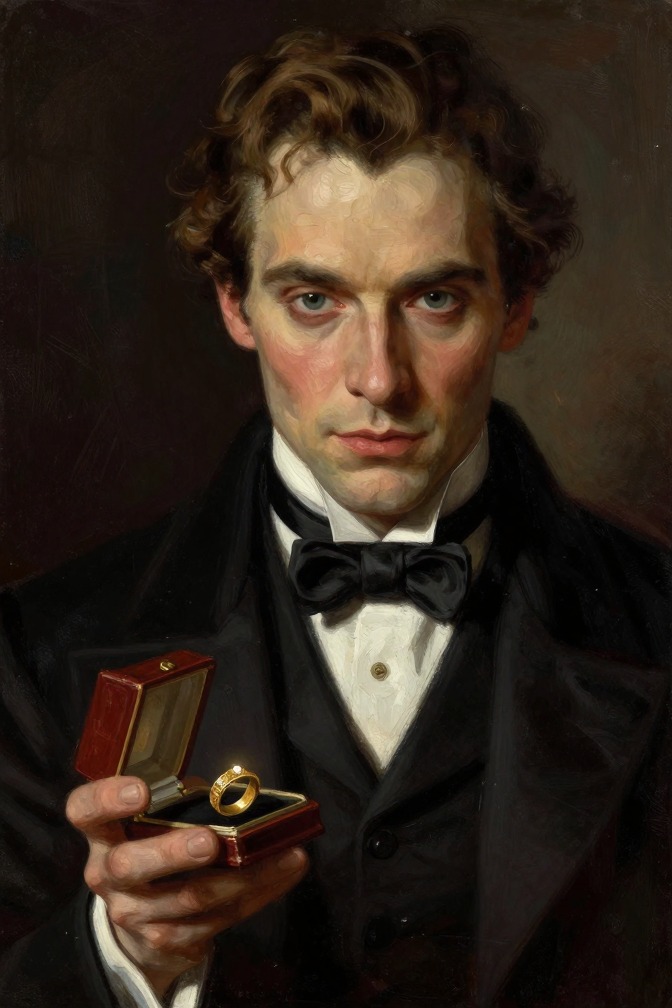
The Gold Ring is a plain gold band that Erik gives to Christine Daae as a token of his conditional liberation, a promise of protection, and ultimately a wedding gift that seals his renunciation. It functions as a recurring symbol of Erik's tragic love, Christine's perilous bond to him, and the final, bittersweet resolution of the ghost's love story, appearing at key moments of crisis and, finally, on Erik's skeleton after his death.
Erik's gold ring condition is a pivotal rule in Gaston Leroux's The Phantom of the Opera, whereby Erik grants Christine Daae her liberty on the condition that she always wears a plain gold ring he gives her. The ring serves as a protective talisman and a symbol of Erik's possessive love, but its loss triggers a cascade of fear and foreboding, ultimately leading to the novel's climax. This condition encapsulates the central tension between freedom and captivity, love and control, and underscores the tragic nature of Erik's character.
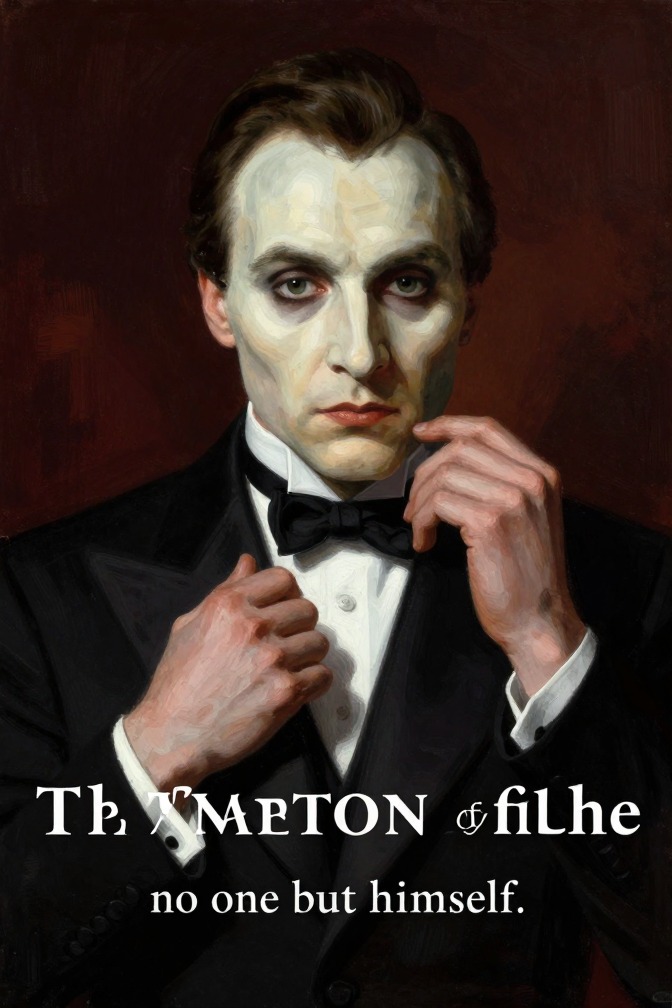
Erik's secrets concern no one but himself is a rule articulated by the Persian, warning Raoul de Chagny that Erik's secrets are not to be betrayed, as they are intertwined with Christine Daae's fate. This rule underscores the novel's central mystery and the danger of probing Erik's hidden world.
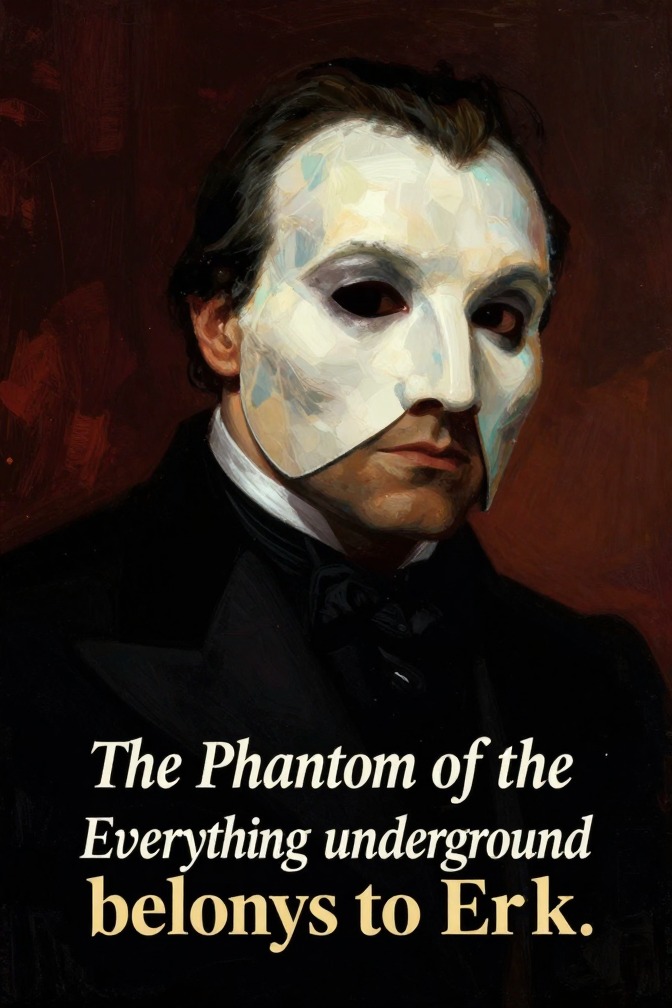
Everything underground belongs to Erik is the rule that defines the Phantom's absolute dominion over the subterranean realm beneath the Paris Opera House, a principle Christine Daae reveals to Raoul de Chagny and which governs the novel's central conflicts and the characters' movements through the cellars.
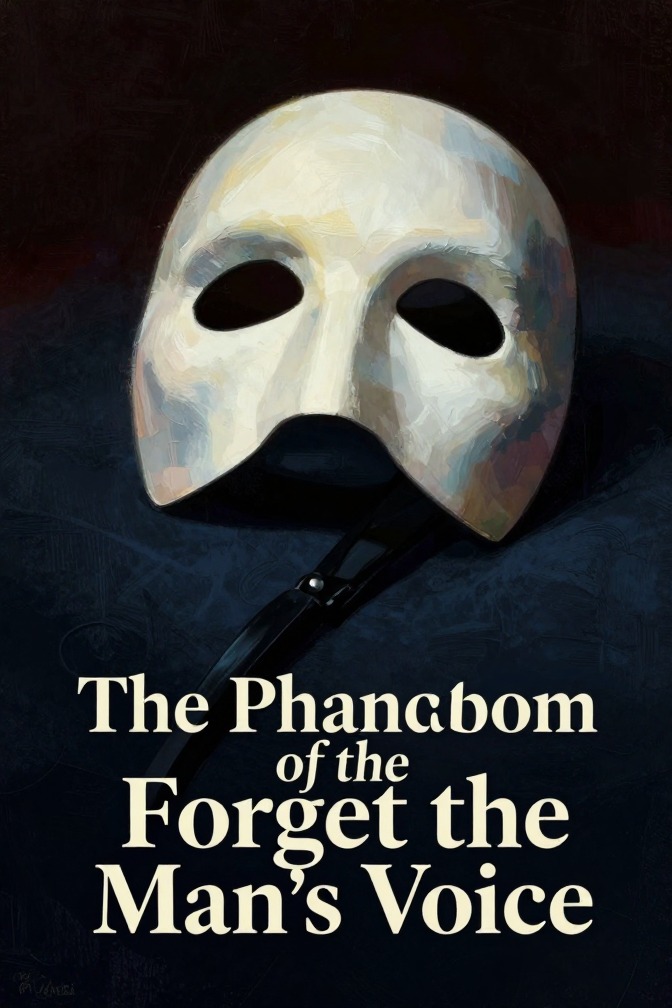
Forget the Man's Voice is the rule Christine Daae imposes on Raoul de Chagny after he overhears Erik's voice in her dressing-room, demanding that he never try to fathom the mystery of the voice or even remember its name. It is a protective taboo that reveals the depth of Erik's power and Christine's fear, and it shapes Raoul's subsequent actions and the novel's central conflict.
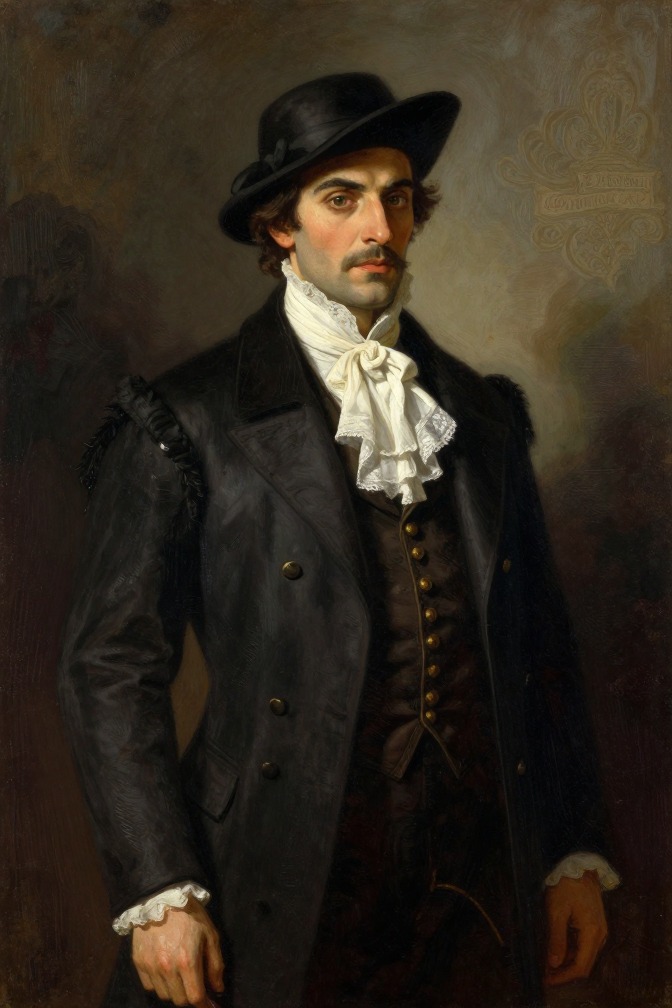
Daroga is the Persian title for a chief of police, held by the mysterious Persian who saved Erik's life in Mazenderan and later became his guardian and chronicler in Paris. His narrative forms the core of the novel's revelation of Erik's secrets, and his actions directly shape the rescue of Raoul and Christine.
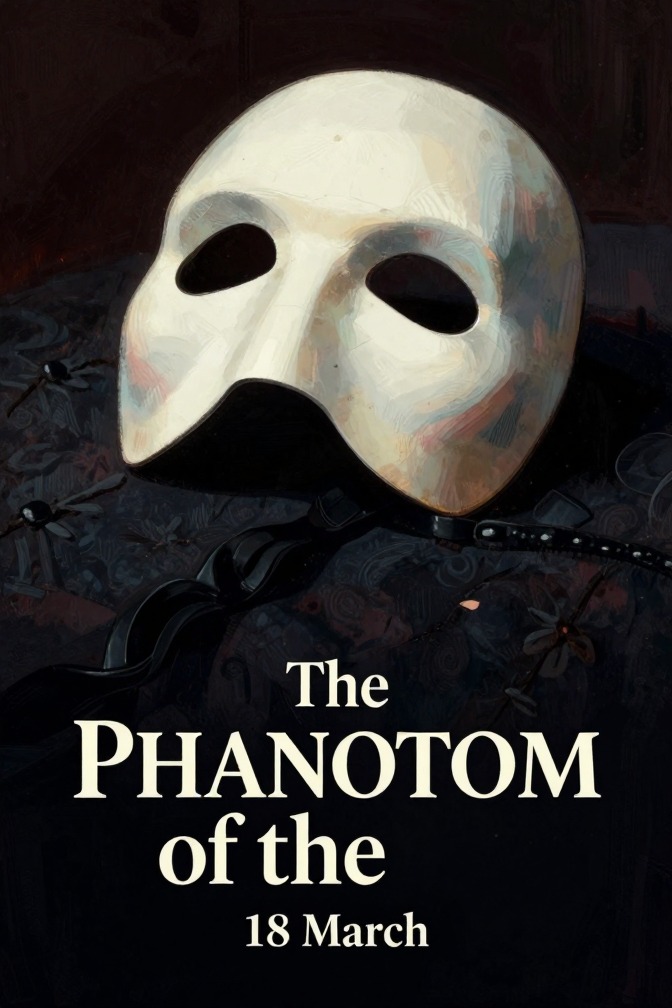
18 March is the date on which the Paris Commune seized control of the capital in 1871, an event that directly shaped the hidden geography of the Paris Opera House and, through it, the entire plot of Gaston Leroux's The Phantom of the Opera. The revolutionary occupation of the Opera during the Commune left behind the secret passage and dungeons that Erik later claimed as his own, making this historical date the unseen foundation of the novel's underground world.
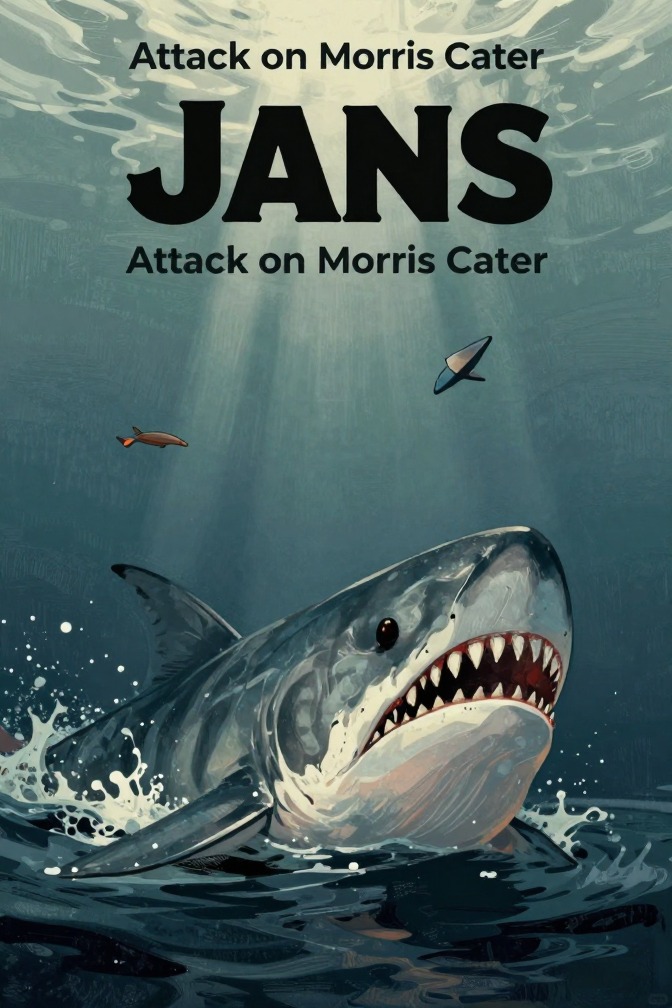
The Attack on Morris Cater is the third and most publicized shark fatality in Amity, occurring on June 20, just hours after the death of six-year-old Alexander Kintner. The attack, witnessed by at least fifteen people and police officer Len Hendricks, shattered any remaining hope that the great white shark had left the area and forced the reluctant closure of the beaches, marking a decisive turning point in the town's crisis.
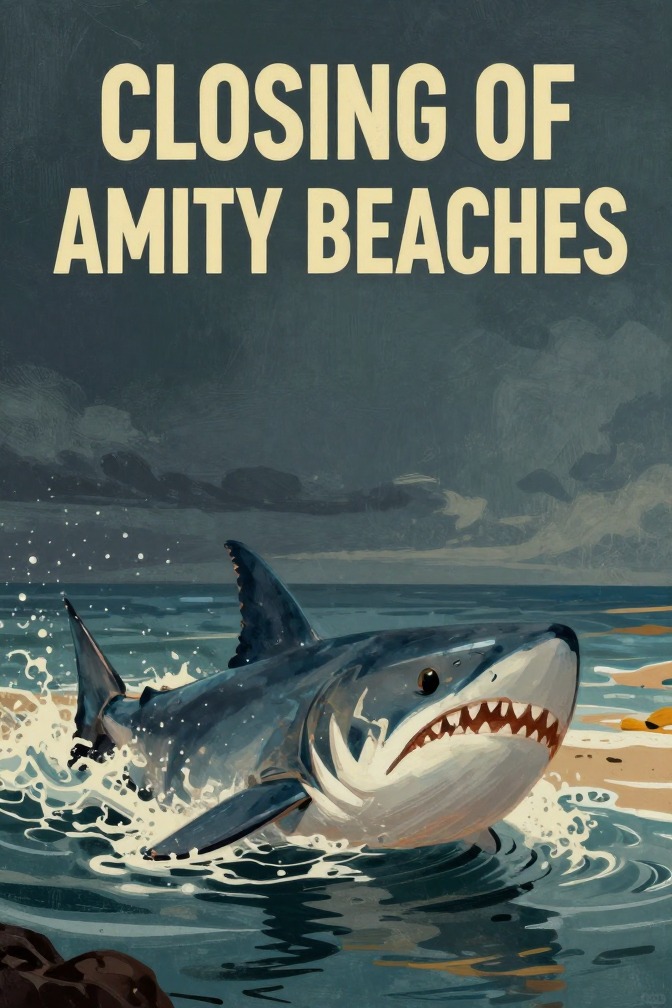
The closing of Amity's beaches was a contested and tragic action, initiated by Police Chief Martin Brody after a series of fatal shark attacks, but repeatedly undermined by political and economic pressures that prioritized the town's summer tourism over public safety.
The disappearance of Ben Gardner marks a critical turning point in the novel, as the experienced local fisherman is killed by the great white shark while attempting to chum for it alone, escalating the crisis and forcing Chief Brody to seek outside help from the enigmatic shark hunter Quint.
The first encounter with the great white shark aboard the Orca marks the beginning of the climactic hunt, revealing the shark's immense size, its unnerving intelligence, and the deep personal conflicts among the three men—Brody, Hooper, and Quint—that will define the final confrontation.
Albert Morris is the owner of Amity Hardware, a year-round resident and small-business owner whose economic fortunes are tied to the summer tourist season. He is an early and vocal supporter of Chief Martin Brody's decision to close the beaches after the shark attacks, representing the segment of the local community that prioritizes public safety over the short-term financial pressures exerted by real-estate interests and the selectmen.
Bob Middleton is a television news reporter for WNBC-TV News who arrives in Amity to cover the shark crisis, and his on-the-spot reporting during the Fourth of July weekend beach opening captures the near-fatal attack on a teenage swimmer, forcing Chief Brody to close the beaches again and publicly acknowledge the town's dire situation.
Carl Santos is the coroner of Amity, Long Island, whose official determination of shark attack in the deaths of Christine Watkins, Alexander Kintner, and Morris Cater provides the medical-legal foundation for the town's escalating crisis. His professional authority and his willingness to speak—or remain silent—directly shape the public narrative and the political pressures that Chief Martin Brody must navigate.
Eleanor Vaughan is the reclusive, devoted wife of Amity mayor Larry Vaughan, a woman whose quiet life of needlepoint and television stands in stark contrast to her husband's public ambition and secret financial ruin, and whose few appearances in the novel reveal a gentle, trusting nature that makes her the unwitting victim of his catastrophic dealings with the Mafia.
Harry Meadows is the editor and part-owner of the Amity Leader, the town's newspaper, and a close friend and ally of Police Chief Martin Brody. A massive, chain-smoking, hard-drinking man with a keen journalistic instinct, Meadows serves as a crucial intermediary between Brody, the town's political and economic powers, and the public. His role is defined by the tension between his professional duty to report the news and his participation in the 'Amity understanding'—a tacit agreement among the town's leaders to suppress information that could harm the summer tourist economy. Over the course of the novel, Meadows evolves from a collaborator in the cover-up of the first shark attack to a vocal defender of Brody's integrity, ultimately using his newspaper to expose the corruption of Mayor Larry Vaughan and to publicly exonerate Brody.
Martin Brody is the police chief of Amity, a Long Island summer community, whose life and career are shattered when a great white shark begins killing swimmers off the town's beaches. A decent but conflicted man caught between his duty to protect the public and the economic pressures of a town dependent on summer tourism, Brody is forced to confront his own guilt, his faltering marriage, and his deepest fears as he joins a desperate hunt to destroy the shark.
Quint is the enigmatic, monomaniacal charter boat captain hired to hunt the great white shark terrorizing Amity. A hardened, solitary professional who demands cash in advance and lives by his own code, Quint embodies a primal, almost mythic masculinity. His obsessive pursuit of the shark, which he refuses to treat as a mere job, drives the novel's final, fatal confrontation at sea, where his refusal to yield leads to his own death.
Sally Gardner is the wife of Ben Gardner, a local fisherman who disappears and is presumed killed by the great white shark while attempting to catch it. Her grief and anger toward Chief Brody, whom she blames for sending her husband to his death, make her a poignant symbol of the human cost of the shark's rampage and the town's failed decisions.
Tom Cassidy is the young man whose date, Christine Watkins, becomes the great white shark's first victim in Peter Benchley's Jaws. His panicked report to the police after discovering her clothes on the beach sets the entire crisis in motion, and his horrified identification of her mutilated remains provides the first concrete confirmation of a shark attack.