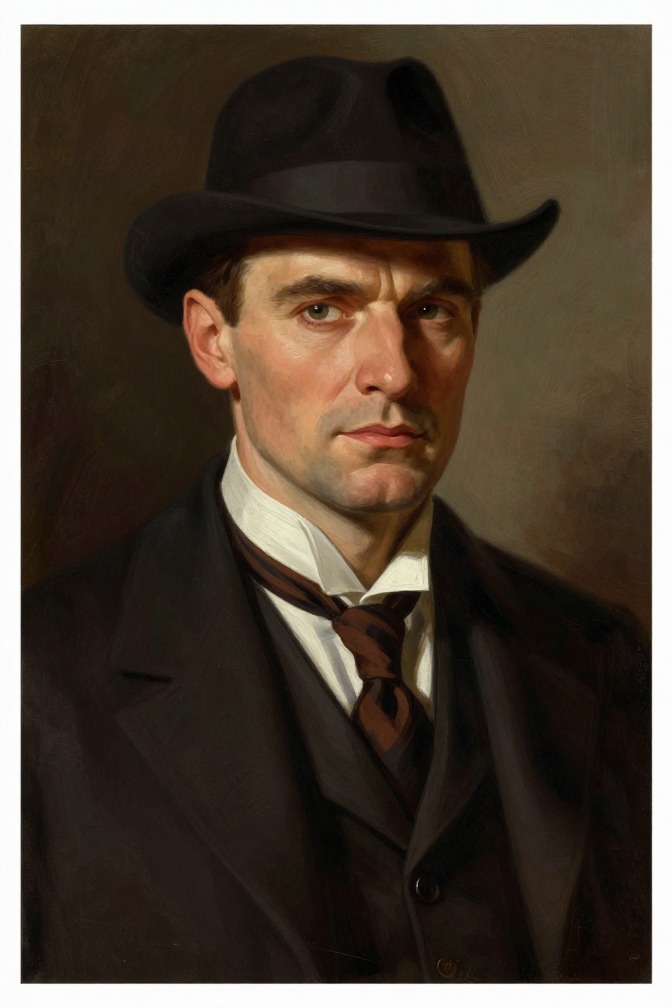
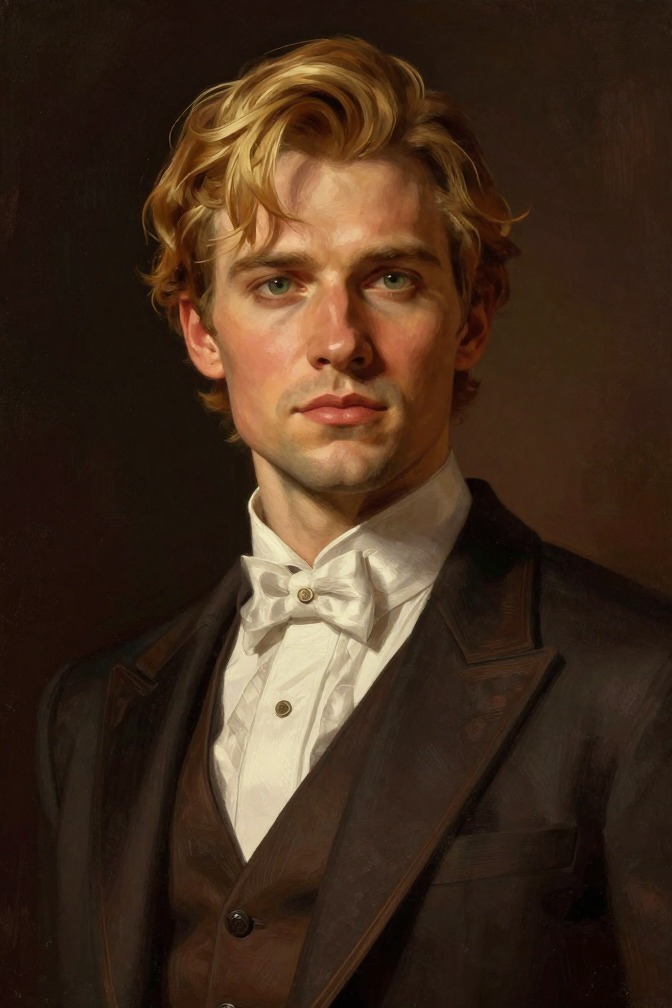
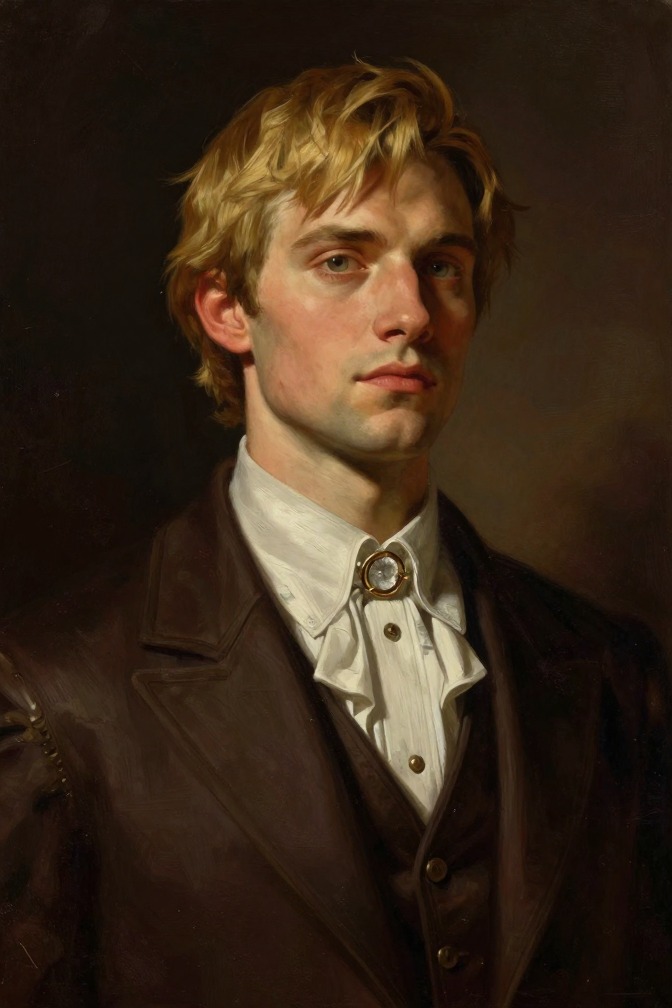
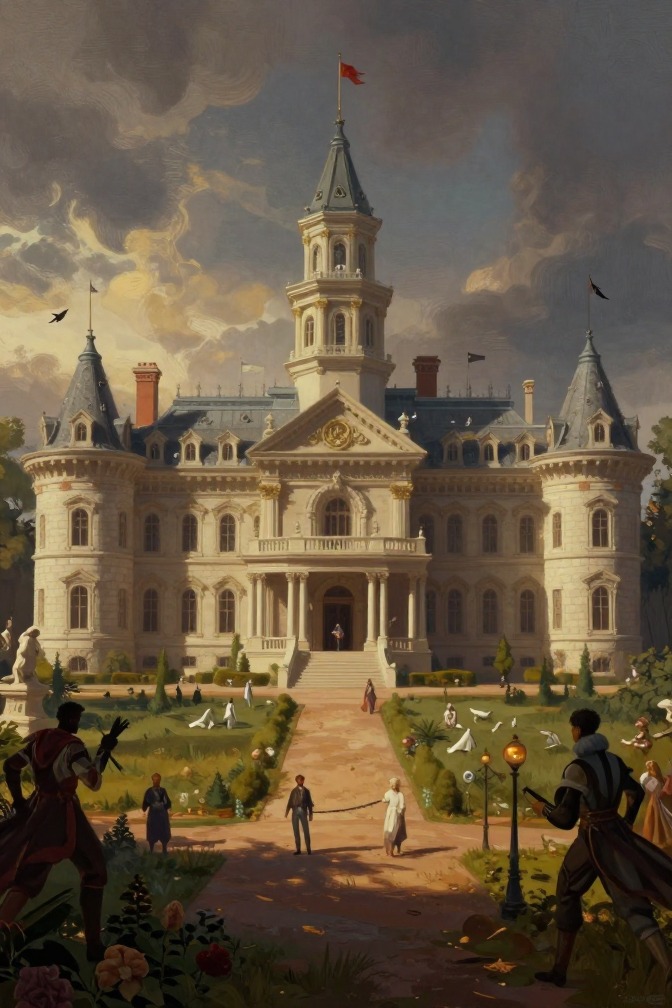
The Portrait Discovery is the pivotal scene in Sheridan Le Fanu's Carmilla in which a long-obscured family portrait, newly restored and unpacked at the schloss, is revealed to be the exact living image of the guest Carmilla, and the inscription identifies the subject as Mircalla, Countess Karnstein, dated 1698. This moment transforms the supernatural from private dread into visible, historical fact, linking Carmilla to the extinct Karnstein line and foreshadowing the vampire revelations to come.
Laura's father is the English-born, retired Austrian officer who owns the schloss in Styria, whose hospitality and trusting nature inadvertently enable Carmilla's predatory access to his daughter.
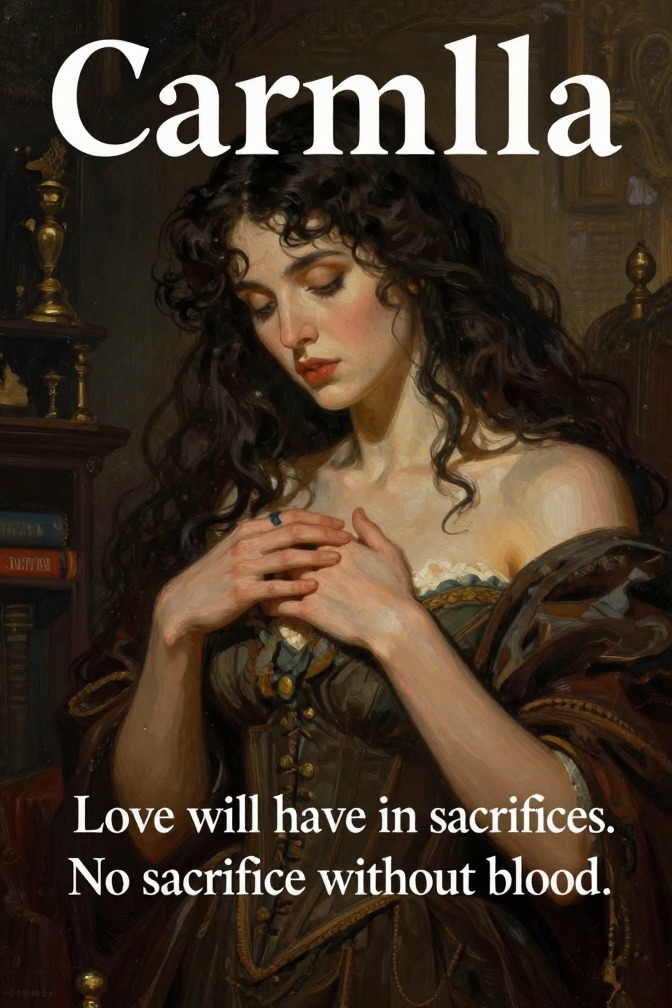
In Carmilla, the vampire Carmilla articulates a chilling philosophy of love and sacrifice, declaring that love demands blood and that her victims must die into her, a doctrine that frames her predation as a form of erotic union.
Karnstein is the ruined castle and extinct noble family at the heart of the vampire legend in Sheridan Le Fanu's Carmilla. The desolate chateau and its roofless village, located three miles from Laura's schloss, are the ancestral seat of the Karnstein family, whose last known member is the vampire Mircalla, Countess Karnstein. The site serves as the story's dark origin point: the place where the vampire's tomb is finally discovered, her body exhumed and destroyed, and the centuries-old plague ended.
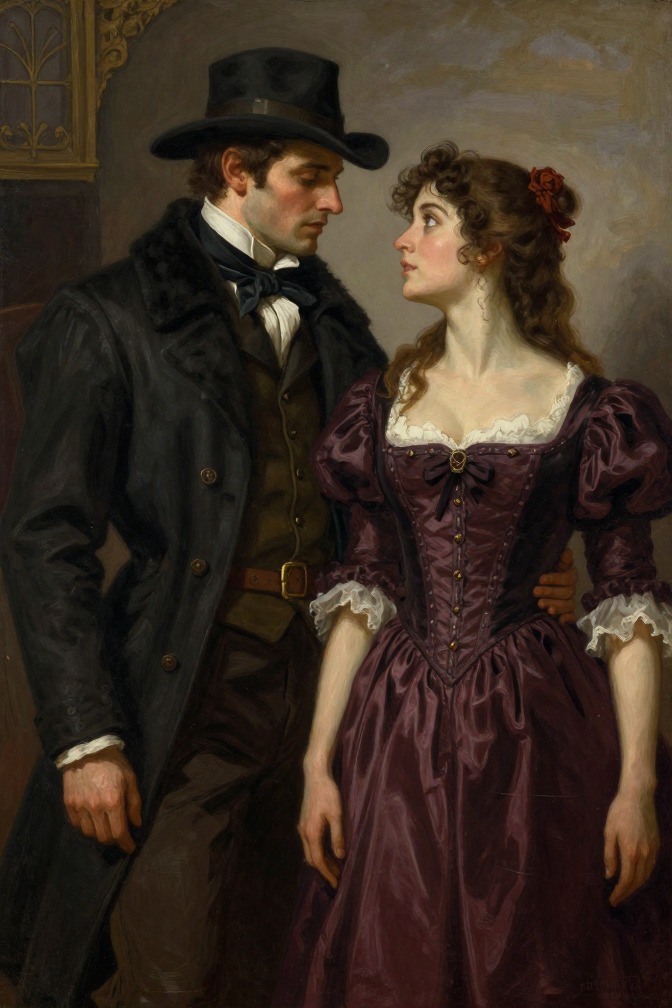
General Spielsdorf and Carmilla are locked in a hunter-prey relationship that drives the novel's climactic confrontation: the General, having lost his ward Bertha Rheinfeldt to a vampire, dedicates himself to tracking and destroying the creature, whom he recognizes as the same being who has insinuated herself into Laura's home under the name Carmilla.
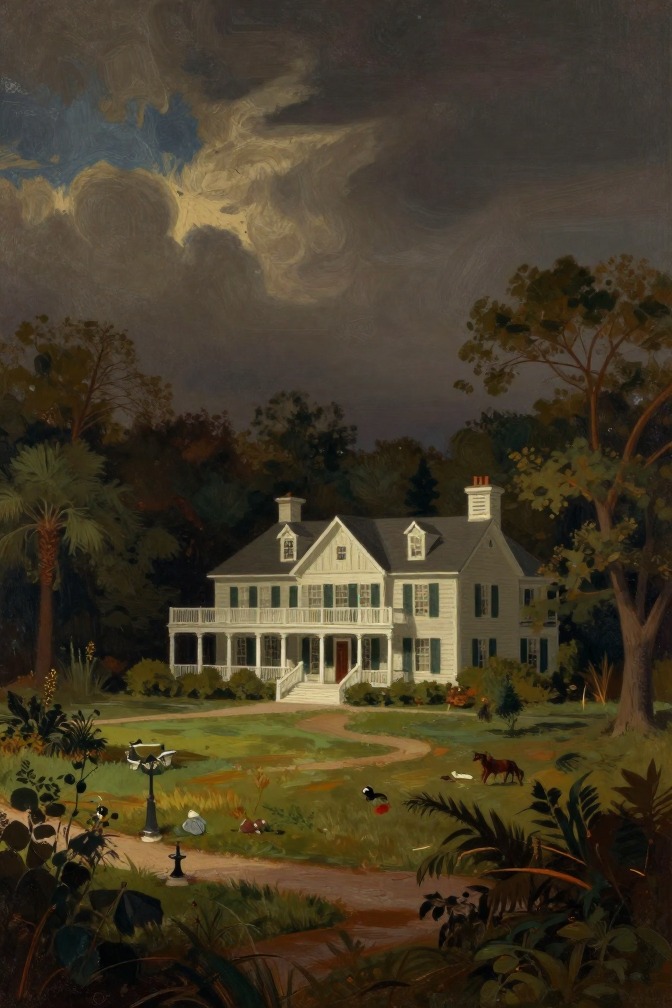
The Farmhouse on Animal Farm is the central domestic building of the farm, originally the home of the human owner Mr. Jones. After the Rebellion, it is preserved as a museum and no animal is permitted to live there, but this resolution is soon broken when the pigs, led by Napoleon, move in and take over the house for their own exclusive use. The Farmhouse becomes the physical symbol of the pigs' growing privilege, their adoption of human habits, and the final erasure of the line between animal and human rule.
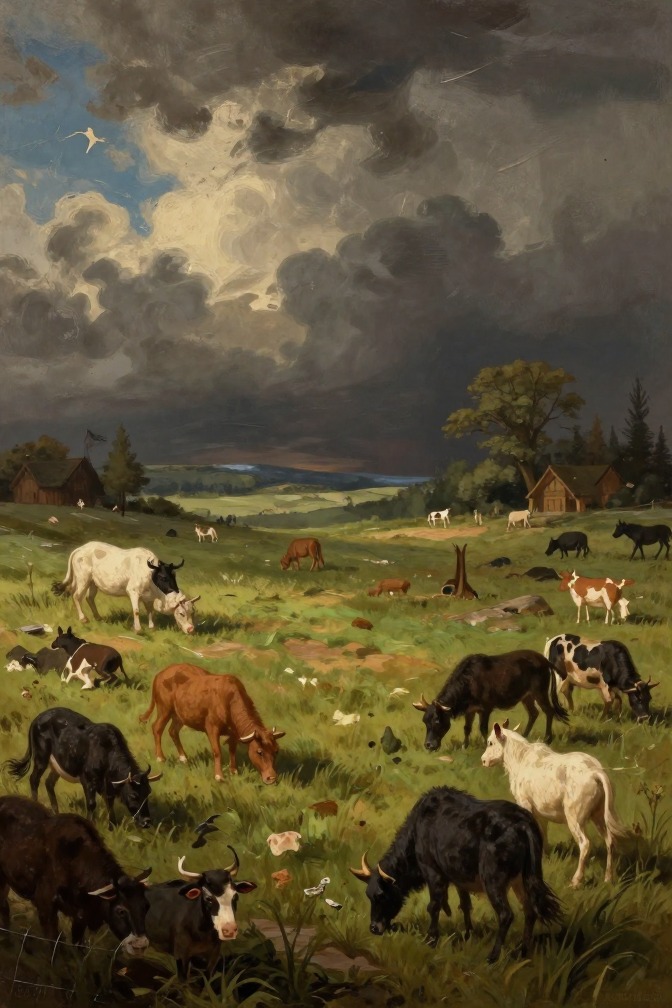
The Long Pasture is the largest and most prominent grazing field on Animal Farm, serving as the site of the windmill project, the climactic Battle of the Windmill, and a recurring symbol of the animals' labor, hope, and ultimate disillusionment.
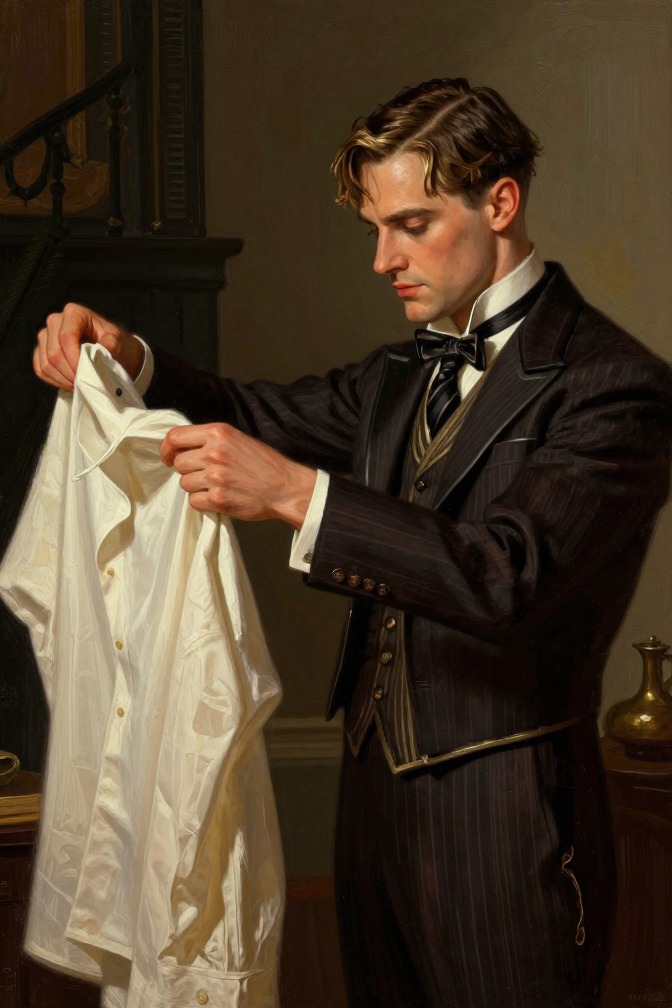
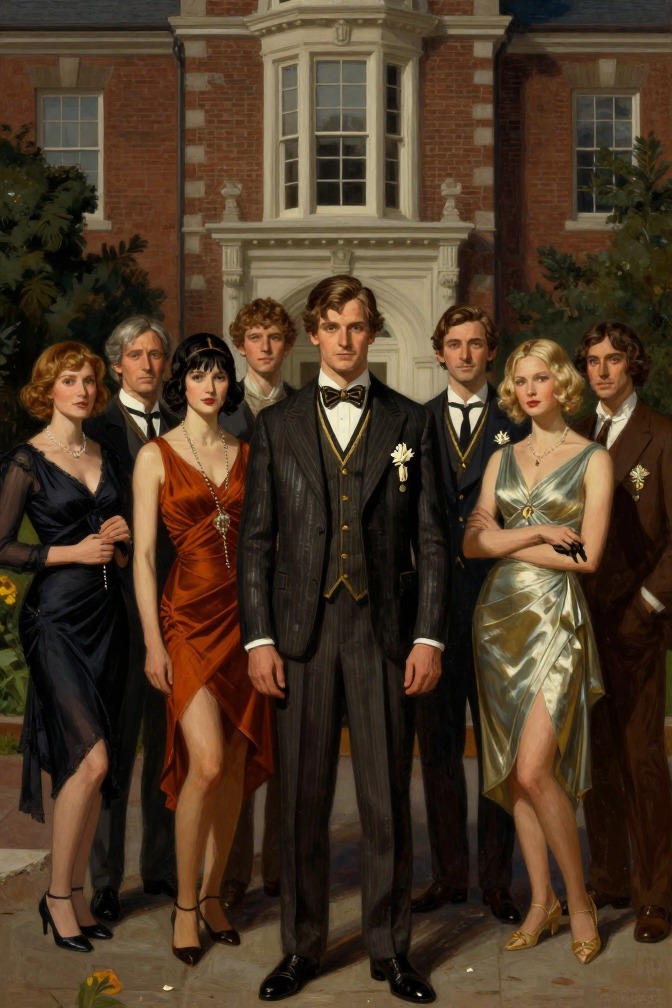
In a pivotal scene of emotional display, Jay Gatsby throws piles of his luxurious shirts before Daisy Buchanan, an act that triggers her tears and reveals the profound gap between his material dream and the reality of their reunion.
Meyer Wolfsheim is a Jewish gambler and underworld figure who fixed the 1919 World Series, serves as Gatsby's business partner and mentor, and embodies the criminal foundation of Gatsby's wealth. His refusal to attend Gatsby's funeral reveals the cold pragmatism of the criminal world.
East Egg is the fashionable, old-money enclave on Long Island where Tom and Daisy Buchanan live, representing established wealth and social privilege in stark contrast to the nouveau riche West Egg.
Yale University is the elite New England college attended by both Nick Carraway and Tom Buchanan, serving as a marker of old-money social status and a network that connects the novel's characters across class lines.
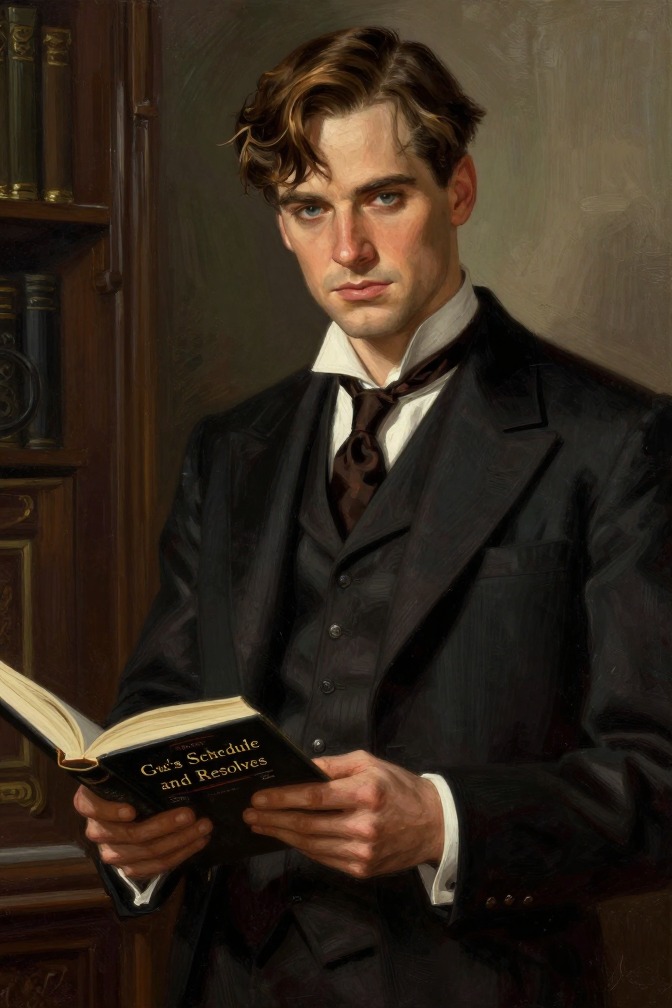
Gatsby's Schedule and Resolves is a handwritten list of daily habits and personal resolutions that the young James Gatz wrote in the back of his copy of Hopalong Cassidy on September 12, 1906, at age seventeen. The schedule reveals the rigorous self-discipline and ambition with which he attempted to transform himself from a poor farm boy into the idealized figure he called Jay Gatsby, and it stands as a poignant artifact of the gap between his disciplined aspirations and the tragic outcome of his life.
Caesar Flickerman is the flamboyant, blue-haired host of the televised tribute interviews in the Hunger Games, a master of ceremonies who has presided over the event for more than forty years and whose unchanging appearance and practiced charm serve to normalize the Capitol's brutal spectacle.
Claudius Templesmith is the legendary announcer of the Seventy-fourth Hunger Games, whose booming voice and formal announcements serve as the primary narrative conduit between the Gamemakers and the tributes, delivering the rules, rule changes, and dramatic declarations that shape the course of the competition.
Flavius is a member of Katniss Everdeen's prep team in the Capitol, a flamboyant and shallow stylist with orange corkscrew locks and purple lipstick who embodies the grotesque artificiality of the Capitol's beauty culture while treating Katniss with a patronizing, well-meaning condescension.
Greasy Sae is a bony old woman who runs a soup stall at the Hob, the black market in District 12, and is a key trading partner for Katniss Everdeen. She is known for her pragmatic approach to food, her willingness to buy wild dog meat and pass it off as beef, and her role as a reliable, if unsentimental, figure in the Seam's underground economy.
Mrs. Everdeen, Katniss and Prim's mother, is a complex figure whose descent into immobilizing grief after her husband's death forces Katniss to become the family's sole provider, creating a lasting rift between mother and daughter that shapes Katniss's fierce independence and distrust of emotional vulnerability.
Muttations are genetically engineered hybrid animals created by the Capitol as weapons during the rebellion and later deployed in the Hunger Games arena to terrorize tributes and entertain the audience. They represent the Capitol's absolute technological control and its willingness to pervert nature for oppression and spectacle.
President Snow's Mansion is the official residence of Panem's ruler, located at the City Circle in the Capitol. It serves as the ceremonial backdrop for the opening and closing of the Hunger Games, where President Snow delivers the official welcome and later crowns the victors. The mansion is also the site of the Victory Banquet, a lavish event where Capitol officials and sponsors celebrate the Games' conclusion. Its symbolic weight is immense: it represents the absolute power of the Capitol, the spectacle of the Games, and the direct threat President Snow poses to Katniss Everdeen, particularly after her defiant act with the nightlock berries.
Katniss and Cato's rivalry is the central antagonism of the Seventy-fourth Hunger Games, a conflict that escalates from a competitive training score to a brutal, life-or-death struggle culminating in Cato's prolonged death at the hands of muttations and Katniss's mercy kill. Their enmity defines the Games' final phase, forcing Katniss to evolve from prey to predator and ultimately to a reluctant executioner, while Cato's rage and physical dominance are systematically broken down by Katniss's cunning, Peeta's sacrifice, and the Gamemakers' engineered horrors.
Heathcliff is the dark, brooding protagonist of Emily Brontë's Wuthering Heights, a foundling brought to the Earnshaw household who becomes the catalyst for a multi-generational cycle of love, degradation, and revenge. His intense, almost metaphysical bond with Catherine Earnshaw defines his life, and his systematic destruction of both the Earnshaw and Linton families forms the novel's central conflict, ultimately giving way to a strange, haunted peace after his death.
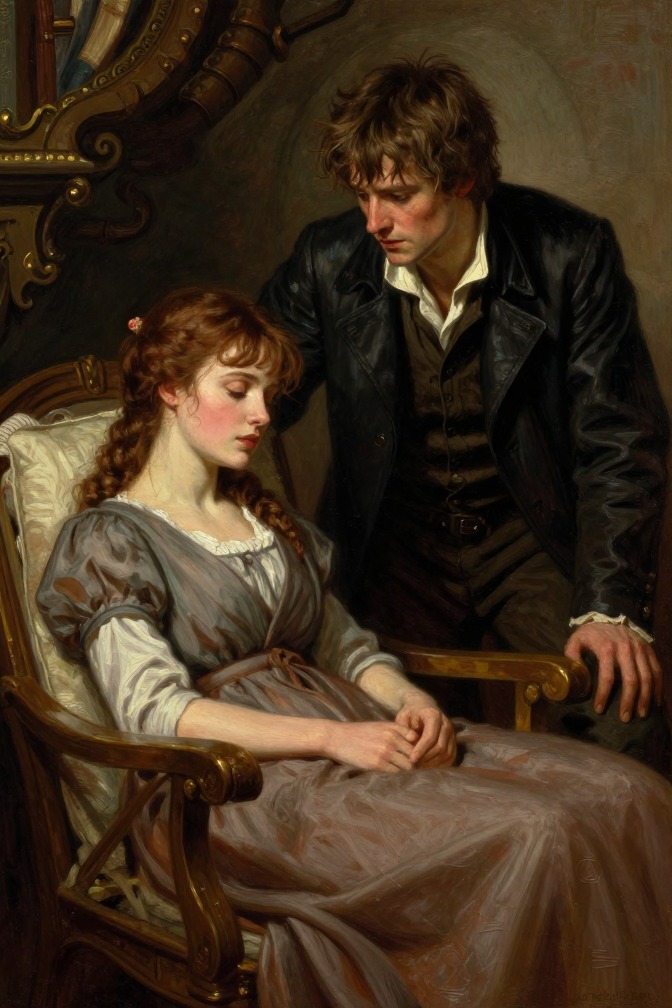
Catherine Earnshaw's illness after Heathcliff's departure is a pivotal event that marks the beginning of her physical and psychological decline, triggered by the loss of her soulmate and the guilt of her own betrayal.
Mr. Earnshaw brings Heathcliff home from Liverpool, an act that fundamentally alters the fortunes of both the Earnshaw and Linton families and sets in motion the novel's central conflicts of love, class, and revenge.
Heathcliff's desperate plea for Catherine Earnshaw's ghost to haunt him forever, uttered at the moment he learns of her death, crystallizes the novel's central obsession with a love that transcends death and becomes a tormenting, inescapable presence.
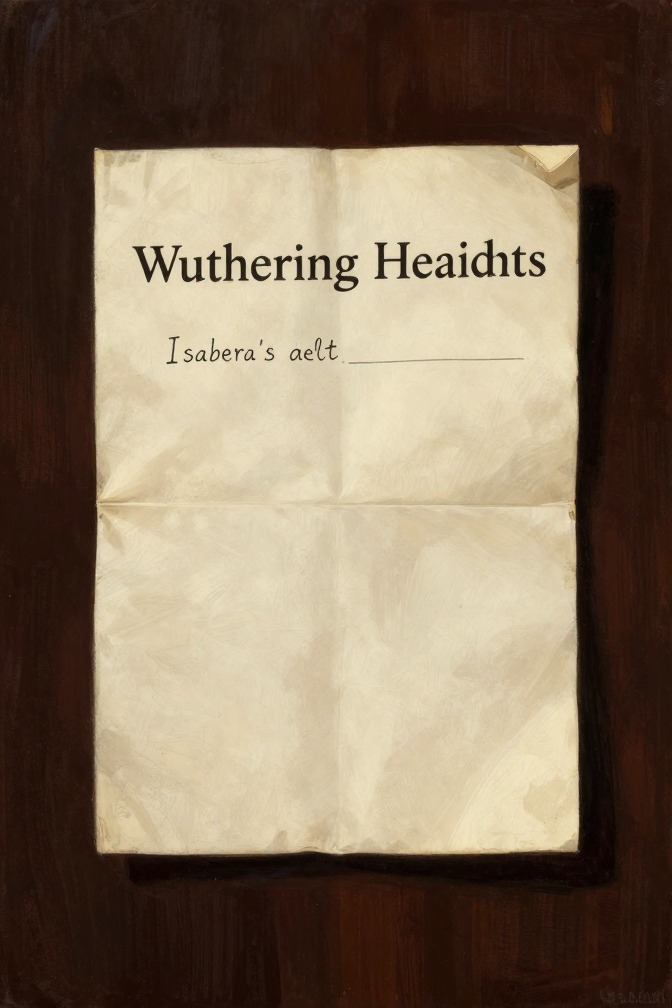
Isabella Linton's letter to Nelly Dean, written shortly after her elopement with Heathcliff, is a crucial document that exposes the brutal reality of her marriage and the psychological torment she endures at Wuthering Heights, serving as a stark counterpoint to the romantic illusions that led her there.
The relationship between Catherine Linton and Hareton Earnshaw begins in mutual hostility and class contempt but gradually transforms into a tender, educative partnership that heals the wounds of the previous generation and promises a peaceful future at Wuthering Heights.
Heathcliff's rule of personal dignity is a deeply ingrained principle that governs his interactions, compelling him to reject any perceived slight or condescension with fierce pride and to demand recognition of his worth, even as it fuels his lifelong quest for revenge and isolates him in his grief.
Isabella Linton's infatuation with Heathcliff is a catastrophic emotional miscalculation that drives her into a violent, loveless marriage and exposes the destructive power of romantic delusion when it collides with a remorseless will.
Betty is the formidable cook and housekeeper of the Tallis household, whose fierce temper, sharp tongue, and unwavering dedication to her kitchen domain make her a central figure of domestic authority and a source of both terror and grudging respect among the family and staff.
Grace Turner is Robbie Turner's mother, the Tallis family's cleaner and occasional clairvoyant, whose fierce loyalty to her son and her quiet dignity in the face of abandonment and injustice make her a minor but morally decisive figure in the novel.