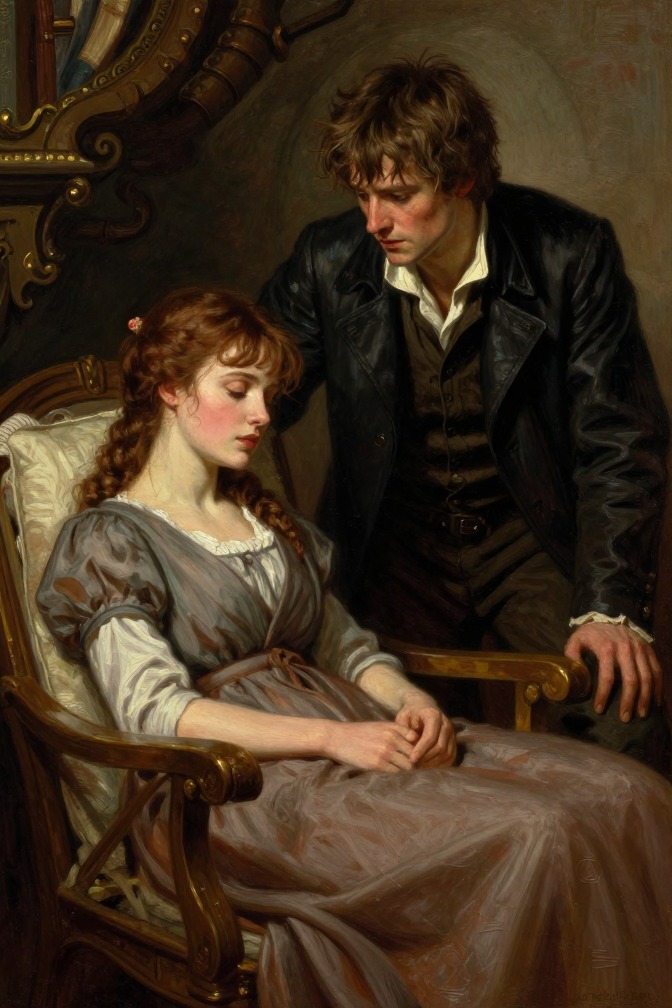
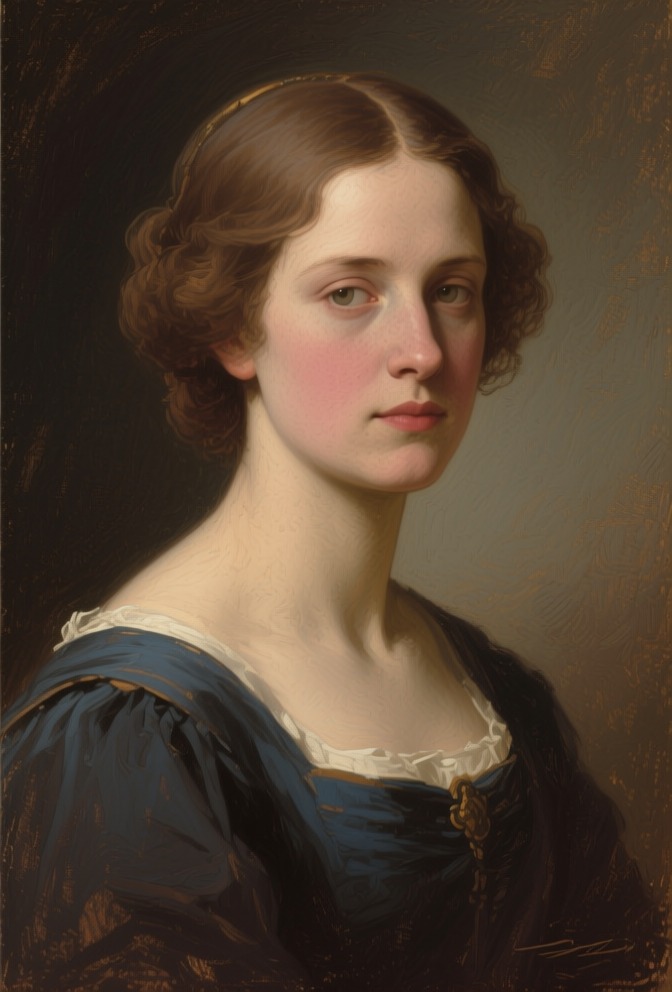
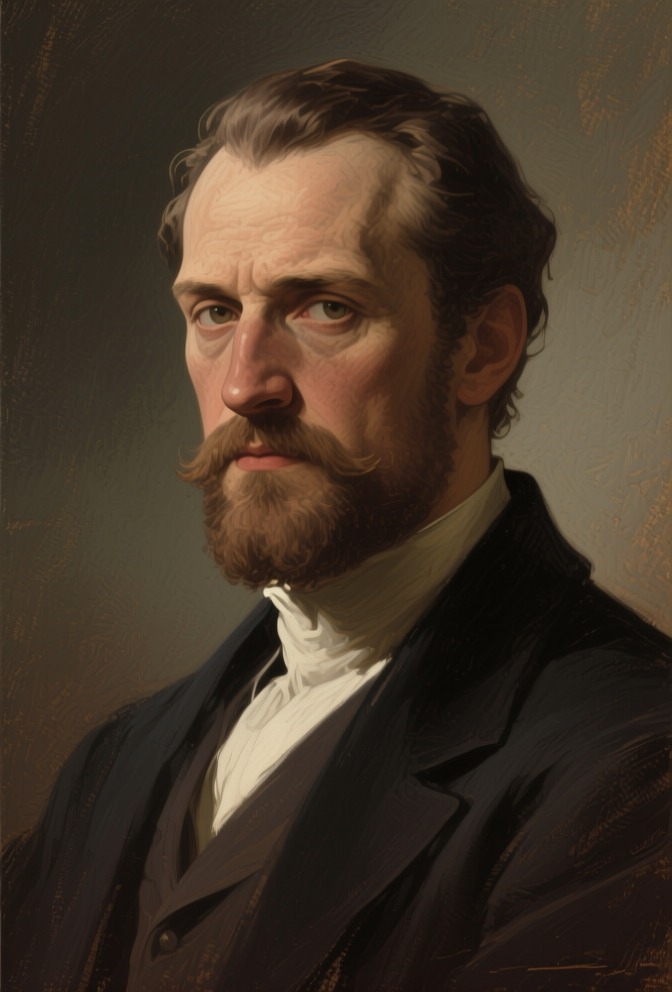
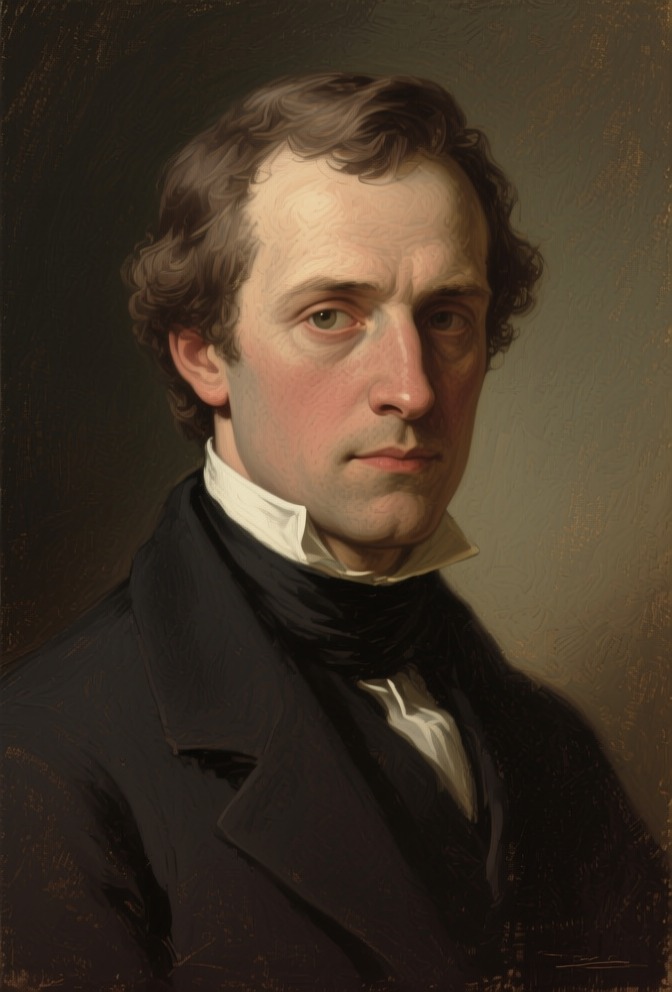
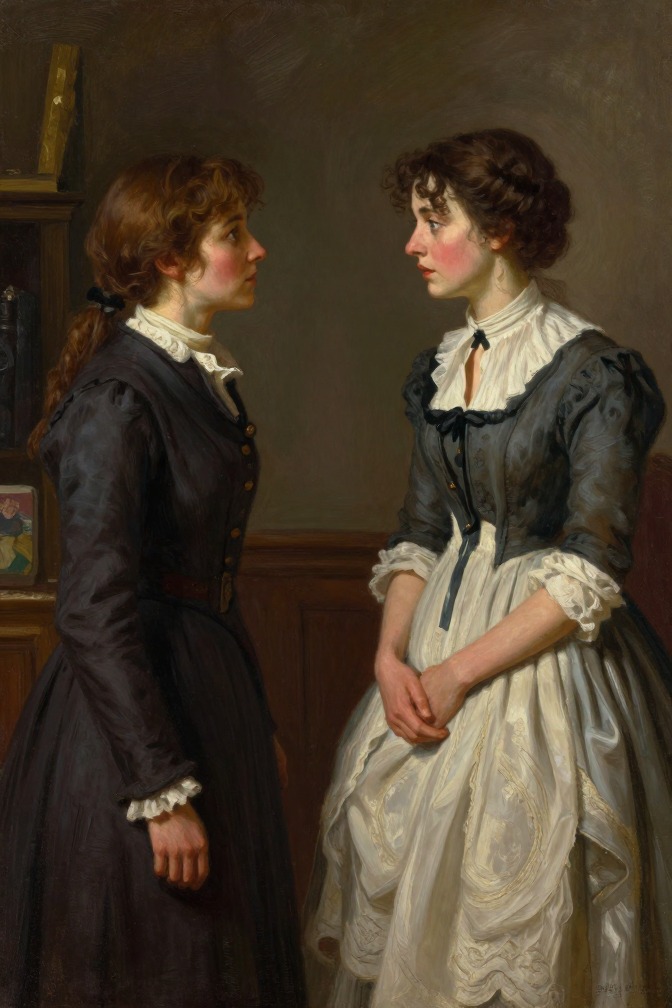
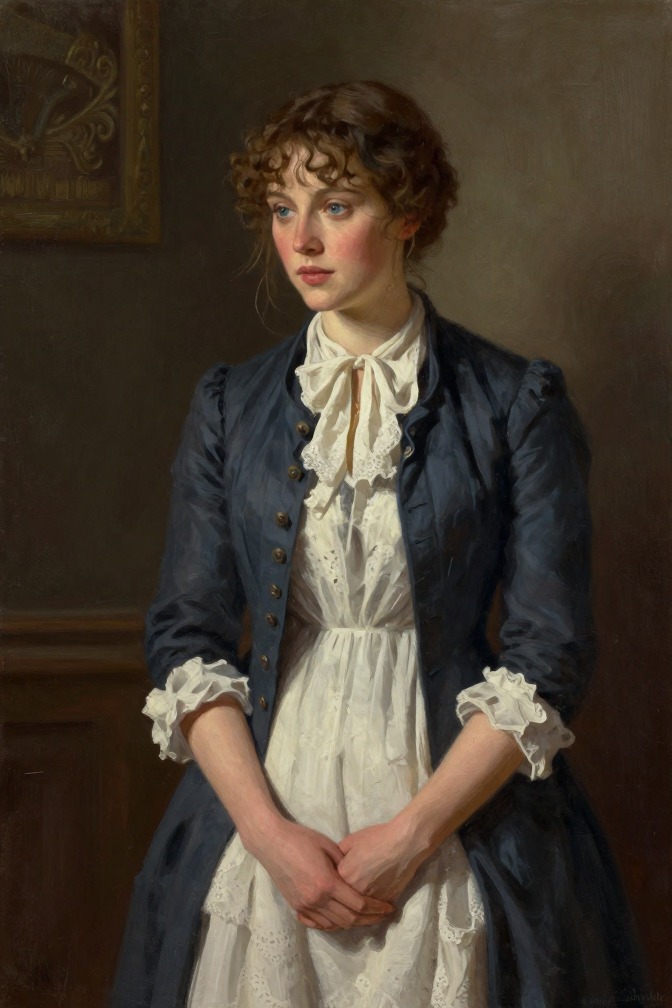
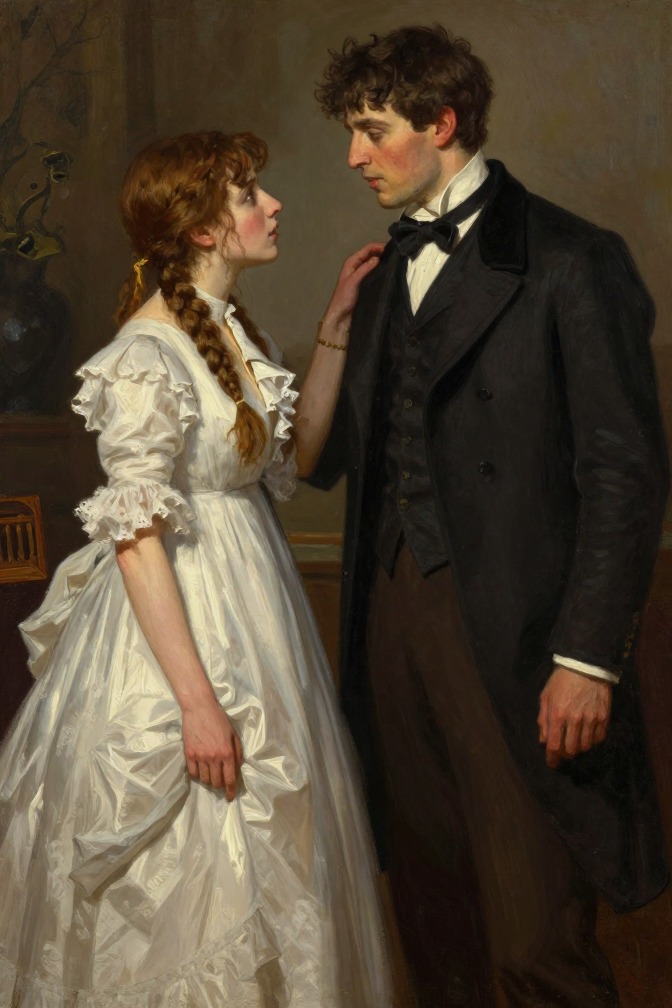
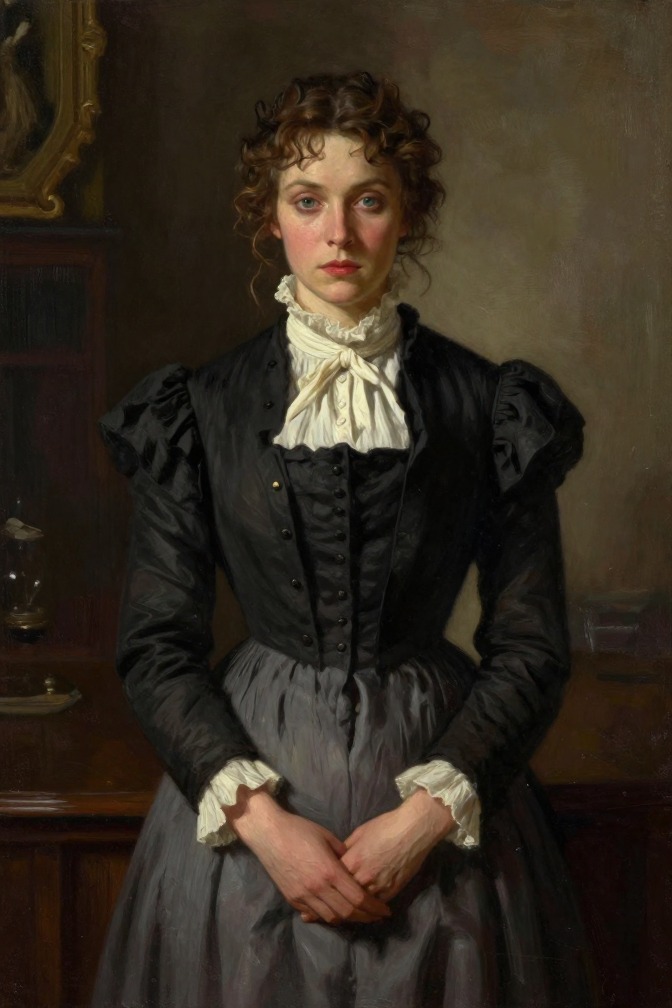
Catherine Earnshaw's illness after Heathcliff's departure is a pivotal event that marks the beginning of her physical and psychological decline, triggered by the loss of her soulmate and the guilt of her own betrayal.
Mr. Earnshaw brings Heathcliff home from Liverpool, an act that fundamentally alters the fortunes of both the Earnshaw and Linton families and sets in motion the novel's central conflicts of love, class, and revenge.
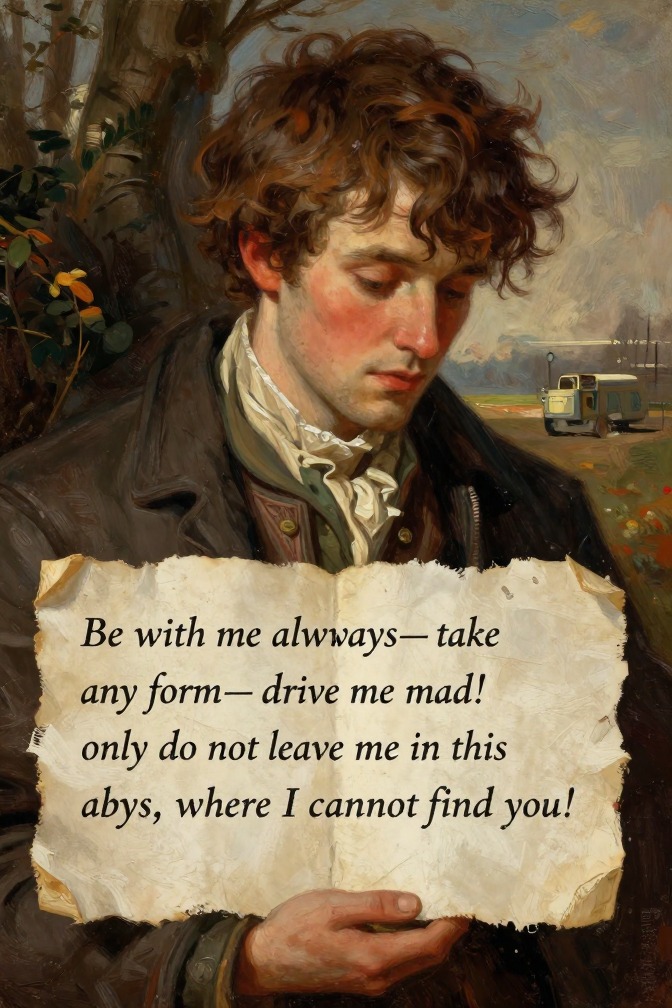
Heathcliff's desperate plea for Catherine Earnshaw's ghost to haunt him forever, uttered at the moment he learns of her death, crystallizes the novel's central obsession with a love that transcends death and becomes a tormenting, inescapable presence.
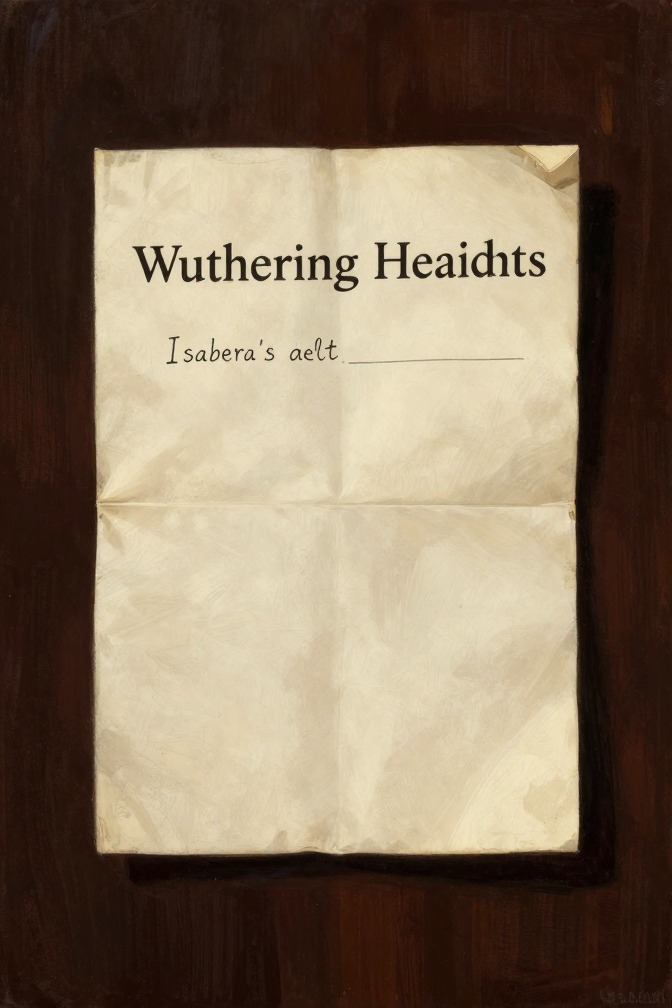
Isabella Linton's letter to Nelly Dean, written shortly after her elopement with Heathcliff, is a crucial document that exposes the brutal reality of her marriage and the psychological torment she endures at Wuthering Heights, serving as a stark counterpoint to the romantic illusions that led her there.
The relationship between Catherine Linton and Hareton Earnshaw begins in mutual hostility and class contempt but gradually transforms into a tender, educative partnership that heals the wounds of the previous generation and promises a peaceful future at Wuthering Heights.
Heathcliff's rule of personal dignity is a deeply ingrained principle that governs his interactions, compelling him to reject any perceived slight or condescension with fierce pride and to demand recognition of his worth, even as it fuels his lifelong quest for revenge and isolates him in his grief.
Isabella Linton's infatuation with Heathcliff is a catastrophic emotional miscalculation that drives her into a violent, loveless marriage and exposes the destructive power of romantic delusion when it collides with a remorseless will.
Betty is the formidable cook and housekeeper of the Tallis household, whose fierce temper, sharp tongue, and unwavering dedication to her kitchen domain make her a central figure of domestic authority and a source of both terror and grudging respect among the family and staff.
Grace Turner is Robbie Turner's mother, the Tallis family's cleaner and occasional clairvoyant, whose fierce loyalty to her son and her quiet dignity in the face of abandonment and injustice make her a minor but morally decisive figure in the novel.
Hardman is the elderly Tallis family handyman and the father of Danny Hardman, whose alibi for the night of Lola Quincey's assault becomes a crucial but contested element in the case against Robbie Turner.
Paul Marshall is a wealthy chocolate manufacturer and the rapist of Lola Quincey, whose crime Briony Tallis falsely attributed to Robbie Turner, setting the novel's tragic plot in motion. He marries Lola and lives a life of public philanthropy while the truth remains hidden.
Jane Eyre's confrontation with Mrs. Reed is a pivotal act of self-assertion in which the ten-year-old orphan, after years of abuse and unjust punishment, verbally turns on her aunt, declaring her independence from the family's tyranny and forcing a moment of terrified recognition from her oppressor.
Jane Eyre leaves Gateshead Hall for Lowood Institution on the morning of January 19, severing her abusive childhood home and entering a new, uncertain phase of life. This departure marks the first decisive act of self-liberation in her journey from oppressed dependent to independent woman.
Jane strikes John Reed is the pivotal childhood act of physical resistance that shatters the pattern of passive endurance at Gateshead Hall, transforming Jane from a silent victim into a conscious rebel and precipitating her imprisonment in the red-room, her nervous collapse, and ultimately her removal to Lowood School.
The governess in *Jane Eyre* is not merely a job title but a social category that defines the protagonist's precarious position between the servant class and the gentry, a role that becomes the crucible for her struggles for dignity, independence, and love.
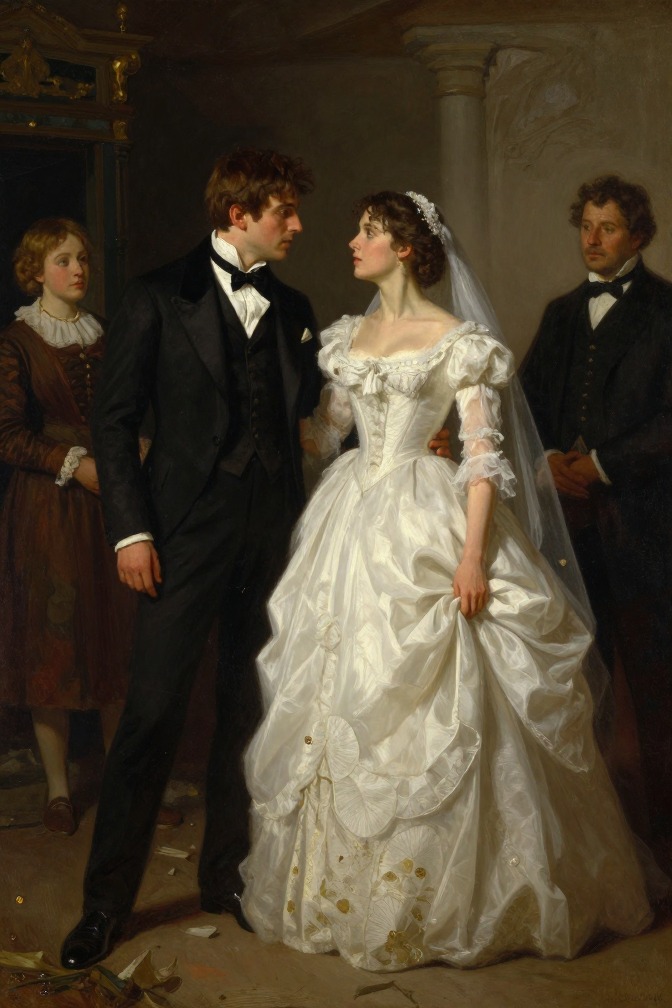
The Interrupted Wedding is the climactic event in Jane Eyre where, at the very moment of exchanging vows with Mr. Rochester, a solicitor named Mr. Briggs and a witness, Richard Mason, declare that Rochester is already married to Bertha Antoinetta Mason, a living madwoman confined at Thornfield Hall. The revelation shatters Jane's hopes, forces Rochester to confess his concealed past, and precipitates Jane's agonizing decision to flee Thornfield rather than become his mistress.
Lowton Dispensary is a medical institution in the town of Lowton, near Lowood School, that becomes indirectly significant in Jane Eyre's story when its former matron is appointed as the new housekeeper at Lowood during the typhus epidemic, providing comparative liberality in provisions after the departure of the previous, stricter housekeeper.
Jane Eyre and Bessie Lee share a complex, evolving bond that moves from the nurse's early harshness and Jane's fearful dependence toward mutual affection and lasting friendship, making Bessie one of the few sources of warmth in Jane's isolated childhood and a continuing link to her past.
The marriage between Edward Fairfax Rochester and Bertha Antoinetta Mason is a central, catastrophic secret of the novel, a union arranged for financial gain and based on deception, which results in Bertha's madness and confinement, Rochester's years of misery and wandering, and the ultimate destruction of Thornfield Hall.
The Bigamy prohibition is the legal and moral rule that prevents Edward Fairfax Rochester from marrying Jane Eyre while his first wife, Bertha Antoinetta Mason, is still alive. This prohibition is the central obstacle of the novel, forcing Jane to choose between her love for Rochester and her adherence to divine and societal law. The revelation of the existing marriage at the altar shatters Jane's hopes and precipitates her flight from Thornfield, ultimately shaping the novel's exploration of conscience, integrity, and the limits of human passion.
Dáin Ironfoot, King under the Mountain, was the staunch Dwarf-lord who led his people through the War of the Ring, fell in battle at the age of two hundred and fifty, and whose line was restored by his son Thorin Stonehelm.
Éomer, son of Éomund, is the Third Marshal of the Mark of Rohan who becomes King after Théoden's death. He is a proud, valiant, and loyal warrior who leads the Rohirrim in the War of the Ring, forging a lasting friendship with Aragorn and playing a crucial role in the victory at the Pelennor Fields.
Samwise Gamgee, Frodo Baggins's loyal gardener and companion, is the steadfast heart of the Quest. From eavesdropping on Gandalf's secret council to carrying his wounded master up Mount Doom, Sam's unwavering courage, simple wisdom, and profound love for Frodo prove indispensable. He resists the Ring's temptation, rescues Frodo from the Tower of Cirith Ungol, and ultimately helps ensure the Ring's destruction, returning to the Shire to become its Mayor and the founder of a lasting family.
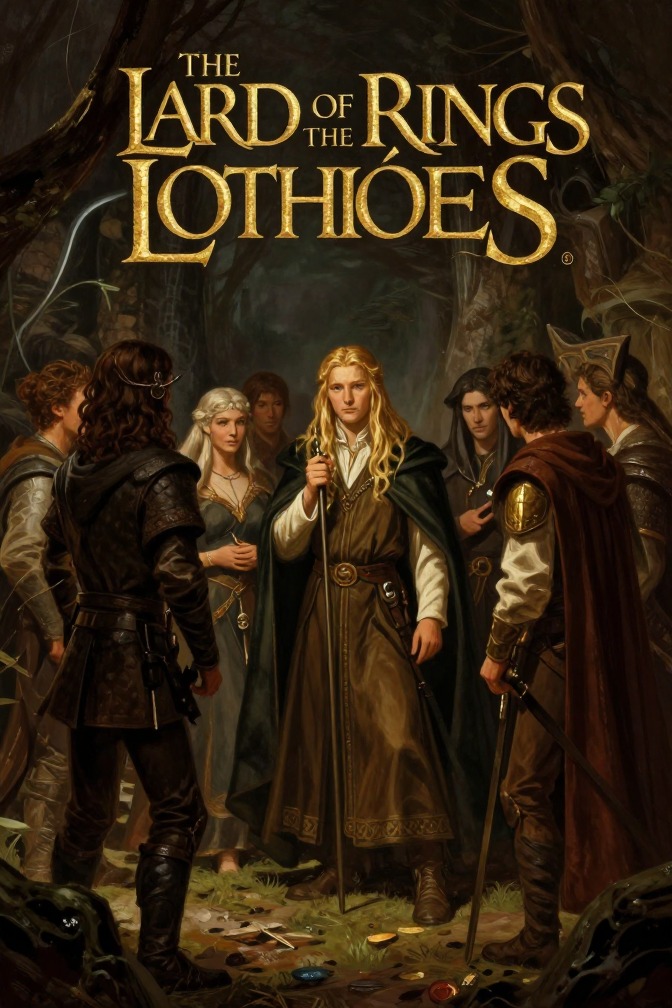
The Company of the Ring, weary and grieving after the loss of Gandalf in Moria, arrives at the eaves of the Golden Wood of Lothlórien. There they are met by the Elf Haldir, who, after initial suspicion of the Dwarf Gimli, leads them across the river Celebrant and into the hidden land. The hobbits experience a profound sense of entering a timeless, ancient world, and the Company is brought before the Lord Celeborn and the Lady Galadriel in the city of Caras Galadhon.
The Battle of Helm's Deep is the climactic military engagement of the War of the Ring in Rohan, a desperate night-long siege in which the Rohirrim, reinforced by Aragorn, Legolas, and Gimli, defend the ancient fortress of the Hornburg against the overwhelming army of Saruman, only to be saved at dawn by the arrival of Gandalf the White with Erkenbrand's relief force and the mysterious Huorns from Fangorn Forest.
The Departure of the Ring-bearers is the final event of The Lord of the Rings, in which Frodo Baggins, Bilbo Baggins, and the Keepers of the Three Elven Rings—Gandalf, Elrond, and Galadriel—sail from the Grey Havens into the Uttermost West, marking the end of the Third Age and the definitive passing of the Elves from Middle-earth.
The climax of the War of the Ring, in which Frodo Baggins, at the brink of the Cracks of Doom within Mount Doom, succumbs to the Ring's power and claims it for himself, only for Gollum to intervene in a desperate struggle, bite off Frodo's finger, and fall into the fire with the Ring, thereby destroying it and Sauron forever.
The Entmoot and the Destruction of Isengard is the pivotal event in which the Ents, ancient tree-herds roused from centuries of patience, march to war against Saruman, flooding and demolishing his fortress of Isengard, and thereby eliminating a key threat to Rohan and Gondor while also capturing the wizard Saruman in his tower.
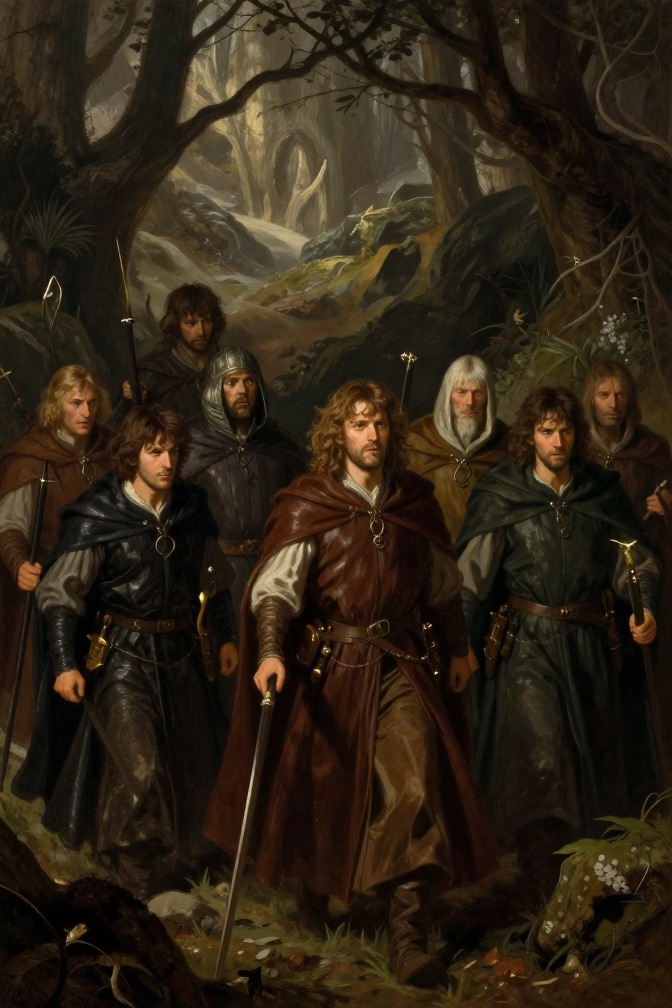
The Fellowship's Departure from Rivendell marks the formal beginning of the Quest of Mount Doom, when the nine companions set out at dusk on a cold December day, crossing the Ford of Bruinen and turning south into the wild lands west of the Misty Mountains, leaving behind the Last Homely House and the safety of Elrond's realm.
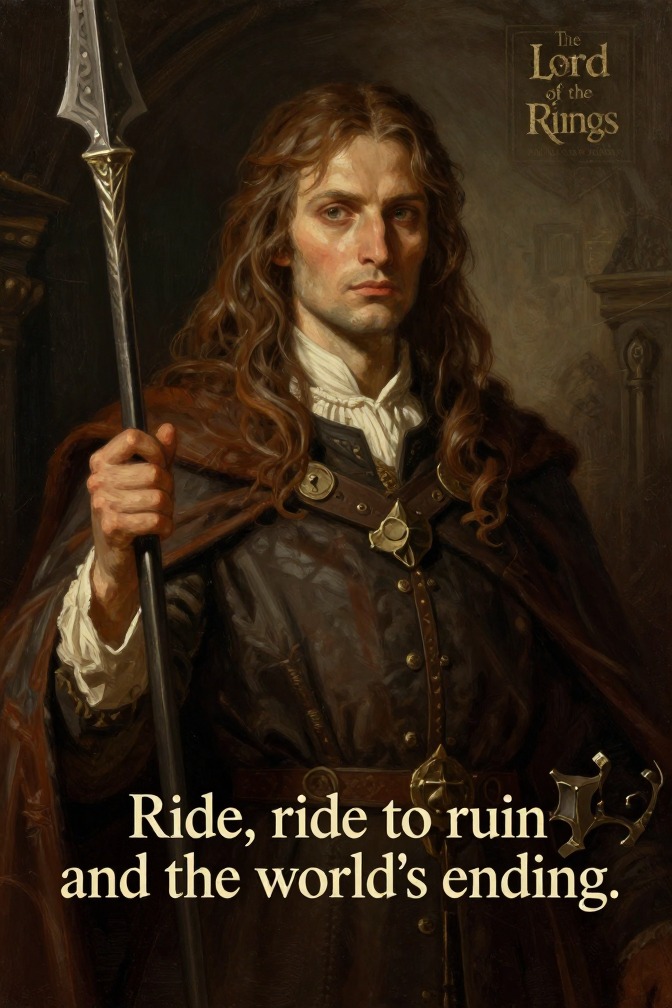
Éomer's battle-cry 'Death! Ride, ride to ruin and the world's ending!' is the climactic utterance of the Rohirrim's charge on the Pelennor Fields, a performative speech-act that transforms a king's grief into a suicidal onslaught and marks the emotional and tactical turning point of the Battle of the Pelennor Fields.