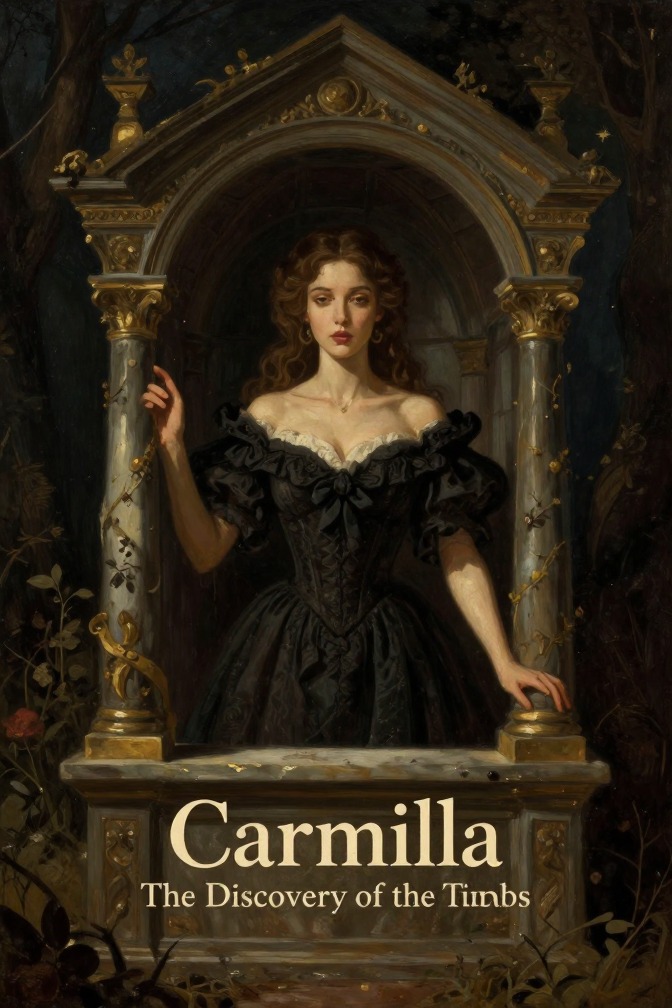
The discovery of the long-lost tomb of Mircalla, Countess Karnstein, in the ruined chapel of Karnstein, is the decisive turning point that transforms the hunt for the vampire from a desperate personal quest into a legally sanctioned, methodical execution, and it is accomplished through the esoteric knowledge of Baron Vordenburg, whose ancestor had deliberately concealed the grave a century and a half earlier.
The Doctor's Examination is the pivotal medical scene in Sheridan Le Fanu's Carmilla, where Doctor Spielsberg discovers the telltale puncture marks on Laura's throat, confirming the vampire's attack and setting the stage for the novel's supernatural resolution.
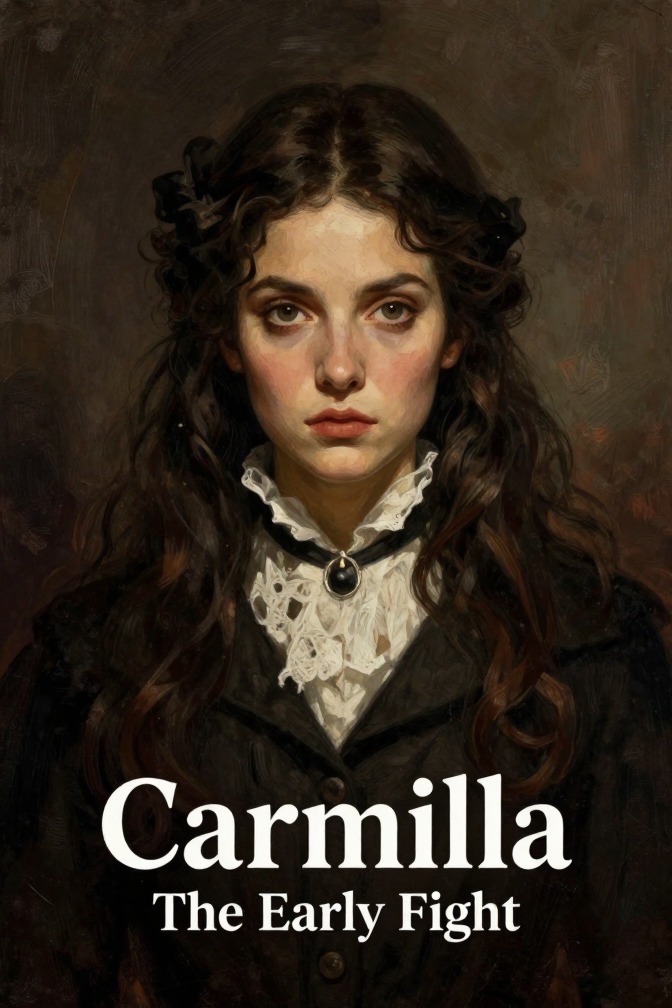
The Early Fright is the foundational childhood trauma of Laura, the narrator, in which she is visited in her nursery by a mysterious female figure who bites her on the chest, an event that foreshadows the vampiric predation she will later suffer at the hands of Carmilla.
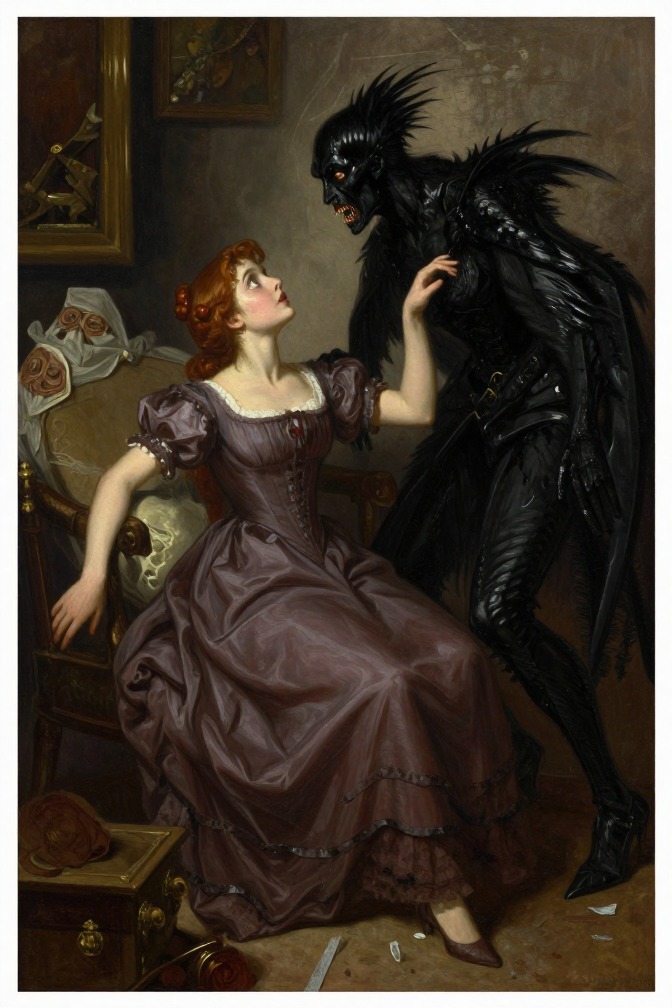
Laura's first dream-attack is the pivotal event in which the vampire Carmilla, appearing as a sooty-black animal, invades Laura's bedroom and inflicts the characteristic puncture wounds on her breast, initiating the physical and psychological ordeal that defines the central horror of the narrative.
The amphibious existence of the vampire is a central concept in Sheridan Le Fanu's "Carmilla," describing the creature's dual life: it must return to its grave each day to sleep, yet rises at night to feed on blood, sustaining its unnatural vitality. This paradoxical state, explained by Baron Vordenburg, governs the vampire's behavior, its need for secrecy, and its vulnerability to destruction.
The phrase "pious sacrilege" is General Spielsdorf's term for his intended desecration of the Karnstein tomb, a paradoxical act of religious violence meant to destroy the vampire Mircalla and end her murderous reign.
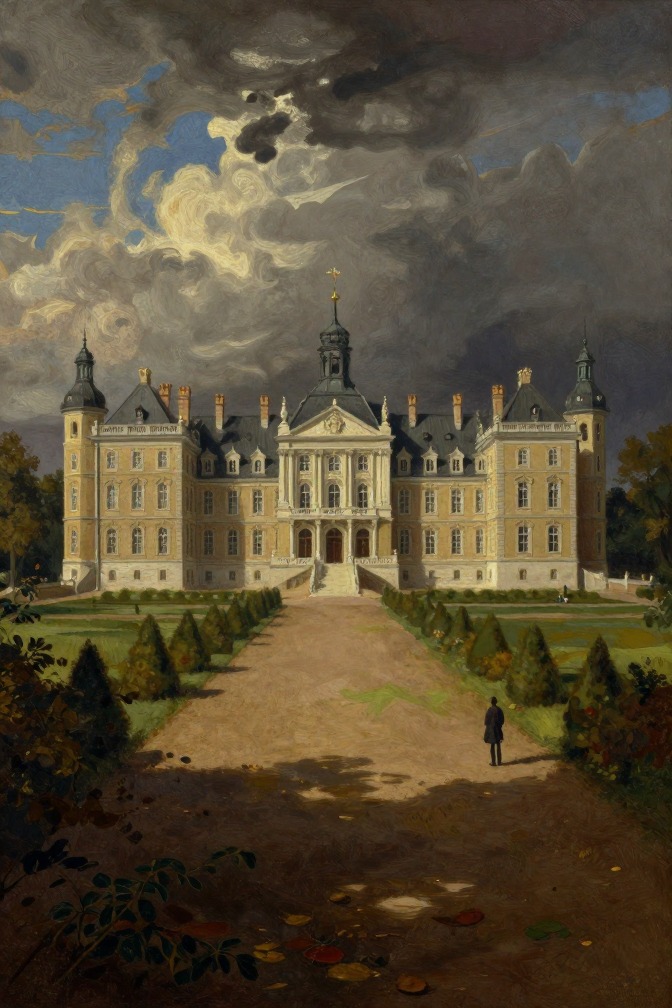
Count Carlsfeld's schloss is the magnificent estate where General Spielsdorf and his ward Bertha Rheinfeldt attended a series of fetes in honor of the Grand Duke Charles, culminating in a masked ball that proved fateful when the vampire Carmilla, under the alias Millarca, first approached Bertha and began her predatory seduction.
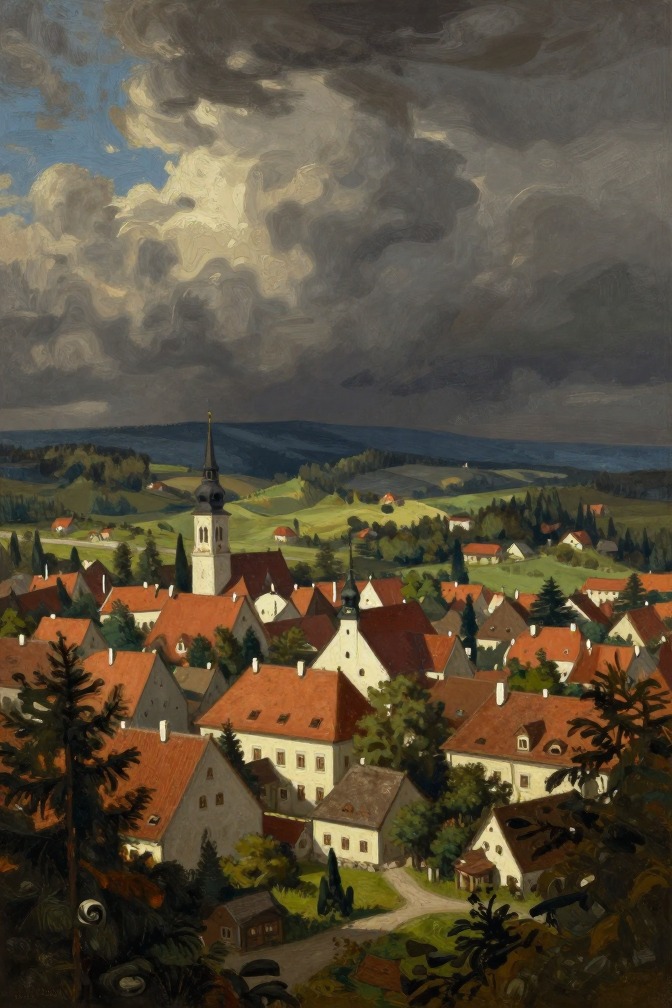
Styria is the remote Austrian province where Laura and her father live in a lonely schloss, and where the vampire Carmilla preys upon the region's inhabitants. The setting's isolation, superstitious traditions, and Gothic landscape create the conditions for the vampire's attacks and the story's atmosphere of dread.
Benjamin is the cynical, long-lived donkey on Animal Farm who, through his consistent refusal to engage with the farm's political transformations, serves as a silent witness to the corruption of the revolution's ideals. His unchanging pessimism and his devotion to Boxer provide a stark contrast to the pigs' propaganda and the other animals' naive hope, making him the story's most perceptive yet passive observer of the descent into tyranny.
Bluebell is one of the three dogs on Animal Farm, present from the first meeting in the big barn. She is a minor character whose primary narrative function is as a mother: she whelps a litter of puppies soon after the hay harvest, and these puppies are taken by Napoleon, raised in seclusion, and later become his ferocious bodyguard, used to expel Snowball and terrorize the other animals. Bluebell herself fades into the background of the farm's later history, dying before the final years of the story.
Moses is a tame raven who serves as Mr. Jones's pet and later returns to Animal Farm, where he is tolerated by the pigs despite his idleness and his preaching of Sugarcandy Mountain, a paradise for animals after death.
Pinkeye is a minor pig in Animal Farm who serves as Napoleon's food taster, a role that underscores the paranoia and self-protective measures of the totalitarian regime that develops on the farm.
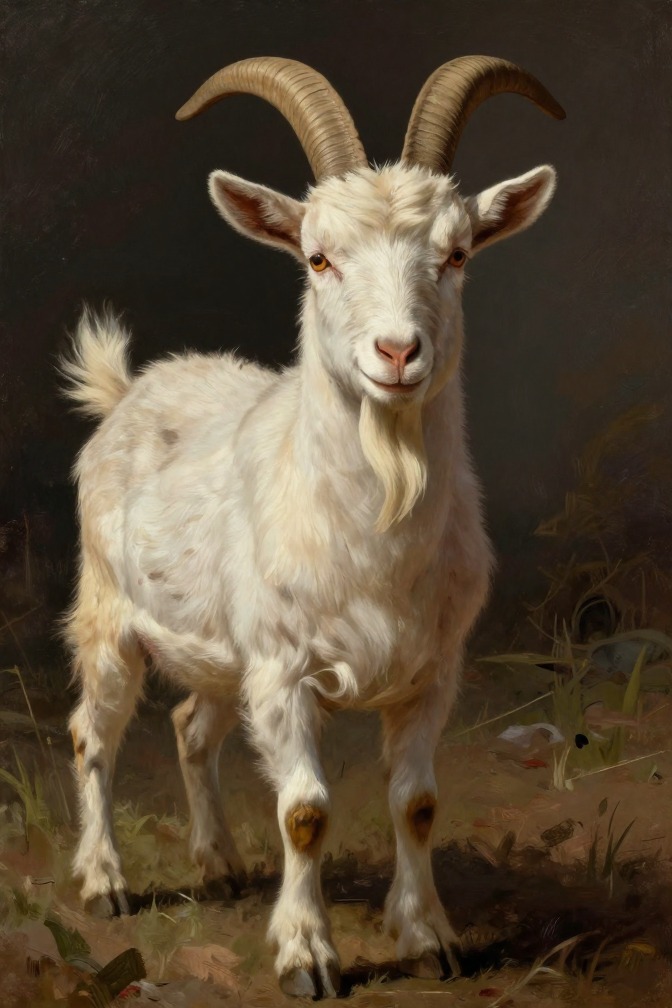
The goat is a minor but recurring presence on Animal Farm, appearing in several key scenes that illustrate the collective life of the animals and the gradual erosion of the original revolutionary ideals.
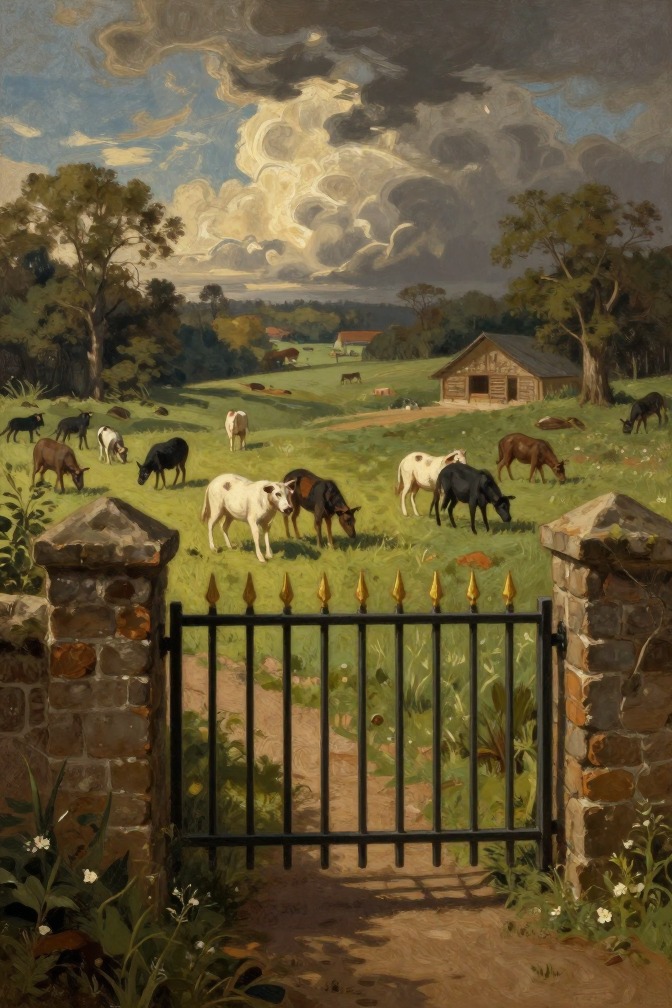
The Five-Barred Gate is the main entrance to Animal Farm, a boundary marker that witnesses the farm's transformation from a human-run Manor Farm to a pig-dominated dictatorship. It is the site of the Rebellion's first victory, the renaming of the farm, and the final battle against Frederick's men, symbolizing the shifting power dynamics and the erosion of the animals' ideals.
The whip is a recurring object in Animal Farm that symbolizes the pigs' gradual adoption of human tyranny, transforming from a tool of Mr. Jones's oppression into an instrument of Napoleon's rule, ultimately marking the complete betrayal of the Rebellion's ideals.
The Whiter Wool Movement was one of several Animal Committees established by Snowball in the early days of Animal Farm, intended to improve the quality of the sheep's wool through organized effort. Like most of Snowball's idealistic projects, it ultimately failed to achieve its goals, but it stands as a characteristic example of the revolutionary enthusiasm and bureaucratic proliferation that marked the first months after the Rebellion.
The business relationship between Napoleon and Mr. Frederick of Pinchfield Farm is a central episode of duplicity and economic maneuvering in Animal Farm, culminating in a fraudulent timber sale that triggers a violent attack on the farm and the destruction of the windmill.
The rivalry between Napoleon and Snowball is the central political conflict of Animal Farm, a struggle for power and ideological direction that determines the fate of the farm. From the earliest days of the Rebellion, the two pigs clash over every major decision, with Snowball advocating for windmills, committees, and education while Napoleon maneuvers to consolidate absolute control, ultimately expelling his rival through violence and rewriting history to brand him a traitor.
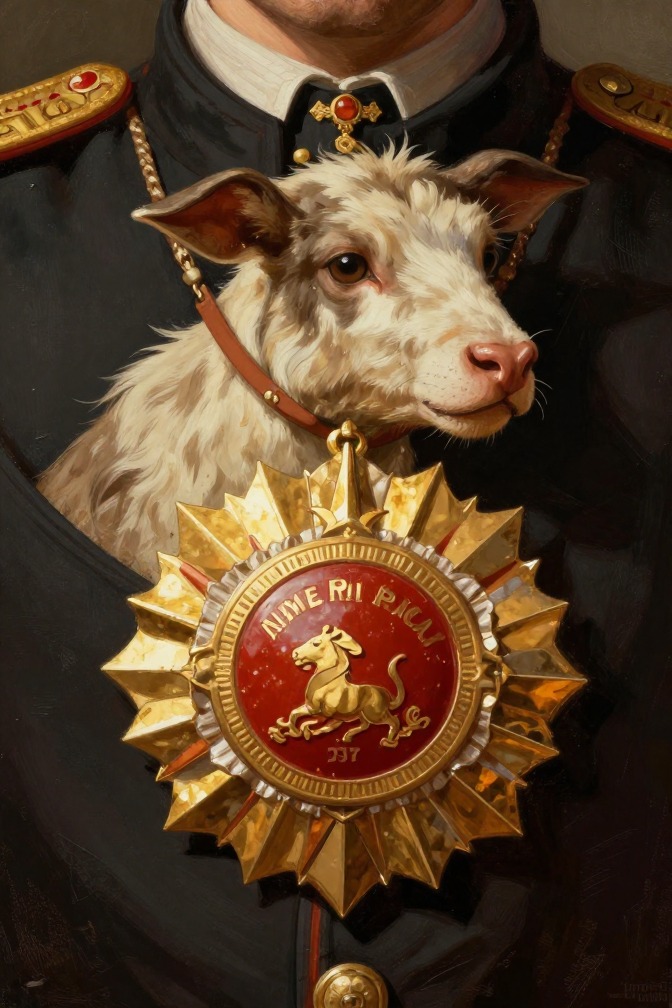
The Animal Hero medal system is a military decoration created by the animals of Animal Farm to recognize bravery and service in battle, initially awarded to Snowball and Boxer after the Battle of the Cowshed, but later corrupted by Napoleon into a tool of self-aggrandizement and political control.
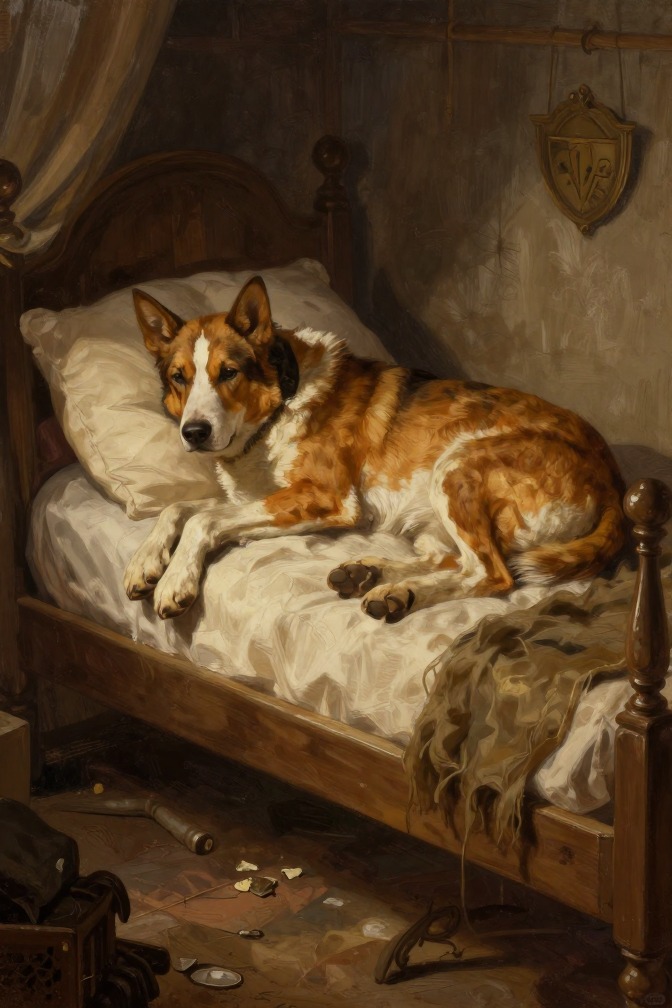
The Fourth Commandment, originally inscribed as "No animal shall sleep in a bed," is one of the Seven Commandments of Animalism, established after the Rebellion to prohibit the pigs from adopting human habits. Over time, it is quietly amended to "No animal shall sleep in a bed with sheets," allowing the pigs to occupy the farmhouse beds while maintaining the appearance of adherence to the law, illustrating the erosion of revolutionary principles.
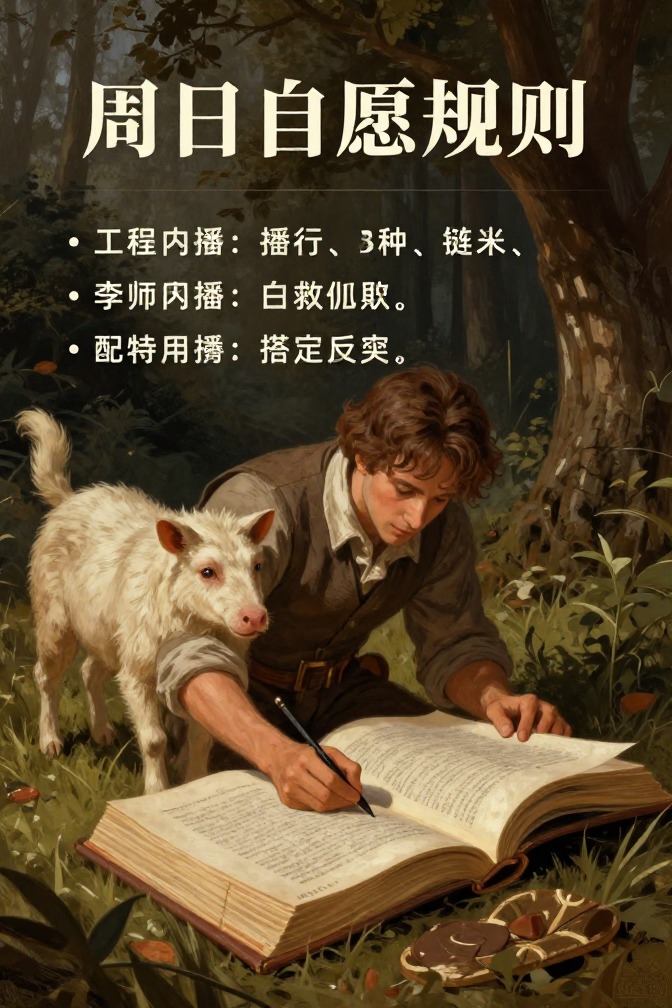
Voluntary Sunday work was a policy introduced by Napoleon in August of the first year after the Rebellion, requiring animals to work on Sunday afternoons under the threat of a half-ration penalty for absence, thereby transforming a day of rest into compulsory labor while maintaining the fiction of voluntariness.
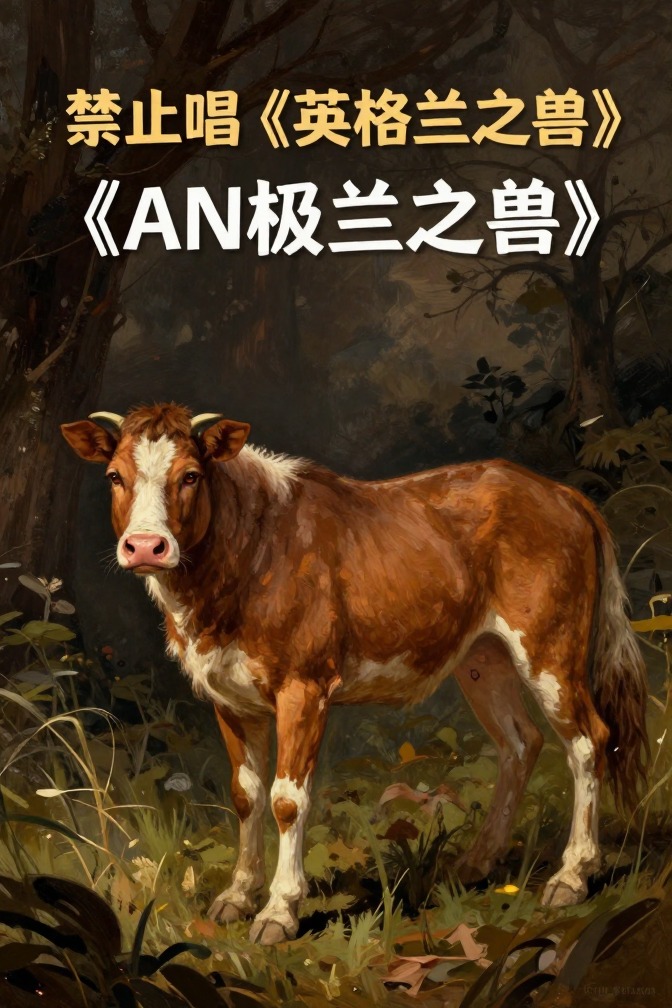
The abolition of 'Beasts of England' is a decisive act of ideological suppression on Animal Farm, marking the completion of the Rebellion's narrative and the consolidation of Napoleon's totalitarian control by silencing the song that embodied the animals' revolutionary hope.
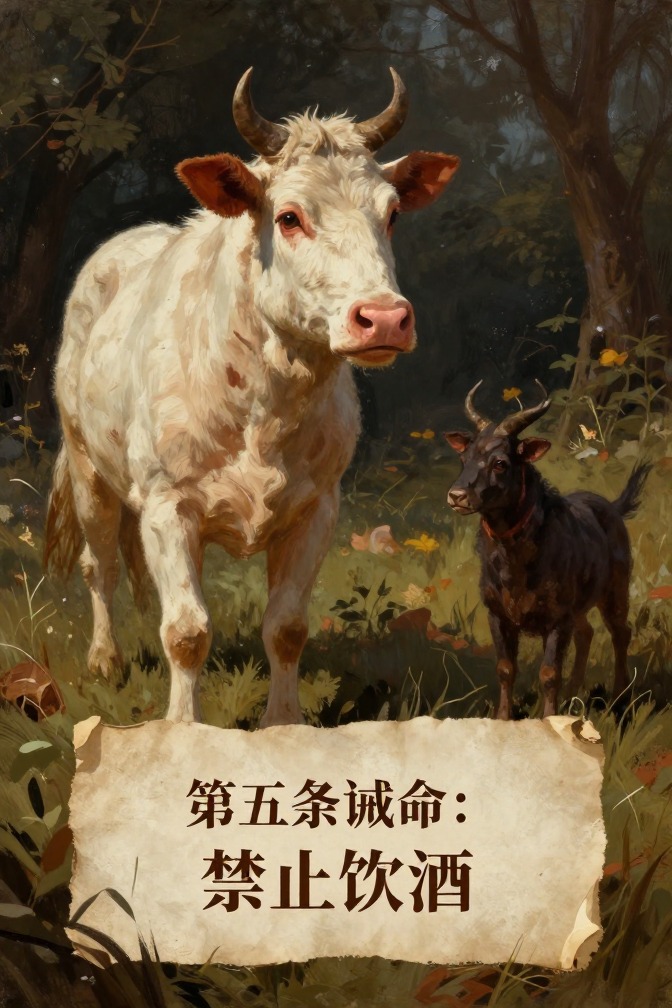
The Fifth Commandment, originally inscribed as "No animal shall drink alcohol," is one of the Seven Commandments that form the unalterable law of Animal Farm. Over the course of the story, the commandment is quietly amended to "No animal shall drink alcohol TO EXCESS," a modification that allows the pigs to indulge in whisky and beer while maintaining the appearance of adherence to the original principle. This alteration exemplifies the pigs' systematic rewriting of the farm's founding laws to justify their own privileges and consolidate power.
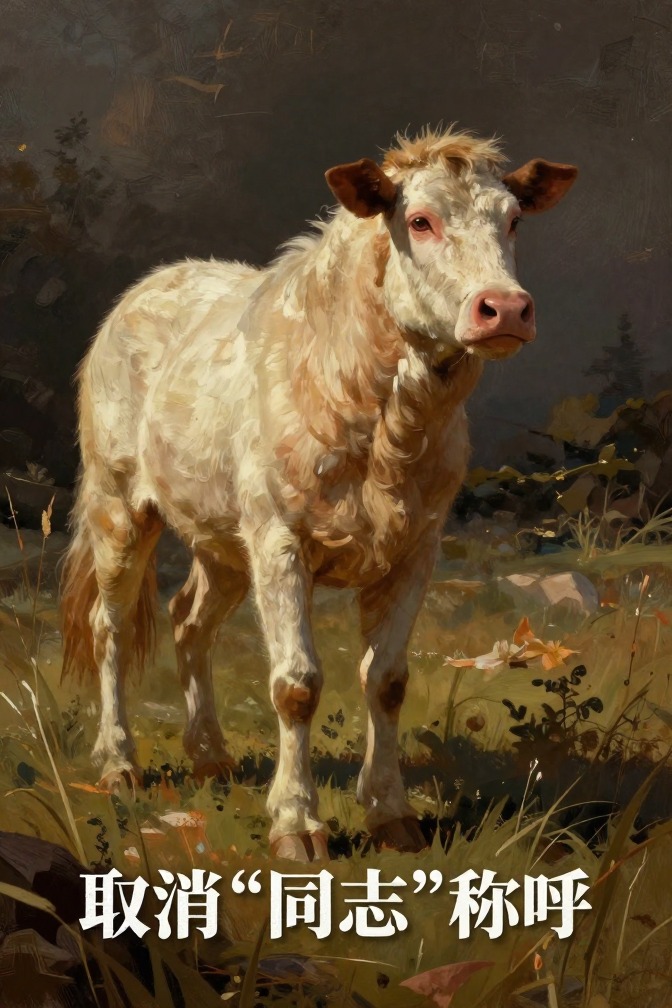
The rule that animals must no longer address one another as "Comrade" was one of the final and most symbolic changes imposed by Napoleon, marking the complete abandonment of the revolutionary ideals of Animal Farm and the restoration of the hierarchical, human-style social order that the Rebellion had originally sought to overthrow.
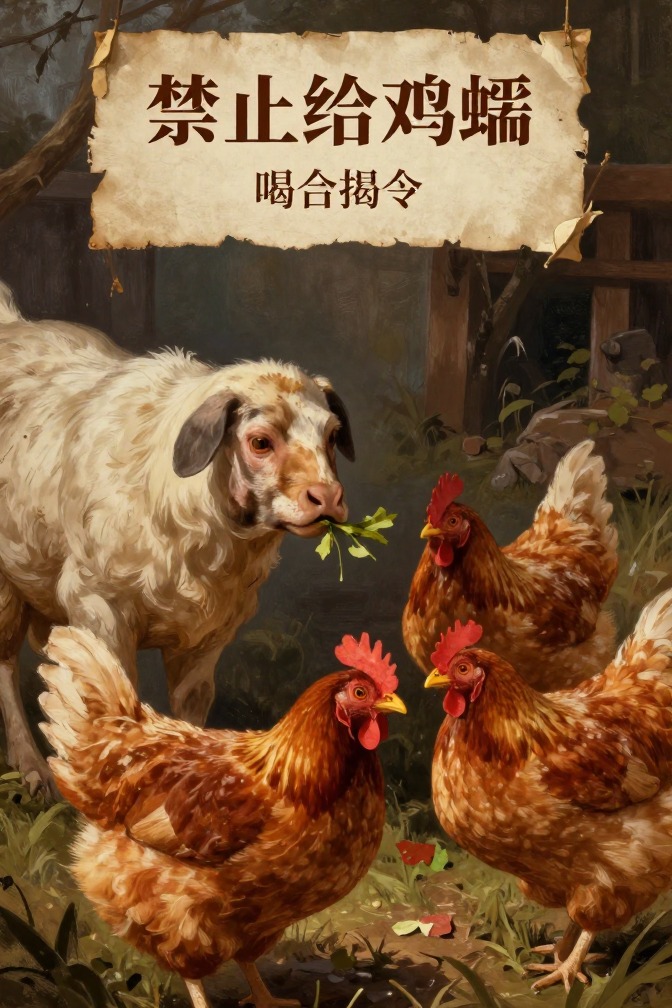
The decree that any animal giving grain to a hen shall be punished by death was issued by Napoleon during the hens' rebellion in the winter of the second year of Animal Farm, marking the first time the regime used the threat of capital punishment against its own subjects to enforce an economic policy. It represents a decisive escalation from ideological persuasion to violent coercion, transforming the farm's governance from a system of debated resolutions into one of terror-backed commands.
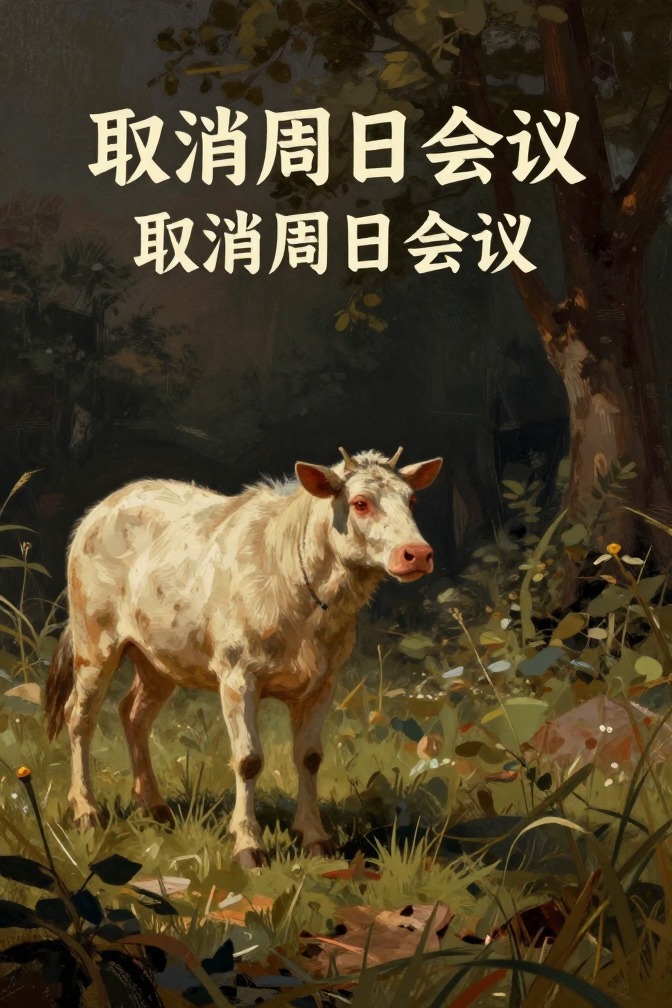
The abolition of the Sunday-morning Meetings was a decisive step in Napoleon's consolidation of absolute power on Animal Farm, replacing democratic debate with top-down commands issued by a special pig committee and enforced by his dog guard.
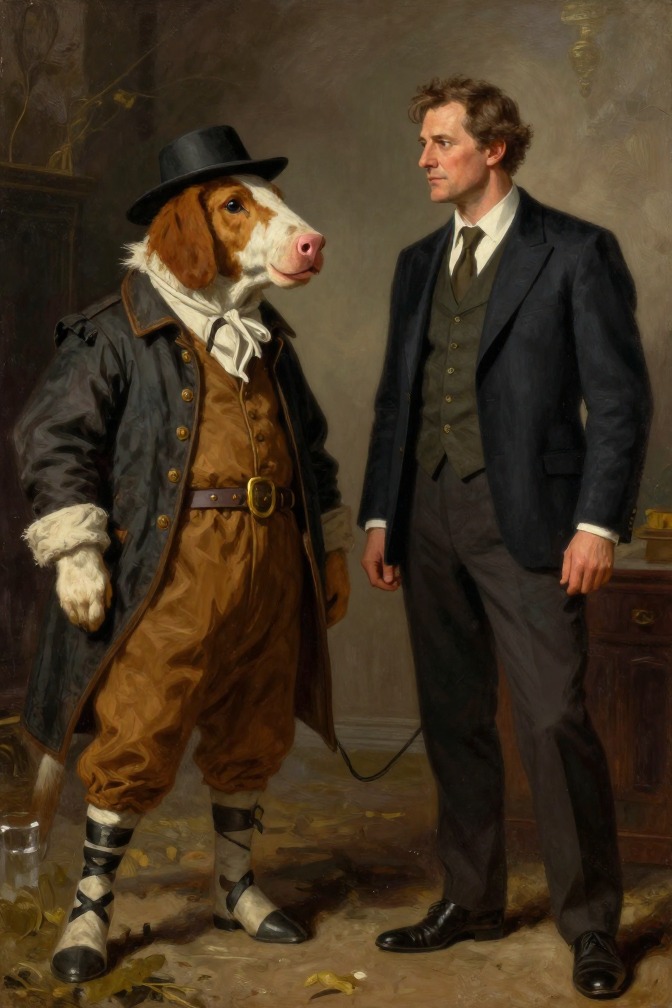
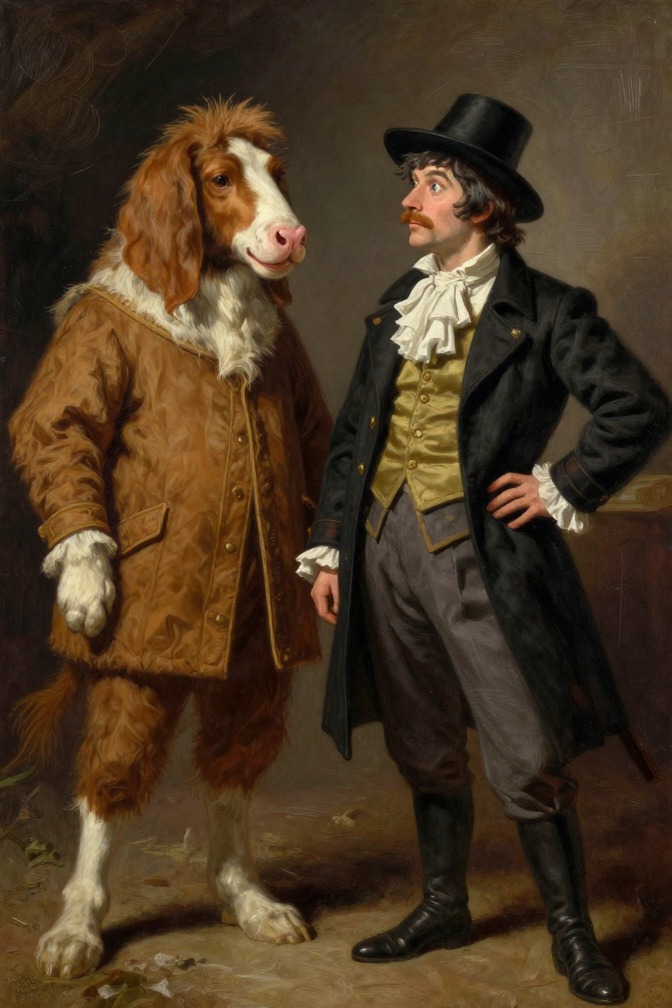
The Third Commandment, 'No animal shall wear clothes,' is one of the original Seven Commandments of Animalism, inscribed on the wall of the Big Barn immediately after the Rebellion. It embodies the principle that clothing is a human vice and a mark of servitude, and its enforcement and eventual erosion trace the pigs' gradual adoption of human habits and the corruption of the revolution's ideals.
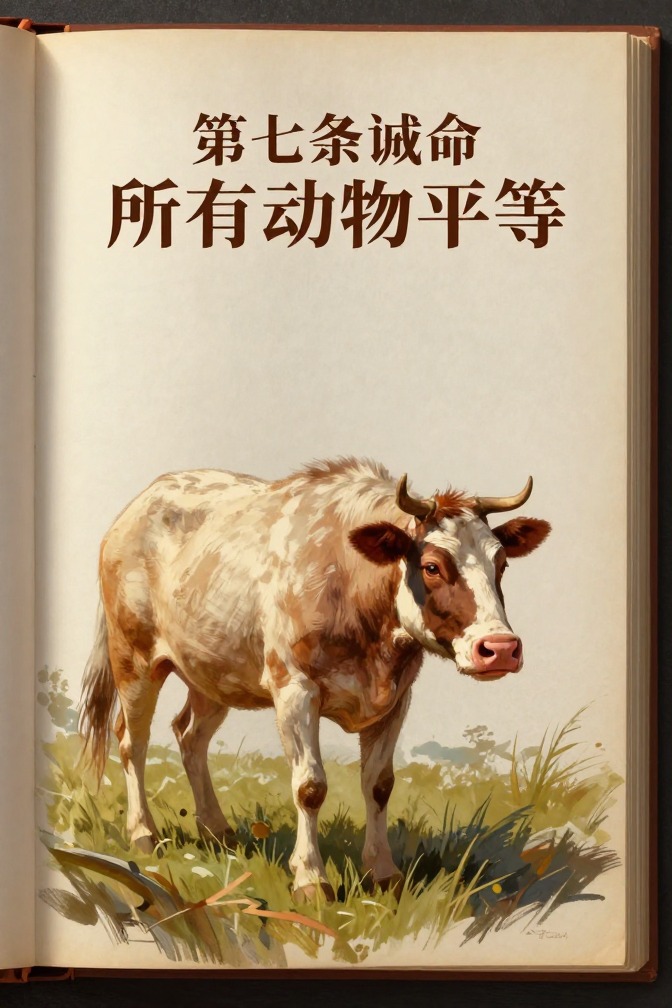
The Seventh Commandment, originally 'All animals are equal,' is the foundational principle of Animalism, but it is progressively corrupted by the pigs until it becomes 'All animals are equal but some animals are more equal than others,' a final, cynical inversion that legitimizes the pigs' total domination and completes the revolution's betrayal.
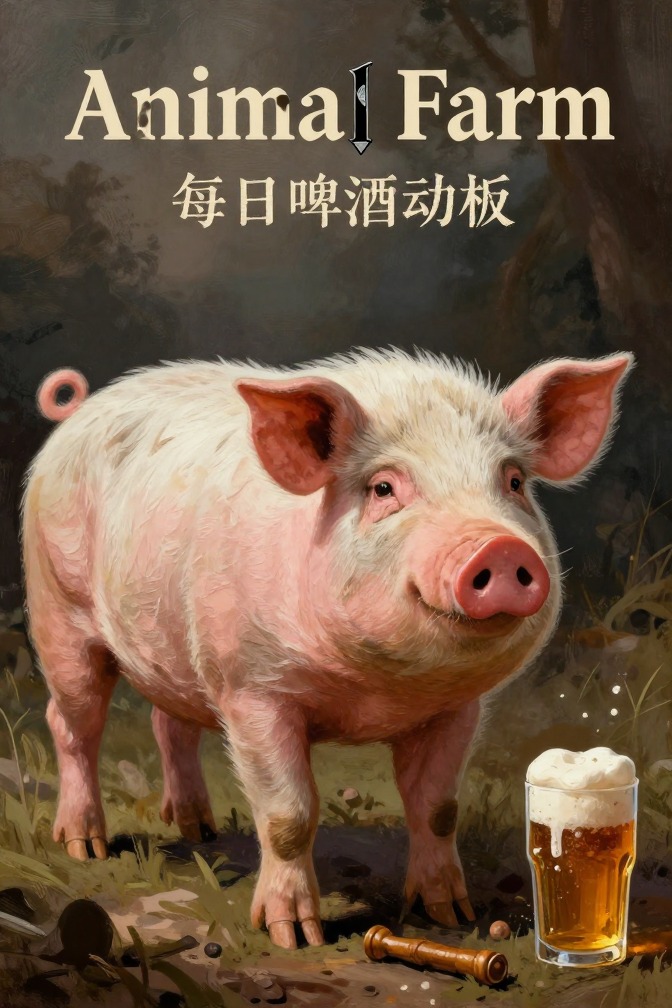
The rule that pigs receive a daily pint of beer, with Napoleon receiving half a gallon, represents the final, open institutionalization of class privilege on Animal Farm, transforming a revolutionary society into a hierarchical one where the pigs openly consume luxuries denied to other animals.
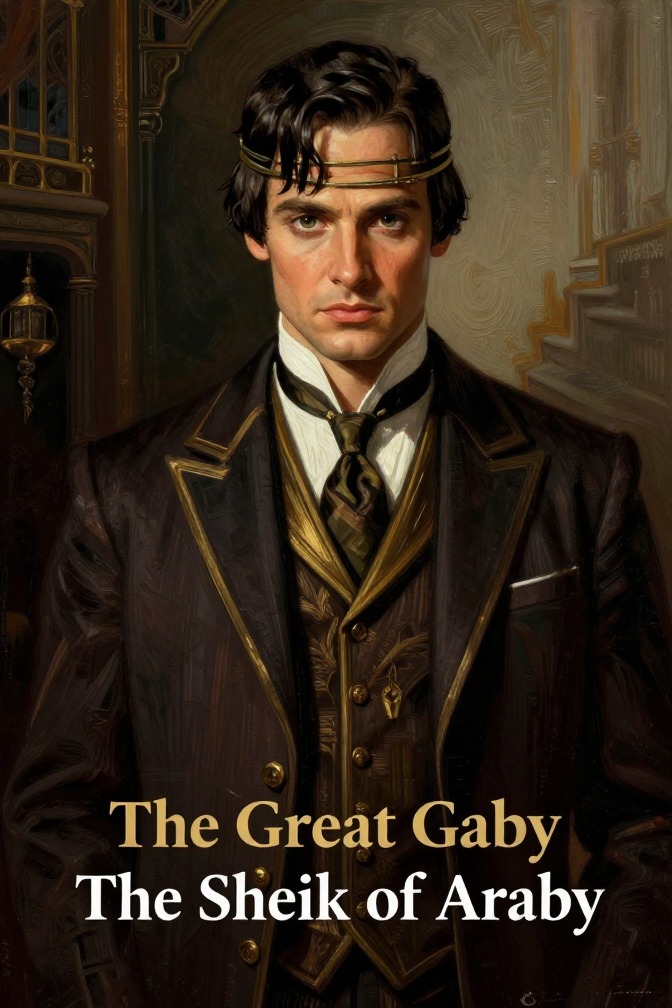
The Sheik of Araby is a popular song from the early 1920s that appears in The Great Gatsby as a fragment of popular culture, sung by girls in Central Park during a pivotal moment of romantic and narrative tension between Nick Carraway and Jordan Baker.