1950 marks the beginning of Humbert Humbert's two-year relationship with Rita, a period of relative stability and companionship that follows the loss of Lolita and precedes the final act of revenge. It is a transitional time in which Humbert, still consumed by his obsession and guilt, finds a temporary anchor in a kind, simple woman who helps keep him from complete madness.
1955 is the year of the first publication of Vladimir Nabokov's novel Lolita, by the Olympia Press in Paris. This date marks the moment the book entered the public world, and it is the final piece of chronological information given in the text, appearing on the last page of the memoir as the publication line.
1960 is a projected future year in Humbert Humbert's imagination, representing the temporal horizon of his fantasy of a dynastic succession of Lolitas—a second and third generation of nymphets he might possess as an old man. It crystallizes the intersection of his obsessive desire, his awareness of time's passage, and the delusional structure of his narrative.
August 1947 to August 1948 is the single year during which Humbert Humbert and Dolores Haze travel across the United States after he retrieves her from Camp Q, a period that constitutes the central narrative of Lolita and transforms their relationship from a predator's fantasy into a sustained, sordid reality marked by motels, jealousy, and the gradual erosion of Lolita's childhood.
May 30, 1947, is the date on which an epidemic of "abdominal flu" forces Ramsdale to close its schools for the summer, a seemingly trivial administrative event that in fact sets the stage for Humbert Humbert's first sustained, unmediated encounters with Dolores Haze. The school closure, recorded in Humbert's pocket diary, removes the daily structure that would have kept Lolita occupied elsewhere and instead delivers her into the orbit of his obsessive surveillance, making possible the diary entries that document the accelerating tension of that June.
September 22, 1952, is the date on which Humbert Humbert, having just received a letter from the married Dolores Schiller, sets out from New York to find her and to murder the man who took her from him, Clare Quilty. It marks the beginning of the final, violent phase of his narrative, a day that compresses years of obsession, guilt, and the desperate hope of a last encounter into a single, fateful journey.
The summer of 1947 is the pivotal season in which Humbert Humbert, having recently arrived in the small town of Ramsdale, first encounters twelve-year-old Dolores Haze and becomes consumed by an obsessive passion that will determine the course of the entire narrative. This period, lasting roughly from late May through August, encompasses Humbert's arrival at the Haze house, his first sight of Lolita in the garden, the weeks of diary-keeping and furtive caresses that follow, the davenport scene of solitary climax, Charlotte Haze's declaration of love and subsequent marriage to Humbert, and finally Charlotte's sudden death—events that together transform Humbert from a lodger into a stepfather and then into a kidnapper. The summer of 1947 is thus the crucible in which the novel's central relationship is forged and its tragic trajectory set.
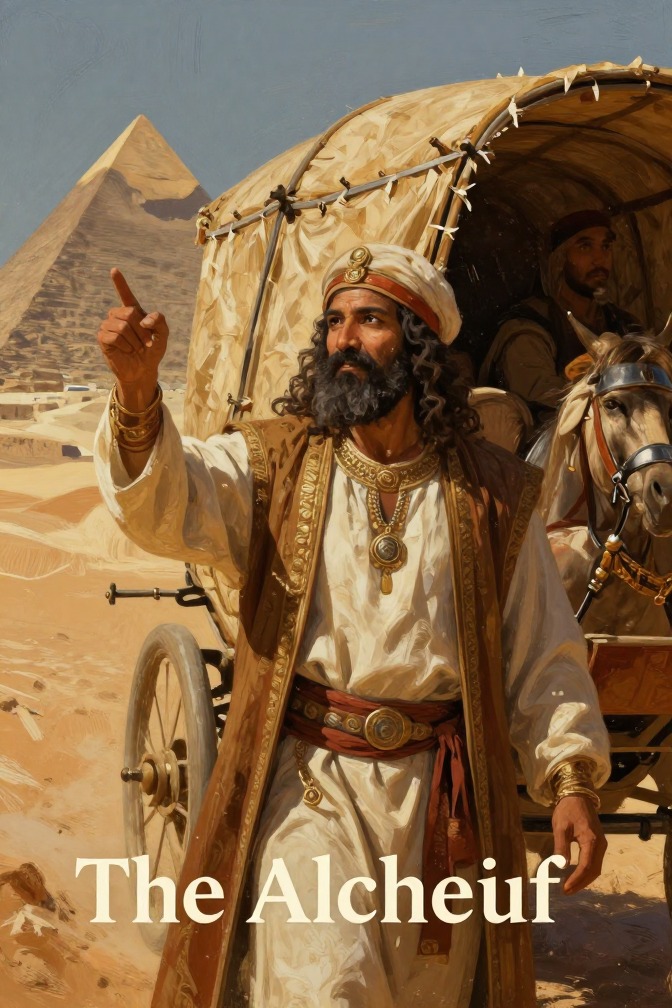
Santiago joins a caravan crossing the Sahara Desert to Egypt, an event that marks his transition from a settled life in the crystal shop to the perilous, transformative journey toward his destiny. The caravan becomes a microcosm of the world, teaching him the universal language of omens, the importance of living in the present, and the interconnectedness of all things.
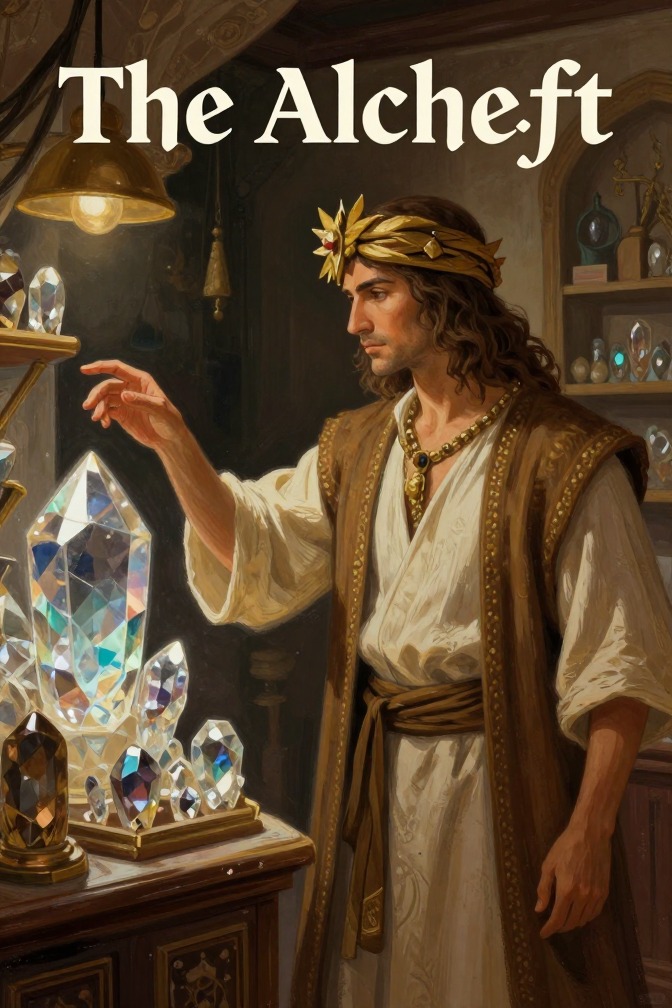
Santiago's decision to leave the crystal shop marks the moment he recommits to his quest for the treasure, abandoning the security of a prosperous business and the comfortable dream of returning to his old life as a shepherd.
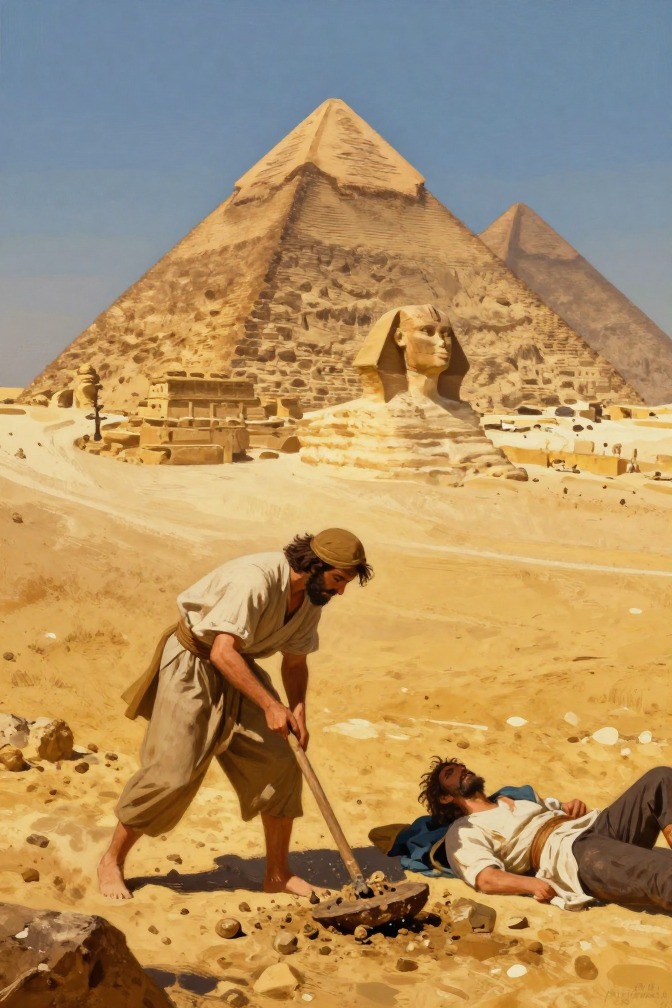
Santiago's digging at the Pyramids and being beaten is the climactic reversal of the novel, where the hero, after a year-long quest, is brutally attacked by refugees, robbed of his last gold, and forced to confess his dream—only to learn from his tormentor's own discarded dream that the treasure he sought was back in Spain all along, a revelation that transforms apparent defeat into the key to his destiny.
Santiago works for the crystal merchant in Tangier for nearly a year, an episode that transforms him from a robbed and desperate shepherd into a confident entrepreneur who earns enough money to continue his quest, while also learning profound lessons about destiny, fear, and the language of the world.
The tribal chieftain is the authoritative leader of the Al-Fayoum oasis who, after initially testing Santiago's vision of an impending attack, upholds the desert tradition of believing omens, leads a successful defense, and rewards Santiago, while also embodying the wisdom of the desert and the principle that every person plays a central role in the world's history.
Love, in Paulo Coelho's *The Alchemist*, is presented as the purest expression of the Language of the World—a force that transforms and improves the Soul of the World, and one that never keeps a person from pursuing their Personal Legend.
Birds in *The Alchemist* function as a central symbol of omens, the Language of the World, and the interconnectedness of all things, guiding Santiago's journey and revealing hidden truths about destiny and the Soul of the World.
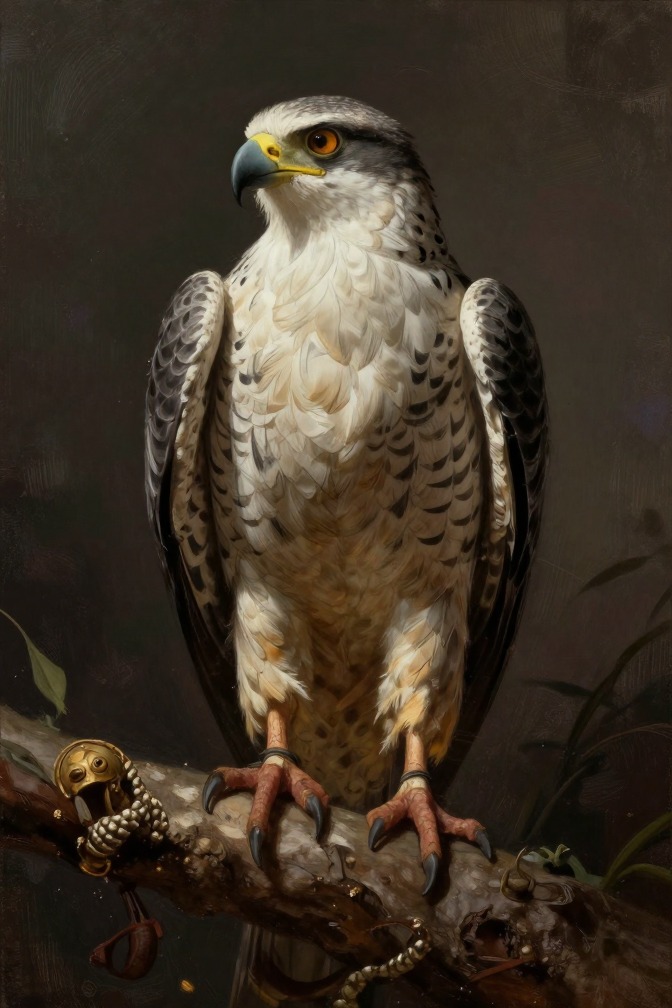
The falcon is a recurring symbol and a practical companion in *The Alchemist*, serving as the alchemist's hunting partner and a living embodiment of the desert's wisdom, the Language of the World, and the transformative power of love.
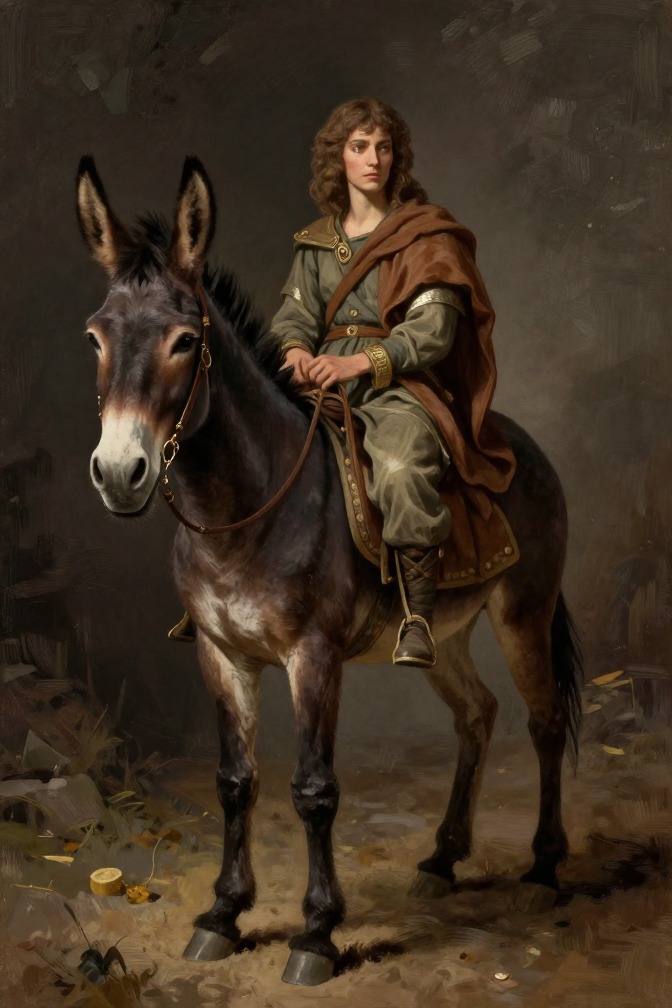
Mules appear briefly in the caravan crossing the Sahara Desert, serving as pack animals alongside camels, horses, and other livestock. Their presence underscores the scale and diversity of the caravan, the practical challenges of desert travel, and the theme of interconnectedness among all creatures.
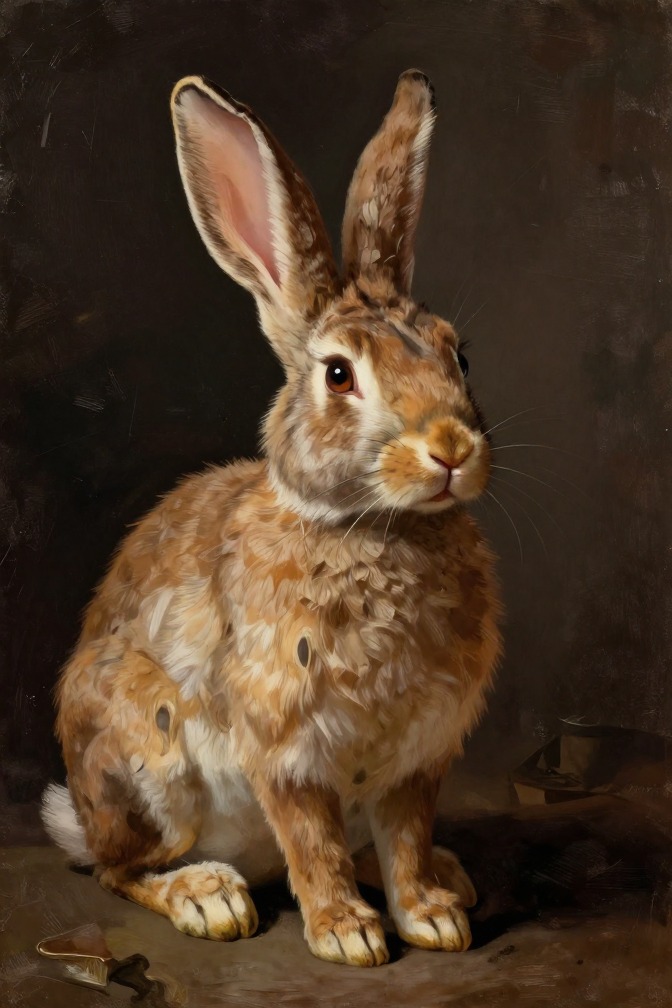
The rabbit appears in Paulo Coelho's *The Alchemist* as a minor but symbolically resonant creature, primarily serving as game for the alchemist's falcon during the desert crossing and as a figure in the alchemist's teachings about destiny, transformation, and the interconnectedness of all life.
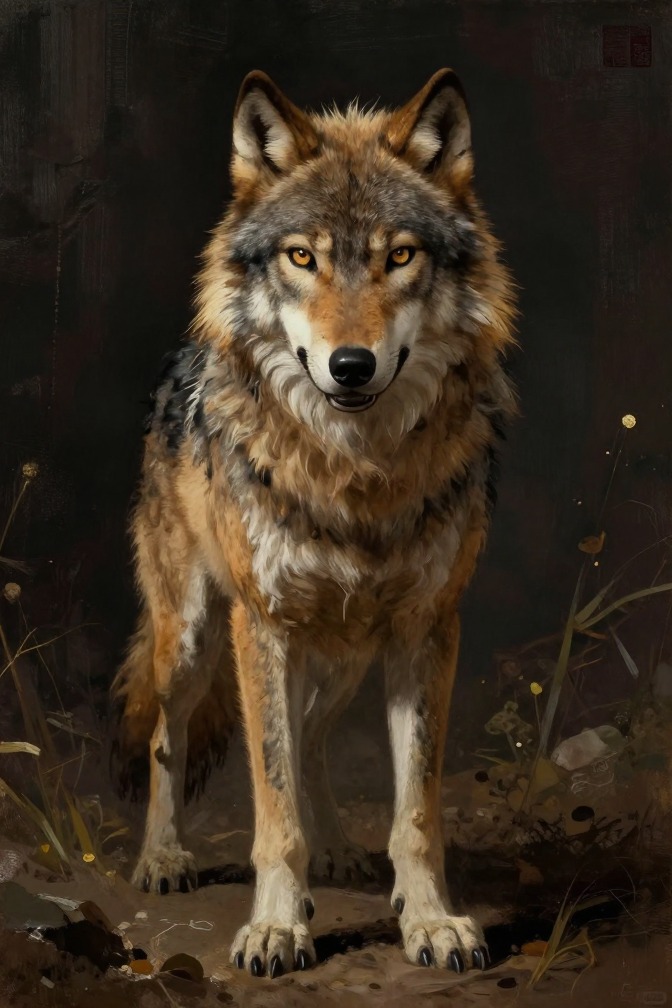
The wolf is a recurring symbol in *The Alchemist*, representing the external dangers and predatory threats that a shepherd must guard against, but it also serves as a metaphor for the internal fears and the 'mysterious force' that can deter a person from pursuing their Personal Legend.
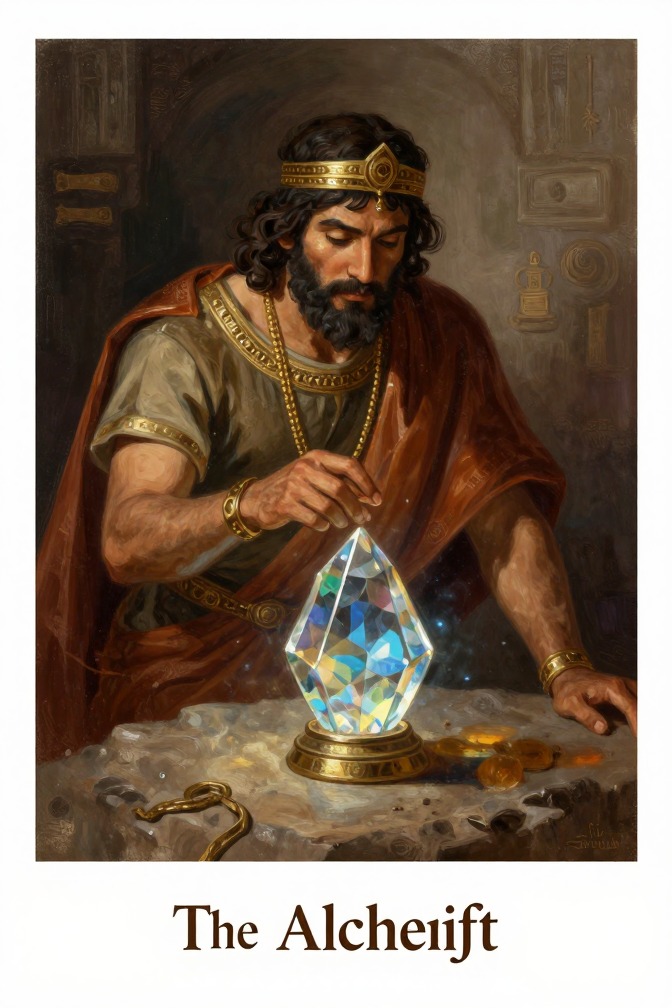
Santiago returns to the abandoned church in Andalusia where his journey began and, after digging at the base of the sycamore tree, discovers the treasure chest of gold coins, precious stones, and artifacts that was the true destination of his quest, completing the circular structure of his Personal Legend.
Santiago's recurrent dream of treasure is the initiating event of the entire narrative, a prophetic vision that first appears in an abandoned church and drives the shepherd to abandon his familiar life, cross the Mediterranean, and traverse the Sahara Desert in search of a hidden fortune near the Pyramids of Egypt.
The Personal Legend is the central philosophical concept of Paulo Coelho's *The Alchemist*, defined as the unique destiny or life's purpose that every person knows as a child but often abandons under social pressure. The entire narrative of Santiago's journey is structured around the discovery, pursuit, and fulfillment of his Personal Legend, with the novel asserting that realizing this destiny is a person's only real obligation and that the universe conspires to help those who seek it.
The Moorish wars are a recurring historical and symbolic reference in *The Alchemist*, representing the centuries of conflict between Moors and Christians in the Iberian Peninsula and North Africa. They serve as a backdrop of cultural memory, shaping Santiago's perceptions of the Arab world, the landscape of Andalusia, and the wind that carries the scent of the desert.
Anthony Marston, a young and reckless aristocrat, becomes the first victim of the unknown murderer on Indian Island, dying instantly from potassium cyanide poisoning during the tense aftermath of the gramophone accusation.
General Macarthur is the third victim on Indian Island, killed by a blow to the back of the head with a life preserver while sitting alone by the sea, his death confirming that the island's murders are deliberate and that the killer is among the guests.
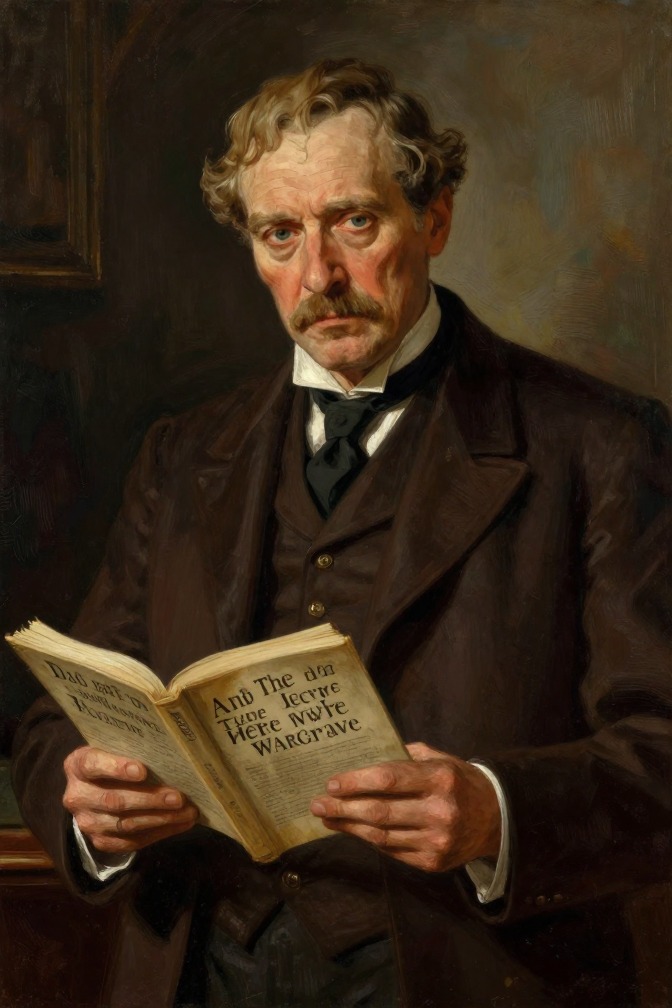
The staged death of Justice Lawrence Wargrave is the pivotal deception of the Indian Island murders, a calculated performance in which the judge—the true mastermind—fakes his own murder to become an invisible observer, enabling him to eliminate the remaining guests and complete his grand design of extra-legal execution.
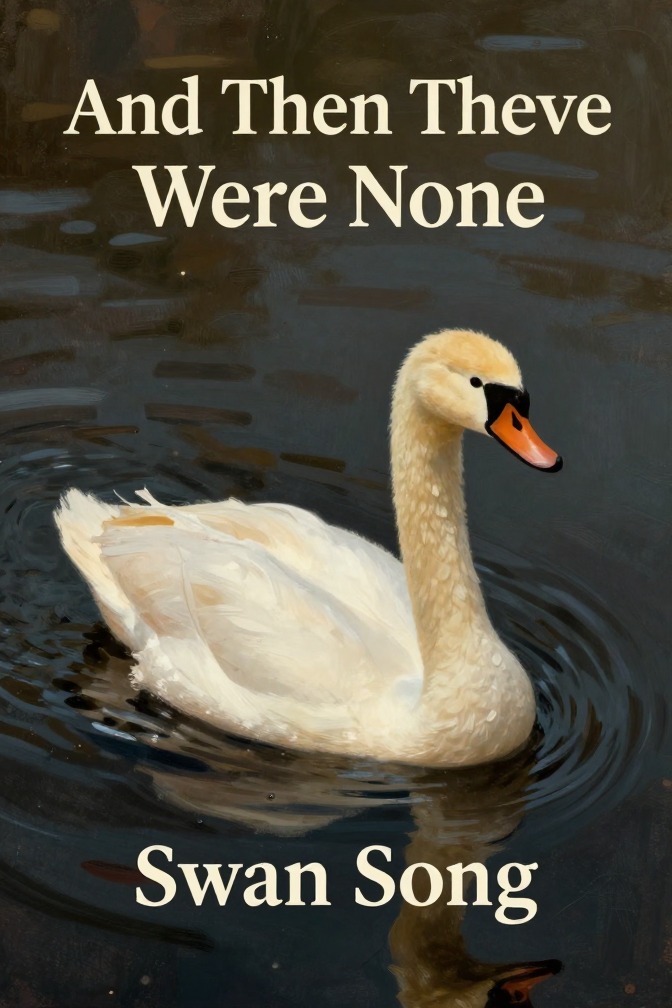
Swan Song is the gramophone record played on Indian Island that delivers the recorded voice accusing each guest of a specific murder, triggering the first wave of terror and setting the pattern for the deaths that follow.
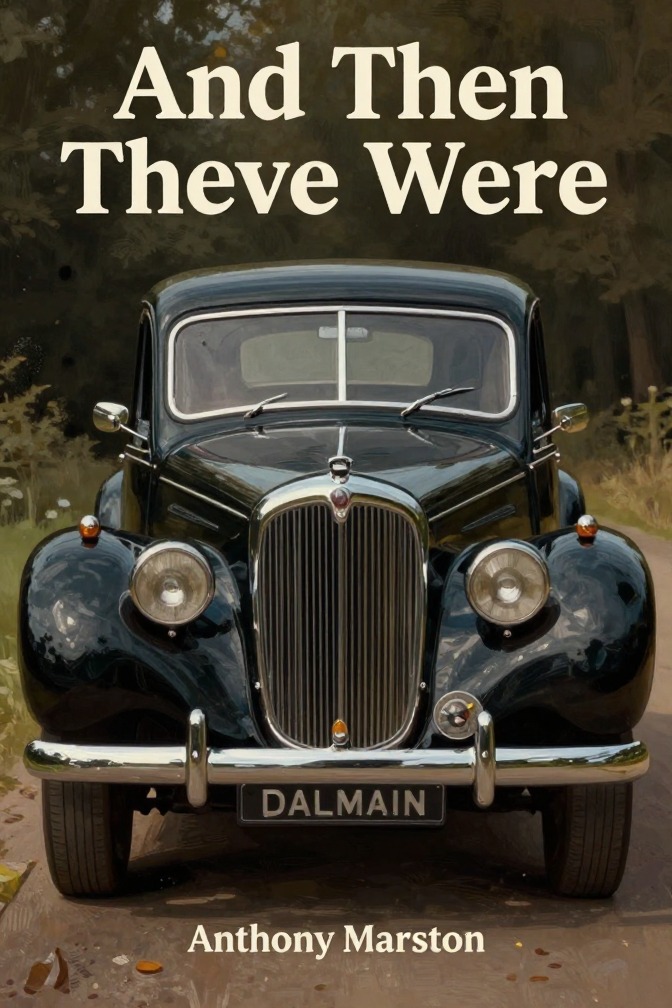
Anthony Marston's car (Dalmain) is a superlatively powerful sports car whose dramatic arrival on Indian Island establishes Marston as a figure of almost mythic vitality, and whose very presence underscores the gulf between the reckless young driver and the isolated, doom-laden setting he has entered.
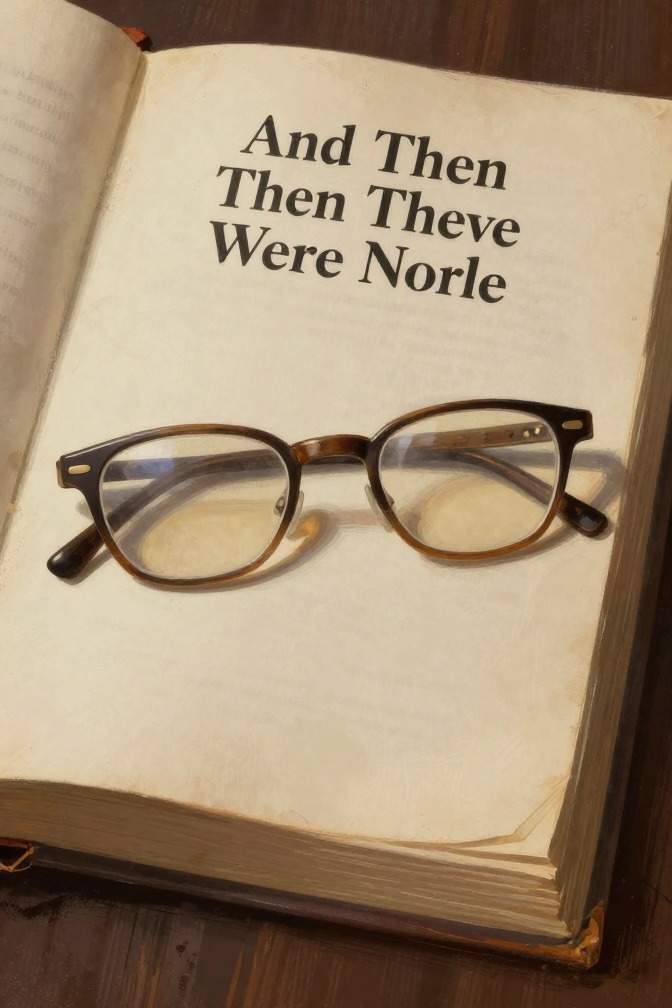
Lawrence John Wargrave's eyeglasses are the final, self-destroying instrument of his meticulously planned mass murder on Indian Island, transformed from a judge's accessory into the trigger mechanism of his own suicide, completing the nursery rhyme's last verse and sealing the mystery.
The motor boat is the sole physical link between Indian Island and the mainland, and its failure to arrive on the morning after the first deaths confirms the guests' isolation and the murderer's control over their fate.
The rope with noose is the instrument of Vera Claythorne's death and the final object in the nursery rhyme's sequence, appearing in her bedroom as a pre-arranged trap that exploits her guilt and psychological exhaustion to complete the last murder on Indian Island.