Lowton Dispensary is a medical institution in the town of Lowton, near Lowood School, that becomes indirectly significant in Jane Eyre's story when its former matron is appointed as the new housekeeper at Lowood during the typhus epidemic, providing comparative liberality in provisions after the departure of the previous, stricter housekeeper.
Jane Eyre and Bessie Lee share a complex, evolving bond that moves from the nurse's early harshness and Jane's fearful dependence toward mutual affection and lasting friendship, making Bessie one of the few sources of warmth in Jane's isolated childhood and a continuing link to her past.
The marriage between Edward Fairfax Rochester and Bertha Antoinetta Mason is a central, catastrophic secret of the novel, a union arranged for financial gain and based on deception, which results in Bertha's madness and confinement, Rochester's years of misery and wandering, and the ultimate destruction of Thornfield Hall.
The Bigamy prohibition is the legal and moral rule that prevents Edward Fairfax Rochester from marrying Jane Eyre while his first wife, Bertha Antoinetta Mason, is still alive. This prohibition is the central obstacle of the novel, forcing Jane to choose between her love for Rochester and her adherence to divine and societal law. The revelation of the existing marriage at the altar shatters Jane's hopes and precipitates her flight from Thornfield, ultimately shaping the novel's exploration of conscience, integrity, and the limits of human passion.
Dáin Ironfoot, King under the Mountain, was the staunch Dwarf-lord who led his people through the War of the Ring, fell in battle at the age of two hundred and fifty, and whose line was restored by his son Thorin Stonehelm.
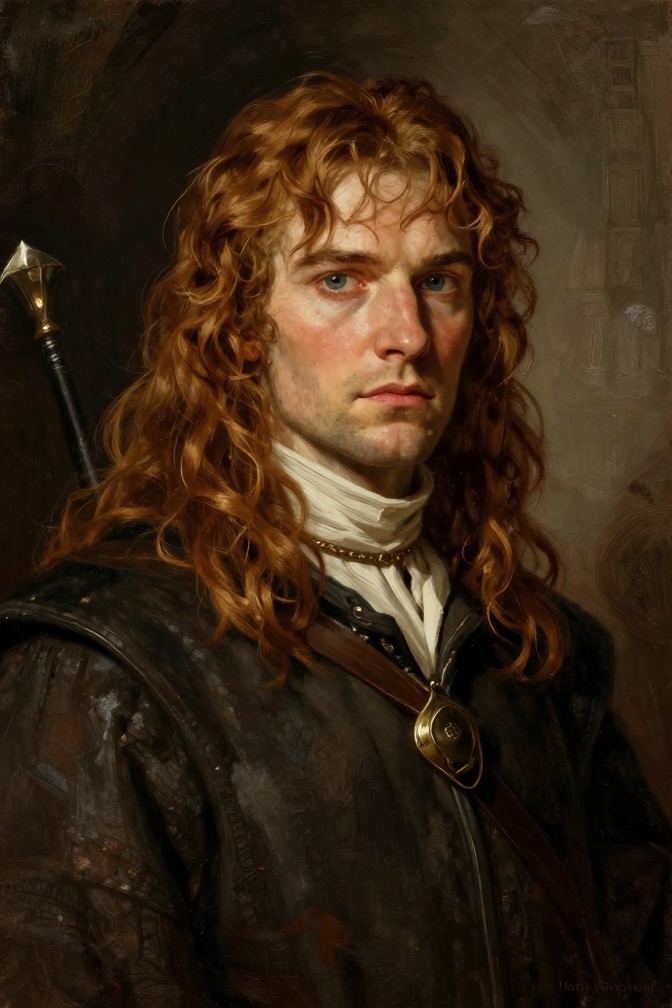
Éomer, son of Éomund, is the Third Marshal of the Mark of Rohan who becomes King after Théoden's death. He is a proud, valiant, and loyal warrior who leads the Rohirrim in the War of the Ring, forging a lasting friendship with Aragorn and playing a crucial role in the victory at the Pelennor Fields.
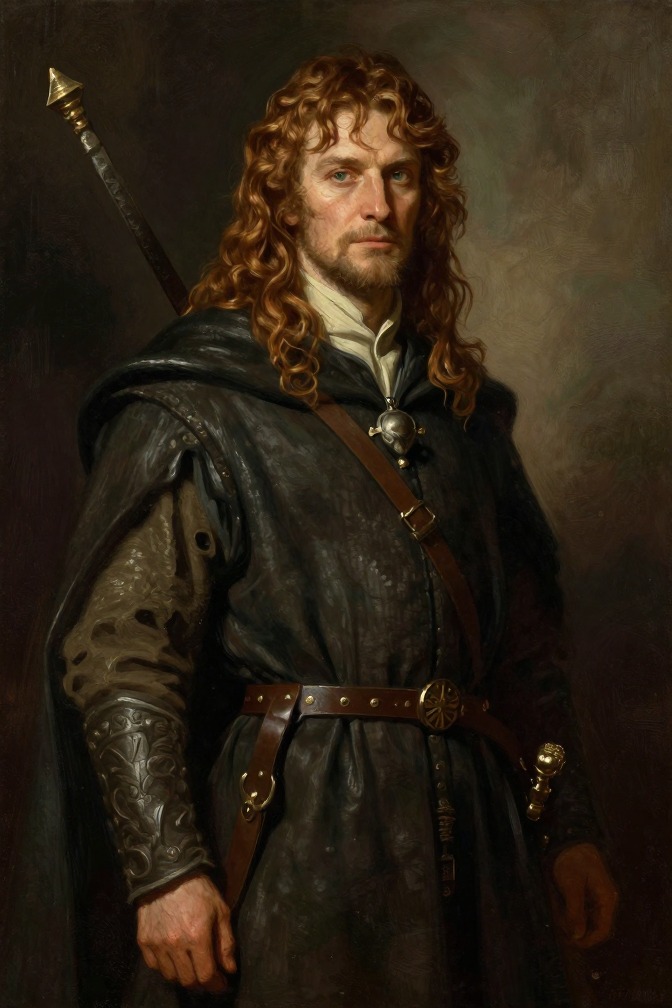
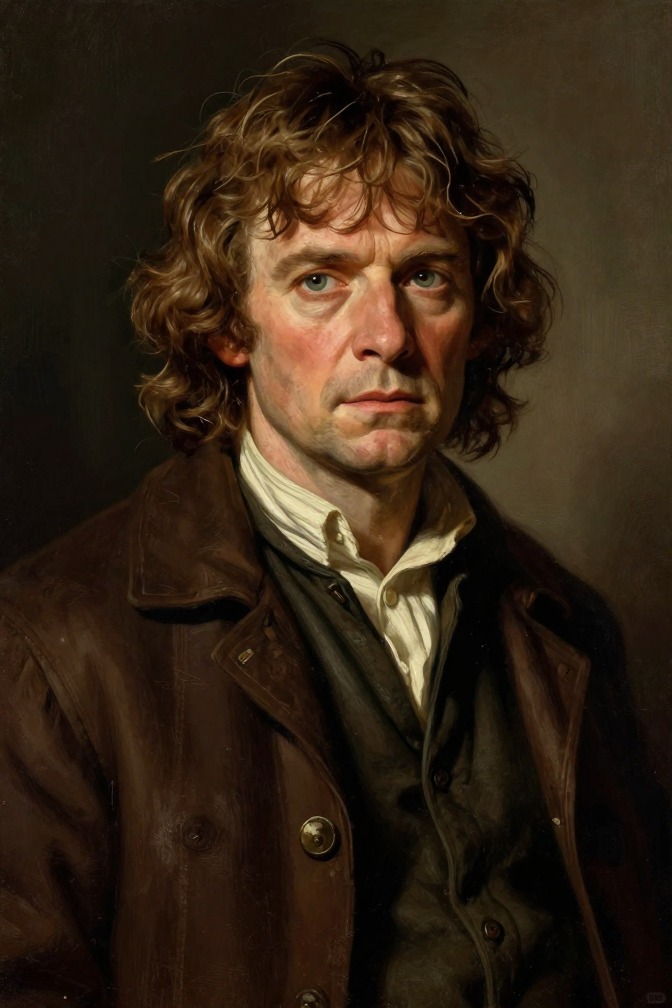
Samwise Gamgee, Frodo Baggins's loyal gardener and companion, is the steadfast heart of the Quest. From eavesdropping on Gandalf's secret council to carrying his wounded master up Mount Doom, Sam's unwavering courage, simple wisdom, and profound love for Frodo prove indispensable. He resists the Ring's temptation, rescues Frodo from the Tower of Cirith Ungol, and ultimately helps ensure the Ring's destruction, returning to the Shire to become its Mayor and the founder of a lasting family.
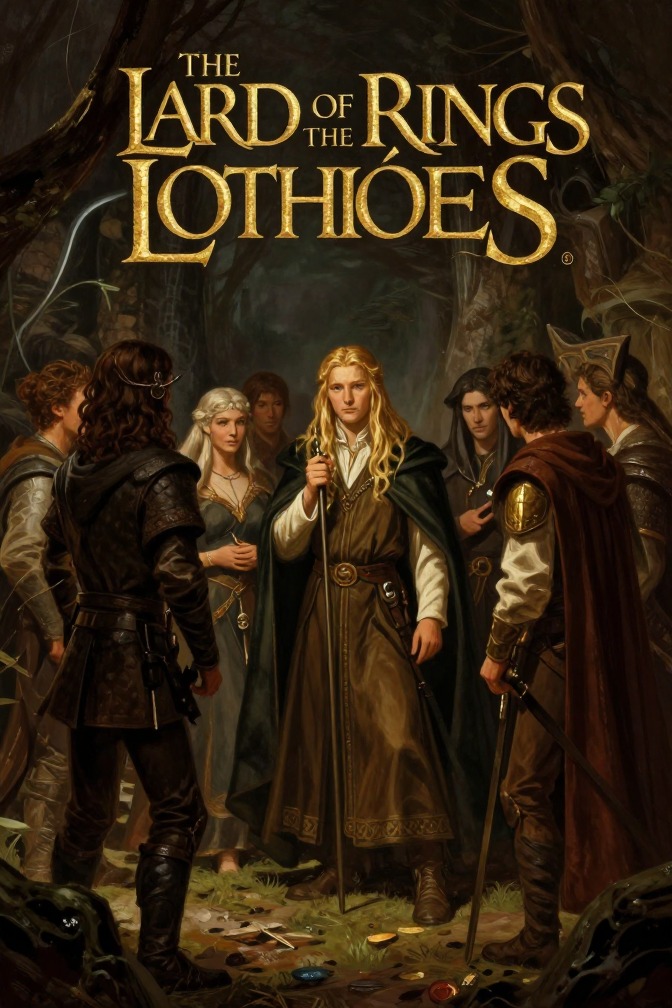
The Company of the Ring, weary and grieving after the loss of Gandalf in Moria, arrives at the eaves of the Golden Wood of Lothlórien. There they are met by the Elf Haldir, who, after initial suspicion of the Dwarf Gimli, leads them across the river Celebrant and into the hidden land. The hobbits experience a profound sense of entering a timeless, ancient world, and the Company is brought before the Lord Celeborn and the Lady Galadriel in the city of Caras Galadhon.
The Battle of Helm's Deep is the climactic military engagement of the War of the Ring in Rohan, a desperate night-long siege in which the Rohirrim, reinforced by Aragorn, Legolas, and Gimli, defend the ancient fortress of the Hornburg against the overwhelming army of Saruman, only to be saved at dawn by the arrival of Gandalf the White with Erkenbrand's relief force and the mysterious Huorns from Fangorn Forest.
The Departure of the Ring-bearers is the final event of The Lord of the Rings, in which Frodo Baggins, Bilbo Baggins, and the Keepers of the Three Elven Rings—Gandalf, Elrond, and Galadriel—sail from the Grey Havens into the Uttermost West, marking the end of the Third Age and the definitive passing of the Elves from Middle-earth.
The climax of the War of the Ring, in which Frodo Baggins, at the brink of the Cracks of Doom within Mount Doom, succumbs to the Ring's power and claims it for himself, only for Gollum to intervene in a desperate struggle, bite off Frodo's finger, and fall into the fire with the Ring, thereby destroying it and Sauron forever.
The Entmoot and the Destruction of Isengard is the pivotal event in which the Ents, ancient tree-herds roused from centuries of patience, march to war against Saruman, flooding and demolishing his fortress of Isengard, and thereby eliminating a key threat to Rohan and Gondor while also capturing the wizard Saruman in his tower.
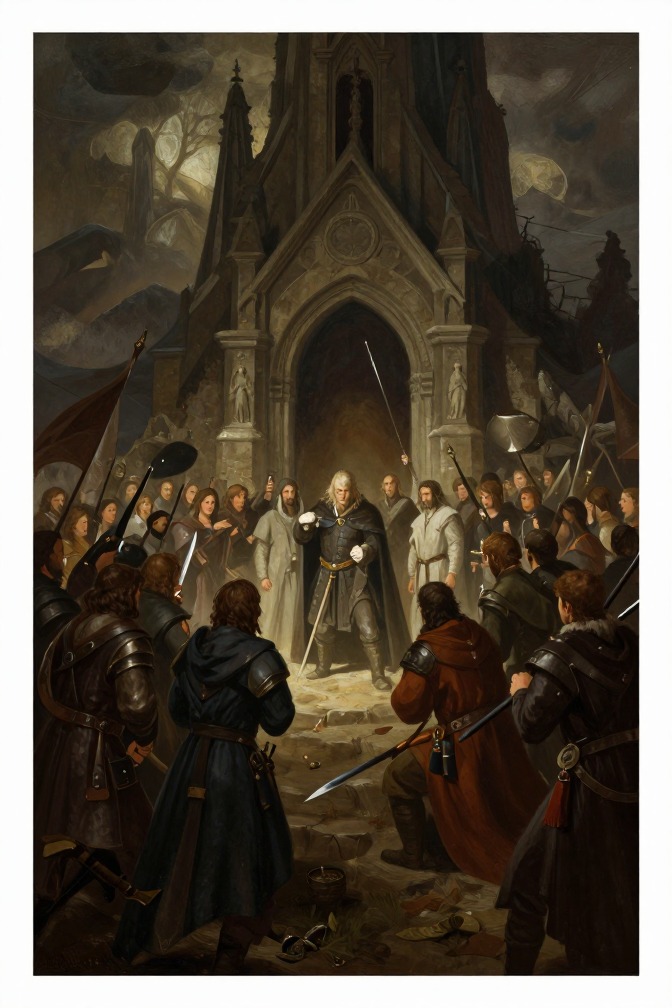
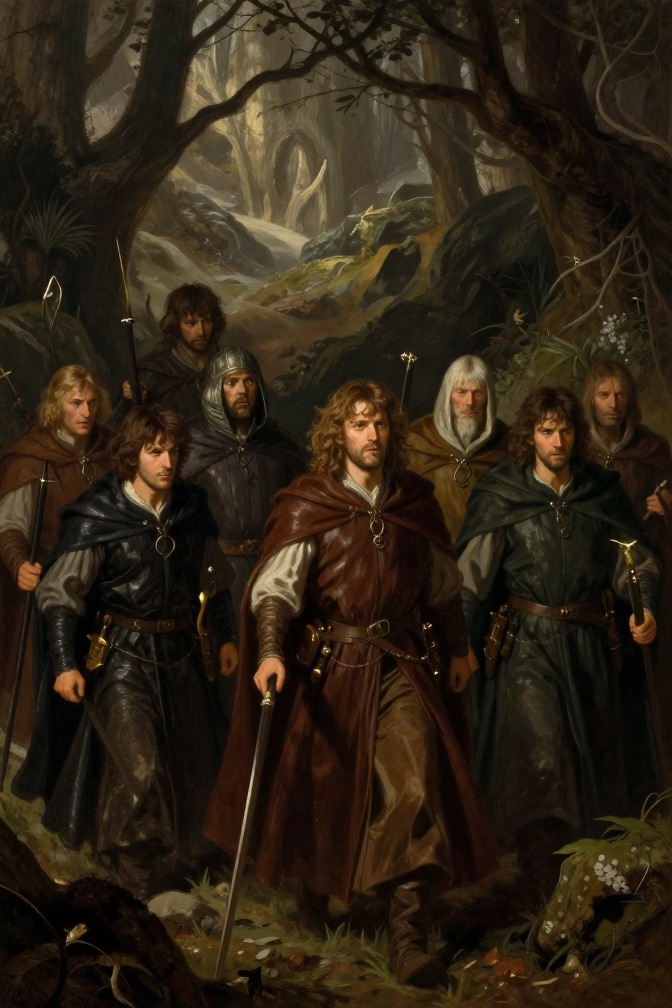
The Fellowship's Departure from Rivendell marks the formal beginning of the Quest of Mount Doom, when the nine companions set out at dusk on a cold December day, crossing the Ford of Bruinen and turning south into the wild lands west of the Misty Mountains, leaving behind the Last Homely House and the safety of Elrond's realm.
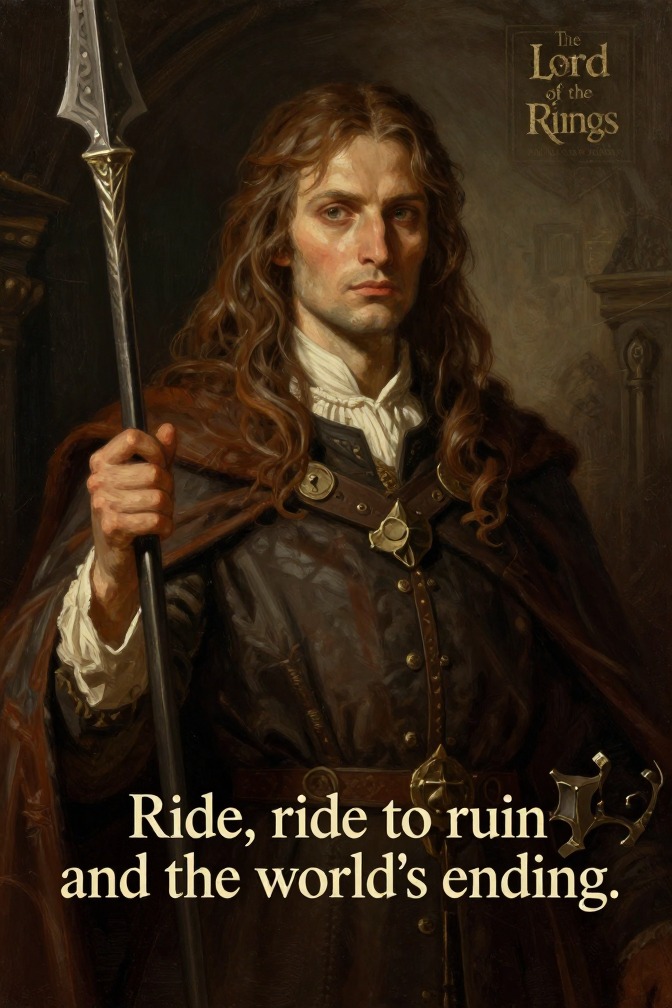
Éomer's battle-cry 'Death! Ride, ride to ruin and the world's ending!' is the climactic utterance of the Rohirrim's charge on the Pelennor Fields, a performative speech-act that transforms a king's grief into a suicidal onslaught and marks the emotional and tactical turning point of the Battle of the Pelennor Fields.
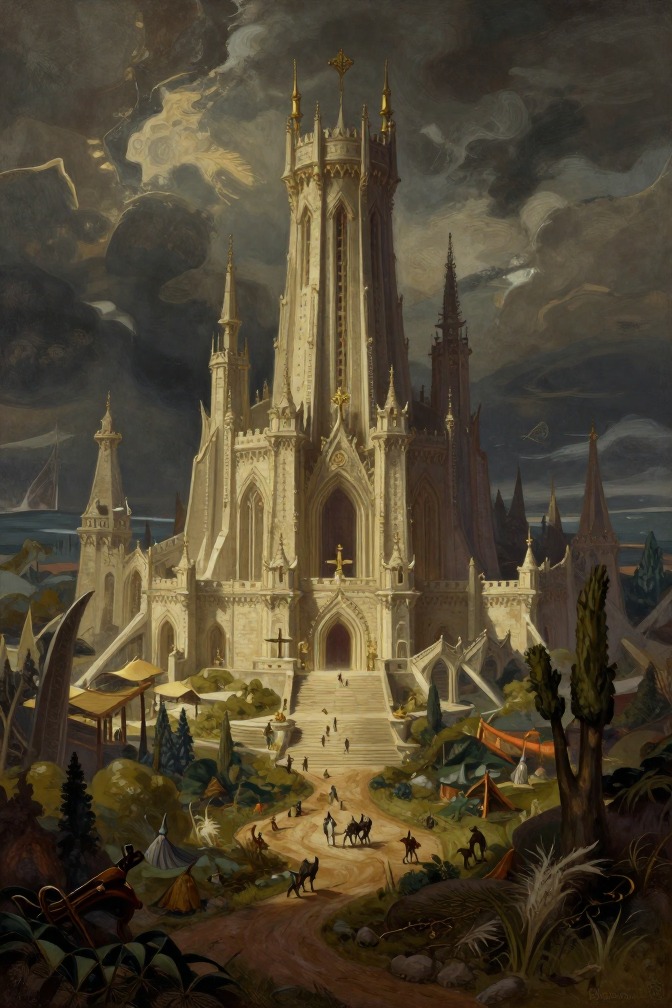
Númenor, also called Westernesse, was a great island kingdom granted to the Edain (the Elf-friends) by the Valar after the defeat of Morgoth at the end of the First Age. Situated in the Great Sea between Middle-earth and the Undying Lands, it became a realm of immense power, longevity, and seafaring prowess. Its people, the Númenóreans, were the ancestors of the Dúnedain of Gondor and Arnor. The island was ultimately destroyed in a cataclysm in the Second Age when its proud king, Ar-Pharazôn, broke the Ban of the Valar and invaded Aman, an act of rebellion instigated by Sauron. The Downfall of Númenor reshaped the world, removing the Undying Lands from mortal reach and scattering the Faithful survivors, led by Elendil, to the shores of Middle-earth.
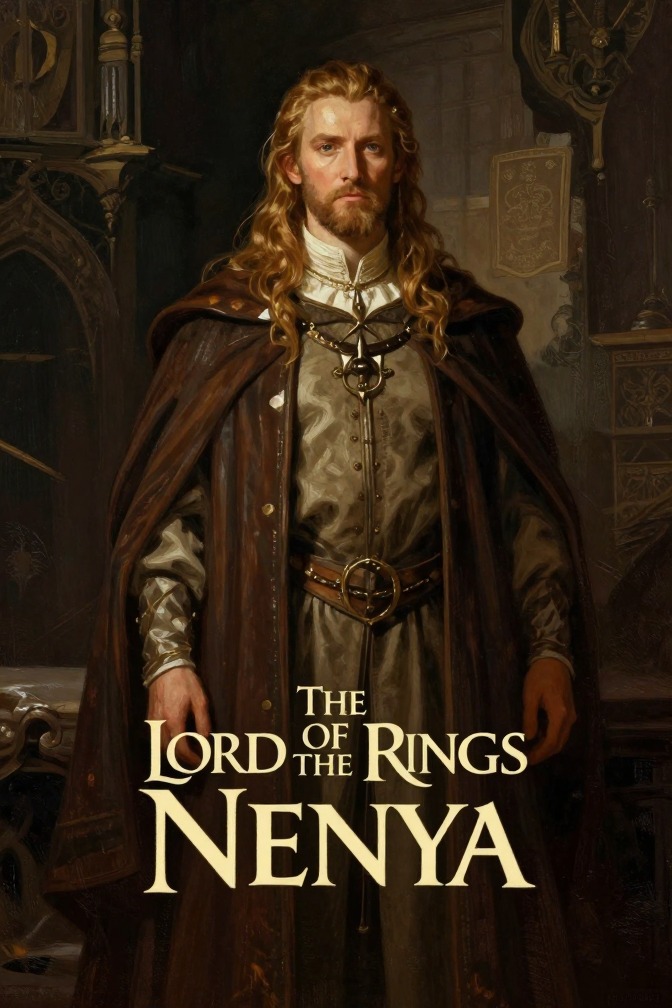
Nenya, the Ring of Adamant, is one of the Three Rings of the Elves, created by Celebrimbor in Eregion without Sauron's direct touch. Worn by Galadriel, it is a ring of preservation and protection, wielding the power to sustain Lothlórien as a timeless refuge against decay and evil. Its fate is bound to the One Ring: if Sauron regains the Ruling Ring, Nenya's power will be revealed and its works undone; if the One is destroyed, Nenya will fade, and Lothlórien will pass away.
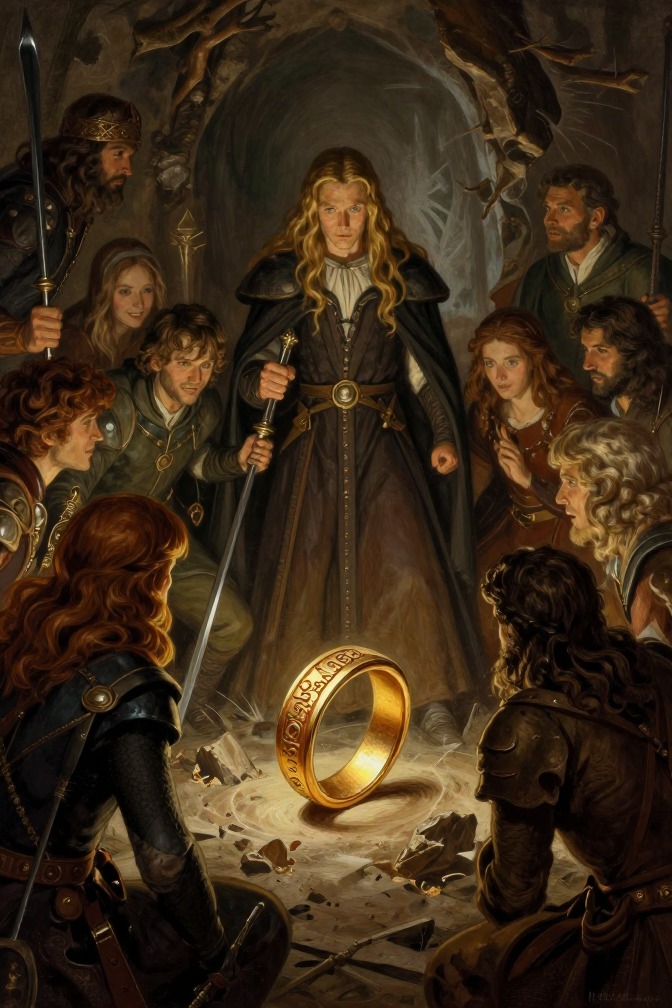
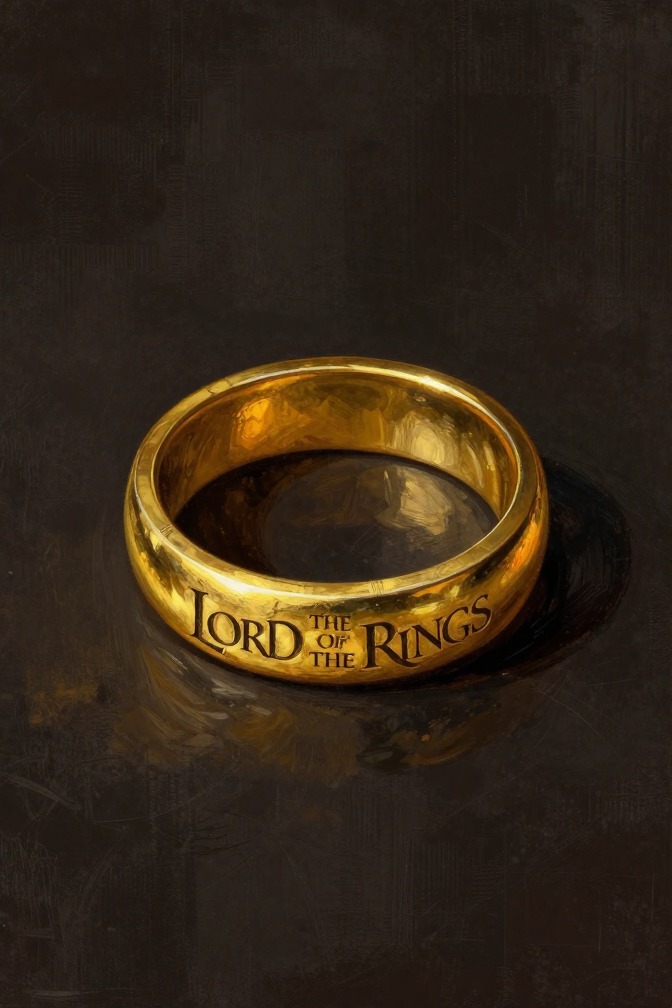
The One Ring, also called the Ruling Ring and Isildur's Bane, is the central artifact of The Lord of the Rings, forged by the Dark Lord Sauron in the fires of Mount Doom to control all other Rings of Power. Its discovery by the hobbit Bilbo Baggins, its long concealment, and the quest to destroy it drive the entire narrative. The Ring is not merely a magical object but a sentient, malevolent force that corrupts all who possess it, seeking always to return to its master. Its destruction ultimately brings about Sauron's downfall and the end of the Third Age.
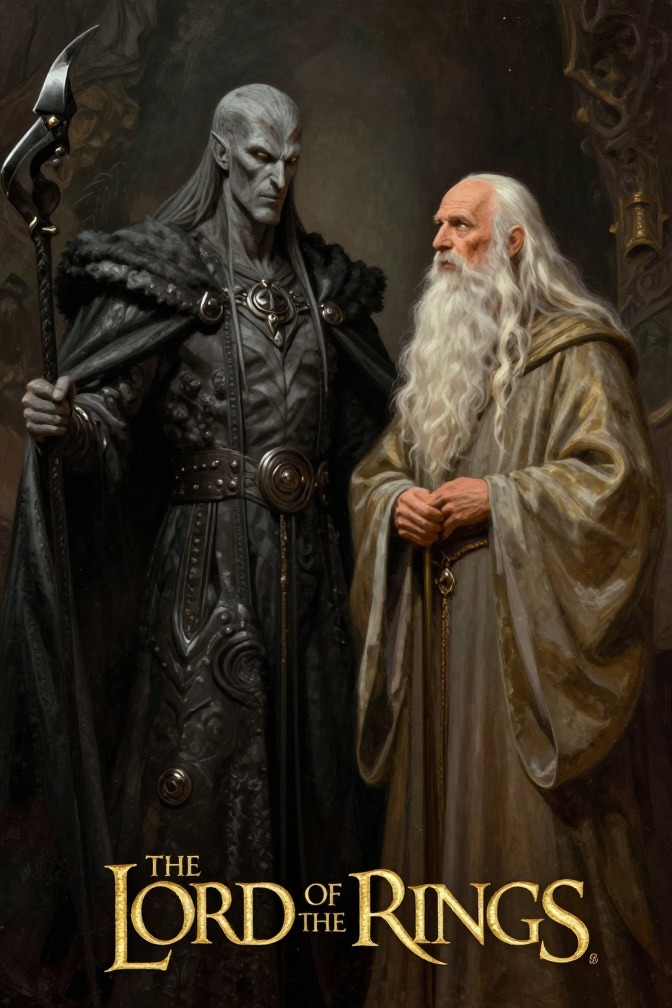
Sauron and Saruman's relationship evolved from a secret alliance to mutual betrayal, as Saruman, once the head of the White Council, was ensnared by Sauron through the palantír of Orthanc, becoming a rival power who sought the One Ring for himself, only to be ultimately discarded and destroyed by his former master.
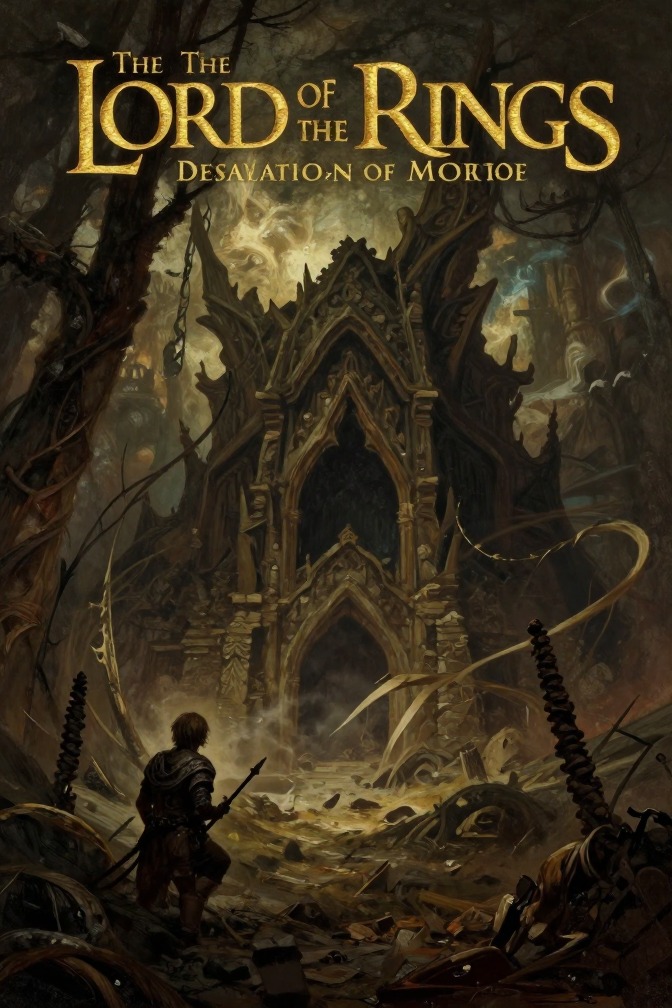
The Desolation of Mordor is the blasted, poisoned wasteland surrounding Sauron's dark realm, a landscape of ash, slag, and toxic fumes that serves as both the physical and moral antithesis of the free lands of the West. It is the final, most hostile environment Frodo and Sam must cross to reach Mount Doom, and its depiction as a land defiled beyond healing underscores the Ring's corrupting power and the immense cost of the Quest.
F.A. 1 (Fourth Age 1) is the inaugural year of the Fourth Age of Middle-earth, a new era that began after the final defeat of Sauron and the destruction of the One Ring. In the reckoning of Gondor, it started on March 25, 3021 of the Third Age, commemorating the fall of Barad-dûr and the deeds of the Ring-bearers. This year marked the transition from the fading Third Age to the age of the Dominion of Men, when the Elves began their final departure from Middle-earth and the Reunited Kingdom under King Elessar was established.
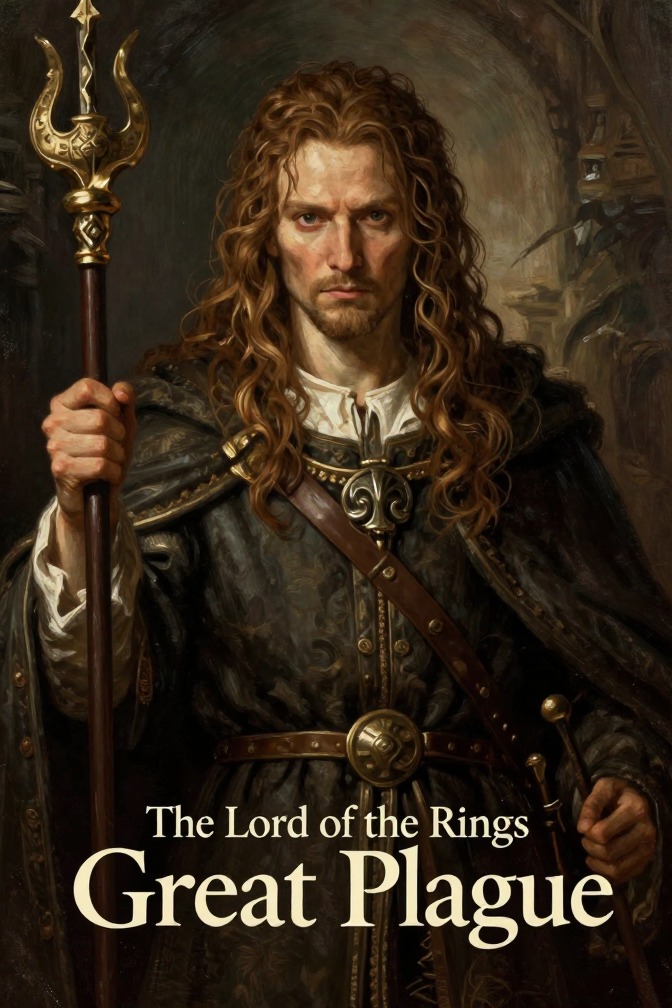
The Great Plague was a catastrophic pestilence that swept through Middle-earth in the Third Age, devastating Gondor and Eriador, causing the death of King Telemnar and his children, the withering of the White Tree, and the depopulation of Osgiliath and Cardolan, thereby weakening the defenses of the Free Peoples and enabling Sauron's eventual return.
Baby Suggs, holy, is the matriarch of the Suggs family and a central spiritual figure in Toni Morrison's Beloved. A former slave who buys her freedom through her son Halle's labor, she becomes an unchurched preacher in Cincinnati, delivering powerful sermons in the Clearing that celebrate the flesh as sacred. Her life is marked by profound loss—eight children, most sold or dead—and her eventual collapse into despair after the community's shunning and the trauma of Sethe's infanticide. She dies pondering color, leaving a legacy of love, resilience, and a cautionary tale about the limits of grace.
Denver is the youngest daughter of Sethe and Halle, born during her mother's escape from Sweet Home. She is the only child who remains with Sethe at 124 Bluestone Road, and her life is shaped by the haunting presence of her dead sister, Beloved. Denver's journey from a lonely, isolated girl to a self-sufficient young woman who seeks help from the community is central to the novel's themes of memory, trauma, and healing.
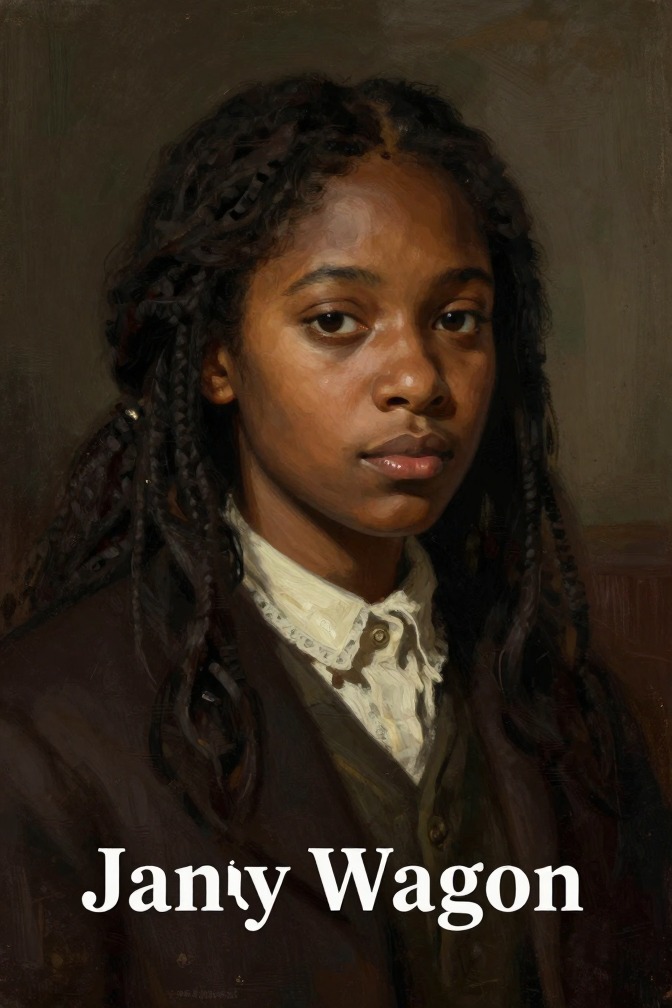
Janey Wagon is the Bodwins' longtime Black servant in Cincinnati, a minor but pivotal figure in Beloved who connects the novel's central household to the wider community and to the white abolitionist family that owns 124 Bluestone Road. She first appears as the young maid who welcomes Baby Suggs to the Bodwin house, and decades later she becomes the conduit through which Denver secures work and through which the community learns of Sethe's collapse, helping to set in motion the exorcism that frees 124.
Miss Bodwin is a white abolitionist sister of Edward Bodwin who, with her brother, provides crucial support to the Black community in Cincinnati, including housing and employment for Baby Suggs and Sethe. Her Christmas gifts and her role in the community's memory of 124 Bluestone Road highlight her complex position as a benevolent yet distant figure in the lives of the formerly enslaved.
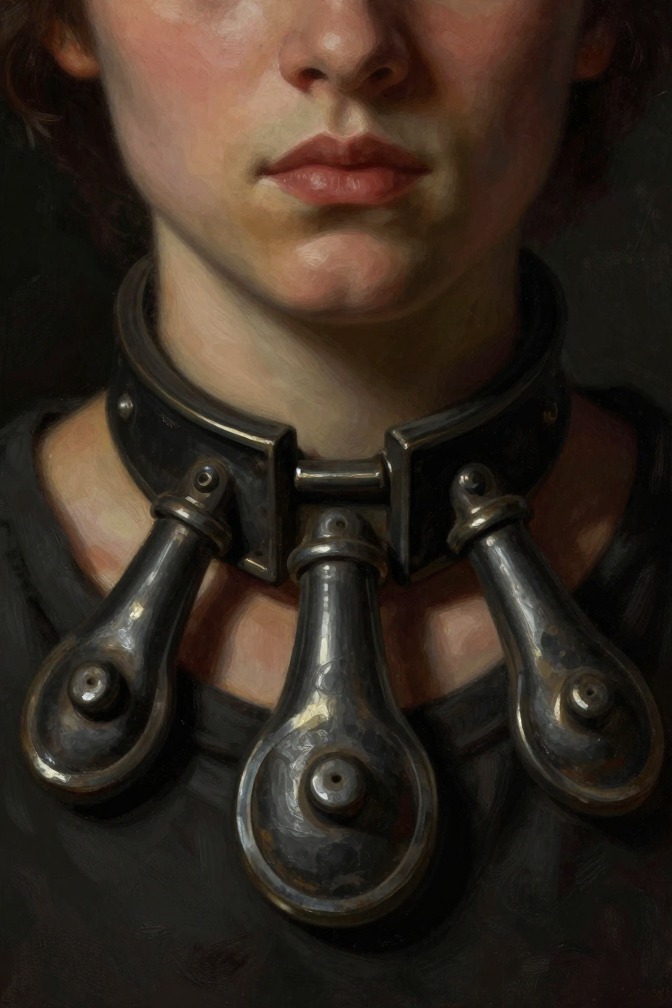
The three-spoke collar is an iron neck restraint that schoolteacher's men fit on Paul D after his capture during the failed Sweet Home escape, a device that embodies the dehumanizing reduction of a man to chattel and becomes a recurring emblem of his lost manhood and the shame he carries into his later life with Sethe.
Bill Mead is a minor character who appears during Humbert and Lolita's stay in Champion, Colorado, where he serves as a tennis-playing foil whose presence inadvertently exposes the predatory network closing in on Humbert's relationship with Lolita.
Charlotte Haze is the mother of Dolores Haze and the second wife of Humbert Humbert, a woman whose conventional suburban aspirations and desperate romanticism make her both a comic figure and a tragic victim in the narrative. Her sudden death in a car accident, occurring just after she discovers Humbert's true intentions toward her daughter, removes the primary obstacle to Humbert's predatory designs and sets the novel's central tragedy in motion.
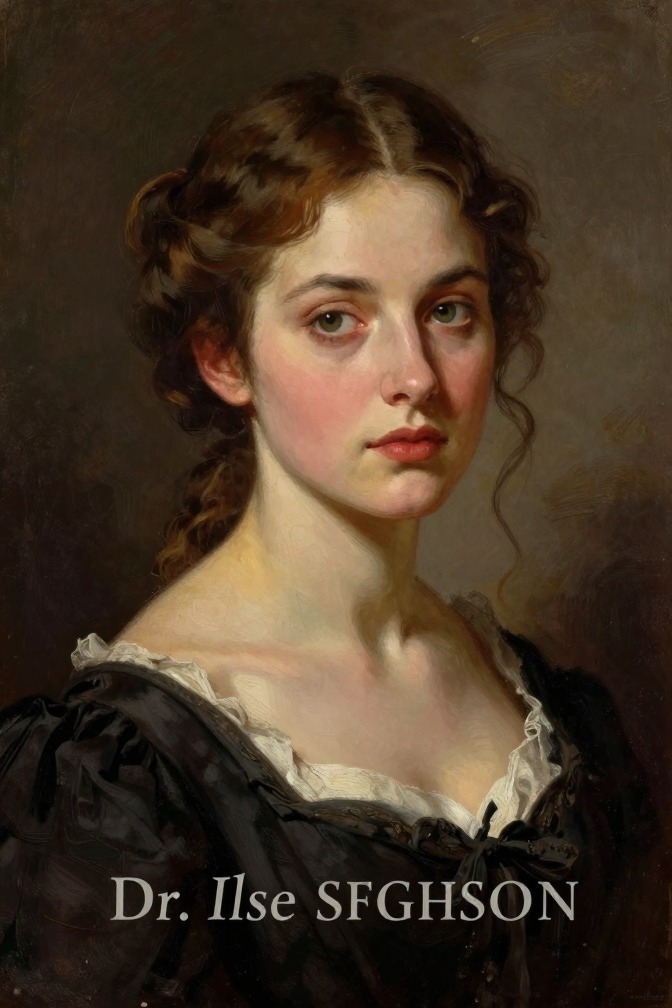
Dr. Ilse Tristramson is a minor but significant character in Vladimir Nabokov's Lolita, the physician who treats Dolores Haze during a serious illness in Elphinstone. Her brief appearance serves as a crucial narrative pivot: she is the medical professional who inadvertently facilitates the final separation between Humbert Humbert and his stepdaughter, as her diagnosis and treatment create the hospital stay during which Clare Quilty orchestrates Lolita's escape.
Dr. Molnar is the Beardsley dentist who performs a serious dental operation on Humbert Humbert, leaving him with only a few front teeth and a system of plates, and whose superior skill Humbert later uses as a pretext to confront Clare Quilty's uncle.