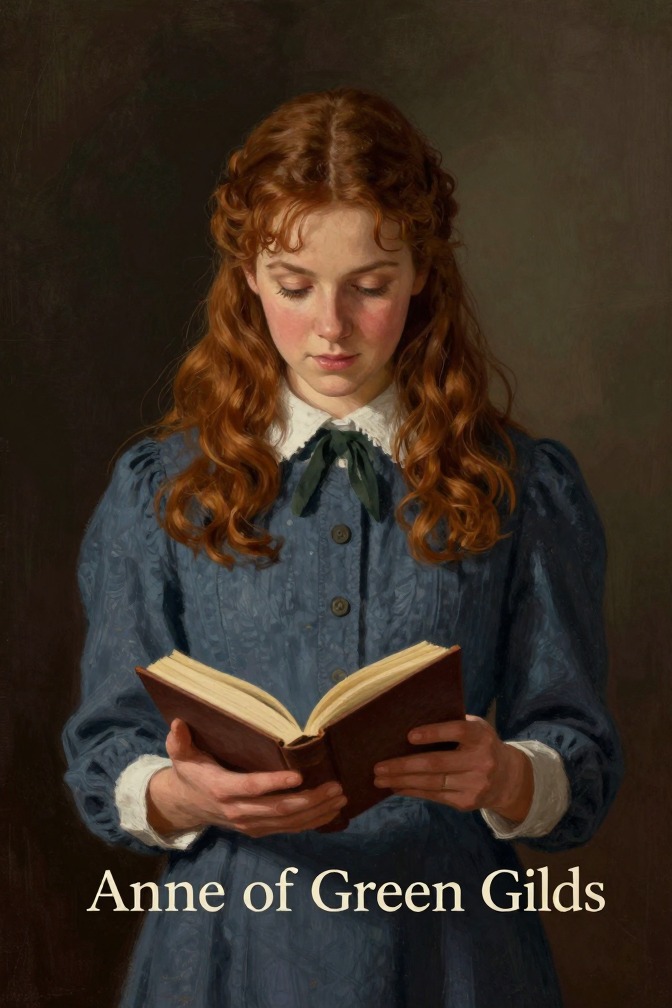
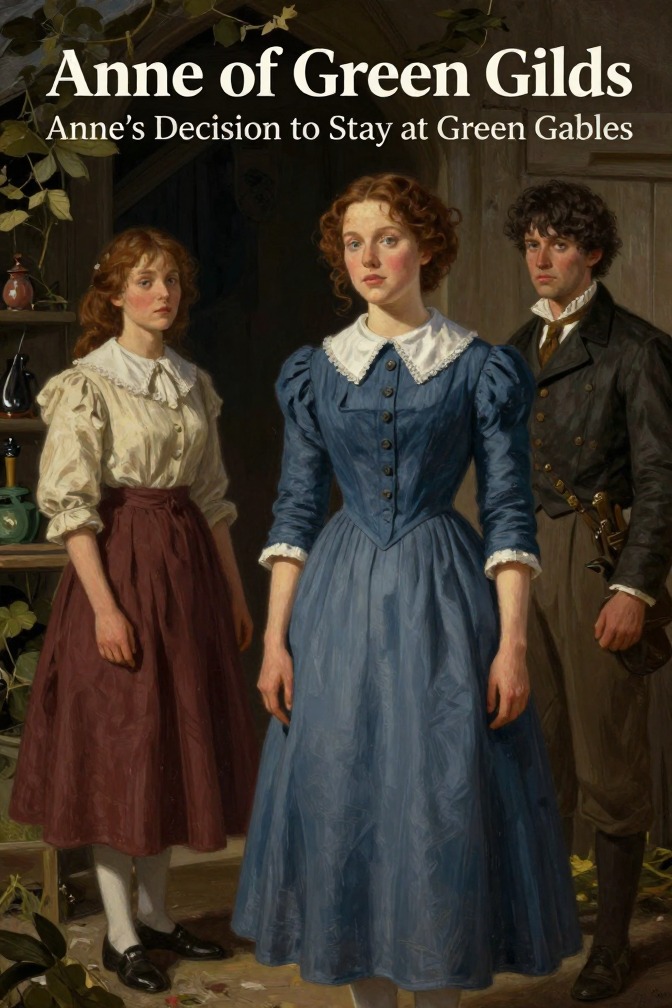
Anne Shirley decides to give up the Avery scholarship and her plan to attend Redmond College in order to stay at Green Gables and teach at the Avonlea school, a self-sacrificing choice made after learning that Marilla Cuthbert is threatened with blindness and that the family has lost its savings in the Abbey Bank failure.
Matthew Cuthbert is the shy, gentle, and deeply kind brother of Marilla Cuthbert, who lives with her at Green Gables farm in Avonlea. Though he dreads strangers and women, his quiet, steadfast love for the orphan girl Anne Shirley transforms both her life and his own, making him the first person to truly believe in her and the one whose sudden death marks the novel's most profound loss.
Mrs. Peter Blewett is a minor but pivotal character in Anne of Green Gables, whose brief appearance in the sixth chapter nearly derails Anne Shirley's future. A small, shrewish-faced woman with a reputation as a 'terrible worker and driver,' she is introduced as a potential new guardian for Anne after the Cuthberts' request for a boy results in a girl being sent. Her cold, calculating offer to take Anne off Marilla Cuthbert's hands, and her ungracious reaction when Marilla hesitates, serve as the catalyst that forces Marilla to recognize her own growing attachment to the child and ultimately decide to keep her at Green Gables.
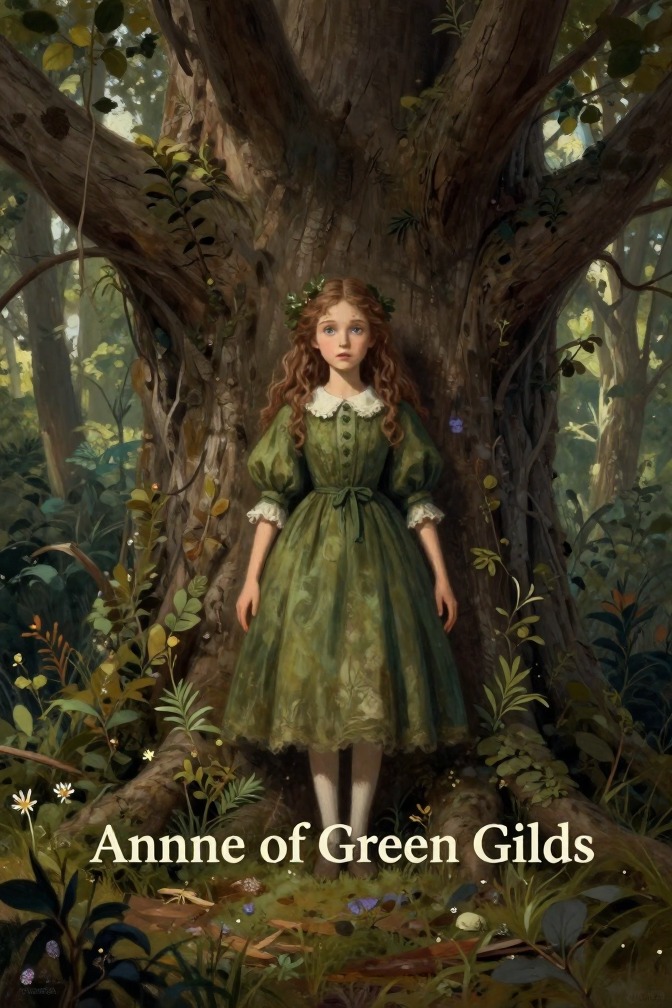
The dryad is a mythical figure from classical mythology that Anne Shirley invokes to animate the natural world around Green Gables, embodying her belief that trees, springs, and woods are inhabited by sentient, romantic spirits. Though Anne's faith in dryads is challenged by the practical skepticism of adults and even by her friend Diana Barry, the dryad remains a symbol of the imaginative vision that Anne struggles to preserve as she grows up.
Dogs appear in Anne of Green Gables primarily as a point of reference in Mrs. Rachel Lynde's dire warnings and as part of the everyday rural landscape of Avonlea, but no individual dog is named or plays an active role in the plot.
Fairies in Anne of Green Gables are not literal beings but imaginative constructs that Anne Shirley uses to enrich her world, cope with hardship, and express her creative spirit. They appear in her naming of places, her play with Diana Barry, and her reflections on beauty and romance, serving as a key index of her inner life and her struggle to balance imagination with reality.
Crickets appear in Anne of Green Gables as minor but recurring elements of the natural world, often associated with the sounds of summer and the background of childhood play, and occasionally serving as objects of mischief in the schoolroom.
Fireflies appear in Anne of Green Gables as luminous, romantic elements of the summer night landscape, associated with Anne's imaginative reveries and her emotional life at Green Gables.
Frogs appear in Anne of Green Gables as a recurring natural element that underscores the beauty and vitality of the Avonlea landscape, particularly through their chorus at Barry's pond, which Anne renames the Lake of Shining Waters. Their sound is woven into the sensory fabric of the novel, marking moments of transition, reflection, and the deep connection between the natural world and Anne's imaginative life.
Bats appear in Anne of Green Gables as minor but evocative creatures, primarily associated with the Haunted Wood and the imaginative terrors Anne projects onto the natural world. Their swooping flight in darkness becomes a symbol of the supernatural dread that Anne's vivid fancy conjures, and their presence marks a key moment in her education about the boundary between imagination and reality.
Cats appear in Anne of Green Gables as minor but telling presences, woven into the fabric of domestic life at Green Gables and into Anne's imaginative world. They serve as markers of comfort, companionship, and the ordinary routines of farm life, while also occasionally featuring in Anne's mishaps and her characteristic way of animating the world around her.
After Matthew Cuthbert's sudden death from heart failure and the revelation that Marilla Cuthbert is going blind, Anne Shirley makes the pivotal decision to give up the Avery scholarship to Redmond College and stay at Green Gables to teach, keeping the beloved home and caring for Marilla.
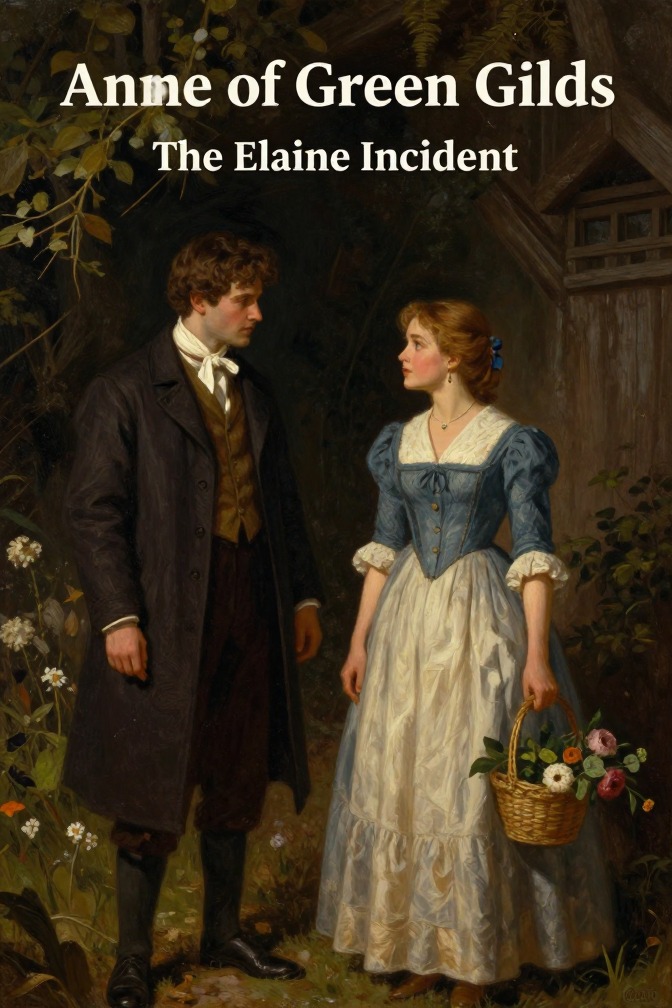
The Elaine Incident is a pivotal summer episode in which Anne Shirley, playing the drowned lily maid Elaine from Tennyson's poem, nearly drowns when the flat boat leaks and sinks, and is rescued by Gilbert Blythe, leading to a crucial moment of reconciliation that Anne rejects.
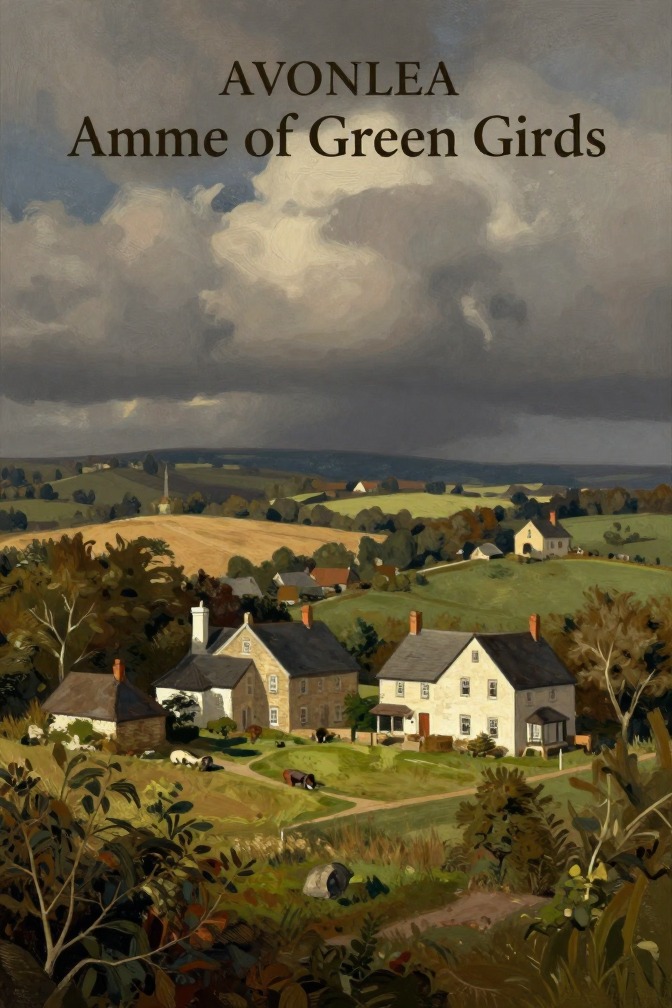
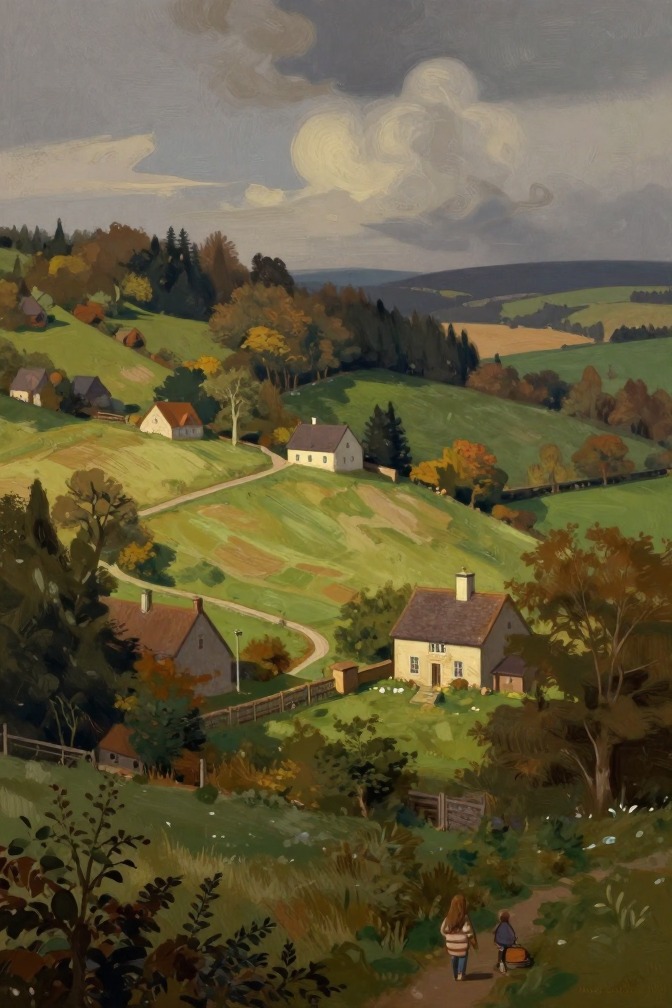
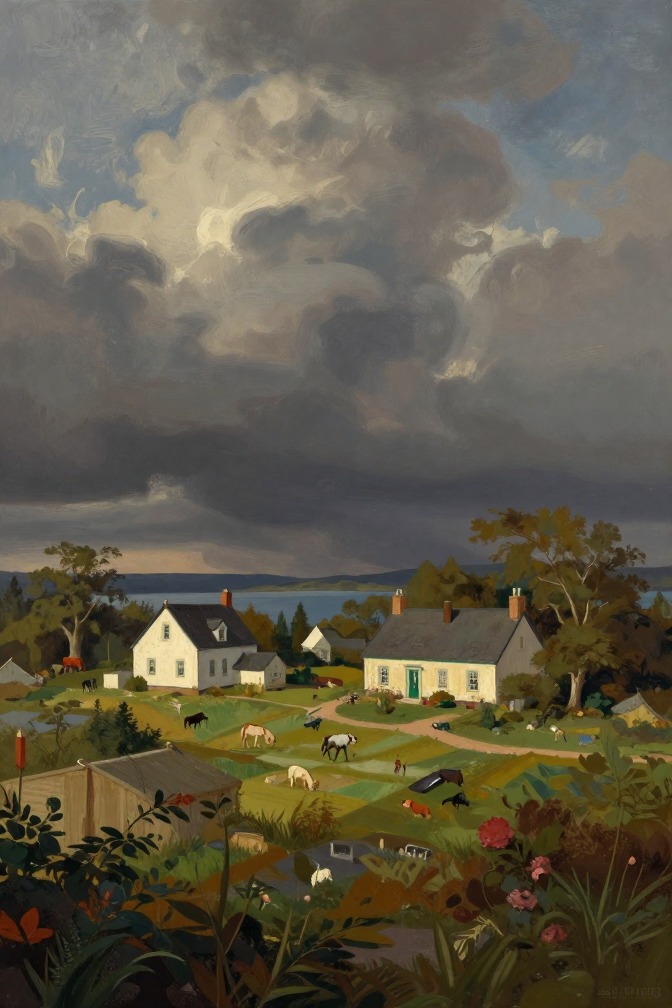
Avonlea is the fictional rural community on Prince Edward Island where Anne Shirley comes to live at Green Gables, serving as the primary setting for the novel and the crucible in which her character is formed through its landscapes, social networks, and seasonal rhythms.
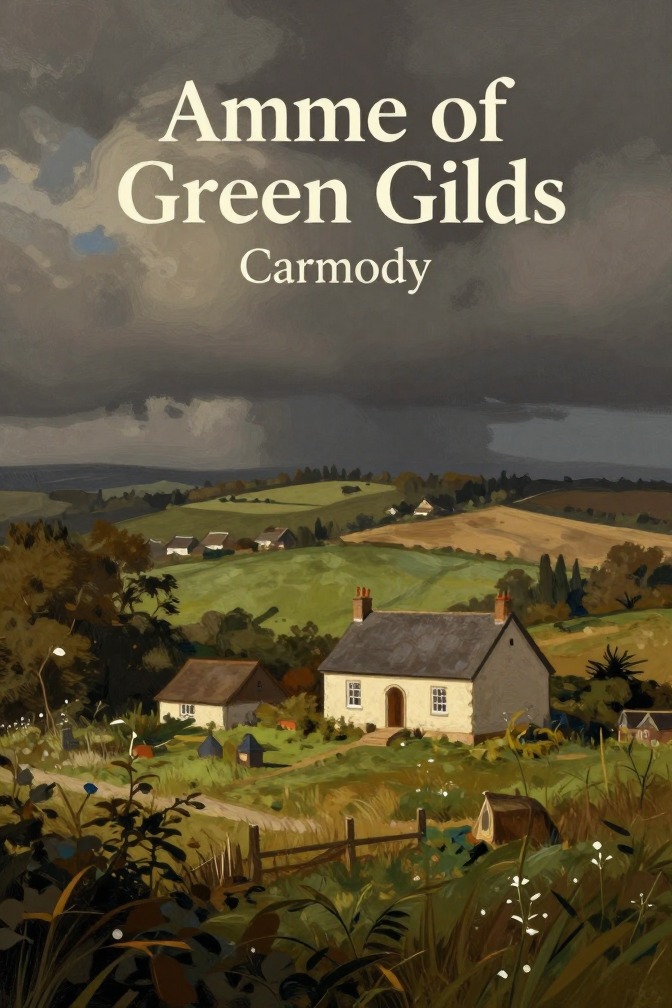
Carmody is the nearest market town to Avonlea, a bustling village where the Cuthberts and their neighbors conduct essential errands, buy goods, and exchange news. It serves as a vital link between the insular world of Green Gables and the wider commercial and social networks of Prince Edward Island, appearing repeatedly as the destination for shopping trips, medical emergencies, and the transmission of messages that shape the plot.
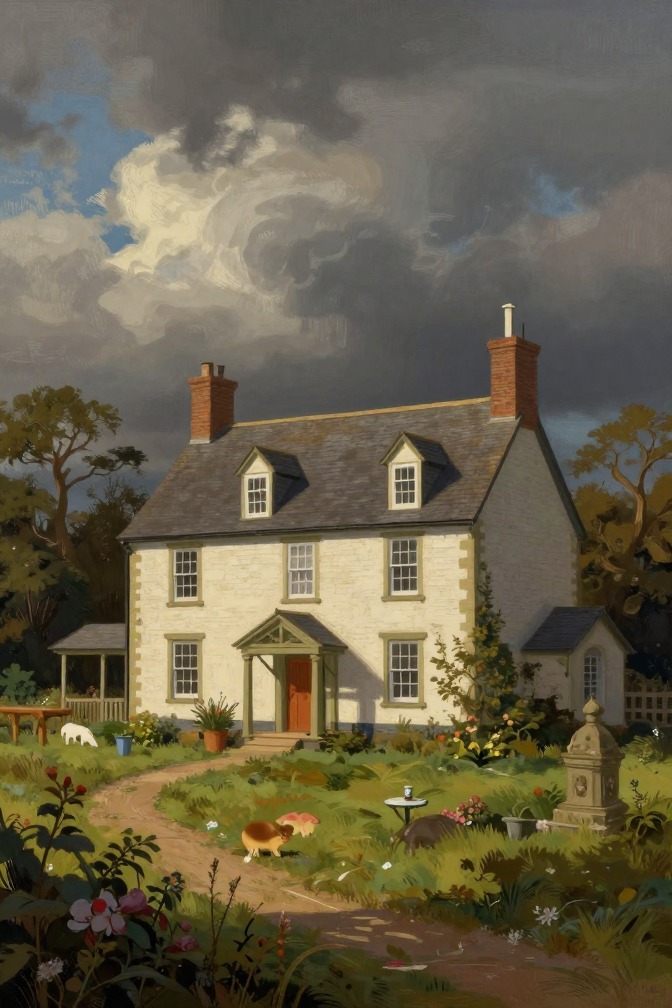
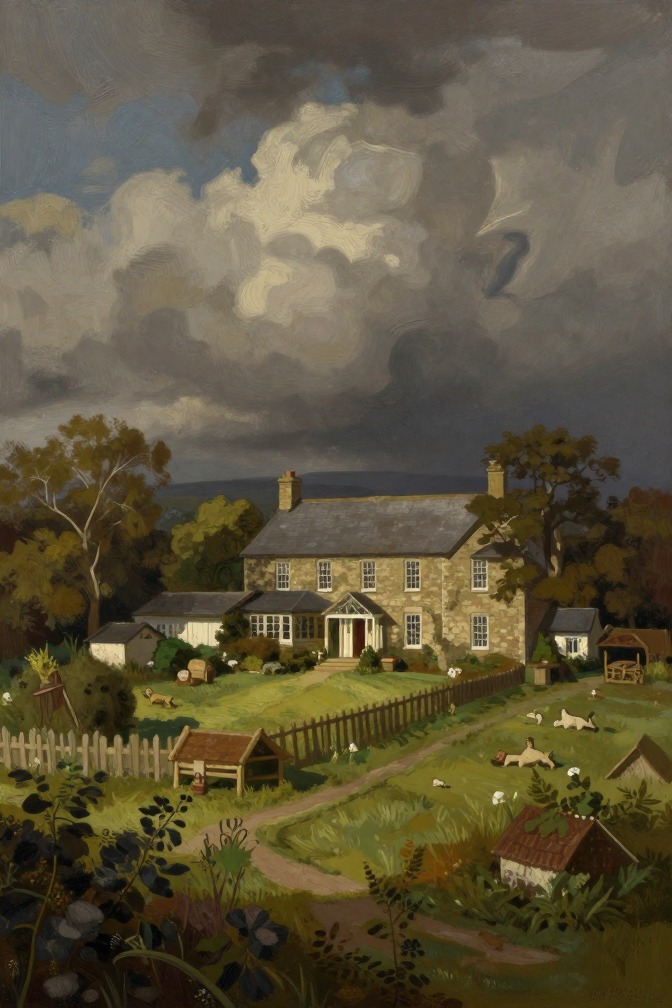
Green Gables is the Cuthbert family farm in Avonlea, Prince Edward Island, and the central setting of the novel. It is the home that Anne Shirley comes to love and the place where she finds belonging, transforming from a lonely orphan into a cherished member of the household. The farm's orchards, brook, and surrounding woods become the landscape of Anne's imagination and the anchor of her emotional life.
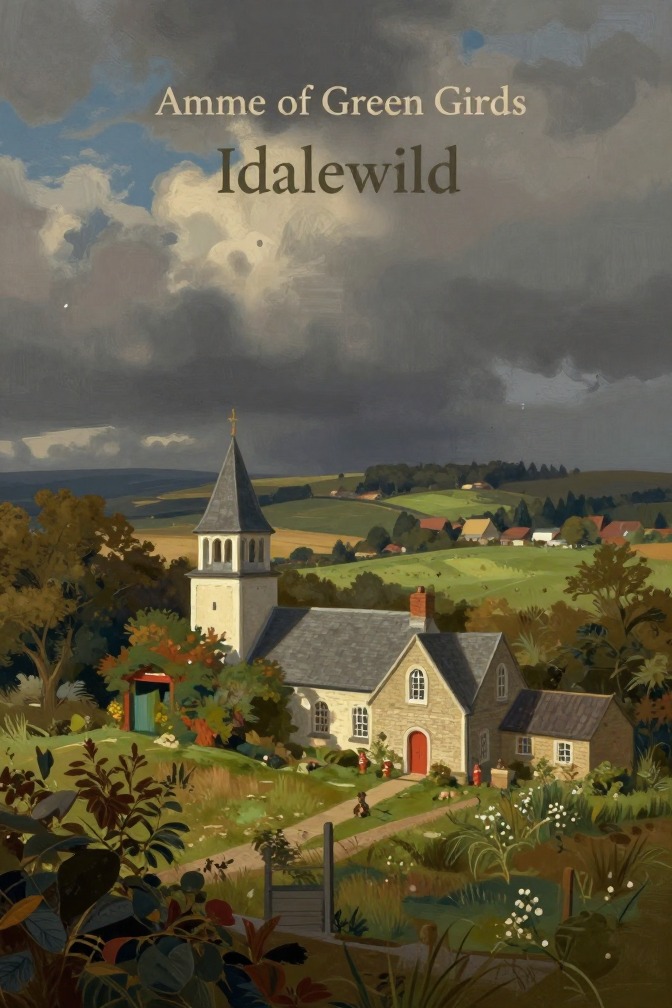
Idlewild is a small ring of white birch trees in a corner of Mr. William Bell's field, across the brook between the Cuthbert and Barry farms, which Anne Shirley and Diana Barry transform into their secret playhouse during the summer after Anne's arrival at Green Gables. It becomes the central stage for their imaginative games, the site of their shared domestic fantasies, and a symbol of the intense, creative friendship that defines Anne's early years in Avonlea. Its eventual destruction by Mr. Bell's logging marks the end of childhood play and the girls' transition to more grown-up pursuits.
Orchard Slope is the Barry family farmstead, located across the brook from Green Gables, and serves as the home of Anne Shirley's beloved bosom friend, Diana Barry. It is a place of warm hospitality, domestic order, and occasional tension, where Anne experiences both the heights of friendship and the depths of social disgrace, and where her courage and resourcefulness ultimately win her a place in the Barry household's regard.
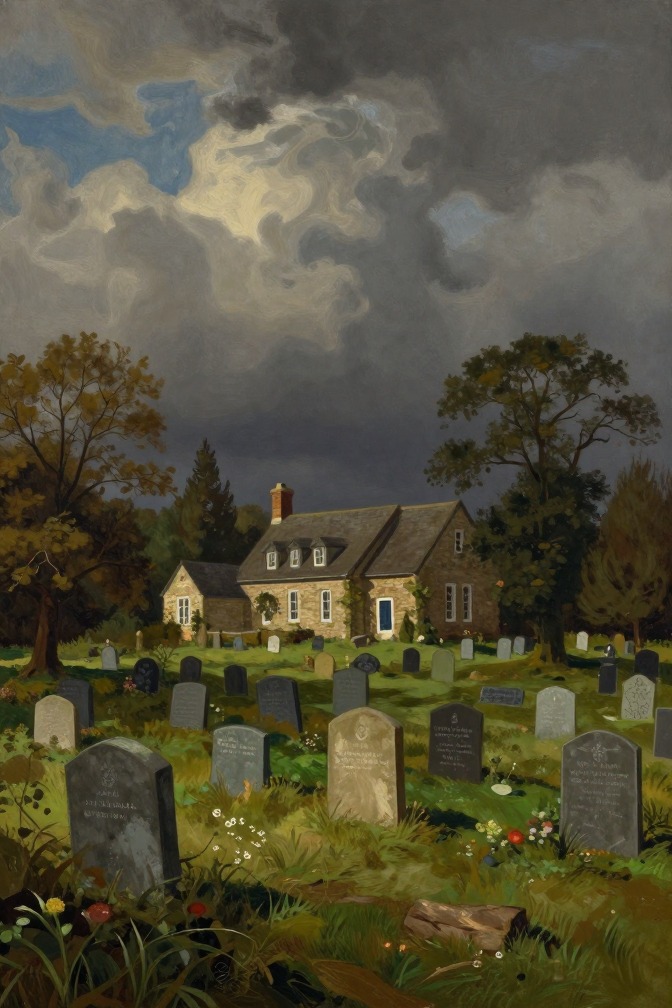
The Avonlea graveyard is the small, peaceful burial ground where Matthew Cuthbert is laid to rest after his sudden death from heart failure, and where Anne Shirley tends his grave with a slip of the white Scotch rosebush his mother brought from Scotland, making it a site of grief, memory, and the beginning of her acceptance of loss.
The manse in Avonlea is the residence of the village's minister and his wife, serving as a central domestic and social space where Anne Shirley forms a deep, transformative friendship with Mrs. Allan, who becomes a kindred spirit and moral guide.
Victoria Island is a small island discovered by Anne Shirley and Diana Barry in the brook near Green Gables, named in honor of the Queen's birthday. It becomes a cherished imaginative retreat and a symbol of the girls' friendship and shared creativity during the summer before Anne's final year of school.
The White Sands Hotel is a seaside resort on Prince Edward Island that serves as a site of social performance, cultural encounter, and personal triumph for Anne Shirley, most notably during the concert where she overcomes stage fright and delivers a celebrated recitation.
Willowmere is a small, round pool in Mr. Barry's field, named by Anne Shirley from a book Diana Barry lent her, and it forms part of the romantic geography the two girls create around Avonlea. It is one of the key locations in the imaginative landscape that Anne and Diana inhabit, a place where they play, talk, and cement their friendship.
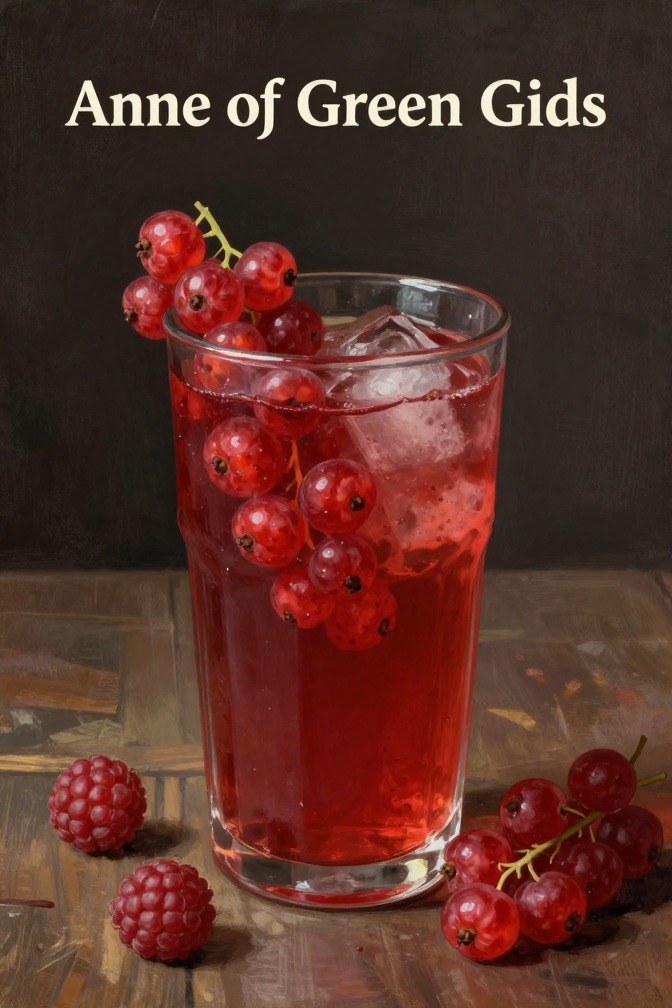
The raspberry cordial, which is actually Marilla's homemade currant wine, is a seemingly ordinary household object that becomes the catalyst for one of Anne Shirley's most dramatic and consequential early mistakes at Green Gables, leading to a temporary rupture in her cherished friendship with Diana Barry and revealing the deep social and moral fault lines in Avonlea's community.
The flat (boat) is a small, flat-bottomed dory owned by Mr. Barry and used for duck hunting on the pond below Orchard Slope. It becomes the central prop in Anne Shirley's dramatic reenactment of Tennyson's "The Lady of Shalott," during which the boat springs a leak and sinks, forcing Anne to cling to a bridge pile until Gilbert Blythe rescues her. The incident marks a turning point in Anne and Gilbert's relationship, as it leads to his renewed plea for friendship and her first stirrings of regret over their long estrangement.
The Avonlea Debating Club is a community organization that provides a structured social and intellectual outlet for the young people of Avonlea, hosting concerts and entertainments that serve as key milestones in Anne Shirley's social development and her growing rivalry with Gilbert Blythe.
The Avonlea School Trustees are the governing body responsible for hiring teachers, maintaining the schoolhouse, and overseeing education in the Avonlea district. Their decisions directly shape Anne Shirley's schooling, from her punishment under Mr. Phillips to her eventual appointment as a teacher, and they reflect the conservative, community-driven values of the rural settlement.
The Charlottetown Hospital is a charitable medical institution in Prince Edward Island's capital city that serves as the beneficiary of fundraising concerts and community events organized by the residents of Avonlea and the surrounding districts, including the White Sands Hotel concert in which Anne Shirley participates.
The Conservative Party in Avonlea functions as a marker of social identity and political allegiance, deeply embedded in the community's daily life and personal relationships. For Matthew Cuthbert, voting Conservative is "part of his religion," a reflexive loyalty that requires no justification. Anne Shirley, upon learning Matthew's affiliation, immediately declares herself Conservative as well, revealing how political identity is inherited and adopted within the household. The party's presence is felt through local figures like Mr. Bell, the Sunday-school superintendent, and through the political discussions that animate the Aid Society and the general store. The party's fortunes are tied to the community's sense of itself, and its leaders—such as the Premier who visits Charlottetown—draw crowds from across the island. Mrs. Rachel Lynde, a Liberal, provides the counterpoint, her political passion as intense as any Conservative's, and her absence from a Conservative rally is noted as a principled stand. The party system, in Avonlea, is not abstract; it is lived, debated, and felt in the rhythms of church, school, and home.
The Story Club was a short-lived but significant creative enterprise founded by Anne Shirley and Diana Barry during their early teens at Avonlea, which expanded to include Jane Andrews, Ruby Gillis, and a few other girls, and served as a vehicle for imaginative writing, peer critique, and the cultivation of literary ambition under the guidance of Miss Stacy.